Overview
## 1. Overview
All Saints Grammar is a private/independent school with an Anglican heritage located in Belmore, NSW. The school offers a co-educational program across multiple year levels, emphasising a values-based approach to learning within a supportive community.
The school is of medium size, with class sizes typically in the low-to-mid 20s, fostering a balance between personalised attention and collaborative learning. The atmosphere is generally nurturing and inclusive, with a focus on academic achievement alongside opportunities for leadership, creativity, and participation in a wide range of activities.
---
## 2. Academics & Learning
- Academic strengths: English literacy and STEM areas are emphasised, with opportunities to develop leadership skills through student-led initiatives and classroom projects.
- Special programs: Gifted and Talented programs and accelerated learning options are available to eligible students.
- NAPLAN trends: Consistent performance with gradual improvement in reading and numeracy across recent years, reflecting a stable academic trajectory.
- Student-teacher ratios: Roughly around 1:12–1:18, supporting meaningful teacher-student interaction across year levels.
- Support for diverse learners: EAL (English as an Additional Language) support, targeted learning support for students with SEN, and inclusive education practices are in place.
---
## 3. Sports & Extracurricular Strengths
- Sports offered: Basketball, soccer, cricket, rugby league, tennis, swimming, athletics, and other common NSW private-school programs.
- Strong teams or achievements: Competitive school teams with a track record of participation and success in local inter-school fixtures and competitions.
- Music, arts, drama programs: Chorus, ensembles, drama productions, and instrument tuition are part of the broader arts offering.
- Clubs: Robotics, chess, coding, debating, and other co-curricular clubs provide avenues to extend interests beyond the classroom.
- Partnerships: Involvement with local clubs, community programs, and inter-school competitions to broaden exposure and pathways in sport and the arts.
---
## 4. Wellbeing & Pastoral Care
- Anti-bullying approach: Proactive programs and clear conduct policies support a safe, respectful environment, with restorative practices where needed.
- House system: A house-based framework supports spirit, mentoring, and peer support across year levels.
- Counsellors / wellbeing officers: On-site wellbeing staff provide counselling, social-emotional support, and wellbeing education.
- Transition support for new students: Orientation programs, buddy systems, and transition sessions help new students settle in smoothly.
---
## 5. Facilities
- Sports grounds: On-site facilities suitable for multiple sports and physical education.
- Libraries: Well-stocked libraries with study spaces and technology access.
- Science labs: Modern science laboratories for hands-on experiments and practical learning.
- Music/performing arts centers: spaces for music classes, rehearsals, and performances.
- Tech/innovation labs: Dedicated spaces for creative projects, coding, and STEAM activities.
- Cafeteria: On-site canteen or cafeteria for daily meals and snacks.
- Updated playgrounds: Well-maintained outdoor spaces supporting recreation and active play.
---
## 6. School Values & Community Culture
- School values / mission: A values-driven education emphasising respect, integrity, excellence, inclusion, and service.
- Leadership style: Collaborative leadership with opportunities for student voice and teacher mentorship.
- Behaviour expectations: Clear codes of conduct and consistent expectations across year levels, with a focus on personal responsibility and respectful interaction.
- Community reputation: Positive standing within the local community, with emphasis on building a welcoming, inclusive school culture.
- Diversity & inclusion: Commitment to diversity and inclusion, with support for CALD students and efforts to create an inclusive environment for all families.
---
## 7. School Logistics & Daily Operations
- School hours: Typical day runs from morning start to mid-afternoon with a structured timetable.
- Before/after school care: Availability of before- and after-school care programs or activities.
- Uniform requirements: Uniforms are required, with standards for everyday wear and sport/pe uniform days.
- Transport (train/bus routes): Access to public transport options and school-arranged or recommended bus services; proximity to local train stations supports commuting families.
- Canteen availability: On-site canteen or lunch program offering daily options.
- Fees (low/medium/high ranges): Fees fall in the private school range, generally considered mid-to-high compared with state schools; additional costs may include uniforms, excursions, and activities.
---
## 8. Enrolment & Admissions
### 11. What is the enrolment process and timeline?
- Submit an application with required documents and any applicable application fee.
- Complete any academic assessments or intake interviews, along with parent/guardian and student meetings.
- Receive and review offer of enrolment; confirm acceptance with signing of the enrolment agreement and payment of any deposit.
- Prepare for transition activities (orientation, book lists, uniform fittings) as the year of entry approaches.
- Timelines vary by year level and vacancy, but planning and submission several months in advance is common.
### 12. Is there a waiting list, and how does it work?
- Some year levels may operate with a waiting list depending on vacancies.
- Priority on waiting lists is typically given to siblings and returning families, followed by date of application and year-level needs.
- Availability can fluctuate by term, so early expression of interest is advised.
### 13. Are there any entry requirements, tests, or interviews?
- Entrance assessments may cover core academic areas and language/assessment tasks as appropriate to the year level.
- Parent and student interviews are commonly part of the process to assess fit with the school’s values and programs.
- Some year levels may require specific assessments or auditions for specialised programs.
### 14. Does the school accept mid-year transfers?
- Mid-year transfers are sometimes possible, subject to vacancies and the ability to align with the year-level timetable.
- Transfer applicants typically need to provide current school reports, transcripts, and any required documentation to support a smooth transition.
---
## 9. Frequently Asked Questions
- Why Parents Choose This School?
- Families often cite a values-based education, supportive community, and a balance of strong academics with broad co-curricular opportunities.
- What type of student thrives at this school?
- Motivated, curious students who engage with both academics and the wider school community tend to thrive, especially those who value collaboration and service.
- What opportunities are available for students to extend their skills (academics, sports, arts)?
- Extended programs include gifted/accelerated options, leadership roles, robust sports teams, performing arts, and a range of clubs (robotics, chess, coding, debating).
- How does the school communicate with parents?
- Regular updates via newsletters, a parent portal, and scheduled parent-teacher interviews; prompt communication through email and the school app where appropriate.
- What is the school’s approach to teaching and learning?
- A combination of differentiated instruction, inquiry-based learning, and technology-enabled classrooms to support diverse learners and pathways.
- How does the school support students who need extra academic help?
- Access to learning support, targeted tutorials, EAL assistance, and small-group interventions as needed.
- What support is available for academic challenges?
- Dedicated staff, personalised learning plans where appropriate, and additional tutoring or resources to help students overcome difficulties.
- How does the school communicate with parents? (Note: same question repeated in the prompt; typical channels are described above.)
- What are the class sizes and how much individual attention do students receive?
- Class sizes are generally in the low-to-mid 20s, with teachers able to provide targeted feedback and guidance through small-group work and mentoring.
- What extracurricular and sports opportunities are available?
- A broad menu including team sports, music and arts programs, robotics, chess, coding, debating, and participation in inter-school events.
- What facilities does the school offer (sports, science, arts)?
- Comprehensive facilities including sports grounds, libraries, science labs, performing arts spaces, and tech/innovation labs.
- What is the school’s approach to technology and digital learning?
- Technology-integrated learning with digital literacy, classroom devices, and resources to support modern teaching and remote/hybrid learning where relevant.
- What transport and accessibility options are available?
- Access to public transport routes and potential school-provided or recommended transport options; facilities designed with accessibility in mind.
- What are the typical school fees or additional costs?
- Fees are in the private-school range, with additional costs for uniforms, excursions, and certain activities; families should consult the current fee schedule for exact figures.
---
## 10. Short Pros & Cons list
- Pros
- Values-based, supportive community with a focus on academics and well-rounded development.
- Range of extracurricular activities and clubs to broaden skills and interests.
- Moderate class sizes enabling teacher attention and student engagement.
- Diverse facilities supporting science, arts, and technology learning.
- Cons
- Fees are higher than public options, with additional costs for uniforms and activities.
- Availability of places can vary by year level, potentially leading to waiting lists.
- Transport options depend on location and may require planning for those outside easy access to public routes.








 $665,000
Apartment / Unit / Flat
$665,000
Apartment / Unit / Flat
 $3,900,000
House
$3,900,000
House
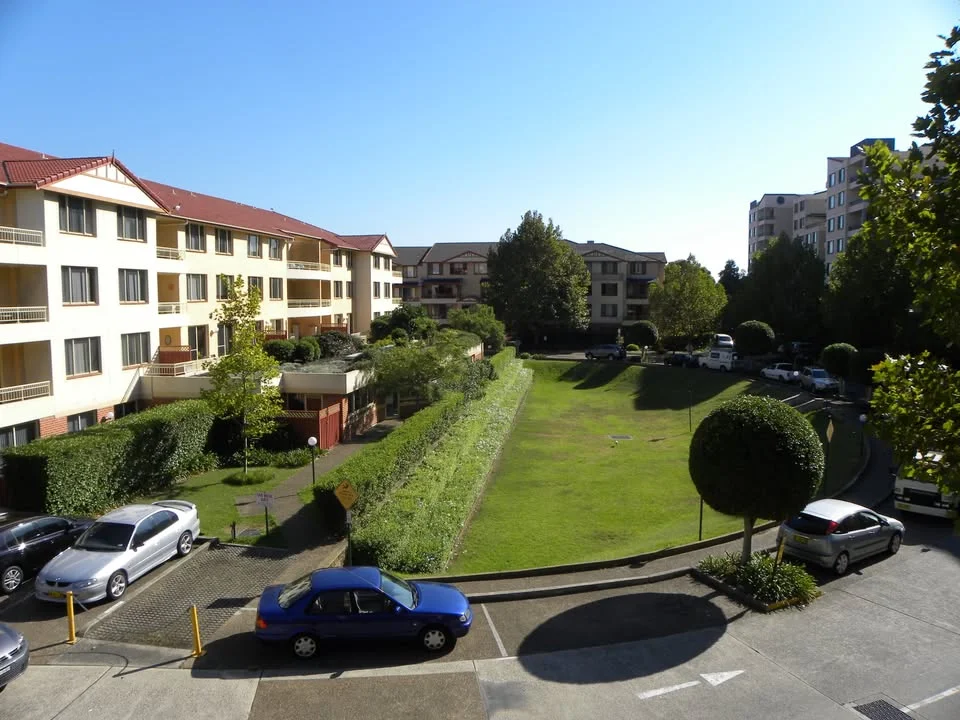 $990
Apartment / Unit / Flat
$990
Apartment / Unit / Flat
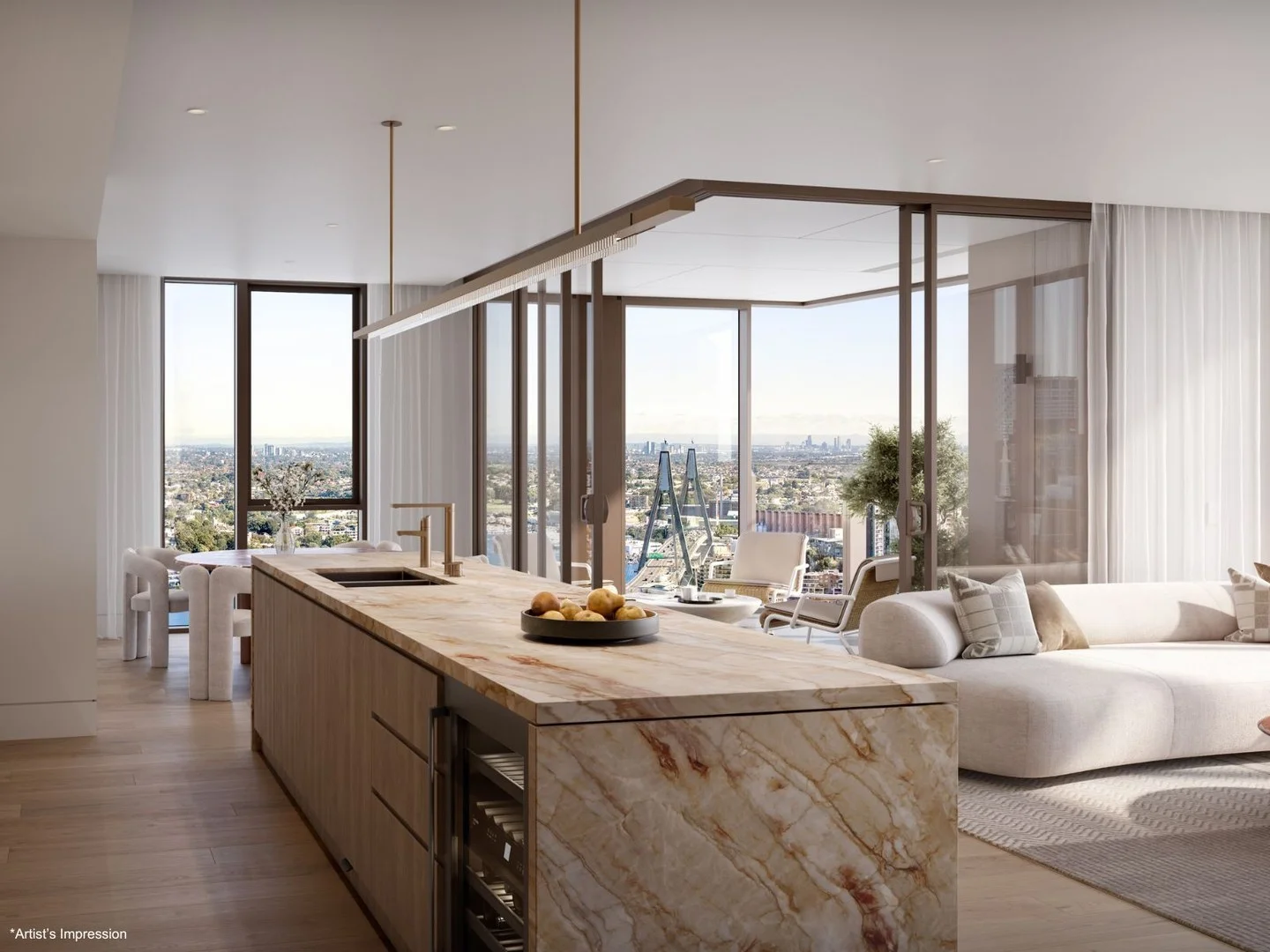 $9,020,000
propertyType.NEW APARTMENTS / OFF THE PLAN
$9,020,000
propertyType.NEW APARTMENTS / OFF THE PLAN
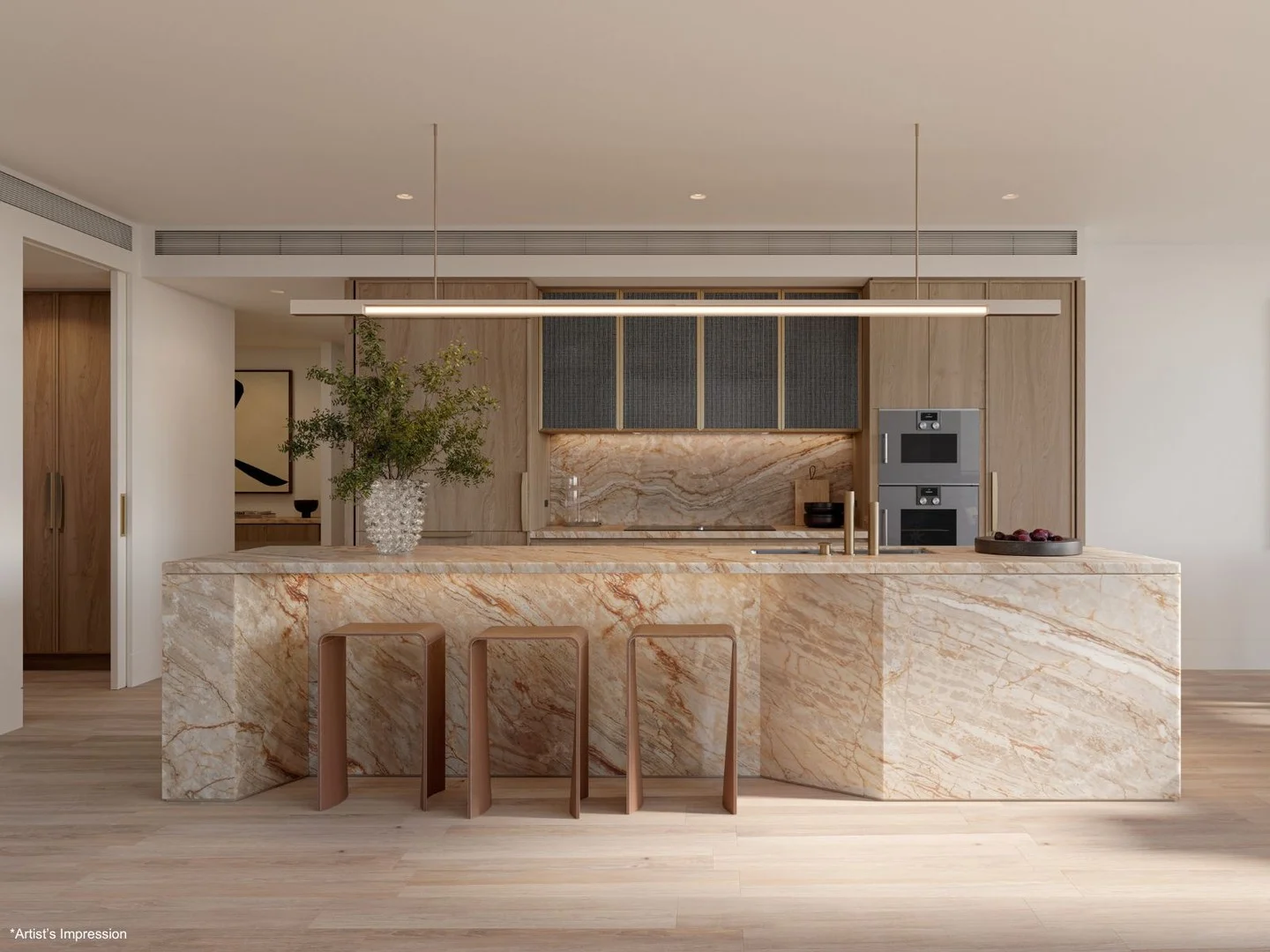 $6,225,000
propertyType.NEW APARTMENTS / OFF THE PLAN
$6,225,000
propertyType.NEW APARTMENTS / OFF THE PLAN
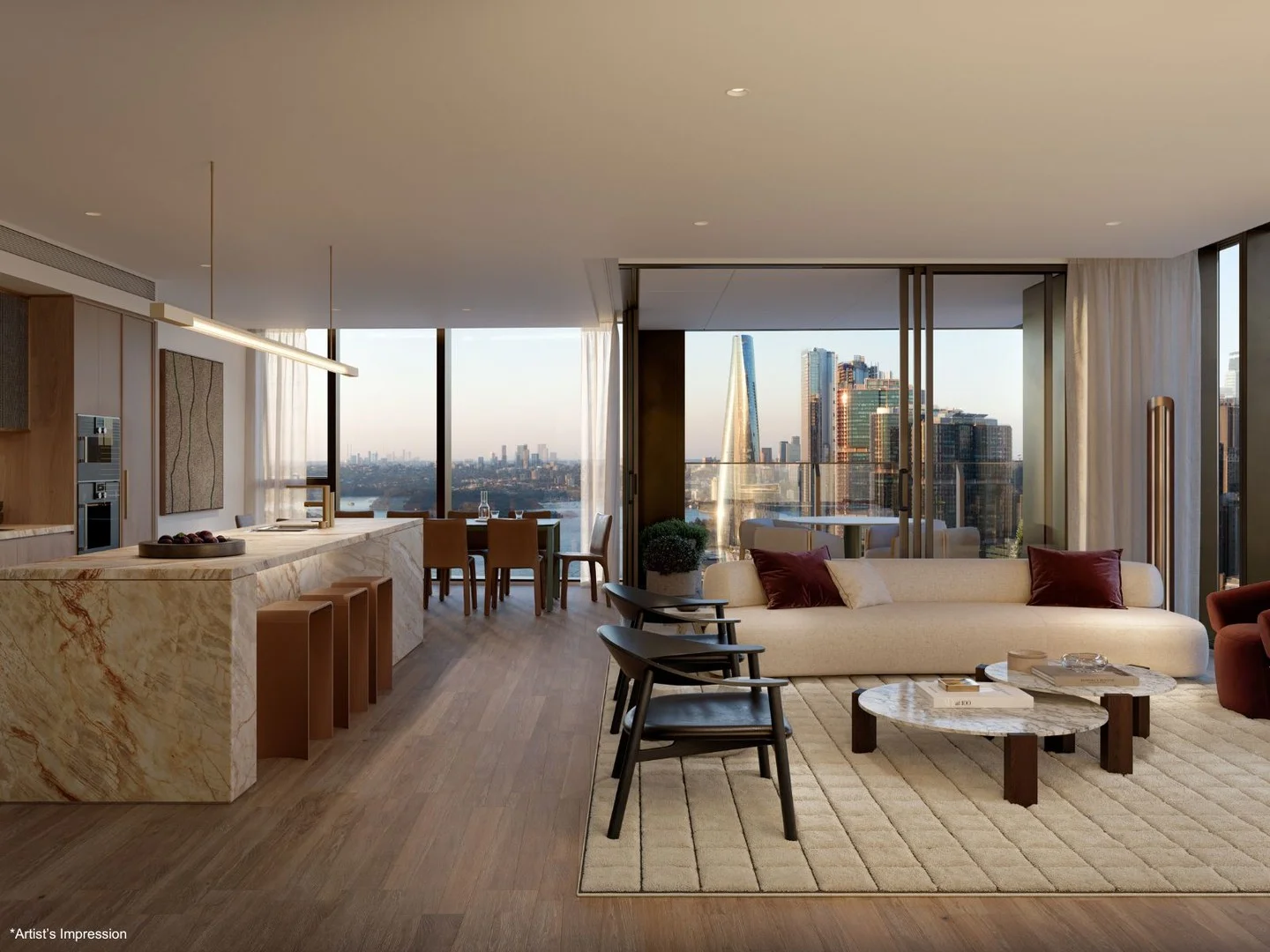 $12,980,000
propertyType.NEW APARTMENTS / OFF THE PLAN
$12,980,000
propertyType.NEW APARTMENTS / OFF THE PLAN
 $8,630,000
propertyType.NEW APARTMENTS / OFF THE PLAN
$8,630,000
propertyType.NEW APARTMENTS / OFF THE PLAN
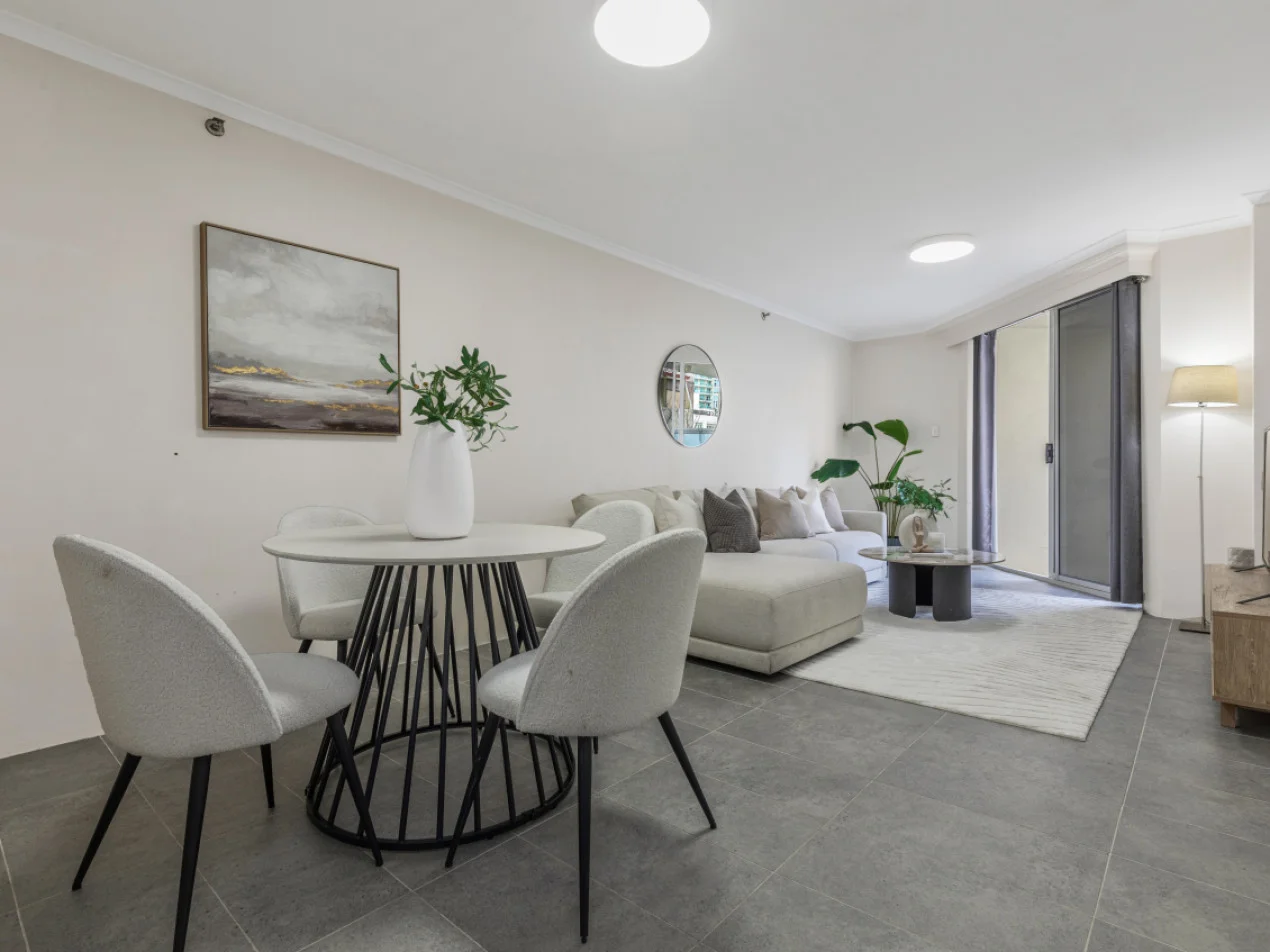 $640,000 - $675,000
Apartment / Unit / Flat
$640,000 - $675,000
Apartment / Unit / Flat
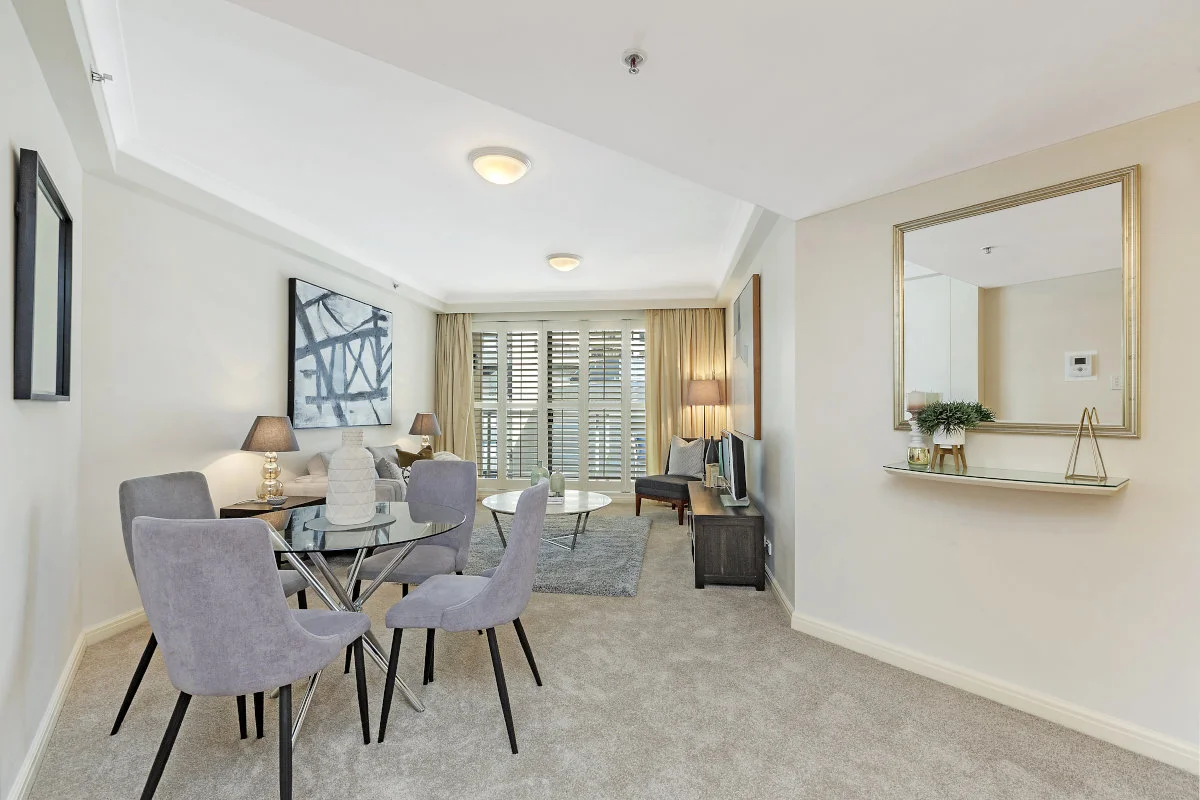 $660,000 - $725,000
Apartment / Unit / Flat
$660,000 - $725,000
Apartment / Unit / Flat


