Overview
# 1. Overview
St Joseph’s Catholic Primary School, Belmore is a Catholic, co-educational primary school with a focus on faith-filled learning and a strong sense of community. The school supports students to grow academically, socially and spiritually within a nurturing environment that values service, respect and inclusivity.
- School type: Catholic primary (co-ed)
- School size: small–medium
- Class size: typically around 20–25 students per class
- Atmosphere/culture: nurturing, inclusive, faith-centered, community-minded
⸻
# 2. Academics & Learning
- Academic strengths: Strong emphasis on English literacy and numeracy, integrated religious education, and opportunities for leadership development. The school aims to build solid foundational skills across core subjects while fostering a love of learning.
- Special programs: Catholic identity integrated throughout learning; small-group literacy and numeracy support; inclusive education with targeted support for diverse learners; opportunities for student leadership and involvement in school service activities.
- NAPLAN trends: Over recent years, the school has shown steady improvements in reading and writing with consistent performance in numeracy, reflecting ongoing focus on literacy and numeracy development.
- Student-teacher ratios: Class sizes of around 20–25 students with teacher aides or support staff as needed; aims to maintain a favorable teacher-to-student ratio for individual attention.
- Support for diverse learners: EAL support and SEN support available; emphasis on inclusive teaching practices and tailored learning plans to help all students access the curriculum.
⸻
# 3. Sports & Extracurricular Strengths
- Sports offered: A range of team and individual sports, including soccer, basketball, netball, cricket and rugby league, with opportunities to participate in inter-school competitions.
- Strong teams or achievements: Active participation in local inter-school events; students regularly compete in district sports programs and events.
- Music, arts, drama programs: Choir and instrumental/music programs; opportunities to participate in school plays and musical performances.
- Clubs: Robotics, chess, coding, debating and other inquiry-based clubs are available to extend learning outside the classroom.
- Partnerships: Connections with local community groups and sporting clubs to provide clinics, events and external opportunities for students.
⸻
# 4. Wellbeing & Pastoral Care
- Anti-bullying approach: Proactive, structured anti-bullying policy with clear steps for reporting and resolution; emphasis on a respectful school culture.
- House system: House groups support pastoral care, teamwork and school-wide events; students participate in house activities and competitions.
- Counsellors / wellbeing officers: Access to school counsellor or wellbeing supports to assist with social-emotional learning and pastoral care.
- Transition support for new students: Orientation activities, buddy programs and transition visits help new students settle in smoothly.
⸻
# 5. Facilities
- Sports grounds: On-site outdoor spaces suitable for recess, lunch and physical education.
- Libraries: School library supporting reading development and research.
- Science labs: Dedicated spaces for science activities and experiments.
- Music/performing arts centers: Facilities to support music education and drama programs.
- Tech/innovation labs: Computer and technology spaces for digital learning and coding activities.
- Cafeteria: On-site canteen or lunch facilities.
- Updated playgrounds: Modern play equipment and safe outdoor spaces for imaginative play and physical activity.
⸻
# 6. School Values & Community Culture
- School values / mission: Catholic values underpin daily learning, with emphasis on respect, responsibility, compassion and service to others.
- Leadership style: Collaborative and participatory—students have opportunities for leadership roles and student voice is encouraged.
- Behaviour expectations: Clear expectations around respectful conduct, kindness and accountability; consistent routines and positive reinforcement.
- Community reputation: Known for a welcoming parish-based community and supportive family involvement.
- Diversity & inclusion: Committed to inclusive education and welcoming families from diverse backgrounds.
⸻
# 7. School Logistics & Daily Operations
- School hours: Typical school day runs approximately 9:00 am–3:00 pm (exact times may vary; check current calendar).
- Before/after school care: After-school care or supervised programs available through approved providers.
- Uniform requirements: School uniform with specified daily and sports uniforms; details provided by the school.
- Transport (train/bus routes): Accessible by local bus routes and public transport; families should check NSW transport options for Belmore area.
- Canteen availability: Canteen or lunch facilities available on most days.
- Fees (low/medium/high ranges): Fees are in the mid-range for Catholic primary schools in NSW; exact amounts published by the school and subject to annual change.
⸻
# 8. Enrolment & Admissions
11. What is the enrolment process and timeline?
- Parents typically submit an enrolment application during the school’s open period, provide required documents (e.g., birth certificate, baptism certificate as applicable), and participate in any information sessions or interviews. The timeline can vary by year level and demand; there is often a formal intake process aligned with the NSW Catholic Education guidelines and the school calendar. Open days and information evenings are common.
12. Is there a waiting list, and how does it work?
- Yes, there is usually a waiting list when year levels are full. Priority may be given to siblings and parish families, with other applicants placed onto a waitlist. The wait time depends on vacancies and demand and may fluctuate across years.
13. Are there any entry requirements, tests, or interviews?
- Primary school entry commonly involves documentation and a family interview or welcome meeting. There is typically no high-stakes entrance exam for Year K or early years, but the school may conduct informal interviews to understand applicant needs and fit. Baptism or parish affiliation may be requested as part of enrolment requirements, along with standard immunisation records where applicable.
14. Does the school accept mid-year transfers?
- Yes, subject to vacancy. Families seeking mid-year transfer should contact the school early, provide current school records (transcripts, reports), and supply any required documentation (immunisation records, birth certificate). Availability will determine feasibility for a mid-year start.
⸻
# 9. Frequently Asked Questions
- Why Parents Choose This School?
- Strong Catholic identity, supportive community, welcoming atmosphere and focus on developing the whole child with care and respect.
- What type of student thrives at this school?
- Students who are engaged, respectful, collaborative and eager to participate in both academics and community activities.
- What opportunities are available for students to extend their skills (academics, sports, arts)?
- Opportunities across literacy and numeracy enhancement, leadership roles, sports teams, musical and performing arts, coding and robotics clubs, and debating activities.
- How does the school communicate with parents?
- Regular newsletters, emails, parent portals or apps, notices and parent-teacher meetings, plus information sessions and open days.
- What is the school’s approach to teaching and learning?
- A faith-infused, student-centered approach that emphasises core literacy and numeracy, inclusive practices, hands-on learning and the use of technology to enhance learning.
- How does the school support students who need extra academic help?
- In-class differentiation, targeted small-group interventions, EAL and SEN support, and access to learning support staff.
- What support is available for academic challenges?
- Early identification, personalised learning plans and additional coaching or resource support through school programs.
- What are the class sizes and how much individual attention do students receive?
- Classes typically have 20–25 students; teachers provide guidance and feedback in daily instruction, with additional support where needed.
- What extracurricular and sports opportunities are available?
- A range of sports (soccer, basketball, netball, cricket, rugby league), plus clubs (robotics, chess, coding, debating) and arts programs (music, drama).
- What facilities does the school offer (sports, science, arts)?
- On-site sports facilities, well-equipped library, science labs, music/performing arts spaces, technology labs, canteen and well-maintained playgrounds.
- What is the school’s approach to technology and digital learning?
- Integrated ICT in classrooms, access to computer/resource labs and digital learning tools to support modern teaching and student collaboration.
- What transport and accessibility options are available?
- Public transport access and local bus routes; school provides information about drop-off/pick-up arrangements and accessibility considerations.
- What are the typical school fees or additional costs?
- Fees are in the mid-range for NSW Catholic primary schools; additional costs may include excursions, sport, and uniform items. Exact figures are published by the school each year.
⸻
# 10. Short Pros & Cons list
- Pros
- Strong Catholic identity and values-based education
- Nurturing, inclusive atmosphere with a supportive community
- Solid focus on core academics (literacy/numeracy) plus religious education
- Broad extracurriculars: sports, arts, robotics, coding, debating
- Access to wellbeing supports and transition programs for new students
- Cons
- As a small–medium school, class sizes and program breadth may be more limited than larger schools
- Availability of places is subject to annual enrolment demand and may involve a waiting list
- Specific facilities and programs may vary year to year based on funding and student interest






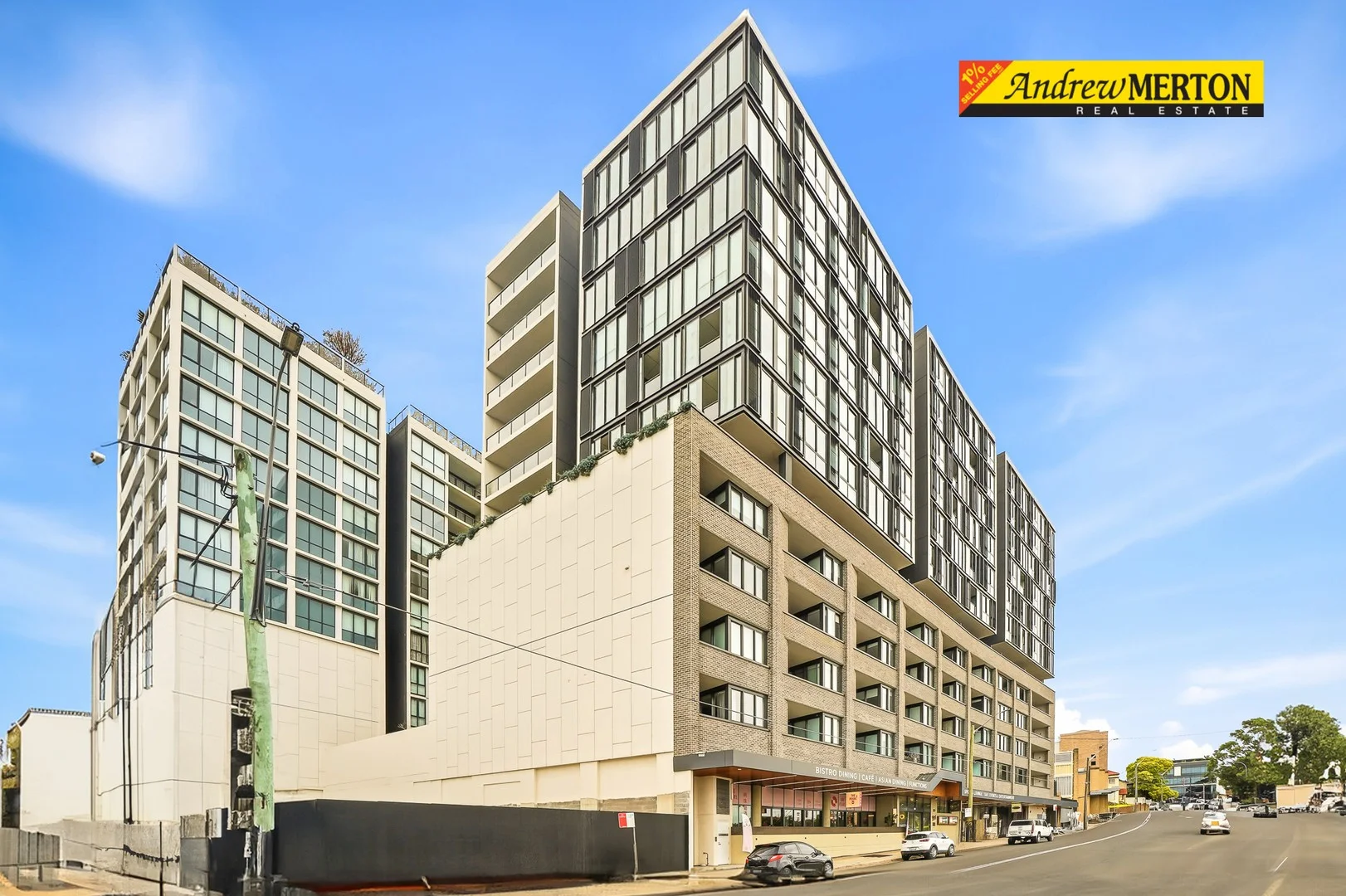 $665,000
Apartment / Unit / Flat
$665,000
Apartment / Unit / Flat
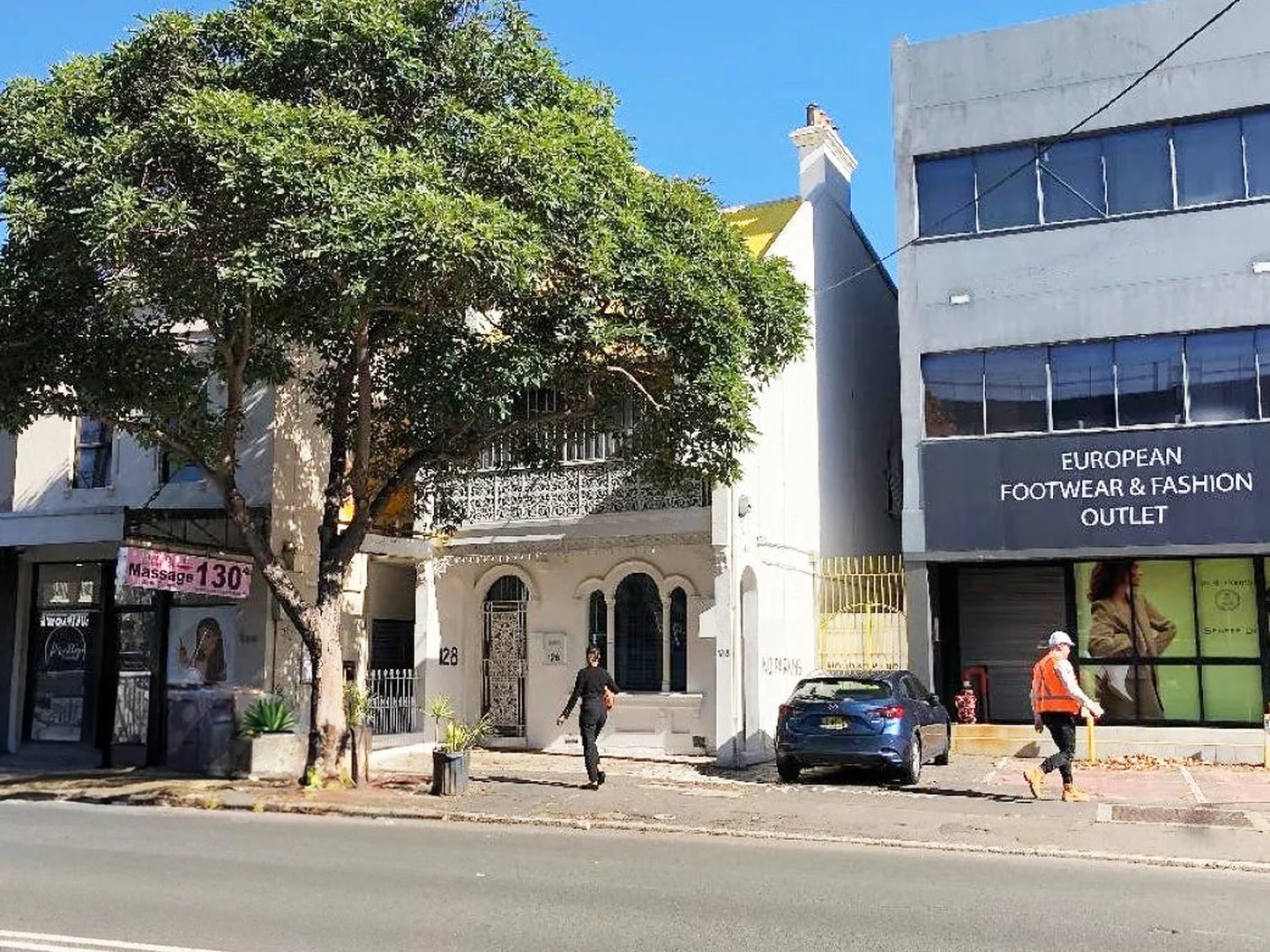 $3,900,000
House
$3,900,000
House
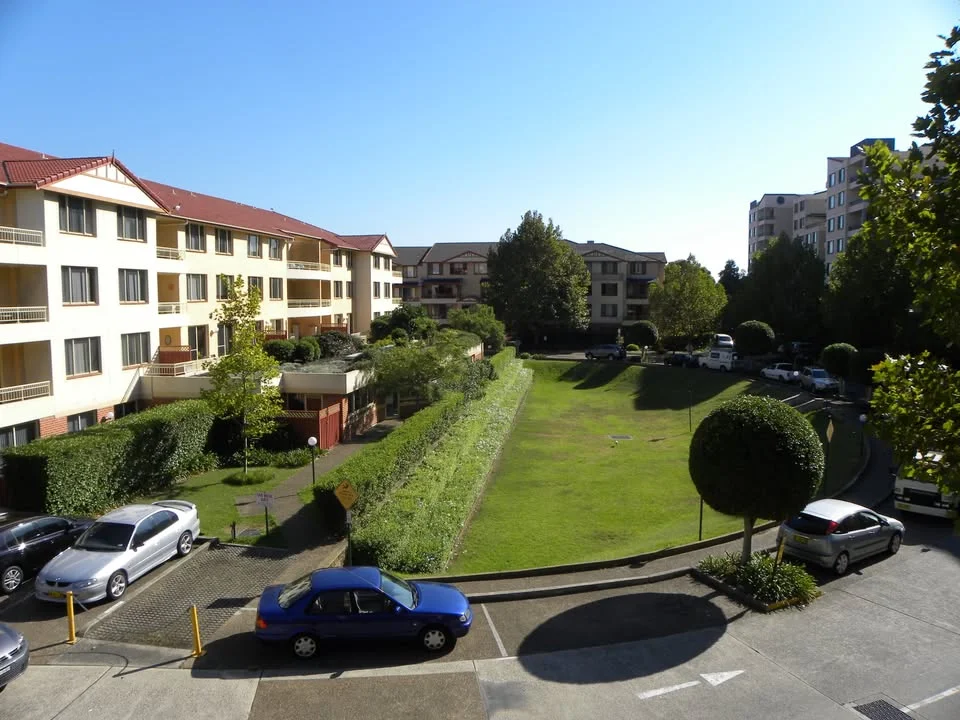 $990
Apartment / Unit / Flat
$990
Apartment / Unit / Flat
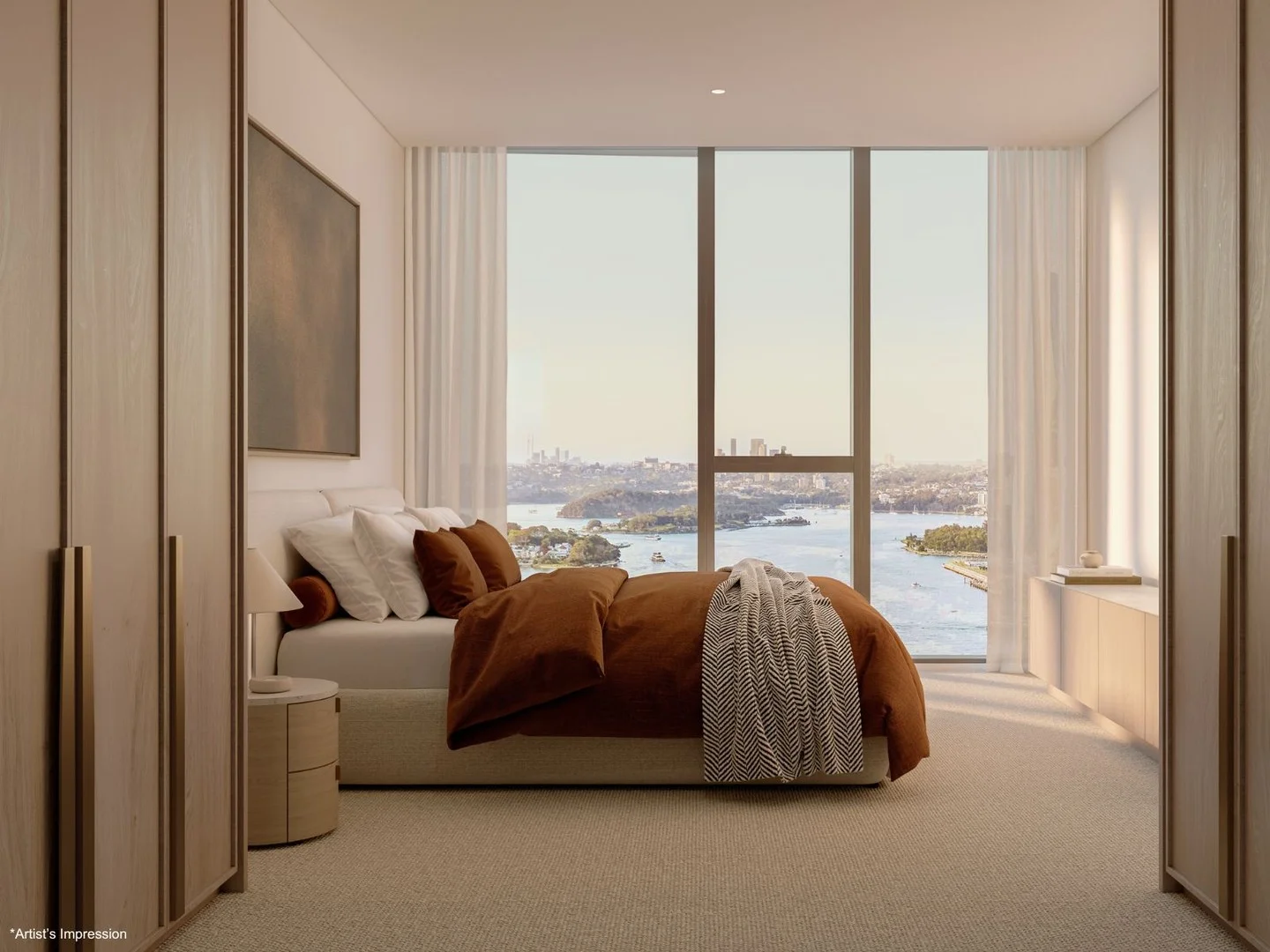 $8,630,000
propertyType.NEW APARTMENTS / OFF THE PLAN
$8,630,000
propertyType.NEW APARTMENTS / OFF THE PLAN
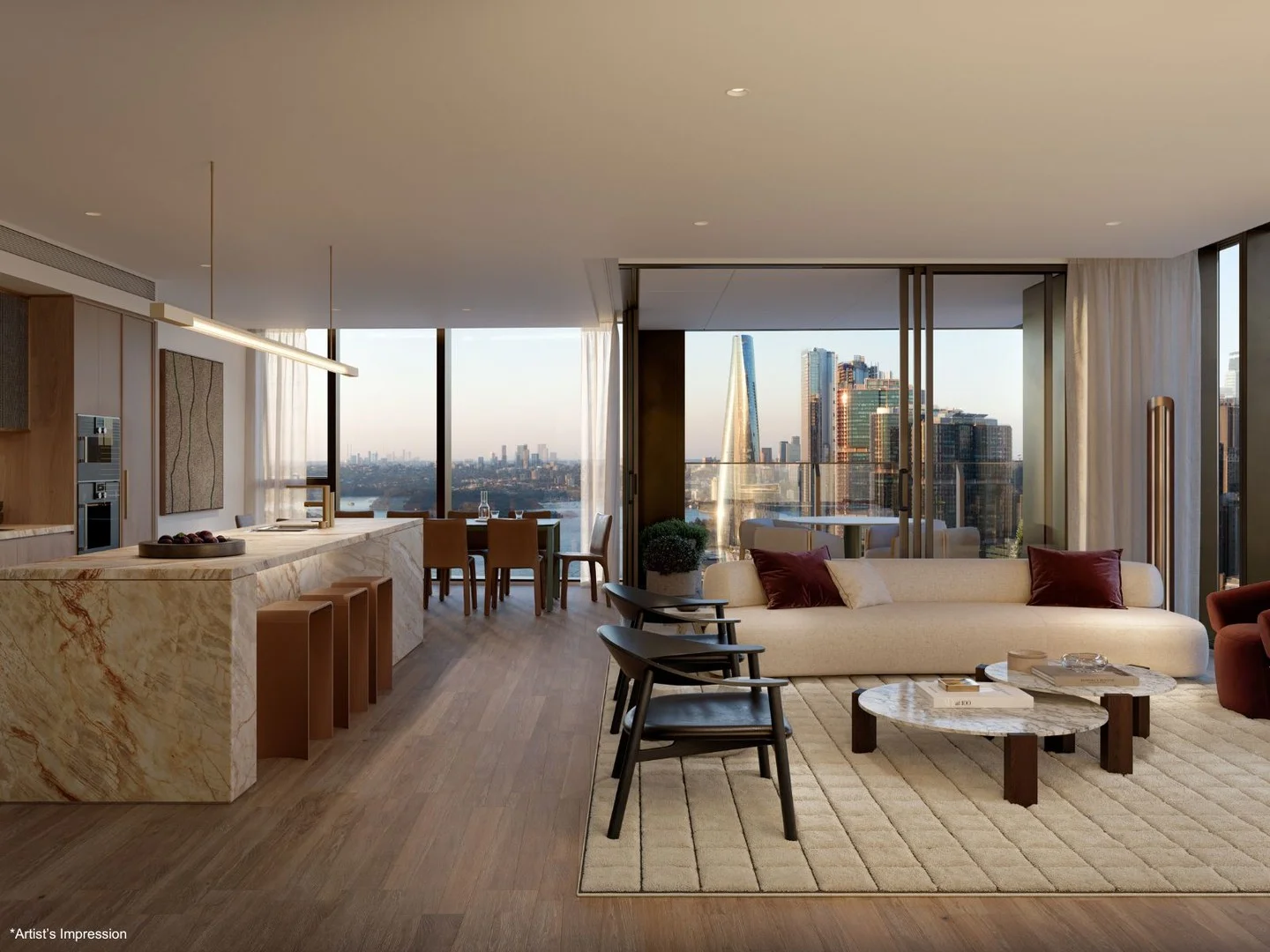 $12,980,000
propertyType.NEW APARTMENTS / OFF THE PLAN
$12,980,000
propertyType.NEW APARTMENTS / OFF THE PLAN
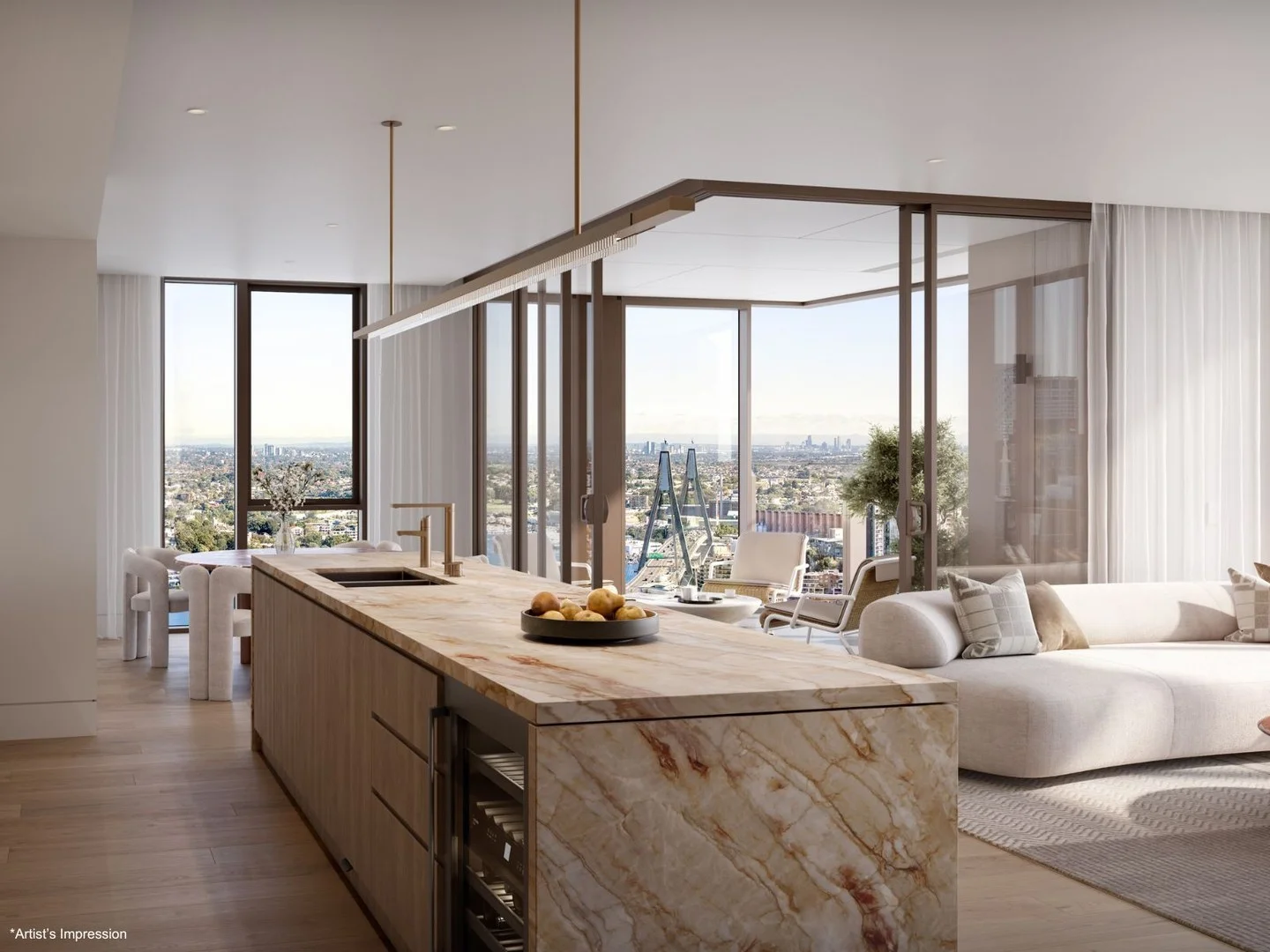 $9,020,000
propertyType.NEW APARTMENTS / OFF THE PLAN
$9,020,000
propertyType.NEW APARTMENTS / OFF THE PLAN
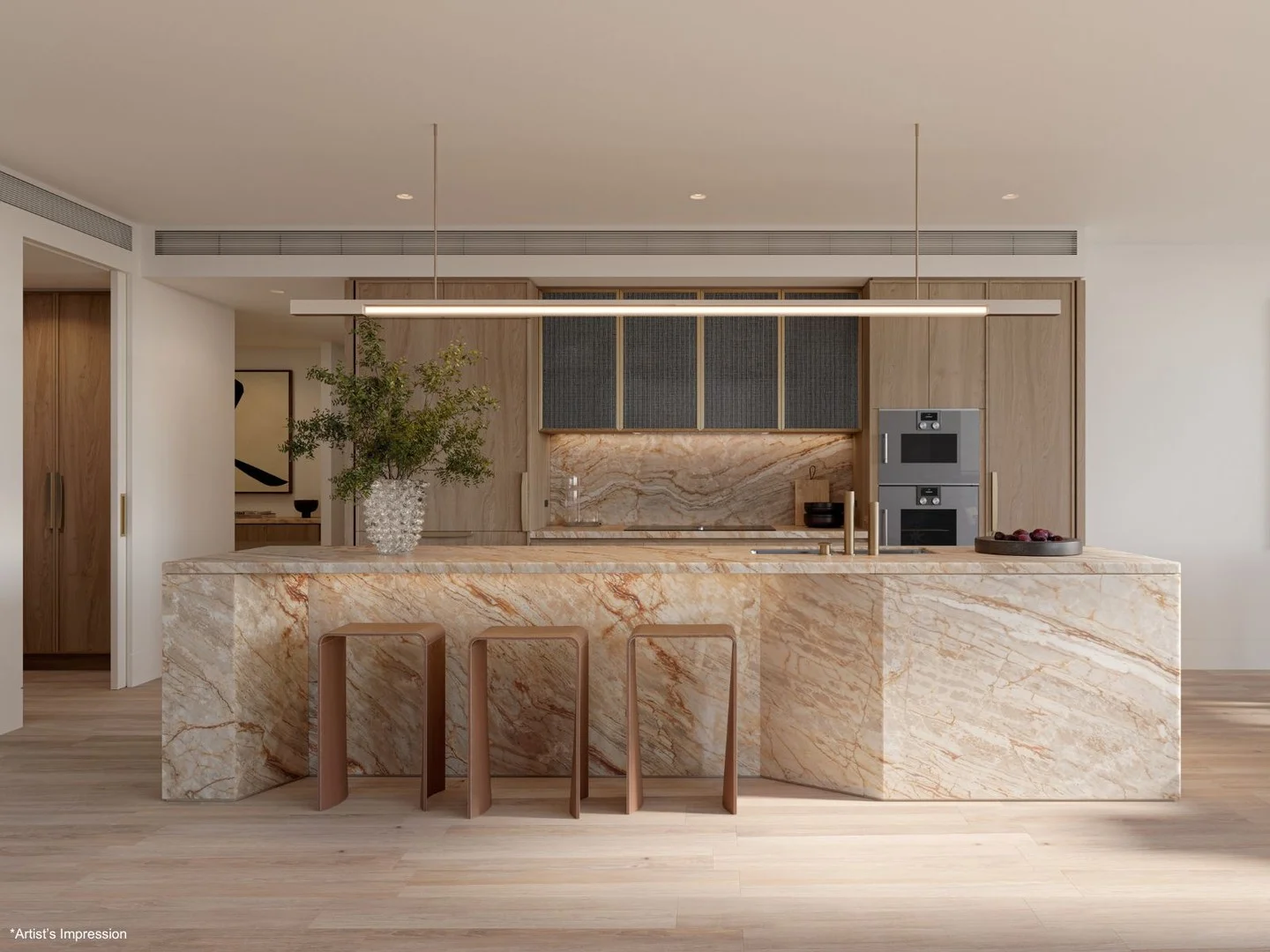 $6,225,000
propertyType.NEW APARTMENTS / OFF THE PLAN
$6,225,000
propertyType.NEW APARTMENTS / OFF THE PLAN
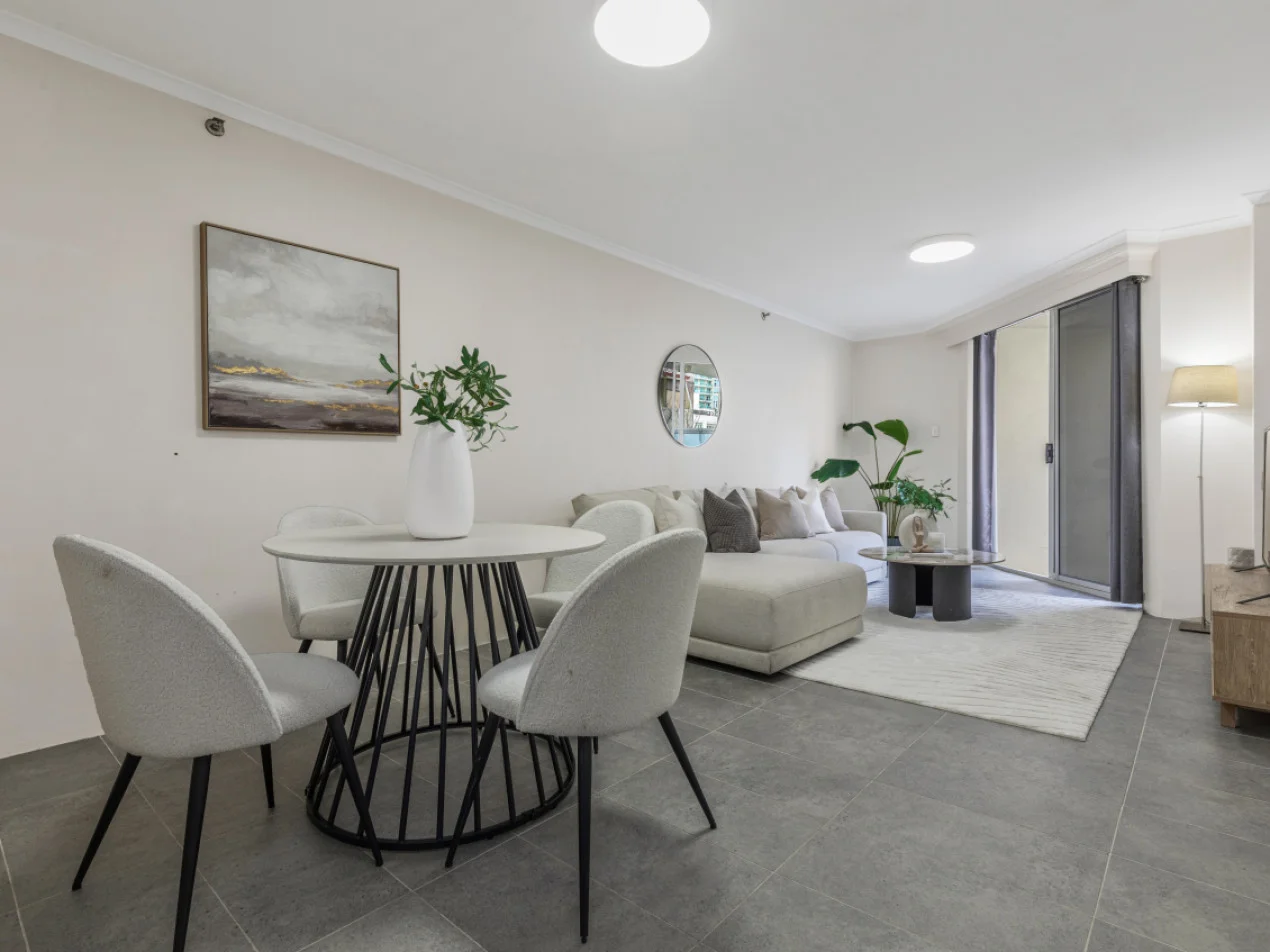 $640,000 - $675,000
Apartment / Unit / Flat
$640,000 - $675,000
Apartment / Unit / Flat
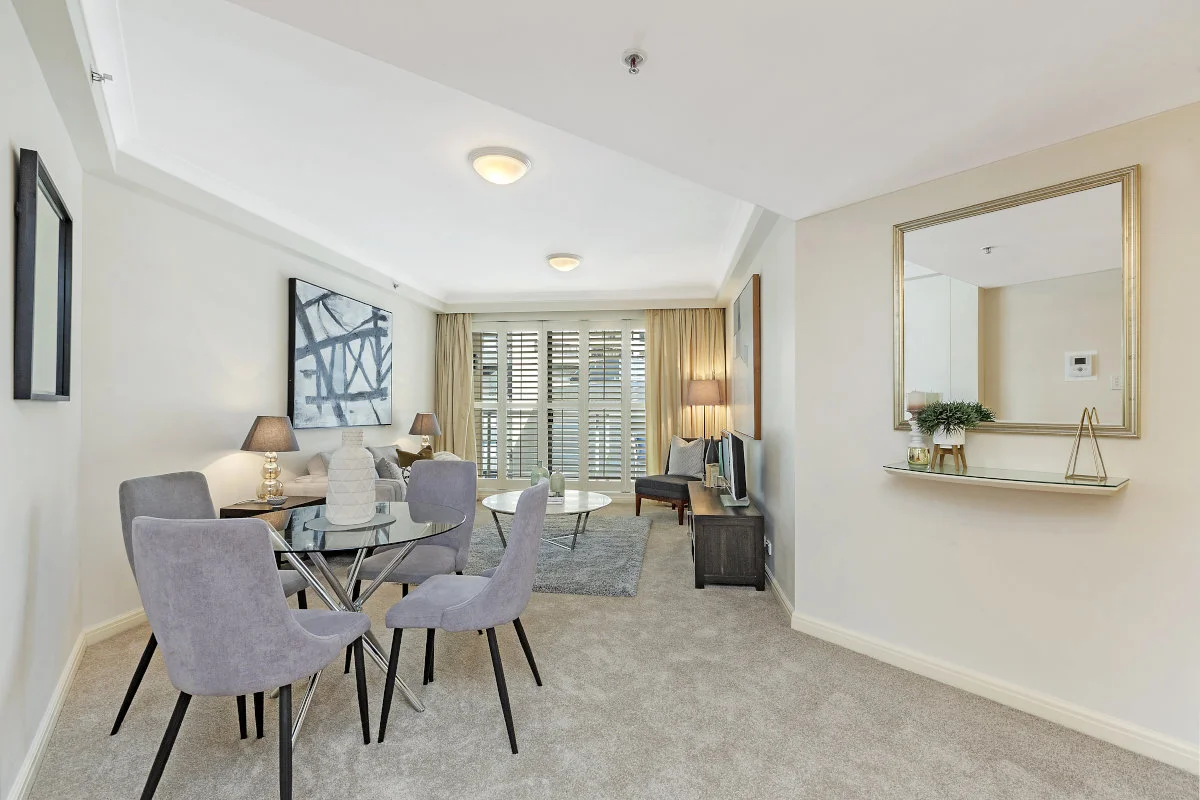 $660,000 - $725,000
Apartment / Unit / Flat
$660,000 - $725,000
Apartment / Unit / Flat


