Overview
## 1. Overview
Angelorum College is a Catholic, independent school located in Fortitude Valley, Brisbane (Queensland). The college offers a values-based education within a supportive, inclusive culture and aims to prepare students for success in a changing world. The school is medium-sized, with class environments designed to balance individual attention with collaborative learning. The atmosphere blends academic ambition with strong pastoral care and a focus on character and community.
- School type: Catholic, independent
- School size: Medium
- Class size: Small to medium (typical classes designed for individual attention)
- Atmosphere/culture: Nurturing, inclusive, academically focused, values-driven
---
## 2. Academics & Learning
Angelorum College emphasises a well-rounded academic program with strong foundations across core disciplines and opportunities for growth beyond the classroom.
- Academic strengths: English, STEM, leadership development, and language learning are key areas of emphasis.
- Special programs: Accelerated/extended learning options, gifted and talented pathways, and support programs for English as an Additional Language (EAL) learners.
- NAPLAN / trends: Recent years show positive, steady trends in reading and numeracy, reflecting ongoing curriculum enrichment and targeted intervention where needed.
- Student-teacher ratios: Small to moderate ratios that enable personalized feedback and ongoing teacher support (typical range around 1:12–1:20, depending on year level).
- Support for diverse learners: Robust EAL support and SEN provisions to help students access learning, with dedicated staff and tailored adjustments where appropriate.
---
## 3. Sports & Extracurricular Strengths
A broad range of activities supports physical development, creativity, and teamwork, with a focus on participation and achievement.
- Sports offered: Basketball, netball, soccer, rugby, cricket, swimming, athletics, and other school-wide programs.
- Strong teams or achievements: Competitive school teams with development pathways and regional participation.
- Music, arts, drama programs: Regular music ensembles, choir, instrumental tuition, drama productions, and opportunities in performing arts.
- Clubs: Robotics, coding, chess, debating, and other STEM-social clubs to foster problem-solving and collaboration.
- Partnerships: Local clubs and competitions, along with community and diocesan partnerships to broaden opportunities.
Most parents skim this section, especially for boys aged 10–14, so the emphasis is on accessible, clearly defined options and the pathway from beginners to competition or performance.
---
## 4. Wellbeing & Pastoral Care
Wellbeing and pastoral care are central to the school experience, helping students feel secure, supported, and connected.
- Anti-bullying approach: Whole-school positive behaviour approach with clear expectations, reporting channels, and restorative practices.
- House system: A house structure that fosters friendship, healthy competition, and peer mentoring across year levels.
- Counsellors / wellbeing officers: Dedicated wellbeing staff to support mental health, resilience, and social-emotional learning.
- Transition support for new students: Orientation programs, buddy systems, and personalised transition plans to help new students settle in quickly.
---
## 5. Facilities
Facilities are designed to support a broad curriculum and vibrant student life.
- Sports grounds: On-site fields and courts for diverse sports programs.
- Libraries: Well-stocked libraries with study spaces and digital resources.
- Science labs: Modern laboratories for practical science learning.
- Music/performing arts centers: Dedicated spaces for music, drama, and performances.
- Tech/innovation labs: Contemporary spaces for coding, robotics, and digital projects.
- Cafeteria: On-site canteen and dining facilities.
- Updated playgrounds: Safe, well-maintained outdoor play and activity areas.
---
## 6. School Values & Community Culture
The school environment reflects its values and aims to develop responsible, respectful, and curious young people.
- School values / mission: Catholic values focused on respect, responsibility, compassion, and excellence.
- Leadership style: Collaborative and student-centered, with opportunities for student voice and leadership roles.
- Behaviour expectations: Clear codes of conduct aligned with school values, reinforced through routines and positive reinforcement.
- Community reputation: A welcoming, faith-centered community with emphasis on service, inclusion, and partnerships.
- Diversity & inclusion: Committed to welcoming students from diverse backgrounds and promoting inclusive practices.
---
## 7. School Logistics & Daily Operations
Practical details to help families plan around school life.
- School hours: Typical day runs from morning to afternoon, with transitions built in for starting and finishing times.
- Before/after school care: Availability of supervision or care programs outside standard hours.
- Uniform requirements: School uniform with possible sport/physical education gear; guidelines for daily wear and special events.
- Transport: Access to public transport options and/or school-private bus services where available; information on routes and drop-off points.
- Canteen availability: On-site canteen or lunch facilities offering everyday meals and snacks.
- Fees: Fee ranges described as moderate to mid-range, with information on any additional costs for activities or electives.
---
## 8. Enrolment & Admissions
11. What is the enrolment process and timeline?
- Online application through the school’s admissions portal, with required supporting documents (birth certificate, immunisation records, previous school reports, etc.).
- Application fee and submission deadlines.
- Shortlisting and invitation for an interview or family discussion.
- Offers issued according to a defined intake schedule, with confirmation and acceptance steps.
12. Is there a waiting list, and how does it work?
- Waiting lists may apply for popular year levels. Families are placed on a waitlist when offers are temporarily unavailable and are contacted as places become available, typically in order of submission date and alignment with intake priorities.
13. Are there any entry requirements, tests, or interviews?
- Usually includes an interview or information session for families, and may involve discussions about the student’s interests, learning needs, and alignment with school values.
- No standard external entrance exam is required for all applicants, though certain programs may have specific assessments or readiness checks where applicable.
14. Does the school accept mid-year transfers?
- Mid-year transfers are considered where spaces exist and meeting essential criteria (transcript review, enrolment requirements, and parent/guardian consent) is satisfied. Availability varies by term and year level.
---
## 9. Frequently Asked Questions
- Why Parents Choose This School?
- A values-driven Catholic education in a supportive, inclusive community with a focus on holistic development, strong academics, and robust wellbeing support.
- What type of student thrives at this school?
- Students who are committed to learning, value community, and respond well to a nurturing, structured environment with opportunities for leadership and service.
- What opportunities are available for students to extend their skills (academics, sports, arts)?
- Accelerated learning or gifted pathways, leadership programs, special interest clubs (robotics, coding, debating), competitive sports, music ensembles, drama productions, and arts opportunities.
- How does the school communicate with parents?
- Regular updates via newsletters, email, a parent portal, and scheduled meetings. Open days and information nights are held to keep families informed.
- What is the school’s approach to teaching and learning?
- A student-centered approach balancing rigorous academics with pastoral care, differentiation to meet diverse needs, and opportunities for inquiry, collaboration, and real-world application.
- How does the school support students who need extra academic help?
- Targeted interventions, EAL and SEN support, extra tutoring or extension options, and ongoing progress monitoring.
- What support is available for academic challenges?
- Access to learning support staff, accommodation plans, and regular progress reporting to families.
- How does the school communicate with parents? (Repeated)
- See above: multi-channel updates, parent portals, and direct communications from teachers and leadership.
- What are the class sizes and how much individual attention do students receive?
- Class sizes are small to medium, designed to enable frequent teacher feedback and individualized support within a collaborative classroom setting.
- What extracurricular and sports opportunities are available?
- A broad range of sports, music, arts, drama, and clubs such as robotics, coding, chess, and debating, with pathways to competition and performance.
- What facilities does the school offer (sports, science, arts)?
- Sports grounds, libraries, science labs, performing arts spaces, technology labs, a canteen, and updated outdoor and learning environments.
- What is the school’s approach to technology and digital learning?
- Integration of digital tools to support learning, with responsible use policies, coding and robotics programs, and opportunities for creative projects and digital literacy.
- What transport and accessibility options are available?
- Public transport access and/or school transport options where available, with information on routes and accessibility considerations.
- What are the typical school fees or additional costs?
- Fees are described as moderate to mid-range, with transparency about any additional costs for activities, camps, or electives.
---
## 10. Short Pros & Cons list
- Pros
- Values-based Catholic education in a supportive community
- Balanced focus on academics, wellbeing, and character development
- Small to medium class sizes enabling personalized attention
- Wide range of extracurriculars (sports, arts, clubs)
- Strong EAL/SEN support and transition assistance
- Cons
- As a Catholic independent school, religious education and events are a core part of the calendar, which may not suit all families
- Limited availability of places in some year levels due to high demand
- Transportation options may require reliance on public transport or school services depending on location








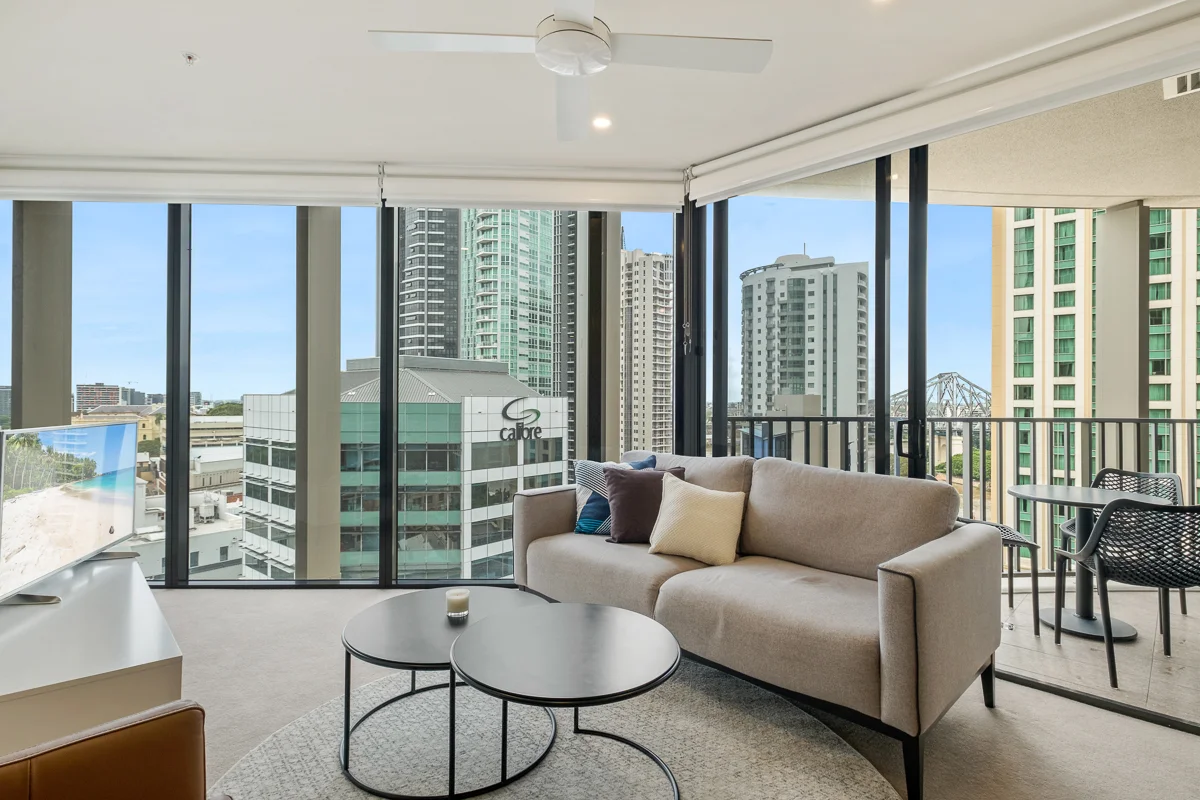 $950,000
Apartment / Unit / Flat
$950,000
Apartment / Unit / Flat
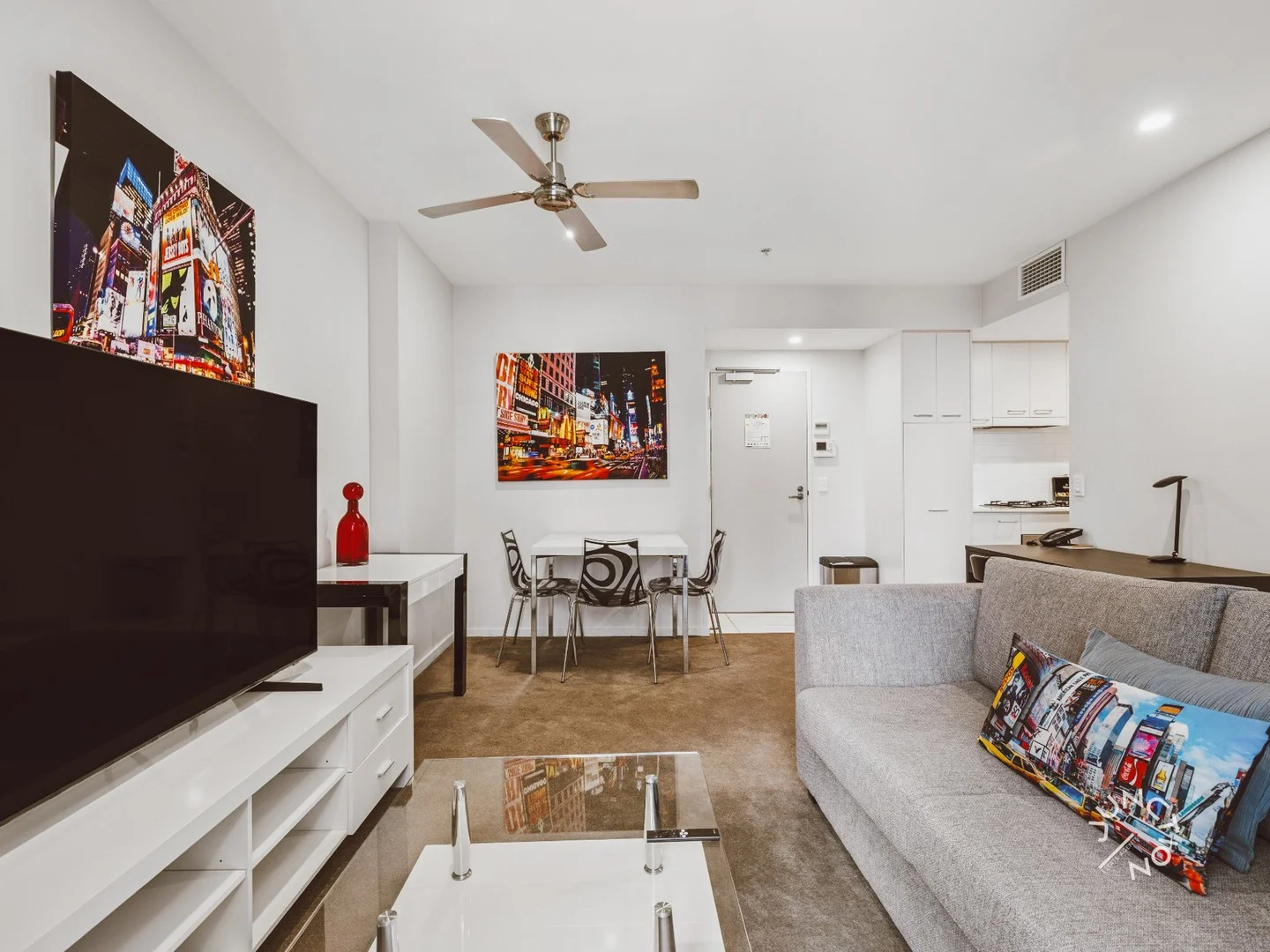 $523,200 - $566,800
Apartment / Unit / Flat
$523,200 - $566,800
Apartment / Unit / Flat
 $550,000
Apartment / Unit / Flat
$550,000
Apartment / Unit / Flat
 $1,475,000 - $2,090,000
propertyType.NEW APARTMENTS / OFF THE PLAN
$1,475,000 - $2,090,000
propertyType.NEW APARTMENTS / OFF THE PLAN
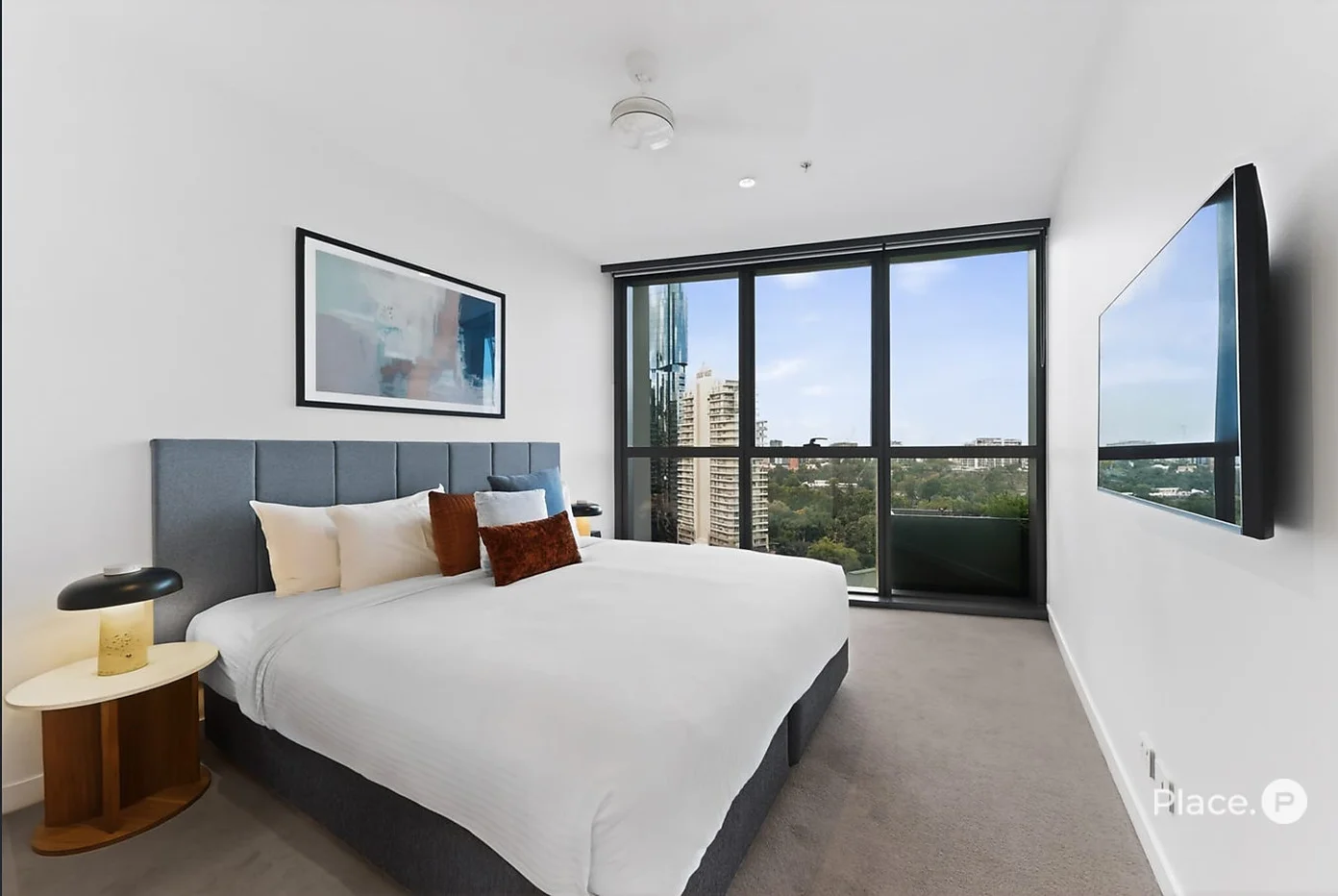 $770,000
Apartment / Unit / Flat
$770,000
Apartment / Unit / Flat