Overview
## 1. Overview
Fortitude Valley State Secondary College is a public state high school serving Brisbane’s inner-city families. As a medium-sized school, it focuses on delivering engaging learning in a supportive, inclusive community with pathways across academics, technologies, and the arts. Class sizes are typically in the low-to-mid 20s, allowing teachers to offer regular guidance and mentoring.
The atmosphere is inclusive and diverse, with a strong emphasis on academic achievement, leadership development, and student wellbeing. The school fosters a culture where students are encouraged to participate, collaborate and strive for personal and school-wide excellence.
⸻
## 2. Academics & Learning
- Academic strengths: STEM, English literacy and communication, leadership development, and languages are emphasized as part of the school’s core learning pathways.
- Special programs: Gifted and Talented opportunities and accelerated learning options are explored to meet high-achieving students’ needs where available.
- NAPLAN trends: As a newer school, there may be limited long-term NAPLAN data, but the school aims for positive progression in reading, writing, and numeracy as cohorts advance and programs mature.
- Student-teacher ratios: Approximately 1:15 to 1:18 in core subjects, enabling some targeted support within regular class time.
- Support for diverse learners: Dedicated EAL and SEN support with inclusive education teams and individual learning plans to help students succeed.
⸻
## 3. Sports & Extracurricular Strengths
- Sports offered: Soccer, rugby league, basketball, netball, cricket, athletics, and other local partnerships for diverse sporting pathways.
- Strong teams or achievements: As a developing program, emphasis is on broad participation and building competitive teams across age groups, with opportunities to compete in local school events.
- Music, arts, drama programs: Active music ensembles, choir and drama/performing arts activities with opportunities to showcase creativity and performance.
- Clubs: Robotics, coding, chess, debating, and other STEM/academic clubs to extend learning beyond the classroom.
- Partnerships: Participation in Brisbane-based school sport competitions and collaboration with local academies and community programs to broaden opportunities.
⸻
## 4. Wellbeing & Pastoral Care
- Anti-bullying approach: Clear anti-bullying policies, restorative practices, and a focus on respectful school culture.
- House system: A house-based structure to foster belonging, leadership opportunities, and healthy competition.
- Counsellors / wellbeing officers: Dedicated wellbeing staff and counsellors to support mental health, resilience, and transition needs.
- Transition support for new students: Orientation programs, buddy systems, and targeted supports to help new students settle in quickly.
⸻
## 5. Facilities
- Sports grounds: On-site facilities to support physical education and inter-school activities.
- Libraries: Central library resources to support study, research, and reading for pleasure.
- Science labs: Modern laboratories designed for practical experiments across sciences.
- Music/performing arts centers: Dedicated spaces for music ensembles, drama, and performances.
- Tech/innovation labs: Computer labs, maker spaces, and digital learning facilities.
- Cafeteria: On-site canteen offering healthy meal options.
- Updated playgrounds: Safe, well-maintained outdoor spaces for recreation and socialising.
⸻
## 6. School Values & Community Culture
- School values / mission: Emphasis on respect, responsibility, resilience, and inclusion as guiding principles for learning and community life.
- Leadership style: Collaborative and student-inclusive, with opportunities for student voice in decisions affecting school life.
- Behaviour expectations: Clear codes of conduct focusing on respectful, accountable behaviour and positive relationships.
- Community reputation: An emerging reputation for an inclusive, student-centered culture within the inner-Brisbane community.
- Diversity & inclusion: Strong commitment to diversity and inclusive practices across all aspects of school life.
⸻
## 7. School Logistics & Daily Operations
- School hours: Typically start around mid-morning to early afternoon, with a structured timetable that includes breaks and a dedicated study period.
- Before/after school care: OSHC/structured care options may be available through external providers; check local offerings.
- Uniform requirements: Compulsory school uniform with appropriate PE/sports attire on specified days; casual wear not permitted on normal days.
- Transport (train/bus routes): Accessible by local bus routes and Brisbane public transport services; close to inner-city transit options.
- Canteen availability: On-site canteen or food service with healthy options.
- Fees (low/medium/high ranges): Public schools do not charge tuition; there are voluntary contributions, subject materials costs, and potential additional costs for uniforms and activities.
⸻
## 8. Enrolment & Admissions
11. What is the enrolment process and timeline?
- Enrolments are handled through the Queensland Department of Education process for public schools. Parents/guardians typically complete an application via the official enrolment channels, provide proof of identity and residence, and submit any required documentation. Offers and placement follow the department’s timelines, with consideration given to catchment eligibility and available places. Orientation and liaison information are provided by the school after enrolment.
12. Is there a waiting list, and how does it work?
- If a year level reaches capacity, a waiting list may be established. Applications are placed on a priority list (often influenced by catchment status and order of application), and offers are made as spaces become available. Parents are kept informed of their status and expected timelines.
13. Are there any entry requirements, tests, or interviews?
- In Queensland public schools, entry generally relies on catchment eligibility and space. Most FVSSC programs do not require selective testing or interviews for general enrolment. Some programs or supports may involve initial information sessions or student readiness checks to tailor onboarding.
14. Does the school accept mid-year transfers?
- Mid-year transfers are possible subject to space and the Department’s guidelines. Prospective students should contact the school early to determine feasibility, requested documentation, and transition support arrangements.
⸻
## 9. Frequently Asked Questions
- Why Parents Choose This School?
- Public, inclusive education with modern facilities, a focus on student wellbeing, and a pathway-driven curriculum in a diverse inner-city setting.
- What type of student thrives at this school?
- Students who respond well to a collaborative, supportive environment, who value strong literacy and numeracy foundations, and who engage in a range of academic and extracurricular opportunities.
- What opportunities are available for students to extend their skills (academics, sports, arts)?
- A mix of STEM and language learning, leadership and gifted options, sports teams, arts performances, music ensembles, robotics, coding, debating, and community partnerships.
- How does the school communicate with parents?
- Regular updates via newsletters, emails, and the school portal; parent-teacher interviews; scheduled information evenings and app-based communications.
- What is the school’s approach to teaching and learning?
- Student-centered, inclusive practices with a focus on literacy and numeracy, practical applications in STEM, and opportunities for collaboration and project-based learning.
- How does the school support students who need extra academic help?
- Targeted literacy and numeracy supports, EAL and SEN services, and personalised learning plans within the classroom and through specialist support.
- What support is available for academic challenges?
- Access to counsellors, learning support staff, mentoring, and tailored intervention plans to help students reach their learning goals.
- How does the school communicate with parents? (Repeat)
- See above; ongoing channels include newsletters, portal access, and direct contact with teachers and administration.
- What are the class sizes and how much individual attention do students receive?
- Classes are typically in the low-to-mid 20s, with opportunities for targeted teacher support during class and through small-group interventions or advisory sessions.
- What extracurricular and sports opportunities are available?
- A broad range of sports (team and individual), music and drama programs, robotics and coding clubs, chess and debating, and co-curricular activities linked with local competitions and partnerships.
- What facilities does the school offer (sports, science, arts)?
- Modern science labs, libraries, music/performing arts spaces, technology and innovation labs, sports facilities, and a canteen and social spaces.
- What is the school’s approach to technology and digital learning?
- Integrated digital learning across subjects, access to computer labs and devices, and a focus on digital literacy, coding, and responsible use of technology.
- What transport and accessibility options are available?
- Access via public transport with nearby bus routes and rail connections; on-site accessibility features and safe, well-maintained facilities.
- What are the typical school fees or additional costs?
- No tuition as a public school; expect voluntary contributions, subject materials fees, and costs for uniform, excursions, and some extracurricular activities.
⸻
## 10. Short Pros & Cons list
Pros
- Public, publicly funded education with no tuition.
- Modern facilities and a culture focused on wellbeing and inclusion.
- Diverse learning programs (STEM, languages, arts) and opportunities beyond core subjects.
- Strong emphasis on student voice, leadership, and community.
Cons
- As a newer school, breadth of long-established programs and established alumni may still be developing.
- Demand may influence waiting lists or enrolment timelines in some year levels.
- Some specialized programs or large-scale partnerships may be limited in early years and expand over time.
⸻








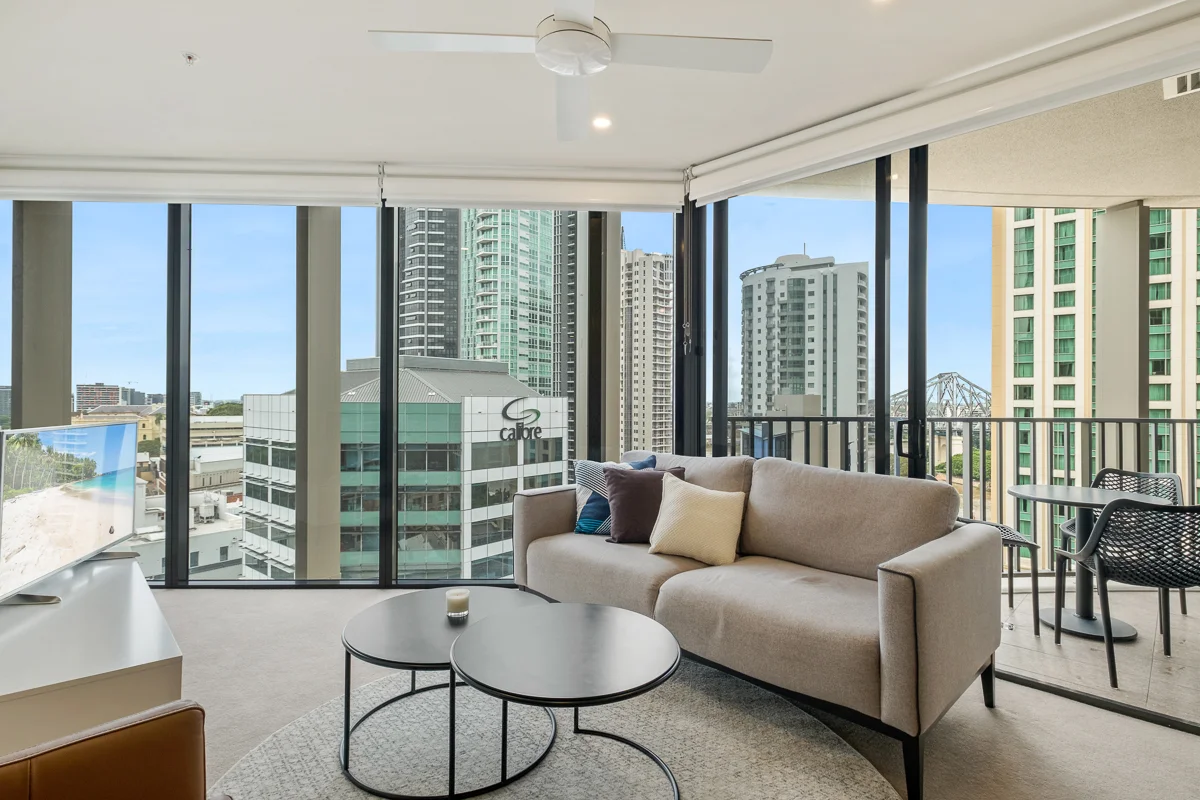 $950,000
Apartment / Unit / Flat
$950,000
Apartment / Unit / Flat
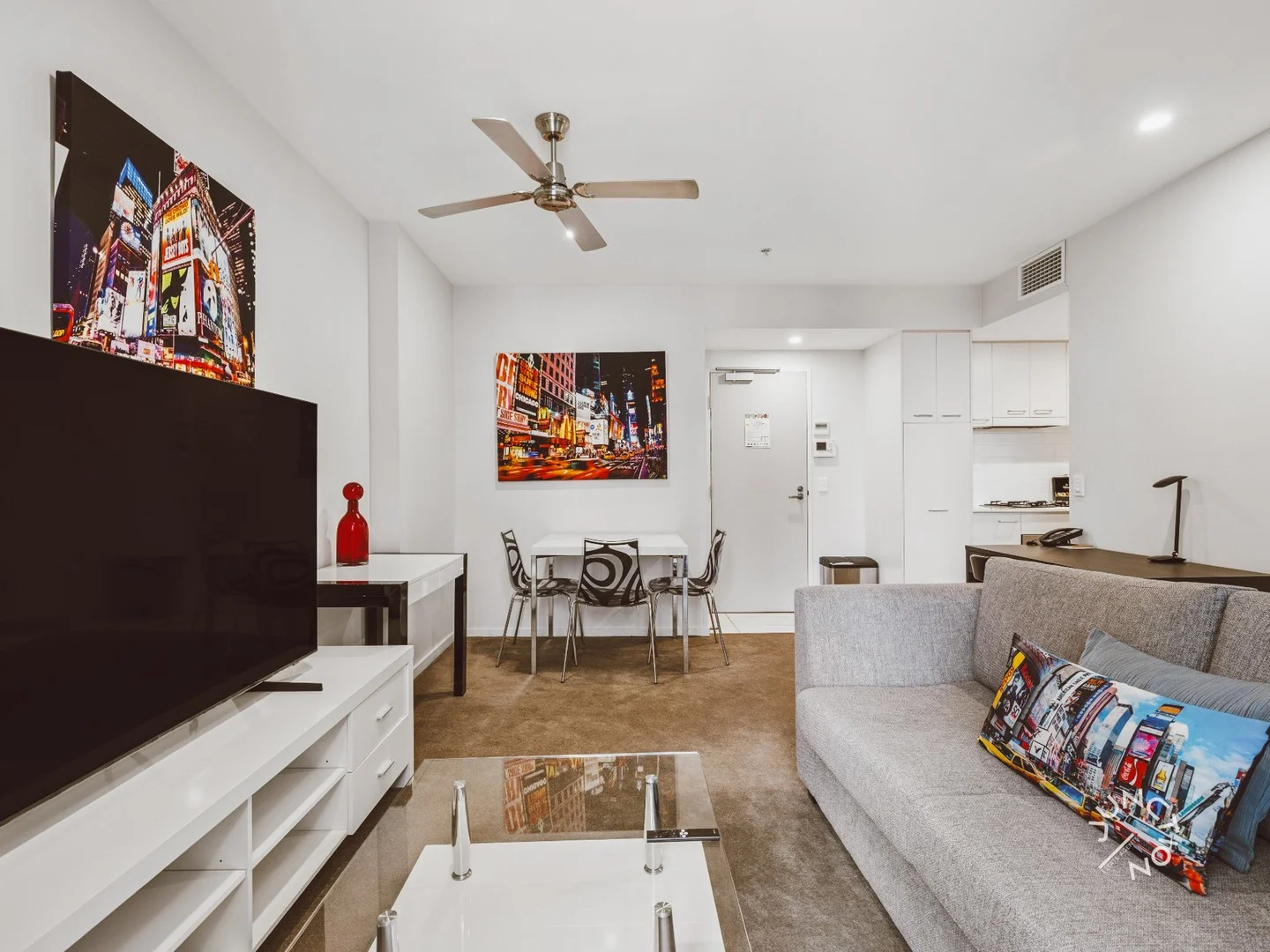 $523,200 - $566,800
Apartment / Unit / Flat
$523,200 - $566,800
Apartment / Unit / Flat
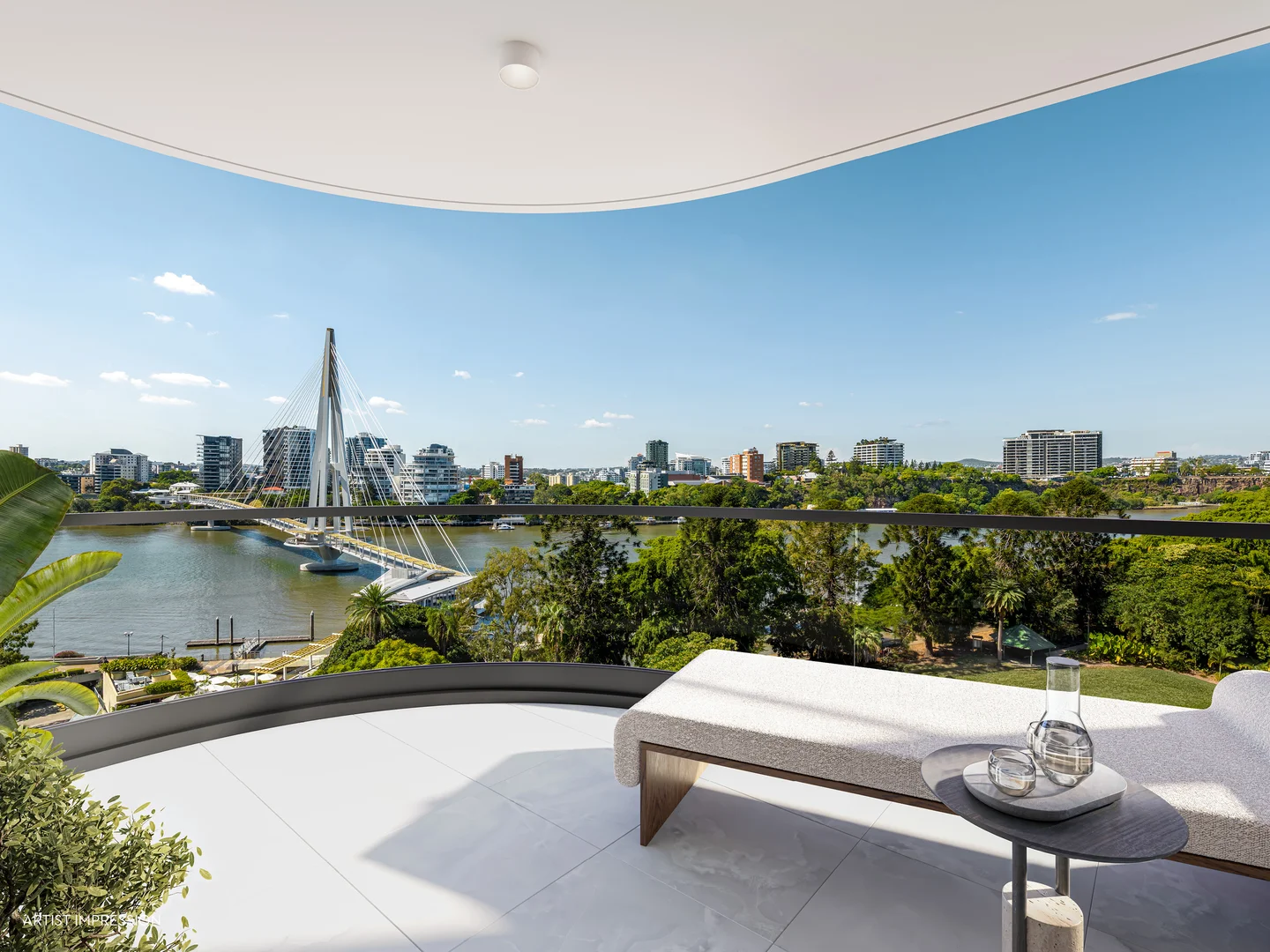 $1,475,000 - $2,090,000
propertyType.NEW APARTMENTS / OFF THE PLAN
$1,475,000 - $2,090,000
propertyType.NEW APARTMENTS / OFF THE PLAN
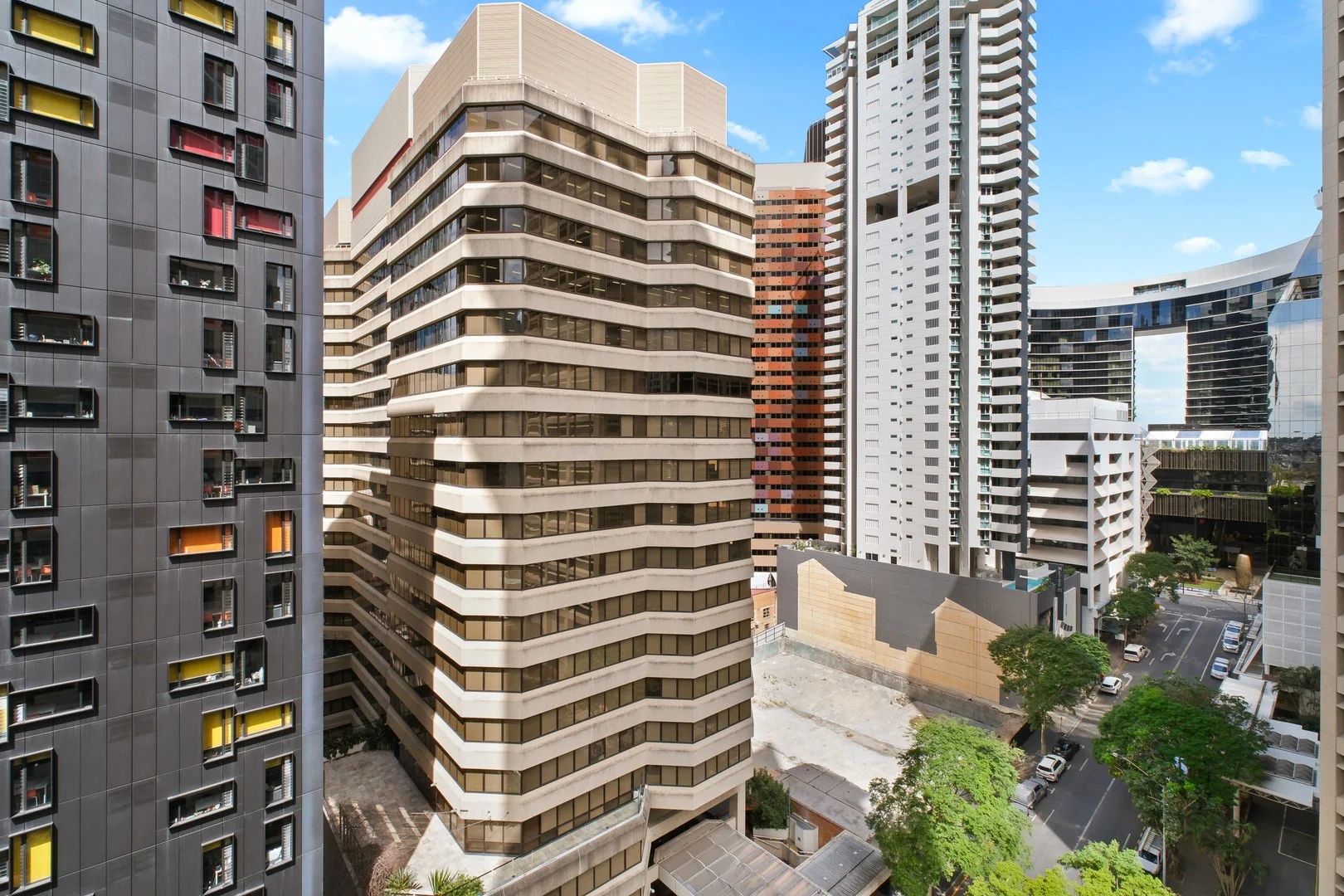 $550,000
Apartment / Unit / Flat
$550,000
Apartment / Unit / Flat
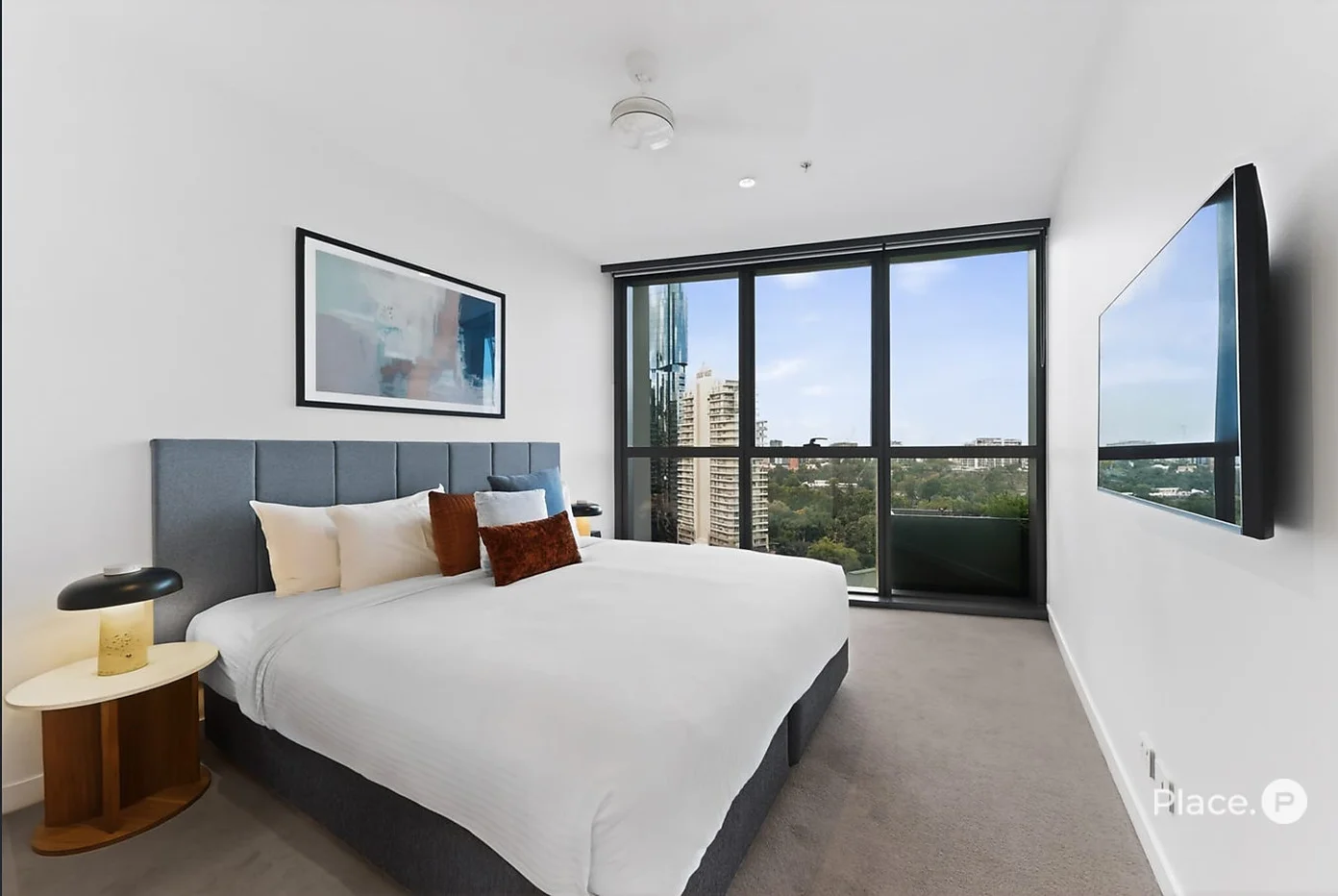 $770,000
Apartment / Unit / Flat
$770,000
Apartment / Unit / Flat