Overview
## 1. Overview (1–2 paragraphs max)
Athol Road Primary School is a public, coeducational primary school serving families in Springvale South and the surrounding areas. The school prioritises a nurturing, inclusive culture with a clear focus on literacy and numeracy, social-emotional development, and preparing students for their ongoing learning journey in secondary school.
School type: public
School size: medium
Class size: typically around 20–25 students per class
Atmosphere/culture: inclusive, diverse, community-focused, with an emphasis on wellbeing and achievement
---
## 2. Academics & Learning
Athol Road Primary School emphasises strong literacy and numeracy foundations, with opportunities to grow in STEM, creativity, and language skills. The school commonly offers programs designed to support student learning across the curriculum, including targeted support for students who need extra help and opportunities for leadership and collaboration.
Strengths and programs (typical):
- Academic strengths: literacy and numeracy, with ongoing focus on STEM concepts, critical thinking, and creative problem solving
- Special programs: gifted and talented pathways or enrichment where available; English as an Additional Language (EAL) support and inclusive education practices
- NapLAN/ trends: district and school reporting usually shows stable performance with periodic improvements in specific year levels; check the latest school annual report for current trends
- Student-teacher ratios: generally in the range of 1:20 to 1:23 in primary settings
- Support for diverse learners: EAL support, SEN support, inclusive teaching practices, and targeted interventions as needed
---
## 3. Sports & Extracurricular Strengths
Athol Road Primary School typically offers a mix of sports, arts, and clubs to engage students beyond the classroom. The focus is on participation, skill development, teamwork, and personal growth.
Sports offered (typical):
- Team sports such as soccer, cricket, Australian rules football, athletics, and general fitness activities
- Interschool competitions or local tournaments where available
Other strengths:
- Music, arts, and performing arts programs to foster creativity and expression
- Clubs: robotics, coding, chess, debating, and other interest-based activities (where staffing and resources permit)
- Partnerships: connections with local community groups or sports/arts academies for additional opportunities
---
## 4. Wellbeing & Pastoral Care
Wellbeing and pastoral care are central to the school approach, helping students feel safe, valued, and connected.
Key elements:
- Anti-bullying approach: proactive programs and clear behavioural expectations to promote respectful interactions
- House system: a framework to build belonging, teamwork, and friendly competition across year levels
- Counsellors / wellbeing officers: access to wellbeing professionals for students needing support
- Transition support: programs to help new students settle in, including orientation and buddy systems
---
## 5. Facilities
The school campus is laid out to support learning across a range of environments. Visualized facilities typically include:
- Sports grounds for outdoor activities and physical education
- Library with a collection to support reading and research
- Science laboratories or dedicated spaces for hands-on experiments (where available)
- Music/performing arts spaces or venues for performances and rehearsals
- Tech/innovation labs or ICT-enabled learning spaces (where available)
- Canteen or outside catering options for lunches and snacks
- Updated playgrounds and safe play areas
---
## 6. School Values & Community Culture
Parents often look for a school community that reflects shared values and a constructive learning environment.
Common elements:
- School values / mission: emphasis on respect, integrity, inclusion, resilience, and achievement
- Leadership style: collaborative, student-centred, with opportunities for student voice and leadership
- Behaviour expectations: positive behaviour guidelines and consistent routines to support a safe learning environment
- Community reputation: generally positive local engagement and neighbourly relations with families and organisations in the area
- Diversity & inclusion: practices that welcome students from diverse backgrounds and provide equitable access to learning
---
## 7. School Logistics & Daily Operations
Quick, practical details help families plan their day.
- School hours: typical primary-day timetable (e.g., start mid-morning and finish mid-afternoon; exact times may vary by year level)
- Before/after school care: some provision or connections to local services; confirm availability with the school
- Uniform requirements: school uniform typically required; details provided by the school
- Transport: local bus routes or rail options; parking and drop-off zones; information on catchment boundaries
- Canteen availability: on-site canteen or lunch program where offered
- Fees: public schools in Victoria generally have modest additional costs for activities, excursions, and materials no longer than necessary; check the current dues with the school
---
## 8. Enrolment & Admissions
11. What is the enrolment process and timeline?
- Start by submitting an enrolment application to the school district or school administration. You’ll typically need proof of student identity, immunisation records, and proof of address. The school will guide you through the required documents and forms. The timeline varies, but families are advised to apply as early as possible, particularly for popular intake years.
12. Is there a waiting list, and how does it work?
- Some intakes may have a waiting list depending on capacity and catchment rules. Priorities often go to students within the official catchment area and siblings of current students; where applicable, the school will inform you of your place on the list and expected timelines.
13. Are there any entry requirements, tests, or interviews?
- For general enrolment, there are typically no entrance exams. Some programs or special pathways may involve additional information meetings or assessments, but this varies by year and program. The school will advise if any tests or interviews are required for specific tracks.
14. Does the school accept mid-year transfers?
- Mid-year transfers are considered subject to vacancies and placement availability. Parents should contact the school as early as possible to discuss slots, documentation, and transition planning.
---
## 9. Frequently Asked Questions
- Why Parents Choose This School?
A welcoming, inclusive community with a focus on essential literacy and numeracy, student wellbeing, and opportunities for participation in sport, arts, and clubs.
- What type of student thrives at this school?
Curious, cooperative, resilient learners who engage with peers and teachers, and who enjoy participating in classroom and extracurricular activities.
- What opportunities are available for students to extend their skills (academics, sports, arts)?
A range of extensions may include enrichment activities in literacy and numeracy, STEM or coding clubs, arts programs, and sports deelname in local or interschool competitions.
- How does the school communicate with parents?
Through newsletters, emails, a school communication app or portal, regular parent–teacher meetings, and termly reports.
- What is the school’s approach to teaching and learning?
A balanced, student-centred approach with a mix of teacher-led instruction, collaborative learning, and opportunities for inquiry and hands-on activities.
- How does the school support students who need extra academic help?
Targeted interventions, EAL and SEN support, small-group instruction, and collaboration with families to monitor progress.
- What support is available for academic challenges?
In-class accommodations, learning support plans, and access to wellbeing and academic staff to develop a tailored plan.
- How does the school communicate with parents? (Repeated)
See above: newsletters, apps/portals, meetings, and progress updates.
- What are the class sizes and how much individual attention do students receive?
Class sizes are typically around 20–25 students per class, with teachers providing ongoing monitoring, feedback, and opportunities for small-group instruction.
- What extracurricular and sports opportunities are available?
Sports, arts, and clubs such as robotics, coding, chess, debating (availability varies by year and staffing).
- What facilities does the school offer (sports, science, arts)?
Sports grounds, library, science spaces, music/performing arts areas, and ICT/tech-enabled learning spaces where available.
- What is the school’s approach to technology and digital learning?
Integration of digital tools to support learning, with age-appropriate access to devices and software.
- What transport and accessibility options are available?
Local bus/train options, school drop-off/pick-up arrangements, and accommodations for accessibility; check with the school for current routes.
- What are the typical school fees or additional costs?
Public schools have modest optional costs for activities and excursions; uniform and standard materials are typically required. Confirm current fees with the school.
---
## 10. Short Pros & Cons list
- Pros
- Public, community-oriented environment with a focus on wellbeing and core academic skills
- Inclusive culture supporting diverse learners
- Range of extracurriculars and clubs (where staffing/resources permit)
- Supportive transition and wellbeing programs
- Facilities that support a broad curriculum (library, sports, arts, ICT)
- Cons
- As with many public schools, the breadth of programs may depend on staffing and funding in a given year
- Some programs or clubs may have limited capacity or be offered selectively based on interest and enrollment
- Transport options and after-school care may vary; verify current arrangements with the school











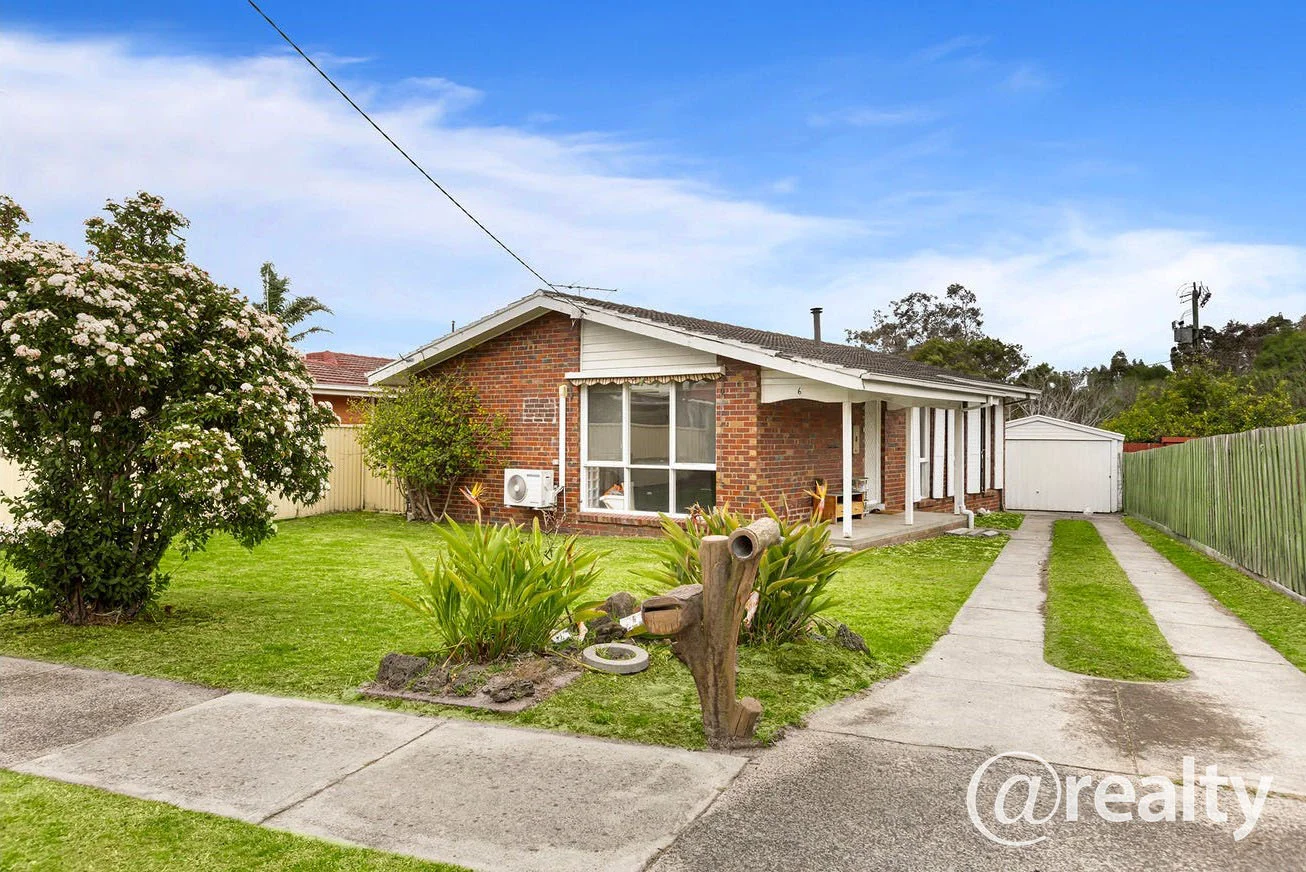 $610
House
$610
House
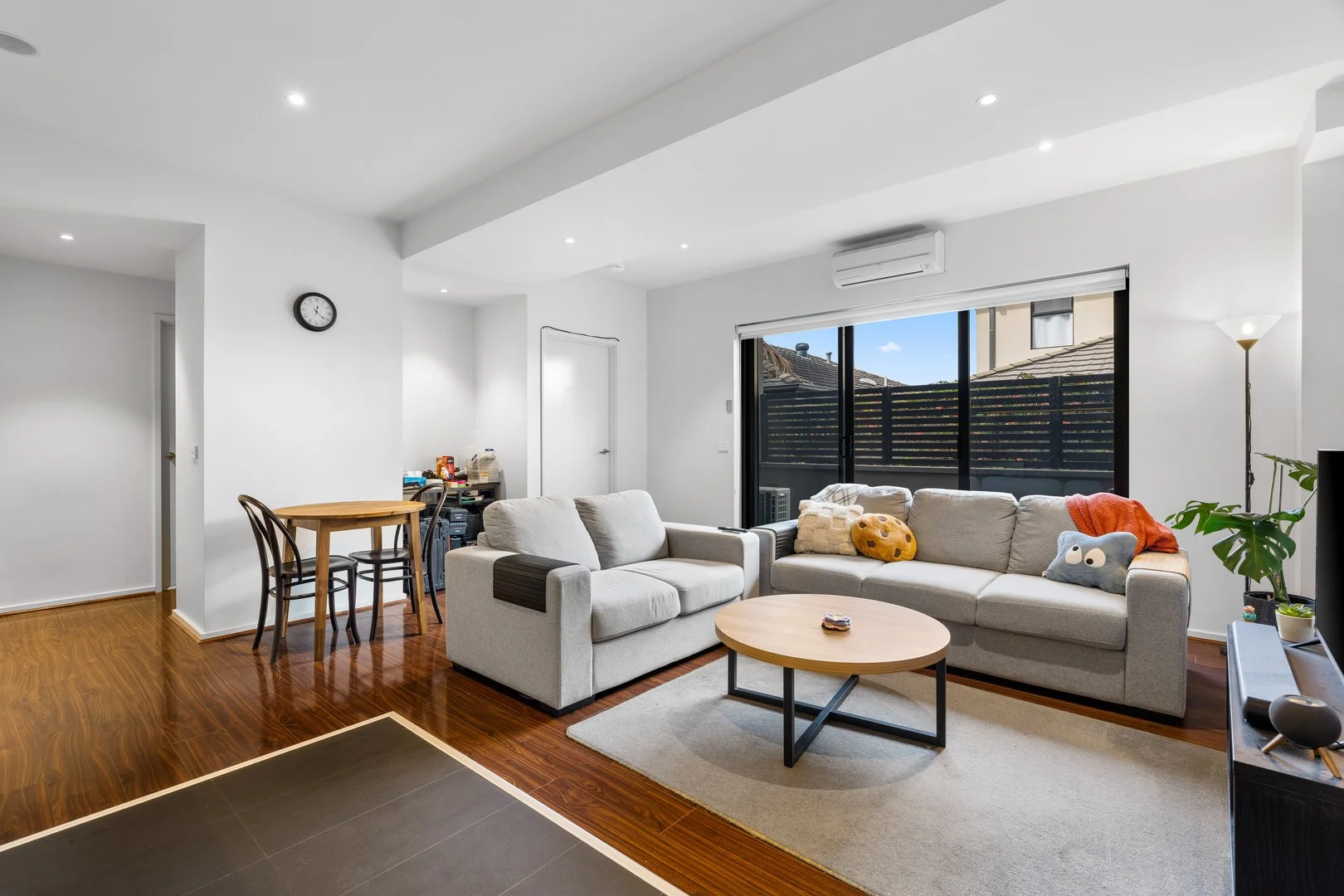 $385,000 - $410,000
Apartment / Unit / Flat
$385,000 - $410,000
Apartment / Unit / Flat
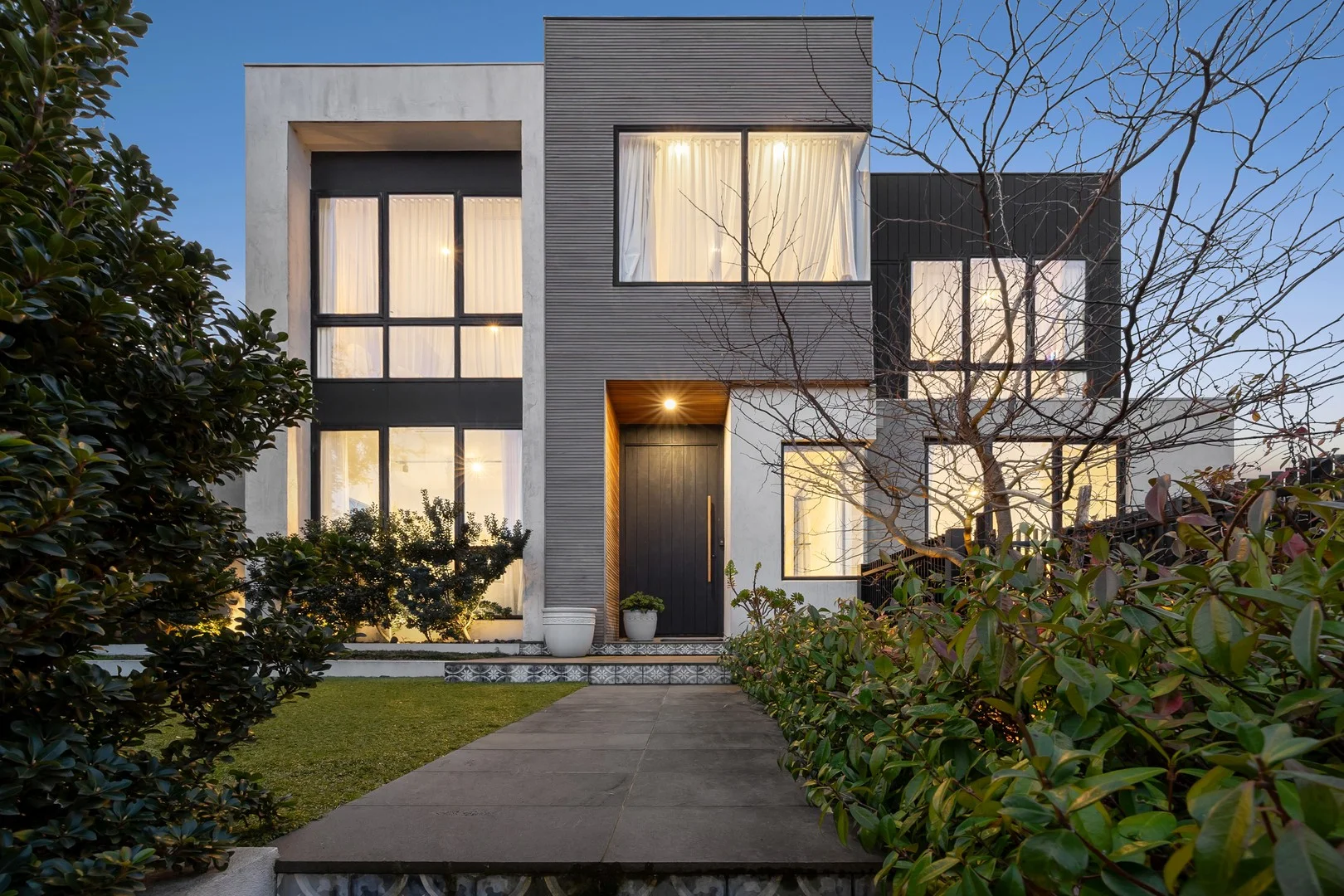 $4,200,000
House
$4,200,000
House
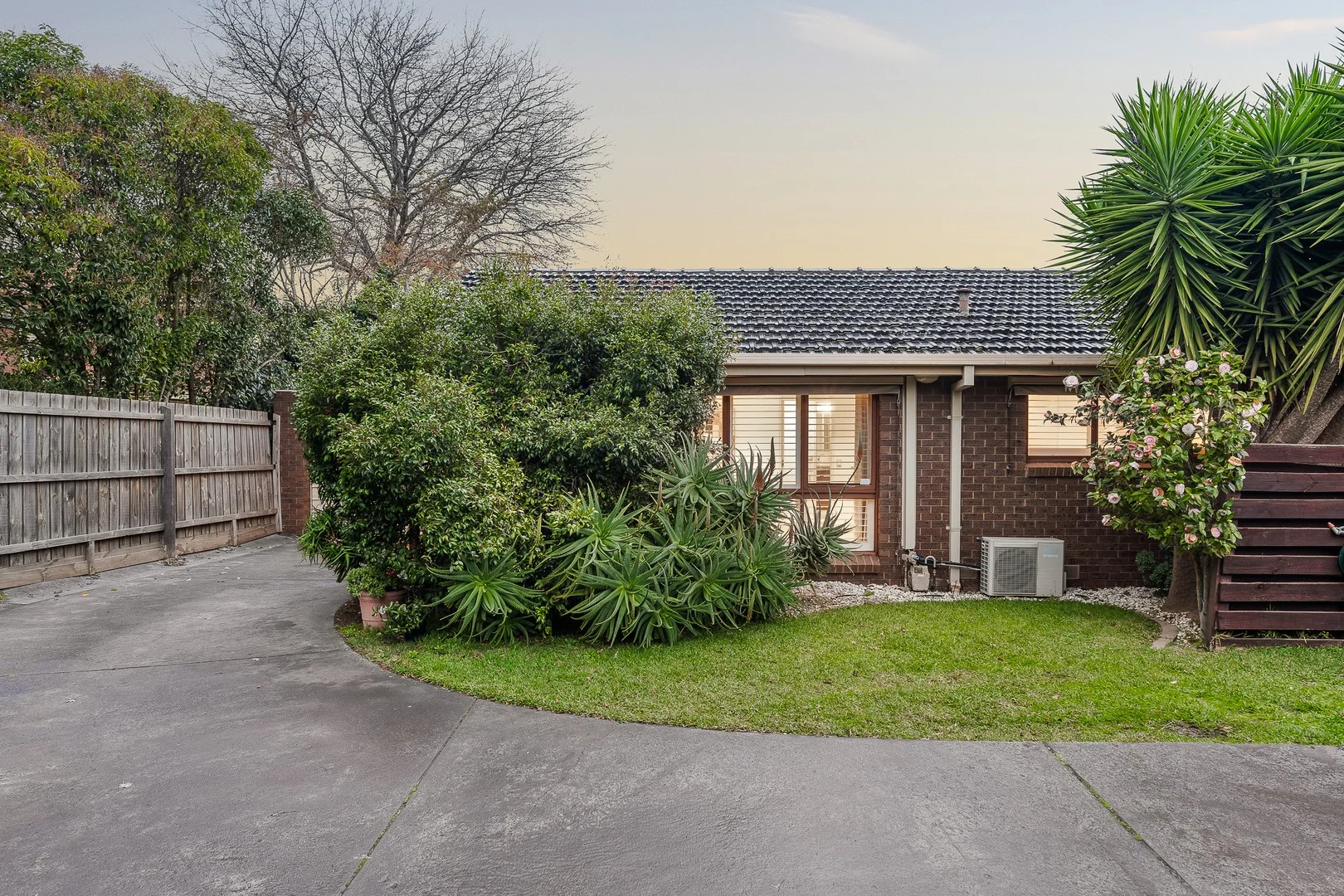 $770,000 - $820,000
Apartment / Unit / Flat
$770,000 - $820,000
Apartment / Unit / Flat
 $1,280
House
$1,280
House
 $700
Apartment / Unit / Flat
$700
Apartment / Unit / Flat