Overview
1. Overview
The Australian Institute of Music NSW in The Rocks is a private, independent music education provider offering diploma and bachelor-level programs designed to prepare students for professional careers in music and the creative industries. Located in a central Sydney precinct, the institute emphasizes hands-on learning, industry connections, and real-world performance experiences. Classes are typically small to medium in size, with low teacher-to-student ratios that support personalized coaching and ensemble work. The atmosphere is professional, collaborative, and inclusive, catering to a diverse cohort of aspiring musicians, producers, and composers.
2. Academics & Learning
- Academic strengths: performance, music production, composition, music theory, and sound design; opportunities to specialise in areas such as jazz, classical, electronic music, and media scoring.
- Special programs: bachelor degrees and diplomas in music-related fields; industry placement opportunities, internships, and collaboration projects with local venues and studios.
- Trends: graduate outcomes show ongoing demand for musically trained professionals; many students secure internships and paid gigs through industry partnerships and live-performance opportunities.
- Student-teacher ratios: small cohorts, typically around 1:8 to 1:12 depending on program and ensemble; emphasis on individual feedback and practical coaching.
- Support for diverse learners: English as an Additional Language (EAL) support for international students; accessibility services and accommodations for students with disabilities; targeted learning supports within programs.
3. Sports & Extracurricular Strengths
- Sports offered: no formal school-based sports program; students can access campus wellness facilities and local community sports outside the institute.
- Strong teams or achievements: ensembles and performance groups regularly participate in local concerts, festivals, and competitions; opportunities to showcase work in public recitals and campus events.
- Music, arts, drama programs: extensive focus on music performance, production, and collaboration with arts projects; theatre and visual arts collaborations available as part of cross-disciplinary work.
- Clubs: robotics, chess, coding, debating (plus music-tech and production-focused groups as part of campus life).
- Partnerships: collaborations with local venues, recording studios, music festivals, and competitions to provide real-world exposure and performance opportunities.
4. Wellbeing & Pastoral Care
- Anti-bullying approach: clear policies and support networks; emphasis on a respectful, professional learning environment.
- House system: mentoring or peer-support groups operate to foster belonging and peer guidance.
- Counsellors / wellbeing officers: access to on-campus or partnered counseling and wellbeing services; proactive wellbeing programs and workshops.
- Transition support for new students: orientation sessions, student ambassadors, and structured induction to help new entrants acclimate to campus life and programs.
5. Facilities
- Sports grounds: on-site or nearby facilities available for break activities and fitness.
- Libraries: dedicated library with music scores, theory texts, and digital resources.
- Science labs: specialized labs aligned with music technology and audio production (acoustic labs, recording spaces).
- Music/performing arts centers: professional-grade recording studios, rehearsal rooms, and performance spaces for recitals and gigs.
- Tech/innovation labs: computer labs and production suites with the latest DAWs, software, and sound engineering equipment.
- Cafeteria: on-campus canteen or cafe serving beverages and light meals.
- Updated playgrounds: modern student amenity areas and common spaces designed for collaboration and practice.
6. School Values & Community Culture
- School values / mission: commitment to artistic excellence, integrity, collaboration, and industry readiness; focus on developing technically proficient and creative musicians.
- Leadership style: student-focused, mentor-driven approach with opportunities for leadership in ensembles and student committees.
- Behaviour expectations: professional conduct, respect for peers and staff, commitment to practice and preparation.
- Community reputation: strong ties to Sydney’s music scene and local venues; active engagement with the arts community through performances and partnerships.
- Diversity & inclusion: welcoming environment for students from diverse backgrounds; inclusive programming and access to resources for all students.
7. School Logistics & Daily Operations
- School hours: program hours typically align with evening and weekend schedules to accommodate performers and working musicians; some daytime sessions for production and theory components.
- Before/after school care: not generally offered; dependent on program and student needs, with flexible scheduling possible.
- Uniform requirements: generally no formal uniform; dress for performances and professional presentation is encouraged.
- Transport (train/bus routes): located in The Rocks with good public transport access; nearby trains, ferries, and bus routes facilitate commuting.
- Canteen availability: on-site or nearby dining options available for students and staff.
- Fees (low/medium/high ranges): fees are in the private/higher education tier; often higher than public programs but with scholarships, payment plans, and occasional grants.
8. Enrolment & Admissions
11. What is the enrolment process and timeline?
- Browse programs and determine eligibility.
- Submit an online application with required documents (resume/portfolio, personal statement, letters of reference as applicable).
- Audition or perform a pre-screen if requested by the program (live or recorded).
- Attend an interview or portfolio review (for certain programs).
- Receive offer and complete enrolment steps (acceptance, deposit, and enrollment forms) within the specified timeline.
12. Is there a waiting list, and how does it work?
- Some popular programs may operate with a waitlist based on audition results and seat availability; offers are issued based on audition outcomes and program capacity.
13. Are there any entry requirements, tests, or interviews?
- Entry typically requires an audition or portfolio demonstrating musical proficiency; some programs may require an interview to discuss goals and fit. International applicants may need evidence of English proficiency.
14. Does the school accept mid-year transfers?
- Mid-year transfers may be considered depending on program capacity and scheduling; applicants should apply with audition materials and relevant transcripts, and acceptance depends on space and alignment with program requirements.
9. Frequently Asked Questions
- Why Parents Choose This School?
- A focused, career-oriented music education with strong industry links, small class sizes, personalized feedback, and hands-on performance experience.
- What type of student thrives at this school?
- Students who are committed to practice, highly motivated to perform, and eager to engage with the music industry through ensembles, production projects, and collaborations.
- What opportunities are available for students to extend their skills (academics, sports, arts)?
- In-depth performance opportunities, music production and composition courses, cross-disciplinary arts collaborations, internships, and performances at local venues and events.
- How does the school communicate with parents?
- Regular progress updates, performance schedules, audition results, email newsletters, and parent information sessions; digital platforms for announcements and student work.
- What is the school’s approach to teaching and learning?
- Experiential, studio-based learning with a focus on practical application, ensemble work, feedback-based coaching, and industry-relevant skills development.
- How does the school support students who need extra academic help?
- Targeted coaching, tutoring options, and access to learning supports within programs; referrals to external services if needed.
- What support is available for academic challenges?
- Mentoring, academic advising, additional practice and theory sessions, and access to instructors for extra help.
- How does the school communicate with parents? (Repeated question)
- See above: ongoing updates via newsletters, portals, and scheduled meetings; teachers and program coordinators available for direct contact.
- What are the class sizes and how much individual attention do students receive?
- Class sizes are small to medium, with frequent one-on-one coaching and personalized feedback through instructors, ensembles, and production labs.
- What extracurricular and sports opportunities are available?
- Music ensembles, production clubs, and cross-disciplinary arts projects; robotics, chess, coding, and debating clubs; access to community sports through local facilities.
- What facilities does the school offer (sports, science, arts)?
- On-campus recording studios and practice rooms, music/performing arts spaces, technology labs, a library, and student common areas; cafeteria and accessible amenities.
- What is the school’s approach to technology and digital learning?
- Comprehensive use of digital audio workstations, music production software, online collaboration tools, and resources for remote and in-person learning.
- What transport and accessibility options are available?
- Good public transport access (the Rocks area); nearby train and bus routes; facilities designed for accessibility and inclusive access.
- What are the typical school fees or additional costs?
- Private-education-level fees with possibilities for scholarships or payment plans; additional costs may include materials, software licenses, and performance-related fees.
10. Short Pros & Cons list
Pros
- Industry-focused programs with strong performance and production tracks
- Small to medium class sizes for personalized attention
- Regular performance opportunities and live show exposure
- Clear pathways to further study and industry placements
- Active ensembles, clubs, and cross-disciplinary opportunities
- Broad support for diverse learners and international students
Cons
- Higher fees typical of private tertiary music programs
- Not a traditional K-12 school with a fixed school-day structure
- Formal sports programs are not the core focus
- Auditions and portfolio components are required for entry
- Competition for popular programs may mean waitlists in peak periods
If you’d like, I can tailor this further with more program-specific details (e.g., exact degree names, audition requirements, or notable partnerships) or adjust the tone to align with a particular parent audience.








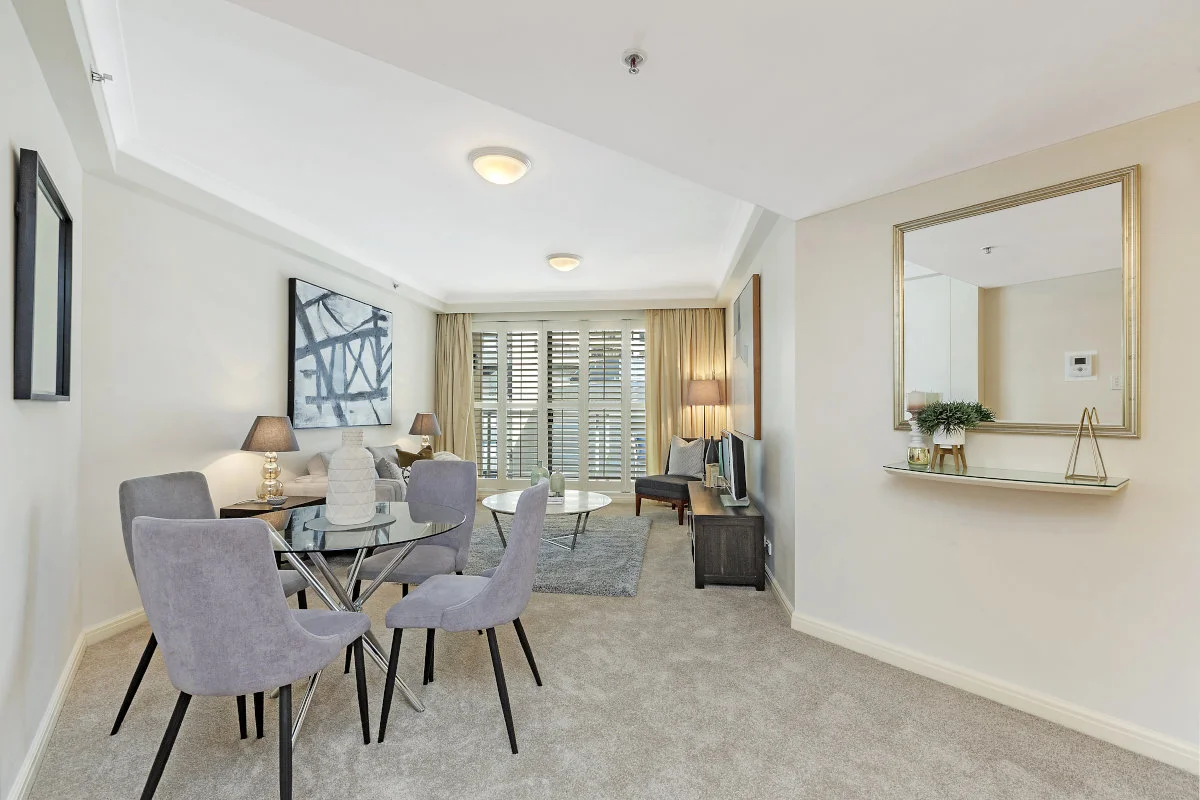 $660,000 - $725,000
Apartment / Unit / Flat
$660,000 - $725,000
Apartment / Unit / Flat
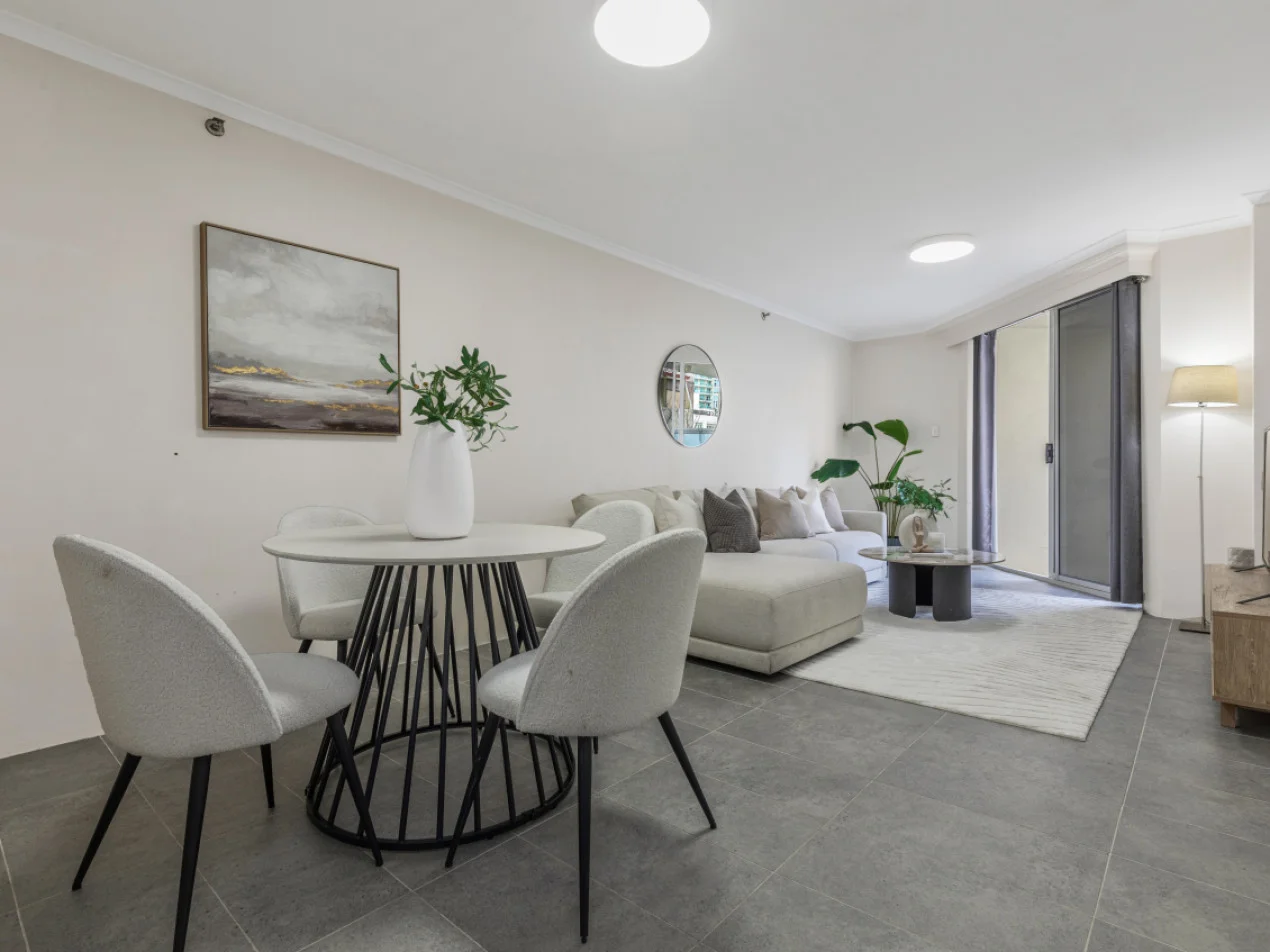 $640,000 - $675,000
Apartment / Unit / Flat
$640,000 - $675,000
Apartment / Unit / Flat
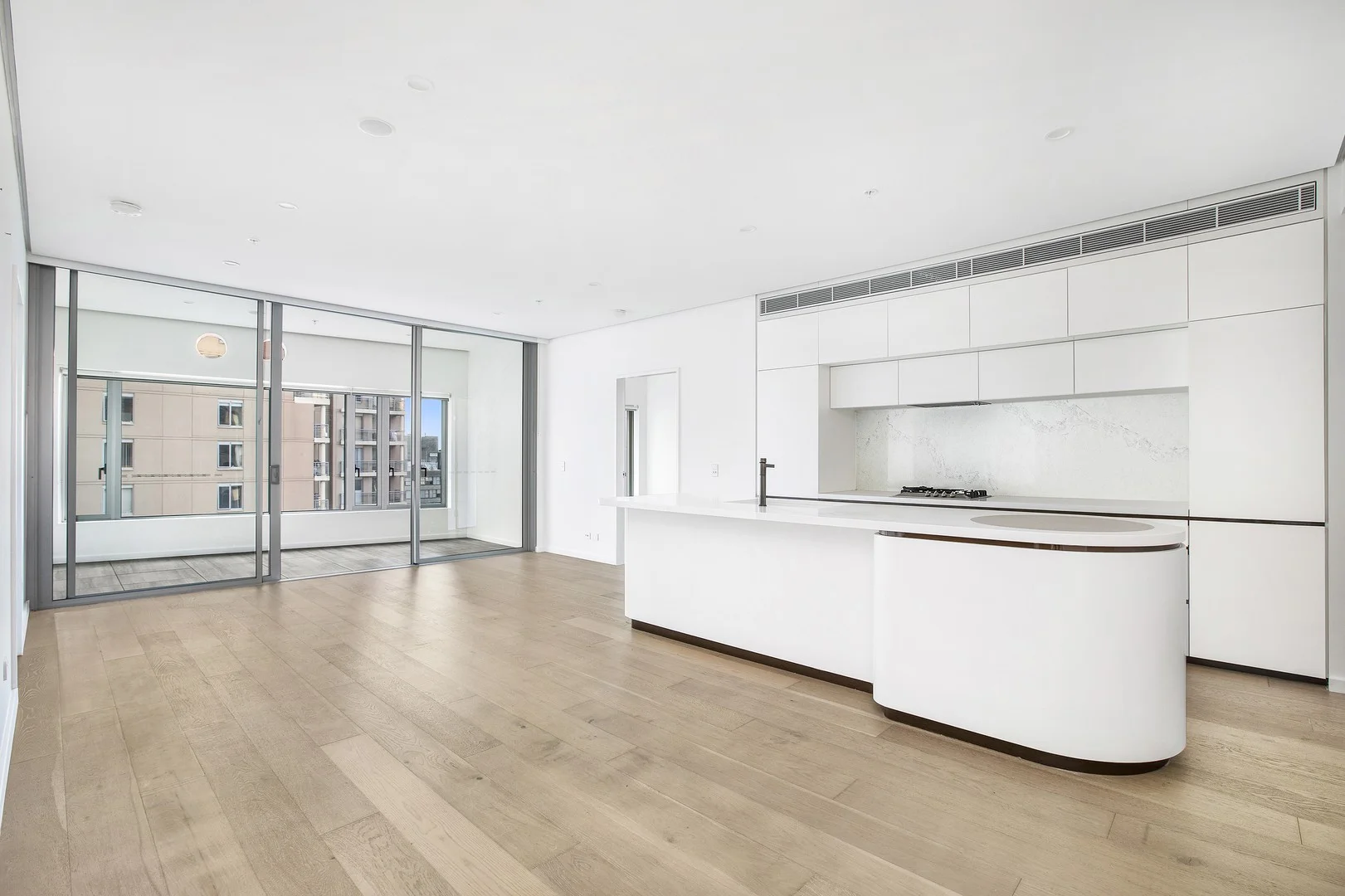 $2,250,000
Apartment / Unit / Flat
$2,250,000
Apartment / Unit / Flat
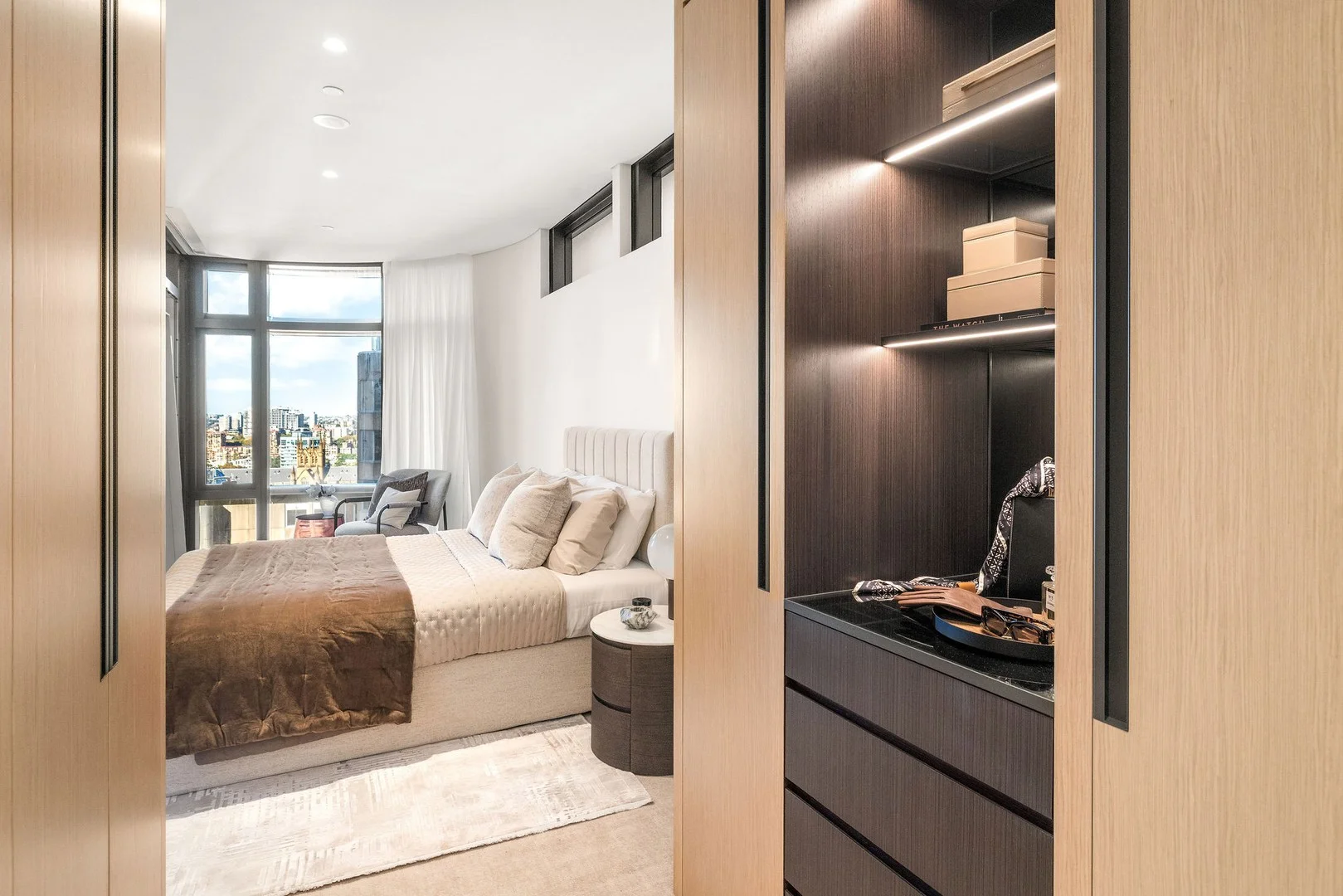 $2,745,000
propertyType.NEW APARTMENTS / OFF THE PLAN
$2,745,000
propertyType.NEW APARTMENTS / OFF THE PLAN
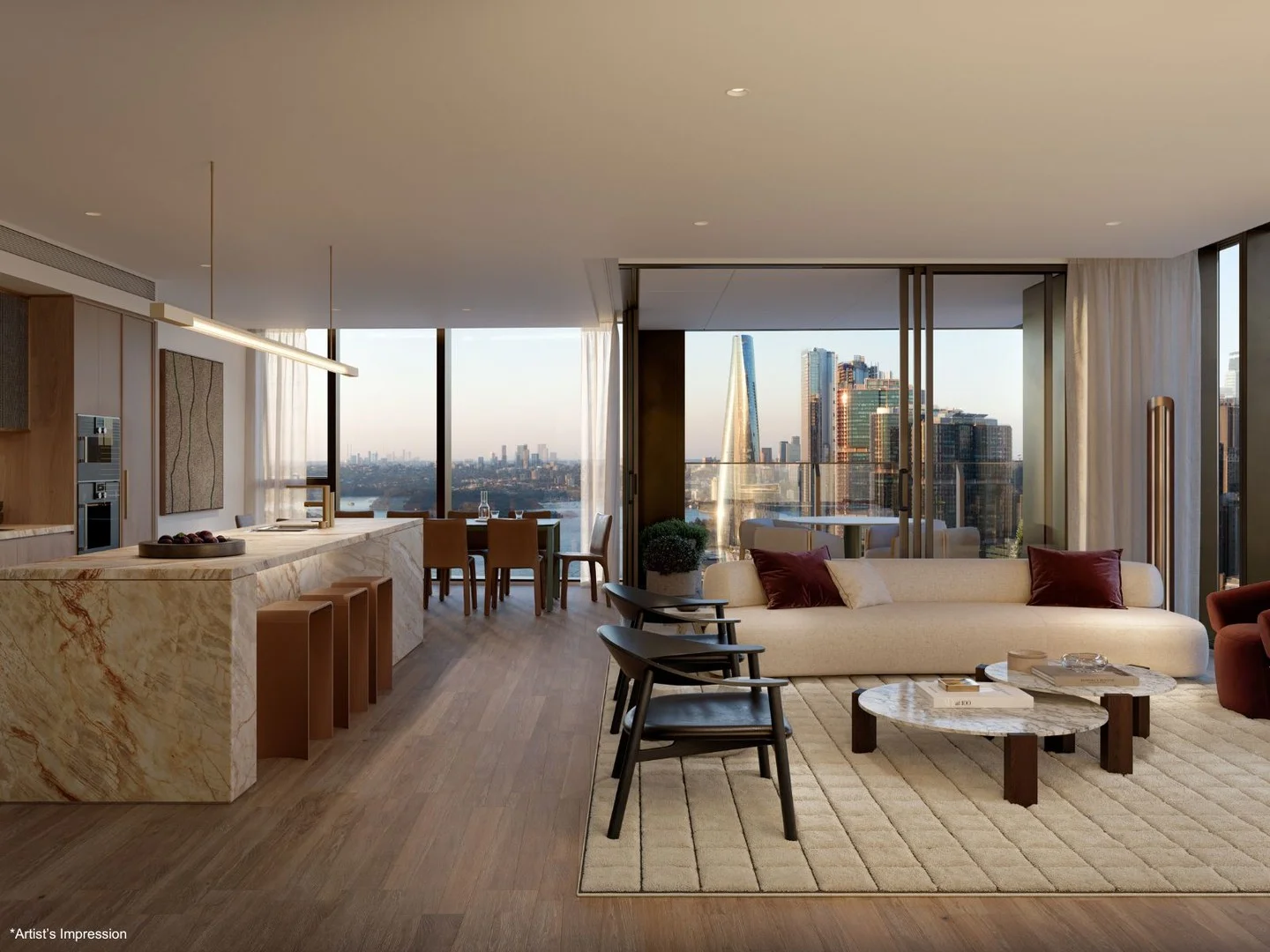 $12,980,000
propertyType.NEW APARTMENTS / OFF THE PLAN
$12,980,000
propertyType.NEW APARTMENTS / OFF THE PLAN
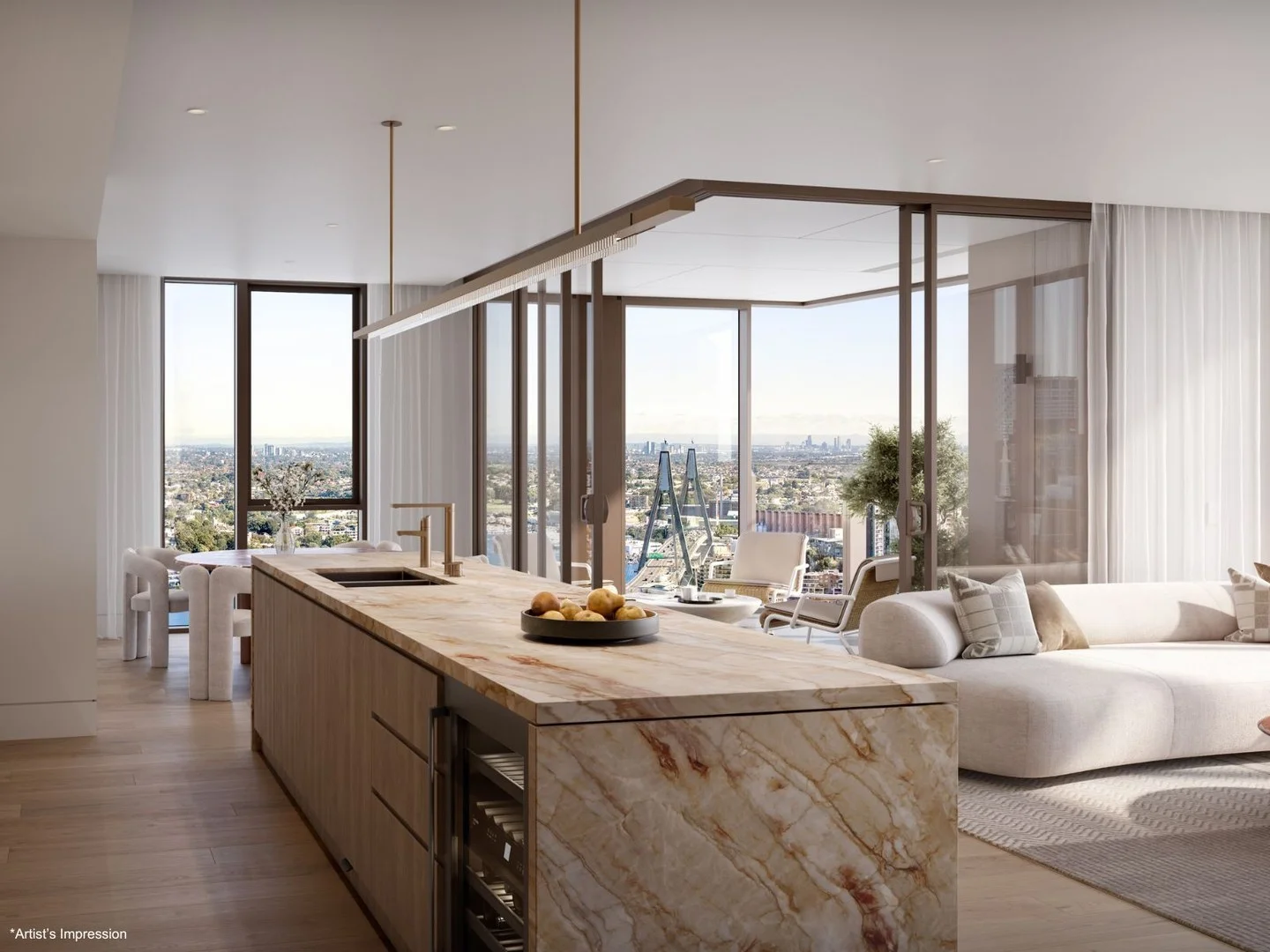 $9,020,000
propertyType.NEW APARTMENTS / OFF THE PLAN
$9,020,000
propertyType.NEW APARTMENTS / OFF THE PLAN
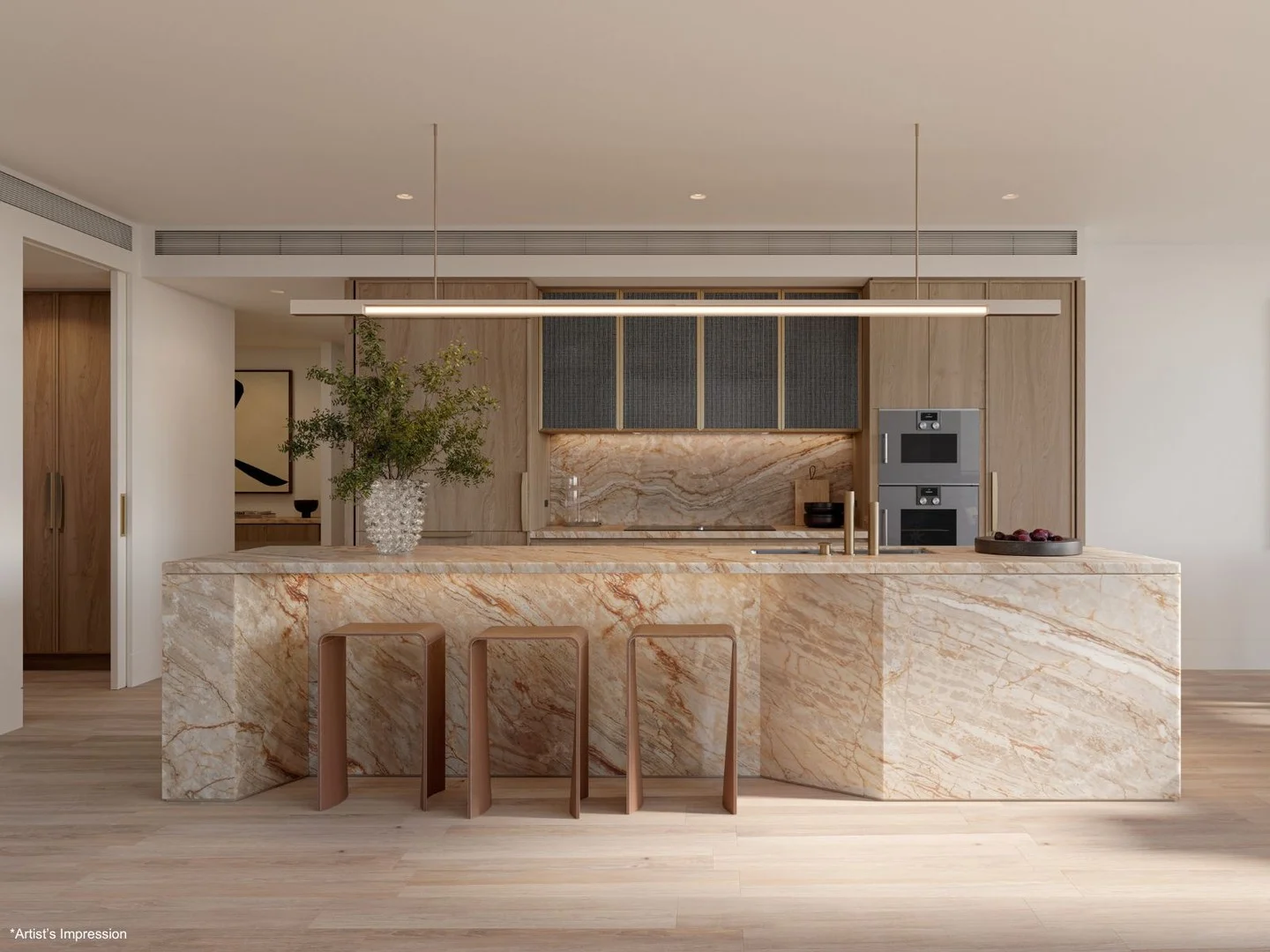 $6,225,000
propertyType.NEW APARTMENTS / OFF THE PLAN
$6,225,000
propertyType.NEW APARTMENTS / OFF THE PLAN
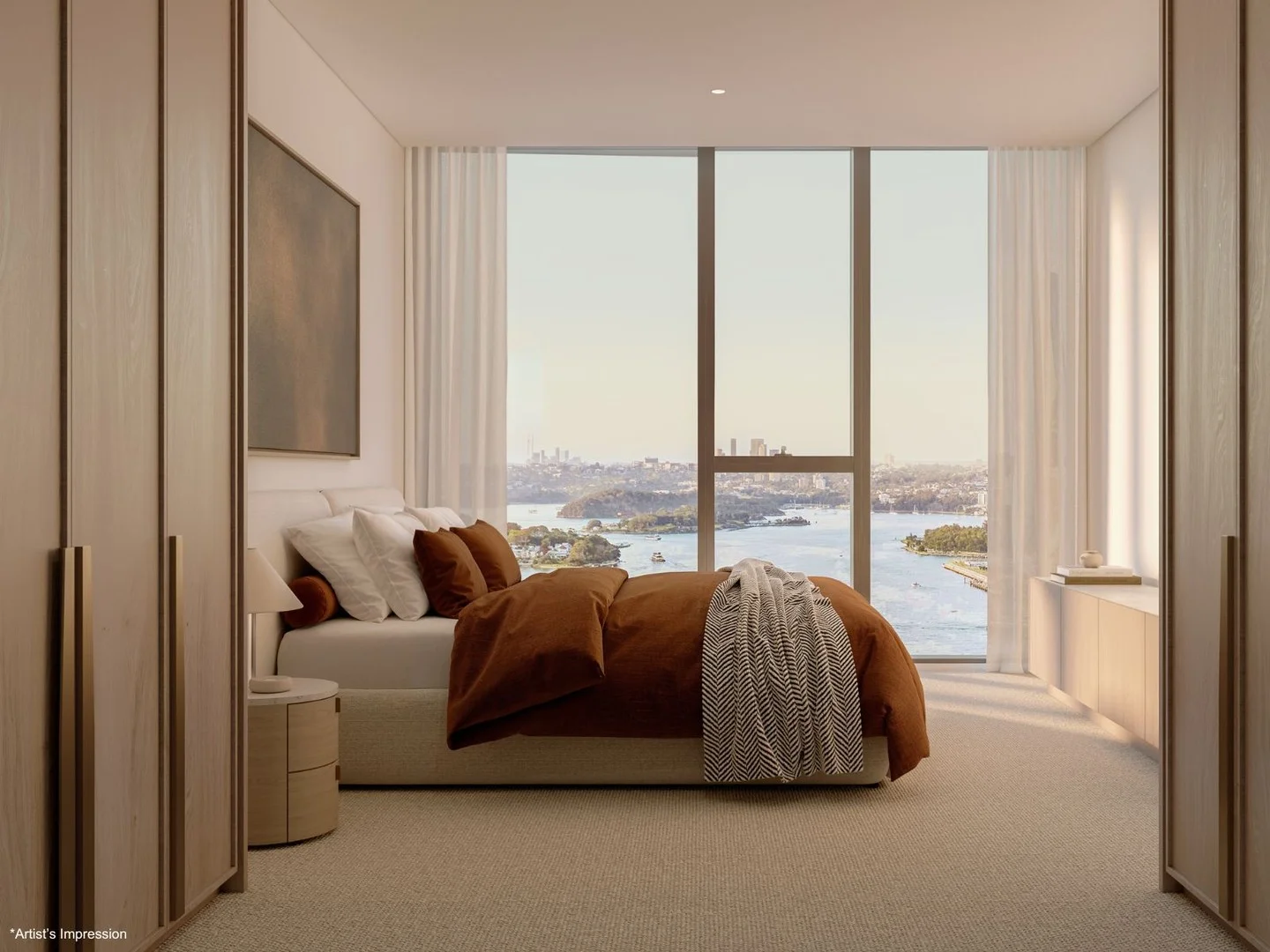 $8,630,000
propertyType.NEW APARTMENTS / OFF THE PLAN
$8,630,000
propertyType.NEW APARTMENTS / OFF THE PLAN
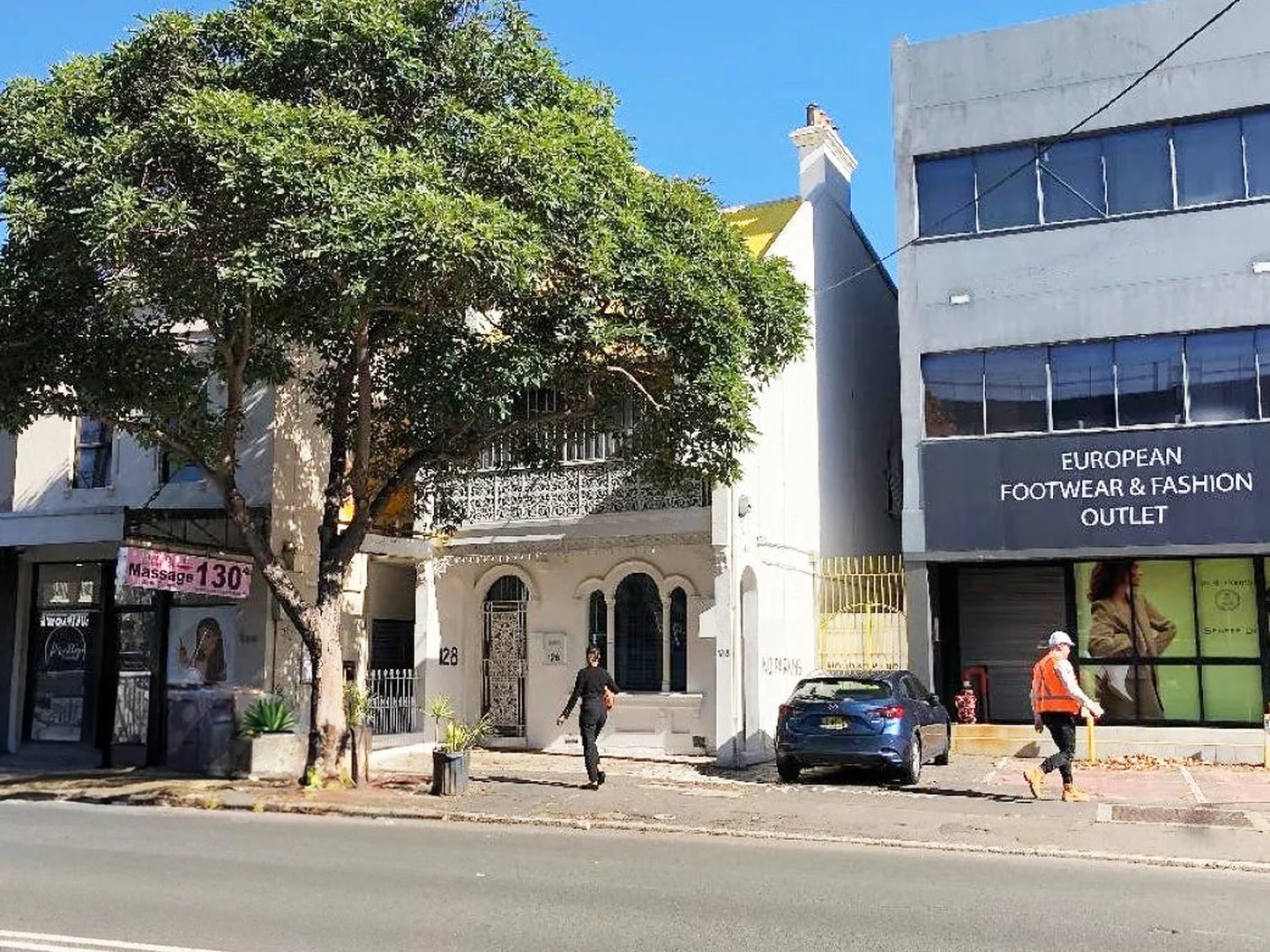 $3,900,000
House
$3,900,000
House


