1. Overview
Sydney Girls High School is a public, academically selective high school for girls in Sydney. As one of NSW’s longstanding government schools, it combines a rigorous academic program with broad opportunities in sport, the arts and leadership. The school is large, drawing students from across the city, and is known for high achievement within a supportive, academically focused culture.
- School type: Public, selective
- School size: Large
- Class size: Approximately 20–25 students per class
- Atmosphere/culture: Academic, inclusive, leadership-focused
⸻
2. Academics & Learning
Sydney Girls High School emphasises strong performance across core subjects and opportunities for extension.
- Academic strengths: STEM and English, robust language offerings, and leadership development; strong track record in the HSC and university preparation
- Special programs: NSW selective entry; extension/gifted programs; opportunities for accelerated learning and subject-based enrichment
- NAPLAN trends: Consistently high performance with positive year-to-year trends in reading and numeracy; strong national standing for cohort results
- Student-teacher ratios: Generally lower than average classroom sizes for a large school; ratios commonly around 1:12–1:16
- Support for diverse learners: EAL support, SEN support, learning adjustments and inclusive education services to accommodate diverse backgrounds and needs
⸻
3. Sports & Extracurricular Strengths
A wide range of sports and clubs supports physical activity and student interests.
- Sports offered: Netball, basketball, soccer, athletics, swimming, tennis, cricket and other team/individual sports
- Strong teams or achievements: Competitive school participation in NSW championships; notable achievements in debating and public speaking
- Music, arts, drama programs: Active music ensembles, choir and drama productions; regular theatre and performance opportunities
- Clubs: Robotics, coding, chess, debating and science/clubs with competitions and events
- Partnerships: Participation in state-level competitions and partnerships with local clubs, universities and external organisations for competitions and programs
⸻
4. Wellbeing & Pastoral Care
Wellbeing and pastoral support are central to the student experience.
- Anti-bullying approach: Clear policies, reporting channels and proactive education to foster a safe school environment
- House system: House groups support pastoral care, events and a sense of belonging
- Counsellors / wellbeing officers: Access to school counsellors and wellbeing staff for student support
- Transition support for new students: Orientation activities, buddy systems and year-level coordinators to ease transitions
⸻
5. Facilities
Facilities support learning, performance and recreation in a visually engaging environment.
- Sports grounds: On-site sports facilities for various activities
- Libraries: Well-equipped libraries with study spaces
- Science labs: Modern science laboratories for hands-on experiments
- Music/performing arts centers: Dedicated spaces for music practice and performances
- Tech/innovation labs: IT/technology and innovation spaces to support digital learning
- Cafeteria: On-site canteen providing meals and snacks
- Updated playgrounds: Modern and functional outdoor spaces for recreation
⸻
6. School Values & Community Culture
The school guides student conduct and community engagement through clear values and leadership opportunities.
- School values / mission: Excellence, integrity, respect, inclusion and leadership
- Leadership style: Student leadership opportunities and collaborative governance structures; active student voice
- Behaviour expectations: High standards of conduct; respectful interactions; uniform expectations
- Community reputation: Reputable for academic excellence, a rigorous but supportive environment, and active parental involvement
- Diversity & inclusion: Diverse student body with a focus on inclusive practices and equal access to opportunities
⸻
7. School Logistics & Daily Operations
Practical details help families plan around school life.
- School hours: Typical daytime hours (roughly 9:00 am–3:30 pm; timetable includes breaks and lunch)
- Before/after school care: Available via external providers or community services; subject to local arrangements
- Uniform requirements: Formal school uniform with blazer; standardised dress code
- Transport (train/bus routes): Well-served by public transport with multiple bus routes and proximity to city rail options
- Canteen availability: On-site canteen offering healthy choices
- Fees (low/medium/high ranges): Public school with no tuition; some voluntary contributions and family costs for excursions, activities, uniforms and materials
⸻
8. Enrolment & Admissions
Key steps to join Sydney Girls High School.
11. What is the enrolment process and timeline?
- Enrolment is managed through NSW Department of Education procedures for selective high schools. Applicants sit the NSW Selective High School Entrance Examination; offers are made based on test results and school-specific processes. Timelines typically involve applications and testing in the year prior to entry, with offers communicated mid-year to late-year.
12. Is there a waiting list, and how does it work?
- Yes, there is a waiting list for vacancies. Placement depends on availability and ranking from the selective process; families may remain on the list for multiple years depending on demand.
13. Are there any entry requirements, tests, or interviews?
- Entry generally requires sitting the NSW Selective High School Entrance Examination. Testimonials, interviews or auditions are not typically part of the standard admission, except for specialist music or performing arts pathways if offered.
14. Does the school accept mid-year transfers?
- Mid-year transfers may be possible when vacancies exist, subject to the school’s capacity and the standard NSW transfer procedures. Applications are assessed case-by-case.
⸻
9. Frequently Asked Questions
- Why Parents Choose This School?
- Strong academic environment, selective entry, high attainment, strong pathways to university, extensive co-curricular options.
- What type of student thrives at this school?
- Motivated, curious, academically oriented students who enjoy rigorous coursework and leadership opportunities.
- What opportunities are available for students to extend their skills (academics, sports, arts)?
- Extension/enrichment programs, STEM clubs, language study, leadership roles, arts and music programs, competitive sport and debating teams.
- How does the school communicate with parents?
- Regular newsletters, emails, a parent portal, and scheduled parent-teacher meetings; updates posted through official channels.
- What is the school’s approach to teaching and learning?
- Rigorous, evidence-based instruction with differentiation to meet diverse needs; emphasis on critical thinking, problem-solving and independent learning.
- How does the school support students who need extra academic help?
- Learning support services, SEN coordination, targeted tutoring, EAL assistance and appropriate adjustments.
- What support is available for academic challenges?
- Access to teachers, learning support staff, study resources and referral pathways to external professionals if needed.
- How does the school communicate with parents? (duplicate)
- See above: multiple channels including newsletters, emails and parent portals.
- What are the class sizes and how much individual attention do students receive?
- Class sizes typically around 20–25; teacher-student interactions are frequent through class time, targeted support and after-hours help.
- What extracurricular and sports opportunities are available?
- A broad range of sports (netball, basketball, soccer, athletics, swimming, tennis), plus clubs in robotics, coding, chess, debating and more; strong arts and music programs.
- What facilities does the school offer (sports, science, arts)?
- Sports grounds, libraries, science labs, music/performing arts spaces, tech/innovation labs, canteen and updated outdoor spaces.
- What is the school’s approach to technology and digital learning?
- Integrated digital learning with modern IT facilities; use of online platforms for learning and collaboration.
- What transport and accessibility options are available?
- Access via public transport with multiple bus routes and rail options; walkable from surrounding areas; general accessibility considerations in place.
- What are typical school fees or additional costs?
- No tuition fees for public schooling; some voluntary contributions and costs for excursions, materials, uniforms and optional activities.
⸻
10. Short Pros & Cons list
Pros
- Strong academic reputation and high progression to tertiary study
- Broad range of co-curriculars in sport, arts, STEM and leadership
- Supportive pastoral care and wellbeing services
- Inclusive environment with a diverse student body
- Clear pathways for advanced learning and enrichment
Cons
- Competitive atmosphere may feel demanding for some students
- Large school size can mean busy administration and busier corridors
- Selective entry means entry pathways are highly competitive
- Some costs for excursions, uniforms and optional activities
⸻

 $95+
$95+











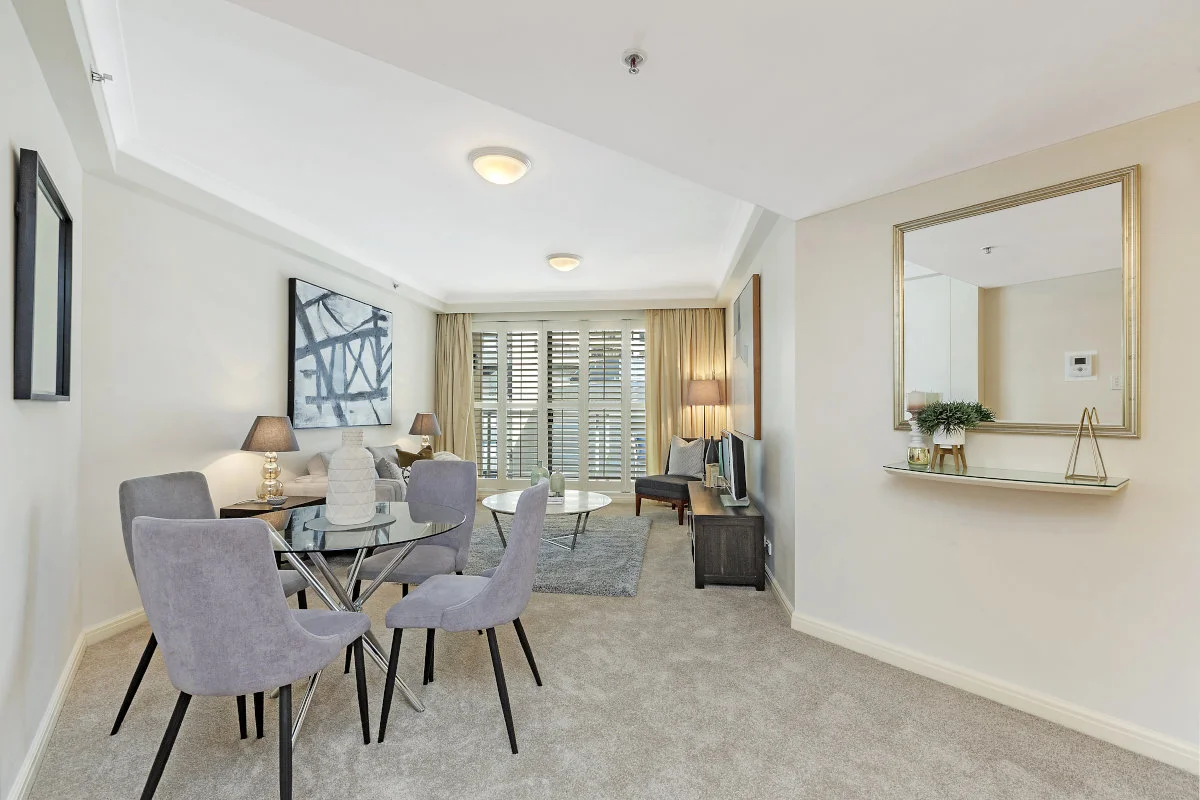 $660,000 - $725,000
Apartment / Unit / Flat
$660,000 - $725,000
Apartment / Unit / Flat
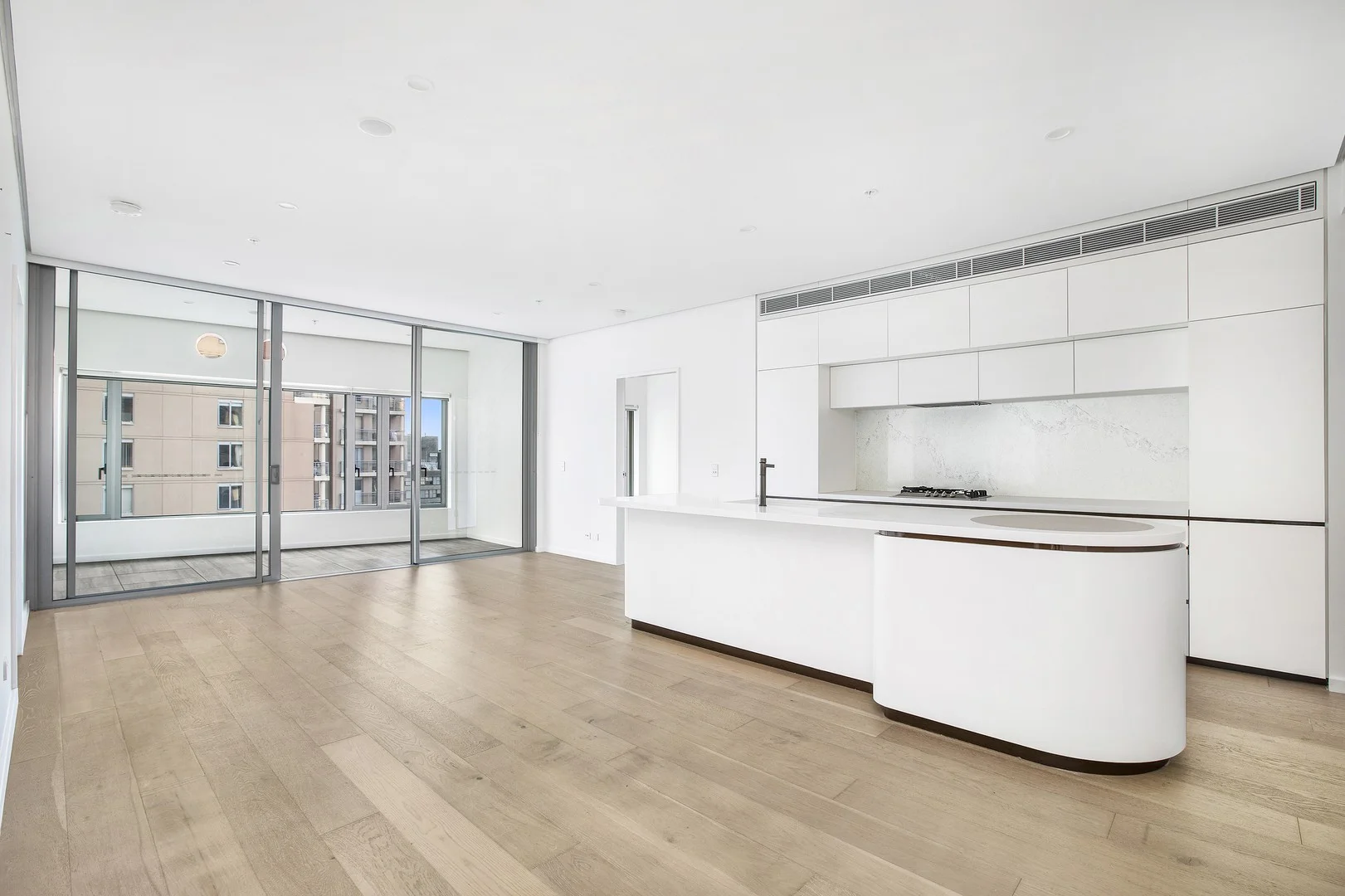 $2,250,000
Apartment / Unit / Flat
$2,250,000
Apartment / Unit / Flat
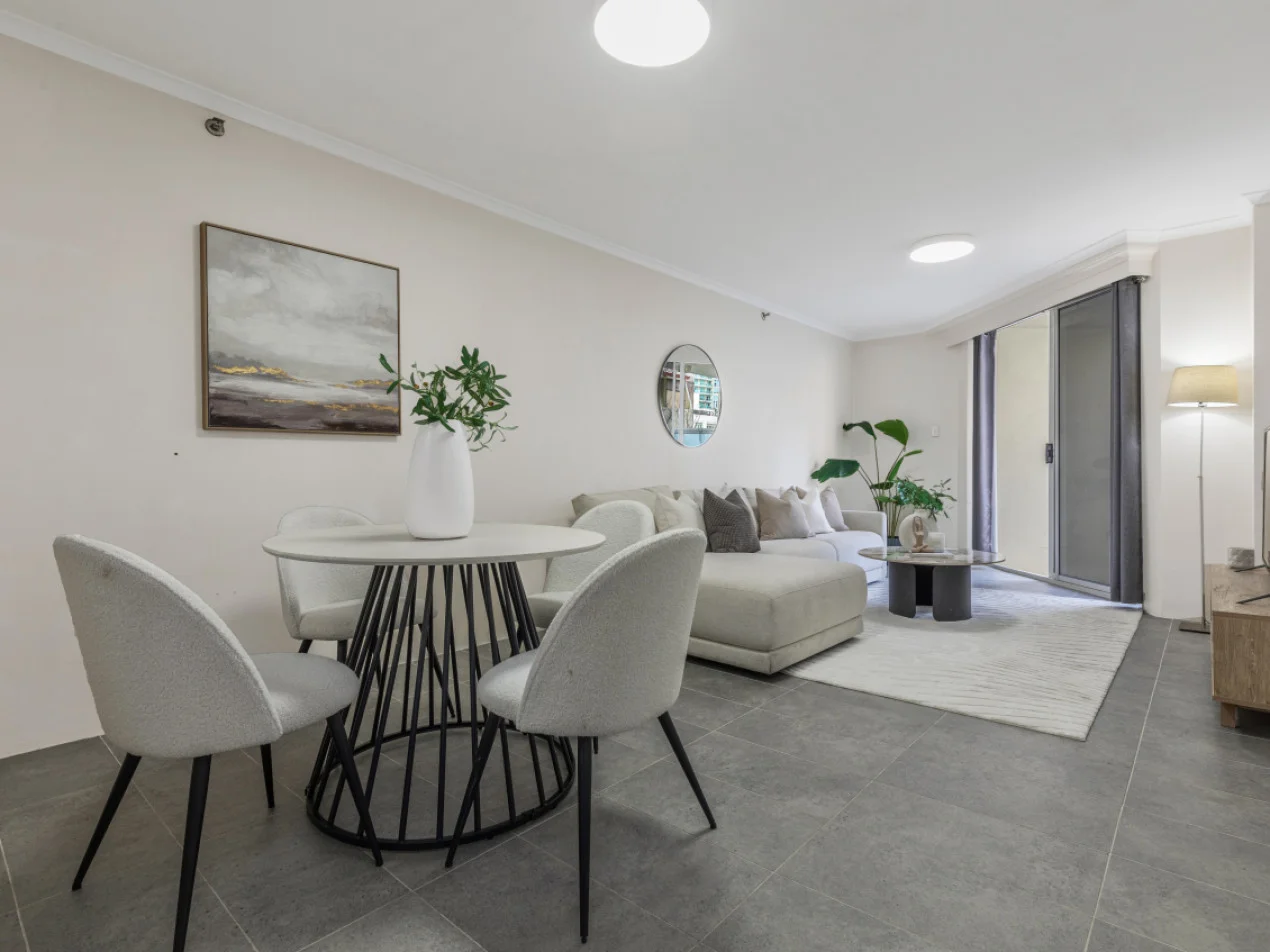 $640,000 - $675,000
Apartment / Unit / Flat
$640,000 - $675,000
Apartment / Unit / Flat
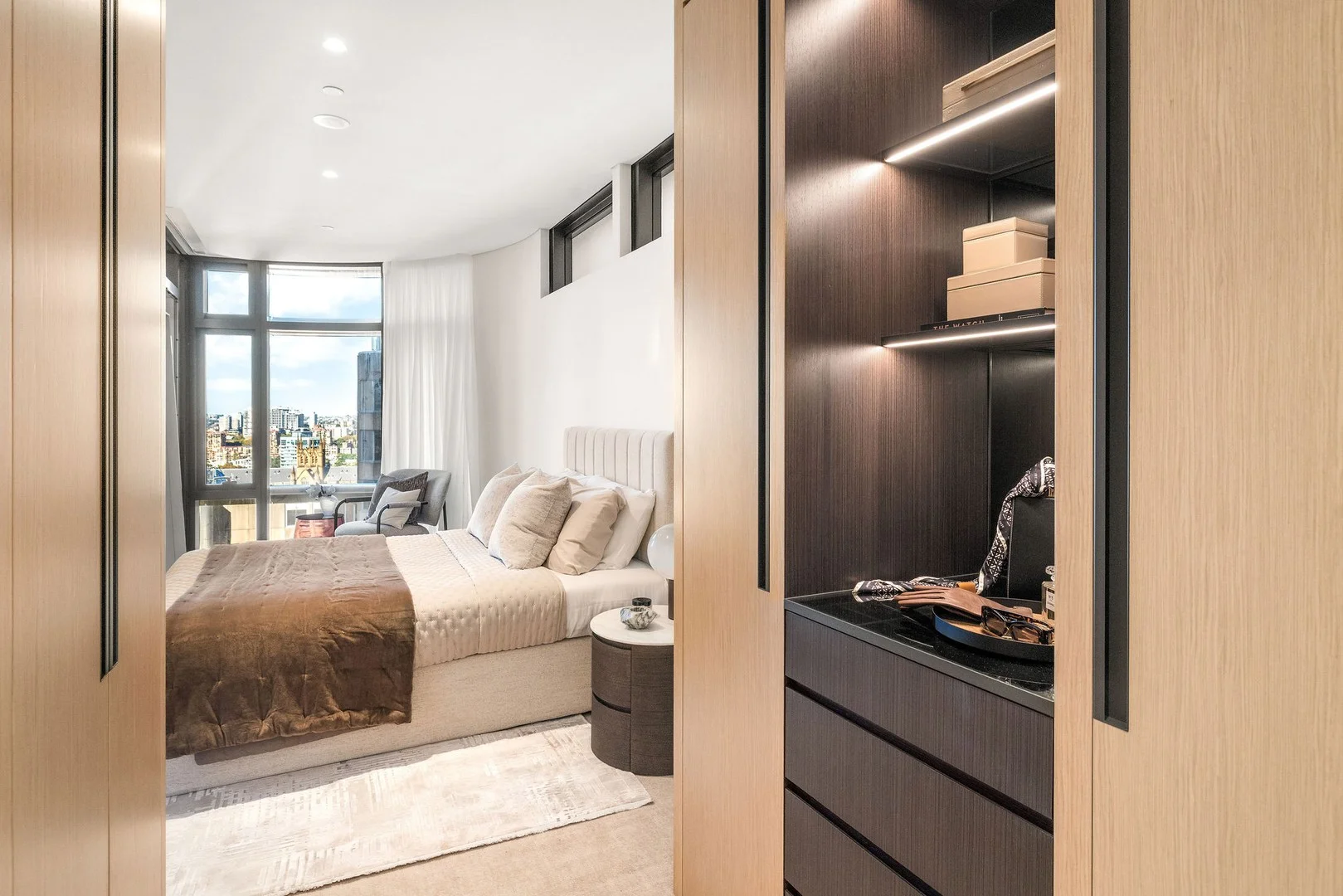 $2,745,000
propertyType.NEW APARTMENTS / OFF THE PLAN
$2,745,000
propertyType.NEW APARTMENTS / OFF THE PLAN
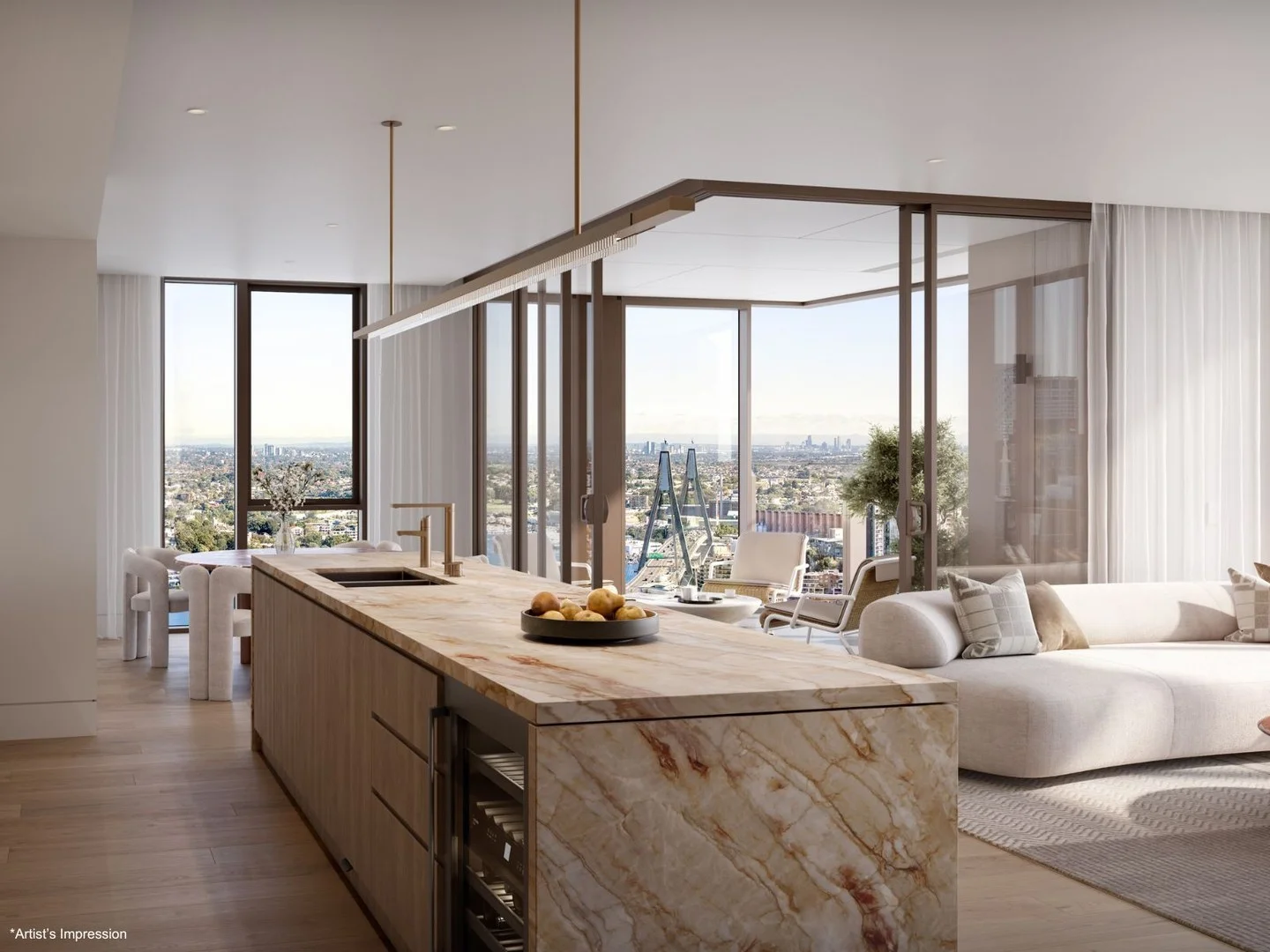 $9,020,000
propertyType.NEW APARTMENTS / OFF THE PLAN
$9,020,000
propertyType.NEW APARTMENTS / OFF THE PLAN
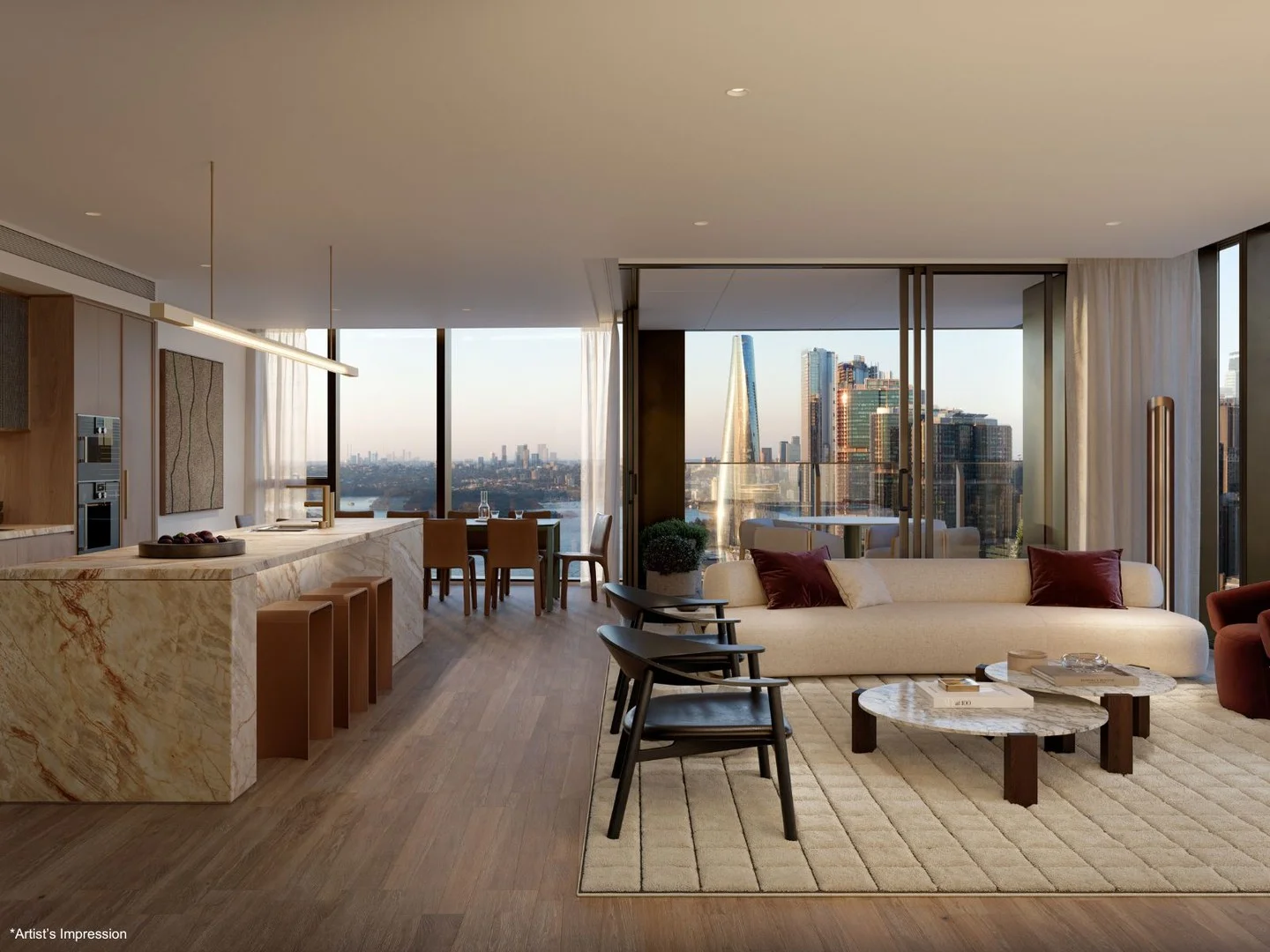 $12,980,000
propertyType.NEW APARTMENTS / OFF THE PLAN
$12,980,000
propertyType.NEW APARTMENTS / OFF THE PLAN
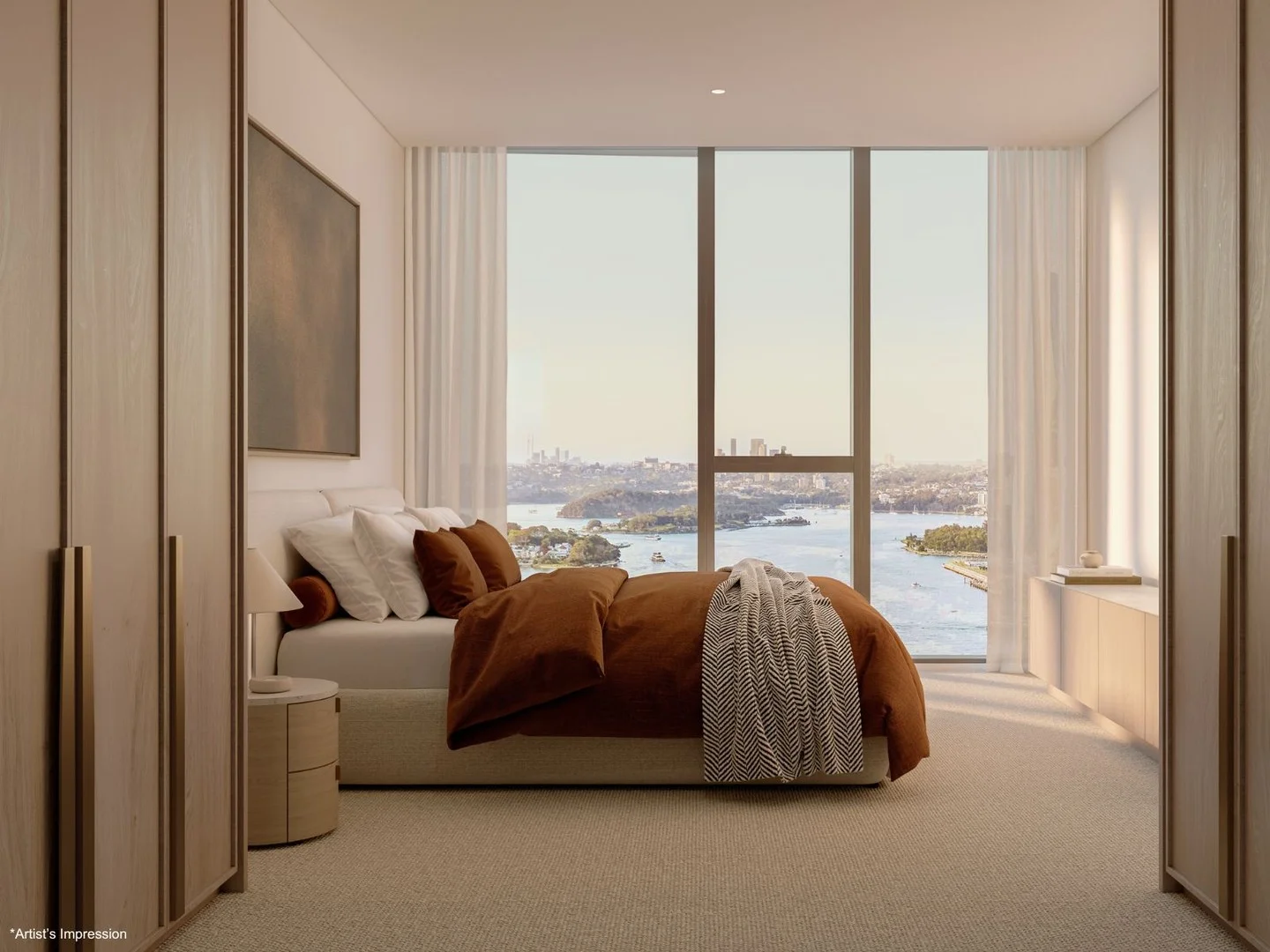 $8,630,000
propertyType.NEW APARTMENTS / OFF THE PLAN
$8,630,000
propertyType.NEW APARTMENTS / OFF THE PLAN
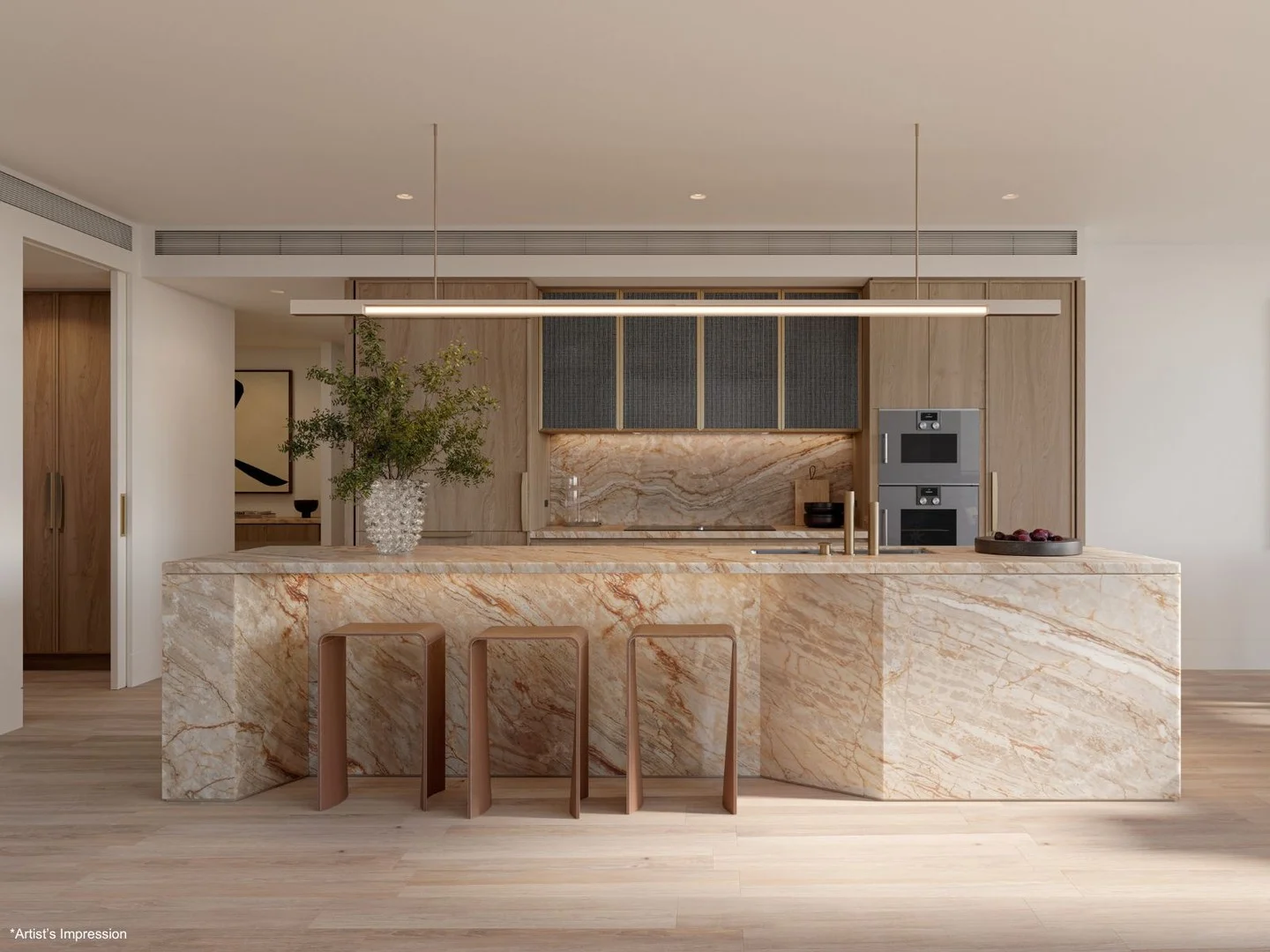 $6,225,000
propertyType.NEW APARTMENTS / OFF THE PLAN
$6,225,000
propertyType.NEW APARTMENTS / OFF THE PLAN
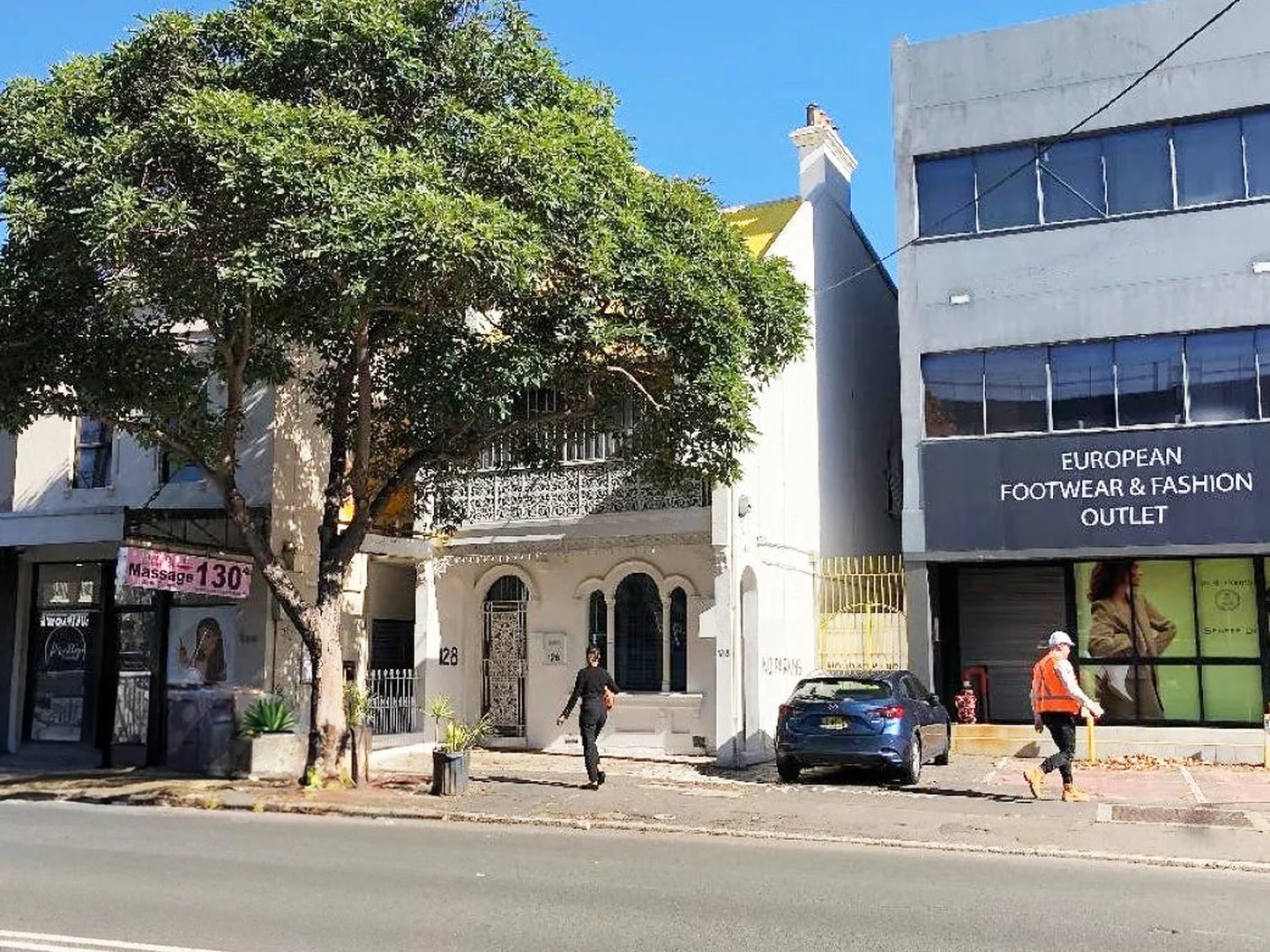 $3,900,000
House
$3,900,000
House


