## 1. Overview
Sydney Boys High School is a public, single-sex government high school for boys located in Moore Park, Sydney. It is a large school with a long-standing reputation for academic excellence and a strong sport and culture program. Class sizes are typically mid-sized, supporting a balance between teacher supervision and student participation. The school combines traditional education values with a focus on academic achievement, leadership development and inclusive participation in sport and extra-curricular activities.
Key snapshot:
- School type: Public
- School size: Large
- Class size: Typically 20–26 students
- Atmosphere/culture: Academic, tradition-driven, inclusive and sport-focused
## 2. Academics & Learning
- Academic strengths: Strong emphasis on STEM, English and languages, with leadership development and a robust overall academic program that supports high achievement across year levels.
- Special programs: Gifted and Talented/extension opportunities and pathways for accelerated learning where available.
- NAPLAN trends: Generally stable to positive trends in reading and numeracy, with ongoing focus on improving writing performance across cohorts.
- Student-teacher ratios: Approximately 1:12 to 1:18, depending on year level and subject.
- Support for diverse learners: EAL support for students new to English, as well as SEN and learning support services to assist students needing extra help or accommodations.
## 3. Sports & Extracurricular Strengths
- Sports offered: Rugby, cricket, soccer, basketball, athletics and other inter-school sports common to NSW public high schools.
- Strong teams or achievements: Noted traditions in key team sports with competitive participation in inter-school competitions.
- Music, arts, drama programs: Active music ensembles and performing arts programs, with opportunities to participate in school productions and concerts.
- Clubs: Robotics, chess, coding, debating and other academic/tech-oriented clubs available.
- Partnerships: Connections with local clubs and competitions to broaden opportunities in sport, coding and robotics; participation in inter-school events and regional/national contests.
## 4. Wellbeing & Pastoral Care
- Anti-bullying approach: Clear anti-bullying policies, student education and reporting processes, plus supportive peer networks.
- House system: House-based pastoral system to foster belonging, with regular inter-house events and recognition.
- Counsellors / wellbeing officers: Access to school counsellors and wellbeing staff to support mental health, study skills and transition needs.
- Transition support for new students: Orientation programs, peer mentoring and targeted transition support to help new students settle in smoothly.
## 5. Facilities
- Sports grounds: On-site and nearby facilities to support a range of sports.
- Libraries: Well-stocked library with study spaces.
- Science labs: Modernized science laboratories for biology, chemistry and physics.
- Music/performing arts centers: Dedicated spaces for music rehearsals and drama productions.
- Tech/innovation labs: Computer labs and practical spaces for digital learning and innovation projects.
- Cafeteria: On-site canteen offering lunch options.
- Updated playgrounds: Well-maintained outdoor spaces for breaks and activities.
## 6. School Values & Community Culture
- School values / mission: Emphasis on excellence, integrity, respect, inclusion and teamwork.
- Leadership style: Collaborative and supportive, with opportunities for student leadership and peer mentoring.
- Behaviour expectations: Clear codes of conduct aligned with uniform standards and respectful school culture.
- Community reputation: Strong alumni network and active parent/community involvement; respected for academic and sporting achievements.
- Diversity & inclusion: Committed to an inclusive environment that welcomes students from diverse backgrounds and supports equal opportunity.
## 7. School Logistics & Daily Operations
- School hours: Typical school day starts mid-morning and ends mid-afternoon; specific times published each year.
- Before/after school care: Availability may be via external providers or school-run programs; check locally for current options.
- Uniform requirements: Formal uniform (blazer, tie, tailored trousers) with seasonal adjustments; standard guidelines for footwear and accessories.
- Transport: Accessible by public transport (bus/train routes near Moore Park); check Transport NSW for current routes and timings; car drop-off arrangements typically available in designated zones.
- Canteen availability: On-site canteen offering lunch options and snacks.
- Fees: Public high schools generally have low fees with possible voluntary contributions and optional costs for activities or materials.
## 8. Enrolment & Admissions
11. What is the enrolment process and timeline?
- Applications typically follow the NSW Department of Education processes for Year 7 intake, with timelines announced annually. Check local DoE guidance for exact dates. Offers are usually communicated in the months leading up to the new school year, with payment of any required enrolment forms or contributions.
12. Is there a waiting list, and how does it work?
- Waiting lists can apply when the school is oversubscribed. Placement on the list is managed by the Department of Education and the school, with priority often given to students within the local catchment or enrolled in specific programs. Availability depends on spaces becoming open.
13. Are there any entry requirements, tests, or interviews?
- For standard admission, no separate entrance test is typically required if you are within the designated intake process. Some programs or transfer situations may involve interviews, auditions (for performing arts) or additional documentation. Selective admissions (if applicable to a door) may involve testing; verify current requirements with the school.
14. Does the school accept mid-year transfers?
- Mid-year transfers may be possible if there is space and appropriate documentation (transcripts, enrolment permissions, etc.). Availability varies by year and semester; contact the school early to discuss options.
## 9. Frequently Asked Questions
- Why do parents choose this school?
Parents often choose Sydney Boys High School for its strong academic reputation, broad extracurricular offerings, robust sports program and supportive pastoral care within a traditional school culture.
- What type of student thrives at this school?
Students who are motivated academically, enjoy sports and clubs, and value a structured environment with clear expectations typically thrive here.
- What opportunities are available for students to extend their skills (academics, sports, arts)?
There are extension opportunities in STEM, languages and English, leadership or gifted programs where available; a wide range of sports teams and clubs, music ensembles, drama and debating opportunities exist.
- How does the school communicate with parents?
Communication is typically via email, newsletters, the school website and scheduled parent evenings. Individual concerns are addressed through the front office, year coordinators or counsellors.
- What is the school’s approach to teaching and learning?
The school emphasizes a rigorous, evidence-based approach with differentiation to meet diverse learning needs, practical hands-on activities in science and tech, and opportunities for leadership and collaboration.
- How does the school support students who need extra academic help?
A learning support team, EAL and SEN services, tutoring and targeted small-group interventions are available to assist students who require extra help.
- What support is available for academic challenges?
Access to counsellors, study skills coaching, revision sessions, mentoring and targeted teaching strategies help students facing academic challenges.
- How does the school communicate with parents? (Repeated)
See above: email, newsletters, parent evenings, and direct communication channels through year coordinators.
- What are the class sizes and how much individual attention do students receive?
Class sizes are typically around 20–26 students, with teachers providing differentiated instruction and opportunities for small-group work to ensure support and feedback.
- What extracurricular and sports opportunities are available?
A broad range of sports (team and individual) alongside clubs in robotics, coding, chess, debating, music ensembles and drama are available.
- What facilities does the school offer (sports, science, arts)?
Facilities include sports grounds, a library, modern science labs, music/performing arts spaces, tech/innovation labs, a canteen and well-maintained outdoor learning areas.
- What is the school’s approach to technology and digital learning?
Technology is integrated across learning with computer labs, digital platforms for learning management, and opportunities for students to engage in coding and digital projects.
- What transport and accessibility options are available?
Access via public transport (bus/train routes near Moore Park), with on-site parking and designated drop-off zones; accessibility is considered in the school’s facilities.
- What are the typical school fees or additional costs?
Being a public school, tuition is low; there may be voluntary contributions and optional costs for materials, trips or activities.
## 10. Short Pros & Cons list
- Pros
- Strong academic reputation with broad STEM, languages and humanities offerings
- Comprehensive extracurricular program including sports, music, drama and clubs
- Supportive wellbeing and pastoral care with a house system
- Public school with relatively low fees and transparent processes
- Large, diverse community with active alumni and parent involvement
- Cons
- Large school environment may feel busy; less one-on-one time than smaller schools
- Highly competitive culture in some cohorts; expectations can be demanding
- Transport and commute considerations for some families depending on location
- Availability of certain programs or spaces can vary year to year based on enrolment and staffing
 $95+
$95+











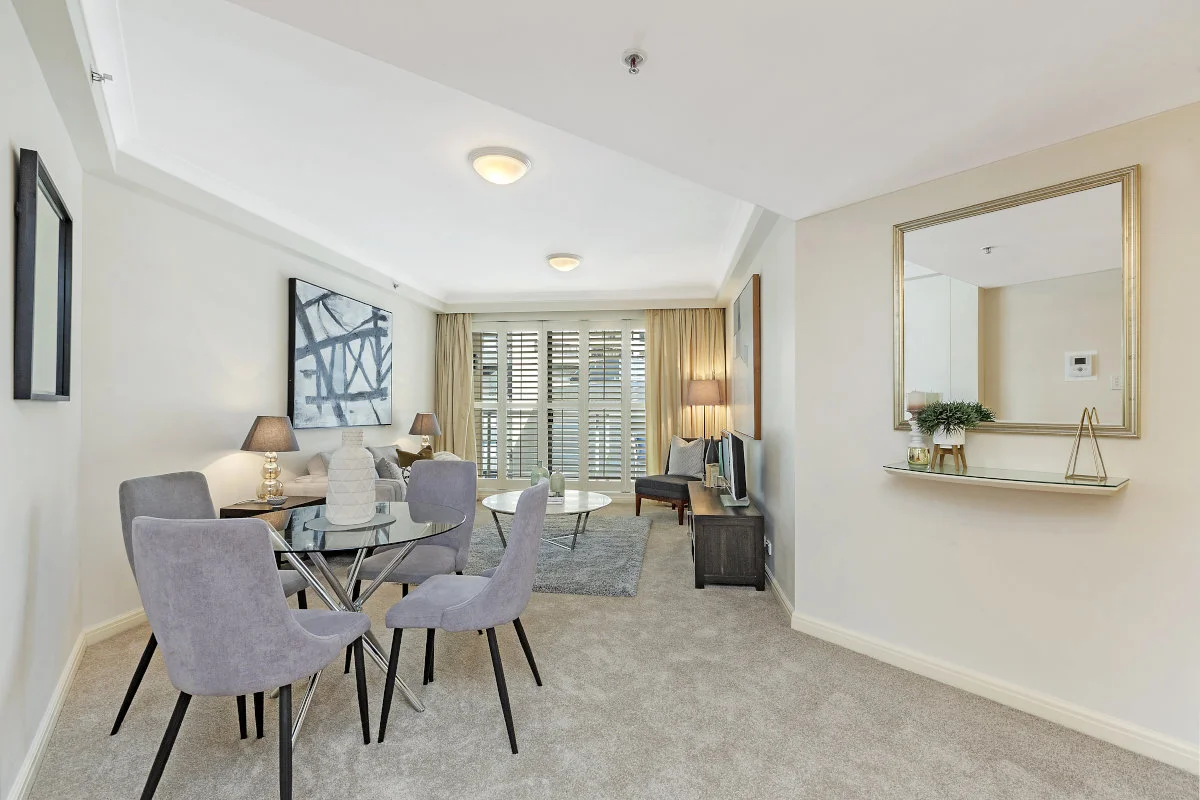 $660,000 - $725,000
Apartment / Unit / Flat
$660,000 - $725,000
Apartment / Unit / Flat
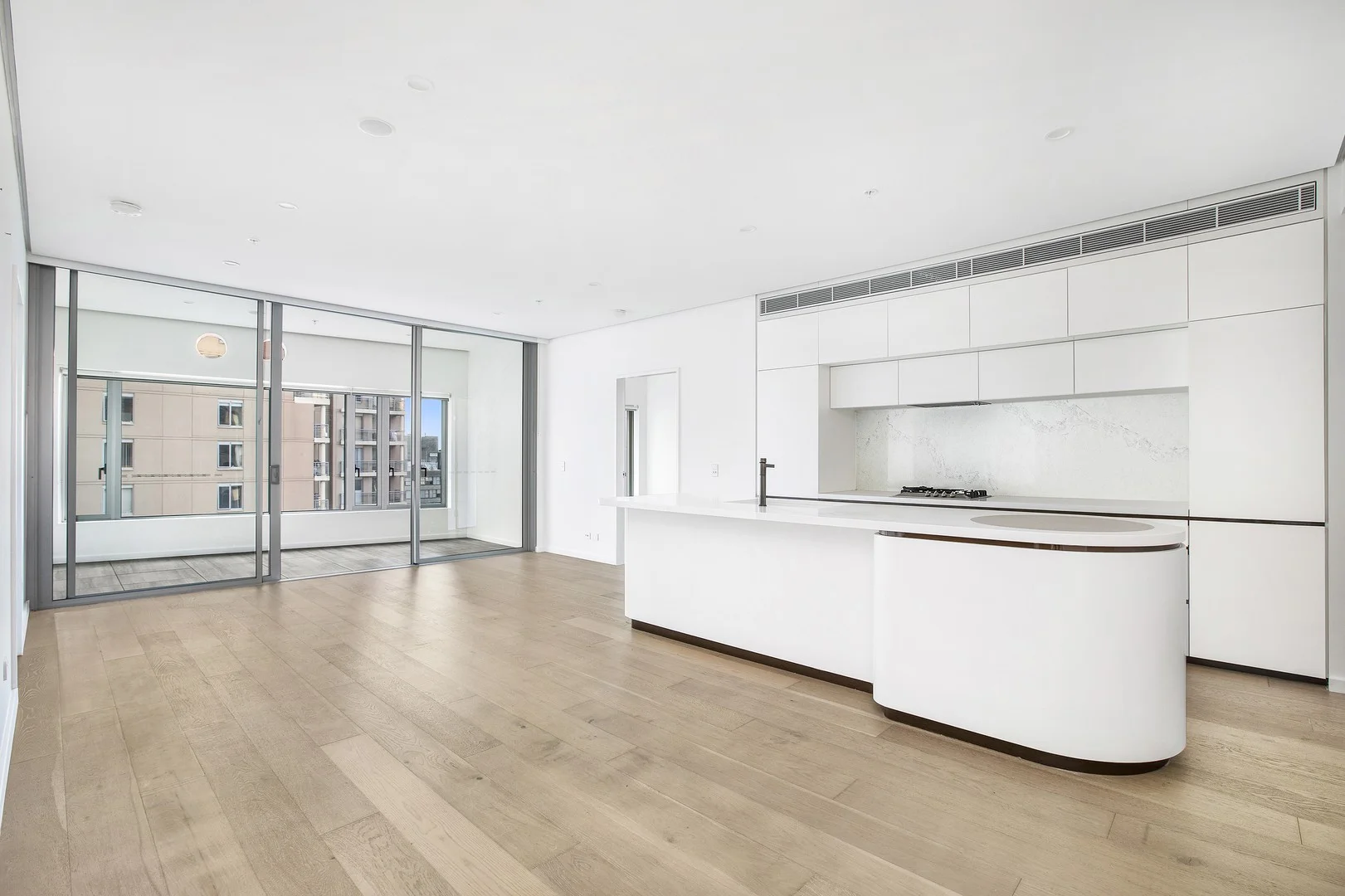 $2,250,000
Apartment / Unit / Flat
$2,250,000
Apartment / Unit / Flat
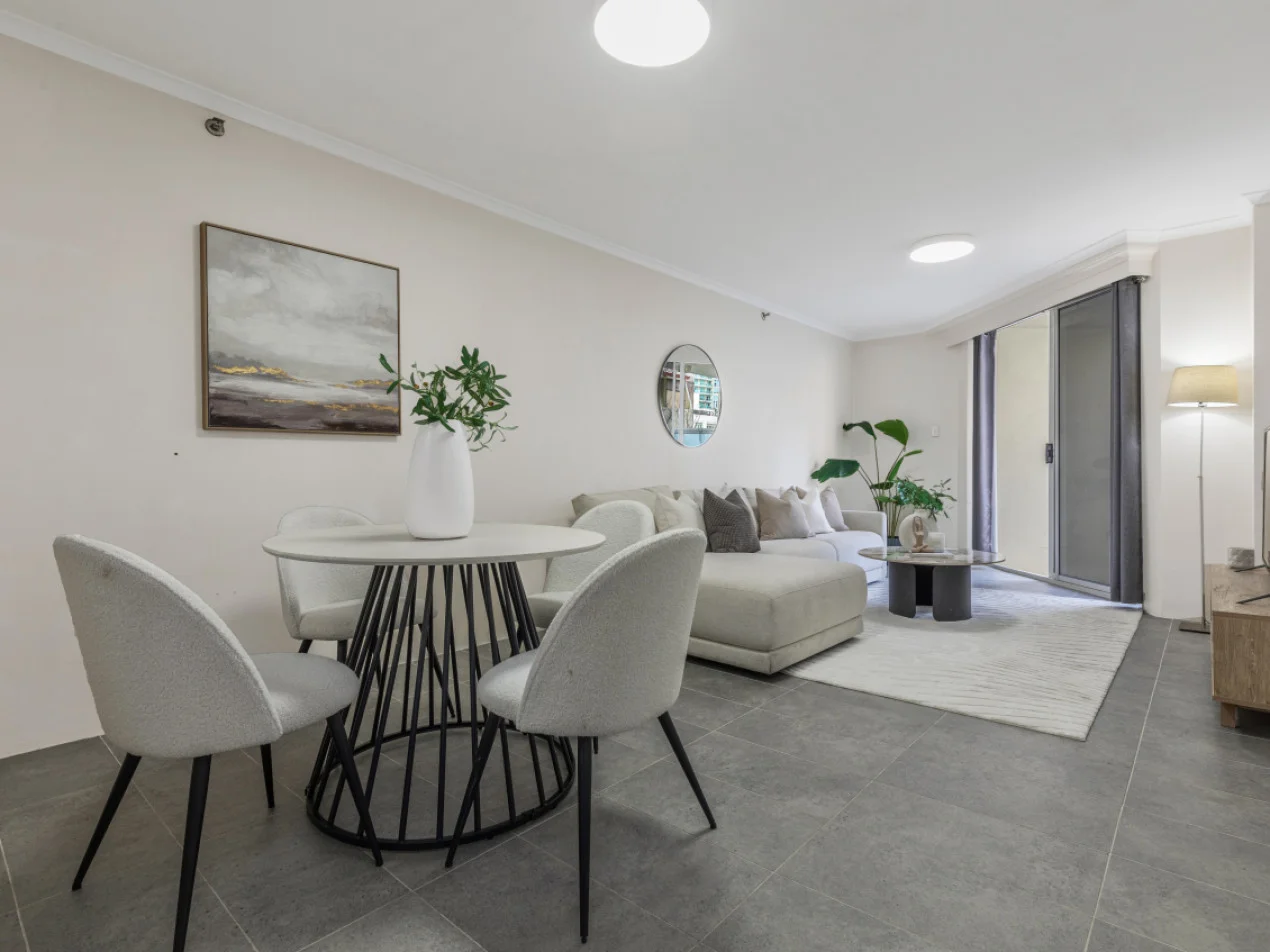 $640,000 - $675,000
Apartment / Unit / Flat
$640,000 - $675,000
Apartment / Unit / Flat
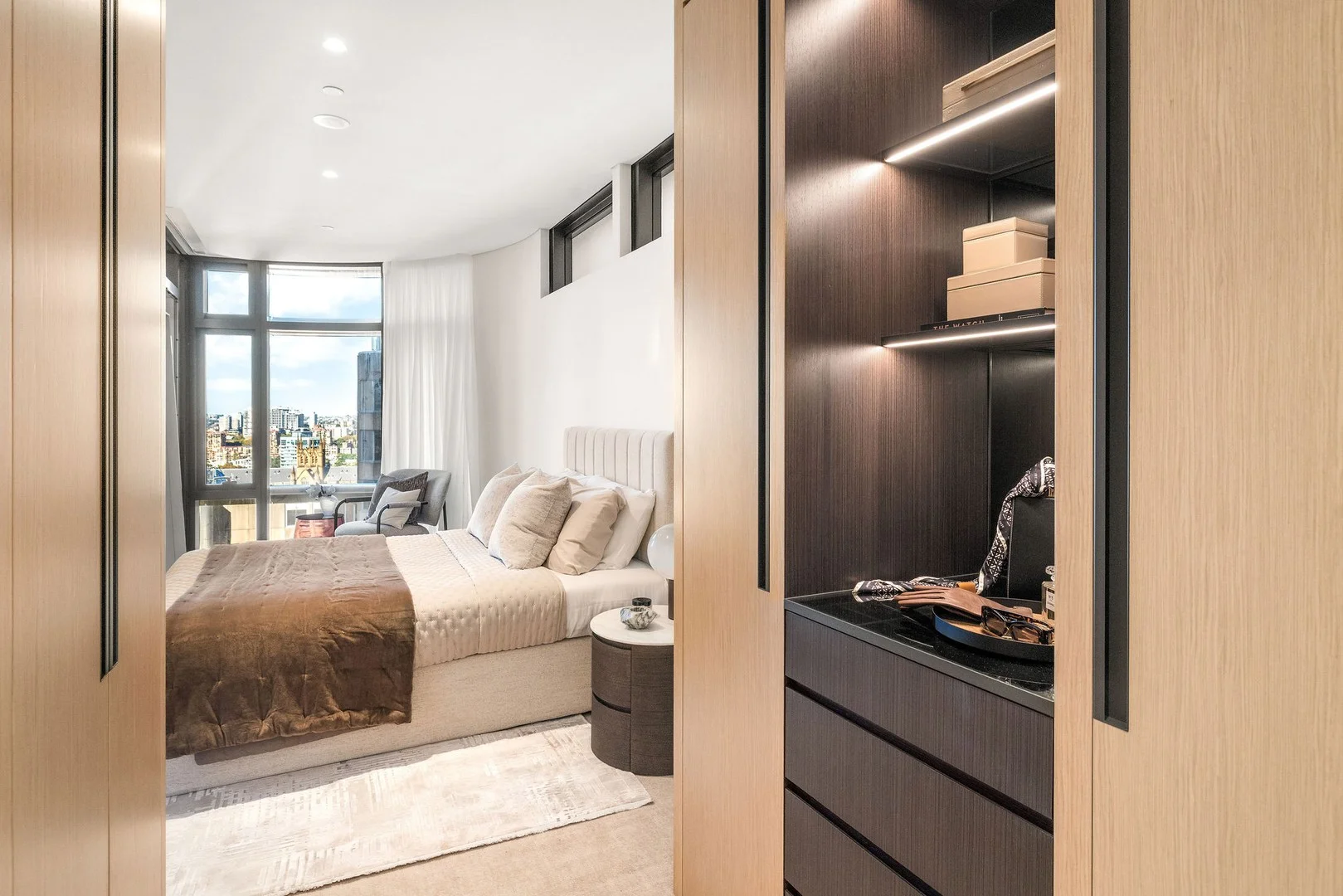 $2,745,000
propertyType.NEW APARTMENTS / OFF THE PLAN
$2,745,000
propertyType.NEW APARTMENTS / OFF THE PLAN
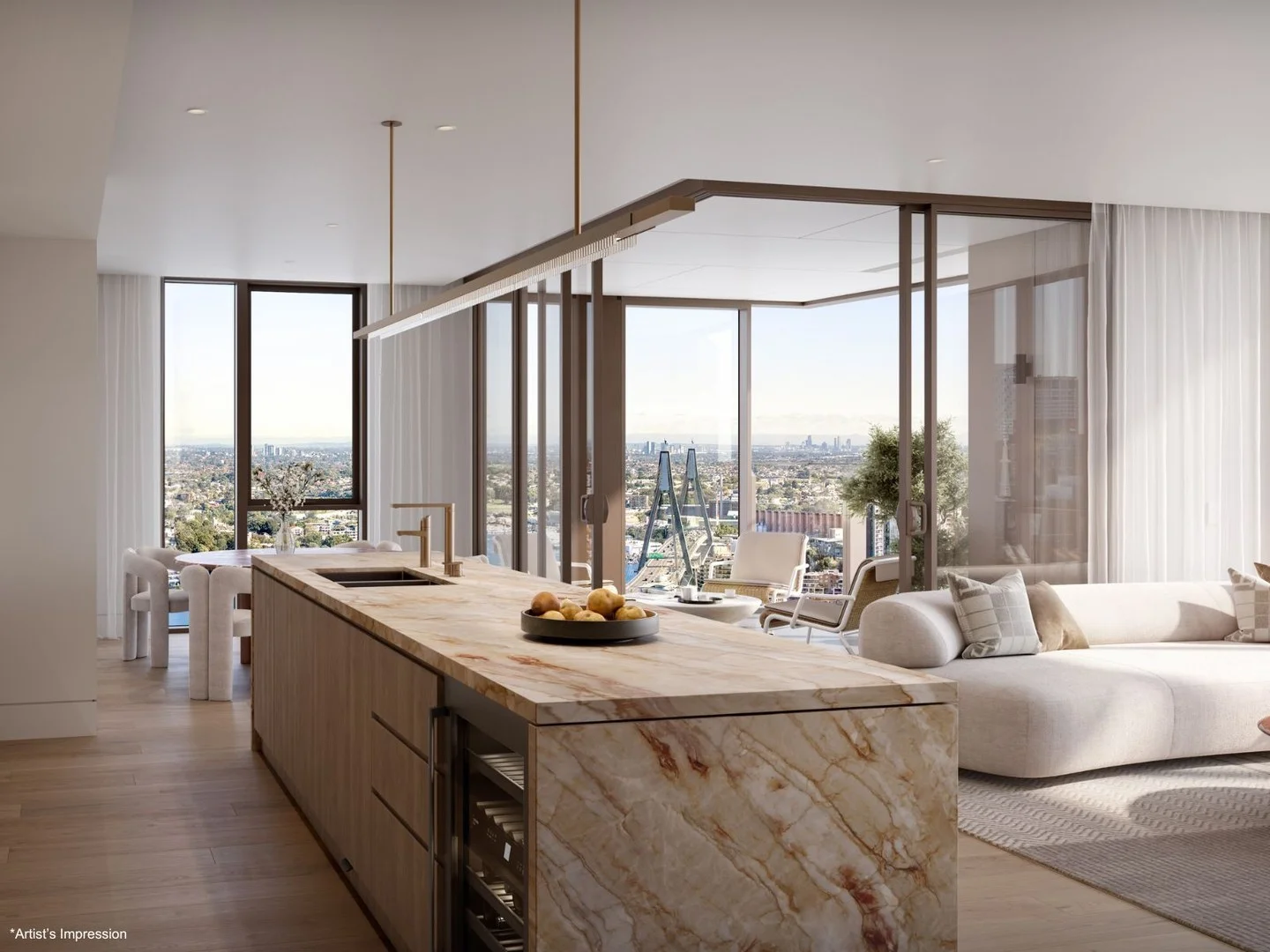 $9,020,000
propertyType.NEW APARTMENTS / OFF THE PLAN
$9,020,000
propertyType.NEW APARTMENTS / OFF THE PLAN
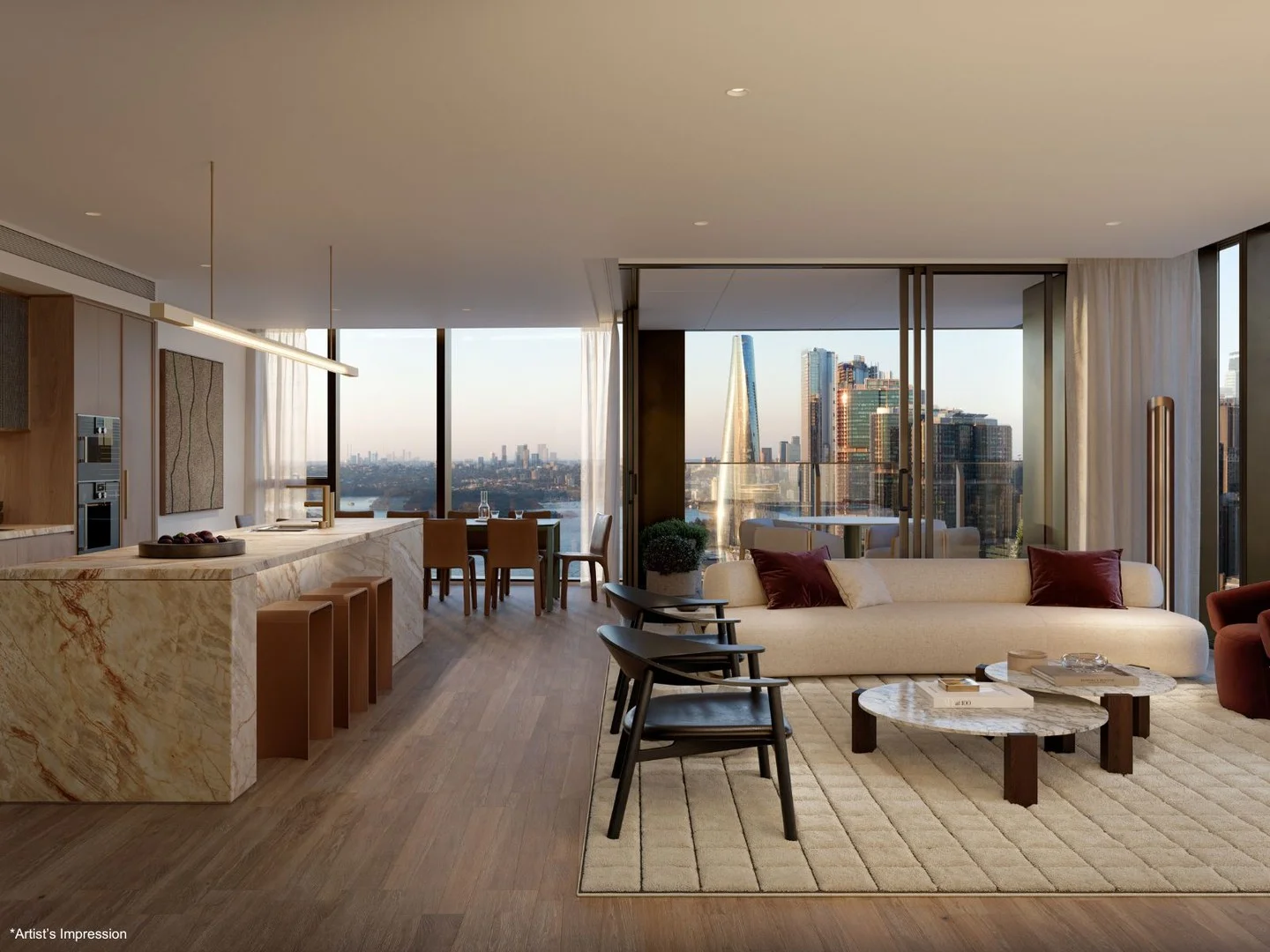 $12,980,000
propertyType.NEW APARTMENTS / OFF THE PLAN
$12,980,000
propertyType.NEW APARTMENTS / OFF THE PLAN
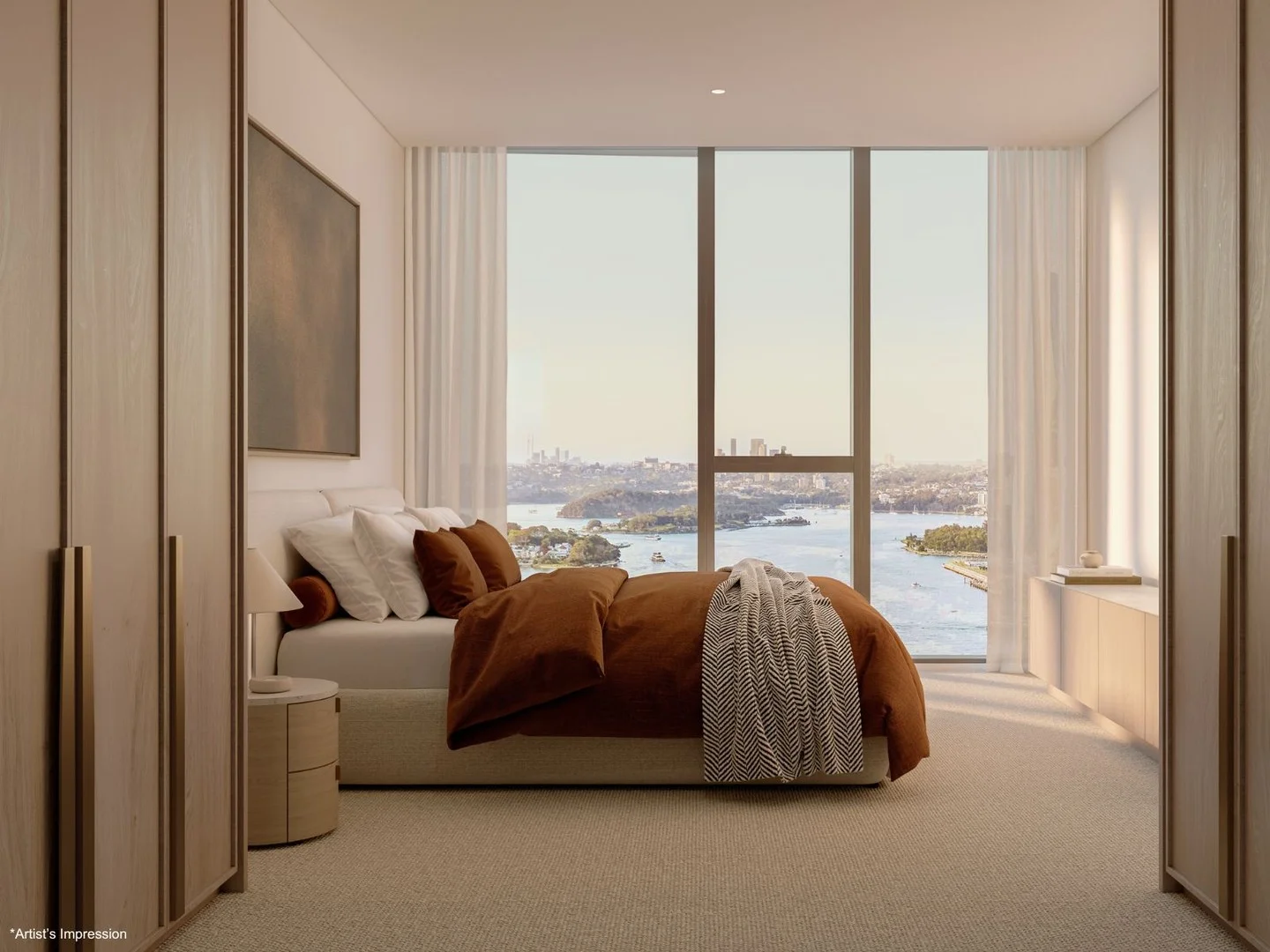 $8,630,000
propertyType.NEW APARTMENTS / OFF THE PLAN
$8,630,000
propertyType.NEW APARTMENTS / OFF THE PLAN
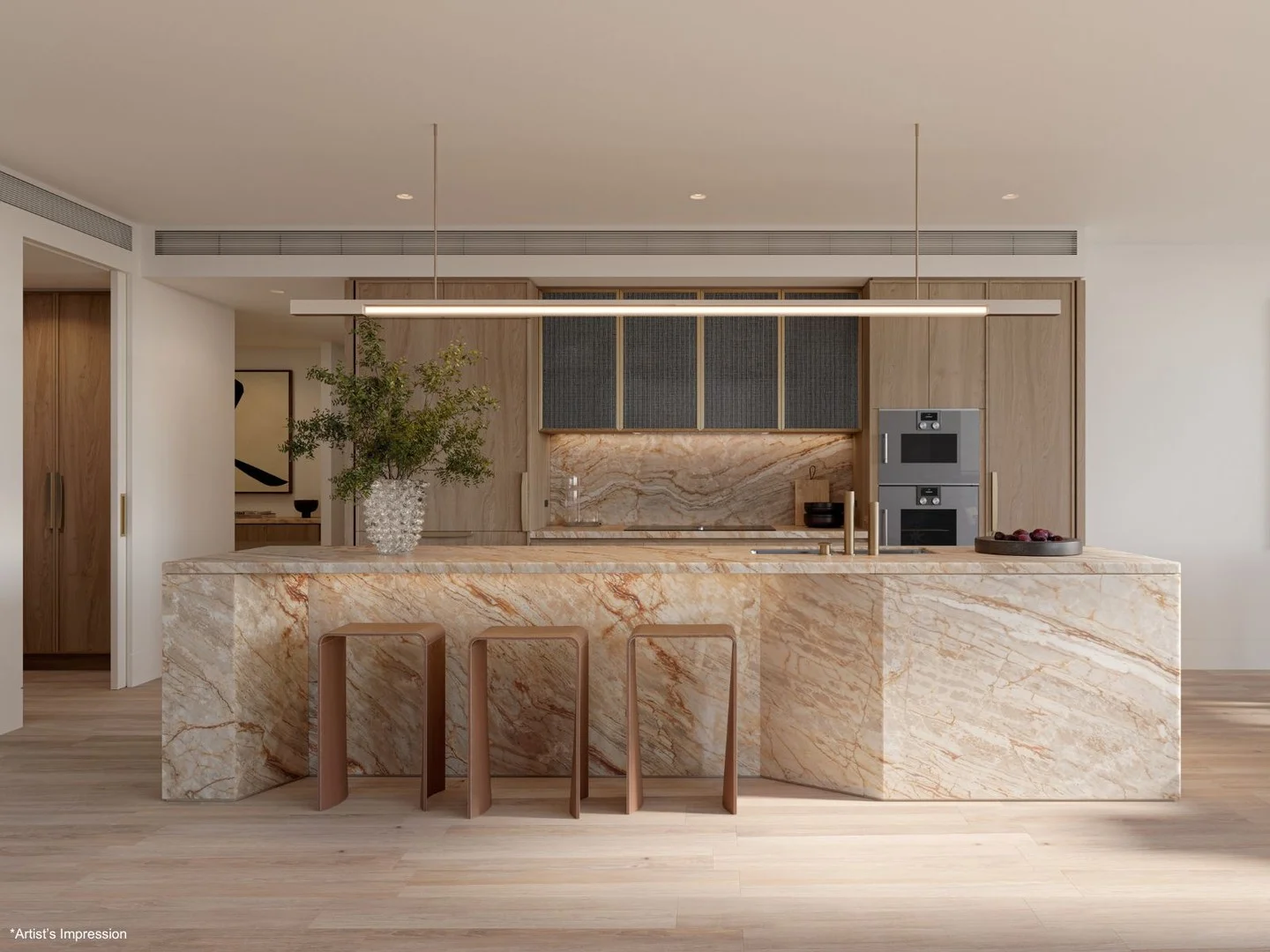 $6,225,000
propertyType.NEW APARTMENTS / OFF THE PLAN
$6,225,000
propertyType.NEW APARTMENTS / OFF THE PLAN
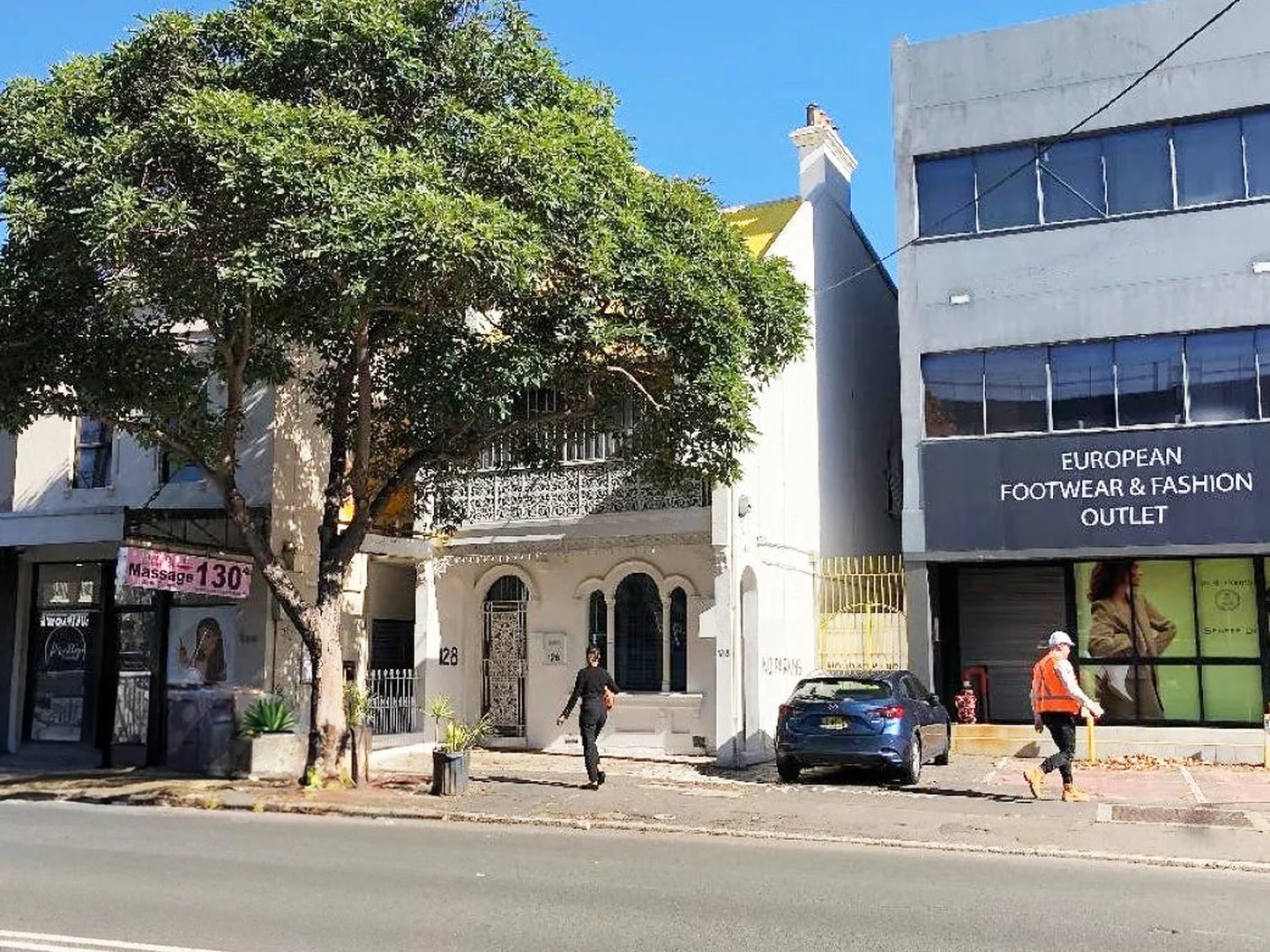 $3,900,000
House
$3,900,000
House


