## 1. Overview
Independent/private Islamic school located in Western Australia, offering a values‑based education within a diverse community. The college emphasizes faith-informed learning, strong academics, and holistic development in a supportive environment.
- School type: Independent/private Islamic school
- School size: Medium
- Class size: Approximately 20–25 students per class
- Atmosphere/culture: Nurturing, inclusive, academically oriented with emphasis on community and Islamic values
⸻
## 2. Academics & Learning
The school focuses on building solid literacy and numeracy foundations while integrating Islamic studies and character development. Students are supported to develop critical thinking, leadership, and global awareness.
- Academic strengths: English and STEM foundations, leadership development, languages (with Arabic/Islamic studies integrated where offered)
- Special programs: Gifted & Talented options, accelerated learning pathways, Islamic studies emphasis, and enrichment opportunities
- NAPLAN trends: Steady performance with targeted improvements in literacy and numeracy over recent years
- Student-teacher ratios: Relatively low ratios (approximately 1:15–1:22), enabling individualized attention
- Support for diverse learners: EAL support, SEN programs, small‑group tutoring and targeted interventions
⸻
## 3. Sports & Extracurricular Strengths
A strong focus on well‑rounded development with a range of activities to engage boys aged 10–14 and beyond. The program supports teamwork, discipline, and personal growth.
- Sports offered: Football (soccer), basketball, cricket, netball, athletics, tennis
- Strong teams or achievements: Regular participation and competition in local/inter‑school leagues; emphasis on development and teamwork
- Music, arts, drama programs: Music ensembles, drama productions, and performing arts opportunities
- Clubs: Robotics, chess, coding, debating, and other STEM/academic clubs
- Partnerships: Local clubs and academies, participation in regional competitions and inter-school events
⸻
## 4. Wellbeing & Pastoral Care
Prioritises student wellbeing through proactive support, clear expectations, and accessible guidance.
- Anti-bullying approach: Zero-tolerance framework with restorative practices and a focus on creating a respectful environment
- House system: Yes (house activities and competitions to foster belonging and leadership)
- Counsellors / wellbeing officers: On‑site counselling and wellbeing staff to support students
- Transition support for new students: Orientation programs, buddy systems, and gradual transition activities to ease entry
⸻
## 5. Facilities
Facilities designed to support a broad curriculum and engaging student life. Visual, simple, and easy to navigate.
- Sports grounds: On‑site fields and courts
- Libraries: Adaptable library space with learning resources
- Science labs: Modern science facilities for chemistry, physics, biology
- Music/performing arts centers: Rehearsal spaces and performance opportunities
- Tech/innovation labs: ICT/Robotics and makerlab type spaces
- Cafeteria: On‑site canteen or lunch facilities
- Updated playgrounds: Well‑maintained outdoor spaces for breaks and recreation
⸻
## 6. School Values & Community Culture
Clear values and a community‑oriented culture that supports character development and academic growth.
- School values / mission: Faith-informed education emphasizing respect, integrity, service, and responsibility
- Leadership style: Collaborative, student voice‑friendly with opportunities for leadership roles
- Behaviour expectations: Clear code of conduct aligned with school values
- Community reputation: Positive standing in local communities, with emphasis on inclusion and respect
- Diversity & inclusion: Welcoming to students from diverse backgrounds; inclusive practices and programs
⸻
## 7. School Logistics & Daily Operations
Practical information to help families plan around school routines.
- School hours: Typically around 8:00–3:00 (adjustments may exist for specific year levels)
- Before/after school care: Available in many cases (subject to enrolment and capacity)
- Uniform requirements: School uniform; modest attire aligned with school policy
- Transport (train/bus routes): Access to regional bus routes and public transport; parking arrangements vary by campus
- Canteen availability: On‑site canteen or food facilities
- Fees (low/medium/high ranges): Fees are in the private/independent range (mid-to-high relative to local options)
⸻
## 8. Enrolment & Admissions
What families typically need to know about joining the school.
11. What is the enrolment process and timeline?
- Submit an online application or enquiry
- Provide required documents (birth certificate, immunisation records, academic records)
- Complete any school‑specific assessments or interviews
- Receive offer and confirm enrolment within the stated timeline
12. Is there a waiting list, and how does it work?
- Waiting lists can occur; spaces are allocated based on availability, with possible priority for siblings, siblings in the same religious community, or priority across catchment rules
13. Are there any entry requirements, tests, or interviews?
- Some year levels may require an interview and/or academic screening
- May include language or Islamic studies assessment as part of the process
14. Does the school accept mid-year transfers?
- Yes, subject to space and completing the enrolment process; mid-year placements are possible where vacancies exist
⸻
## 9. Frequently Asked Questions
- Why Parents Choose This School?
- A values‑driven environment, supportive pastoral care, and a balance of academics, faith, and wellbeing.
- What type of student thrives at this school?
- Students who value community, Islamic education, inclusive culture, and strong academic foundations; those who respond well to supportive teacher attention.
- What opportunities are available for students to extend their skills (academics, sports, arts)?
- Enrichment programs, advanced courses in core subjects, sports teams, performing arts, and clubs such as robotics, coding, and debating.
- How does the school communicate with parents?
- Regular emails, newsletters, a parent portal/app, reports, and parent-teacher meetings; additional updates via SMS or notices.
- What is the school’s approach to teaching and learning?
- Student‑centered, inquiry‑based learning integrated with Islamic studies; emphasis on literacy, numeracy, digital skills, and critical thinking.
- How does the school support students who need extra academic help?
- Targeted intervention programs, EAL support, SEN services, and opportunities for individualized tutoring.
- What support is available for academic challenges?
- Diagnostic assessments, classroom differentiation, small-group support, and access to learning support staff.
- What class sizes and how much individual attention do students receive?
- Class sizes are typically medium with low to moderate student‑teacher ratios, enabling more individualized feedback.
- What extracurricular and sports opportunities are available?
- A broad menu including sports (soccer, basketball, cricket, etc.), music and drama, robotics, chess, coding, debating, and other clubs.
- What facilities does the school offer (sports, science, arts)?
- Sports grounds, libraries, science labs, music/arts spaces, tech/innovation labs, and dining facilities.
- What is the school’s approach to technology and digital learning?
- Technology‑rich learning environment with interactive tools, coding and digital literacy programs, and a digital learning platform.
- What transport and accessibility options are available?
- Access to bus routes/public transport and campus parking; provisions for accessibility as required by the school policy.
- What are typical school fees or additional costs?
- Fees fall within the private/independent school range; additional costs may include uniforms, textbooks, excursions, and specific program fees.
⸻
## 10. Short Pros & Cons list
- Pros
- Values‑based independent education with pastoral support
- Balanced focus on academics, wellbeing, and faith
- Moderate class sizes and opportunities for leadership
- Broad range of extracurriculars and sports
- Inclusive and diverse school culture
- Cons
- Fees are higher than public options
- Availability of certain electives or facilities may vary by campus
- Enrolment can involve waitlists during busy entry periods
- Mid-year transfers depend on space and policy
⸻

 $23+
$23+











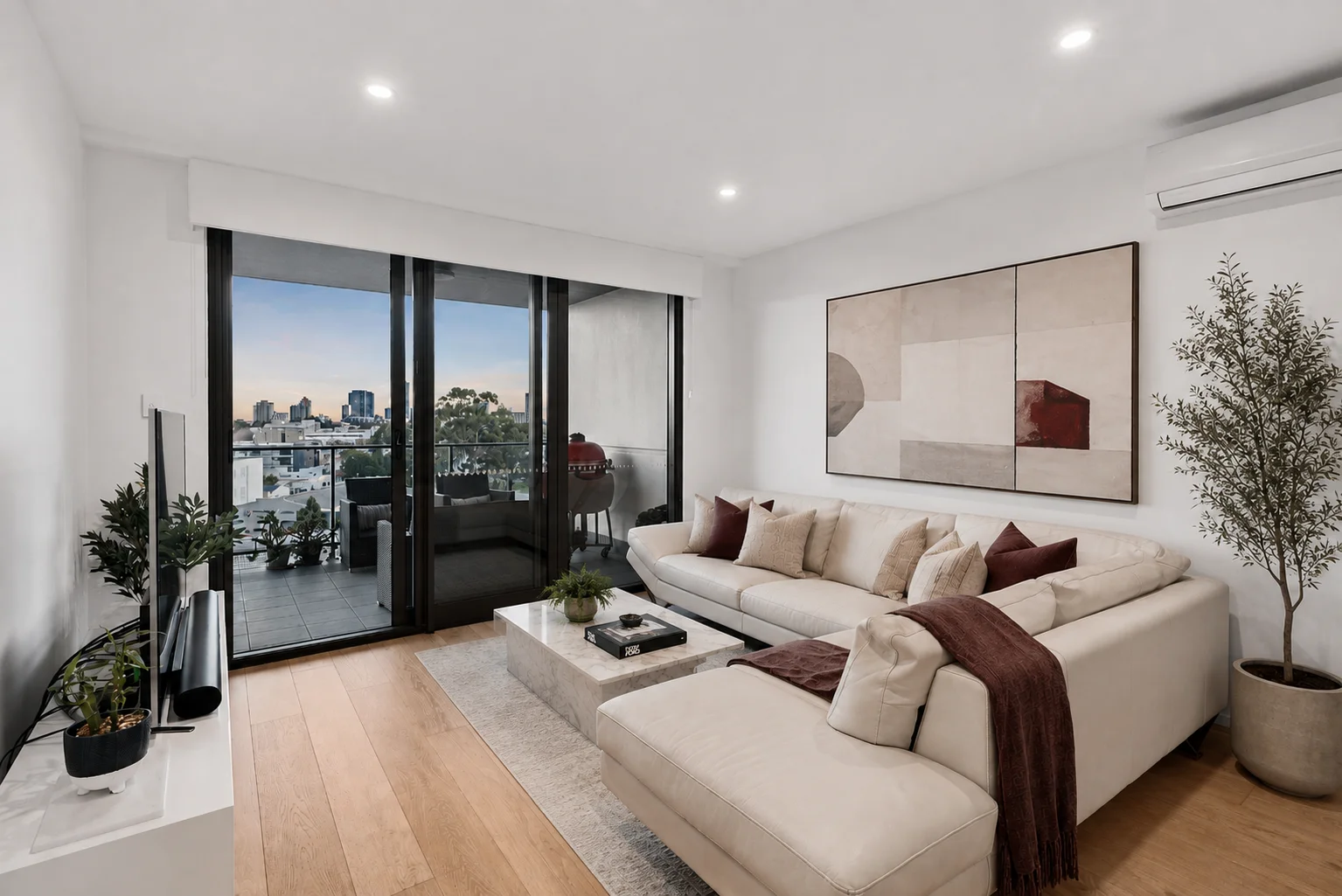 $700,000
Apartment / Unit / Flat
$700,000
Apartment / Unit / Flat
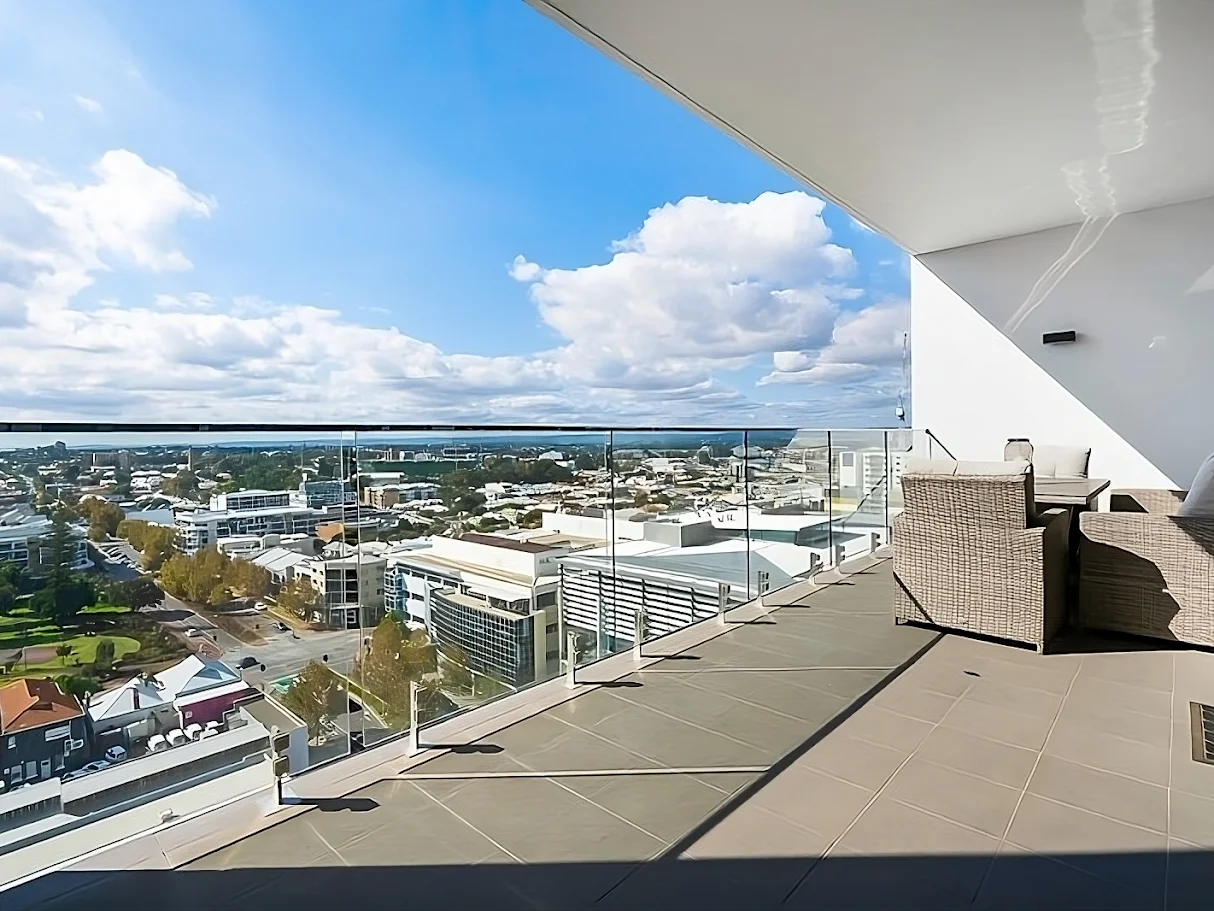 $580,000
Apartment / Unit / Flat
$580,000
Apartment / Unit / Flat
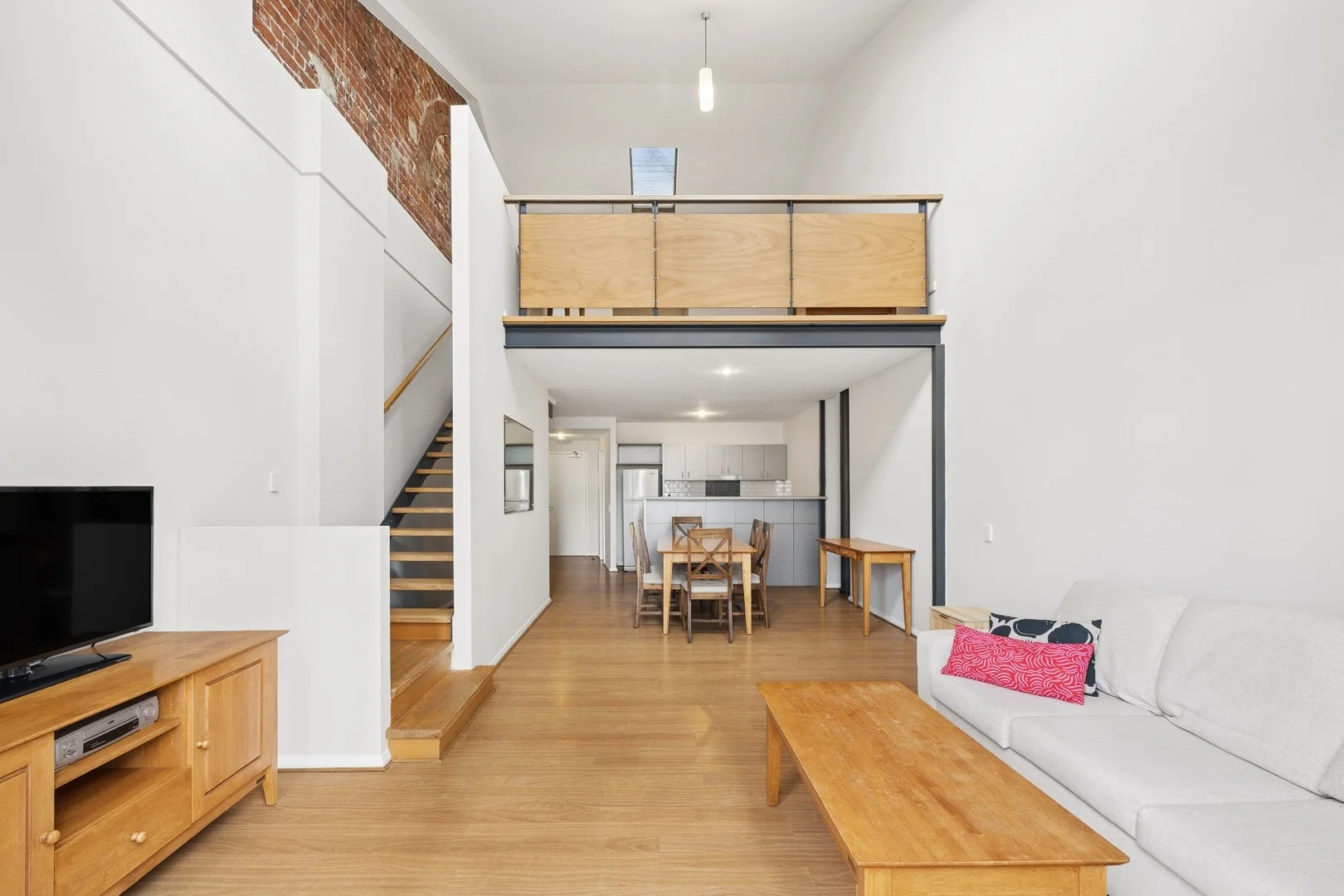 $549,000
Apartment / Unit / Flat
$549,000
Apartment / Unit / Flat
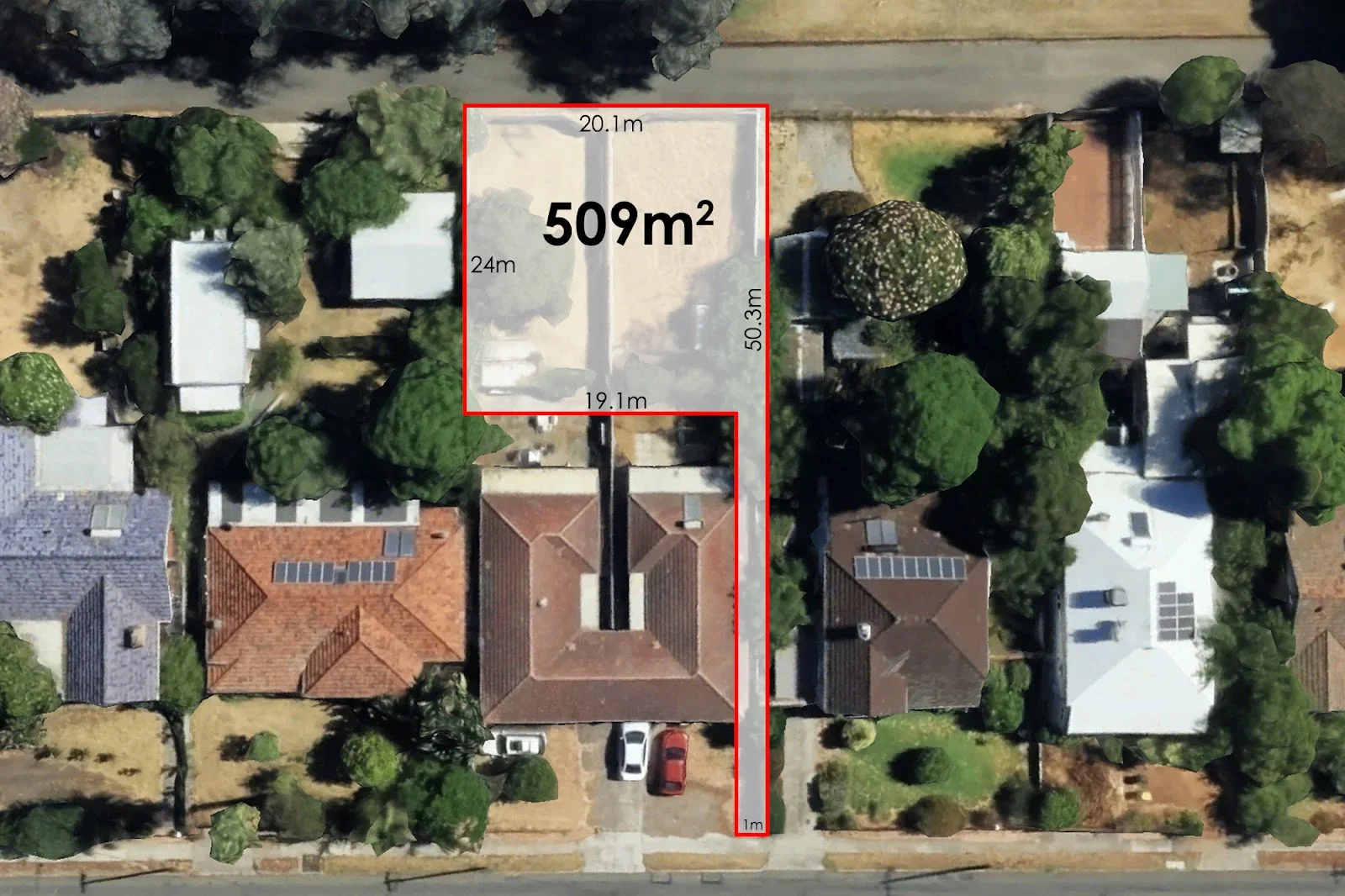 $480,000
Vacant Land
$480,000
Vacant Land
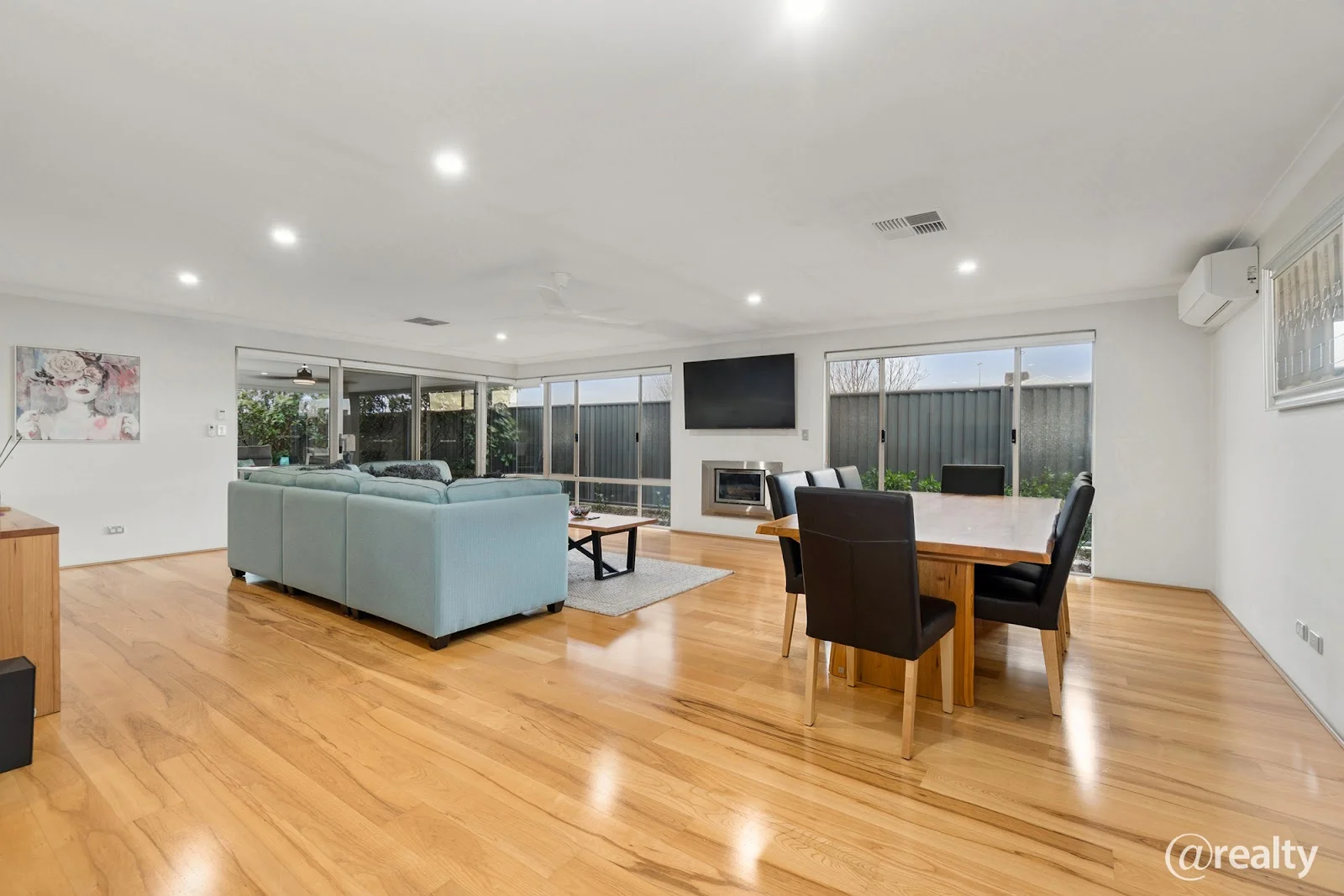 $1,030,000
House
$1,030,000
House


