## Overview
East Victoria Park Primary School is a public primary school serving the East Victoria Park community. As a public school, it focuses on inclusive education, a supportive learning environment, and helping every student reach their potential. The school typically serves a medium-sized cohort, with class sizes commonly in the low- to mid-20s, supported by a team of teachers and allied staff.
The atmosphere is generally nurturing and community-minded, emphasising student well-being, collaboration, and both academic and personal growth. The school aims to create an inclusive culture where students feel respected, valued, and motivated to contribute to the school and wider community.
---
## Academics & Learning
- Academic strengths: Core literacy and numeracy, with emphasis on building strong foundational skills. Programs typically support inquiry-based learning and critical thinking across subjects.
- Special programs: Gifted and Talented (G&T) or extension opportunities, plus English as an Additional Language (EAL) support and targeted for diverse learners as needed.
- NAPLAN / trends: Schools in this system publish progress over time; parents can review year-to-year trends to gauge growth in reading, writing, and numeracy relative to state benchmarks.
- Student-teacher ratios: Generally around 1:20–1:25 depending on year level and class configuration.
- Support for diverse learners: EAL support, SEN supports, and targeted interventions are commonly available to help students reach their learning goals.
---
## Sports & Extracurricular Strengths
- Sports offered: A range of popular primary-school sports (e.g., soccer, basketball, athletics, and other team activities) as part of the school program.
- Strong teams or achievements: Participation in inter-school events and departmental competitions is typical, with opportunities to build teamwork and competitive spirit.
- Music, arts, drama programs: Music education and performing arts are often featured, including school choirs or ensembles and classroom-based arts programs.
- Clubs: Robotics, coding, chess, debating, and other enrichment clubs are commonly available to extend learning beyond the classroom.
- Partnerships: Local community partnerships and inter-school or regional competitions provide extra opportunities for students to engage in sport, technology, and arts.
---
## Wellbeing & Pastoral Care
- Anti-bullying approach: Schools typically promote a whole-school anti-bullying program, with clear policies and student support mechanisms.
- House system: A house or team structure is often used to foster belonging, friendly competition, and pastoral support.
- Counsellors / wellbeing officers: Access to school-based counsellors or wellbeing staff to support students’ emotional and social development.
- Transition support for new students: Orientation activities, buddy programs, and transition planning help new students settle in smoothly.
---
## Facilities
- Sports grounds: On-site play and sport fields suitable for a variety of activities.
- Libraries: School libraries with books and resources for study and leisure.
- Science labs: Dedicated spaces for hands-on science activities.
- Music/performing arts centers: Spaces for music education and classroom-based performances.
- Tech/innovation labs: Access to information and communications technology and coding/STEAM activities.
- Cafeteria: An on-site or easily accessible canteen/meal options.
- Updated playgrounds: Modern, age-appropriate outdoor play areas.
---
## School Values & Community Culture
- School values / mission: Focus on respect, responsibility, resilience, and collaborative learning as part of the school’s culture.
- Leadership style: Student leadership opportunities, teacher-led guidance, and a supportive pastoral framework.
- Behaviour expectations: Clear expectations around conduct, with positive reinforcement and restorative approaches.
- Community reputation: Built on inclusive practices, parent involvement, and a history of student growth and engagement.
- Diversity & inclusion: Commitment to welcoming and supporting students from diverse backgrounds and abilities.
---
## School Logistics & Daily Operations
- School hours: Daytime hours typical for primary schools, with start and finish times aligned to the local school calendar.
- Before/after school care: Before and after school care is commonly available through an OSHC service or school-approved provider.
- Uniform requirements: School uniform is typically required, with guidelines for everyday wear and approved items.
- Transport: Access to local bus routes and proximity to public transport; check local routes and school pick-up options.
- Canteen availability: A canteen or snack/service options are available on site or nearby.
- Fees: Public schools generally have no tuition fees, but may involve costs for activities, materials, excursions, or optional programs. Uniforms and other mandatory items may incur additional costs.
---
## Enrolment & Admissions
11. What is the enrolment process and timeline?
- Enrolment is managed through the Department of Education’s standard process. Parents typically submit enrolment applications via the official online portal, provide proof of address, and supply required documents. Timelines vary by year level and availability; plan ahead for term start dates and any local orientation activities.
12. Is there a waiting list, and how does it work?
- If the school is oversubscribed, a waiting list may be in place. Placement often considers catchment eligibility, sibling connections, and availability. The school or district can provide details on how the waiting list operates and expected wait times.
13. Are there any entry requirements, tests, or interviews?
- Entry requirements generally involve eligibility within the local catchment area and submission of required documentation. Most public primary schools do not require entrance tests or interviews for standard enrolments, but occasional assessments or conversations may occur for gifted/talented pathways or special programs.
14. Does the school accept mid-year transfers?
- Mid-year transfers are sometimes possible subject to space, enrolment eligibility, and alignment with the school’s program. Parents should contact the school to discuss available places and transfer procedures.
---
## Frequently Asked Questions
- Why Parents Choose This School?
- A welcoming, inclusive learning environment with a focus on student well-being, strong foundational academics, and opportunities across sports, arts, and clubs. Strong community ties and accessible support services are often highlighted by families.
- What type of student thrives at this school?
- Students who respond well to a collaborative, supportive setting; those who value a balanced program of academics, wellbeing, and extracurriculars; and students who benefit from targeted support and inclusive practices.
- What opportunities are available for students to extend their skills (academics, sports, arts)?
- Extension programs and targeted support in academics; a range of sports, arts, and music programs; and clubs such as robotics, coding, chess, and debating to broaden skills.
- How does the school communicate with parents?
- Regular updates through newsletters, parent-teacher conferences, school portals, and active channels for urgent information. There are often annual reports and community events to foster ongoing dialogue.
- What is the school’s approach to teaching and learning?
- A focus on literacy and numeracy foundations, inquiry-based and student-centered learning, and assessments that inform teaching and support progress.
- How does the school support students who need extra academic help?
- Targeted interventions, EAL and SEN supports, small-group tutorials, and collaboration between teachers, specialists, and families.
- What support is available for academic challenges?
- Access to intervention programs, additional tutoring or in-class supports, and ongoing progress monitoring with adjustments as needed.
- How does the school communicate with parents? (repeated)
- See above: multiple channels including portals, newsletters, and parental meetings.
- What are the class sizes and how much individual attention do students receive?
- Class sizes typically sit in the low- to mid-20s range, with teacher assistance and targeted support available to ensure students receive appropriate attention.
- What extracurricular and sports opportunities are available?
- A range of sports, music and arts programs, plus clubs in robotics, coding, chess, and debating, with opportunities to participate in inter-school events and local competitions.
- What facilities does the school offer (sports, science, arts)?
- Sports grounds, libraries, science labs, music/performing arts spaces, tech/innovation labs, canteen, and updated outdoor play areas.
- What is the school’s approach to technology and digital learning?
- Use of ICT across the curriculum, access to devices and digital tools to support learning, and integration of coding and digital literacy into core subjects.
- What transport and accessibility options are available?
- Information on local transport options, bus routes, and proximity to public transport; families may also arrange drop-offs and pick-ups in line with school policies.
- What are the typical school fees or additional costs?
- Public schools generally have no tuition fees; there may be costs for materials, excursions, activities, and uniform items. Some programs may have optional or voluntary contributions.
---
## Short Pros & Cons list
- Pros
- Public, inclusive education with a focus on student wellbeing.
- Balanced program across academics, sports, arts, and clubs.
- Support for diverse learners (EAL, SEN) and targeted interventions.
- Active community culture with opportunities for parent involvement.
- Cons
- Class sizes and resources can vary by year and demand.
- Availability of programs and clubs may depend on funding and staffing levels.
- Transport options and after-school arrangements depend on local logistics and may require planning.
If you’d like, I can tailor these sections with verified, school-specific details. I can also format or expand any section to match your preferred style or length.
 $23+
$23+











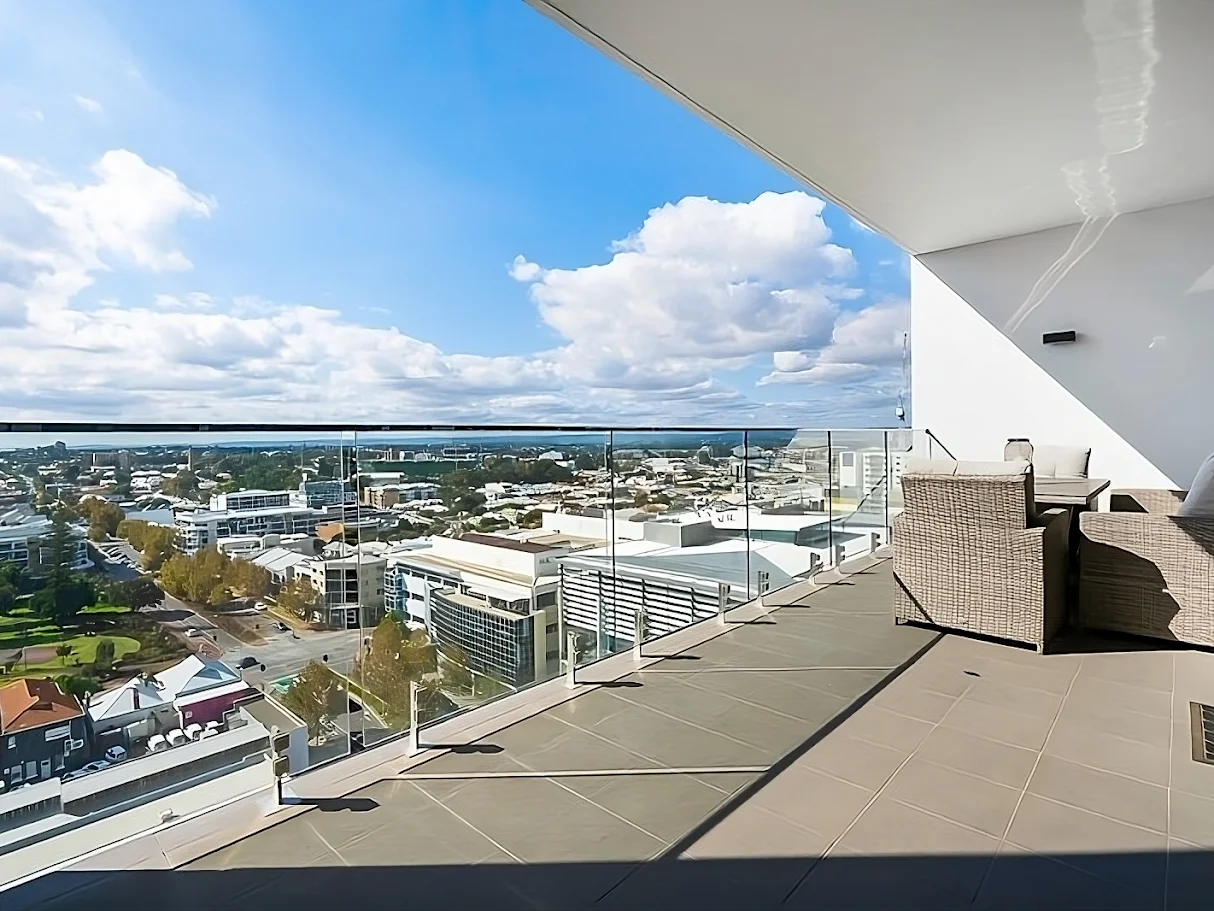
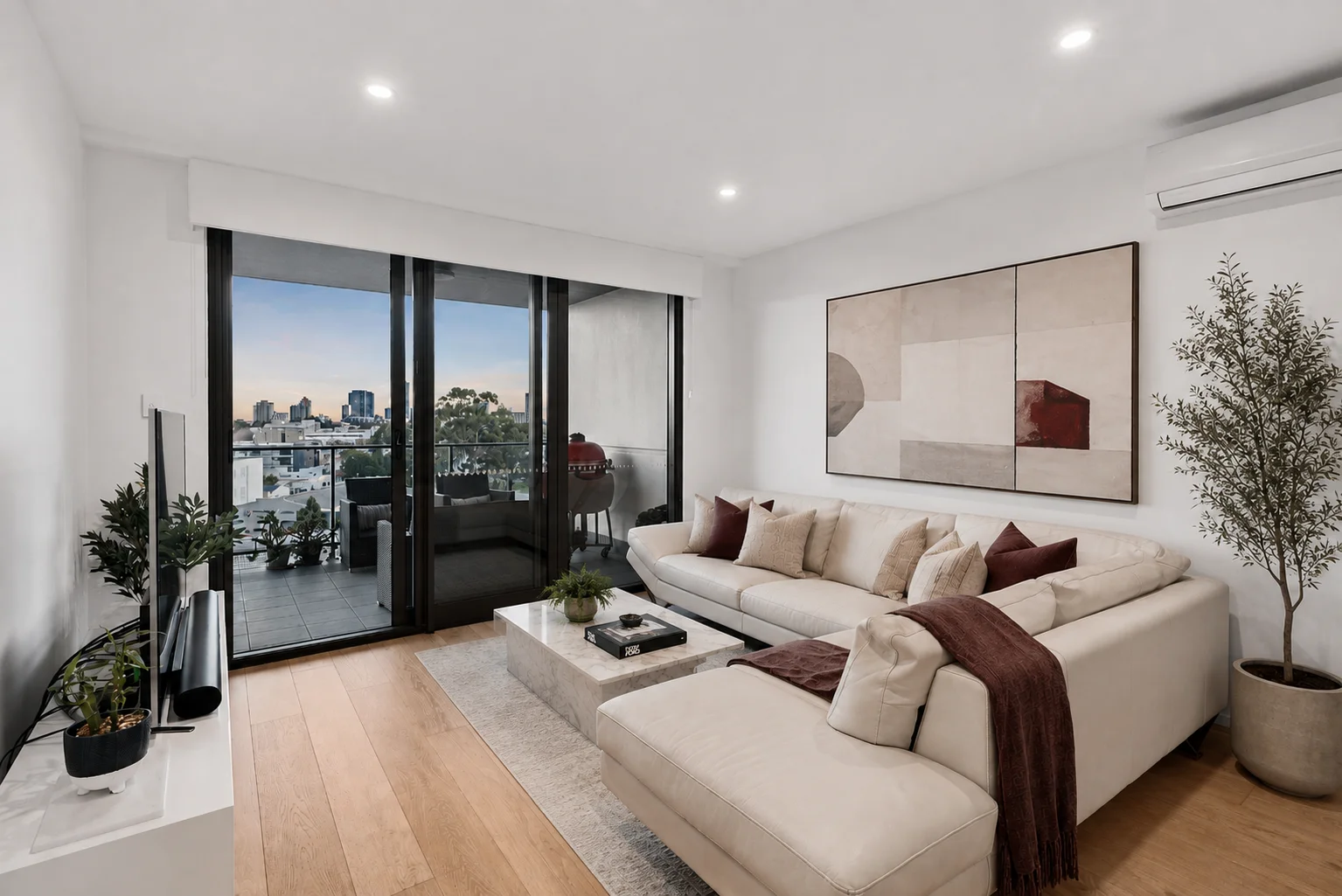 $700,000
Apartment / Unit / Flat
$700,000
Apartment / Unit / Flat
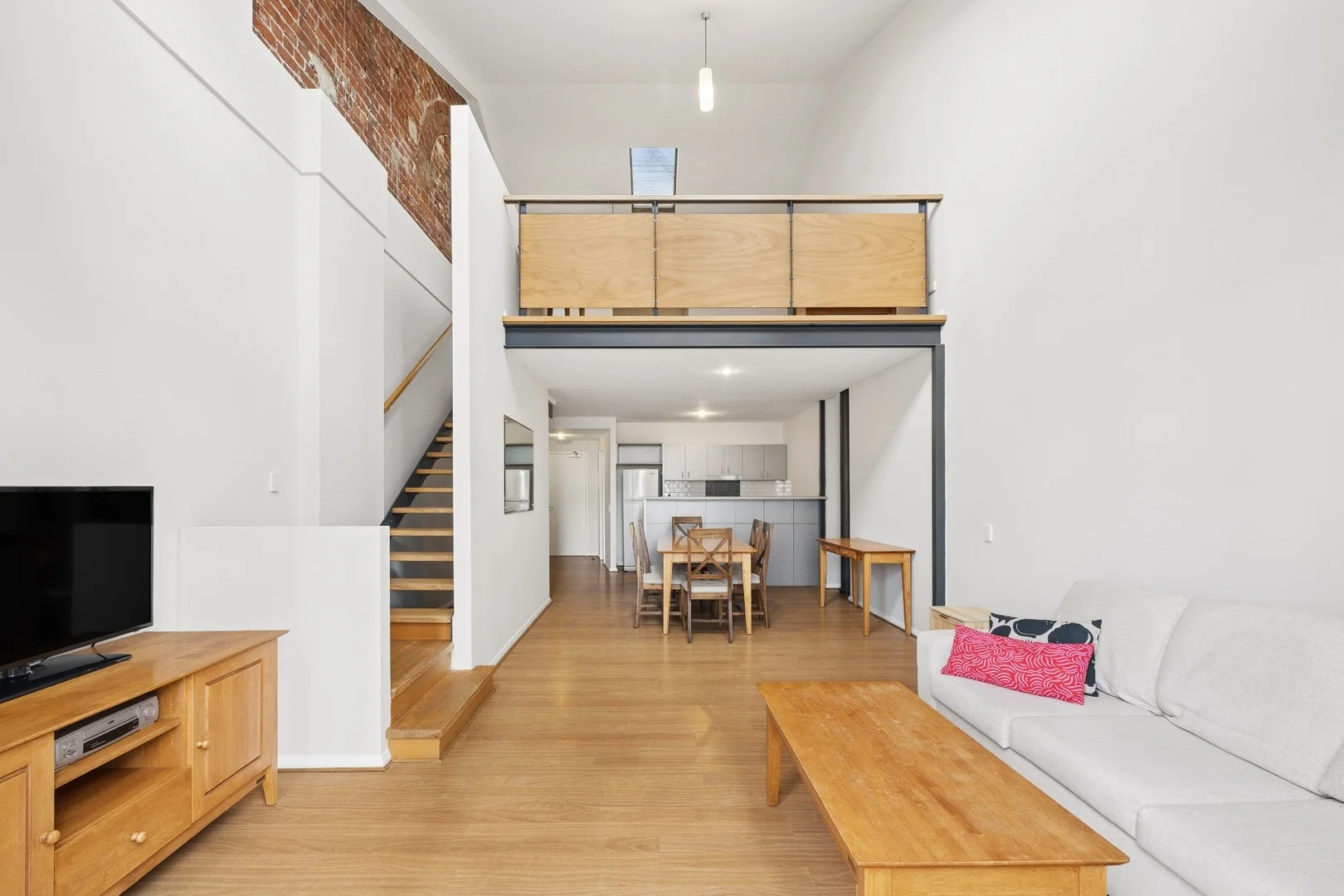
 $580,000
Apartment / Unit / Flat
$580,000
Apartment / Unit / Flat
 $549,000
Apartment / Unit / Flat
$549,000
Apartment / Unit / Flat
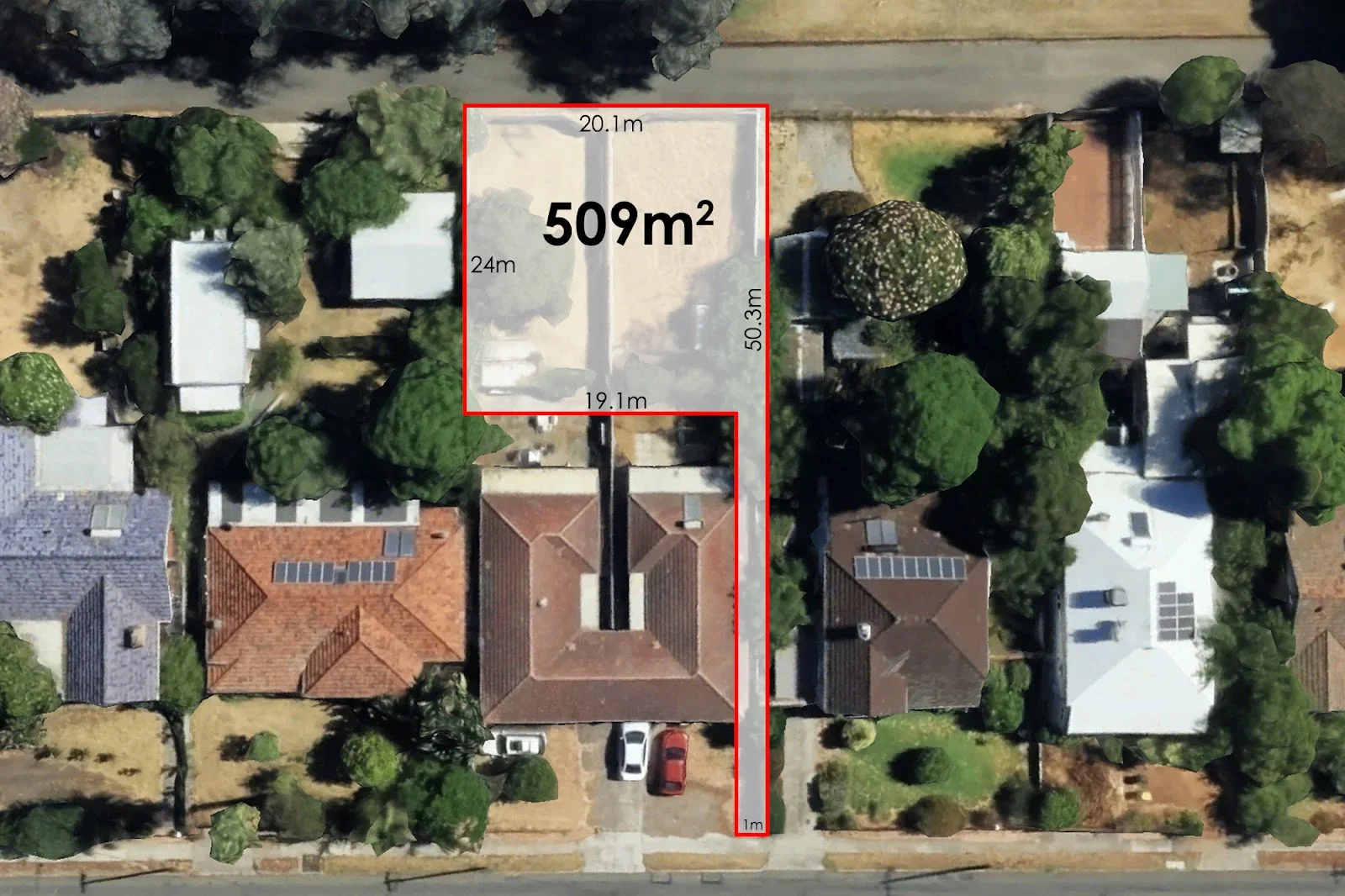 $480,000
Vacant Land
$480,000
Vacant Land
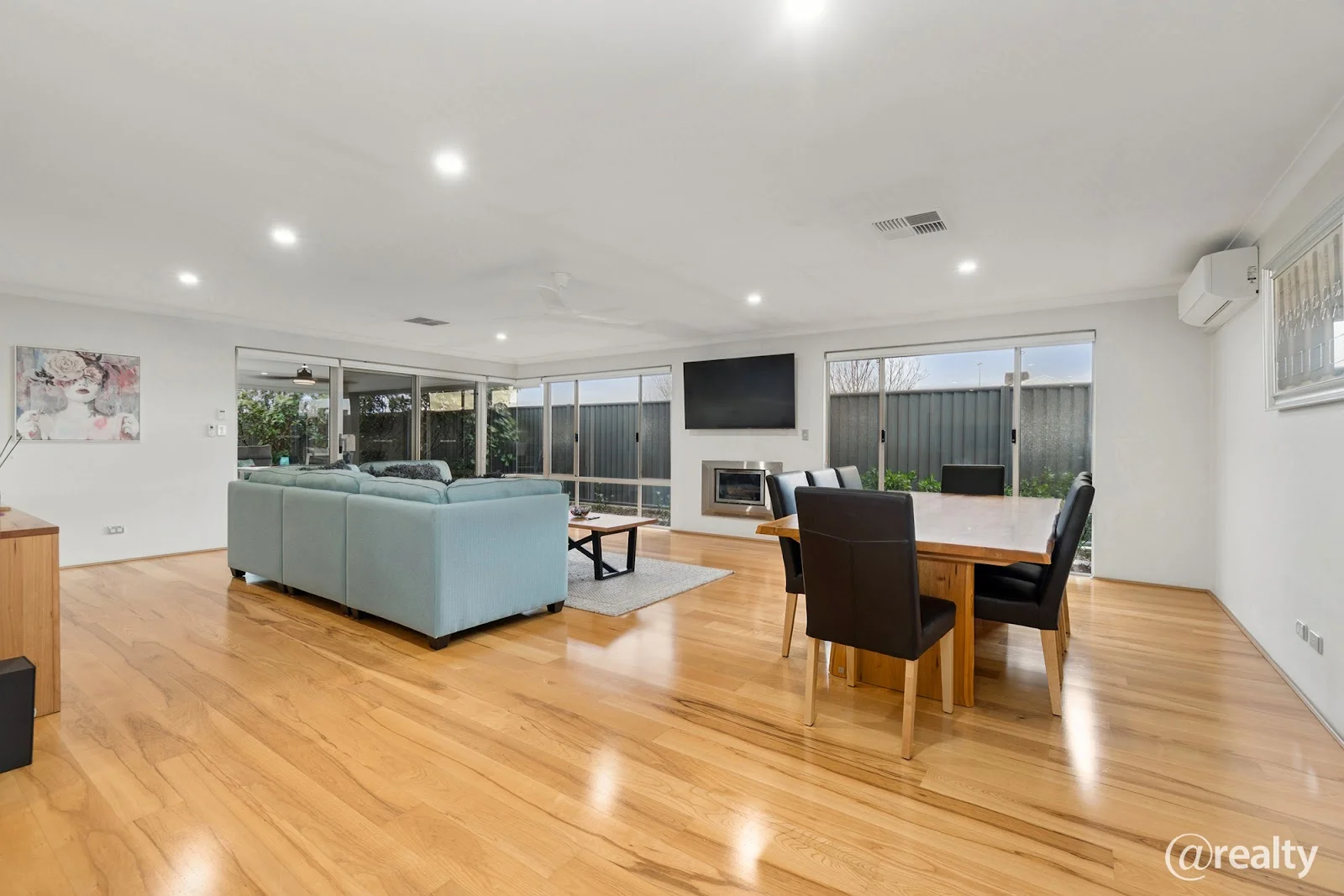 $1,030,000
House
$1,030,000
House