Overview
## 1. Overview
Aveley North Primary School is a public, co-educational primary school serving families in the Aveley area. The school aims to provide an inclusive, family-friendly environment where students feel supported to grow academically, socially and emotionally. The campus supports a medium-sized school community with a focus on creating positive relationships between students, teachers and families.
- School type: Public
- School size: Medium
- Class size: Typically 20–28 students per class
- Atmosphere/culture: Inclusive, nurturing, community-focused
---
## 2. Academics & Learning
Aveley North Primary School focuses on building strong foundations in literacy and numeracy while offering programs that broaden students’ learning experiences.
- Academic strengths: English/Literacy and Numeracy are core priorities, with emphasis on reading, writing and mathematical problem-solving; exposure to STEM activities and digital literacy; leadership opportunities through student roles.
- Special programs: Potential access to extension or G&T opportunities, arts and music programs, and digital technologies integration as part of the curriculum.
- NAPLAN trends: Schools typically track year-to-year progress and compare against state benchmarks; trends are best viewed in annual reports or the Department of Education updates for year-to-year literacy and numeracy indicators.
- Student-teacher ratios: Classroom ratios commonly around 1:20 to 1:25, with specialist teachers for arts, science, ICT and languages where offered.
- Support for diverse learners: EAL support, inclusive education practices, and targeted assistance for students needing extra literacy/numeracy help or SEN support.
---
## 3. Sports & Extracurricular Strengths
This area is highly valued by many families and reflects opportunities for boys aged 10–14 and their peers.
- Sports offered: Often includes soccer, netball, Australian rules football (AFL) or cricket, basketball and athletics; opportunities to participate in inter-school events.
- Strong teams or achievements: Regular participation in district/inter-school competitions; recognitions vary by year.
- Music, arts, drama programs: Access to music programs and performing arts, with opportunities to participate in school productions or concerts.
- Clubs: Robotics, chess, coding, debating and other technology or academic clubs commonly available.
- Partnerships: Collaboration with local clubs and community groups; participation in district-level competitions and events.
---
## 4. Wellbeing & Pastoral Care
Wellbeing is a central component of the school environment, supporting students to feel safe, connected and ready to learn.
- Anti-bullying approach: Whole-school antibullying policies and proactive wellbeing programs; emphasis on respectful relationships.
- House system: House groups used to promote belonging and friendly competition in events and activities.
- Counsellors / wellbeing officers: Access to a school wellbeing workforce (counsellors or wellbeing coordinators) to support students’ social-emotional needs.
- Transition support for new students: Orientation sessions, buddy programs and targeted support to help new students settle in smoothly.
---
## 5. Facilities
Facilities are designed to support a well-rounded student experience.
- Sports grounds: On-site playing fields and courts for physical education and inter-school sport.
- Libraries: A dedicated library with books and comfortable spaces for reading and research.
- Science labs: Basic science facilities to support hands-on learning.
- Music/performing arts centers: A music room or performing arts space for ensembles and rehearsals.
- Tech/innovation labs: ICT suites or digital learning spaces to support coding and technology use.
- Cafeteria: On-site or nearby canteen with meal and snack options.
- Updated playgrounds: Modern, age-appropriate play spaces and equipment.
---
## 6. School Values & Community Culture
Parents often want to know the ethos that shapes daily life at the school.
- School values / mission: Core values typically include respect, responsibility, inclusion and resilience; a focus on building character alongside academic achievement.
- Leadership style: Distributed leadership with pupil voice and student leadership opportunities; collaborative engagement with families.
- Behaviour expectations: Clear positive-behaviour guidelines and consistent consequences to maintain a safe learning environment.
- Community reputation: Families commonly report a welcoming, supportive community with strong parent involvement.
- Diversity & inclusion: Commitment to an inclusive environment that supports students from diverse backgrounds.
---
## 7. School Logistics & Daily Operations
Key practical details help families plan around school life.
- School hours: Public primary schools commonly operate roughly from 8:45 am to 3:15 pm (times can vary; check the term schedule).
- Before/after school care: OSHCare or other approved providers often available for before and after school care.
- Uniform requirements: Uniforms are typically required; details on approved items and colours provided by the school.
- Transport (train/bus routes): Access to bus routes or nearby public transport; catchment and walking zones influence eligibility for transport services.
- Canteen availability: Canteen or lunch-order options usually available on site or nearby; late lunches reserved for special activities occasionally.
- Fees (low/medium/high ranges): As a public school, core tuition is not charged; there may be voluntary contributions, charging for some materials, incursions/excursions, and uniform costs.
---
## 8. Enrolment & Admissions
Enrolment details follow the Department of Education framework for WA public schools.
- 11. What is the enrolment process and timeline? Start with checking catchment requirements and submitting an application through the WA Department of Education. You’ll typically provide proof of address, child’s identity, immunization records and birth details. Allocation decisions are made ahead of the start of the school year, with timelines published by the school and Department of Education.
- 12. Is there a waiting list, and how does it work? If the school is at capacity, a waiting list may operate. Spaces may become available as families relocate or as allocations shift; registration on the list and priority considerations are managed by the school in line with policy.
- 13. Are there any entry requirements, tests, or interviews? Generally, no entrance tests are required for standard enrolment. Some programs or special initiatives may have additional screening or documentation, but routine enrolments do not require interviews.
- 14. Does the school accept mid-year transfers? Yes, subject to space and eligibility. Transfers mid-year typically require documentation, updated immunization records and compliance with the receiving school’s processes.
---
## 9. Frequently Ask Questions
- Why Parents Choose This School?
- A welcoming, inclusive community with strong wellbeing support, solid literacy/numeracy foundations and a broad range of extra-curricular opportunities.
- What type of student thrives at this school?
- Curious, respectful and engaged learners who enjoy collaborative activities, leadership opportunities and participating in community life.
- What opportunities are available for students to extend their skills (academics, sports, arts)?
- Access to extended literacy/numeracy activities, STEM and digital learning, music and drama programs, sports and inter-school competitions, robotics, coding and debating clubs.
- How does the school communicate with parents?
- Regular newsletters, emails and updates; parent-teacher interviews; school portals or apps for notices and student progress.
- What is the school’s approach to teaching and learning?
- Balanced, evidence-based teaching with differentiated instruction, a focus on literacy and numeracy, inquiry-based learning and the integration of technology.
- How does the school support students who need extra academic help?
- Targeted teaching, learning support staff, EAL support and inclusive practices to assist students needing additional help.
- What support is available for academic challenges?
- Additional small-group instruction, access to learning support teachers and referrals to appropriate services when needed.
- How does the school communicate with parents? (Duplicate)
- See above: newsletters, emails, and parent-teacher conversations; proactive updates about student progress and school happenings.
- What are the class sizes and how much individual attention do students receive?
- Typical class sizes range around 20–28 students, with teachers providing differentiated instruction and targeted support as needed.
- What extracurricular and sports opportunities are available?
- A range of sports (soccer, netball, AFL/cricket, basketball, athletics), plus robotics, coding, chess, debating and other clubs; opportunities to participate in inter-school events.
- What facilities does the school offer (sports, science, arts)?
- Sports grounds, library, science labs, music/arts spaces, ICT/digital learning labs, canteen and up-to-date playgrounds.
- What is the school’s approach to technology and digital learning?
- Emphasis on digital literacy, safe use of technology, classroom devices and coding activities integrated into the curriculum.
- What transport and accessibility options are available?
- Local bus routes and public transport access; walking zones and parking arrangements; facilities designed with accessibility in mind.
- What are typical school fees or additional costs?
- Core tuition is not charged in public schools, but families may incur costs for materials, excursions, extra activities and uniform purchases.
---
## 10. Short Pros & Cons list
- Pros
- Inclusive, supportive community and wellbeing focus
- Balanced academics with broad extracurriculars
- Range of facilities to support learning and creativity
- Opportunities for student leadership and involvement
- Clear communication with families and strong school family links
- Cons
- Class sizes can vary by year and room availability
- Transport options depend on location and catchment
- Some programs or activities may require additional voluntary contributions or external fees
- Availability of mid-year transfers can be subject to space constraints
If you’d like, I can tailor this content further with any known specifics you provide (such as exact class sizes, current programs, or recent achievements) or reformat for a particular page layout.







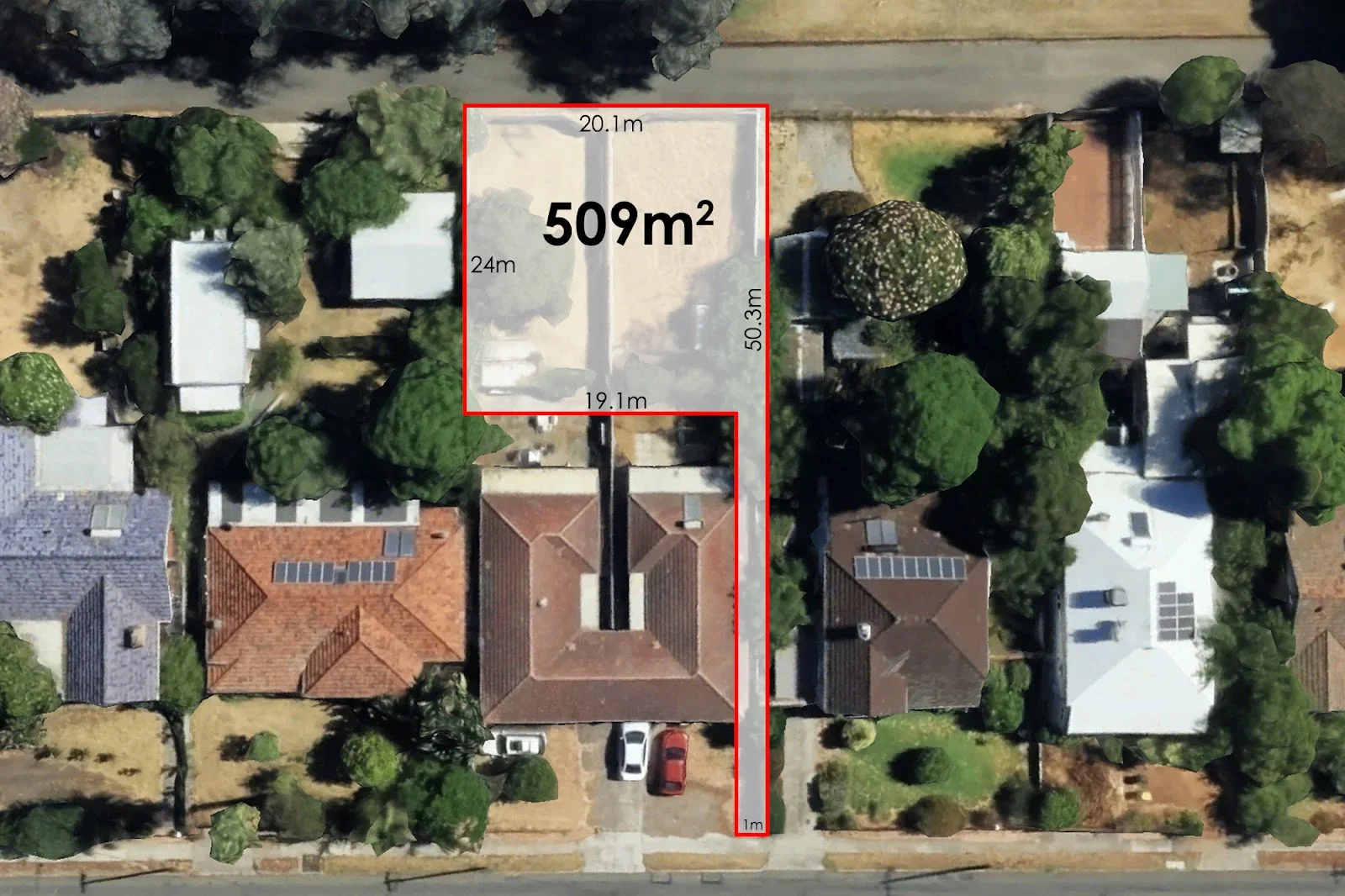 $480,000
Vacant Land
$480,000
Vacant Land
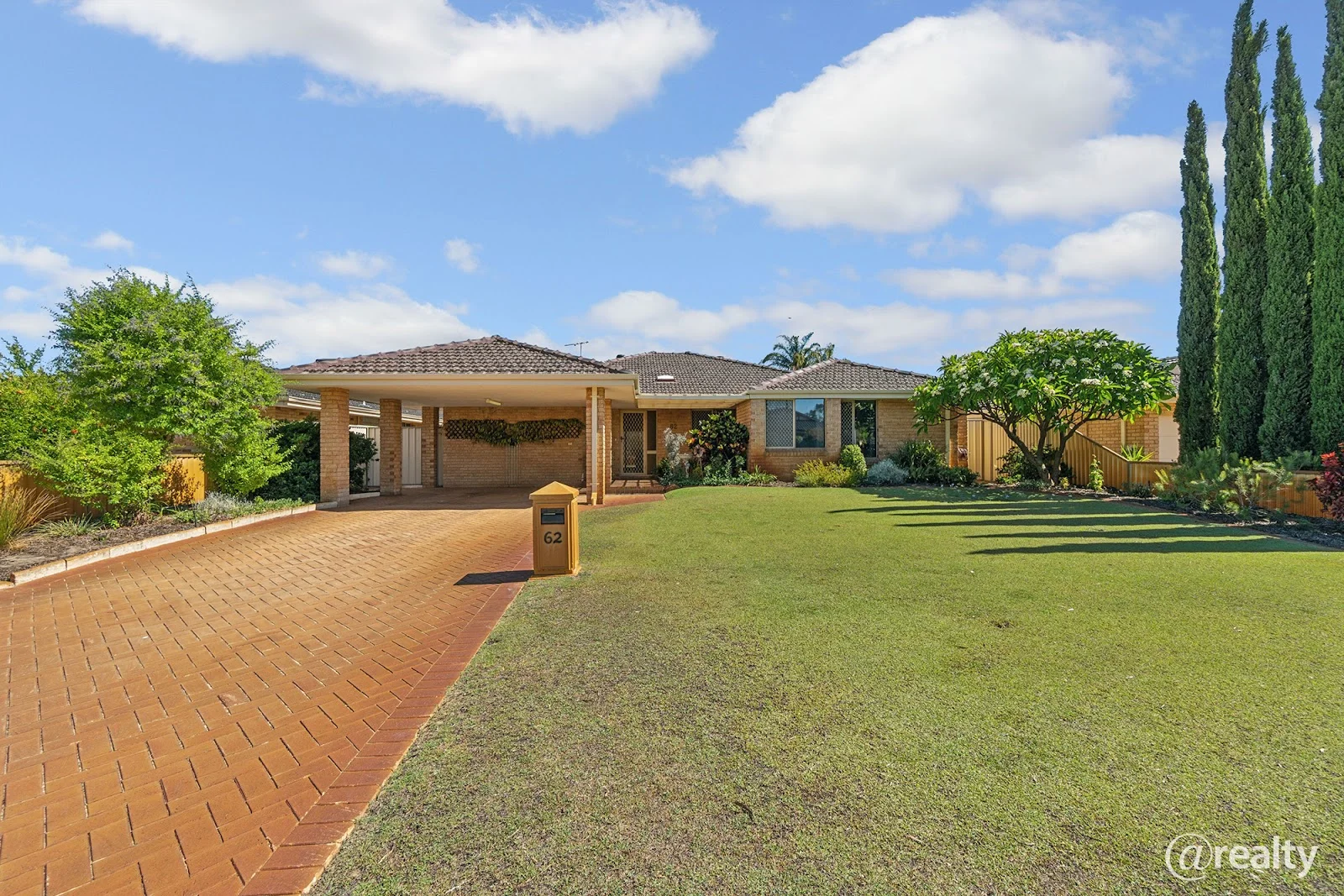 $1,099,000 - $1,153,950
House
$1,099,000 - $1,153,950
House
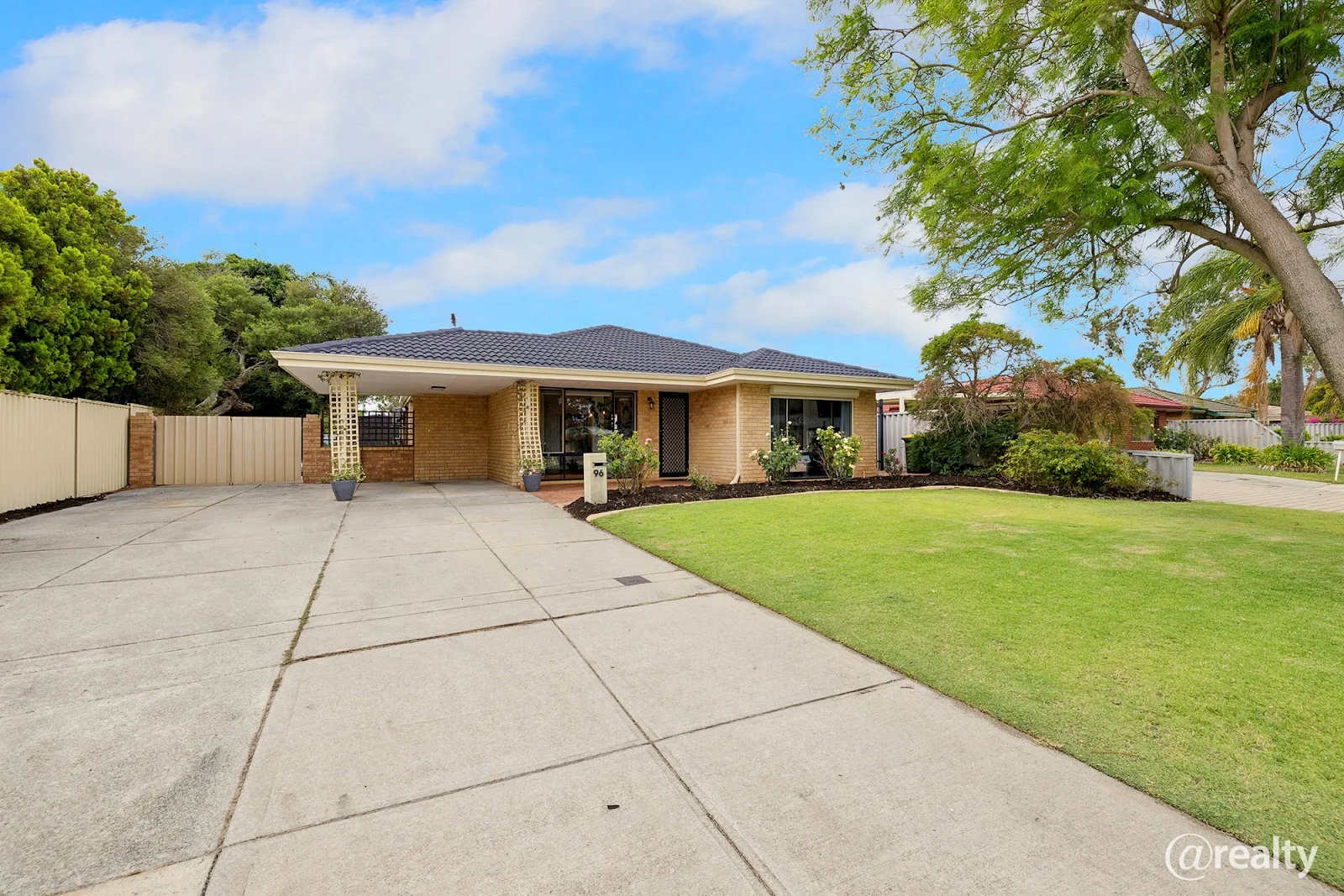 $899,000 - $943,950
House
$899,000 - $943,950
House