# Overview
Swan Valley Anglican Community School (SVACS) is an independent, co-educational Anglican school offering a values-based education for students across the primary and secondary years. The school aims to provide a caring, inclusive environment that supports academic growth, character development, and strong community connections.
- School type: Independent/private Anglican
- School size: Medium
- Class size: Typically around 18–24 students per class (variable by year level)
- Atmosphere/culture: Nurturing, inclusive, academically-focused with a strong sense of community
⸻
# Academics & Learning
SVACS focuses on a well-rounded curriculum designed to develop core academic skills, critical thinking, and leadership. The school highlights strengths across English, mathematics, science, and STEM-related disciplines, with opportunities for students to explore languages and creative subjects.
- Academic strengths: English, STEM/STEAM topics, leadership development, and language studies
- Special programs: Gifted and talented enrichment, accelerated subject options in senior years, and pathways aligned with local senior secondary programs
- NAPLAN / Ofsted trends: Publicly shared outcomes are published periodically; families can review annual progress trends with the school to understand literacy and numeracy trajectories over time
- Student-teacher ratios: Typical class sizes support more individualized attention; exact ratios vary by year level
- Support for diverse learners: EAL support, learning support programs, SEN services, and targeted interventions as needed
⸻
# Sports & Extracurricular Strengths
A broad extracurricular program supports physical development, creativity, and intellectual curiosity. The school offers a range of sports and activities designed to engage boys and girls across age groups.
- Sports offered: Basketball, soccer, netball, AFL/footy codes common in WA, cricket, athletics, swimming, tennis, and more
- Strong teams or achievements: Regular participation in inter-school competitions and representative opportunities
- Music, arts, drama programs: Comprehensive music and performing arts offerings, with opportunities to perform in ensembles and productions
- Clubs: Robotics, chess, coding, debating, and other interests
- Partnerships: Local academies and inter-school competitions for competitive opportunities and skill development
⸻
# Wellbeing & Pastoral Care
Wellbeing and pastoral care are foundational to the school’s approach, with structures to support students’ emotional, social, and academic development.
- Anti-bullying approach: Clear policies, restorative practices, and ongoing education to promote respectful relationships
- House system: Houses used to foster community, belonging, and friendly competition
- Counsellors / wellbeing officers: Access to school counsellors and wellbeing staff to support students
- Transition support for new students: Orientation programs, buddy systems, and ongoing pastoral care during transitions
⸻
# Facilities
SVACS provides facilities to support learning, creativity, and recreation. The campus planning emphasizes well-equipped spaces that enhance student experiences.
- Sports grounds
- Libraries
- Science labs
- Music/performing arts centers
- Tech/innovation labs
- Cafeteria
- Updated playgrounds and outdoor spaces
⸻
# School Values & Community Culture
Parents often look for a school’s ethos and how it shapes student behavior and community involvement. SVACS emphasizes values-based education within an Anglican framework, with leadership and behavior expectations designed to cultivate respectful, responsible young people.
- School values / mission: Values-based education rooted in Anglican ethos
- Leadership style: Collaborative and distributed leadership across year levels and departments
- Behaviour expectations: Clear code of conduct aligned with school values
- Community reputation: Strong sense of community, engaged families, and active stakeholder involvement
- Diversity & inclusion: Commitment to an inclusive school culture and opportunities for all students
⸻
# School Logistics & Daily Operations
Practical details help families plan around daily routines and routines.
- School hours: Typical daytime schedule with start and finish times aligned to year level
- Before/after school care: Available or facilitated through the school or community programs
- Uniform requirements: School uniform policy with year-level variations (formal and sport uniforms as appropriate)
- Transport: Local bus routes and school transport options; accessibility considerations noted
- Canteen availability: On-site canteen or food service for students
- Fees: Fee ranges are typical for private independent schools; exact current fees and any additional costs should be confirmed with the school
⸻
# Enrolment & Admissions
11. What is the enrolment process and timeline?
- Expression of interest and initial inquiry
- Submission of required documents (birth certificate, immunization records, previous school reports)
- Application review and interview/assessment (if applicable)
- Offer of enrolment and acceptance
- Orientation and onboarding for new families
- Timeline varies by intake year; engage early to understand key dates
12. Is there a waiting list, and how does it work?
- Waiting lists commonly exist and placement may depend on year level and availability
- Priority often given to siblings and to families demonstrating alignment with the school’s values
- Prospective families are contacted as spots become available and may be invited to reconfirm interest
13. Are there any entry requirements, tests, or interviews?
- Applications may include documentation reviews and an interview
- Depending on year level, there may be assessments or discussions to understand learning needs and fit
- English language proficiency and prior academic records are typically considered
14. Does the school accept mid-year transfers?
- Mid-year transfers can be possible subject to space and alignment with curriculum and year-level requirements
- Students may need to complete assessments or provide up-to-date reports; admission is contingent on space and capacity
⸻
# Frequently Asked Questions
- Why Parents Choose This School?
- A values-based Anglican education that supports academic growth, character development, and community involvement in a nurturing environment.
- What type of student thrives at this school?
- Students who are motivated, collaborative, and engaged in both academics and co-curricular activities; those who value a supportive community and a balanced approach to learning.
- What opportunities are available for students to extend their skills (academics, sports, arts)?
- A range of advanced subject options, enrichment through gifted programs, leadership opportunities, diverse sports, music and performing arts, robotics, coding, debating, and more.
- How does the school communicate with parents?
- Regular channels include newsletters, parent portals, emails, and parent-teacher interviews; timely updates on events and student progress are typical.
- What is the school’s approach to teaching and learning?
- Focus on differentiated, student-centered instruction with emphasis on literacy and numeracy foundations, inquiry-based learning, and real-world applications.
- How does the school support students who need extra academic help?
- Access to learning support services, EAL support, targeted interventions, and small-group or one-on-one assistance as needed.
- What support is available for academic challenges?
- Academic coaching, study skill development, tailored support plans, and ongoing monitoring of progress.
- How does the school communicate with parents? (Repeated)
- See above: newsletters, portals, emails, and parent-teacher interviews for ongoing engagement.
- What are the class sizes and how much individual attention do students receive?
- Class sizes typically around 18–24 students, with teachers able to provide targeted support and small-group instruction as needed.
- What extracurricular and sports opportunities are available?
- A broad mix of sports, performing arts, music, robotics, coding, debating, chess, and other clubs; involvement in inter-school competitions and events.
- What facilities does the school offer (sports, science, arts)?
- Sports grounds, libraries, science labs, music/performing arts centers, tech/innovation labs, canteen, and updated play areas.
- What is the school’s approach to technology and digital learning?
- Integrated ICT and digital learning across year levels, with appropriate technology access to support teaching and learning.
- What transport and accessibility options are available?
- Local bus routes and school transport options; considerations for accessibility and location.
- What are the typical school fees or additional costs?
- Fees apply as part of private schooling; exact figures and any extra costs (uniforms, trips, activities) should be confirmed with the school
⸻
# Short Pros & Cons list
- Pros
- Values-based Anglican education with a strong sense of community
- Broad range of academic, arts, and sports programs
- Supportive wellbeing and pastoral care framework
- Planned facilities and resources to support diverse learner needs
- Moderate class sizes enabling more individualized attention
- Cons
- As a private school, fees can be a consideration for families
- Location may require longer commutes for some families
- Availability of certain programs or entry points may vary by year level and intake
- Mid-year entry depends on space and curriculum alignment








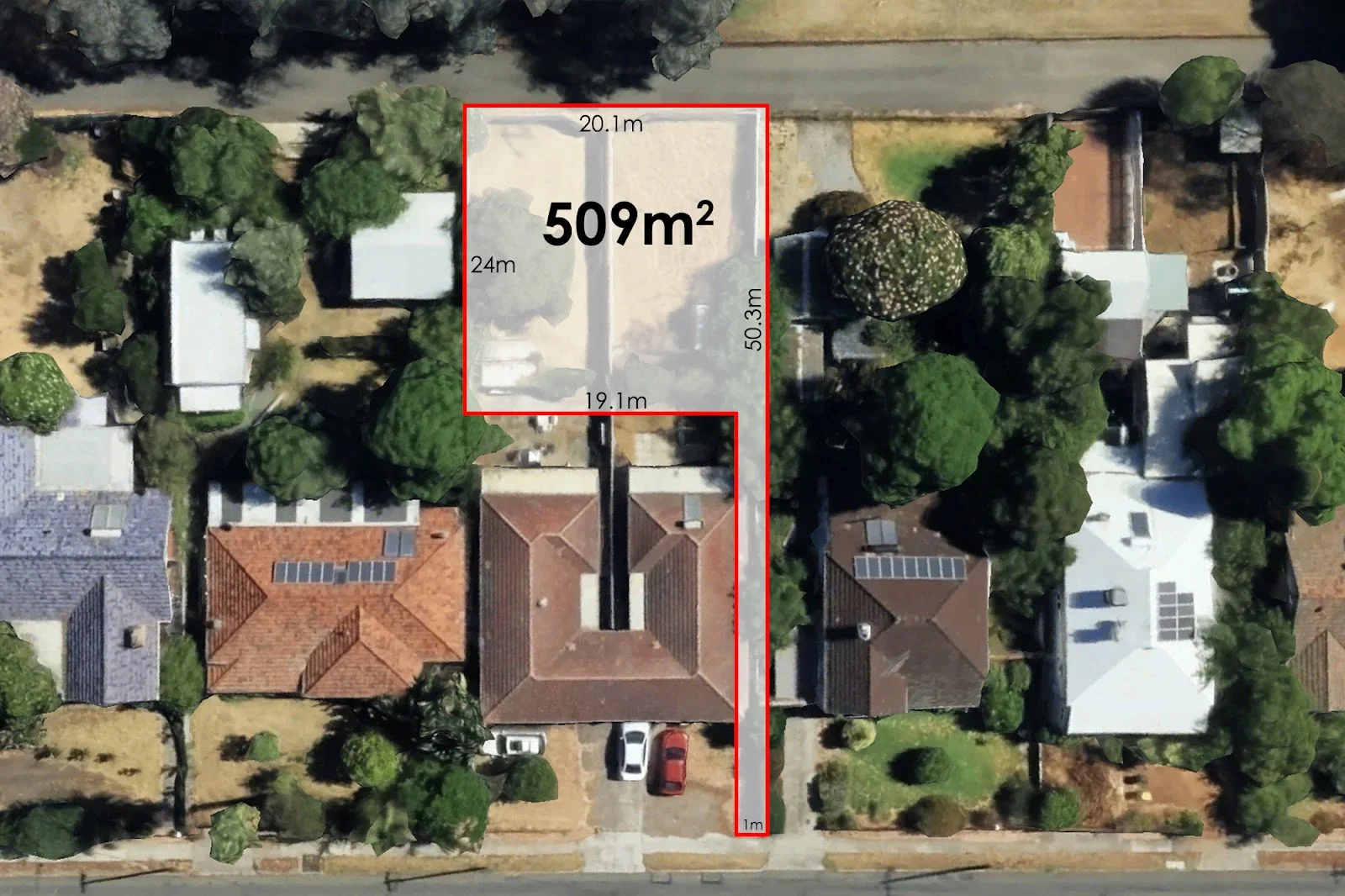 $480,000
Vacant Land
$480,000
Vacant Land
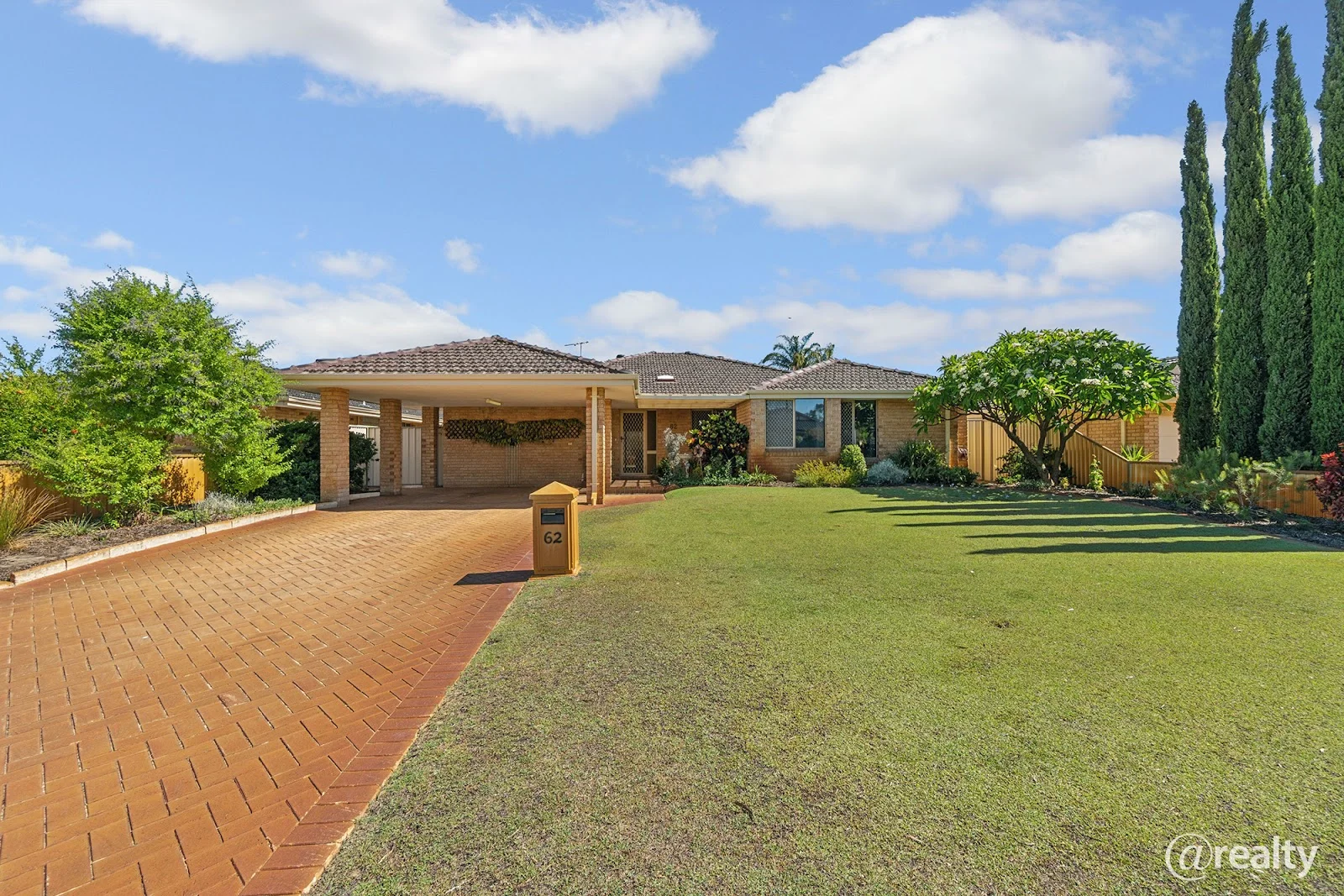 $1,099,000 - $1,153,950
House
$1,099,000 - $1,153,950
House
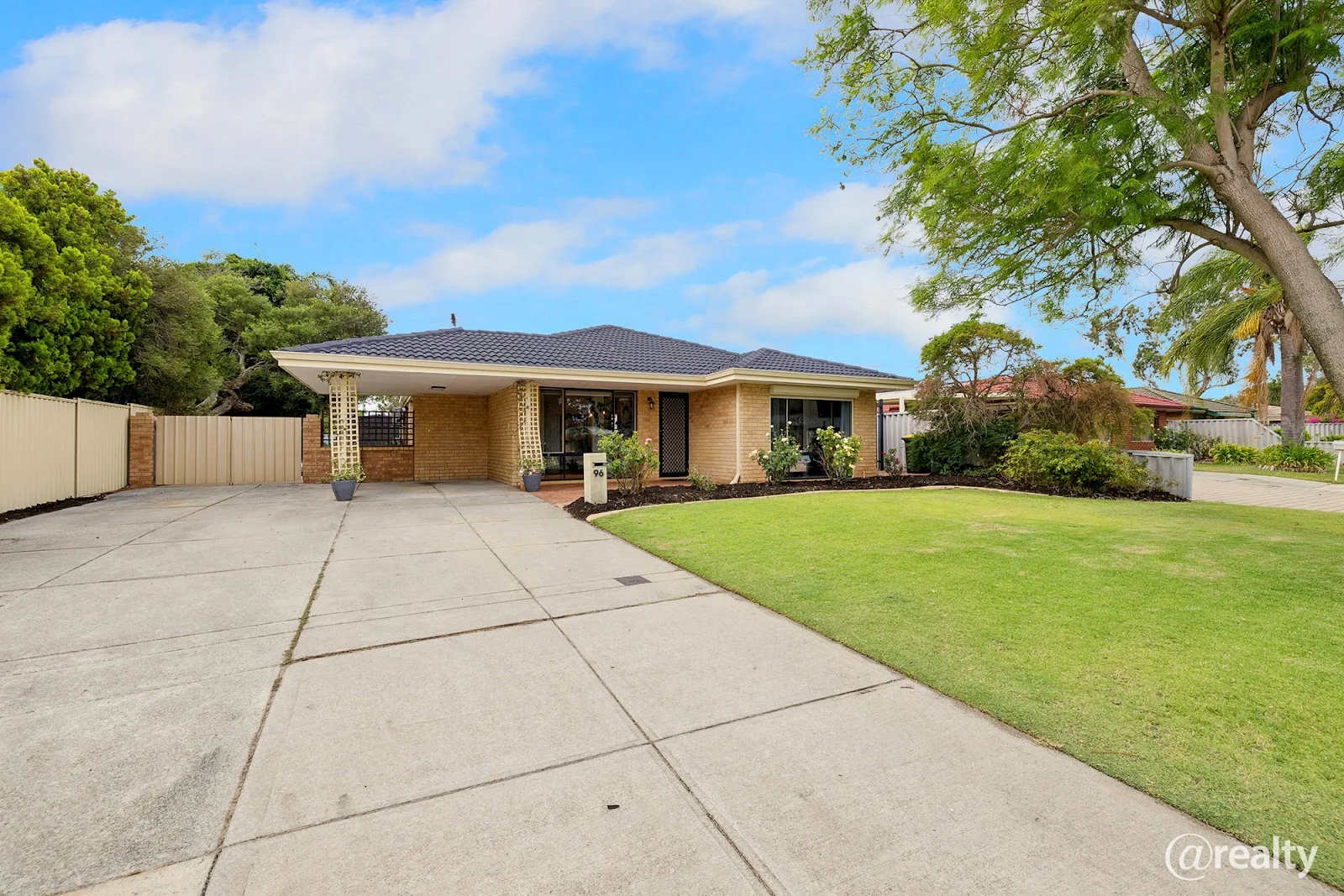 $899,000 - $943,950
House
$899,000 - $943,950
House


