## Overview
Kildare College, Holden Hill is a Catholic school dedicated to educating young women in a nurturing and academically focused environment. The school emphasizes faith-based values, community service, and personal growth, while preparing students for success in a rapidly changing world. It offers a medium-sized campus feel with class sizes typically in the low- to mid-20s, fostering strong teacher-student connections and a supportive learning atmosphere.
The atmosphere is inclusive and collaborative, with a clear focus on both academic achievement and character development. Students are encouraged to participate in a range of programs that build leadership, resilience, and a sense of belonging within a faith-centered community.
⸻
## Academics & Learning
- Academic strengths: English and literacy, STEM disciplines, leadership development, and languages (with opportunities to study additional languages as part of the curriculum).
- Special programs: ATAR-focused studies, accelerated learning options, and gifted/talented pathways; pathways and electives to support varied interests and pace.
- NAPLAN / trends: Steady trends over recent years with positive movement in reading and writing domains and stable numeracy performance.
- Student-teacher ratios: Approximately 1:15–1:20 in core subjects, enabling some targeted teacher attention and support.
- Support for diverse learners: EAL support and a dedicated SEN/learning support team to assist students with diverse learning needs.
⸻
## Sports & Extracurricular Strengths
- Sports offered: Netball, basketball, soccer, tennis, athletics, swimming, cricket (with opportunities to trial and represent in regional events).
- Strong teams or achievements: Competitive school representations in regional competitions, with emphasis on teamwork, sportsmanship, and personal bests.
- Music, arts, drama programs: Comprehensive music ensembles, choir, and drama productions; opportunities to participate in performances and showcases.
- Clubs: Robotics, chess, coding, debating, and other academic and interest-based clubs.
- Partnerships: Connections with local clubs and inter-school competitions that provide external pathways in sport, robotics, and performing arts.
⸻
## Wellbeing & Pastoral Care
- Anti-bullying approach: Clear policies and proactive education to foster respect and safe environments for all students.
- House system: House groups with regular activities and events to build community and healthy competition.
- Counsellors / wellbeing officers: On-site counsellors and wellbeing staff to support mental health, transition, and personal development.
- Transition support for new students: Orientation programs, buddy systems, and tailored support to help new students settle in.
⸻
## Facilities
- Sports grounds: On-site sports fields and courts for a variety of physical activities.
- Libraries: Well-equipped library spaces with study resources and digital access.
- Science labs: Modern science laboratories for hands-on experiments and inquiry-based learning.
- Music/performing arts centers: Dedicated spaces for music, drama, and performance.
- Tech/innovation labs: Technology and innovation spaces to support coding, robotics, and digital projects.
- Cafeteria: On-site dining facilities offering a range of healthy options.
- Updated playgrounds: Safe, modern outdoor play and break areas for students.
⸻
## School Values & Community Culture
- School values / mission: A faith-infused education grounded in compassion, integrity, service, and respect for self and others.
- Leadership style: Collaborative and student-centered, with opportunities for student voice through councils and leadership roles.
- Behaviour expectations: Positive behaviour framework with clear standards and supports to promote respectful conduct.
- Community reputation: Regularly described as a close-knit, caring community that values faith, learning, and service.
- Diversity & inclusion: Commitment to an inclusive environment that welcomes students from diverse backgrounds and needs.
⸻
## School Logistics & Daily Operations
- School hours: Typically aligned with the standard SA school day, with a morning start and mid-afternoon finish.
- Before/after school care: Available on campus to support families with after-school commitments.
- Uniform requirements: Formal school uniform for regular days; sports uniform for PE and after-hours activities; rules around grooming and presentation.
- Transport: Access to local bus routes and other public transport options; campus facilities and parking to support commuting families.
- Canteen availability: On-site canteen offering a range of healthy meal and snack options.
- Fees: Fee range described as moderate to high for private Catholic schooling; specifics vary by year level and programs.
⸻
## Enrolment & Admissions
11. What is the enrolment process and timeline?
- Parents typically submit an online application with required documents (birth/citizenship details, previous school reports, and any religious or parish information). Following review, families may be invited to an interview and/or information session. Offers are made based on vacancy, alignment with school values, and ensure a good fit for the student’s needs. Orientation and the start-of-year processes follow acceptance.
12. Is there a waiting list, and how does it work?
- Yes, there is often a waiting list when all places are filled. Priority typically goes to siblings and families with ties to the parish community; vacancies are filled as they arise and timelines depend on year level and student intake.
13. Are there any entry requirements, tests, or interviews?
- The process generally includes an interview and review of academic records. Some years may include discussions around faith, community involvement, pastoral fit, and readiness for the program. Documentation related to faith and parish involvement may be requested.
14. Does the school accept mid-year transfers?
- Mid-year transfers are usually considered, subject to space and vacancy. Prospective families should contact the admissions team to discuss current vacancies and required documentation.
⸻
## Frequently Asked Questions
- Why Parents Choose This School?
- A Catholic, values-based education with strong pastoral care, supportive teachers, and a balanced program that emphasizes academics, faith, and service.
- What type of student thrives at this school?
- Motivated students who value community, are open to collaborative learning, and are committed to personal and academic growth.
- What opportunities are available for students to extend their skills (academics, sports, arts)?
- A range of pathways in academics (ATAR and electives), competitive sports teams, music ensembles, drama productions, robotics, debating, and leadership roles.
- How does the school communicate with parents?
- Regular newsletters, email updates, a parent portal, and scheduled parent-teacher interviews to keep families informed about progress and events.
- What is the school’s approach to teaching and learning?
- Student-centered, with a blend of teacher-led instruction, inquiry-based learning, and technology-enabled activities to build critical thinking and problem-solving.
- How does the school support students who need extra academic help?
- Access to learning support staff, targeted interventions, tutoring options, and individualized planning for students needing extra assistance.
- What support is available for academic challenges?
- Dedicated academic support services, counselling resources, and collaboration with families to create appropriate learning plans.
- What transport and accessibility options are available?
- Public transport access and campus-friendly options, with support for families in understanding routes and accessibility needs.
- What are the typical school fees or additional costs?
- Fees reflect private Catholic schooling, with variations by year level and program; families should confirm current fee schedules with the admissions team.
- What facilities does the school offer (sports, science, arts)?
- Extensive facilities for sports, science laboratories, music and performing arts spaces, technology labs, a library, a canteen, and updated outdoor areas.
- What is the school’s approach to technology and digital learning?
- Integration of digital tools and resources, potential Bring Your Own Device (BYOD) options, and use of online platforms to support learning and communication.
- What transport and accessibility options are available?
- Access to local bus routes and other public transport; on-site facilities to support students getting to and from school.
- What are the typical school fees or additional costs?
- Fees vary by year level and program; please contact admissions for the latest schedule and any extra costs (uniforms, excursions, etc.).
⸻
## Short Pros & Cons list
- Pros:
- Strong sense of community and supportive pastoral care
- Catholic values integrated with academics and service
- Broad range of academic, sport, arts, and club opportunities
- Good facilities and dedicated learning support
- Transparent communication with families
- Cons:
- Fees apply as a private Catholic school (higher than public options)
- Class sizes, while manageable, are not as small as some specialist programs
- Admissions can be competitive and may involve waitlists during peak years








 $545,000
Apartment / Unit / Flat
$545,000
Apartment / Unit / Flat
 $935,000
Apartment / Unit / Flat
$935,000
Apartment / Unit / Flat
 $588,000
Apartment / Unit / Flat
$588,000
Apartment / Unit / Flat
 $557,000
Apartment / Unit / Flat
$557,000
Apartment / Unit / Flat
 $1,056,000
Apartment / Unit / Flat
$1,056,000
Apartment / Unit / Flat
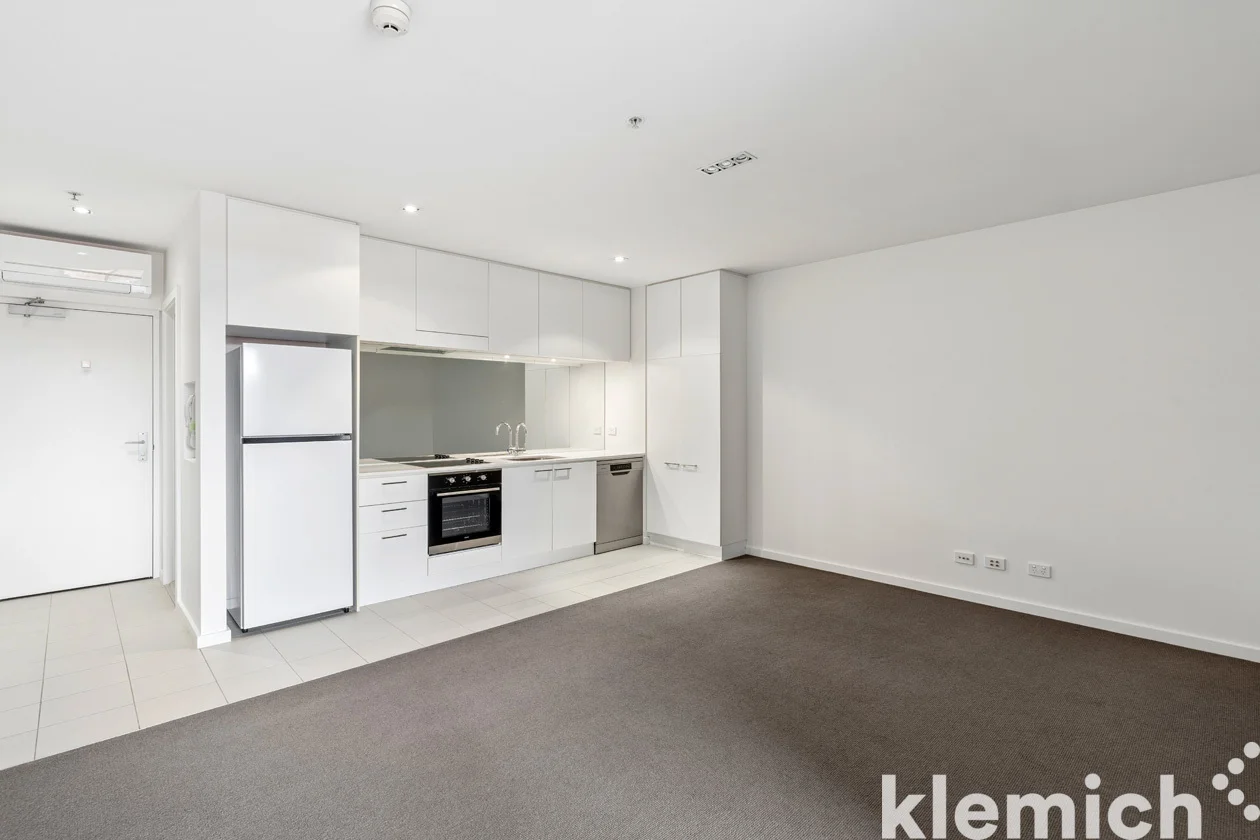 $440,000
Apartment / Unit / Flat
$440,000
Apartment / Unit / Flat
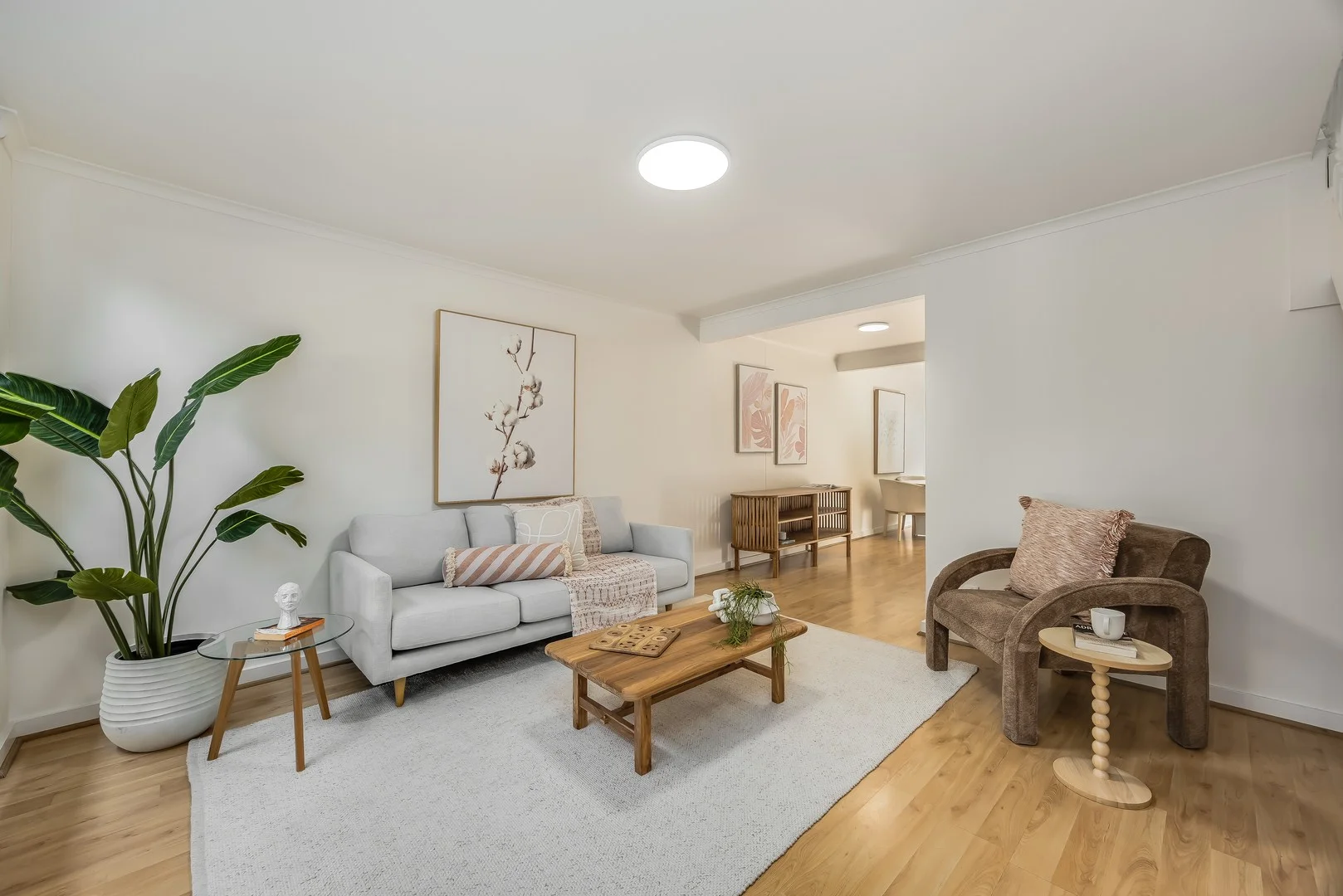 $775,000
House
$775,000
House
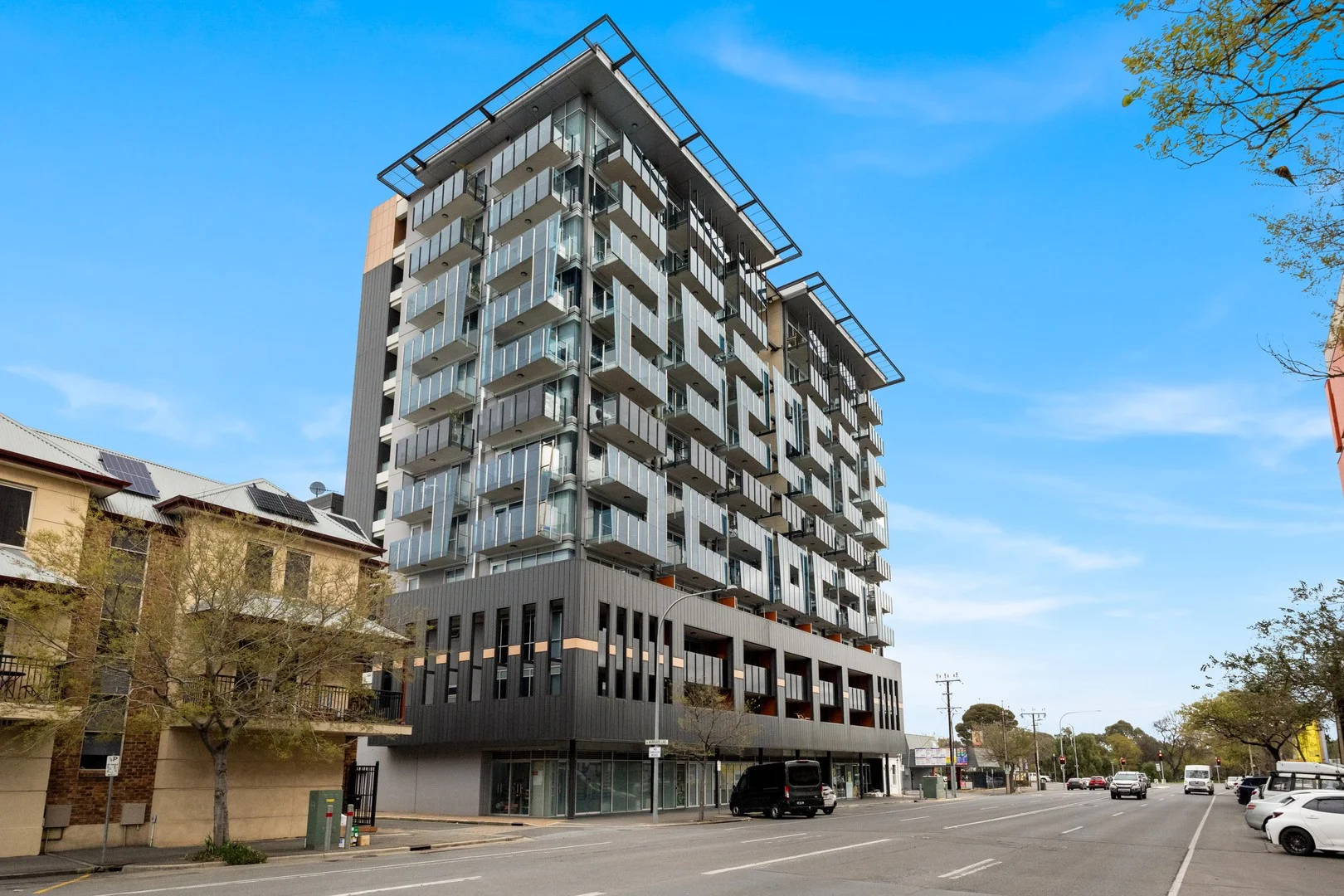 $1,100,000
Apartment / Unit / Flat
$1,100,000
Apartment / Unit / Flat