Overview
## 1. Overview
Balmoral State High School is a public state high school that serves students in the local catchment and surrounding area. It aims to provide a balanced education with strong academics, sports, and creative opportunities in a supportive, inclusive environment. The school tends to be medium-to-large in size, with class sizes typically around 25 students.
The atmosphere is collaborative and achievement-oriented, with a culture that values diversity, inclusion, and participation across academics and extra-curriculars. Students are encouraged to contribute to the school community and develop a well-rounded set of skills for life beyond school.
⸻
## 2. Academics & Learning
- Academic strengths: Strong emphasis on literacy, numeracy, STEM, English, science and mathematics, with opportunities to grow in leadership and languages through school programs.
- Special programs: Gifted and Talented opportunities and accelerated learning options where available; check current offerings for any additional pathways or partnerships.
- NAPLAN / trends: Historically, schools in this sector monitor literacy and numeracy progress with targeted improvements year-to-year; the school prioritises supporting students to improve across NAPLAN domains.
- Student-teacher ratios: Class sizes around 25 students; overall student-teacher ratios typically fall in the 1:18–1:24 range, varying by subject and year level.
- Support for diverse learners: EAL support, SEN assistance, and a dedicated student support team to provide adjustments and resources for varying learning needs.
⸻
## 3. Sports & Extracurricular Strengths
- Sports offered: Football/soccer, rugby league, cricket, basketball, netball, tennis, athletics, swimming, cross-country and more depending on term-year programs.
- Strong teams or achievements: Regular participation in regional competitions with competitive teams; emphasis on fair play, skill development, and teamwork.
- Music, arts, drama programs: Active music program (bands and choirs), drama productions, and opportunities to participate in performing arts events.
- Clubs: Robotics, chess, coding, debating and other academic or interest clubs supported by staff and student leaders.
- Partnerships: Participation in local inter-school events and regional competitions; connections with community arts and sports organisations for enrichment and exposure.
⸻
## 4. Wellbeing & Pastoral Care
- Anti-bullying approach: Clear policies and reporting channels; proactive programs to promote respectful behaviour and student safety.
- House system: House-based pastoral care that helps build community, organise events, and support student wellbeing.
- Counsellors / wellbeing officers: Access to guidance counsellors and wellbeing staff to support academic planning, mental health, and personal development.
- Transition support for new students: Orientation activities, buddy programs, and targeted transitions to help new students settle in smoothly.
⸻
## 5. Facilities
- Sports grounds: On-site sports ovals and courts for PE and competitive sports.
- Libraries: Well-equipped library/media center supporting study and research.
- Science labs: Modern science laboratories for biology, chemistry, physics and hands-on experiments.
- Music/performing arts centers: Dedicated spaces for music rehearsal, ensembles and performances.
- Tech/innovation labs: Digital technology rooms and maker spaces for coding, design and innovation projects.
- Cafeteria: On-site canteen serving healthy options for students.
- Updated playgrounds: Outdoor spaces and recreation areas suitable for breaks and informal activities.
⸻
## 6. School Values & Community Culture
- School values / mission: Emphasis on respect, responsibility, integrity, excellence, and inclusion as core principles guiding student life and learning.
- Leadership style: Collaborative and distributed leadership with student voice through councils and representative roles.
- Behaviour expectations: Clear code of conduct with positive behaviour supports and consistent routines.
- Community reputation: Positive, welcoming reputation with strong engagement from families and local community groups.
- Diversity & inclusion: Active commitment to creating an inclusive environment where all students can participate and succeed.
⸻
## 7. School Logistics & Daily Operations
- School hours: Typical day runs from around 8:30am to 3:00pm (term-time schedule may vary).
- Before/after school care: Availability of after-school programs and referral to OSHC or local community services.
- Uniform requirements: Full school uniform standard; sports uniform and PE kit as part of the dress code.
- Transport (train/bus routes): Access via Brisbane public transport network; routes and school transport options available through local transport authorities.
- Canteen availability: On-site canteen offering a range of breakfast and lunch options.
- Fees (low/medium/high ranges): Government-funded public schooling with minimal compulsory fees; families may incur book lists and optional contributions for activities and resources.
⸻
## 8. Enrolment & Admissions
11. What is the enrolment process and timeline?
- Enrolment is typically processed through the Queensland Department of Education system for boundary and non-boundary placements. Start by checking your catchment eligibility, then submit the required documents and forms. Timeline varies by year and year level; it’s best to contact the school early in the planning year to confirm current timelines and requirements.
12. Is there a waiting list, and how does it work?
- If the school is oversubscribed, a waiting list may be established. Placements are usually prioritized by catchment status and availability. Families are kept informed of their position and expected timelines.
13. Are there any entry requirements, tests, or interviews?
- Generally, there are no entrance tests or interviews for standard enrollments. Some programs or pathways may require documentation or auditions/assessments if applicable, but core enrollment typically relies on standard eligibility and documentation.
14. Does the school accept mid-year transfers?
- Yes, subject to seat availability. Mid-year transfer requests should be started with the school administration, with transfer documents and relevant records provided to support the move.
⸻
## 9. Frequently Asked Questions
- Why Parents Choose This School?
- A supportive, inclusive environment with a balance of academics, sport, and arts; strong community ties and opportunities for student leadership.
- What type of student thrives at this school?
- Students who are motivated to learn, participate in extra-curriculars, and engage with peers and teachers in a collaborative setting. The school supports a range of learners and pathways.
- What opportunities are available for students to extend their skills (academics, sports, arts)?
- Enrichment in STEM, English and humanities; leadership programs; gifted and talented options; competitive sports teams; music, drama and arts programs; clubs and coding/robotics activities.
- How does the school communicate with parents?
- Regular updates via newsletters, emails, the school website and parent portals, plus parent-teacher meetings and milestone reports.
- What is the school’s approach to teaching and learning?
- A combination of inquiry-based learning, structured instruction, and targeted support, with emphasis on literacy, numeracy, and real-world application.
- How does the school support students who need extra academic help?
- Access to tutoring, learning support staff, targeted intervention programs, and adjustments through the student support team.
- What support is available for academic challenges?
- Guidance from teachers, learning support staff, and counsellors; tailored action plans and access to additional resources where needed.
- How does the school communicate with parents?
- See above: newsletters, portals, emails, and scheduled meetings.
- What are the class sizes and how much individual attention do students receive?
- Class sizes are around 25 students, with teachers providing regular feedback and opportunities for individual support during and beyond class time.
- What extracurricular and sports opportunities are available?
- A broad mix of sports, music, drama, clubs (robotics, chess, coding, debating) and inter-school competitions.
- What facilities does the school offer (sports, science, arts)?
- Sports grounds, libraries, science labs, music/performing arts spaces, technology labs, canteen and outdoor playgrounds.
- What is the school’s approach to technology and digital learning?
- Integration of digital tools in learning, access to computer labs or devices for coursework, and emphasis on digital literacy across subjects.
- What transport and accessibility options are available?
- Access via public transport routes; information on school-specific transport options and accessibility is provided by the local transport authority.
- What are the typical school fees or additional costs?
- Public school provisions are funded by government programs with low mandatory fees; families may incur book lists, uniforms, and optional contributions for activities.
⸻
## 10. Short Pros & Cons
- Pros
- Public, inclusive environment with balanced academics and co-curriculars.
- Moderate-to-large campus with solid facilities for science, arts and sport.
- Supportive wellbeing programs and a clear code of conduct.
- Opportunities for leadership, clubs, and competitive sports.
- Strong emphasis on community engagement and student voice.
- Cons
- As a larger school, there may be variability in teacher availability at peak periods.
- Some specialised programs (e.g., IB) may not be offered; check current offerings for accelerated pathways.
- Transport and travel times depend on your catchment and local routes.
⸻








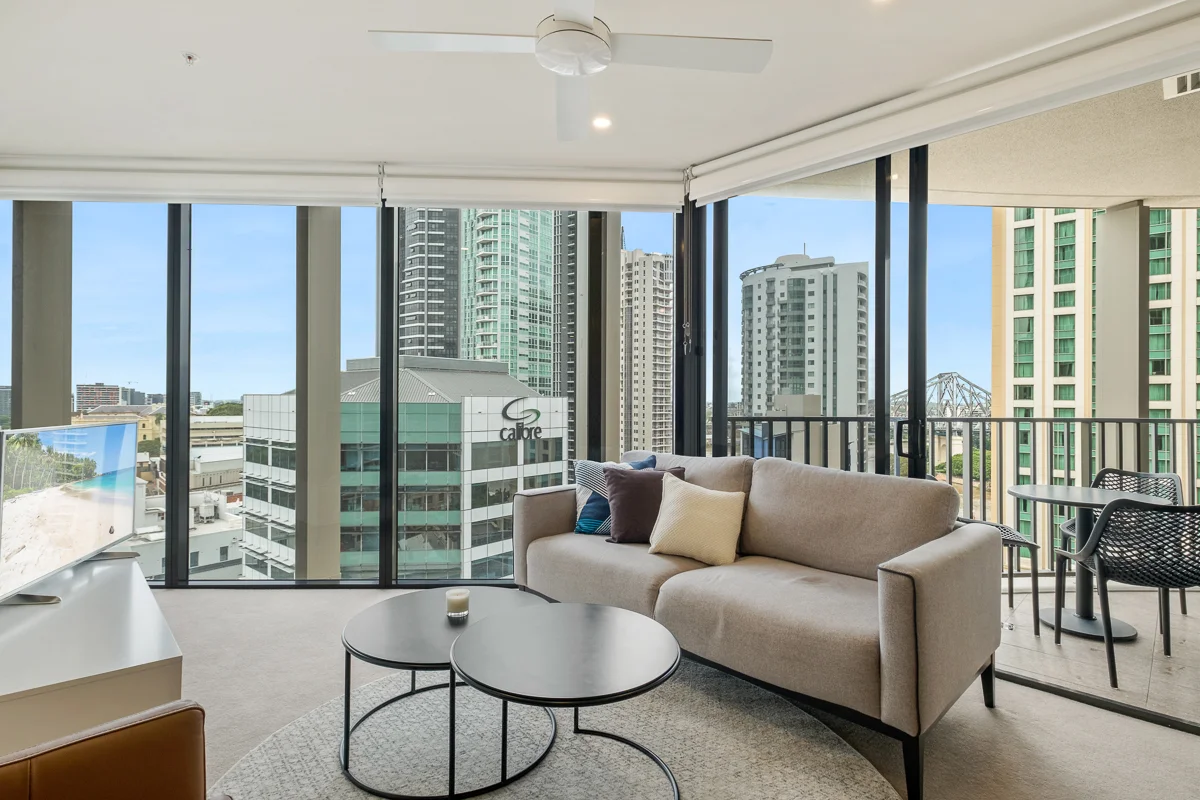 $950,000
Apartment / Unit / Flat
$950,000
Apartment / Unit / Flat
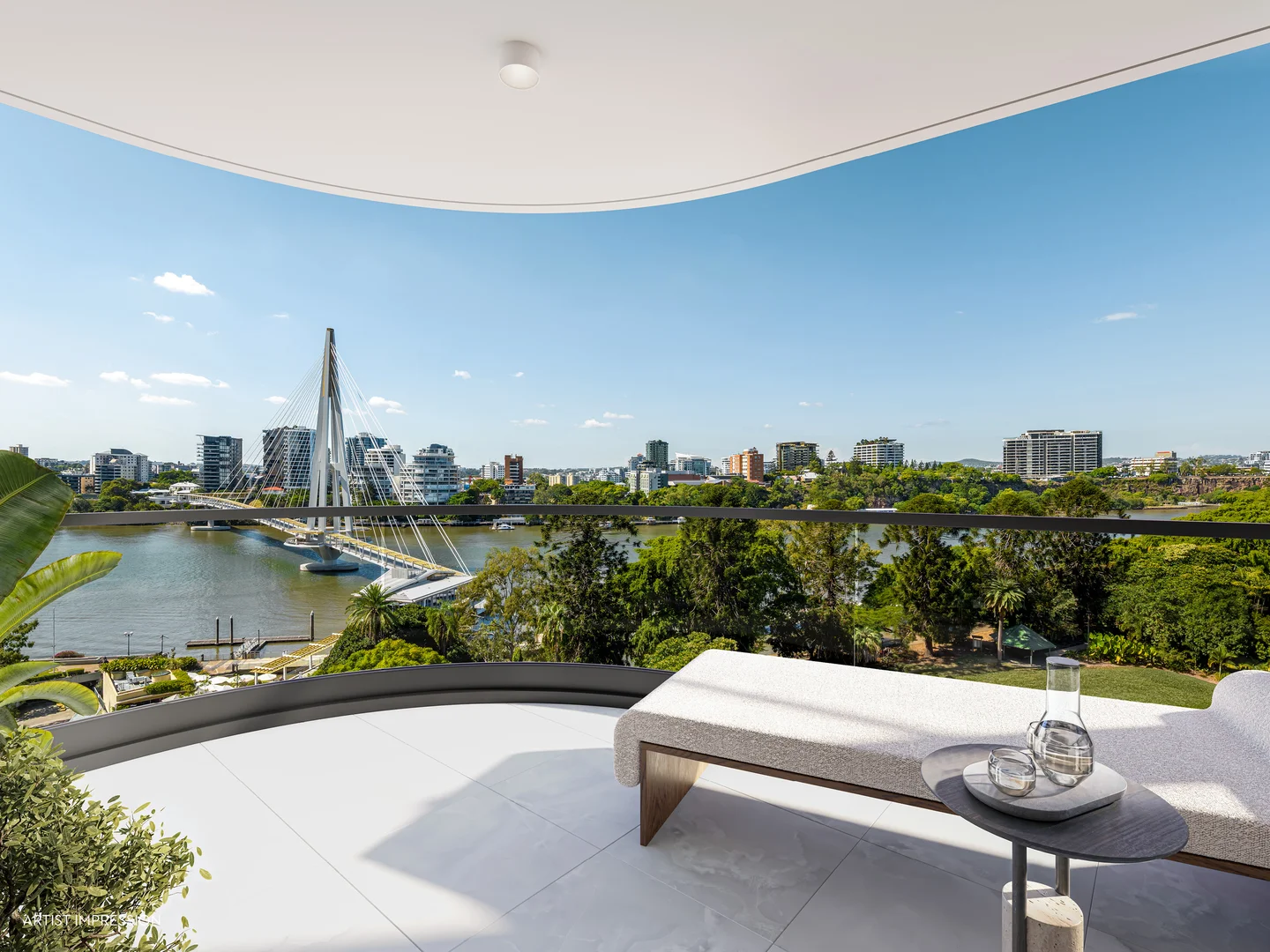 $1,475,000 - $2,090,000
propertyType.NEW APARTMENTS / OFF THE PLAN
$1,475,000 - $2,090,000
propertyType.NEW APARTMENTS / OFF THE PLAN
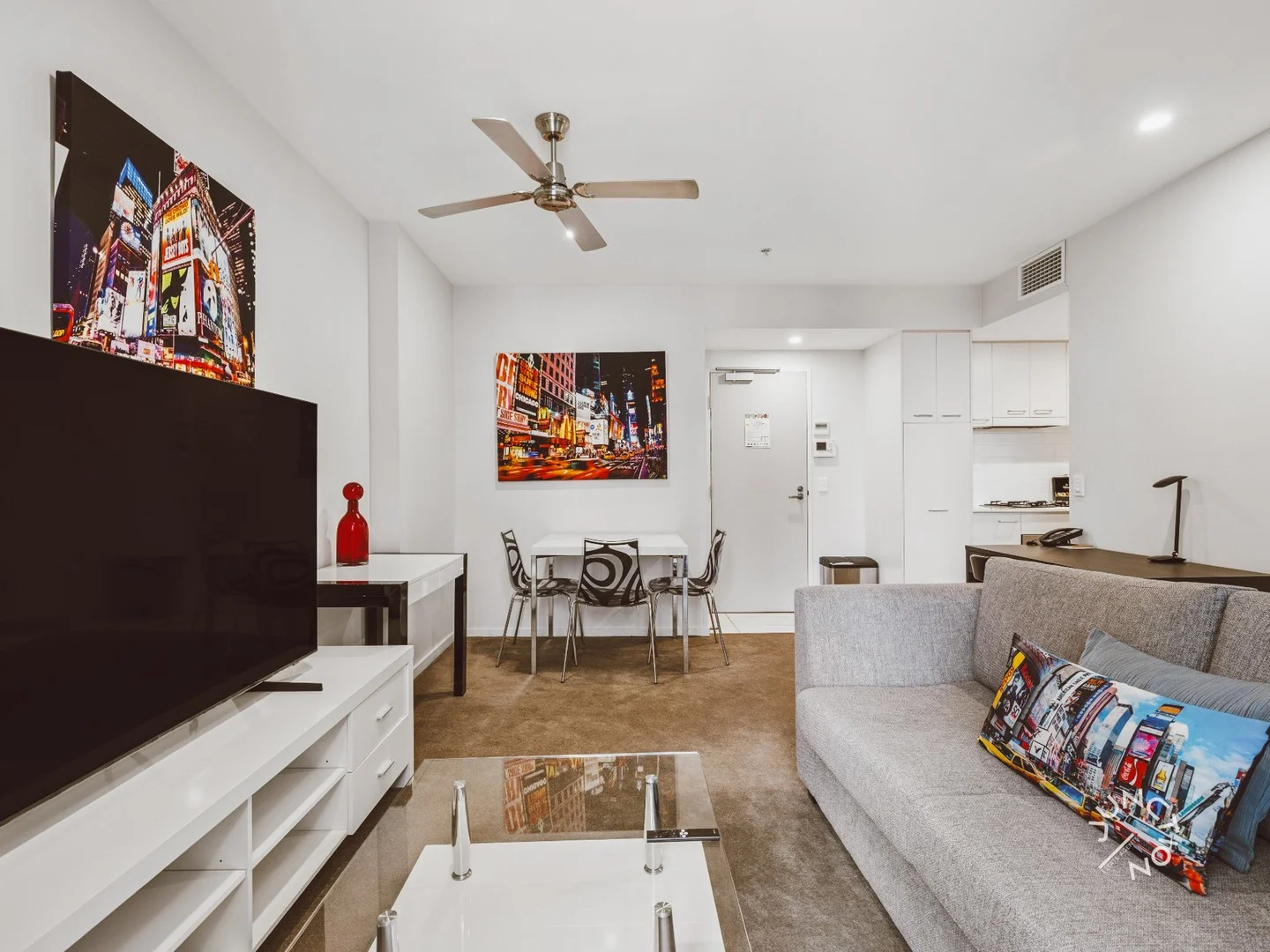 $523,200 - $566,800
Apartment / Unit / Flat
$523,200 - $566,800
Apartment / Unit / Flat
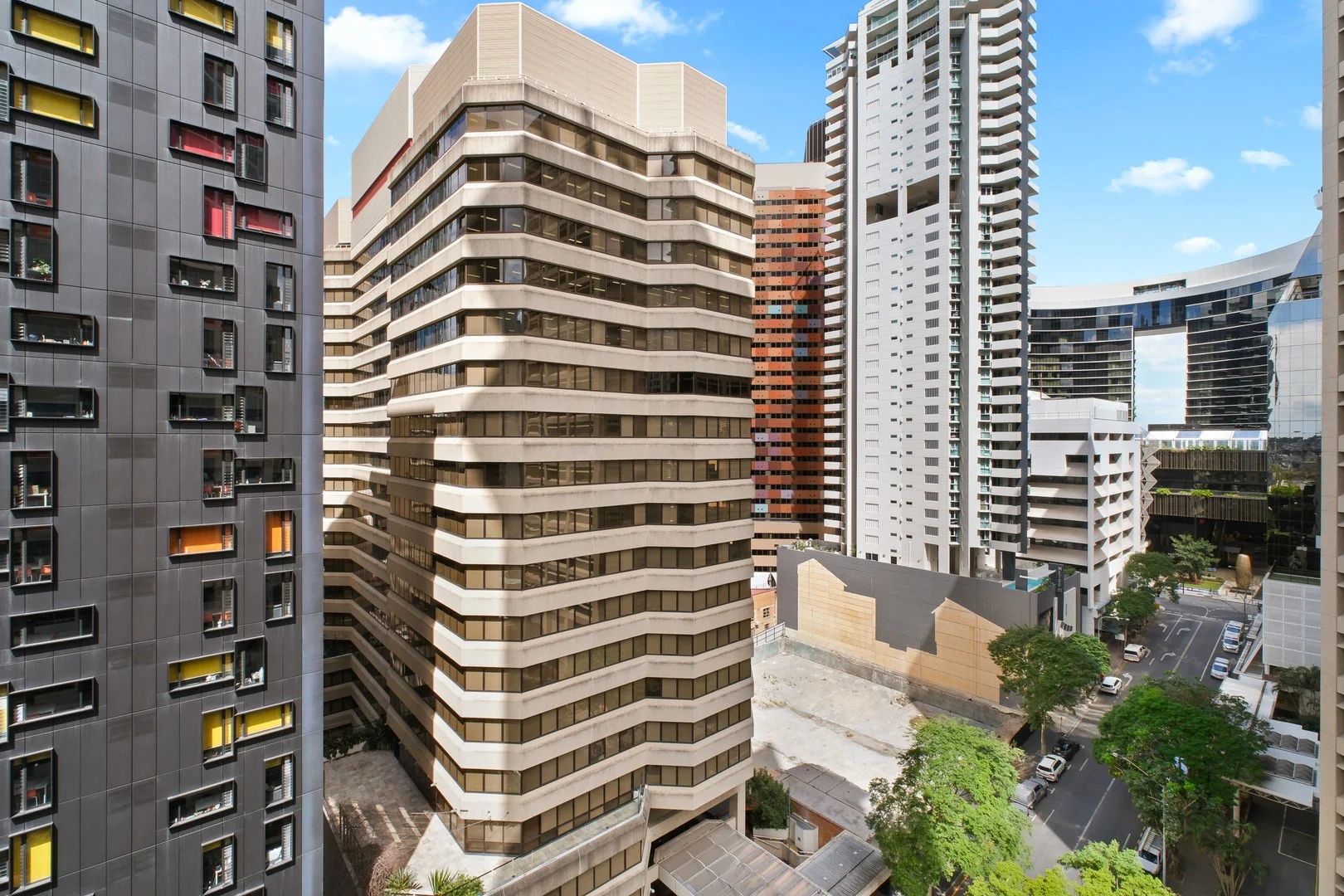 $550,000
Apartment / Unit / Flat
$550,000
Apartment / Unit / Flat
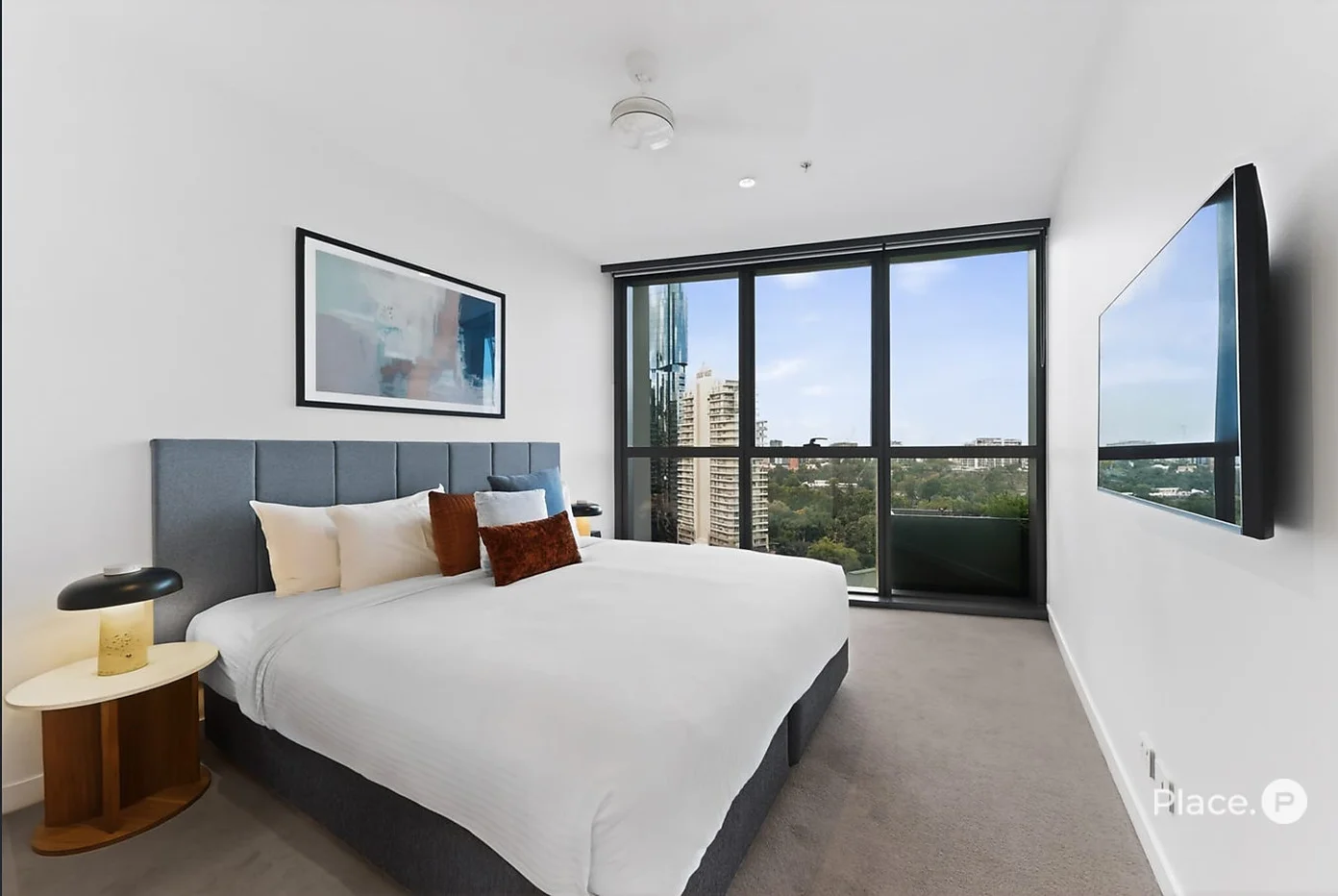 $770,000
Apartment / Unit / Flat
$770,000
Apartment / Unit / Flat


