Overview
1. Overview
Sts Peter and Paul School, Bulimba is a Catholic, co-educational primary school nestled in the Bulimba community. The school offers a small-to-medium size environment that supports close connections between students, families, and staff. Class sizes typically sit in the low-to-mid 20s, enabling teachers to know students well and tailor learning to individual needs. The atmosphere is nurturing and faith-informed, with an inclusive culture that emphasises service, respect, academic curiosity and a sense of belonging for every student.
2. Academics & Learning
- Academic strengths: solid literacy and numeracy foundations, robust religious education, and an emphasis on leadership, citizenship and personal growth. The curriculum is designed to develop critical thinking, problem-solving and effective communication across core subjects.
- Special programs: Gifted and Talented/enriched learning opportunities, integrated STEM and digital technologies, and development of student leadership and public-speaking skills.
- NAPLAN / trends: historical trends show steady performance with improvements over time and parity with state expectations in key areas such as reading and numeracy.
- Student-teacher ratios: generally around 1:20 to 1:24, supporting meaningful teacher attention and student support.
- Support for diverse learners: dedicated learning support, inclusion of EAL (English as an Additional Language) or language support where needed, and targeted assistance for students requiring additional help.
3. Sports & Extracurricular Strengths
- Sports offered: a range of team and individual sports, including soccer, rugby league, cricket, netball, basketball, athletics, swimming and cross-country programs.
- Strong teams or achievements: participation in local inter-school competitions with opportunities for representative selections and ongoing development.
- Music, arts, drama programs: choir, instrumental lessons, school productions and opportunities to perform in community events.
- Clubs: robotics, coding, chess, debating, environmental/sustainability clubs and other enrichment activities.
- Partnerships: connections with local clubs, sporting associations and regional competitions to broaden opportunities for students.
4. Wellbeing & Pastoral Care
- Anti-bullying approach: clear anti-bullying policies and proactive wellbeing programs to foster a safe and respectful environment.
- House system: a house framework that promotes belonging, teamwork and friendly competition; regular events and celebrations across houses.
- Counsellors / wellbeing officers: access to school counsellors or wellbeing staff to support social-emotional development and concerns.
- Transition support for new students: structured orientation and peer-mentoring to help new students settle in quickly and confidently.
5. Facilities
- Sports grounds: ample outdoor spaces for PE, games and informal recreation.
- Libraries: well-stocked library with quiet study zones and collaborative reading areas.
- Science labs: dedicated spaces for practical experiments and inquiry-based learning.
- Music/performing arts centers: dedicated rooms or spaces for music education and drama activities.
- Tech/innovation labs: computer and STEM facilities to support digital learning and projects.
- Cafeteria: on-site canteen or dining area supporting healthy food options.
- Updated playgrounds: modern play spaces that encourage active play and exploration.
6. School Values & Community Culture
- School values / mission: a faith-centered environment that emphasises respect, compassion, honesty, service, and lifelong learning.
- Leadership style: collaborative and child-centred, with opportunities for student voice and leadership roles.
- Behaviour expectations: clear code of conduct focused on respect for self, others and the school community.
- Community reputation: a welcoming, inclusive community with engaged families and supportive partnerships.
- Diversity & inclusion: commitment to embracing diversity and supporting students from different family backgrounds and learning needs.
7. School Logistics & Daily Operations
- School hours: typical school day runs morning to afternoon with defined start and finish times.
- Before/after school care: available or facilitated through on-site or local providers to support working families.
- Uniform requirements: standard school uniform policy with guidelines for daily wear and sport uniform.
- Transport (train/bus routes): accessible public transport options and/or school bus services or coordinated drop-off/pick-up arrangements.
- Canteen availability: canteen or lunch program offering healthy options.
- Fees (low/medium/high ranges): fees fall in the medium range for Queensland Catholic primary schools, with information available on the school’s enrolment packs and admissions pages.
8. Enrolment & Admissions
11. What is the enrolment process and timeline?
- Submit an online or paper application with required documents (birth certificate, immunisation records, baptism confirmation if applicable, proof of Catholic community involvement).
- Complete any school information sessions or parent interviews scheduled.
- Receive an enrolment offer if a placement is available and all documents are in order.
- Complete enrolment by returning forms and paying any new student fees; attend orientation sessions.
12. Is there a waiting list, and how does it work?
- If intake cap is reached, a waiting list is typically established. Offers are made in order of priority (and availability) as spaces become available, with ongoing communication to families on their status.
13. Are there any entry requirements, tests, or interviews?
- Entry usually involves an information session and parent interview; an informal assessment may be used to understand learning needs and placement requirements. There is generally no formal entrance exam for primary-level admissions.
14. Does the school accept mid-year transfers?
- Yes, mid-year transfers are considered subject to vacancy and alignment with the student’s needs and class balance.
9. Frequently Asked Questions
- Why Parents Choose This School?
- A close-knit Catholic community with strong values, supportive teachers, and a focus on both faith formation and academic development.
- What type of student thrives at this school?
- Students who value a nurturing, inclusive environment, active participation in class and community, and a balance of academics, faith, sport, and the arts.
- What opportunities are available for students to extend their skills (academics, sports, arts)?
- Enriched learning programs, gifted and talented options, STEM and digital learning, public speaking and leadership opportunities, strong sports and performing arts programs, and a range of clubs.
- How does the school communicate with parents?
- Regular communications via newsletters, emails, parent portals, and updates from teachers; parent-teacher interviews are typically offered on a regular schedule.
- What is the school’s approach to teaching and learning?
- A student-centred approach that combines a strong academic program with faith-based education, differentiated instruction, and opportunities for inquiry-based and collaborative learning.
- How does the school support students who need extra academic help?
- Targeted learning support, inclusion of SEN and EAL provision, and collaboration with families to implement personalised learning plans.
- What support is available for academic challenges?
- Access to learning support staff, tailored interventions, and progress monitoring to adjust plans as needed.
- How does the school communicate with parents? (note: duplicate question acknowledged and answered above)
- What are the class sizes and how much individual attention do students receive?
- Class sizes are typically in the low-to-mid 20s, with teachers able to provide targeted support and attention through small-group or one-on-one time as needed.
- What extracurricular and sports opportunities are available?
- A broad array of sports (team and individual), music, drama, and many clubs (robotics, coding, chess, debating, environmental groups) and opportunities to participate in inter-school competitions.
- What facilities does the school offer (sports, science, arts)?
- Sports grounds, library, science labs, music/performing arts spaces, tech/innovation labs, canteen, and updated playgrounds.
- What is the school’s approach to technology and digital learning?
- Integrated digital technologies within the curriculum, access to devices and software that support learning, and a focus on digital citizenship and safe online practice.
- What transport and accessibility options are available?
- Access to public transport options and/or school-arranged transport arrangements, with convenient drop-off and pick-up locations where possible.
- What are typical school fees or additional costs?
- Fees are in the mid range for Queensland Catholic primary schools, with details provided in the official enrolment information and financial policy documents.
10. Short Pros & Cons list
Pros
- Catholic, values-focused education with a nurturing, inclusive culture
- Small-to-medium school environment promoting close teacher-student relationships
- Strong emphasis on literacy, numeracy and well-being
- Broad range of academics, arts, and sports with enrichment opportunities
- Active community with supportive parent involvement and partnerships
Cons
- As a small-to-medium school, capacity may limit some specialty program spots during peak intake periods
- Uniforms and some after-school activities may require additional time and 비용 for families
- Transport options depend on location and public transport access; may require planning for some families
If you’d like, I can tailor this draft further by adjusting tone, adding more specific program names, or aligning details with any official materials you have from Sts Peter and Paul Bulimba.







 $950,000
Apartment / Unit / Flat
$950,000
Apartment / Unit / Flat
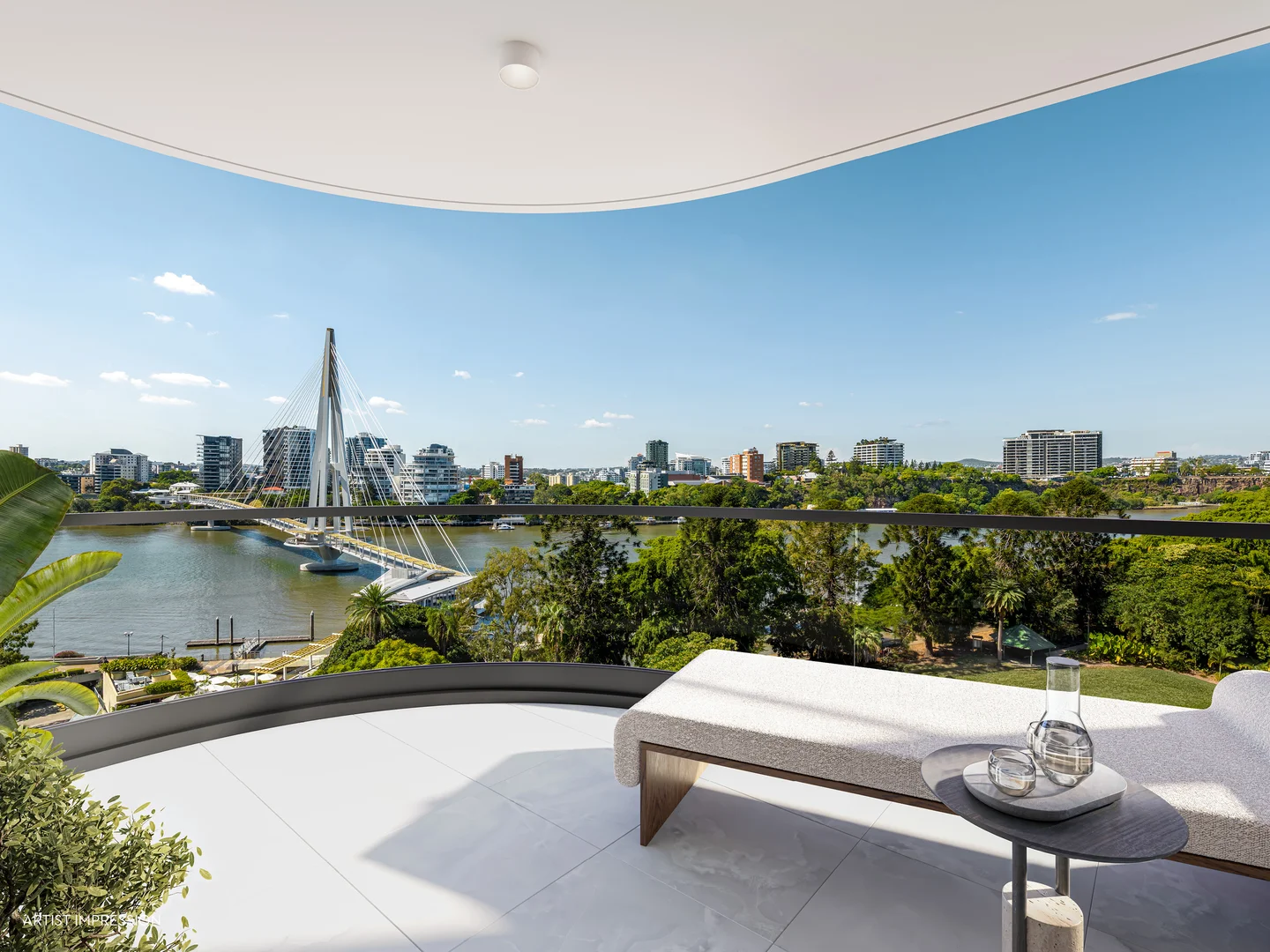 $1,475,000 - $2,090,000
propertyType.NEW APARTMENTS / OFF THE PLAN
$1,475,000 - $2,090,000
propertyType.NEW APARTMENTS / OFF THE PLAN
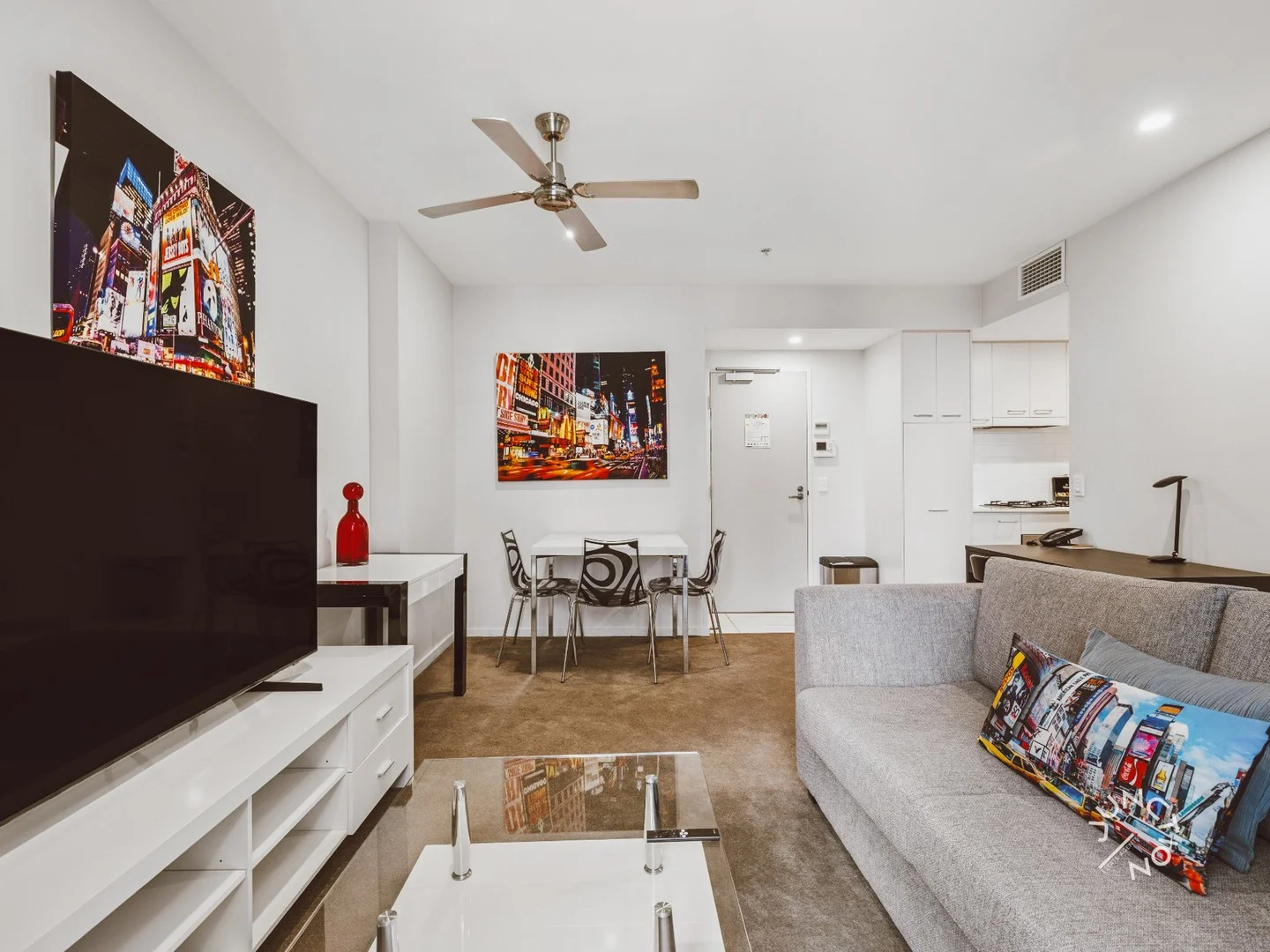 $523,200 - $566,800
Apartment / Unit / Flat
$523,200 - $566,800
Apartment / Unit / Flat
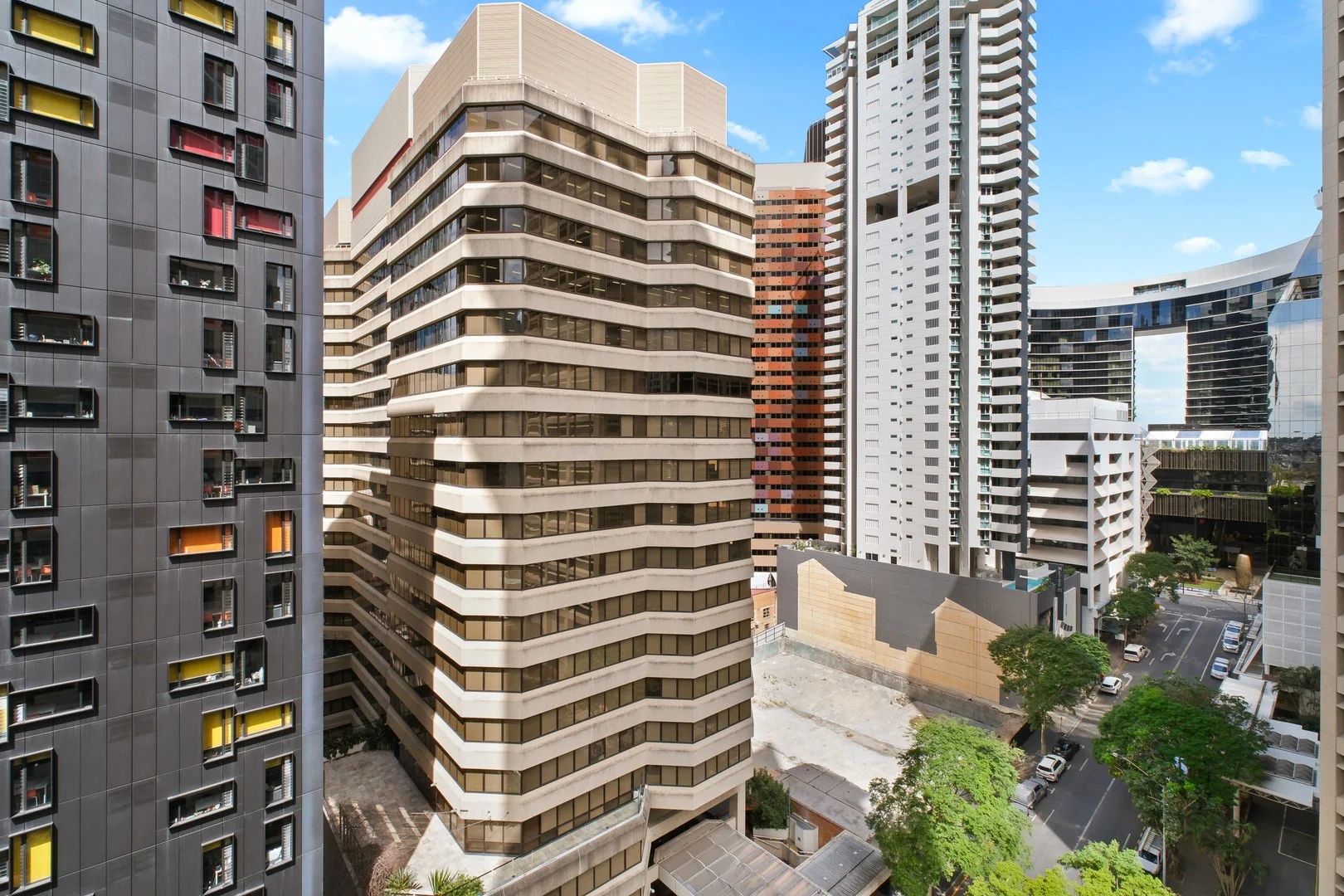 $550,000
Apartment / Unit / Flat
$550,000
Apartment / Unit / Flat
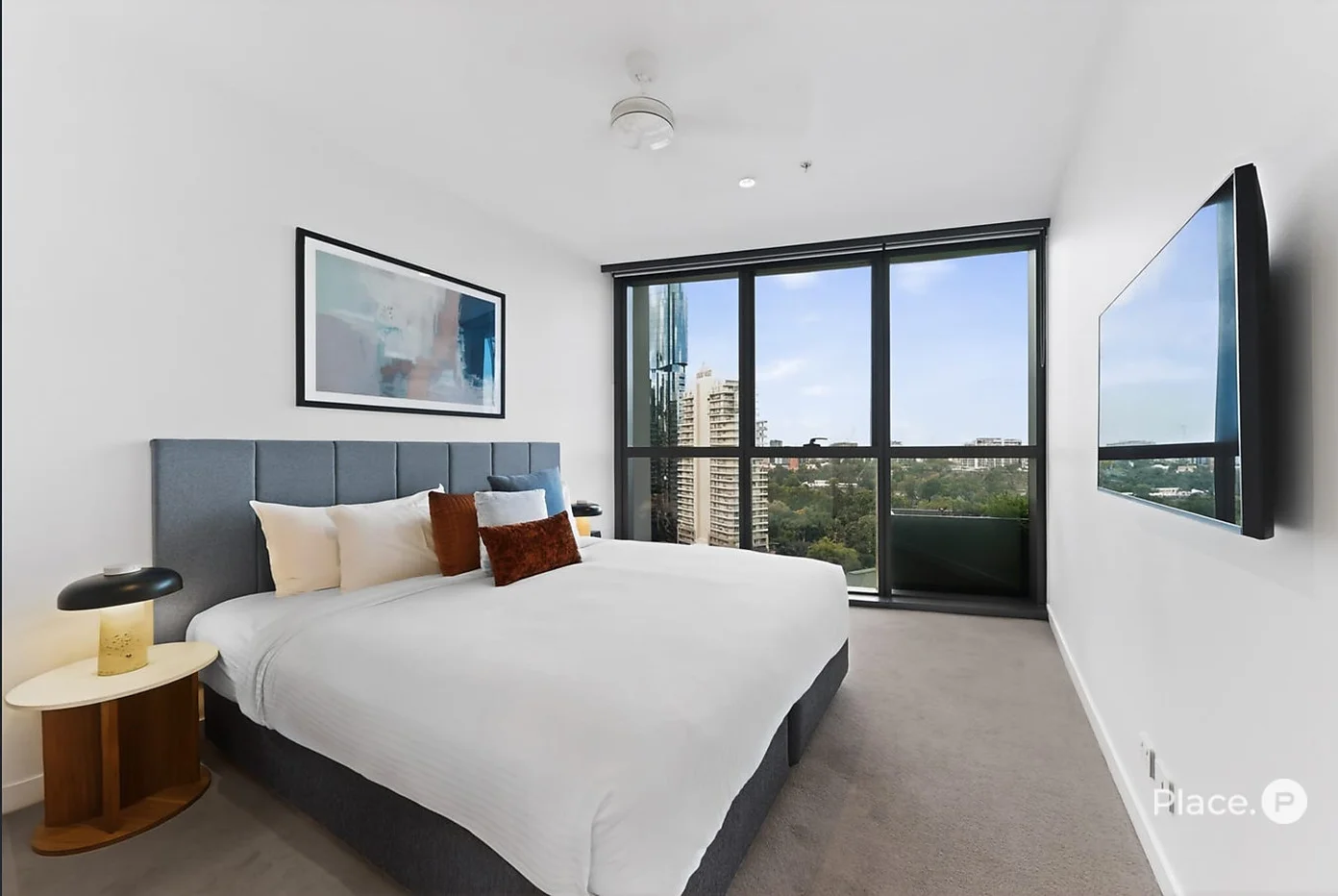 $770,000
Apartment / Unit / Flat
$770,000
Apartment / Unit / Flat