## 1. Overview
Barwon Heads Primary is a public, co-educational primary school serving families in Barwon Heads and the surrounding area. The school focuses on building a welcoming, supportive community where every child can grow academically, socially, and emotionally.
- School type: Public
- School size: Small to medium
- Class size: Typically around 20–24 students per class
- Atmosphere/culture: Inclusive, nurturing, community-focused
Barwon Heads Primary emphasizes a student-centred approach, strong wellbeing supports, and close collaboration with families to help children thrive.
---
## 2. Academics & Learning
Barwon Heads Primary aims to deliver solid grounding across core subjects while offering opportunities for students to explore interests and develop 21st-century skills.
- Academic strengths: Literacy and numeracy are foundational, with focused programs in STEM and the arts. There are opportunities to develop leadership and thinking skills across year levels.
- Special programs: Gifted and Talented (G&T) pathways, integrated STEM and digital technologies, and access to enrichment activities within the school day.
- NAPLAN / trends: NAPLAN data trends typically show steady growth in reading and numeracy with performance around or above state averages, supported by targeted whole-school literacy and numeracy growth plans.
- Student-teacher ratios: Generally around 1:14, with smaller groups for targeted support as needed.
- Support for diverse learners: Strong EAL/D support, inclusive education practices, and dedicated SEN support staff to assist students with varied learning needs.
---
## 3. Sports & Extracurricular Strengths
A broad range of activities helps students stay active, motivated, and engaged beyond the classroom.
- Sports offered: Australian Rules football, cricket, netball, soccer, basketball, athletics, swimming and cross-country events, with participation in inter-school and community competitions.
- Strong teams or achievements: Active involvement in district-level sports programs with opportunities to represent the school in regional events.
- Music, arts, drama programs: In-school music programs and opportunities to participate in performing arts, school productions, and concerts.
- Clubs: Robotics, coding, chess, debating, and other STEM/technology clubs are available to extend learning.
- Partnerships: Local clubs and community organizations collaborate on sport, arts, and competition pathways to foster experiences beyond the school gates.
---
## 4. Wellbeing & Pastoral Care
Student wellbeing is a central pillar, supporting academic achievement and positive relationships.
- Anti-bullying approach: A proactive, whole-school anti-bullying framework with clear expectations and ongoing wellbeing education.
- House system: A house-based structure promotes belonging, teamwork, and healthy competition across year levels.
- Counsellors / wellbeing officers: Access to a school counsellor or wellbeing staff who focus on social-emotional learning and individual supports.
- Transition support for new students: Orientation activities, buddy programs, and liaison with families to ease transitions into new year levels.
---
## 5. Facilities
The school grounds and spaces are designed to support a diverse range of learning experiences.
- Sports grounds: Open play spaces and field areas for P.E. and sports.
- Libraries: A dedicated library for reading, research, and quiet study.
- Science labs: Practical science spaces to support hands-on inquiry.
- Music/performing arts centers: Areas for music lessons, rehearsals, and performances.
- Tech/innovation labs: Digital technologies and computive learning spaces to explore coding and innovation.
- Cafeteria: A canteen area serving healthy meal and snack options.
- Updated playgrounds: Safe and inviting play spaces that support outdoor learning and recreation.
---
## 6. School Values & Community Culture
The school fosters a values-driven culture that emphasizes respect, inclusion, and growth.
- School values / mission: Focus on respect, kindness, resilience, and collaboration within a learning community.
- Leadership style: Student voice is encouraged through leadership roles and opportunities to contribute to school decisions.
- Behaviour expectations: Clear, positive behaviour expectations aligned to the school values, with consistent routines.
- Community reputation: Known for a welcoming, family-friendly atmosphere and strong teacher–family partnerships.
- Diversity & inclusion: A committed, inclusive environment that welcomes families from diverse backgrounds and supports equitable access to learning.
---
## 7. School Logistics & Daily Operations
Practical information to help families plan daily routines.
- School hours: Typical school day runs from morning start through to late afternoon; precise times can vary by year level and term.
- Before/after school care: On-site or partnered after-school care options available to families.
- Uniform requirements: School uniform is required, with details provided by the school and families.
- Transport (train/bus routes): Local bus routes and school drop-off/pick-up arrangements are in place; parking and bike racks support commuting options.
- Canteen availability: Canteen services operate on school days with healthy options.
- Fees (low/medium/high ranges): As a public school, there is no tuition fee. There are standard book/commercial levies and optional contributions; uniform and additional program costs may apply.
---
## 8. Enrolment & Admissions
11. What is the enrolment process and timeline?
- Check catchment eligibility and submit an enrolment form with required documentation (age verification, immunisation records, etc.). The process typically follows local timelines coordinated by the enrolling authority, with offers made for the upcoming school year and capacity-based considerations.
12. Is there a waiting list, and how does it work?
- Yes, when enrolments exceed available places. Waiting lists are managed by the school and enrolling authority, with priority often given to within-catchment applicants. Offers are made as vacancies arise.
13. Are there any entry requirements, tests, or interviews?
- For most primary enrolments, there are no entry tests or formal interviews. Enrolment focuses on eligibility (age, residency/catchment, immunisation) and capacity. Some out-of-area or special circumstances may involve a brief discussion to plan support needs.
14. Does the school accept mid-year transfers?
- Yes, subject to vacancies and spaces in the relevant year level. Prospective mid-year transfers should contact the school early to review availability and complete the enrolment process, including submission of student records and immunisation documentation.
---
## 9. Frequently Asked Questions
- Why Parents Choose This School?
- A welcoming, inclusive community with focused support for literacy, numeracy, and wellbeing; strong family partnerships; and a range of enrichment and extracurricular options.
- What type of student thrives at this school?
- Curious, respectful students who engage actively in learning, value collaboration, and participate in both academic and co-curricular activities.
- What opportunities are available for students to extend their skills (academics, sports, arts)?
- Enrichment in literacy, numeracy, STEM, and arts; leadership roles; sports teams; robotics/coding clubs; and performing arts opportunities.
- How does the school communicate with parents?
- Regular newsletters, parent-teacher meetings, a student portal or classroom communications, and clear channels for ongoing contact with teachers and administration.
- What is the school’s approach to teaching and learning?
- A differentiated, student-centred approach that combines evidence-based literacy and numeracy instruction with inquiry-based learning, and strong emphasis on wellbeing.
- How does the school support students who need extra academic help?
- Targeted small-group interventions, learning support plans, EAL/D assistance, and access to SEN support staff.
- What support is available for academic challenges?
- Timely targeted interventions, progress monitoring, and collaboration with teachers, specialists, and families to adapt teaching.
- What are the class sizes and how much individual attention do students receive?
- Class sizes are typically around 20–24 students, with additional support from teachers’ aides and specialist staff to provide individualized attention as needed.
- What extracurricular and sports opportunities are available?
- A broad range of sports and teams, plus clubs in robotics, coding, chess, debating, music, and performing arts.
- What facilities does the school offer (sports, science, arts)?
- Sports grounds, a library, science labs, music/performing arts spaces, tech/innovation labs, a canteen, and updated playgrounds.
- What is the school’s approach to technology and digital learning?
- Integrated digital learning across year levels, with age-appropriate devices and software to support literacy, numeracy, coding, and creative projects.
- What transport and accessibility options are available?
- Local bus routes, car drop-off/pick-up zones, bike racks, and accessible facilities to support families and students.
- What are typical school fees or additional costs?
- No tuition for public schooling; there are standard levies and optional contributions for activities or materials, plus costs for uniform and any additional program resources.
---
## 10. Short Pros & Cons list
- Pros
- Close-knit, supportive community with strong family partnerships
- Clear focus on literacy, numeracy, and wellbeing
- Wide range of extracurriculars, clubs, and enrichment opportunities
- Inclusive environment with programs to support diverse learners
- Positive school culture and student voice opportunities
- Cons
- As a small to medium public school, there may be fewer niche programs than larger metropolitan schools
- Capacity constraints can affect mid-year transfers or availability for some year levels
- Availability of specialist staff and facilities may vary by year and funding







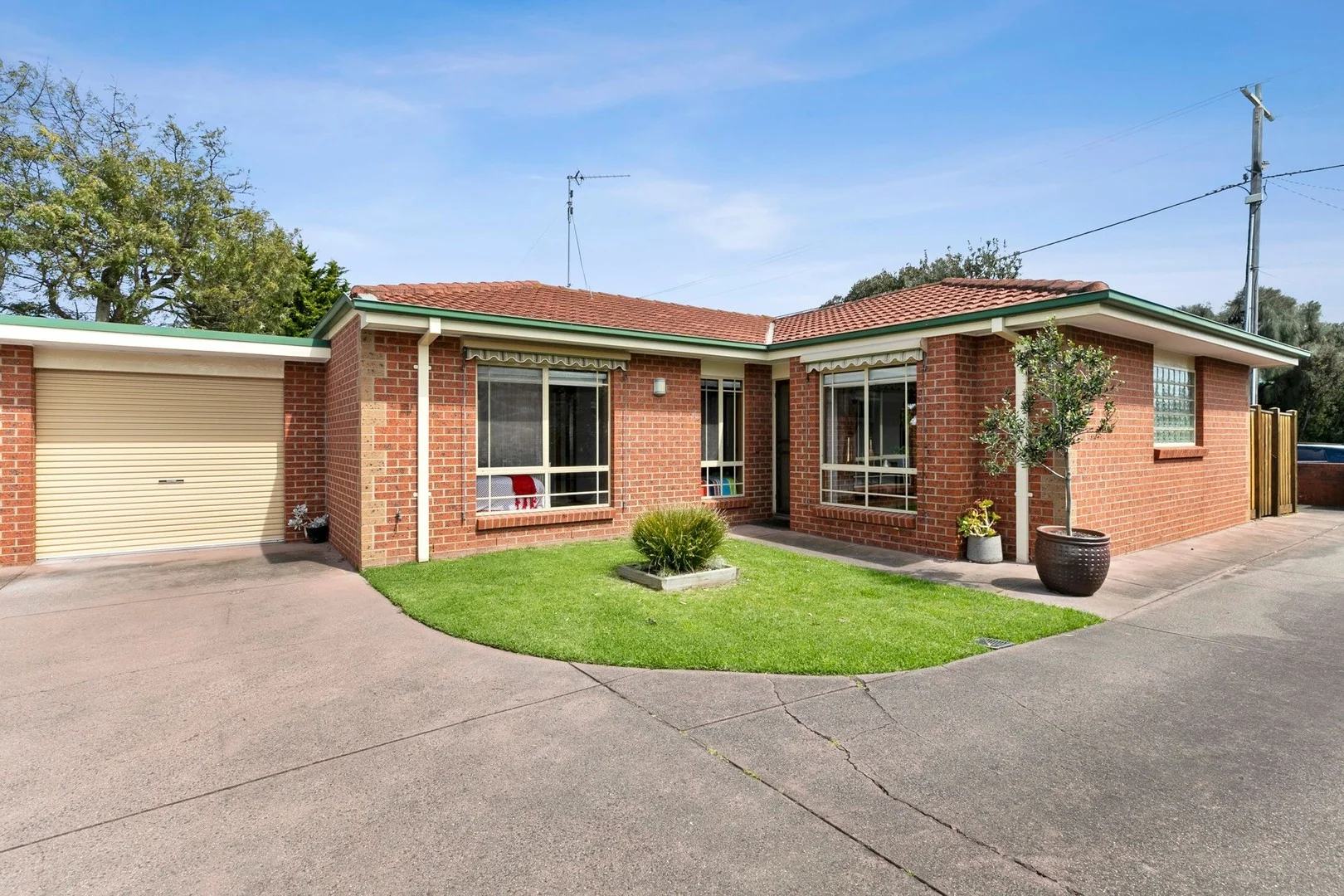 $790,000
Apartment / Unit / Flat
$790,000
Apartment / Unit / Flat
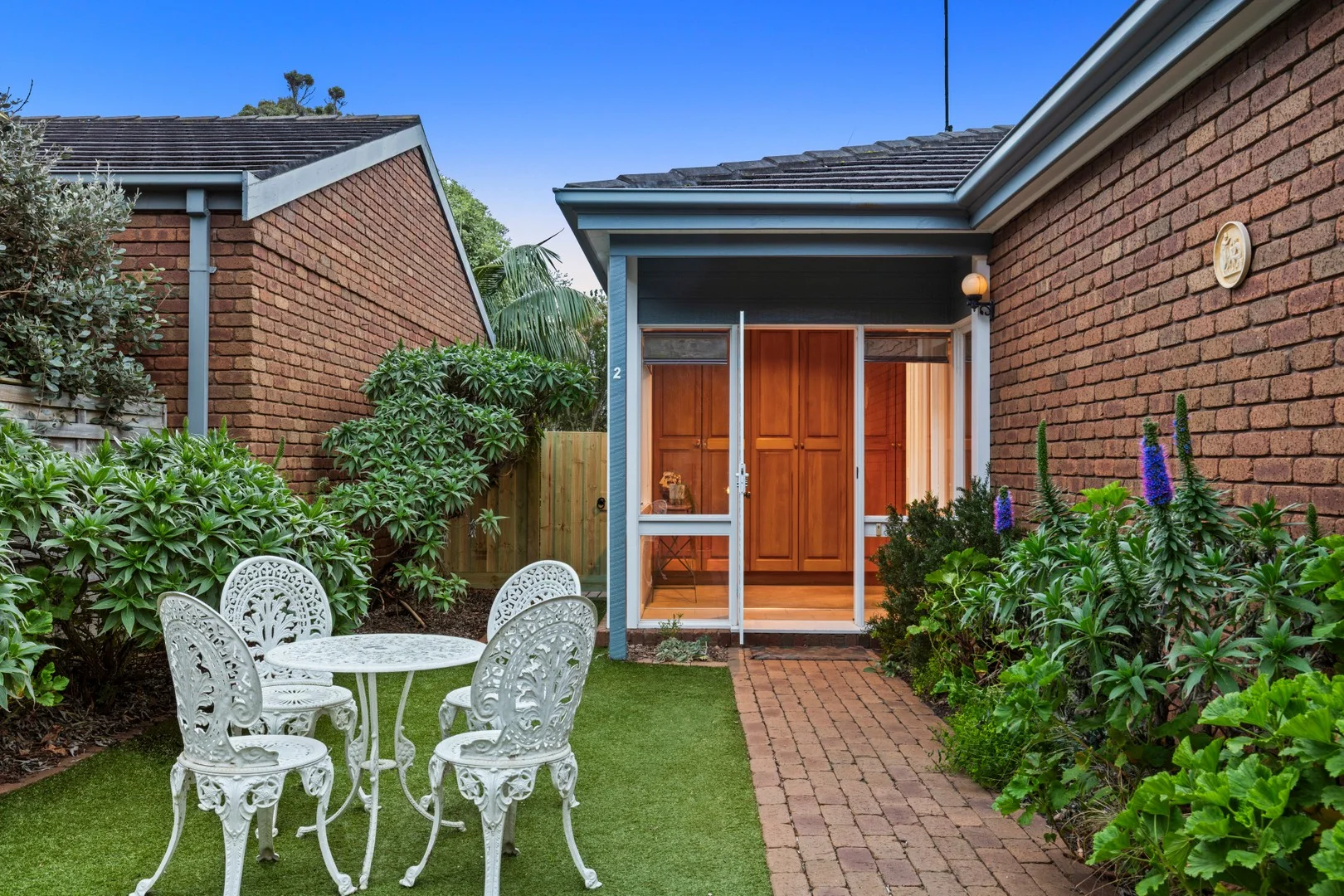 $990,000
Apartment / Unit / Flat
$990,000
Apartment / Unit / Flat
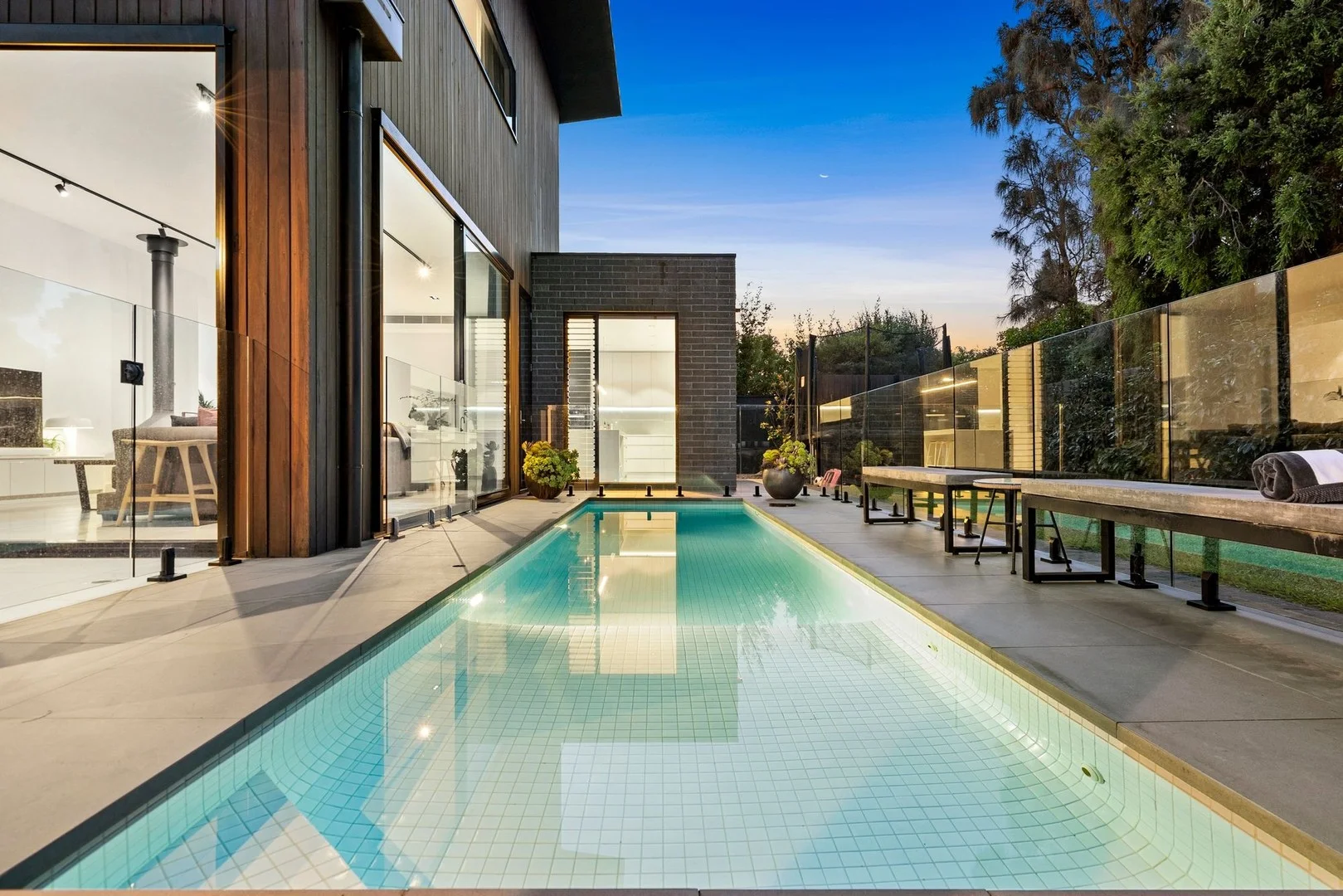 $2,600,000 - $2,800,000
House
$2,600,000 - $2,800,000
House
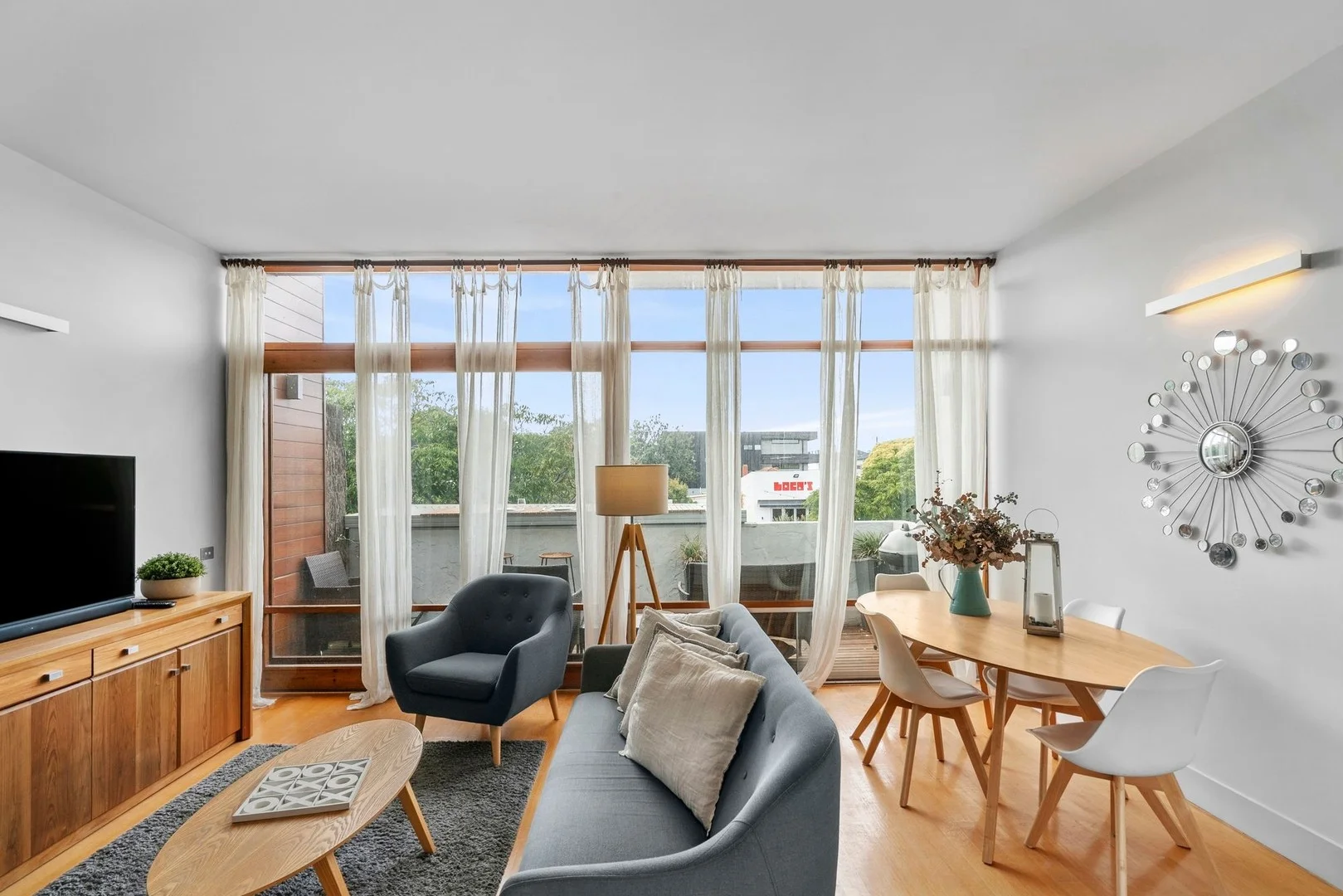 $680,000
Apartment / Unit / Flat
$680,000
Apartment / Unit / Flat
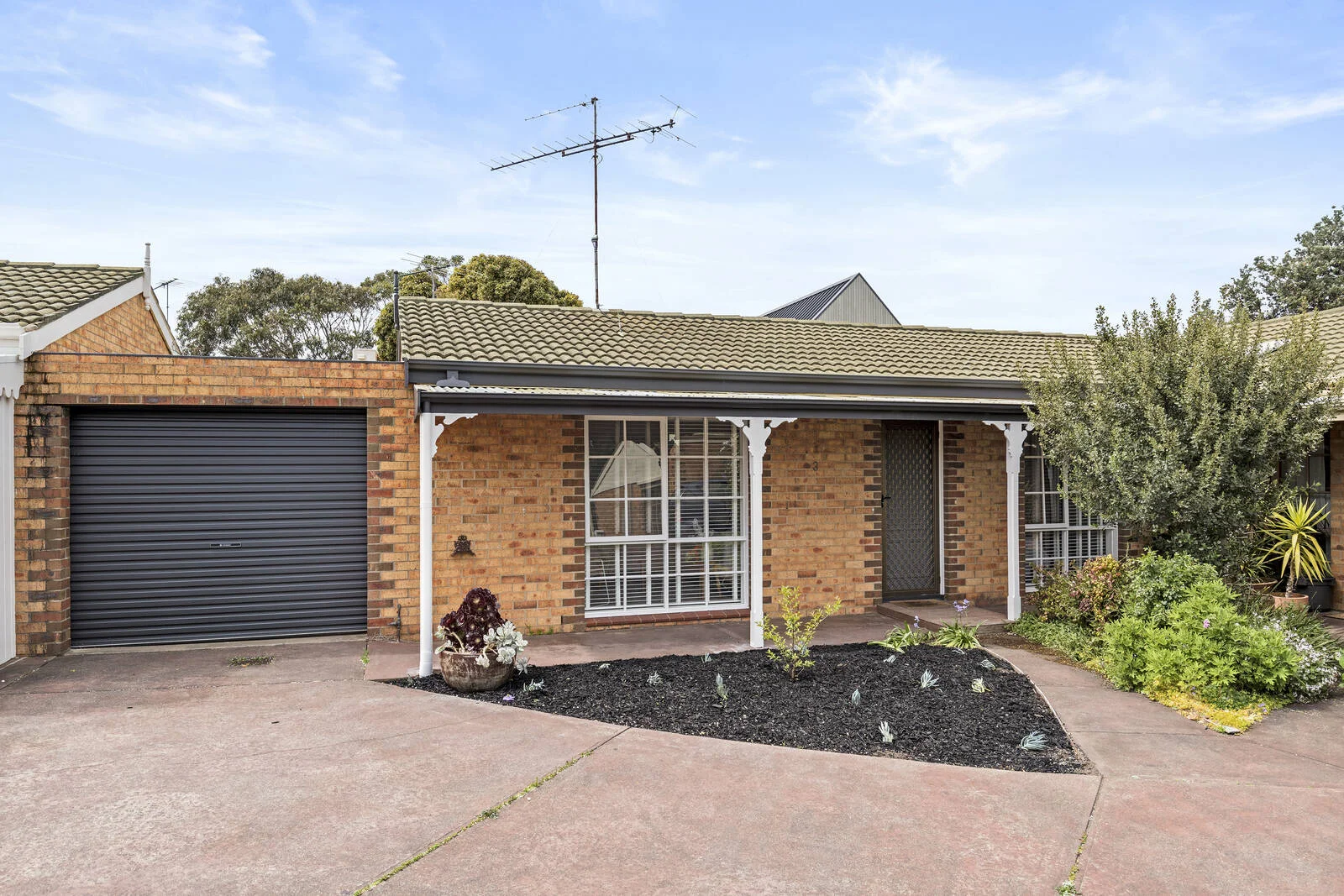 $890,000 - $960,000
Apartment / Unit / Flat
$890,000 - $960,000
Apartment / Unit / Flat
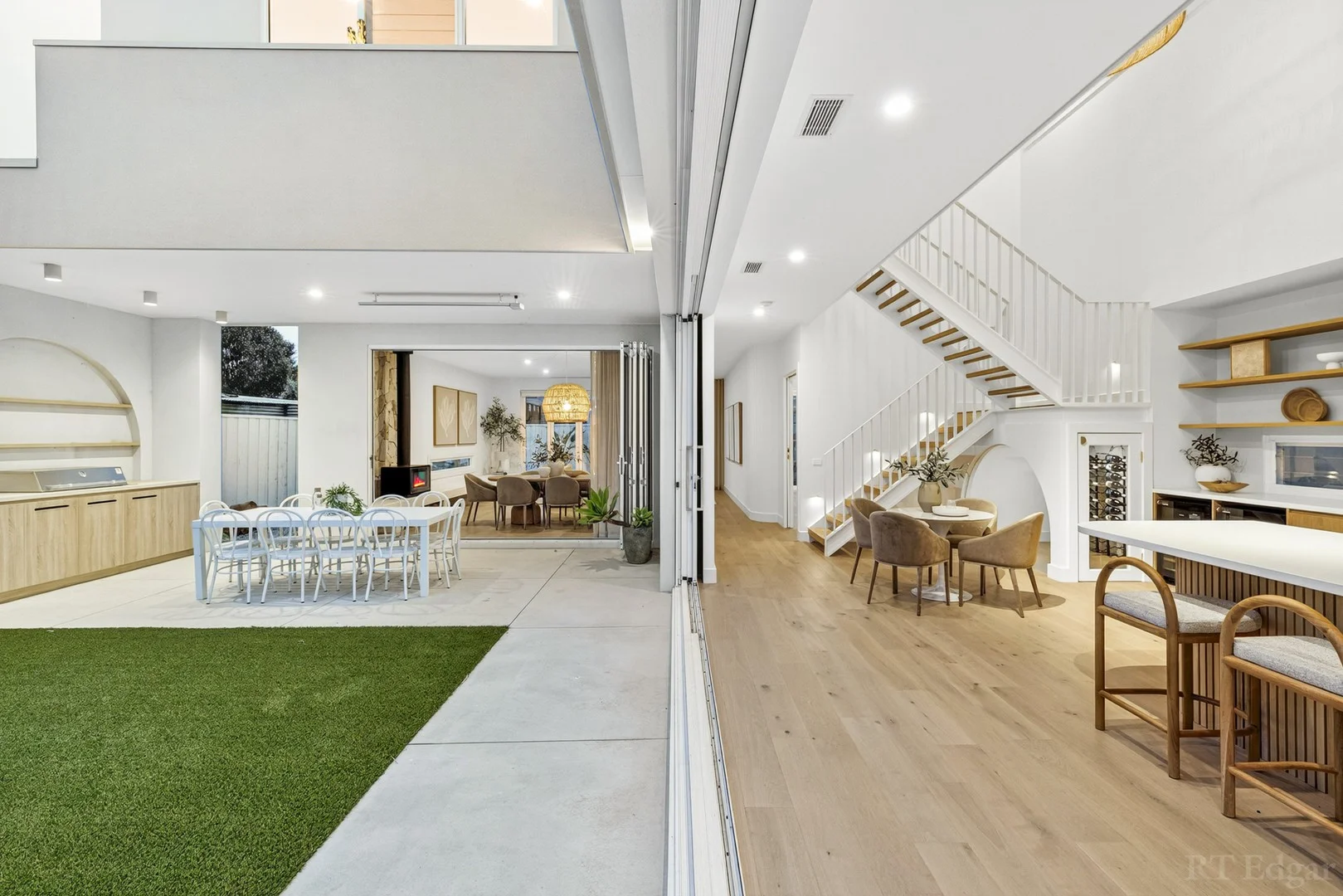 $3,006,750 - $3,307,425
House
$3,006,750 - $3,307,425
House
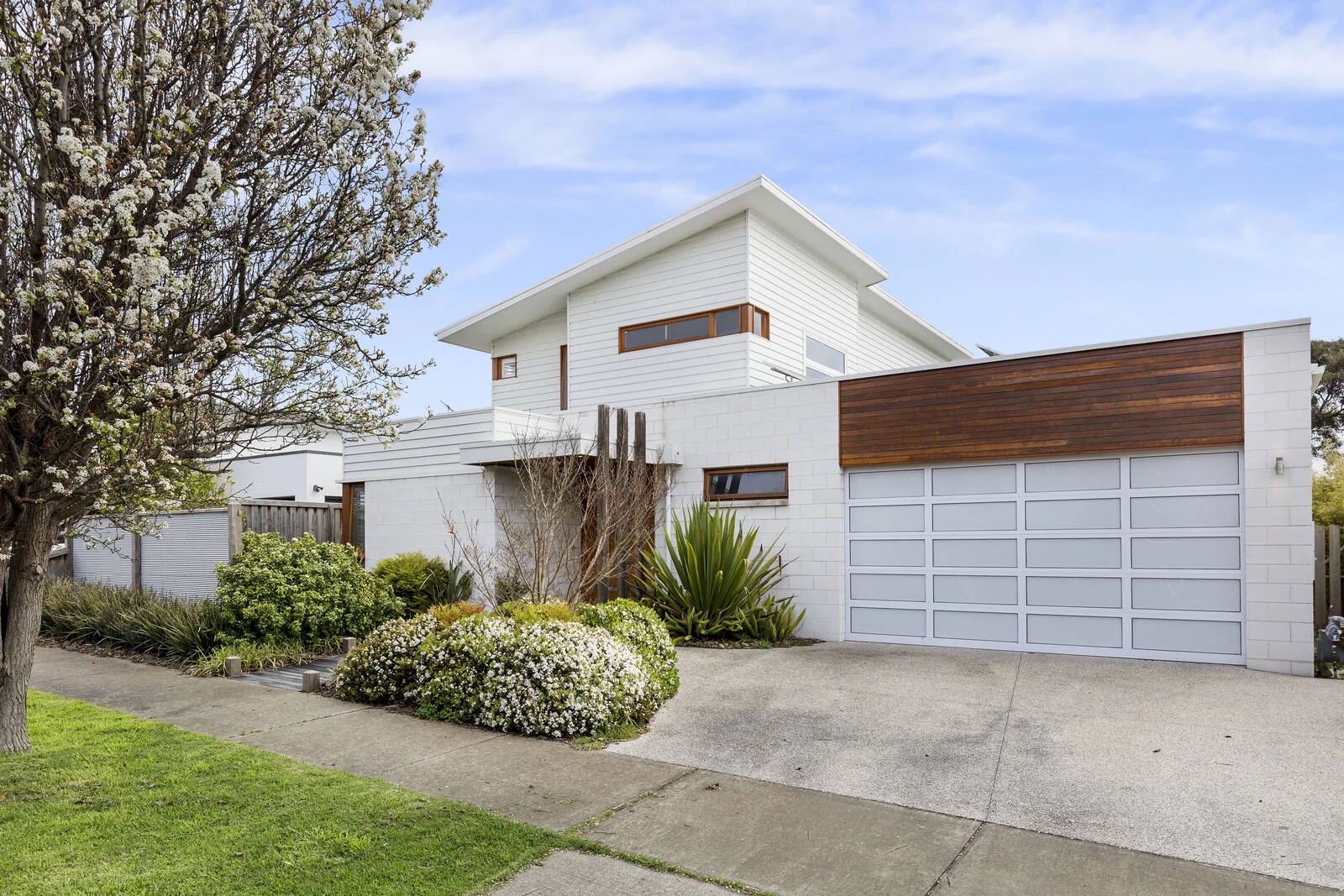 $2,350,000 - $2,550,000
House
$2,350,000 - $2,550,000
House
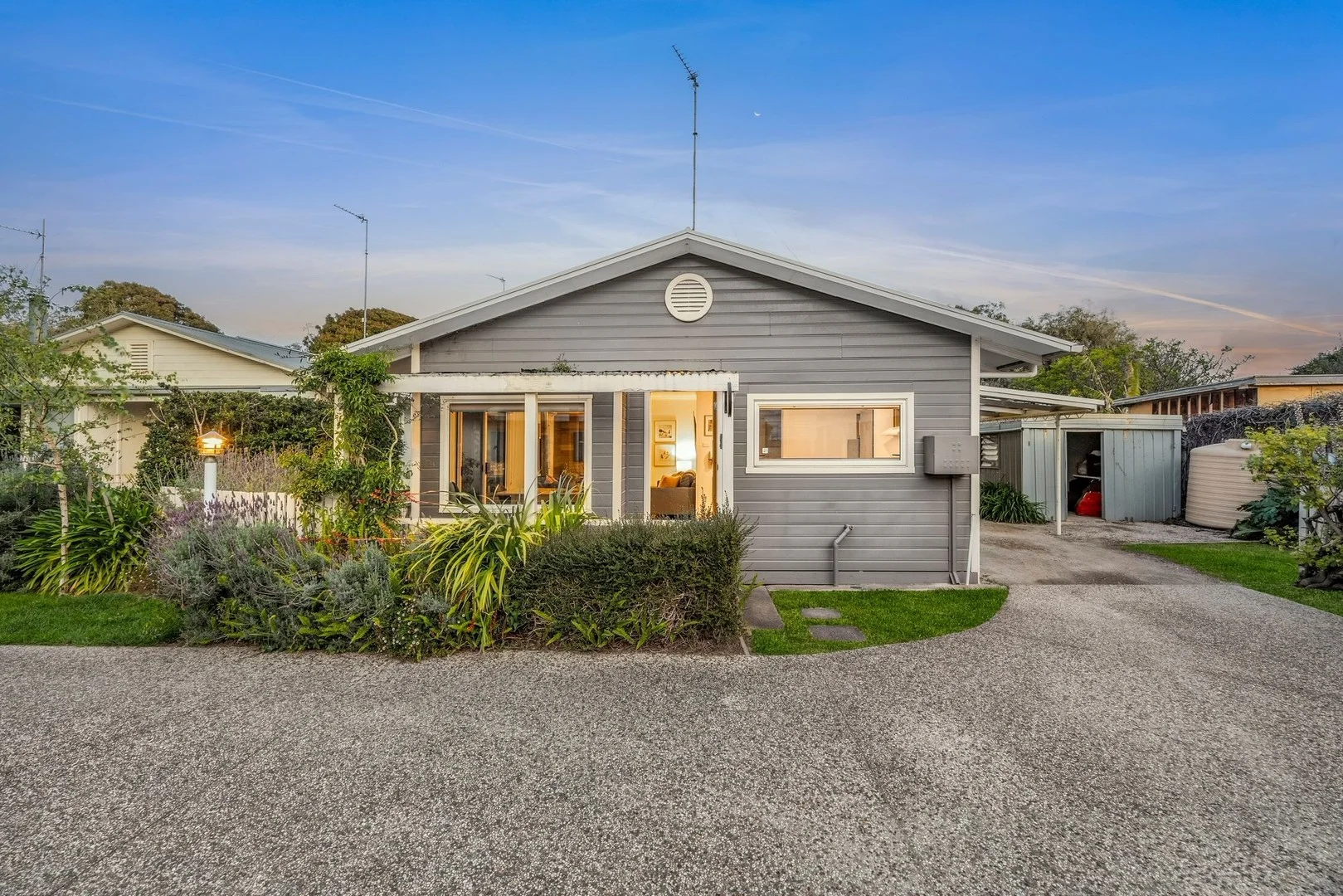 $660,000
Apartment / Unit / Flat
$660,000
Apartment / Unit / Flat
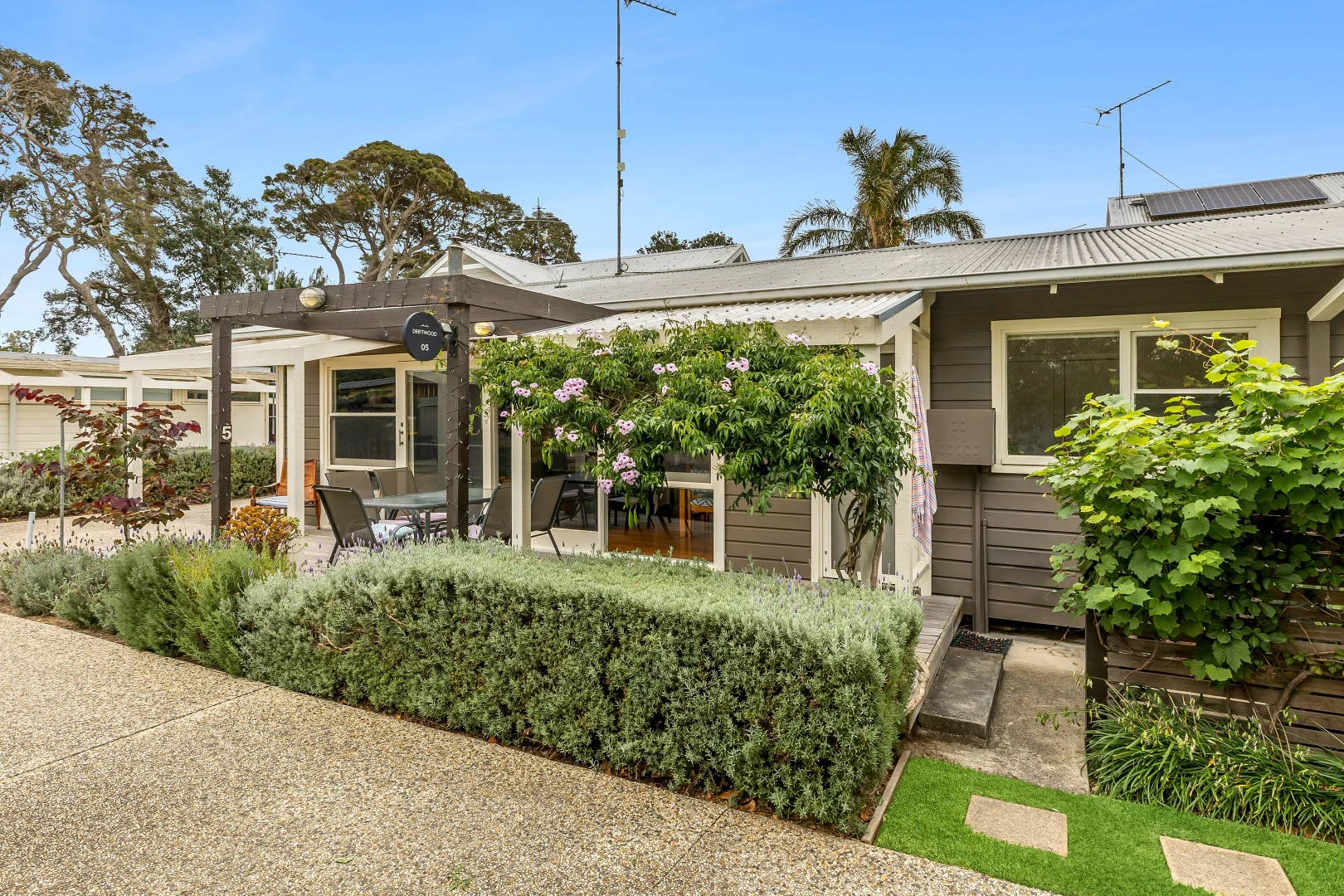 $690,000 - $730,000
Apartment / Unit / Flat
$690,000 - $730,000
Apartment / Unit / Flat


