1. Overview
St Catherine of Siena Primary School is a Catholic, co-educational primary school serving families in Armstrong Creek, VIC. The school emphasises a welcoming, faith-filled community where learning is supported by strong pastoral care and a collaborative approach between staff, students, and families.
Key details
- School type: Catholic
- School size: Medium
- Class size: Approximately 20–25 students per class
- Atmosphere/culture: Nurturing, inclusive, community-focused
⸻
2. Academics & Learning
The school focuses on high-quality literacy and numeracy instruction, with opportunities to explore STEM, the arts, and leadership through integrated learning. The faith-based setting reinforces values that support holistic development and responsible citizenship.
- Academic strengths: Literacy and numeracy, ongoing STEM and inquiry-based learning, development of leadership and critical thinking, Religious Education as part of the curriculum
- Special programs: Gifted and Talented pathways or acceleration opportunities where available, plus faith formation and well-being programs
- NAPLAN / trends: Historical trends typically show steady progress in key literacy and numeracy areas; results are used to tailor teaching and targeted supports
- Student-teacher ratios: Roughly 1:18–1:22
- Support for diverse learners: EAL support, targeted SEN/intervention programs, inclusive education practices
⸻
3. Sports & Extracurricular Strengths
A strong focus on well-rounded development with a balanced mix of sport, arts, and clubs. The school participates in local inter-school events and runs internal programs to develop teamwork and discipline.
- Sports offered: Soccer, netball, basketball, cricket, AFL-style activities, athletics
- Strong teams or achievements: Competitive involvement in local school sports leagues; regular inter-school events and sports days
- Music, arts, drama programs: School choir, instrumental programs, school productions and performances
- Clubs: Robotics, chess, coding, debating, and other enrichment activities
- Partnerships: Connections with local community clubs and organizations for competitions and coaching
⸻
4. Wellbeing & Pastoral Care
Wellbeing is central to student success, with clear supports to foster safe, respectful environments and positive relationships.
- Anti-bullying approach: Whole-school anti-bullying policies and restorative practices; emphasis on respectful relationships
- House system: Yes, with house activities and competitions to build belonging
- Counsellors / wellbeing officers: Access to school-based wellbeing staff or counsellor for individual and group support
- Transition support for new students: Buddy programs, orientation sessions, and gradual integration plans
⸻
5. Facilities
The school facilities support a range of learning experiences and healthy, active lifestyles.
- Sports grounds
- Libraries
- Science labs
- Music/performing arts centers
- Tech/innovation labs
- Cafeteria
- Updated playgrounds
⸻
6. School Values & Community Culture
Families often choose this school for its values-driven, inclusive culture and active community involvement.
- School values / mission: Catholic ethos emphasizing respect, responsibility, compassion, and service
- Leadership style: Collaborative leadership with opportunities for student voice and involvement
- Behaviour expectations: Positive behaviour framework aligned with school values; restorative approaches
- Community reputation: Family-oriented, supportive network with active parent involvement
- Diversity & inclusion: Welcoming to diverse backgrounds; commitment to inclusive education practices
⸻
7. School Logistics & Daily Operations
Clear everyday logistics help families plan around school life.
- School hours: Typically aligned with Victorian primary schedules (start mid-morning to mid-afternoon); check exact times with the school
- Before/after school care: OSHC or approved providers available
- Uniform requirements: Formal school uniform with possible seasonal adjustments and sports uniform days
- Transport (train/bus routes): Access to local bus routes and public transport options; families may arrange local drop-offs/pickups
- Canteen availability: Canteen or snack program available
- Fees (low/medium/high ranges): Catholic primary schools generally have low-to-medium annual fees and voluntary contributions; exact amounts vary by year and program
⸻
8. Enrolment & Admissions
11. What is the enrolment process and timeline?
- Typical steps: Submit expression of interest or application, provide required documents (birth certificate, immunization records, and any requested school reports), participate in an interview or information session, complete enrolment paperwork, and receive placement confirmation. Timeline often starts several months before the intended start date; check with the school for current windows.
12. Is there a waiting list, and how does it work?
- Waiting lists may apply when capacity is reached. Priority is usually given based on enrolment preferences, catchment considerations, and date of application. Families may be notified of their position and expected timelines.
13. Are there any entry requirements, tests, or interviews?
- Entry typically involves an information session and possibly an interview. Formal testing is not always required, but some placements may include discussions about readiness and support needs.
14. Does the school accept mid-year transfers?
- Mid-year transfers are possible subject to space and alignment with the intake process. Contact the school early to discuss options and timelines.
⸻
9. Frequently Asked Questions
- Why Parents Choose This School?
- A values-driven, inclusive Catholic environment with strong wellbeing supports and a focus on both academics and character.
- What type of student thrives at this school?
- Curious, collaborative students who value community, faith-based education, and opportunities to participate in a range of sports and clubs.
- What opportunities are available for students to extend their skills (academics, sports, arts)?
- Enrichment in literacy and numeracy, STEM and inquiry learning; library and arts programs; sports teams; robotics, chess, coding, debating clubs.
- How does the school communicate with parents?
- Regular newsletters, school app or portal updates, emails, and parent-teacher conferences; opportunities to engage through the school community.
- What is the school’s approach to teaching and learning?
- Student-centered, evidence-based approaches with a focus on literacy, numeracy, and holistic development; integration of faith formation and values.
- How does the school support students who need extra academic help?
- Targeted intervention programs, EAL support, and SEN support staff; ongoing progress monitoring and adjustments to teaching.
- What support is available for academic challenges?
- Additional tutoring sessions, small-group work, and individualized plans as needed.
- What are the class sizes and how much individual attention do students receive?
- Class sizes around 20–25 students; learning takes place in mixed-ability groups with opportunities for some targeted support and teacher supervision.
- What extracurricular and sports opportunities are available?
- A broad mix of sports, music, arts, and clubs such as robotics, chess, coding, debating; inter-school events and competitions.
- What facilities does the school offer (sports, science, arts)?
- Sports grounds, libraries, science labs, music/performing arts facilities, tech/innovation spaces, cafeteria, and updated playgrounds.
- What is the school’s approach to technology and digital learning?
- Integration of digital tools to support learning; age-appropriate technology use and digital literacy across subjects.
- What transport and accessibility options are available?
- Local bus routes and public transport options; parallel arrangements for drop-offs/pickups; accessibility considerations discussed with the school.
- What are the typical school fees or additional costs?
- Fees and charges are generally in the low-to-medium range for Catholic primary schools; additional costs may include excursions, uniforms, and activity fees. Contact the school for the current fee schedule.
⸻
10. Short Pros & Cons list
Pros
- Catholic, values-driven education with a strong focus on wellbeing
- Medium-sized, welcoming community with supportive staff
- Range of academic and enrichment programs (STEM, literacy, arts, clubs)
- Broad extracurriculars (sports, robotics, debating, music, drama)
- Inclusive environment with EAL/SEN support and transition programs
Cons
- Catholic focus may not suit all families; some families prefer non-religious settings
- Smaller enrollment size can mean limited spots and potential waiting lists
- Uniforms and programming may involve ongoing costs
- Specific programs or availability (e.g., gifted pathways) may vary by year and cohort
⸻
If you’d like, I can tailor any section with more precise language or adjust emphasis to match particular features you want to highlight for Aroundschools.



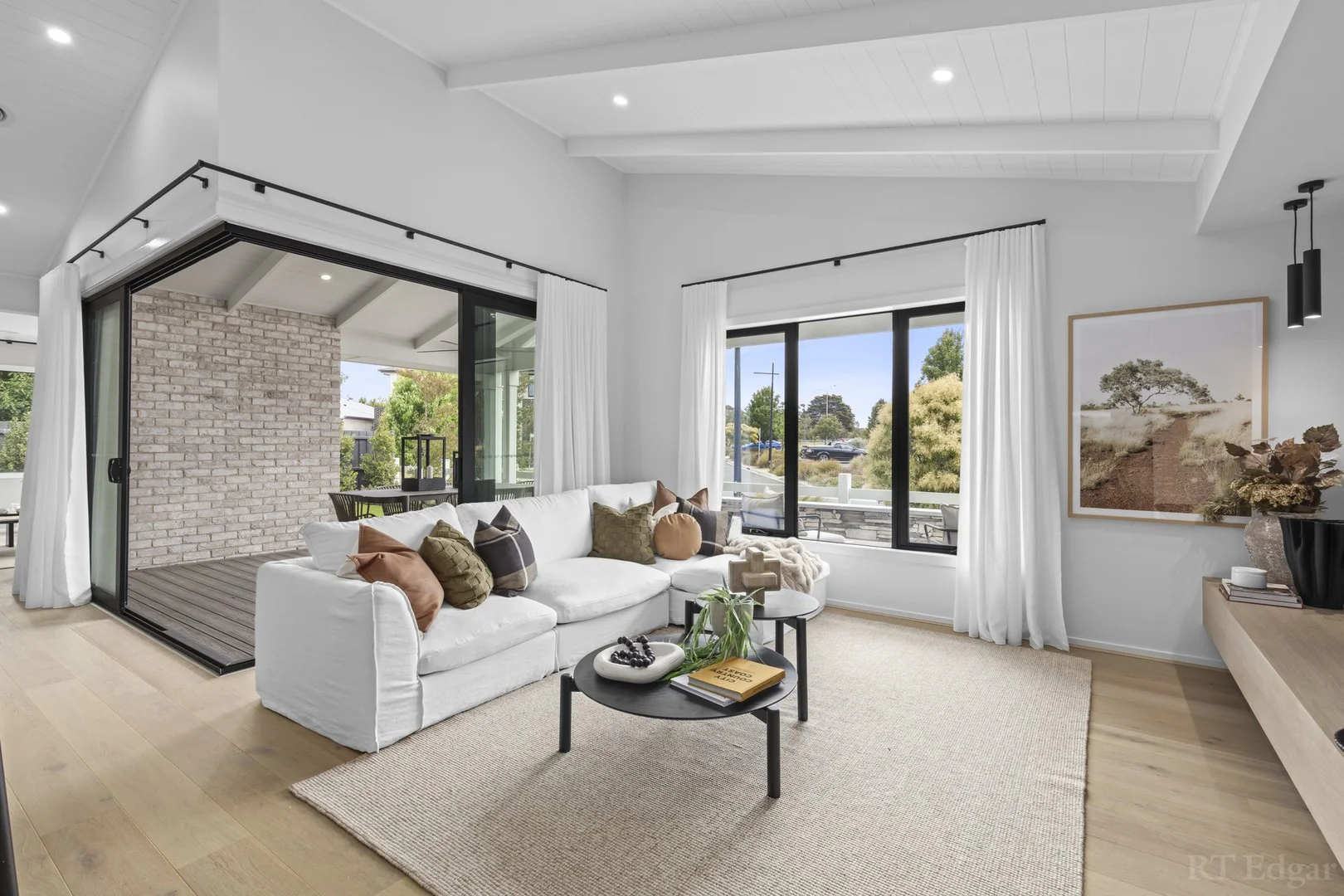 $1,022,295 - $1,124,524
House
$1,022,295 - $1,124,524
House
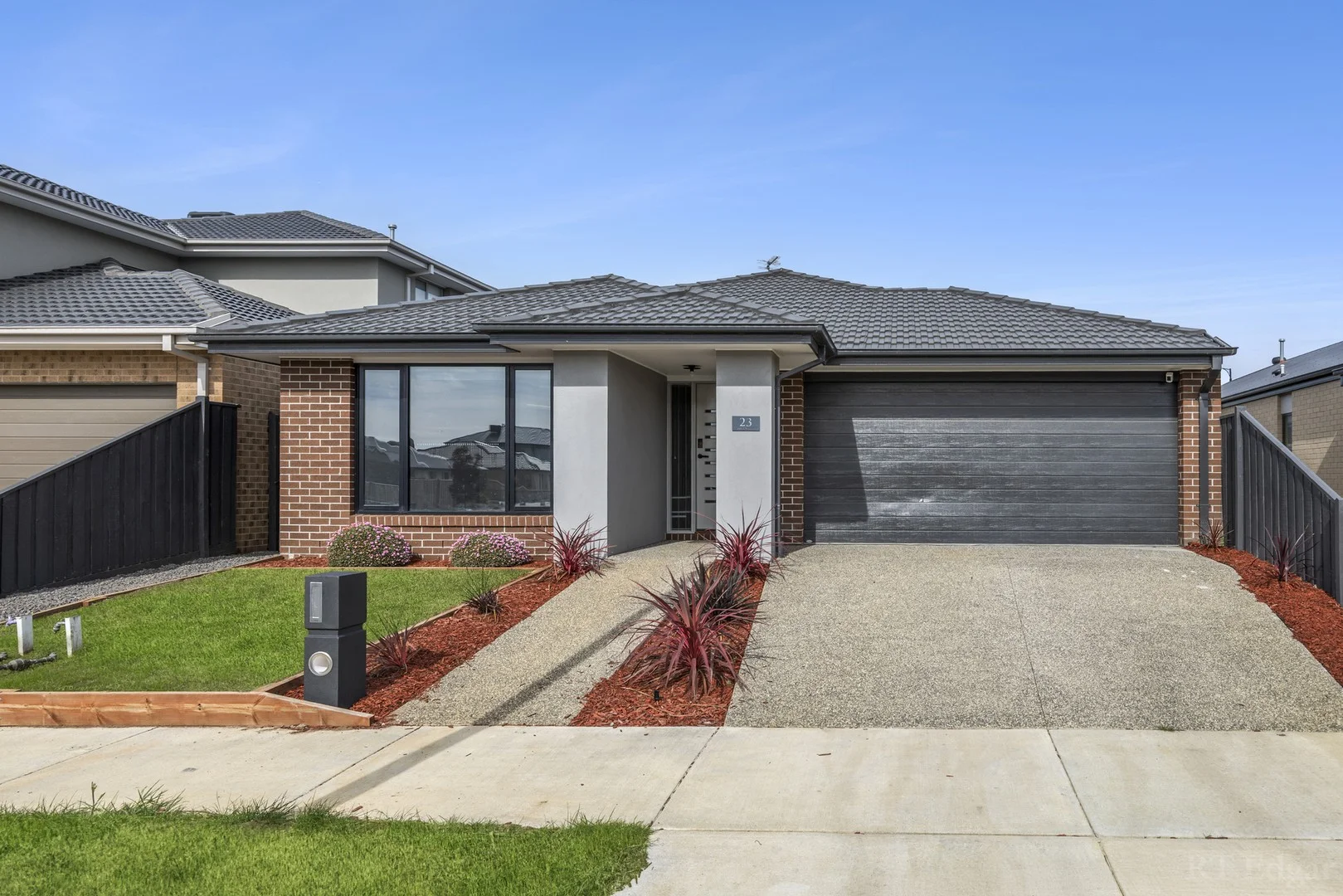 $599,000 - $658,900
House
$599,000 - $658,900
House
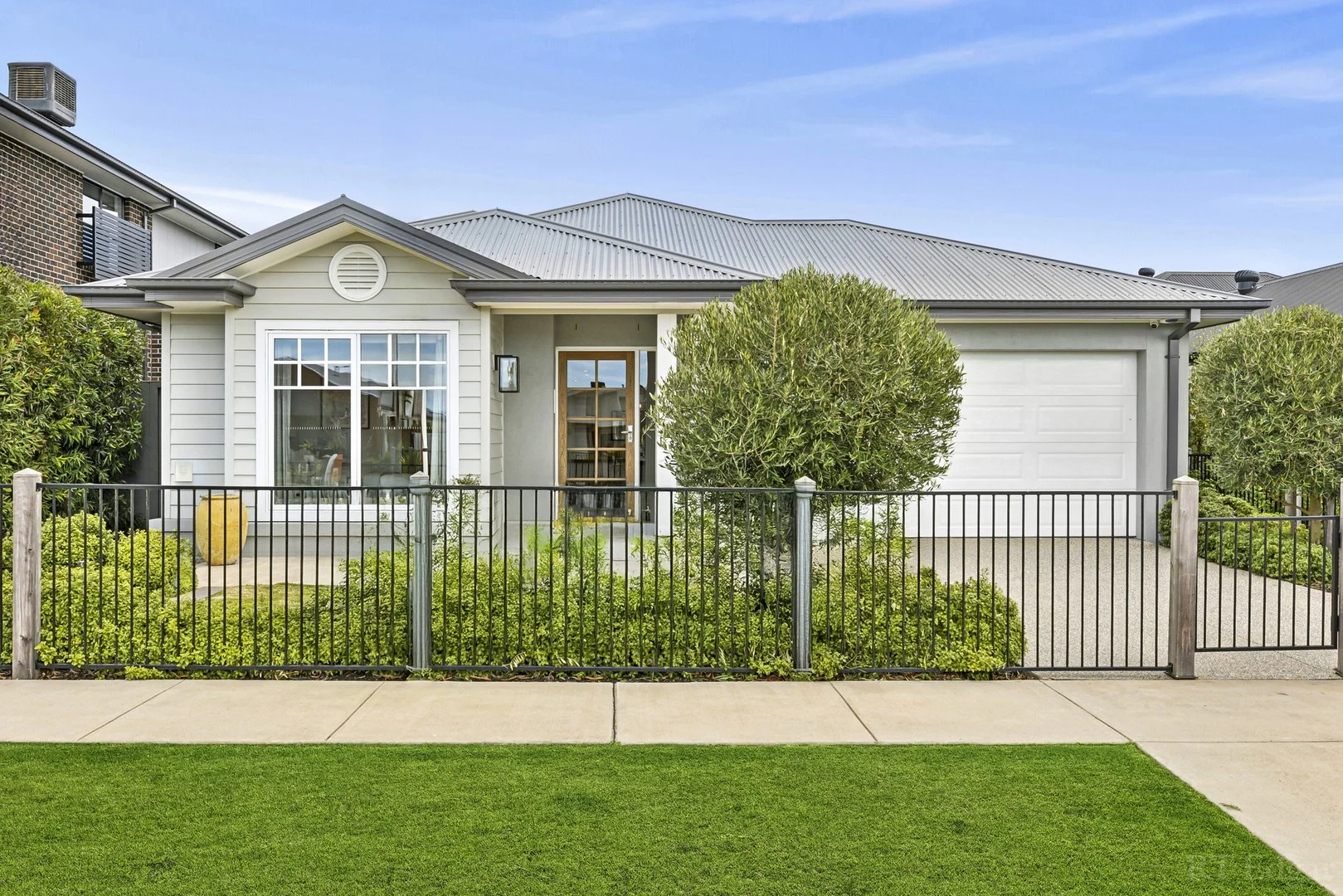 $877,800 - $965,580
House
$877,800 - $965,580
House
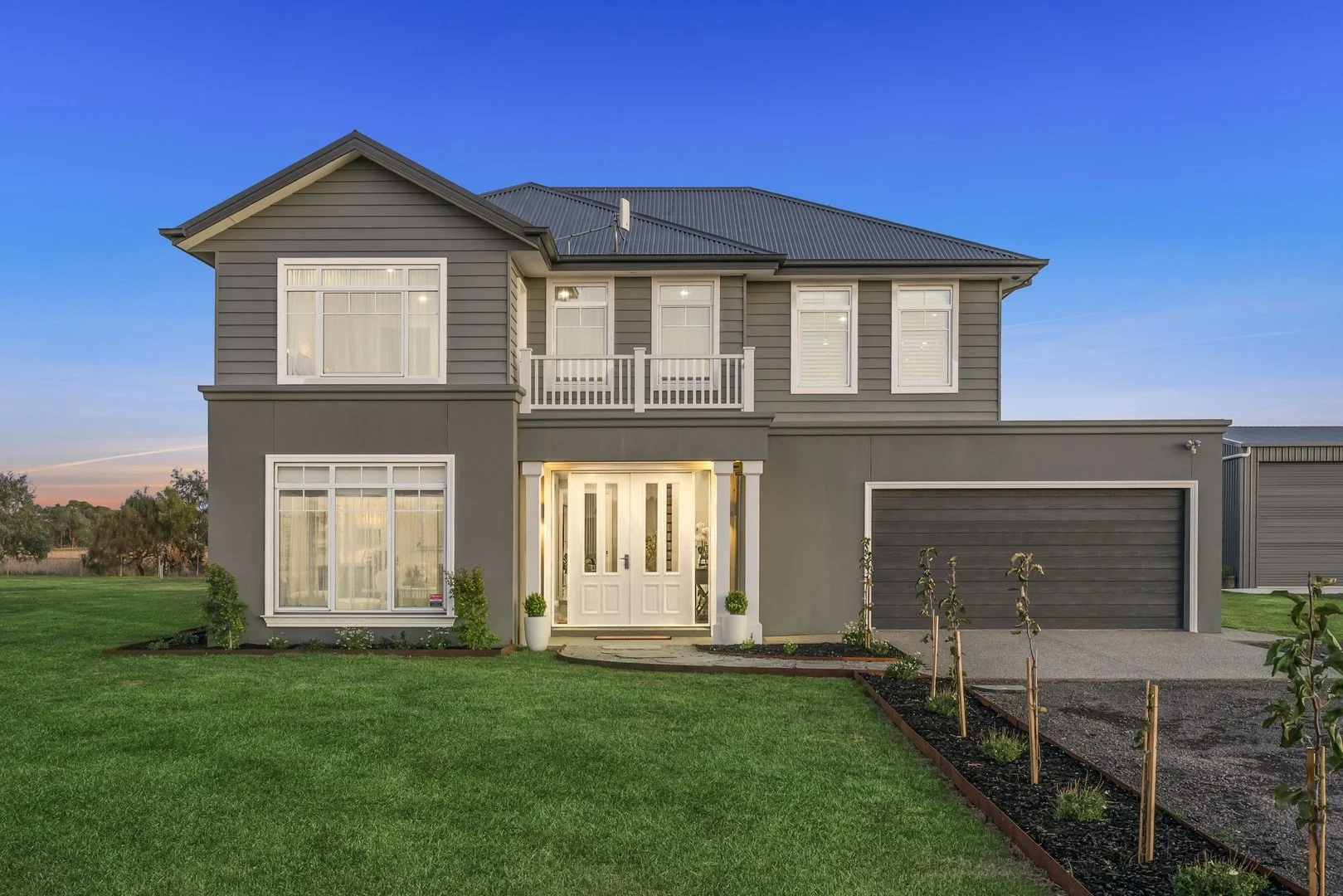 $2,150,000 - $2,350,000
propertyType.ACREAGE / SEMI-RURAL
$2,150,000 - $2,350,000
propertyType.ACREAGE / SEMI-RURAL
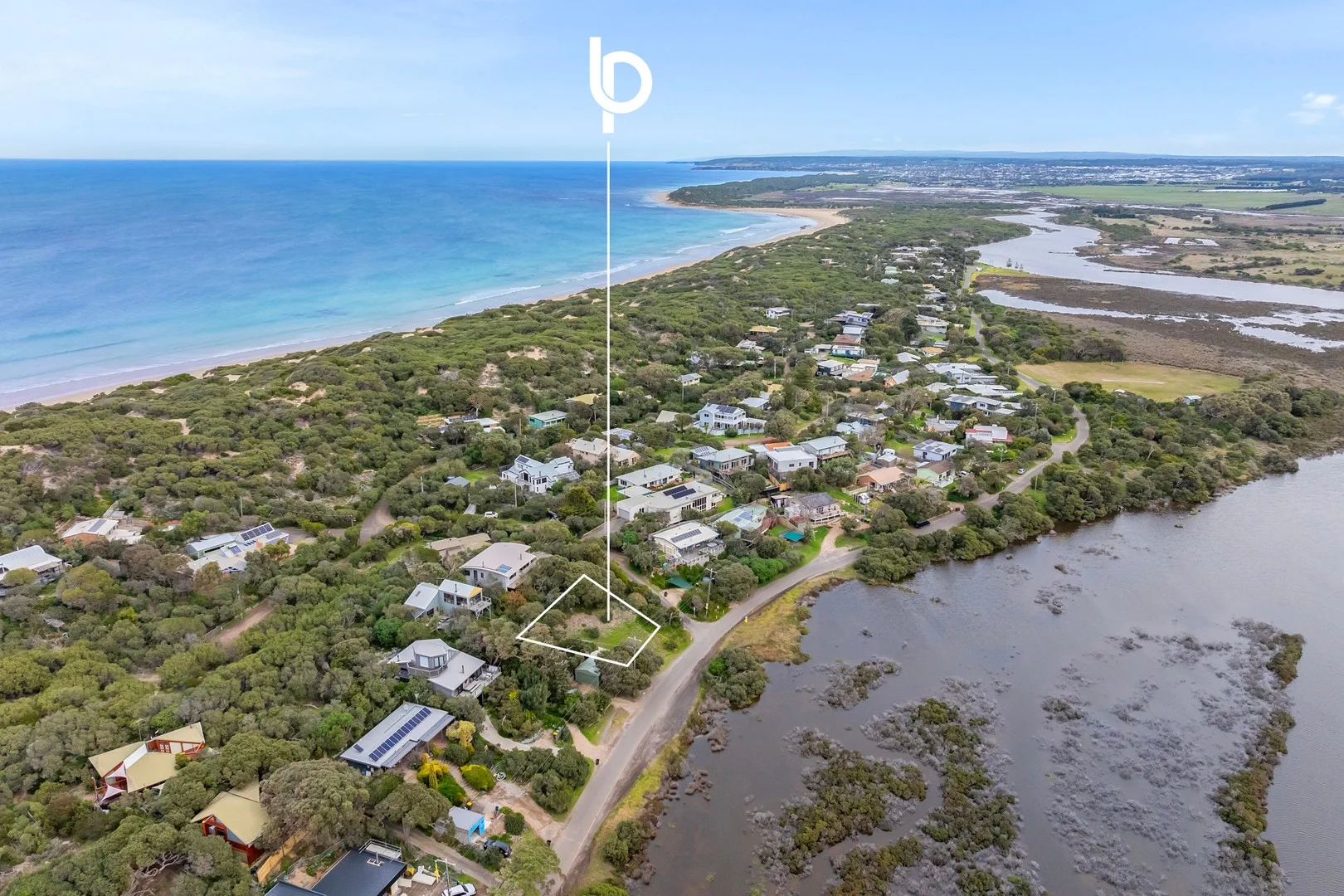 $880,000 - $950,000
Vacant Land
$880,000 - $950,000
Vacant Land
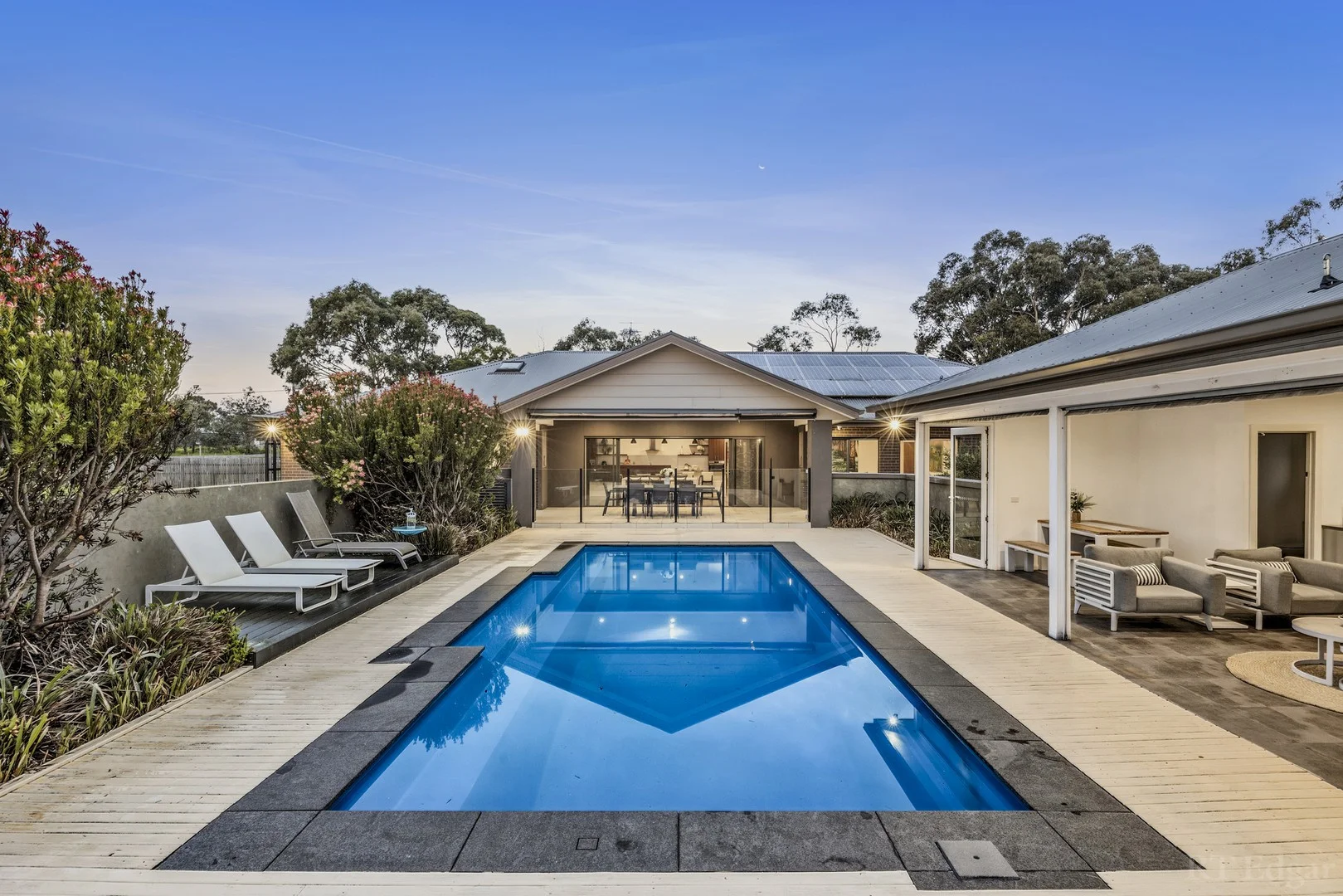 $3,006,750 - $3,307,425
House
$3,006,750 - $3,307,425
House
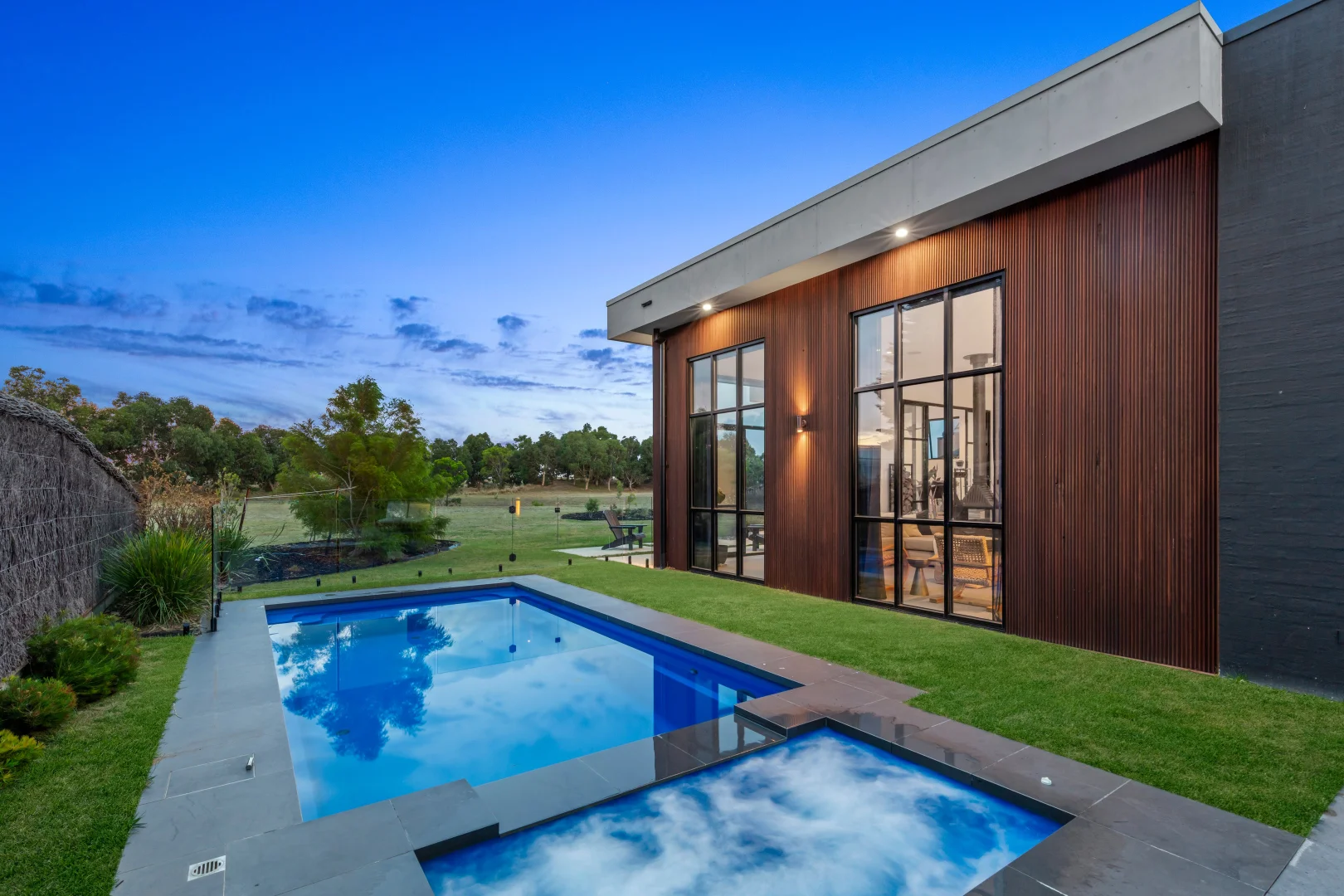 $2,950,000 - $3,200,000
House
$2,950,000 - $3,200,000
House
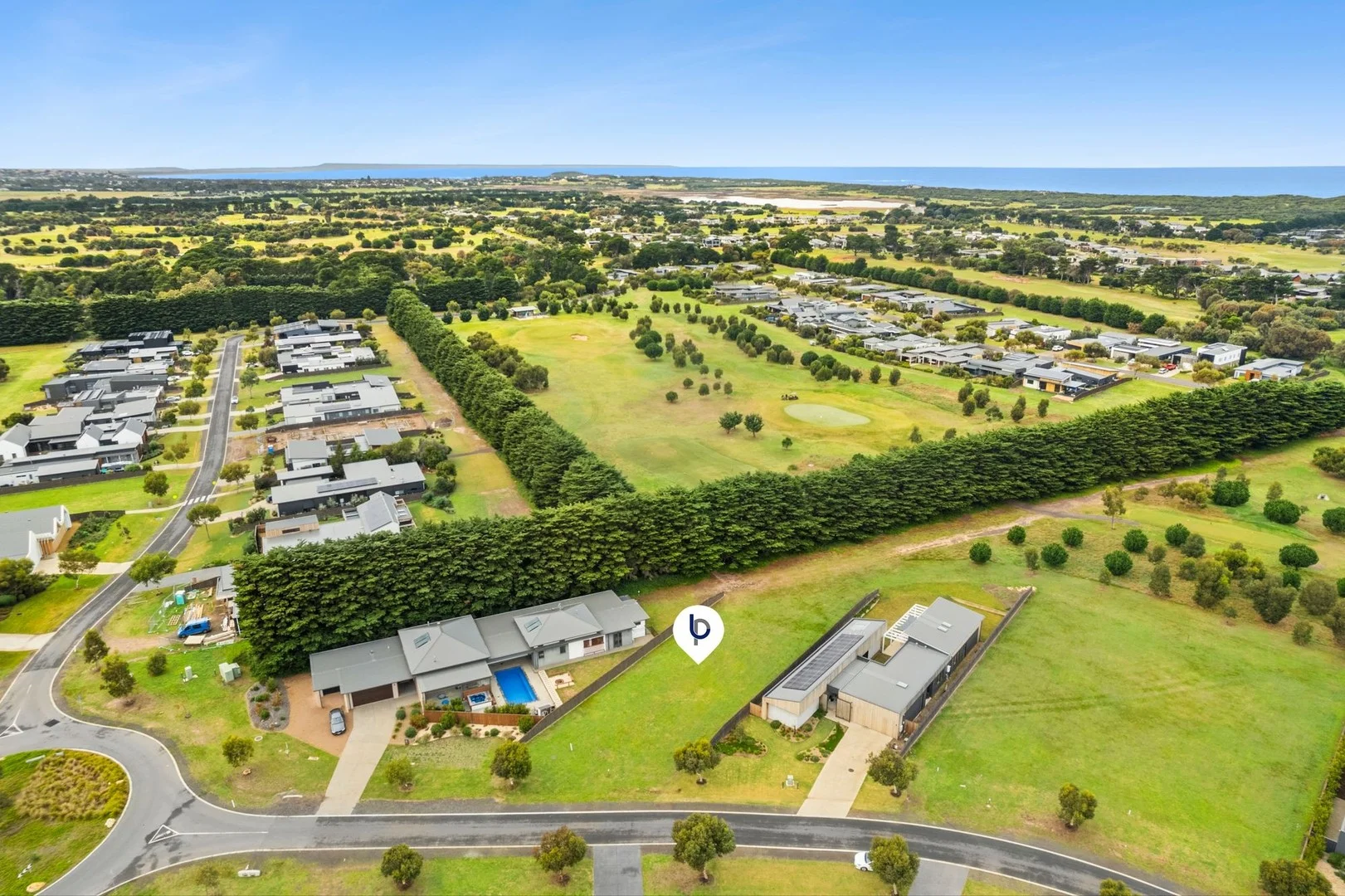 $990,000 - $1,080,000
Vacant Land
$990,000 - $1,080,000
Vacant Land
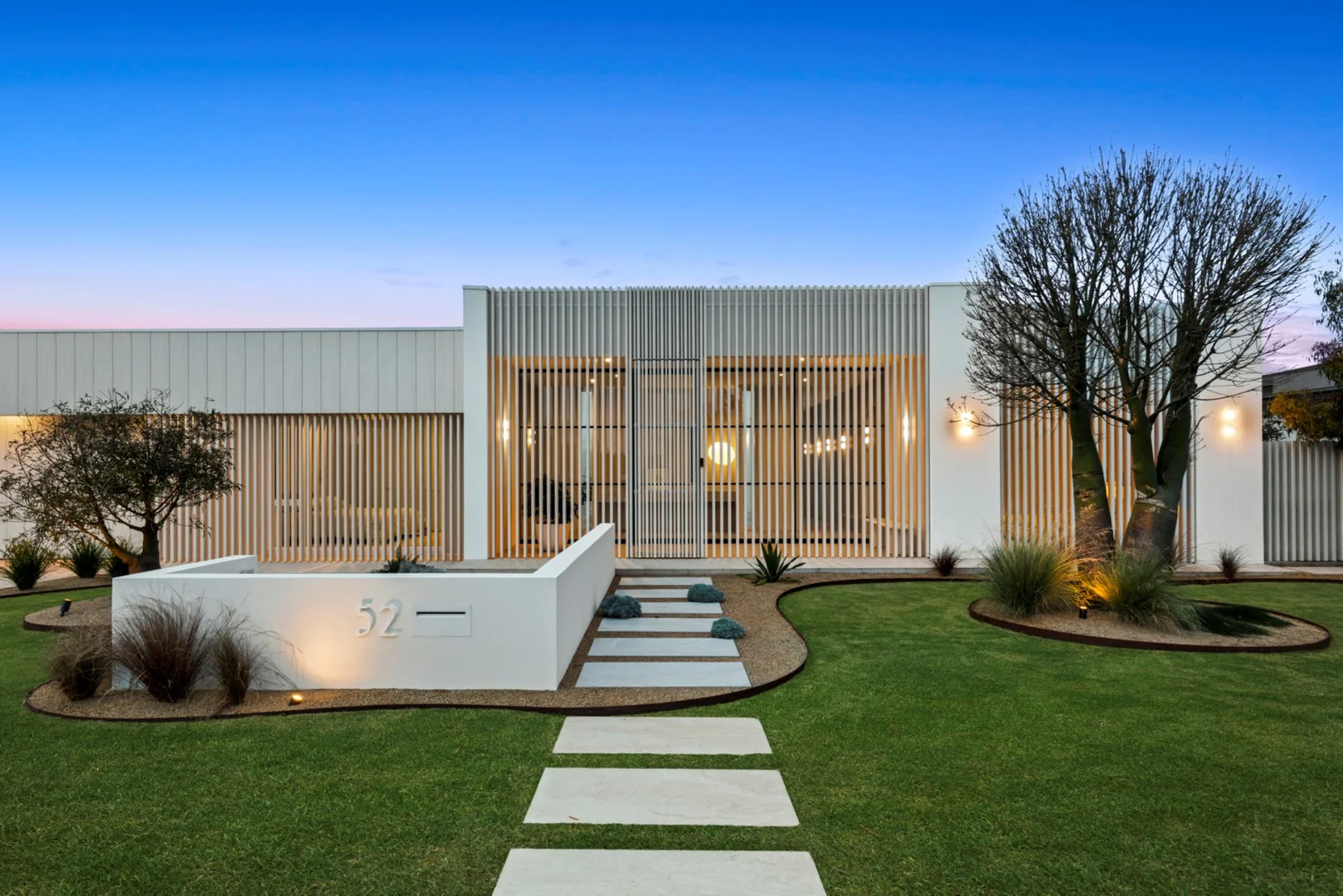 $3,450,000
House
$3,450,000
House


