Overview
Beaconsfield Upper Primary School is a public (government) primary school serving families in Beaconsfield Upper and surrounding communities. The school focuses on creating a welcoming, inclusive learning environment that supports student wellbeing and active engagement in learning. As a small-to-medium sized school, it offers close teacher–student relationships and strong connection with families, helping children build confidence across core subjects and social skills.
Class sizes are typically in the low- to mid-20s, fostering a nurturing atmosphere where students feel seen and supported. The school emphasises a positive culture that blends academic inquiry with inclusivity, resilience, and teamwork.
Academics & Learning
- Academic strengths: strong focus on literacy and numeracy, with opportunities in STEM, digital literacy, and early leadership development.
- Special programs: targeted literacy and numeracy support, extension and gifted/talented options where available, and integrated coding/ robotics activities to build problem-solving skills.
- Support for diverse learners: comprehensive EAL/D support, inclusive education practices, and targeted support for students with additional needs (SEN) to help every learner access the curriculum.
- Sports offered: traditional primary offerings such as athletics, cricket, football (soccer), netball, AFL-related activities, and swimming programs; regular involvement in district/interschool events.
- Strong teams or achievements: participation in interschool and district competitions, with opportunities for students to represent the school in various sports.
- Music, arts, drama programs: active music and performing arts options, including choir and school productions; opportunities to participate in instrumental music and drama.
- Clubs: robotics, coding, chess, debating and other student-led clubs designed to develop critical thinking and collaboration.
- Partnerships: connections with local clubs and regional competitions to extend learning beyond the classroom and provide authentic experiences in sport, technology and the arts.
Most parents find these activities appealing for students aged 10–14, as they provide balance between academics and hands-on, team-based experiences.
Wellbeing & Pastoral Care
- Anti-bullying approach: school-wide positive behaviour framework with restorative practices, peer supports, and clear anti-bullying policies.
- House system: house-based events and competitions to foster belonging and healthy competition.
- Counsellors / wellbeing officers: access to wellbeing staff or a school-based counsellor/Wellbeing Officer as part of a supportive care team.
- Transition support for new students: structured transition programs, buddy systems, and orientation activities to help new students acclimate smoothly.
This section is designed to build trust with families by showing a stable, caring environment where student wellbeing is a priority.
Facilities
- Sports grounds: multiple outdoor play and sport spaces suitable for physical education and year-round activities.
- Libraries: well-resourced library with a focus on literacy and independent reading.
- Science labs: dedicated science spaces to support hands-on learning and inquiry.
- Music/performing arts centers: spaces for rehearsals, productions, and music education.
- Tech/innovation labs: learning spaces for digital technologies, coding and STEM projects.
- Cafeteria: on-site or approved canteen facilities supporting daily meals and snacks.
- Updated playgrounds: modern, age-appropriate play areas and outdoor learning spaces.
The facilities are presented in a visual, easy-to-digest way to help parents picture daily school life.
- School values / mission: a clear emphasis on respect, integrity, responsibility, and collaboration, with a focus on developing independent, curious learners.
- Leadership style: participative approach that includes student voice through councils or leadership roles and strong staff guidance.
- Behaviour expectations: consistent behaviour expectations aligned with the school’s values, using restorative approaches to discipline.
- Community reputation: known for a family-friendly atmosphere, parental involvement opportunities, and positive relationships with local families.
- Diversity & inclusion: supportive environment for diverse backgrounds, languages and abilities, with inclusive practices evident across classrooms and activities.
School Logistics & Daily Operations
- School hours: typical school day runs from around 9:00 am to 3:30 pm, with variations by year level or elective programs.
- Before/after school care: ancillary care options (OSHC) available to families before and after school.
- Uniform requirements: school uniform policy in place, with guidance on daily wear and seasonal adjustments.
- Transport (train/bus routes): access to local public transport options and school bus routes where available; proximity to nearby train stations may support travel planning.
- Canteen availability: canteen or approved lunch program in operation on school days.
- Fees (low/medium/high ranges): public primary schools typically operate with modest discretionary costs; information on any contributed items or activity fees is provided in the school’s annual documentation.
Enrolment & Admissions
What is the enrolment process and timeline?
- Begin by submitting the school enrolment application within the published intake period.
- Provide required documents (proof of residence, child’s birth certificate, immunisation status, and other standard schooling forms).
- Complete any school-specific steps (orientation information, confirmation of placement) as advised by the school.
- Timeline varies by intake year and catchment demand; families are usually notified of final enrolment decisions after assessment of availability and policy compliance.
Is there a waiting list, and how does it work?
- If the school is oversubscribed, a waiting list may be established.
- Placement from the waiting list is typically determined by enrolment policy, catchment priority, and availability.
- Families on the waiting list may be contacted if vacancies arise.
Are there any entry requirements, tests, or interviews?
- For general enrolments, there are usually no entrance tests; admissions are based on eligibility and catchment rules.
- Some programs (e.g., gifted/talented extensions) may involve additional discussions or referrals, but standard entry does not require testing.
- Any interviews or assessments related to special programs are conducted at the program level if applicable.
Does the school accept mid-year transfers?
- Mid-year transfers are considered where there is capacity and alignment with enrolment policies.
- Applicants should contact the school to discuss availability and required documentation for a seamless transfer.
Frequently Ask Questions
- Why Parents Choose This School?
- A welcoming, inclusive environment with strong emphasis on literacy, numeracy and student wellbeing; close partnerships with families and local community.
- What type of student thrives at this school?
- Students who enjoy collaborative learning, value supportive peer relationships, and participate in a mix of academics and extra-curricular activities.
- What opportunities are available for students to extend their skills (academics, sports, arts)?
- Extended literacy and numeracy supports, STEM/tech activities, leadership opportunities, sports teams, music and drama programs, and clubs such as robotics, coding, chess and debating.
- How does the school communicate with parents?
- Regular updates through newsletters, year-level notices, parent-teacher conferences, and the school website or learning management platforms as applicable.
- What is the school’s approach to teaching and learning?
- Student-centred, inclusive teaching with emphasis on core literacy and numeracy, hands-on learning, and opportunities for inquiry-based projects and collaboration.
- How does the school support students who need extra academic help?
- Targeted interventions in literacy and numeracy, small-group support, EAL/D and SEN assistance, and differentiation within classrooms.
- What support is available for academic challenges?
- Access to wellbeing and learning support staff, targeted tutoring or extension programs, and collaboration with families to implement individual learning plans where needed.
- How does the school communicate with parents? (Repeated)
- See above: regular updates, meetings, and digital communication channels.
- What extracurricular and sports opportunities are available?
- A range of sports (interschool and PE-based activities), music and drama, robotics and coding clubs, chess, debating and other student-led initiatives.
- What facilities does the school offer (sports, science, arts)?
- Sports grounds, library, science labs, performing arts spaces, tech/innovation labs, and art/music facilities.
- What is the school’s approach to technology and digital learning?
- Integrated digital literacy across the curriculum, with access to devices and coding/technology programs to develop 21st-century skills.
- What transport and accessibility options are available?
- Local transport options are available, including bus routes and proximity to train stations; the school supports families with planning and access.
- What are the typical school fees or additional costs?
- Public primary schools have modest discretionary costs; specific items and activities may have costs disclosed in the annual report or fees schedule.
Short Pros & Cons list
- Cooperative, family-friendly culture with strong community involvement
- Small-to-medium school size supporting close staff–student relationships
- Robust focus on literacy, numeracy and student wellbeing
- Wide range of clubs, sports and arts opportunities
- Inclusive practices and supports for diverse learners
- As a smaller/regionally located school, some specialty facilities or programs may be more limited than larger urban schools
- Availability of specific extracurriculars or advanced programs can vary by year and cohort
- Transport options may depend on local routes and distance from home for some families
 Free
Free








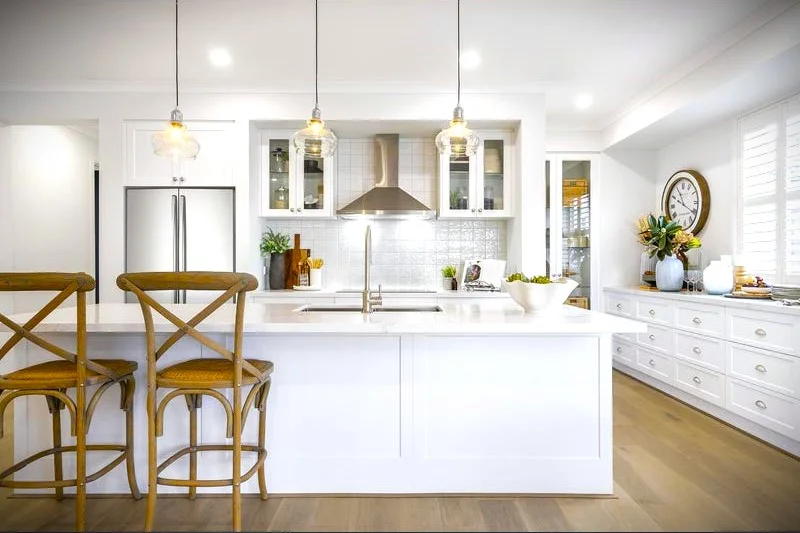 $805,500
House
$805,500
House
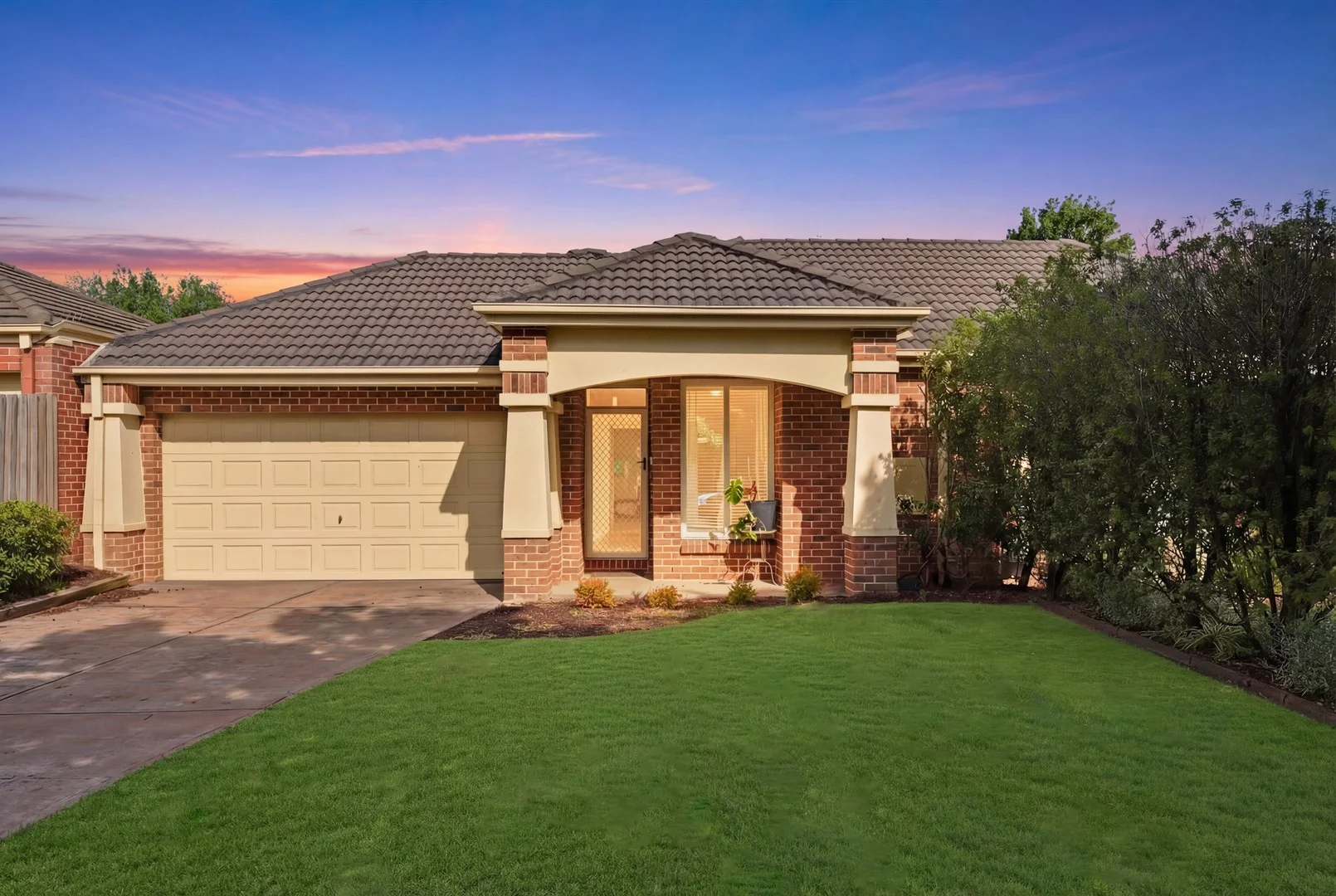 $795,000 - $835,000
House
$795,000 - $835,000
House
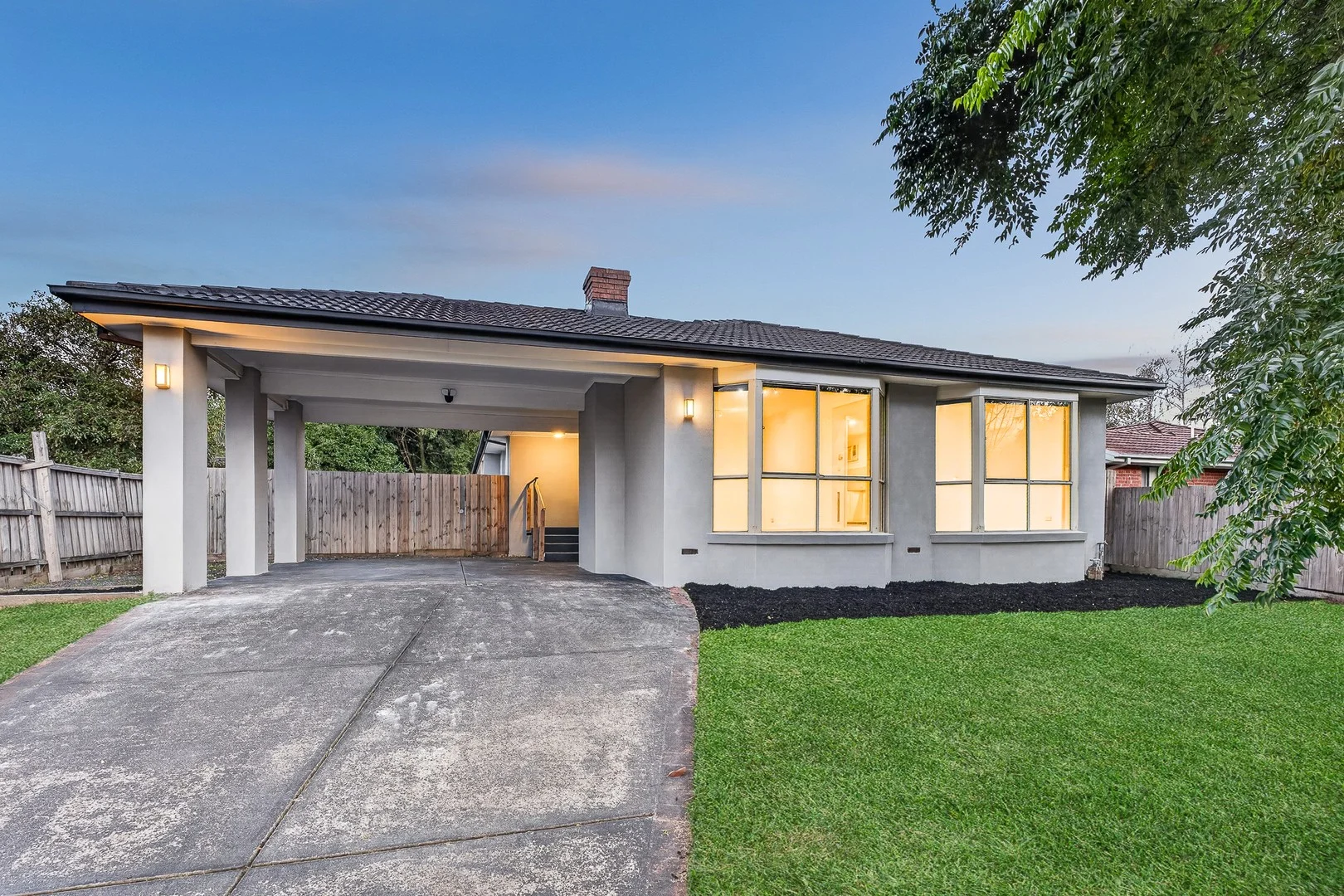 $800,000 - $880,000
House
$800,000 - $880,000
House
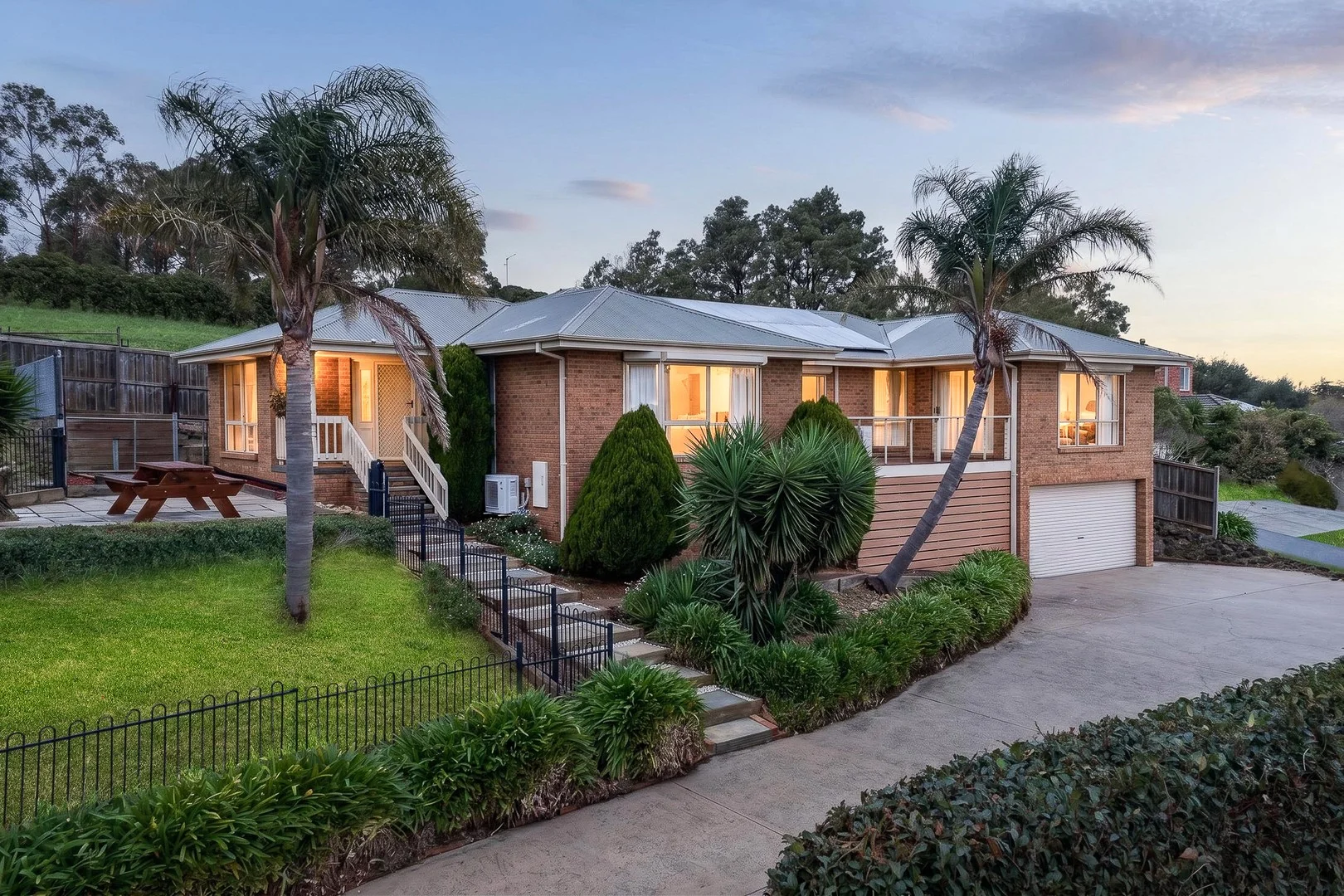 $850,000
House
$850,000
House
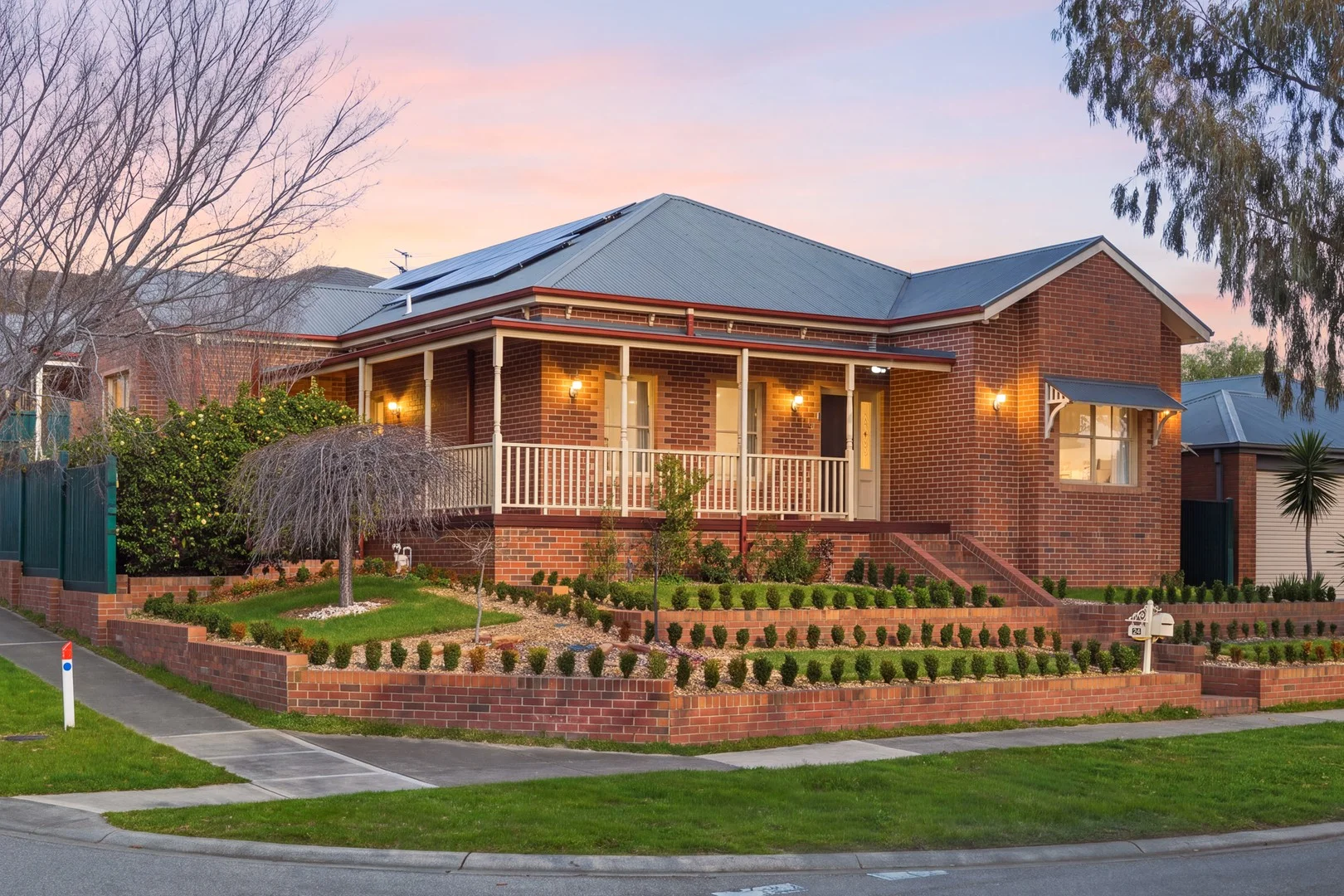 $1,138,000
House
$1,138,000
House
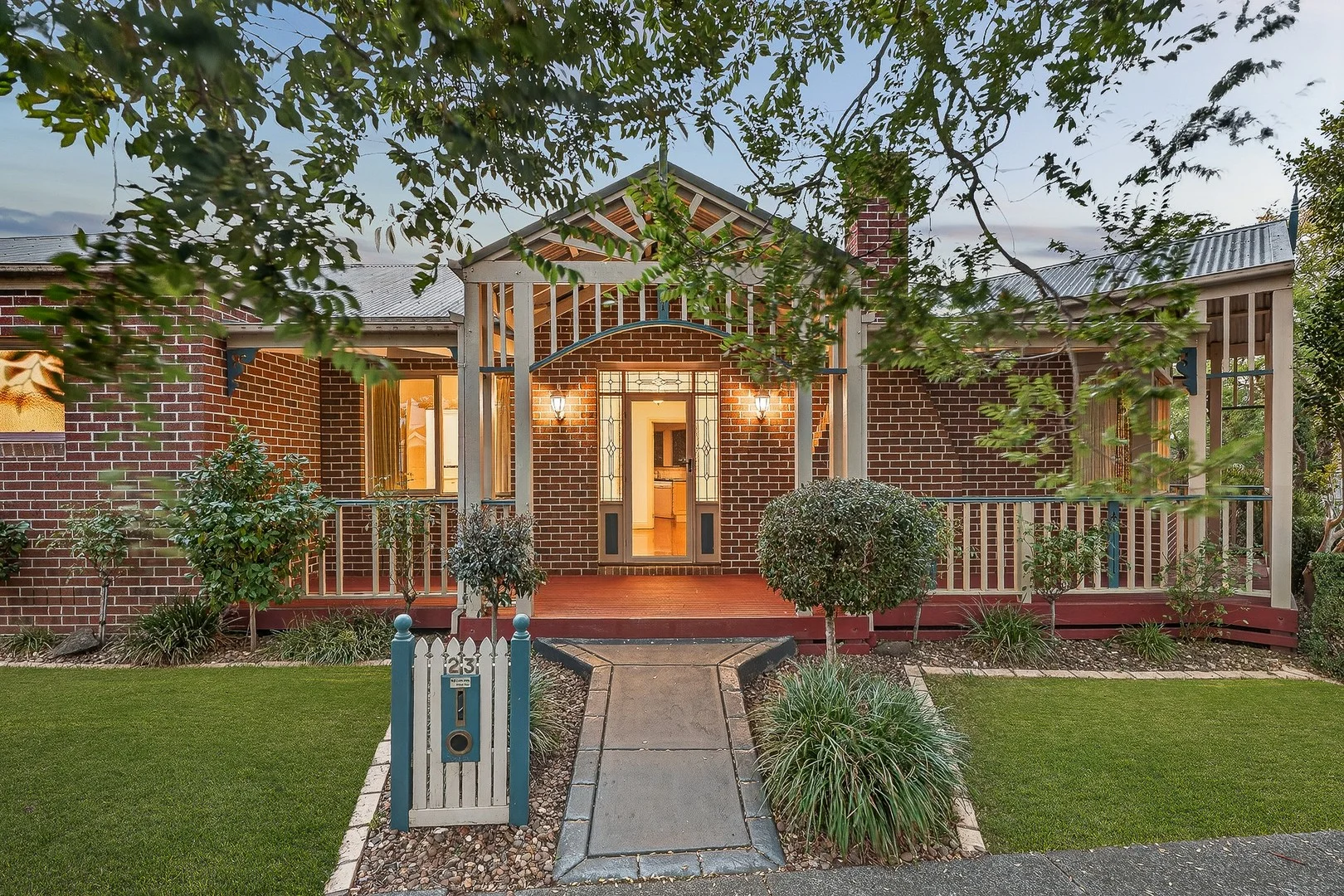 $1,050,000 - $1,150,000
House
$1,050,000 - $1,150,000
House
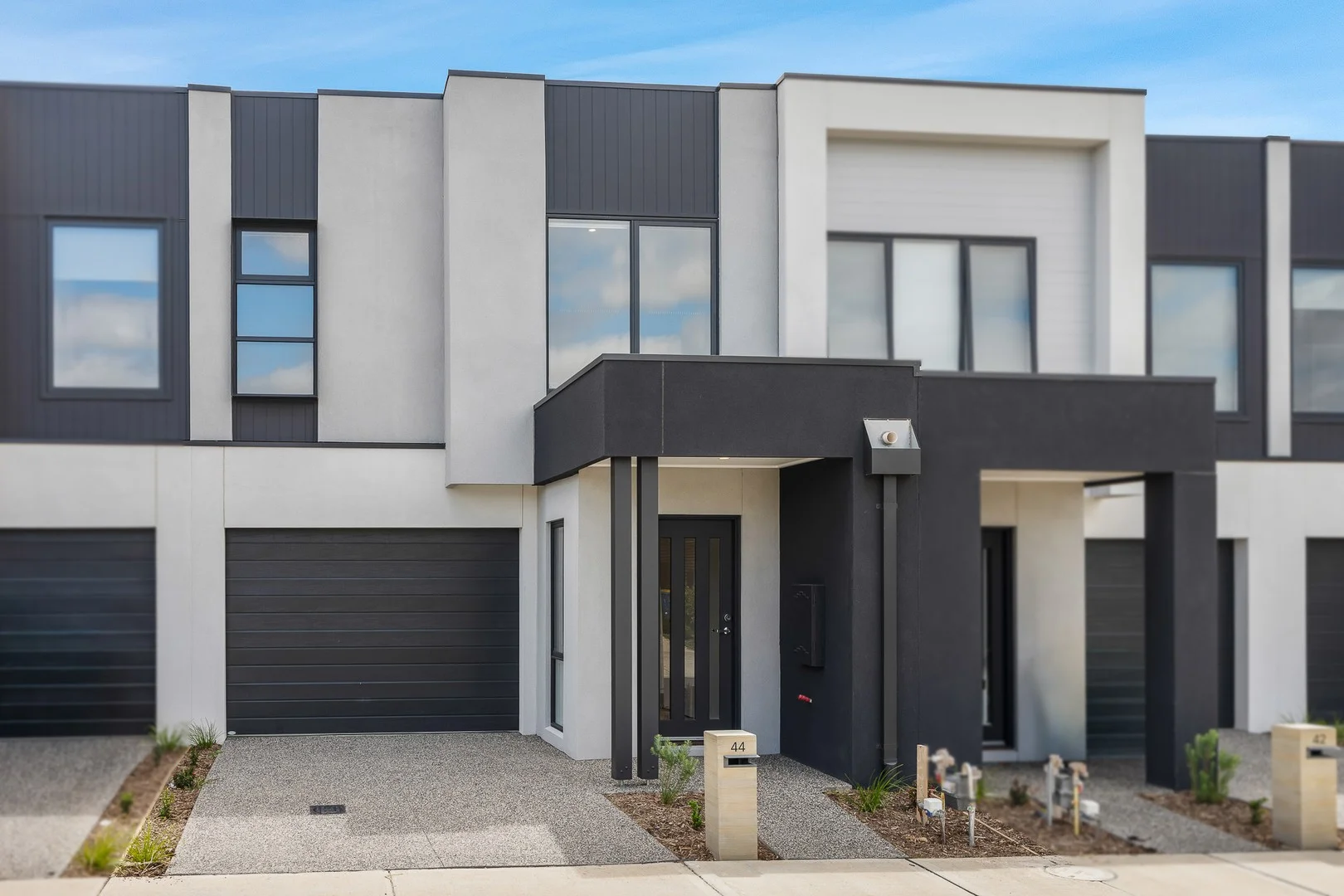 $595,000 - $645,000
House
$595,000 - $645,000
House
 $1,116,900
propertyType.NEW HOUSE & LAND
$1,116,900
propertyType.NEW HOUSE & LAND
 $600
House
$600
House