Overview
Harkaway Primary School is a public, co-educational primary school serving students from prep to year 6. The school prioritises a warm, inclusive learning community with a focus on wellbeing, curiosity and real-world learning. It offers a medium-sized campus feel that supports close relationships between students, teachers and families.
- School type: Public
- School size: Medium
- Atmosphere/culture: Nurturing, inclusive, community-minded, with an emphasis on wellbeing and active learning
Academics & Learning
Harkaway Primary emphasizes strong foundations in literacy and numeracy, with a growing focus on STEM, digital literacy and critical thinking. The school supports the development of well-rounded learners through a mix of core subjects and engaging, hands-on learning experiences.
- Academic strengths: Reading, writing, numeracy; early STEM experiences; digital learning and problem-solving skills
- Special programs: Opportunities for targeted literacy/numeracy support and enrichment; potential gifted and talented pathways where available
- Support for diverse learners: EAL/English language support; SEN support and inclusion practices to help students access learning
Harkaway Primary supports a broad range of extracurricular activities, with a strong emphasis on physical education, arts, and student clubs. The school encourages participation in team activities, performance opportunities and STEM-related interests.
- Sports offered: Athletics, cricket, football (soccer), netball, soccer, swimming programs and in-school PE activities
- Strong teams or achievements: Interschool and regional opportunities typical for public primary schools; emphasis on teamwork, fair play and personal bests
- Music, arts, drama programs: School-wide music and performing arts experiences; opportunities for classroom-based performance and concerts
- Clubs: Robotics, coding, chess, debating and other student-led clubs depending on interest and resources
- Partnerships: Connections with local community clubs, sporting associations and regional competitions to broaden opportunities
Wellbeing & Pastoral Care
Wellbeing and pastoral support are central to the school’s approach, helping students feel safe, supported and ready to learn.
- Anti-bullying approach: Clear anti-bullying policies, proactive whole-school programs and student-led initiatives to foster kindness and respect
- House system: Structure to build belonging, teamwork and healthy competition (house-style activities may be used to organise events and recognition)
- Counsellors / wellbeing officers: Access to school wellbeing staff and supportive roles to assist students with social-emotional needs
- Transition support for new students: Orientation activities, buddy systems and targeted support to help new students settle in
Facilities
The school facilities support a broad curriculum and engaging learning environments.
- Sports grounds: On-site playing fields and courts for PE and games
- Libraries: Central library space for reading and research
- Science labs: Classrooms equipped for practical science exploration
- Music/performing arts centers: Space for music lessons, rehearsals and small productions
- Tech/innovation labs: Computer or makerspace-style areas to foster digital creativity
- Cafeteria: On-site canteen or meal provision for students
- Updated playgrounds: Play areas designed for safe outdoor recreation and learning
Harkaway Primary aims to cultivate not only academic growth but also character, resilience and community spirit.
- School values / mission: Core emphasis on respect, responsibility, resilience and inclusion
- Leadership style: Shared leadership with teacher guidance and student voice opportunities
- Behaviour expectations: Clear codes of conduct promoting positive behaviours and mutual respect
- Community reputation: Generally described as welcoming and family-friendly, with strong parent involvement
- Diversity & inclusion: Commitment to creating an inclusive environment that recognises and supports diverse learners
School Logistics & Daily Operations
Practical information to help families plan around school life.
- School hours: Typical primary school day with start and end times aligned to Victorian norms
- Before/after school care: Available or coordinated through approved programs (depends on current arrangements)
- Uniform requirements: School uniform policy with specific attire and season-appropriate options
- Transport (train/bus routes): Bus routes and local transport connections commonly available; check current arrangements
- Canteen availability: On-site canteen or meal provisions with options for healthy choices
- Fees (low/medium/high ranges): Public primary school fees are generally modest, with potential costs for materials, excursions or voluntary contributions
Enrolment & Admissions
- What is the enrolment process and timeline?
- Enrolment is typically done through the Victorian Department of Education process, with an application or intake period aligned to your catchment and year level. Families usually complete an online form or submit documentation via the school.
- Is there a waiting list, and how does it work?
- Some year levels may have high demand and a waiting list. The school will advise on current wait times and the process to place a child on the list.
- Are there any entry requirements, tests, or interviews?
- Public primary schools generally do not require entry tests for standard intake. Some schools may offer information sessions or tours; formal interviews are uncommon for standard enrolments.
- Does the school accept mid-year transfers?
- Mid-year transfers are possible if there is space. The school will assess availability and arrange the transfer in collaboration with families to minimise disruption.
Frequently Asked Questions
- Why Parents Choose This School?
- A welcoming, community-focused environment with strong literacy and numeracy foundations, balanced with wellbeing, inclusion and opportunities across sports, arts and clubs.
- What type of student thrives at this school?
- Curious, respectful, and collaborative learners who respond well to a supportive, differentiated approach and a wide range of extra programs.
- What opportunities are available for students to extend their skills (academics, sports, arts)?
- Reading and numeracy extensions, STEM activities, coding and robotics clubs, music and performing arts, and interschool sports.
- How does the school communicate with parents?
- Through newsletters, emails, a school portal or communication app, and regular parent-teacher meetings.
- What is the school’s approach to teaching and learning?
- Student-centred, differentiated instruction with a blend of traditional and inquiry-based learning, supported by technology.
- How does the school support students who need extra academic help?
- Targeted literacy/numeracy supports, intervention strategies, and access to SEN and EAL assistance.
- What support is available for academic challenges?
- Individual or small-group support, learning plans and collaboration with families to set goals.
- How does the school communicate with parents? (duplication)
- See above: regular updates, meetings and accessible channels for feedback.
- What extracurricular and sports opportunities are available?
- A range of clubs (robotics, coding, chess, debating) plus athletics, team sports and performance opportunities.
- What facilities does the school offer (sports, science, arts)?
- Sports grounds, library, science labs, performing arts spaces, tech/innovation labs, canteen, and updated playgrounds.
- What is the school’s approach to technology and digital learning?
- Integrated digital literacy across the curriculum with access to devices and interactive learning tools.
- What transport and accessibility options are available?
- Local bus routes and public transport access; facilities designed for accessibility; safe drop-off/pick-up arrangements.
- What are the typical school fees or additional costs?
- Public primary schools have modest fees for materials, excursions, and optional activities; uniform and other common costs are outlined by the school.
Short Pros & Cons list
- Public, inclusive environment with a focus on wellbeing and strong literacy/numeracy foundations
- Broad range of extracurricular options (sports, arts, clubs)
- Supportive approach to diverse learners (SEN, EAL)
- Active parent involvement and sense of community
- Some programs depend on annual funding and participation; availability of clubs may fluctuate
- Enrolment demand can affect wait times for non-catchment families
 Free
Free








 $805,500
House
$805,500
House
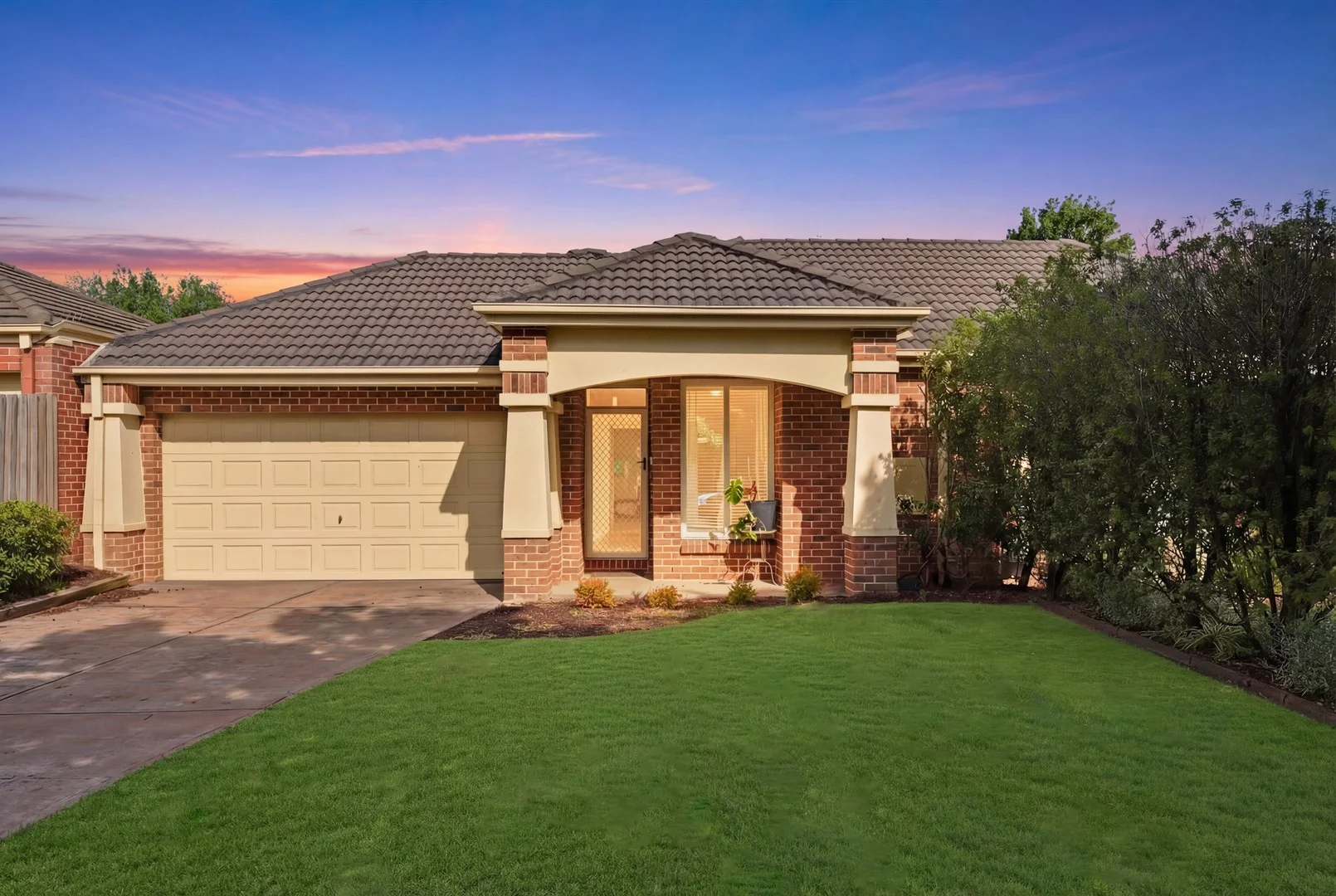 $795,000 - $835,000
House
$795,000 - $835,000
House
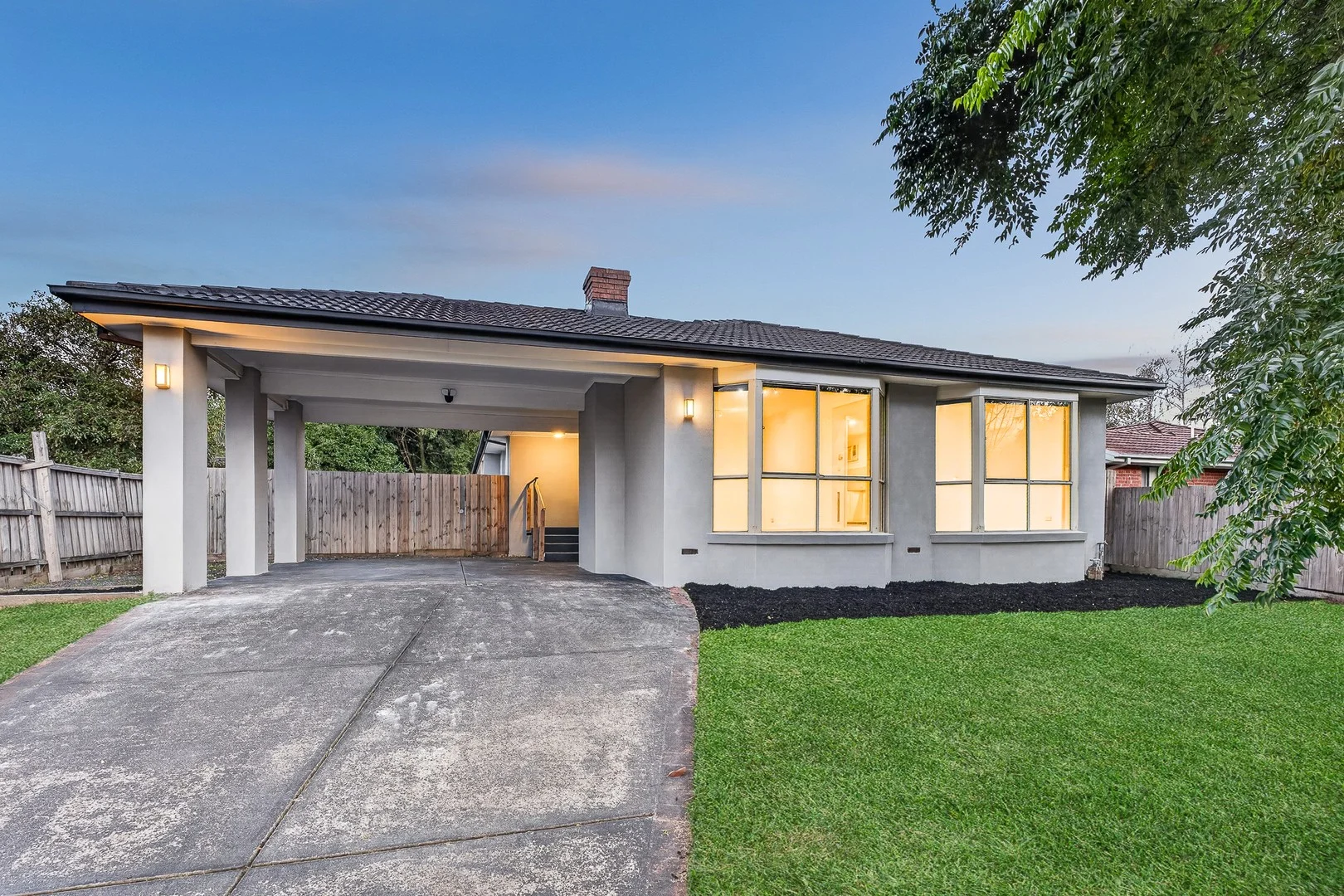 $800,000 - $880,000
House
$800,000 - $880,000
House
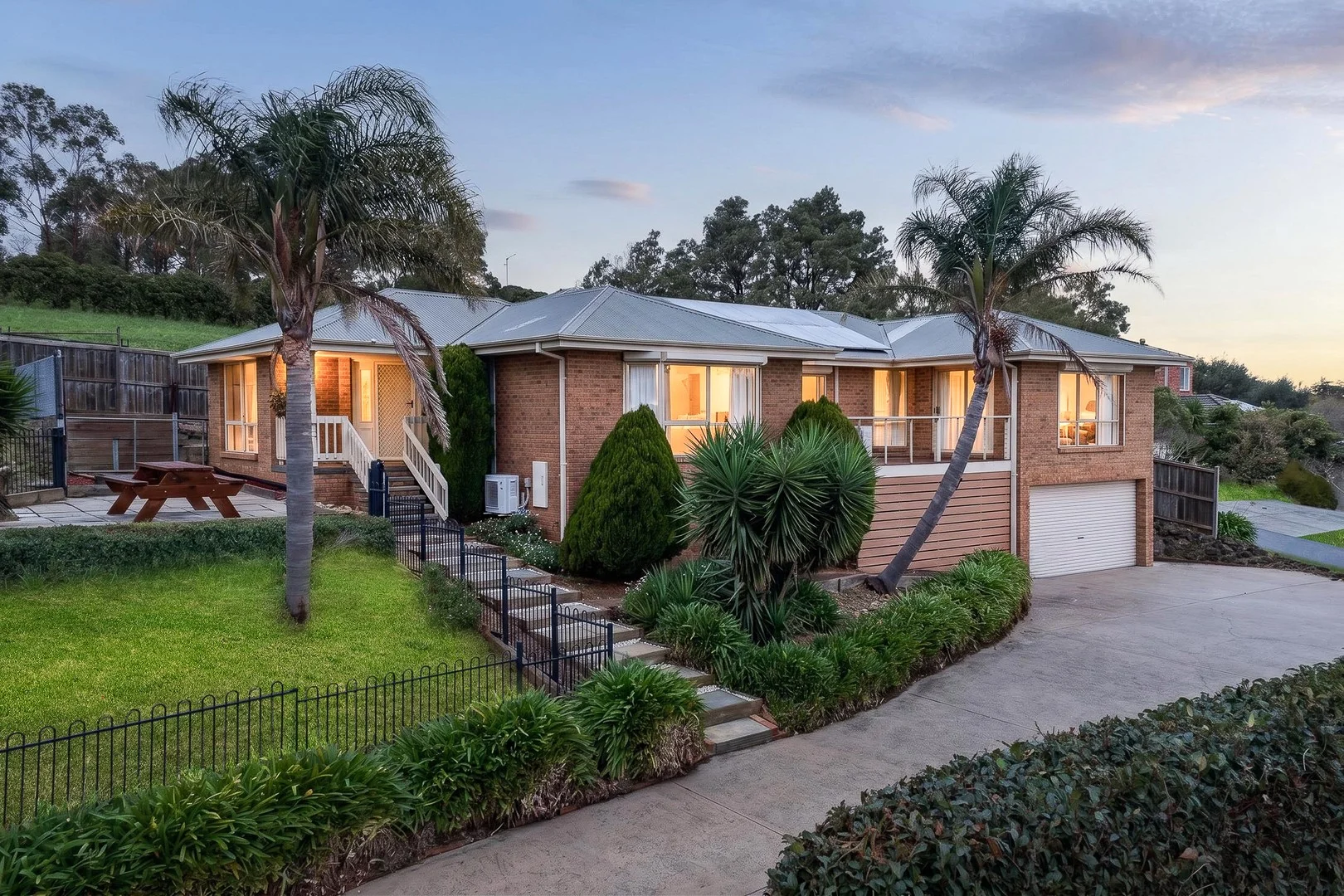 $850,000
House
$850,000
House
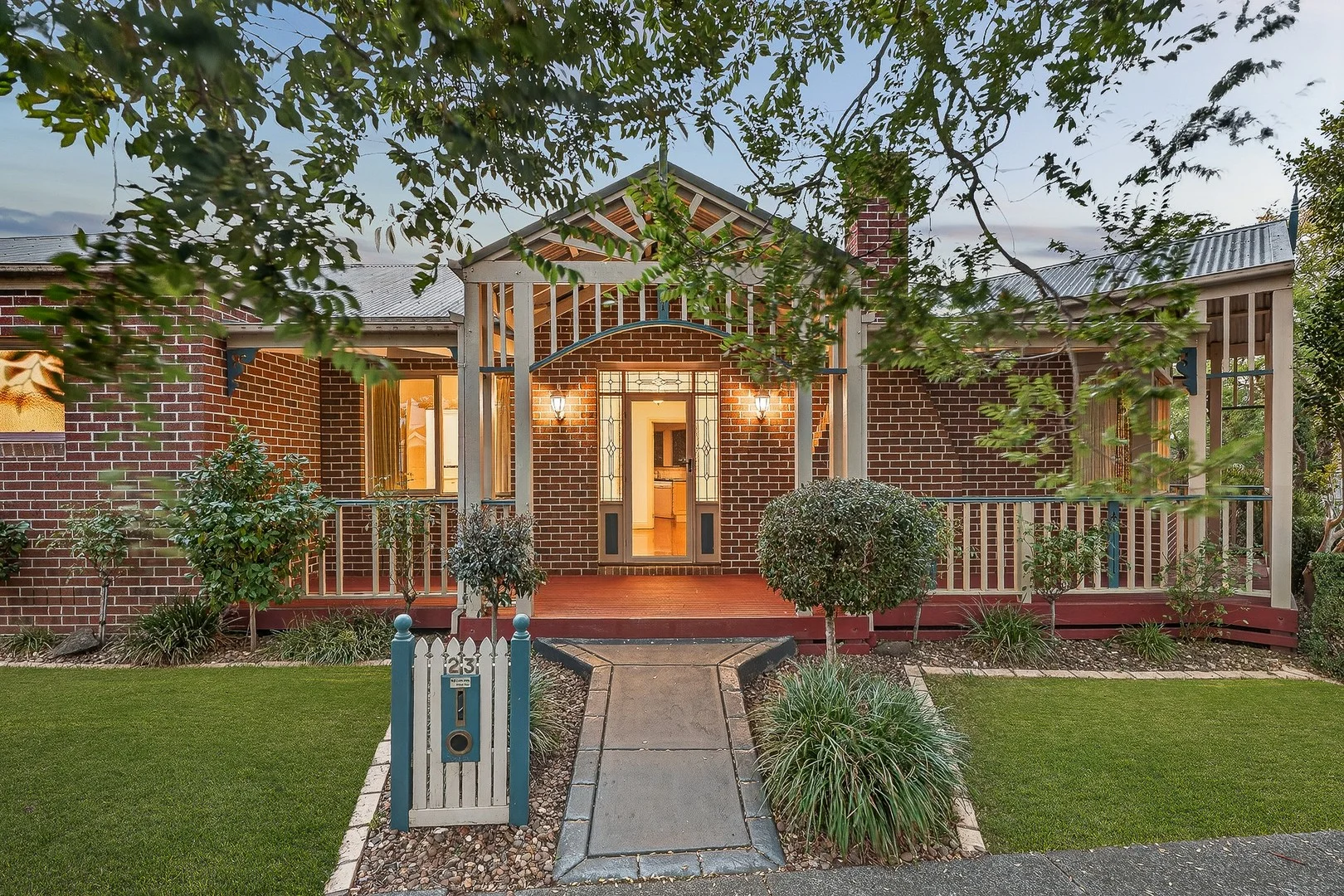 $1,050,000 - $1,150,000
House
$1,050,000 - $1,150,000
House
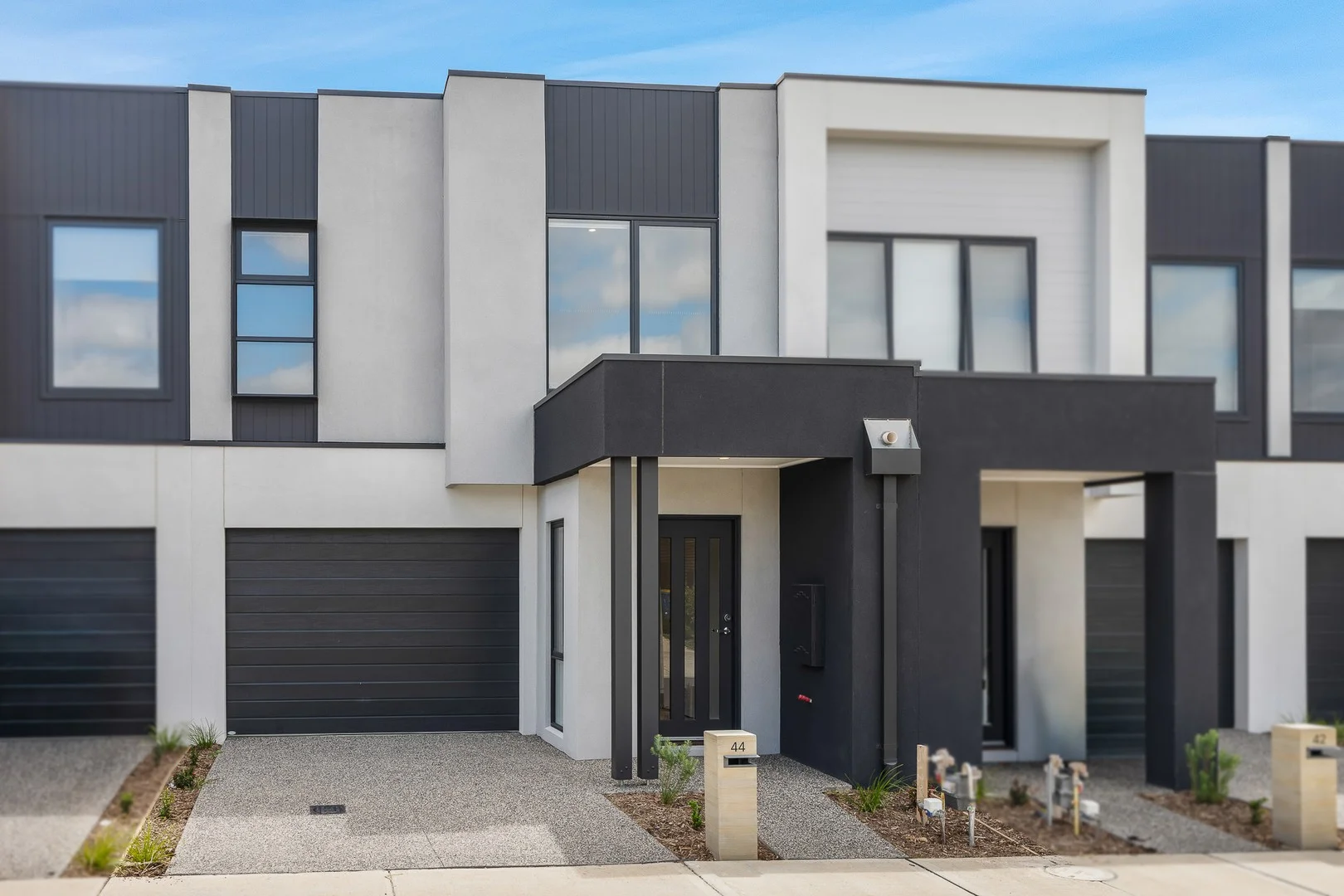 $595,000 - $645,000
House
$595,000 - $645,000
House
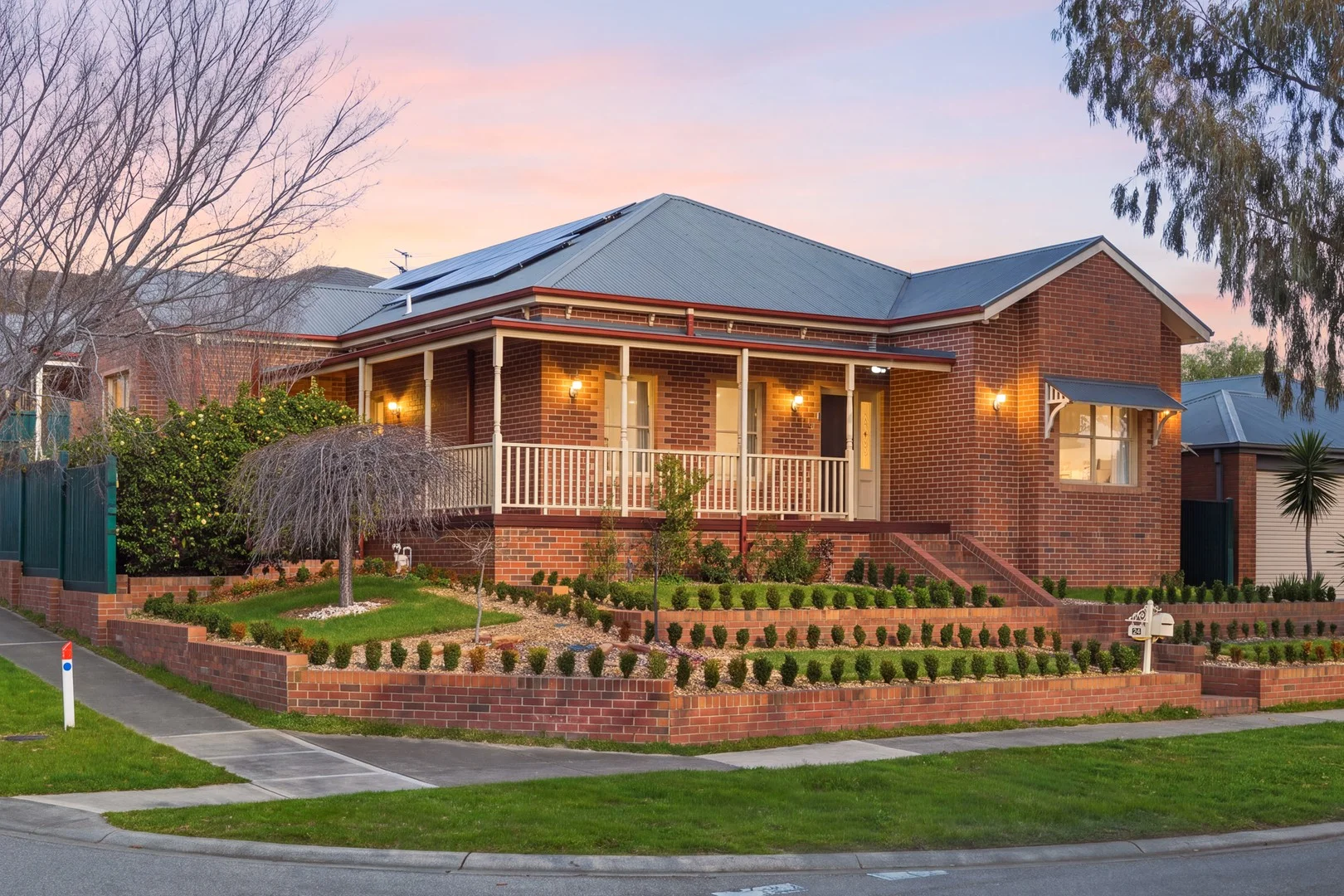 $1,138,000
House
$1,138,000
House
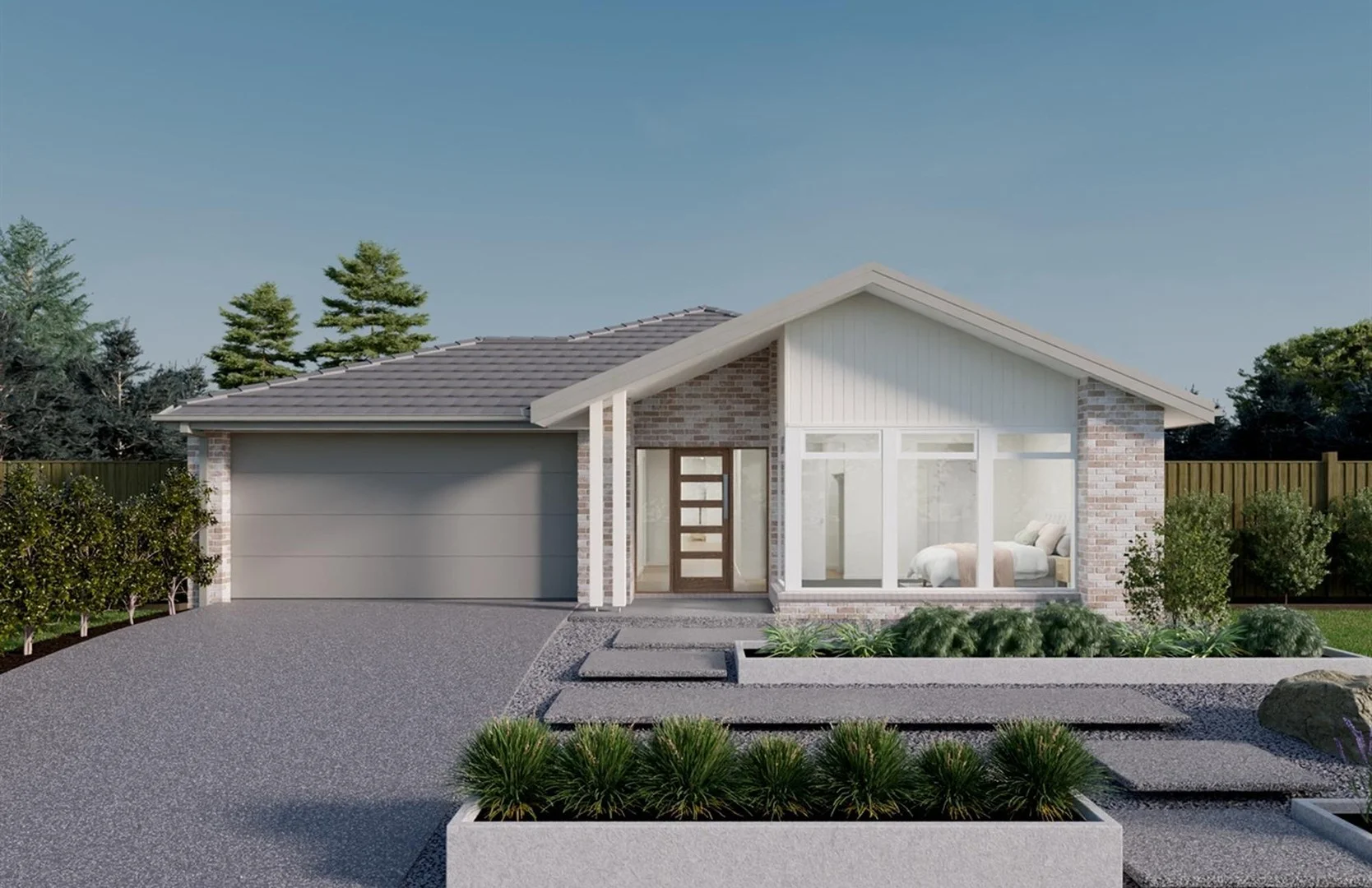 $1,116,900
propertyType.NEW HOUSE & LAND
$1,116,900
propertyType.NEW HOUSE & LAND
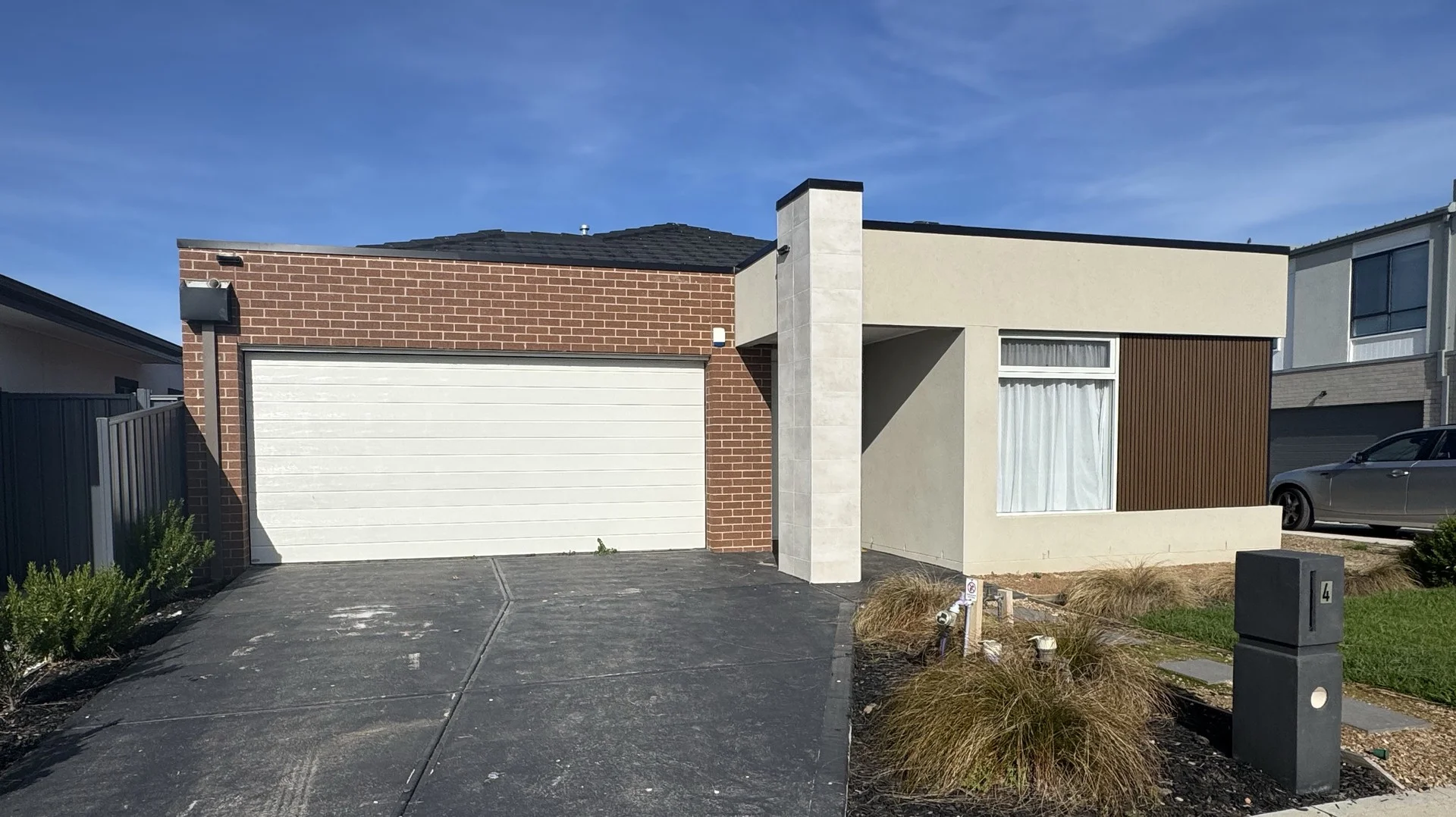 $600
House
$600
House