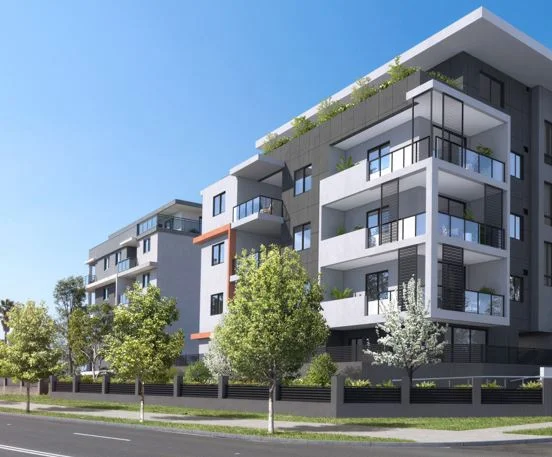
 Government primary school in Beaumont Hills
Beaumont Hills Public School
Beaumont Hills, NSW 2155
Beaumont Hills Public School is a public primary school serving families in the Beaumont Hills area. As a public NSW school, it focuses on inclusive, community-based education for Kindergarten to Year 6.
About Beaumont Hills Public School
Read the full description
- Overview
Beaumont Hills Public School is a public primary school serving families in the Beaumont Hills area. As a public NSW school, it focuses on inclusive, community-based education for Kindergarten to Year 6. The school aims to provide a nurturing, supportive environment with strong learning outcomes across core subjects and a broad range of extra programs.
- School type: Public
- School size: Medium
- Atmosphere/culture: Inclusive, nurturing, diverse, collaborative
- Academics & Learning
Beaumont Hills Public School emphasises strong foundations in literacy and numeracy while expanding opportunities in STEM, creative arts and leadership experiences. The school supports a broad curriculum with chances for enrichment and targeted assistance where needed.
- Academic strengths: Literacy and numeracy focus, STEM activities, creative arts, and opportunities for leadership development
- Special programs: Gifted and Talented options or enriched learning opportunities where available; strategies for accelerated learning as appropriate
- Support for diverse learners: EAL support, SEN support, and targeted assistance to learners needing extra help
- Sports & Extracurricular Strengths
A strong focus on physical activity, creativity and clubs helps engage students beyond the classroom and supports varied interests.
- Sports offered: Soccer, netball, rugby league, cricket, athletics, swimming, basketball, and school–level athletics events
- Strong teams or achievements: Regular participation in inter-school and district competitions; opportunities to join grade-level teams
- Music, arts, drama programs: School choir, musical ensembles, and drama activities; opportunities to perform
- Clubs: Robotics, coding, chess, debating, and other interest-based clubs
- Partnerships: Local community clubs, sport associations and inter-school competitions that provide additional opportunities
- Wellbeing & Pastoral Care
Beaumont Hills Public School places wellbeing at the heart of daily learning, with practices and supports designed to create a safe, respectful school culture.
- Anti-bullying approach: Clear anti-bullying policy, proactive education, and restorative approaches to resolve conflicts
- House system: House groups to foster belonging, friendly competition and community spirit
- Counsellors / wellbeing officers: Access to school-based wellbeing staff and referrals to external supports as needed
- Transition support for new students: Orientation activities, buddy programs and deliberate onboarding to help students settle in
- Facilities
The school provides a range of modern facilities designed to support learning, creativity and physical activity in a visually engaging environment.
- Sports grounds: Adequate outdoor fields and courts for PE and sports
- Libraries: Library spaces supporting reading, research and quiet study
- Science labs: Dedicated spaces for hands-on science and experiments
- Music/performing arts centers: Facilities to support music, drama and performances
- Tech/innovation labs: ICT and maker-space style areas for digital learning and creative projects
- Cafeteria: On-site or closely supervised canteen/food service
- Updated playgrounds: Safe, well-maintained play areas and outdoor play spaces
- School Values & Community Culture
The school aims to cultivate responsible, respectful learners who contribute positively to the school and broader community.
- School values / mission: Respect, responsibility, empathy, integrity and a commitment to learning
- Leadership style: Collaborative and distributed leadership; student voices and leadership opportunities are encouraged
- Behaviour expectations: Positive Behaviour for Learning or similar framework to promote consistent expectations and reinforcement
- Community reputation: Family-friendly, welcoming, and engaged with families and local partners
- Diversity & inclusion: Inclusive practices that support students from diverse backgrounds and with different learning needs
- School Logistics & Daily Operations
Key practical details that help families plan their day-to-day.
- School hours: Typical primary school day (start and finish times aligned with NSW public school schedules)
- Before/after school care: OSHC or approved providers available for before/after school care
- Uniform requirements: School uniform policy with seasonal options; guidelines for everyday wear and excursions
- Transport (bus routes): Access to local bus routes and information on transport options; catchment guidance for enrolments
- Canteen availability: Canteen or food service supporting healthy lunch options
- Fees: Public schools have no tuition; occasional fees for excursions or activities; information on voluntary contributions or activity costs is provided by the school
- Enrolment & Admissions
- What is the enrolment process and timeline?
- Enrolment is typically processed through the school with consideration of the NSW NSW Department of Education catchment rules. Families submit the required documents (birth certificate/age proof, proof of address, immunisation records) and complete the school’s enrolment form. The school will confirm placement according to catchment availability and program eligibility. Timelines usually align with the start of the new school year, with instructions provided by the school.
- Is there a waiting list, and how does it work?
- If student placement is limited or demand exceeds places, a waiting list may operate. Priorities are usually determined by catchment, siblings, and enrolment policy. Positions can become available over time as families relocate or defer enrolment.
- Are there any entry requirements, tests, or interviews?
- NSW public primary schools generally do not require entrance tests. In some cases, there may be information sessions or interviews for out-of-area applicants or for specific programs, but entry tests are not standard. You will typically need to provide proof of age, address, and immunisation records.
- Does the school accept mid-year transfers?
- Mid-year transfers are considered based on vacancies and are coordinated with the school. Families seeking mid-year enrolment should contact the school early to check availability and required documentation.
- Frequently Asked Questions
- Why Parents Choose This School?
- A welcoming, inclusive environment with strong literacy and numeracy foundations, broad extracurricular options, attentive wellbeing supports and engaged families.
- What type of student thrives at this school?
- Students who value a balanced approach to academics, sport, arts and social development; learners who respond well to supportive teachers and collaborative learning.
- What opportunities are available for students to extend their skills (academics, sports, arts)?
- Enrichment in STEM, English and numeracy, leadership opportunities, clubs (robotics, coding, chess, debating), music/theater programs, and district sports.
- How does the school communicate with parents?
- Regular newsletters, noticeboards, parent-teacher interviews, digital platforms and school portals that share updates on learning, events and student progress.
- What is the school’s approach to teaching and learning?
- A student-centred, inclusive approach that combines explicit instruction in core skills with hands-on learning, collaboration and differentiated support.
- How does the school support students who need extra academic help?
- Targeted intervention, EAL/SEN support, small-group tutoring, and data-informed adjustments to teaching plans.
- What support is available for academic challenges?
- Access to classroom support staff, wellbeing and learning advisers, and referral pathways for external services if needed.
- What extracurricular and sports opportunities are available?
- A range of sports (soccer, netball, rugby league, cricket, athletics, swimming, basketball), plus clubs in robotics, coding, chess, debating, music and drama.
- What facilities does the school offer (sports, science, arts)?
- Sports grounds, library, science labs, music/performing arts spaces, tech/innovation labs, canteen, and updated playgrounds.
- What is the school’s approach to technology and digital learning?
- Integration of ICT in learning, access to digital resources, and opportunities for student-created projects in coding and digital literacy.
- What transport and accessibility options are available?
- NSW transport options via local bus routes and clear information for families; the school supports accessibility and parking as needed.
- What are typical school fees or additional costs?
- Public schools have no tuition fees; optional costs may include excursions, activities, and school supplies as advised by the school.
- Short Pros & Cons list
Pros
- Inclusive, supportive learning environment
- Strong literacy/numeracy foundations with STEM and arts opportunities
- Broad extracurriculars (sports, clubs, music, drama)
- Focus on wellbeing and positive behaviour
- Active community engagement and parent communication
Cons
- Some specialty programs may have limited places or eligibility requirements
- Transportation and after-school options depend on local arrangements and availability
A few things parents ask
What type of school is Beaumont Hills Public School?
Beaumont Hills Public School is a Government, Co-ed school in Beaumont Hills, NSW, offering Kinder, Primary year levels.
Is Beaumont Hills Public School a public or private school?
Beaumont Hills Public School is a public school. It is government-funded and part of the NSW public education system, so it is generally free for local students to attend, aside from voluntary contributions and levies.
Where is Beaumont Hills Public School located?
Beaumont Hills Public School is located at The Parkway, Beaumont Hills NSW 2155, Beaumont Hills, NSW, 2155.
Compare with nearby schools
The closest schools to Beaumont Hills Public School, side by side. Fees appear where a school publishes them; activities and events are what is listed on AroundSchools within a short drive of each school.
| School | Distance | Sector | Gender | Years | Fees / yr | Kids' activities within 2 km | Events within 3 km |
|---|---|---|---|---|---|---|---|
| Beaumont Hills Public SchoolThis school | Here | Government | Co-ed | Kinder · Primary | — | 17 | 0 |
| Hills Adventist College | 1.0 km | Independent | Co-ed | ELC · Kinder · Primary · Secondary | $7,890 – $12,280 | 10 | 0 |
| North Kellyville Public School | 1.2 km | Government | Co-ed | Primary | — | 9 | 0 |
| Tallowood School | 1.3 km | Government | — | — | — | 13 | 0 |
| Our Lady of the Rosary Primary School | 1.3 km | Catholic | Co-ed | Kinder · Primary | $1,410 – $1,824 | 14 | 0 |
| Kellyville Public School | 1.4 km | Government | Co-ed | Kinder · Primary | — | 18 | 1 |
| Rouse Hill High School | 1.7 km | Government | Co-ed | Secondary | — | 24 | 0 |
Sorted by distance, not ranked.
Make a little more of the trip
Parks, playgrounds and libraries near the school.
Kids' activities nearby
Classes and clubs listed within a short drive of the school.
Schools nearby
The closest schools, nearest first.