Overview
## Overview
Bindjirooyaluk Community School is a public government school serving students in the Richmond area. The school focuses on an inclusive, community-oriented approach that supports a diverse student body and strong family engagement. Typical school size is medium, with class sizes designed to balance individual attention and collaborative learning.
Key characteristics include a nurturing atmosphere that values inclusion, respect, and academic growth. The environment aims to balance rigour with support, helping students build confidence across academics, wellbeing, and broader school life.
⸻
## Academics & Learning
- Academic strengths: English and core literacy, STEM foundations, plus opportunities in leadership development and languages. The curriculum emphasizes practical application, critical thinking, and problem-solving.
- Special programs: Gifted and Talented pathways and targeted interventions are available; some students may access accelerated learning options where appropriate.
- NAPLAN trends: NAPLAN data over recent years show a positive trend with steady improvement in key areas such as reading and numeracy for eligible cohorts.
- Student-teacher ratios: Approximately 1:12–1:18, depending on year level and class allocation.
- Support for diverse learners: Strong EAL (English as an Additional Language) support, alongside SEN (Special Educational Needs) provisions, inclusive education practices, and targeted intervention programs to assist varied learner needs.
⸻
## Sports & Extracurricular Strengths
- Sports offered: Basketball, football (soccer), cricket, netball, athletics, and general fitness activities; programs support both competition and recreation.
- Strong teams or achievements: Active participation in regional inter-school events with record of steady participation and notable performances in local leagues.
- Music, arts, drama: Dedicated programs and opportunities in music, drama, and performing arts to develop creativity and performance skills.
- Clubs: Robotics, coding, chess, debating, and other extracurricular clubs run to complement classroom learning.
- Partnerships: Local community clubs and regional competitions provide additional pathways for talent development and competitive opportunities.
⸻
## Wellbeing & Pastoral Care
- Anti-bullying approach: Clear policies, student-led initiatives, and ongoing education to promote respectful behaviour and safe spaces.
- House system: House-based activities and competitions to build belonging and teamwork.
- Counsellors / wellbeing officers: Access to wellbeing staff and counselling services to support emotional health and resilience.
- Transition support for new students: Orientation programs, buddy systems, and targeted induction to help new arrivals settle in smoothly.
⸻
## Facilities
- Sports grounds: Dedicated outdoor spaces suitable for a range of activities and sports.
- Libraries: A central library supporting reading for pleasure and research across year levels.
- Science labs: Practical science facilities to enable hands-on experiments and inquiry-based learning.
- Music/performing arts centers: Space for music lessons, rehearsals, and performances.
- Tech/innovation labs: Hands-on learning environments for digital literacy, coding, and STEM projects.
- Cafeteria: On-site canteen or cafeteria providing simple healthy meals and snacks.
- Updated playgrounds: Modern, safe outdoor play areas for students.
⸻
## School Values & Community Culture
- School values / mission: Focus on respect, responsibility, inclusion, and excellence; a mission to develop well-rounded, capable young people.
- Leadership style: Collaborative and student-centered, with opportunities for student voice and leadership roles.
- Behaviour expectations: Clear codes of conduct aligned with school values, consistently applied across year levels.
- Community reputation: Built on a foundation of inclusive practice, family involvement, and positive relationships with local stakeholders.
- Diversity & inclusion: Active commitment to diversity, equity, and inclusive education practices.
⸻
## School Logistics & Daily Operations
- School hours: Typically a daytime schedule with standard start and finish times; occasional after-school activities.
- Before/after school care: Availability of before/after school care or supervision in or near the school campus.
- Uniform requirements: Uniform dress code required for students, with applicable guidelines for different year levels.
- Transport (train/bus routes): Access to public transport options and school-approved bus routes where available; drop-off/pick-up arrangements aligned with local services.
- Canteen availability: On-site canteen or vending options for snacks and meals, subject to school policy.
- Fees (low/medium/high ranges): Public schools generally have low to medium costs relative to private schools; excursions and optional activities may incur additional fees.
⸻
## Enrolment & Admissions
11. What is the enrolment process and timeline?
- Submit an expression of interest or enrolment application within the prescribed intake period.
- Provide required documents (proof of identity, residency, immunisation where applicable, and prior school records).
- The school conducts placement considerations and may schedule an information session or interview as part of the process.
- Enrolment timelines vary by year level and intake, with announcements of placement or waiting list status.
12. Is there a waiting list, and how does it work?
- If capacity is reached, a waiting list may be established. Families are informed about their position and expected wait times, with periodic updates as spaces become available.
13. Are there any entry requirements, tests, or interviews?
- Entry requirements generally include standard documentation and eligibility checks. Some year levels or programs may involve informal interviews or discussions to understand student needs and alignment with program offerings.
14. Does the school accept mid-year transfers?
- Mid-year transfers may be possible subject to space availability, current enrolment capacity, and completion of required documentation and transition planning.
⸻
## Frequently Asked Questions
- Why Parents Choose This School?
- A welcoming, inclusive environment with strong community ties, supportive staff, and a focus on student wellbeing and real-world learning.
- What type of student thrives at this school?
- Students who value collaborative learning, engagement across academics and activities, and a supportive, respectful community.
- What opportunities are available for students to extend their skills (academics, sports, arts)?
- A range of clubs (robotics, coding, debating), sports programs, and performing arts opportunities, plus pathways for leadership and additional academic support.
- How does the school communicate with parents?
- Regular newsletters, email updates, parent-teacher meetings, and a school portal or app for important notices and events.
- What is the school’s approach to teaching and learning?
- Curriculum aligned with the Victorian standards, emphasis on inquiry-based learning, and differentiation to meet diverse learner needs.
- How does the school support students who need extra academic help?
- Targeted literacy/numeracy interventions, EAL and SEN support, and access to wellbeing services and tutoring where available.
- What support is available for academic challenges?
- Additional classroom support, small-group or one-on-one assistance, and referral to specialist staff as needed.
- How does the school communicate with parents? ( duplicate)
- See above: newsletters, meetings, and parent portals.
- What are the class sizes and how much individual attention do students receive?
- Class sizes are typically around 20–25 students, with teachers providing targeted instruction and opportunities for individual feedback.
- What extracurricular and sports opportunities are available?
- A broad mix of sports, clubs (robotics, coding, chess, debating), and arts programs to complement core learning.
- What facilities does the school offer (sports, science, arts)?
- Sports grounds, libraries, science labs, music/performing arts facilities, technology labs, and a cafeteria.
- What is the school’s approach to technology and digital learning?
- Integration of digital tools across the curriculum, with emphasis on digital literacy, responsible use, and project-based learning.
- What transport and accessibility options are available?
- Access to local transport options and school-supported arrangements for student mobility; specifics depend on location and route availability.
- What are the typical school fees or additional costs?
- Public schools have relatively low fees; additional costs may apply for excursions, activities, or materials as required.
⸻
## Short Pros & Cons list
- Pros
- Inclusive, supportive culture with strong wellbeing focus
- Balanced academic and extracurricular opportunities
- Moderate class sizes support individual attention
- Active community involvement and partnerships
- Cons
- As a public school, offerings may vary by year and cohort
- Space and capacity can influence entry timelines and waiting lists
- Some programs may have limited availability or eligibility criteria
⸻









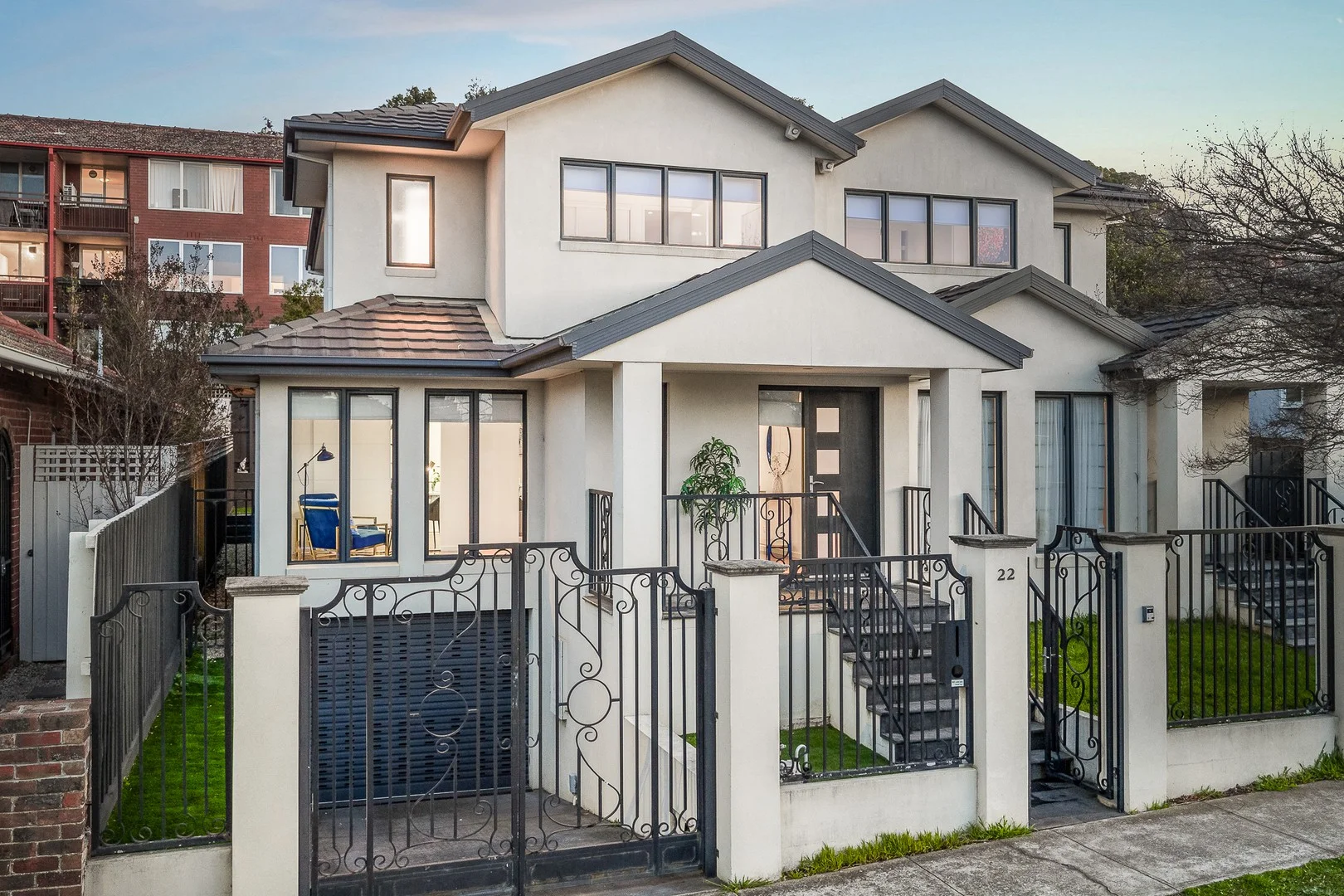 $2,390,000
Townhouse
$2,390,000
Townhouse
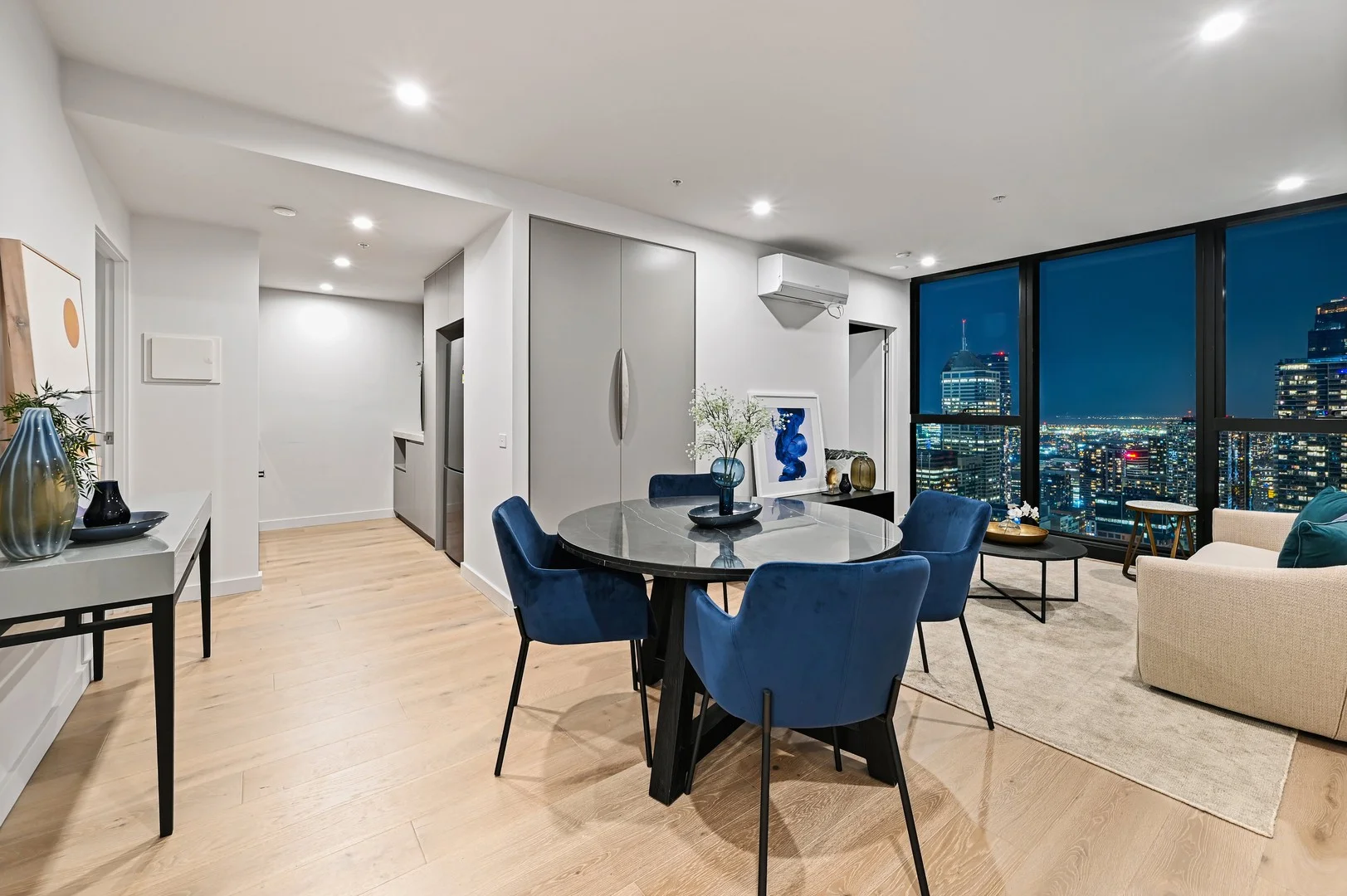 $943,000
propertyType.NEW APARTMENTS / OFF THE PLAN
$943,000
propertyType.NEW APARTMENTS / OFF THE PLAN
 $2,008,000
propertyType.NEW APARTMENTS / OFF THE PLAN
$2,008,000
propertyType.NEW APARTMENTS / OFF THE PLAN
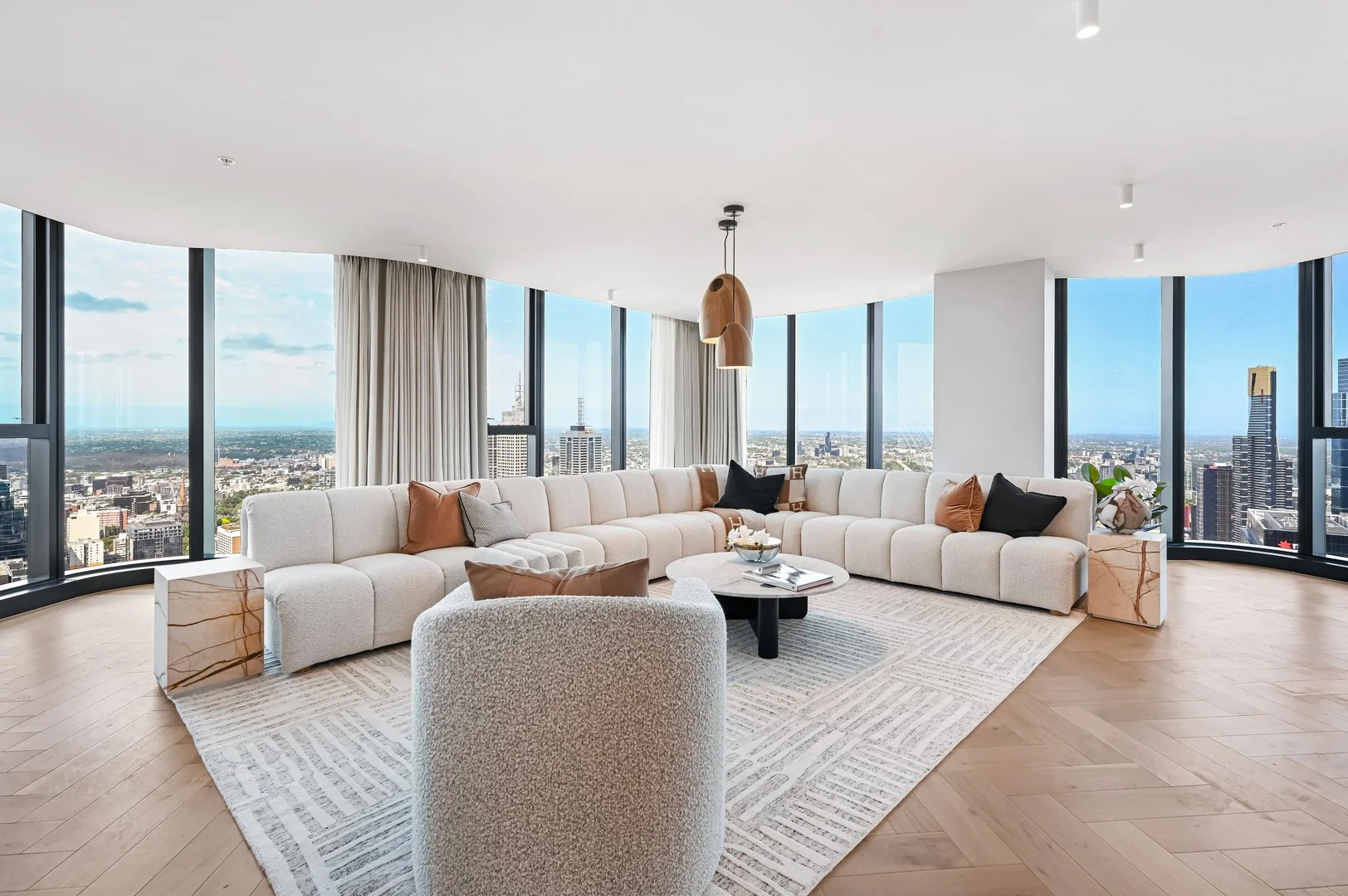 $5,512,000
propertyType.NEW APARTMENTS / OFF THE PLAN
$5,512,000
propertyType.NEW APARTMENTS / OFF THE PLAN
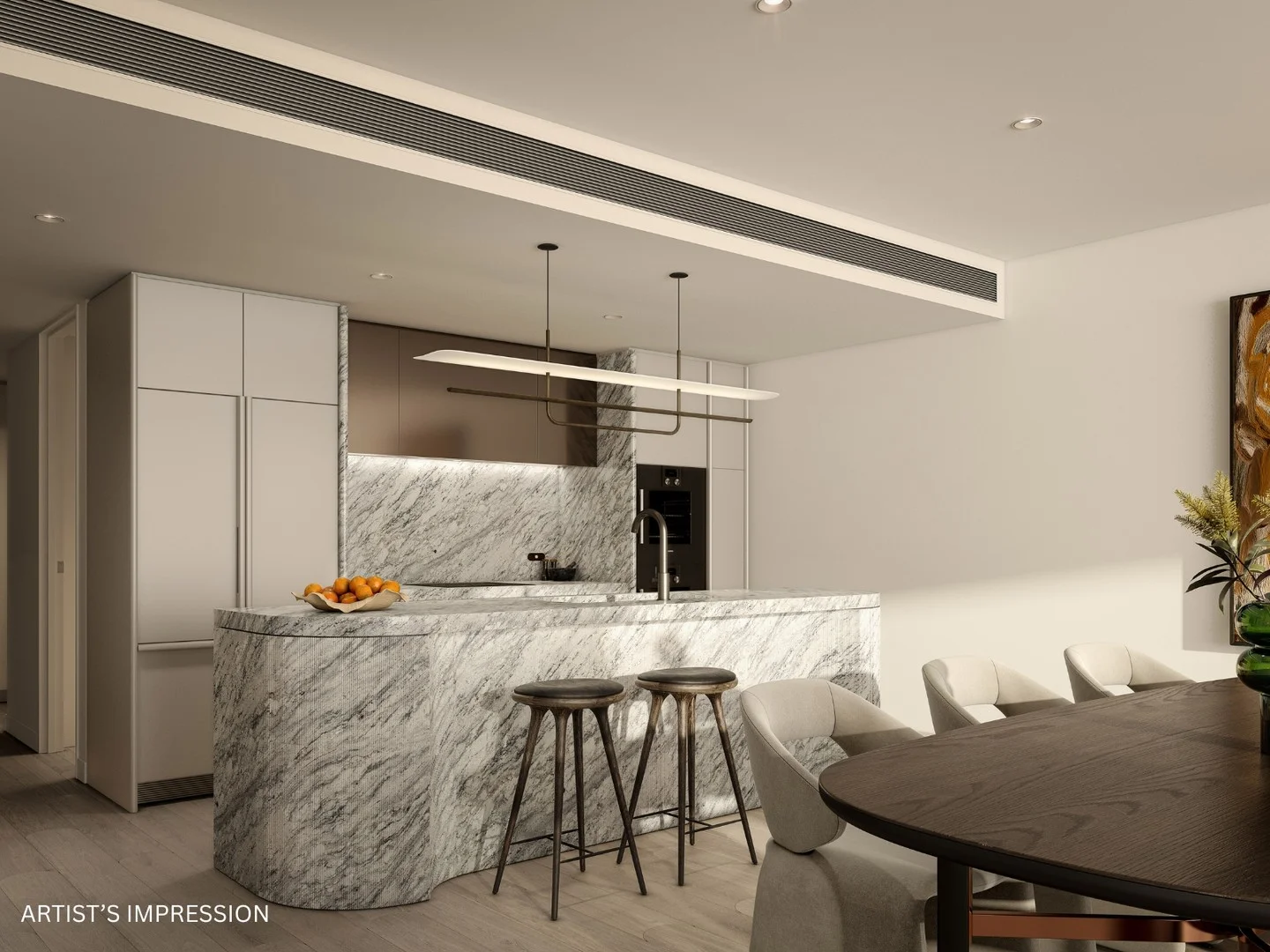 $2,900,000
Apartment / Unit / Flat
$2,900,000
Apartment / Unit / Flat
 $1,345,000
Apartment / Unit / Flat
$1,345,000
Apartment / Unit / Flat
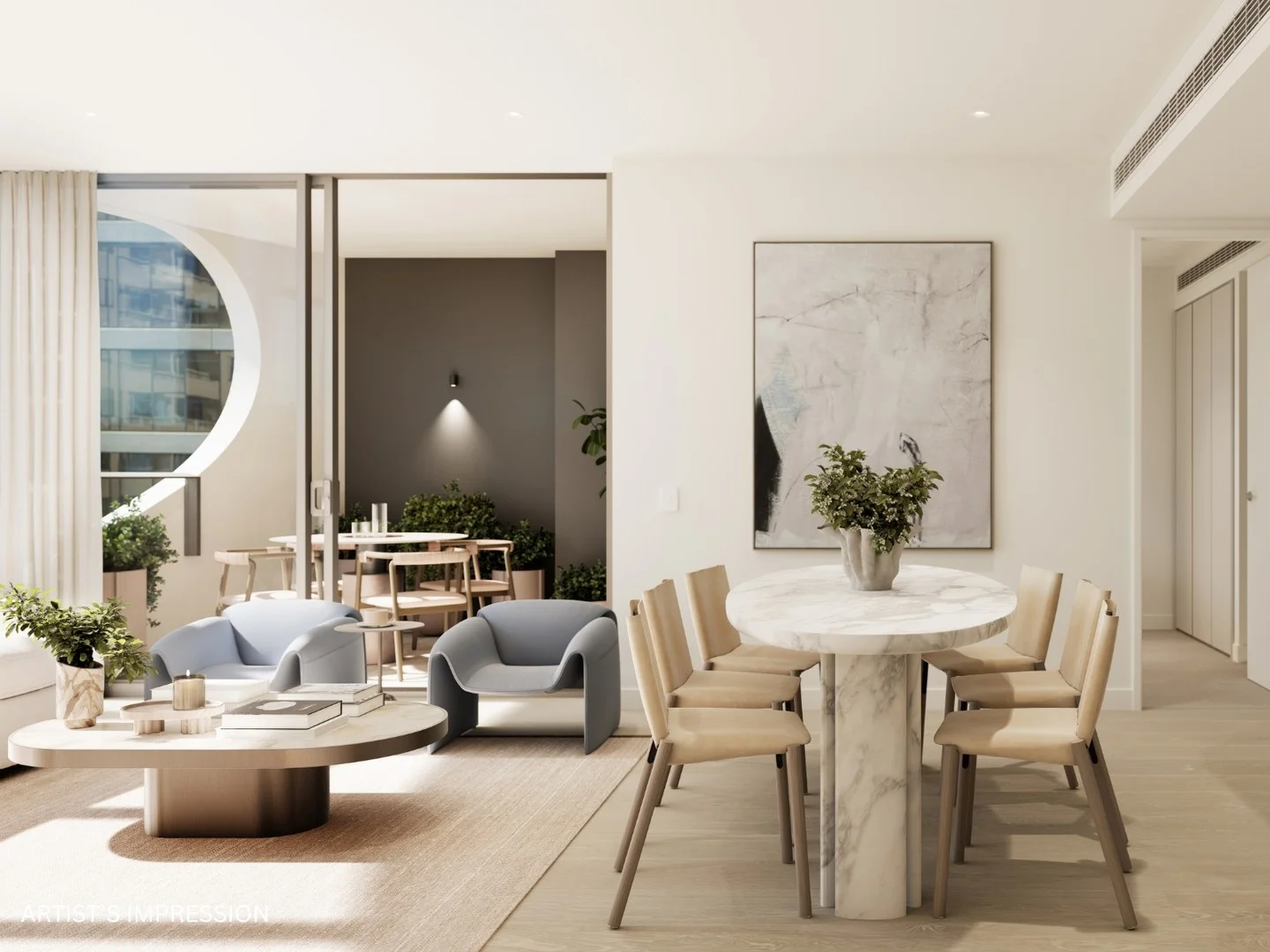 $1,640,000
Apartment / Unit / Flat
$1,640,000
Apartment / Unit / Flat
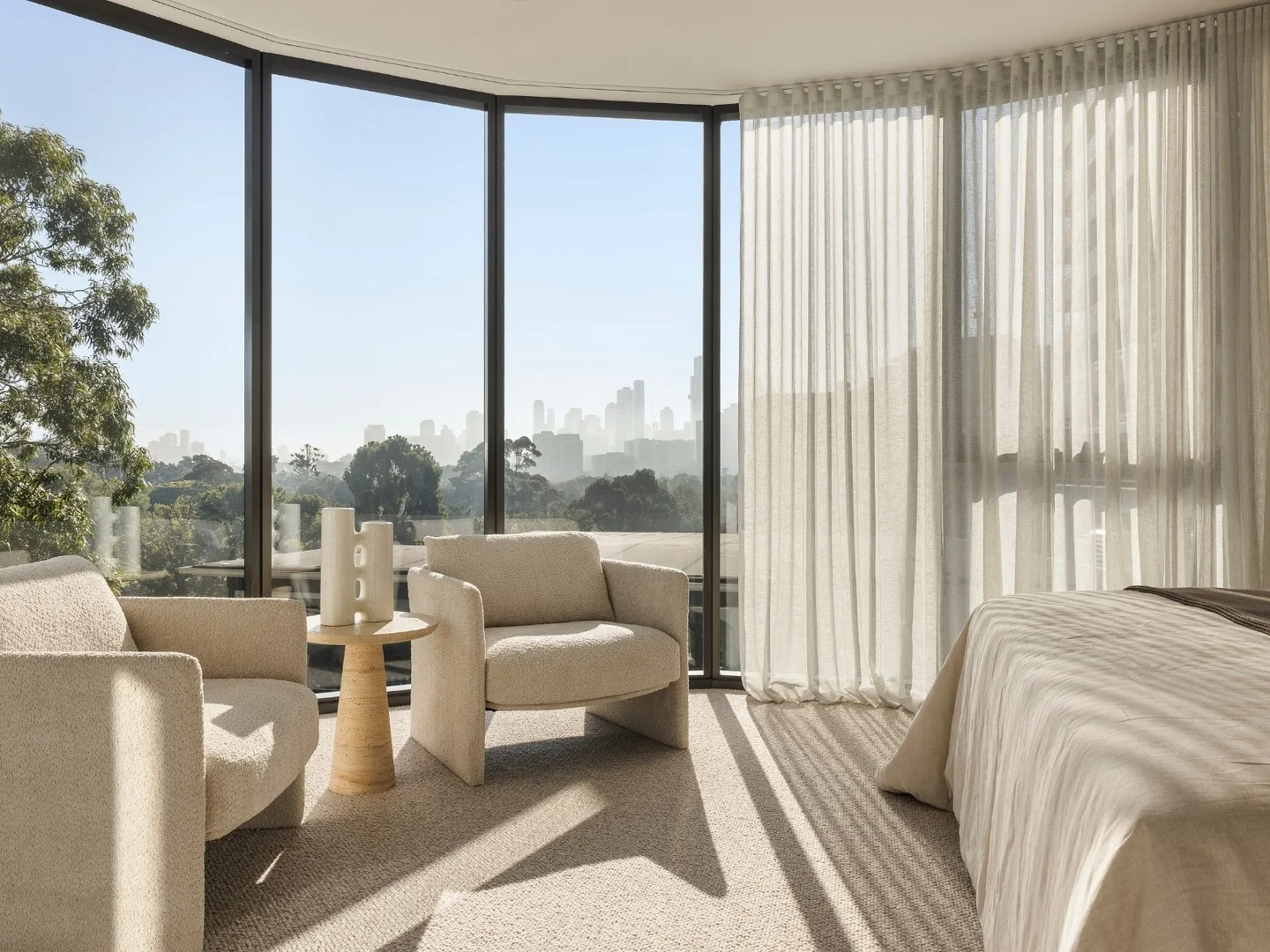 $2,750,000
Apartment / Unit / Flat
$2,750,000
Apartment / Unit / Flat
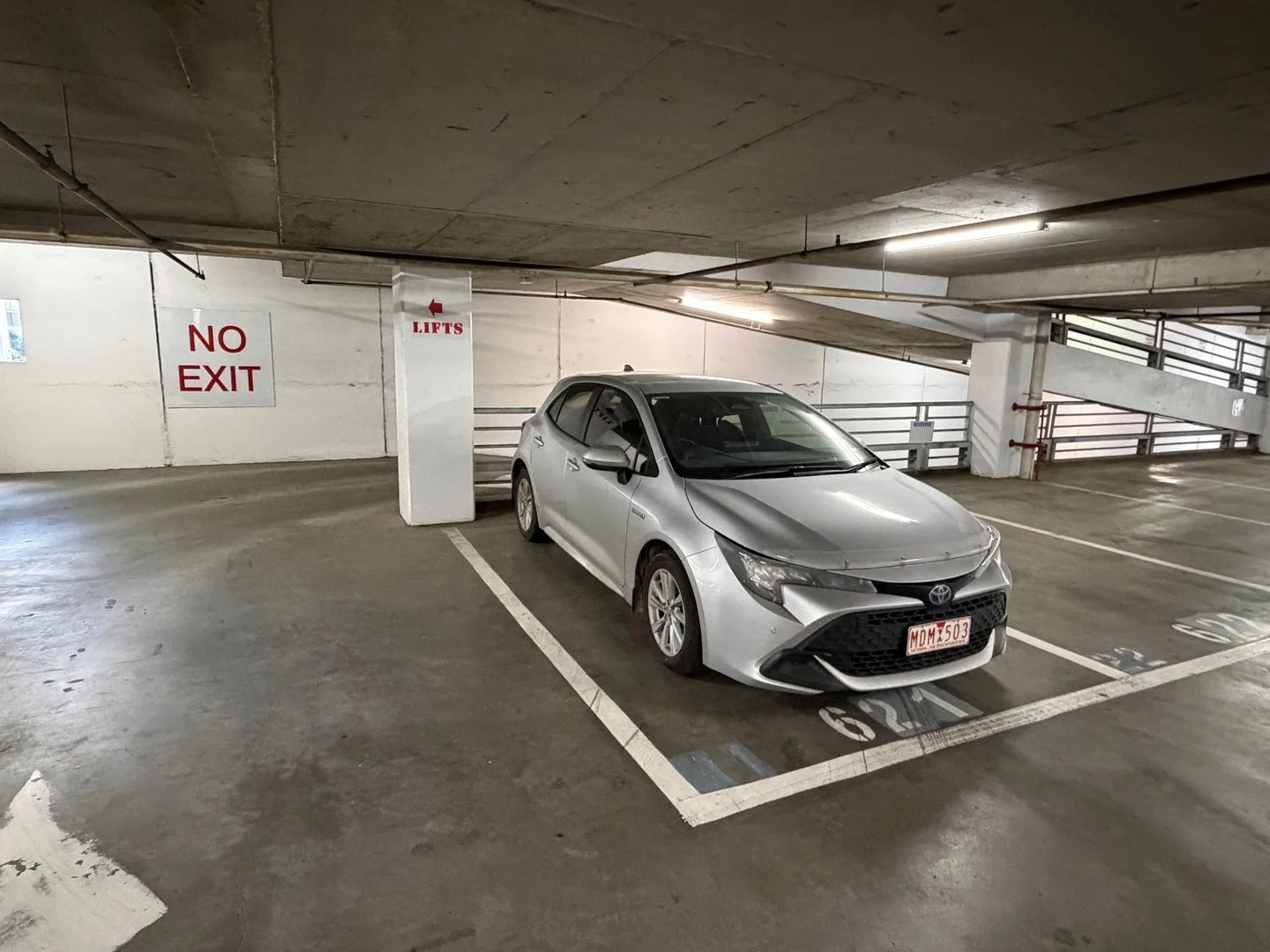 $27,500
propertyType.CAR SPACE
$27,500
propertyType.CAR SPACE