Overview
1. Overview
Richmond High School is a public, co-educational secondary school serving students in years 7–12 in Melbourne’s inner-city suburb of Richmond, VIC. The school aims to provide an inclusive, high-quality learning environment with a strong sense of community and student voice. As a medium-sized school, it offers a broad range of academic and co-curricular opportunities to suit diverse interests and future pathways.
- School type: public
- School size: medium
- Class size: mid-teens (roughly 20–26 students per class)
- Atmosphere/culture: inclusive, supportive, diverse, academically focused with emphasis on wellbeing and student involvement
2. Academics & Learning
Richmond High School focuses on a well-rounded learning program that supports different strengths and interests.
- Academic strengths: strong emphasis on English and STEM, with opportunities in languages and leadership development.
- Special programs: VCE/VCAL pathways, accelerated learning options, and gifted/talented programs to extend capable students.
- NAPLAN trends: steady improvement and positive trajectories across reading and numeracy in recent years, with continued focus on writing and comprehension.
- Student-teacher ratios: typically small-to-medium class sizes with favorable student-teacher ratios to support learning (approximately 1:12–1:18 range).
- Support for diverse learners: dedicated EAL/D support and comprehensive SEN services, with inclusive education practices and targeted interventions.
3. Sports & Extracurricular Strengths
The school offers a balanced mix of sports, arts, and clubs to engage students beyond the classroom.
- Sports offered: basketball, soccer, Australian rules football, netball, cricket, athletics, swimming, and more through inter-school programs.
- Strong teams or achievements: competitive inter-school teams with opportunities to participate in regional events and championships.
- Music, arts, drama programs: active music ensembles, choirs, theatre productions, and performing arts initiatives.
- Clubs: robotics, chess, coding, debating, and various subject-specific or interest-based clubs.
- Partnerships: connections with local clubs and community organizations for competitions and development opportunities (e.g., robotics and coding competitions).
4. Wellbeing & Pastoral Care
Top priority is placed on student wellbeing, belonging, and safe school culture.
- Anti-bullying approach: formal policies and proactive programs, including student-led initiatives and restorative practices.
- House system: house-based structure to promote belonging, leadership, and healthy competition.
- Counsellors / wellbeing officers: on-site counsellors and wellbeing staff available to support students and families.
- Transition support for new students: orientation activities, buddy programs, and targeted supports to help new arrivals settle in.
5. Facilities
Facilities focus on supporting learning, creativity, and physical activity.
- Sports grounds: outdoor fields and courts for diverse sport participation.
- Libraries: well-stocked library with study spaces and digital resources.
- Science labs: modern laboratories for hands-on experiments and project work.
- Music/performing arts centers: dedicated spaces for music, drama, and performances.
- Tech/innovation labs: maker spaces and computer labs for coding, robotics, and design.
- Cafeteria: on-site dining and nutrition options.
- Updated playgrounds: refreshed outdoor spaces for recreation and social interaction.
6. School Values & Community Culture
The school fosters a values-driven culture focused on respect, inclusion, and personal growth.
- School values / mission: commitment to respect, excellence, inclusion, and community partnership; emphasis on student leadership and agency.
- Leadership style: distributed leadership with active student voice and collaborative teacher teams.
- Behaviour expectations: clear codes of conduct, consistent routines, and restorative approaches to behaviour.
- Community reputation: welcoming, family-friendly environment with a growing reputation for wellbeing and pathways support.
- Diversity & inclusion: welcoming to students from diverse backgrounds with inclusive policies and supports.
7. School Logistics & Daily Operations
Practical information to help families plan daily life around school.
- School hours: typical school day runs during standard Victorian hours; exact times published by the school each year.
- Before/after school care: options available via approved local providers or school-arranged programs.
- Uniform requirements: formal school uniform with sports uniform options; consistent dress standards.
- Transport (train/bus routes): well-served by public transport (bus and tram routes nearby) with accessible walking/cycling routes for many students.
- Canteen availability: on-site canteen offering daily meals and healthy options.
- Fees (low/medium/high ranges): no tuition for public schooling; modest material levies or special activity fees may apply; families may incur occasional excursion or elective costs.
8. Enrolment & Admissions
11. What is the enrolment process and timeline?
- Submit an enrolment application during the announced window.
- Provide required documents (birth details, proof of address, immunisation records, etc.).
- The school reviews applications and communicates outcomes within the published timeline; open days and information sessions help families understand options.
12. Is there a waiting list, and how does it work?
- Waiting lists may apply for non-catchment applicants or limited-capacity programs. Priority is usually given to in-catchment applicants; the school will advise on current wait times and steps to secure a place.
13. Are there any entry requirements, tests, or interviews?
- For a public high school, entry typically does not require entrance tests or interviews. Admissions are based on enrolment policies and availability. Some programs or pathways may require information sessions or meetings to clarify learning needs or placement.
14. Does the school accept mid-year transfers?
- Yes, subject to vacancies and the school’s enrolment policies. Families seeking mid-year transfers should contact the administration to discuss available places and the transfer process.
9. Frequently Ask Questions
- Why Parents Choose This School?
- A welcoming, inclusive community with strong wellbeing support, balanced academics, diverse extracurriculars, and good accessibility in a central location.
- What type of student thrives at this school?
- Students who value a supportive, collaborative environment, benefit from strong teacher guidance, and want access to a broad range of academic and co-curricular opportunities.
- What opportunities are available for students to extend their skills (academics, sports, arts)?
- VCE/VCAL pathways, accelerated or gifted programs, robotics and coding clubs, debating, music ensembles, drama productions, and a variety of sport offerings.
- How does the school communicate with parents?
- Regular newsletters, emails, parent-teacher interviews, a school portal, and timely updates about events and student progress.
- What is the school’s approach to teaching and learning?
- Student-centered learning with a mix of inquiry-based and direct instruction, supported by technology, differentiation, and regular feedback.
- How does the school support students who need extra academic help?
- EAL/D support, SEN services, targeted learning interventions, tutoring opportunities, and small-group or one-on-one support as needed.
- What support is available for academic challenges?
- Access to learning support staff, additional coaching, and tailored plans to address specific academic gaps or learning needs.
- How does the school communicate with parents?
- See above; ongoing, multi-channel communication tailored to families’ needs.
- What are the class sizes and how much individual attention do students receive?
- Class sizes are in the mid-teens to mid-20s range, with a focus on providing opportunities for individual feedback and teacher support.
- What extracurricular and sports opportunities are available?
- A broad mix of sports (basketball, football, netball, etc.), plus clubs in robotics, coding, chess, debating, arts, and music.
- What facilities does the school offer (sports, science, arts)?
- Modern science labs, libraries, performing arts spaces, music rooms, tech/innovation labs, sport facilities, and a well-furnished canteen.
- What is the school’s approach to technology and digital learning?
- Technology-integrated learning with computer labs, online resources, and digital tools to support collaboration and assessment.
- What transport and accessibility options are available?
- Access to nearby public transport routes (bus/train/tram), safe cycling/walking paths, and accessible facilities to support students with mobility needs.
- What are the typical school fees or additional costs?
- Public schooling has no tuition; potential costs include subject levies, uniform, optional activities, and excursion fees.
10. Short Pros & Cons list
- Pros
- Inclusive, supportive environment with strong wellbeing focus
- Broad academic and co-curricular offerings
- Accessible city-fringe location with solid transport links
- Active student voice and leadership opportunities
- Cons
- As a medium-sized school, some highly specialized programs may be limited compared to larger campuses
- Non-catchment applicants may face wait times for limited spots
- Uniform and elective-related costs; occasional activity fees may apply
- Dependence on public transport and school calendar for travel planning












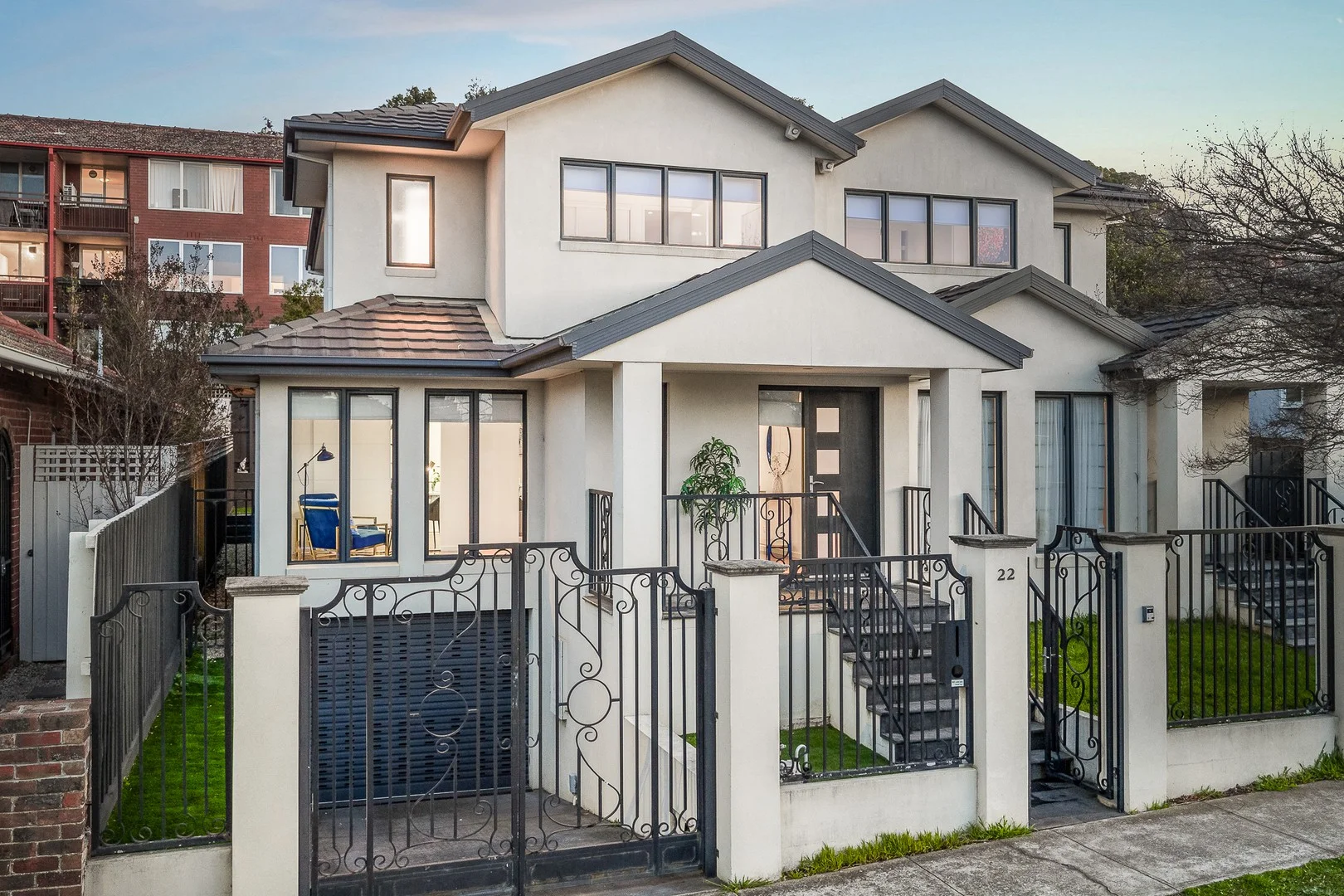 $2,390,000
Townhouse
$2,390,000
Townhouse
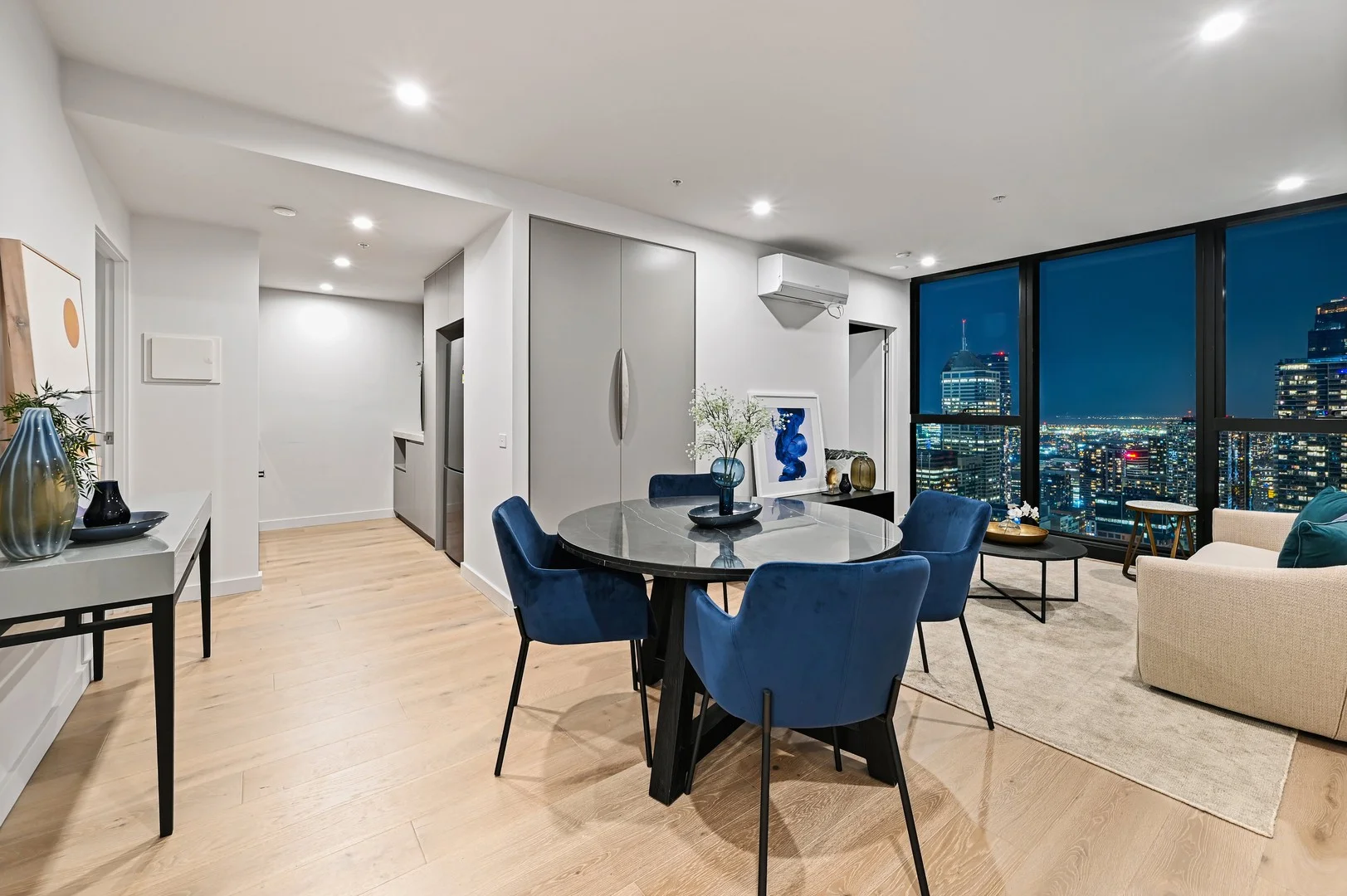 $943,000
propertyType.NEW APARTMENTS / OFF THE PLAN
$943,000
propertyType.NEW APARTMENTS / OFF THE PLAN
 $2,008,000
propertyType.NEW APARTMENTS / OFF THE PLAN
$2,008,000
propertyType.NEW APARTMENTS / OFF THE PLAN
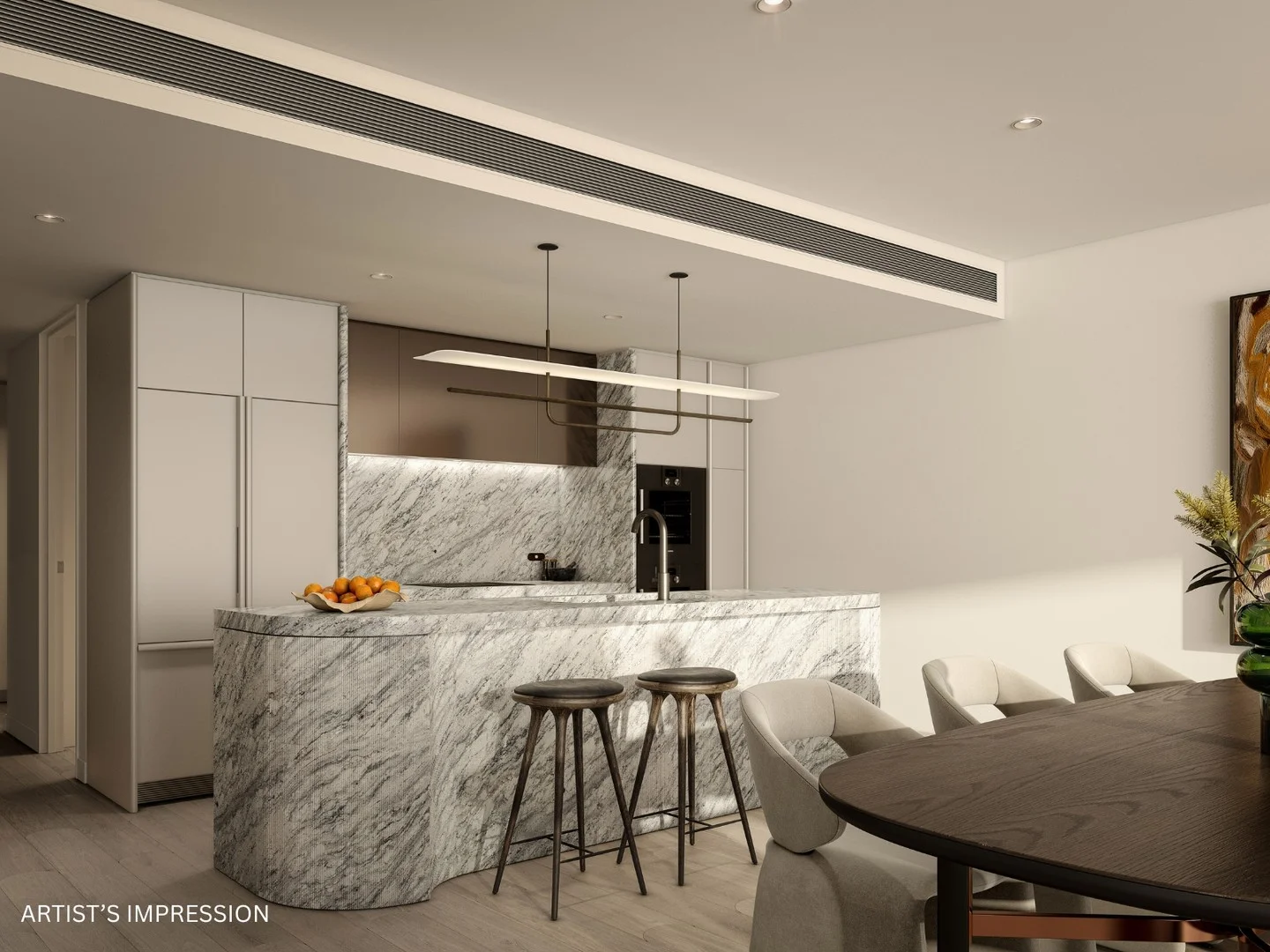 $2,900,000
Apartment / Unit / Flat
$2,900,000
Apartment / Unit / Flat
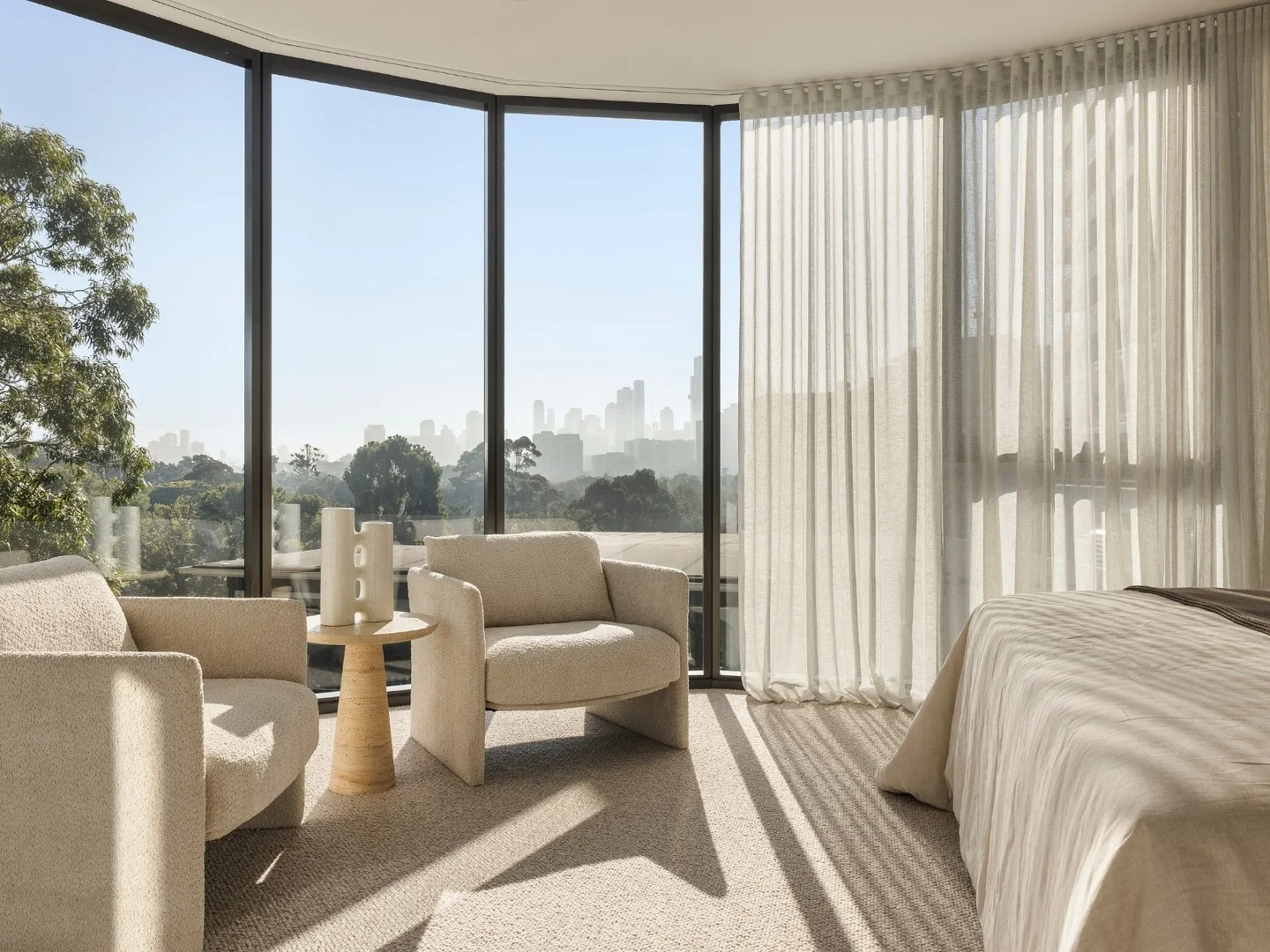 $2,750,000
Apartment / Unit / Flat
$2,750,000
Apartment / Unit / Flat
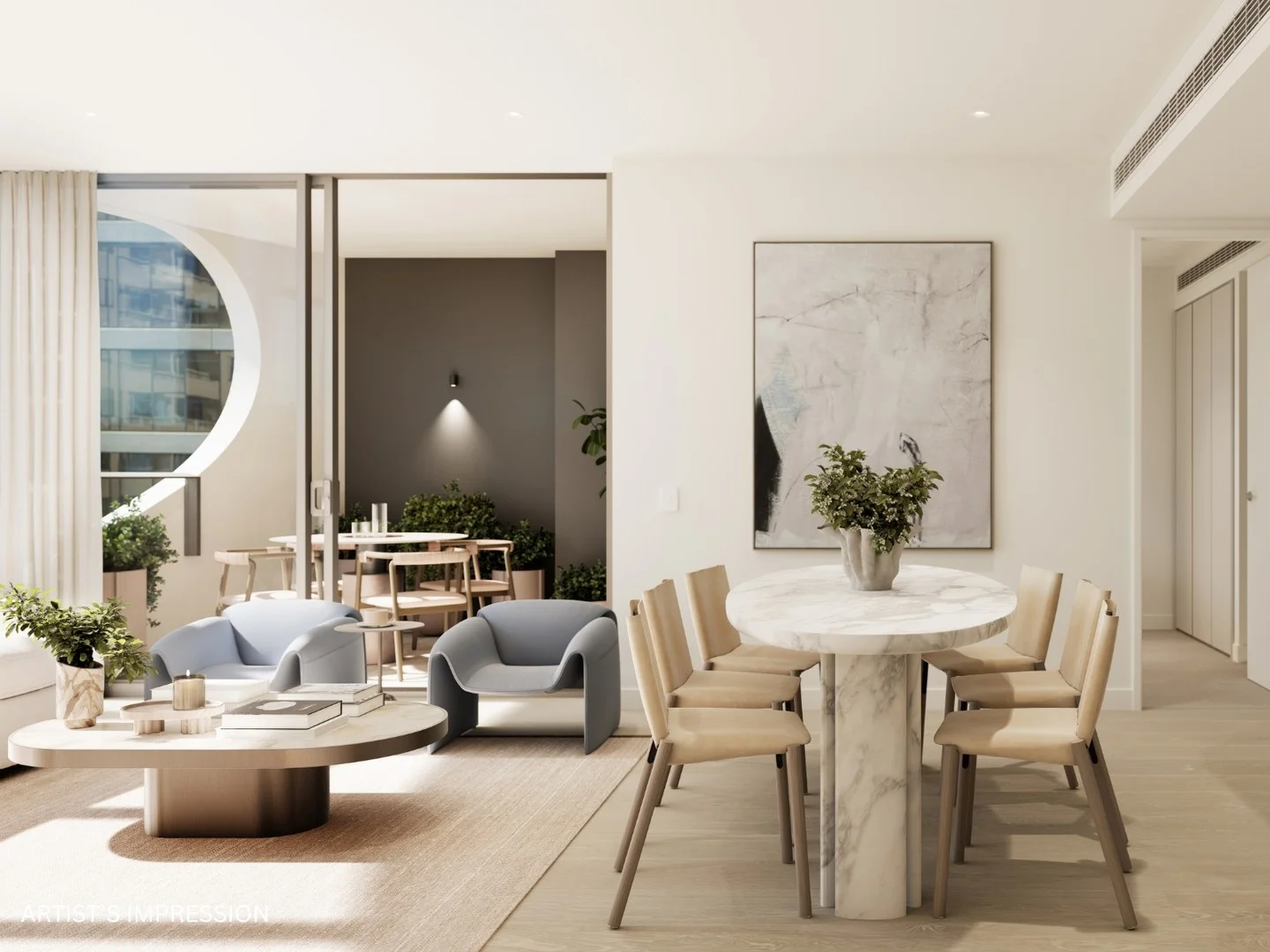 $1,640,000
Apartment / Unit / Flat
$1,640,000
Apartment / Unit / Flat
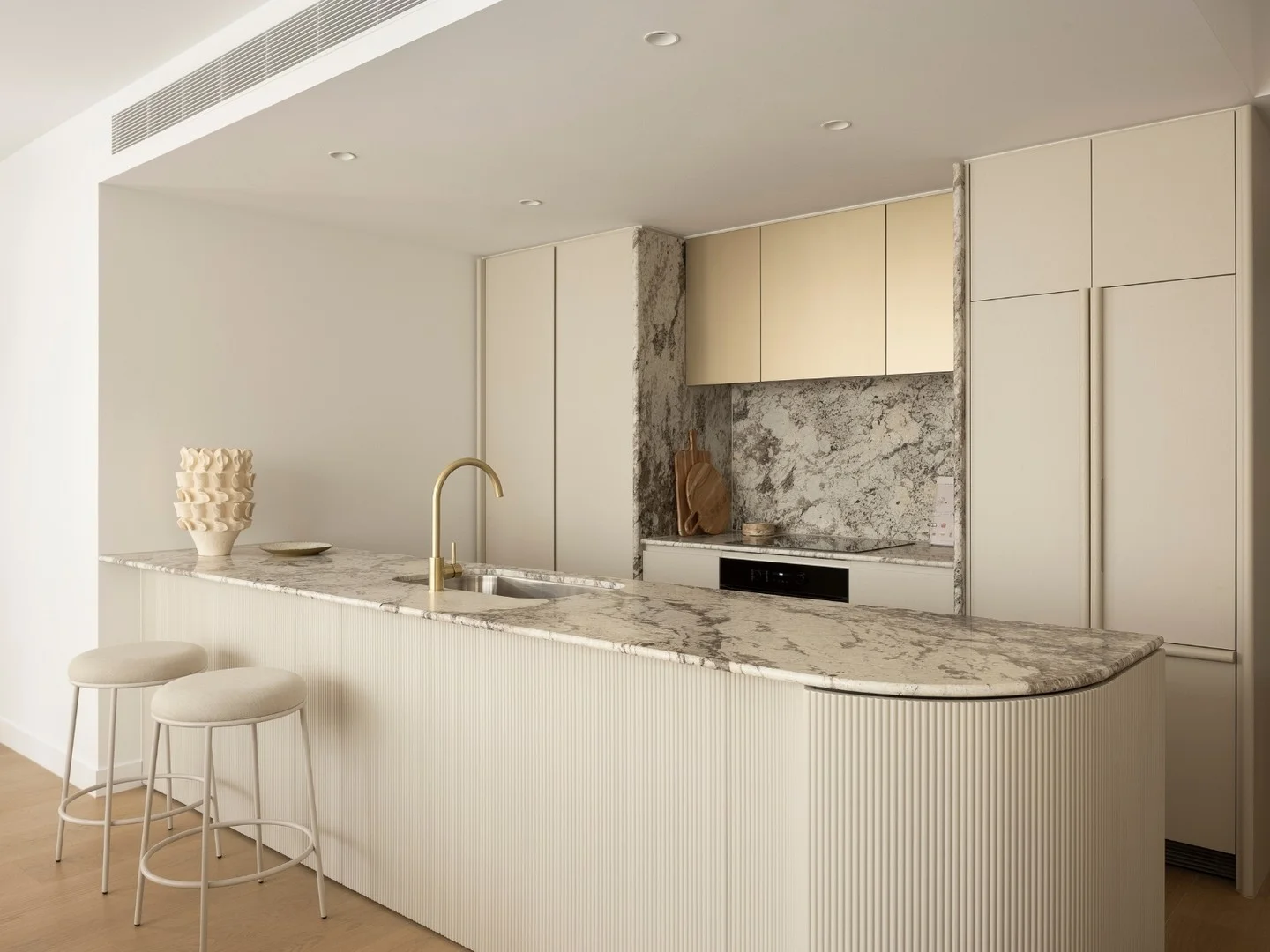 $1,345,000
Apartment / Unit / Flat
$1,345,000
Apartment / Unit / Flat
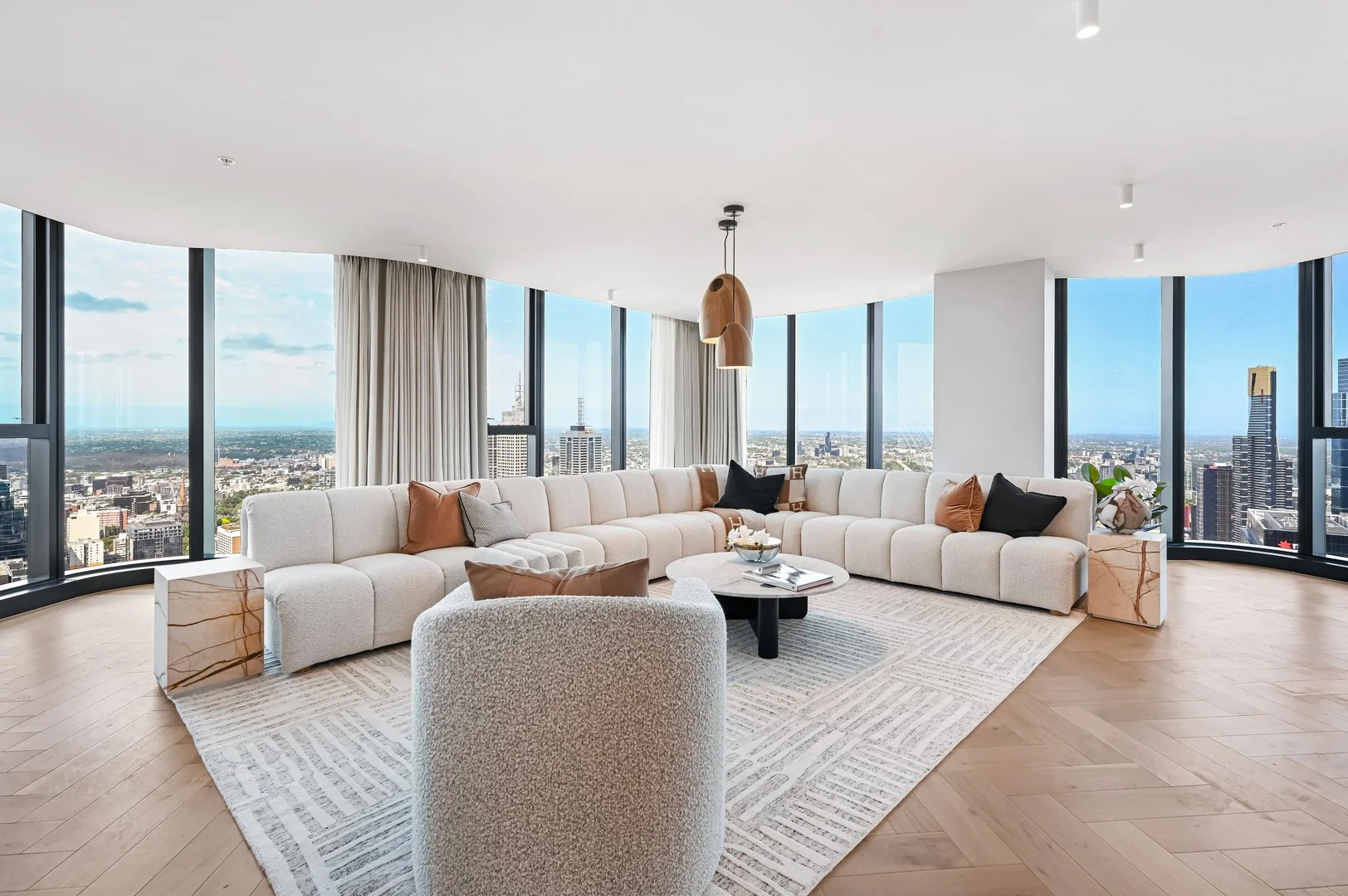 $5,512,000
propertyType.NEW APARTMENTS / OFF THE PLAN
$5,512,000
propertyType.NEW APARTMENTS / OFF THE PLAN
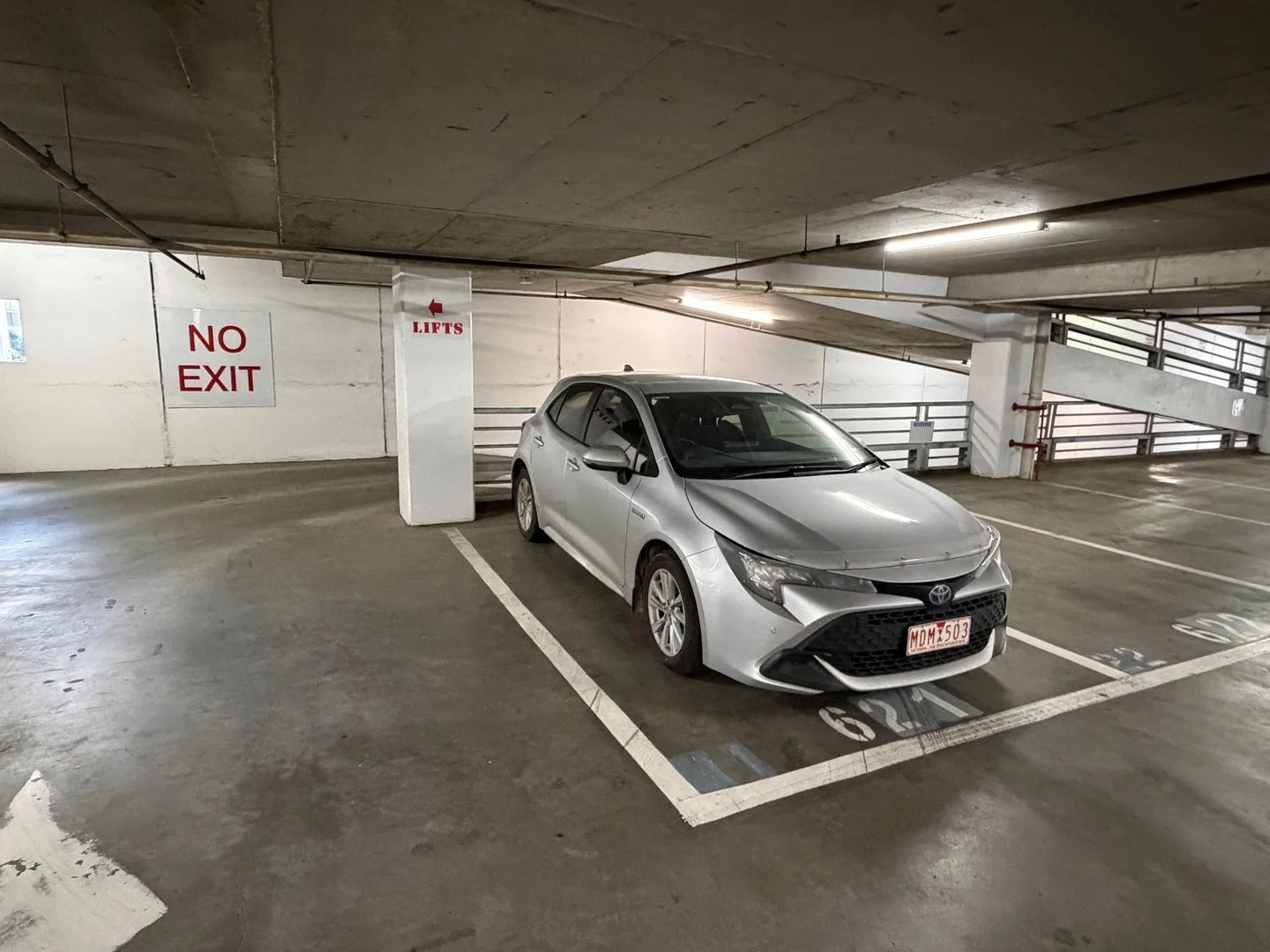 $27,500
propertyType.CAR SPACE
$27,500
propertyType.CAR SPACE