Overview
# 1. Overview
Blair Athol North B-6 School is a public (government) primary school serving students in the early years through to Year 6. The school is small-to-medium in size, with class sizes typically around 20–24 students, which supports personalised attention and close teacher-student relationships. The atmosphere is nurturing and inclusive, with a strong sense of community and a focus on building respectful, collaborative values among students, families, and staff.
The school emphasises a balance of academic learning, wellbeing, and active participation in school life, helping students feel safe, supported, and connected as part of a diverse and welcoming community.
---
# 2. Academics & Learning
- Academic strengths: Strong focus on literacy and numeracy with a solid emphasis on STEM, digital technologies, and developing practical problem-solving skills; English language development and reading comprehension are priorities across year levels.
- Special programs: Gifted and talented extension opportunities, targeted learning support within classrooms, and structured programs to support students requiring additional help.
- NAPLAN trends: Over recent years, trends show gradual improvement in reading and numeracy with consistent progress in many cohorts; results reflect ongoing attention to early intervention and differentiated instruction.
- Student-teacher ratios: Class sizes and teacher supports typically allow for small-group instruction and more individualized help, with approximate ratios in the low-to-mid 1:20s depending on year level.
- Support for diverse learners: Programs and staff available for EAL (English as an Additional Language) students and students with special needs, including targeted interventions and ongoing adjustments to learning plans.
---
# 3. Sports & Extracurricular Strengths
- Sports offered: A range of primary-school-friendly sports such as soccer, Australian football, cricket, netball, basketball, athletics, and swimming programs incorporated into the year.
- Strong teams or achievements: The school participates in inter-school sport events and local competitions, with opportunities for student athletes to develop teamwork, resilience, and competitive spirit.
- Music, arts, drama programs: Active music and performing arts opportunities, school performances, and opportunities to showcase creativity.
- Clubs: Robotics, coding, chess, debating, and other clubs aimed at building critical thinking and problem-solving skills.
- Partnerships: Connections with local clubs and community organisations to broaden experiences, competitions, and enrichment opportunities.
Great for boys aged 10–14 who benefit from structured sport, teamwork, and creative outlets alongside academics.
---
# 4. Wellbeing & Pastoral Care
- Anti-bullying approach: Proactive anti-bullying programs and a focus on respectful relationships, with restorative practices to address conflicts.
- House system: House groupings to promote belonging, friendly competition, and social support across year levels.
- Counsellors / wellbeing officers: Access to school wellbeing staff and guidance for social-emotional learning, with confidential support for students.
- Transition support for new students: Structured orientation and buddy programs to help new students settle, make friends, and understand routines.
This section builds trust by showing a clear, supportive framework for student wellbeing.
---
# 5. Facilities
- Sports grounds: On-site sports fields and courts suitable for PE lessons and school-wide events.
- Libraries: Dedicated library space with age-appropriate reading materials and learning resources.
- Science labs:well-equipped spaces for hands-on experiments and STEM activities.
- Music/performing arts centers: Areas and spaces for music, drama, and performances.
- Tech/innovation labs: Computer and technology spaces supporting digital learning and coding clubs.
- Cafeteria: On-site or nearby canteen facilities supporting healthy meal options.
- Updated playgrounds: Well-maintained play areas that support active play and social interaction.
Visual, student-friendly spaces that support a broad range of learning activities.
---
# 6. School Values & Community Culture
- School values / mission: Emphasis on respect, responsibility, inclusivity, and collaboration; a mission built around supporting every student to reach their potential.
- Leadership style: School leadership prioritises open communication, teacher collaboration, and a student-centered approach to decision-making and problem-solving.
- Behaviour expectations: Clear rules and positive behaviour supports, focusing on proactive teaching of expected behaviours and restorative approaches when issues arise.
- Community reputation: Recognised locally for a welcoming, supportive environment and active parental involvement.
- Diversity & inclusion: Commitment to creating an inclusive culture that respects differences and supports all students to participate in school life.
---
# 7. School Logistics & Daily Operations
- School hours: Typical school day structure with start and finish times appropriate for primary students; additional activities run after hours as available.
- Before/after school care: Availability of OSHC or after-school care programs to support working families.
- Uniform requirements: Clear uniform guidelines appropriate for the school, with expectations maintained across year levels.
- Transport (train/bus routes): Access to public transport options and school-provided or recommended bus routes where available.
- Canteen availability: Canteen or lunch program options supporting healthy meal choices.
- Fees (low/medium/high ranges): Public primary schools generally have modest fees for materials, activities, and optional programs; families are provided with cost estimates and payment options.
---
# 8. Enrolment & Admissions
11. What is the enrolment process and timeline?
- Families typically complete an enrollment form and submit required documents (proof of address, birth certificate, immunisation history as applicable). There are key intake periods during the year; consider applying early to secure a preferred start time and placement.
12. Is there a waiting list, and how does it work?
- Some year-level intakes may have waiting lists depending on capacity and local intake boundaries. If a waiting list applies, families are advised of their position and expected wait times, and placements are offered based on availability and criteria.
13. Are there any entry requirements, tests, or interviews?
- For most public primary enrollments, there are no formal entry tests or interviews. Some conversations may occur to support transition planning or to understand individual learning needs, but these are not typical entrance assessments.
14. Does the school accept mid-year transfers?
- Yes, mid-year transfers are considered where vacancies exist and space permits. Parents should contact the school to discuss availability and the transfer process, with arrangements made to support a smooth transition.
---
# 9. Frequently Ask Questions
- Why Parents Choose This School?
- A supportive, inclusive environment with a strong focus on literacy, numeracy, wellbeing, and community involvement; opportunities for students to participate in sports, arts, and clubs.
- What type of student thrives at this school?
- Students who respond well to a nurturing, inclusive setting with engaged teachers, who enjoy small-class attention, and who participate in a range of academics and extracurricular activities.
- What opportunities are available for students to extend their skills (academics, sports, arts)?
- Extra math and literacy supports, STEM/tech activities, gifted/extension programs, sports teams, music and drama opportunities, and clubs like robotics, coding, and debating.
- How does the school communicate with parents?
- Regular updates via newsletters, announcements, and digital platforms; parent-teacher conferences; reminders about events, routines, and student progress.
- What is the school’s approach to teaching and learning?
- A balanced approach combining explicit instruction, guided practice, inquiry-based learning, and differentiated supports to meet diverse student needs.
- How does the school support students who need extra academic help?
- Targeted interventions within the classroom, small-group sessions, and access to learning support staff to help with reading, writing, and numeracy.
- What support is available for academic challenges?
- Real-time feedback, personalised learning plans, and referral pathways to additional supports where needed.
- How does the school communicate with parents? (Reiterated)
- See above: newsletters, portals, meetings, and direct communication from teachers.
- What are the class sizes and how much individual attention do students receive?
- Class sizes are typically around 20–24 students, with opportunities for small-group instruction and targeted support.
- What extracurricular and sports opportunities are available?
- A range of sports (soccer, netball, AFL, cricket, basketball, athletics), music and drama, and clubs such as robotics, coding, chess, and debating.
- What facilities does the school offer (sports, science, arts)?
- Sports grounds, library, science labs, performing arts spaces, tech/innovation labs, canteen, and updated playgrounds.
- What is the school’s approach to technology and digital learning?
- Integration of digital technologies in learning, with access to computers and coding opportunities as part of the curriculum.
- What transport and accessibility options are available?
- Local bus routes and transport options aligned with school boundaries; information provided to families during enrollment.
- What are the typical school fees or additional costs?
- Public primary schools usually have modest fees for materials and activities; families receive cost estimates and payment options during enrollment.
---
# 10. Short Pros & Cons list
- Pros
- Nurturing, inclusive environment with a strong sense of community
- Small-to-medium class sizes enabling personalised attention
- Focus on literacy, numeracy, and foundational STEM/digital learning
- Range of extracurriculars: sports, arts, and clubs
- Clear wellbeing and pastoral care framework with house system and counsellors
- Cons
- May have fewer specialist facilities compared to larger urban schools
- Availability of certain clubs or programs can vary by year depending on staffing and enrolments
- Waiting lists can occur for popular year levels or start times
If you’d like, I can tailor any of these sections further with more precise, up-to-date details once you share current information from the school or a recent source.








 $545,000
Apartment / Unit / Flat
$545,000
Apartment / Unit / Flat
 $588,000
Apartment / Unit / Flat
$588,000
Apartment / Unit / Flat
 $557,000
Apartment / Unit / Flat
$557,000
Apartment / Unit / Flat
 $935,000
Apartment / Unit / Flat
$935,000
Apartment / Unit / Flat
 $1,056,000
Apartment / Unit / Flat
$1,056,000
Apartment / Unit / Flat
 $440,000
Apartment / Unit / Flat
$440,000
Apartment / Unit / Flat
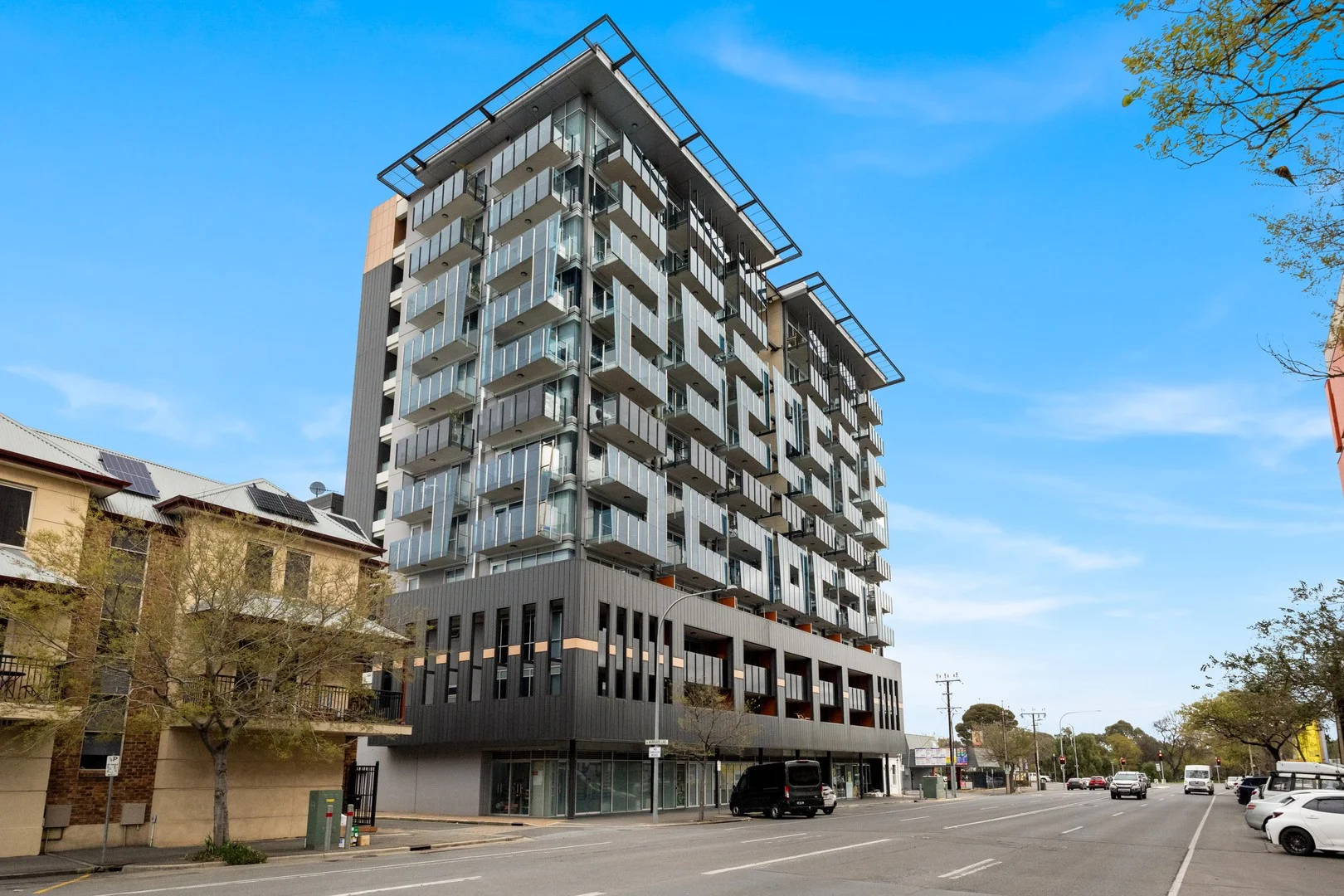 $1,100,000
Apartment / Unit / Flat
$1,100,000
Apartment / Unit / Flat
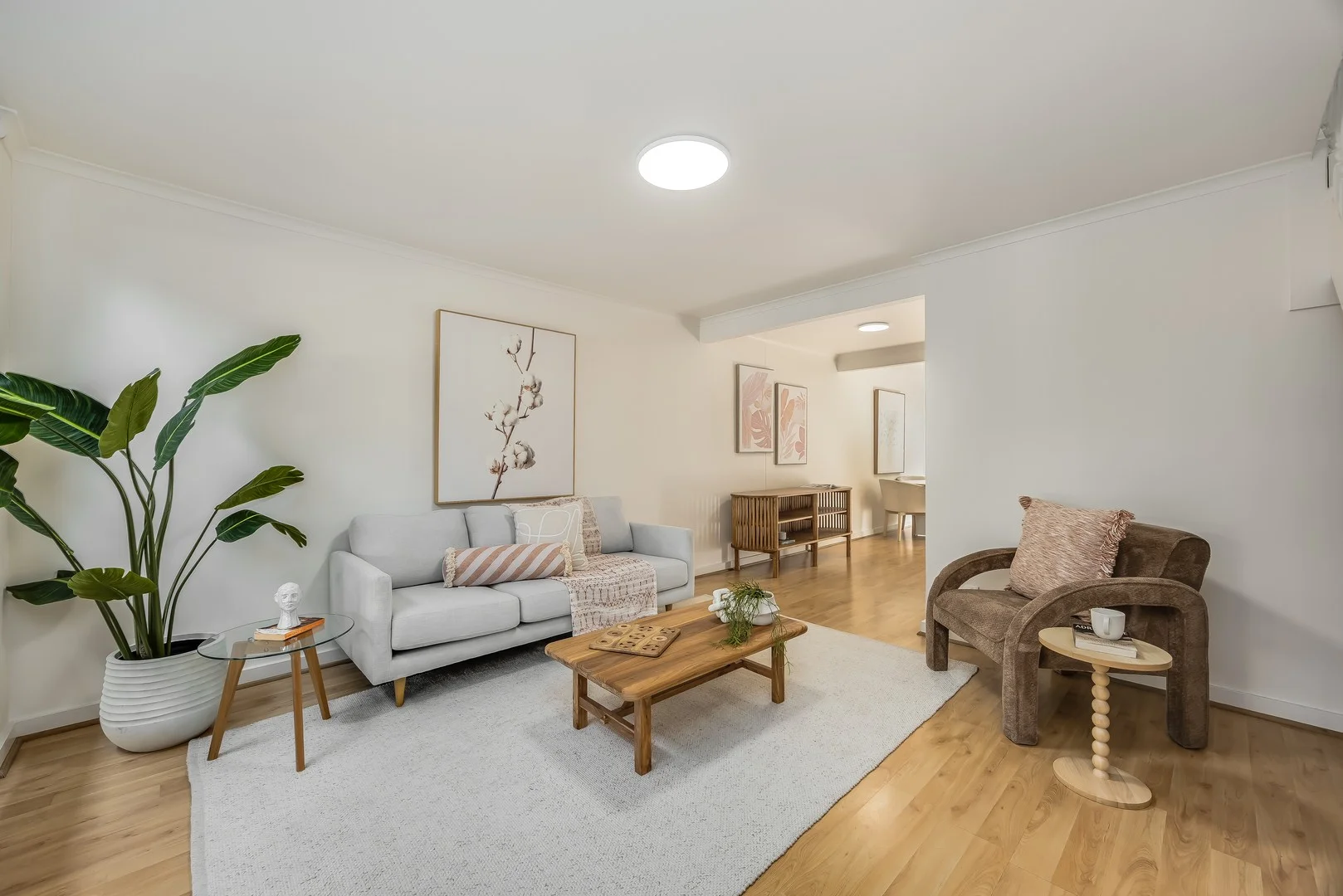 $775,000
House
$775,000
House