Overview
Our Lady of the Sacred Heart College Enfield is a Catholic independent secondary school that focuses on forming well-rounded young people. The college aims to combine strong academic standards with values-based learning in a supportive, inclusive environment. It is a medium-sized school that fosters a sense of community, belonging, and purpose among students.
- School type: Catholic independent
- School size: Medium
- Class size: Typically around 20–25 students per class
- Atmosphere/culture: Nurturing, academically focused, inclusive, with opportunities for leadership and community engagement
⸻
Academics & Learning
OLSH College Enfield emphasizes solid core learning alongside programs that broaden student capabilities and leadership.
- Academic strengths: Strong literacy and numeracy foundations, with emphasis on English, STEM areas, humanities, and development of critical thinking and leadership skills
- Special programs: Gifted and Talented / accelerated learning options; opportunities for leadership development; faith-informed character education
- NAPLAN / trends: Focus on improving reading, writing, and numeracy outcomes over time; ongoing monitoring to support students at all levels
- Student-teacher ratios: Small-to-medium class sizes enabling more individualized attention
- Support for diverse learners: Support for EAL/D and other diverse learner needs; access to learning support staff and tailored accommodations
⸻
Sports & Extracurricular Strengths
Aussie and UK parents often prioritise extracurriculars; the college offers a balanced mix of sport, arts, and clubs.
- Sports offered: Netball, basketball, soccer/football, cricket, athletics, swimming, and other team or individual sports as available
- Strong teams or achievements: Notable participation in interschool competitions; emphasis on teamwork, discipline, and fair play
- Music, arts, drama programs: Active music ensembles, choir, school productions, and performing arts opportunities
- Clubs: Robotics, coding, chess, debating, maths/science clubs, and student leadership groups
- Partnerships: Local community clubs and partnerships for competitions and enrichment activities
⸻
Wellbeing & Pastoral Care
Wellbeing is a central focus, with systems to support students’ emotional and social development.
- Anti-bullying approach: Clear policies, proactive monitoring, and student-led initiatives to foster respect
- House system: House groups to build belonging, mentorship, and healthy competition
- Counsellors / wellbeing officers: Access to school counsellors and wellbeing staff for pastoral support
- Transition support for new students: Orientation programs, peer mentoring, and ongoing check-ins to ease transitions
⸻
Facilities
The college’s facilities are designed to support a broad curriculum and student life.
- Sports grounds: On-site playing fields or courts for a range of sports
- Libraries: Well-equipped library with study spaces and digital resources
- Science labs: Modern laboratories for biology, chemistry, and physics
- Music/performing arts centers: Rehearsal spaces and performance venues
- Tech/innovation labs: Computer labs and makerspaces for coding and STEM projects
- Cafeteria: On-site canteen or dining area offering healthy options
- Updated playgrounds: Safe outdoor spaces for break times and recreation
⸻
School Values & Community Culture
Parents want to understand the school’s character and expectations.
- School values / mission: Catholic ethos integrated with academic excellence and service
- Leadership style: Collaborative, student-centered leadership with opportunities for student voice
- Behaviour expectations: Clear codes of conduct emphasizing respect, responsibility, and integrity
- Community reputation: Aims to be a welcoming, values-driven community with active parental and parish involvement
- Diversity & inclusion: Commitment to inclusivity and respect for diverse backgrounds
⸻
School Logistics & Daily Operations
Key practical details to help families plan.
- School hours: Typical daytime schedule with start and finish times; early arrival and after-school activities may be available
- Before/after school care: Options for supervision or care before/after school as available
- Uniform requirements: Standard school uniform policy (details provided by enrolment office)
- Transport: Bus routes and public transport options commonly used by students in the area
- Canteen availability: On-site canteen or lunch facilities; policies on healthy options
- Fees: Indicative ranges for tuition/levies; information on possible additional costs
⸻
Enrolment & Admissions
11. What is the enrolment process and timeline?
12. Is there a waiting list, and how does it work?
13. Are there any entry requirements, tests, or interviews?
14. Does the school accept mid-year transfers?
11. Enrolment process and timeline
- Parents typically complete an application form and submit required documentation (birth certificates, immunisation records, previous school reports, etc.). The school may have an intake year and specific application deadlines. After initial assessment, families may be invited to the school for information sessions or interviews, with a final offer communicated by a set timeline.
12. Waiting list
- If demand exceeds places, a waiting list is commonly used. Placement on the list is usually influenced by factors such as parish preference, siblings already attending, and available vacancies. The school can provide an estimated wait time and progression updates.
13. Entry requirements, tests, or interviews
- Entry may include an interview or meeting with families and students, along with review of academic records and pastoral considerations. There may be assessments or considerations for placement in appropriate year levels or streams.
14. Mid-year transfers
- The school may accept mid-year transfers depending on space and alignment with curriculum. Parents should inquire about mid-year transfer availability and any documentation or transitional supports required.
⸻
Frequently Asked Questions
- Why Parents Choose This School?
- What type of student thrives at this school?
- What opportunities are available for students to extend their skills (academics, sports, arts)?
- How does the school communicate with parents?
- What is the school’s approach to teaching and learning?
- How does the school support students who need extra academic help?
- What support is available for academic challenges?
- How does the school communicate with parents? (Note: repeated phrasing appears in the prompt—the content should be consolidated in practice)
- What are the class sizes and how much individual attention do students receive?
- What extracurricular and sports opportunities are available?
- What facilities does the school offer (sports, science, arts)?
- What is the school’s approach to technology and digital learning?
- What transport and accessibility options are available?
- What are the typical school fees or additional costs?
⸻
Short Pros & Cons
Pros
- Catholic values-based education with a supportive community
- Moderate class sizes enabling individualized attention
- Broad range of academics, arts, and sports programs
- Strong wellbeing and pastoral support, with house-based community
Cons
- As a medium-sized school, competition for some programs can arise during peak intake periods
- Enrolment may involve waiting lists or placement processes depending on demand
- Some specialised programs may have limited seats or flexible entry requirements
⸻









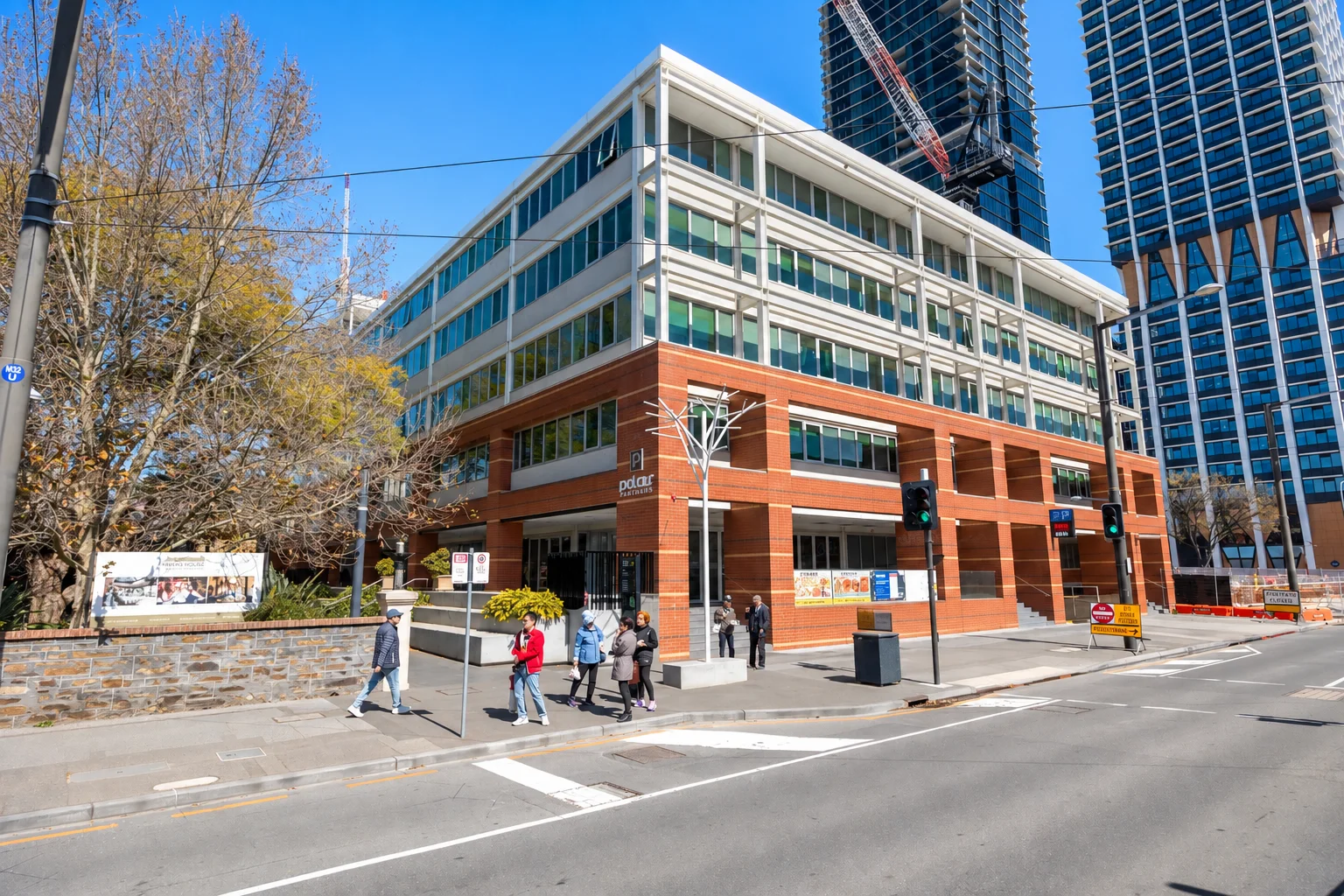 $545,000
Apartment / Unit / Flat
$545,000
Apartment / Unit / Flat
 $588,000
Apartment / Unit / Flat
$588,000
Apartment / Unit / Flat
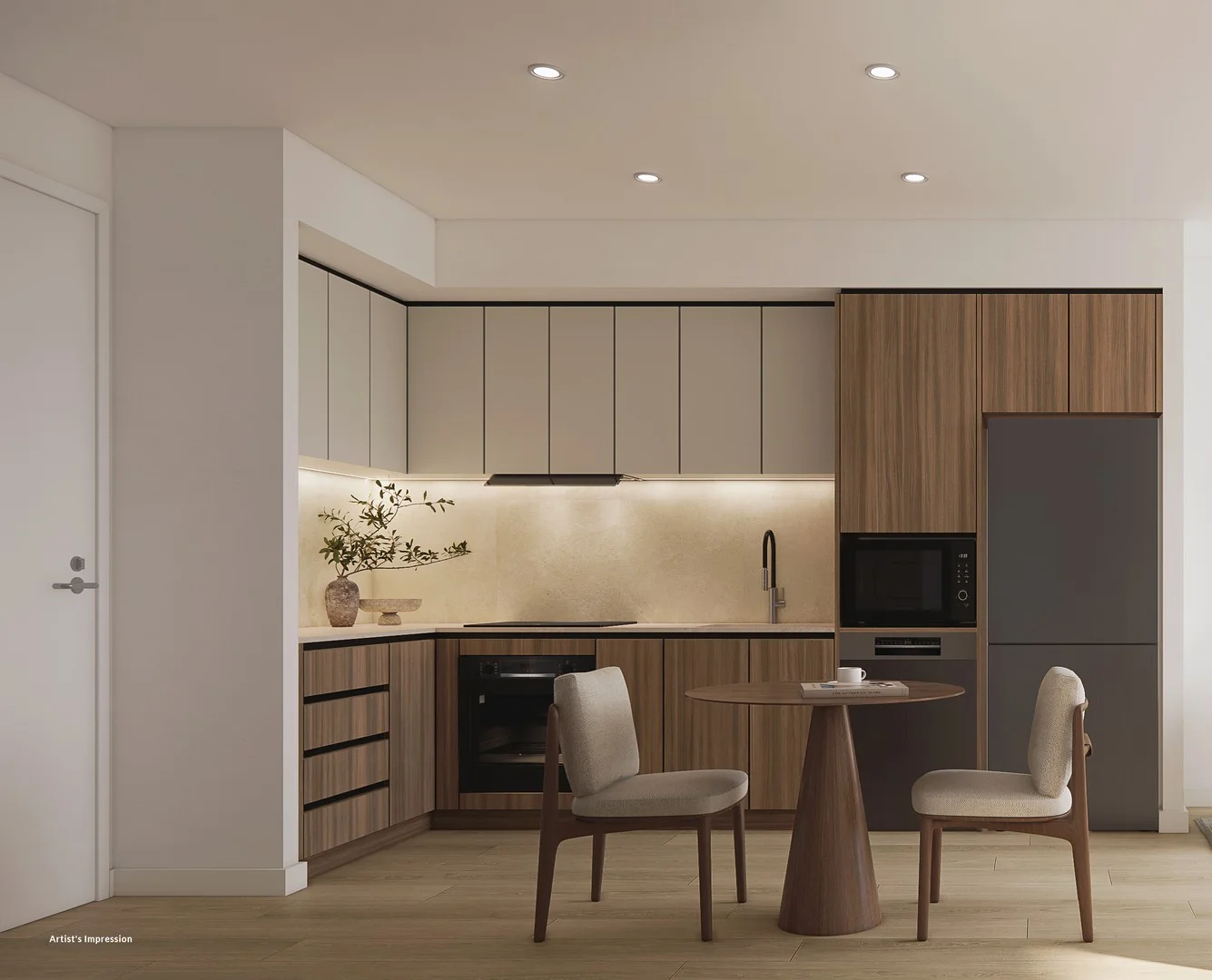 $557,000
Apartment / Unit / Flat
$557,000
Apartment / Unit / Flat
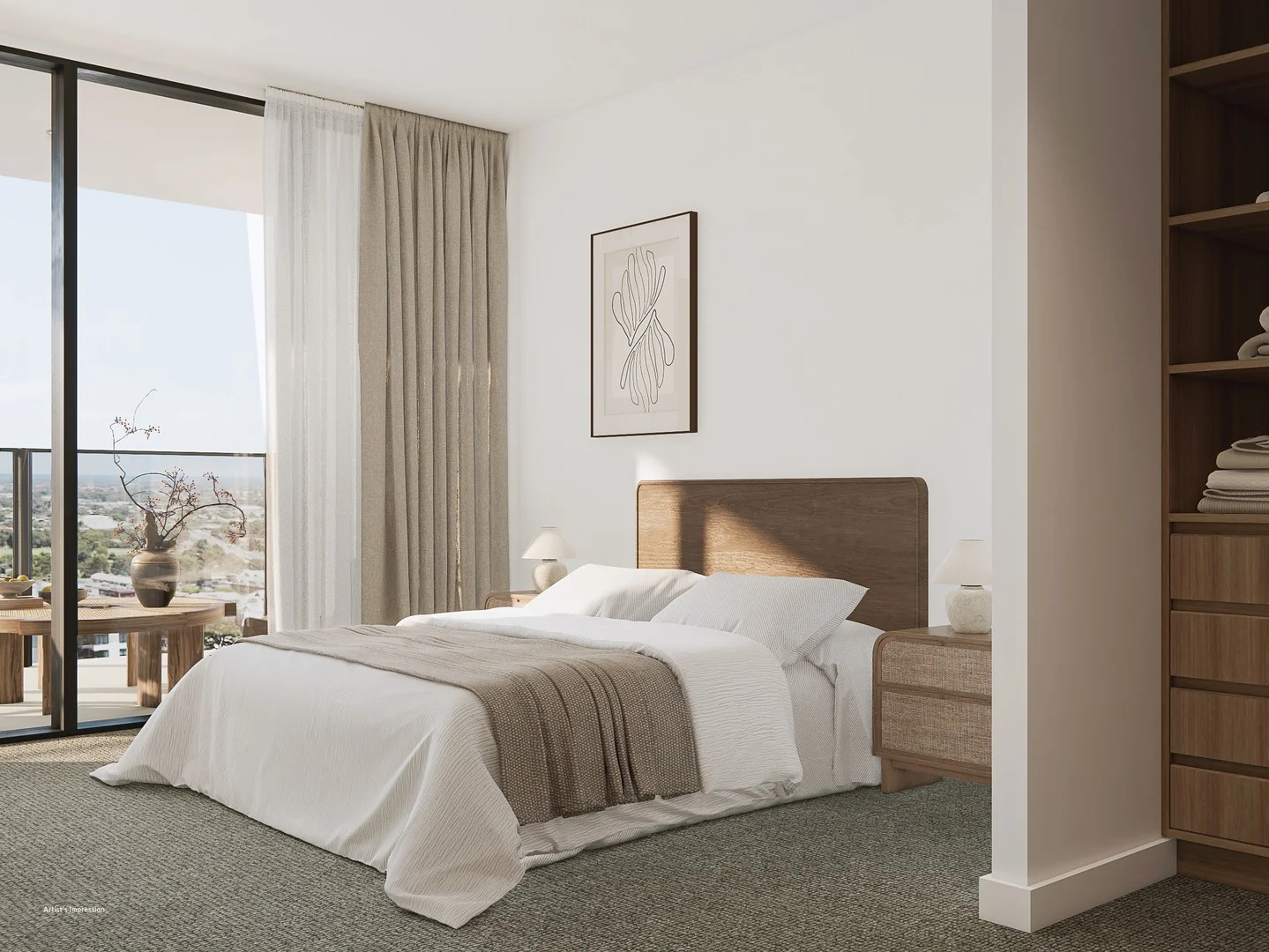 $935,000
Apartment / Unit / Flat
$935,000
Apartment / Unit / Flat
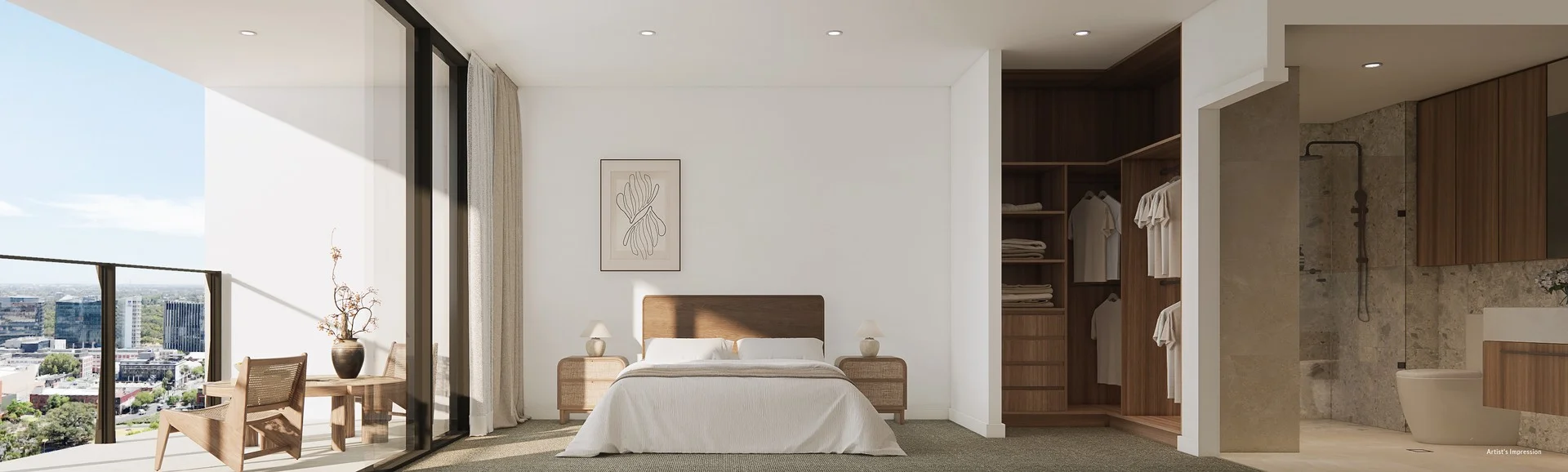 $1,056,000
Apartment / Unit / Flat
$1,056,000
Apartment / Unit / Flat
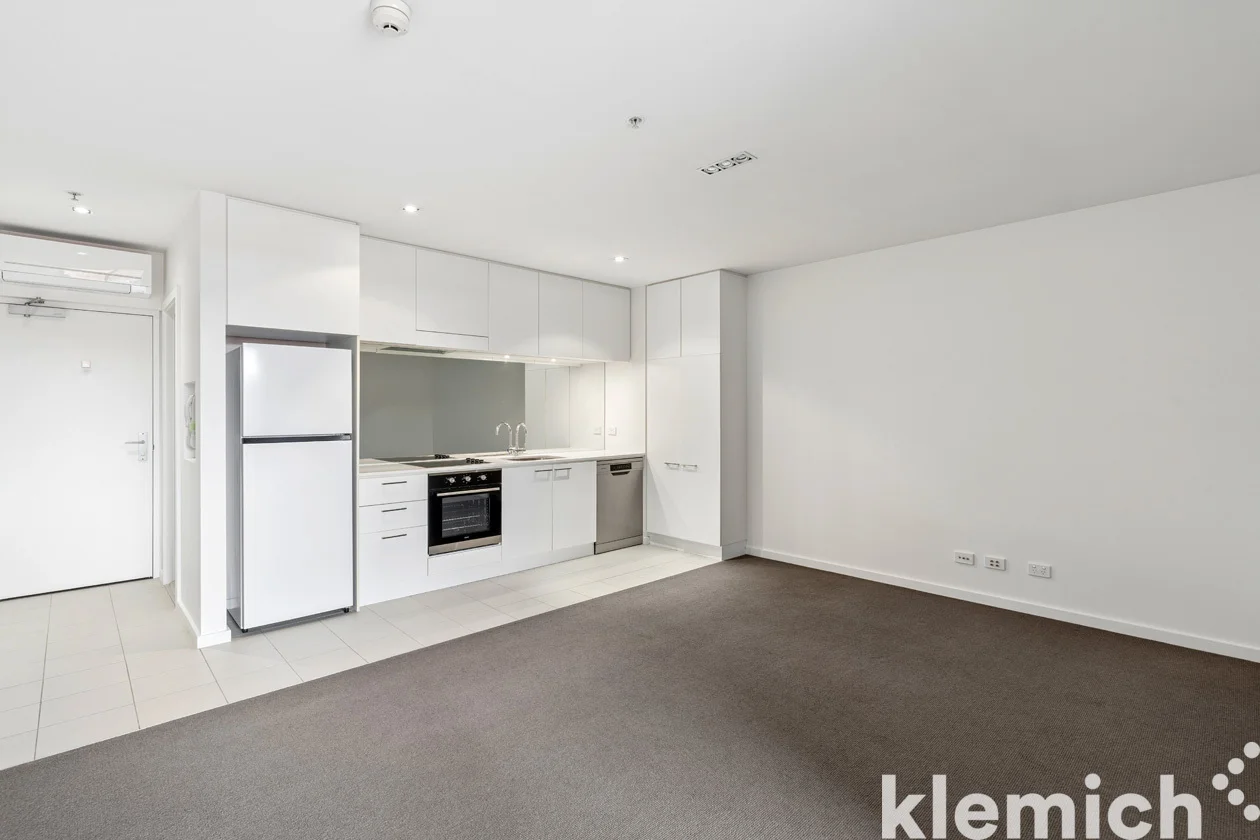 $440,000
Apartment / Unit / Flat
$440,000
Apartment / Unit / Flat
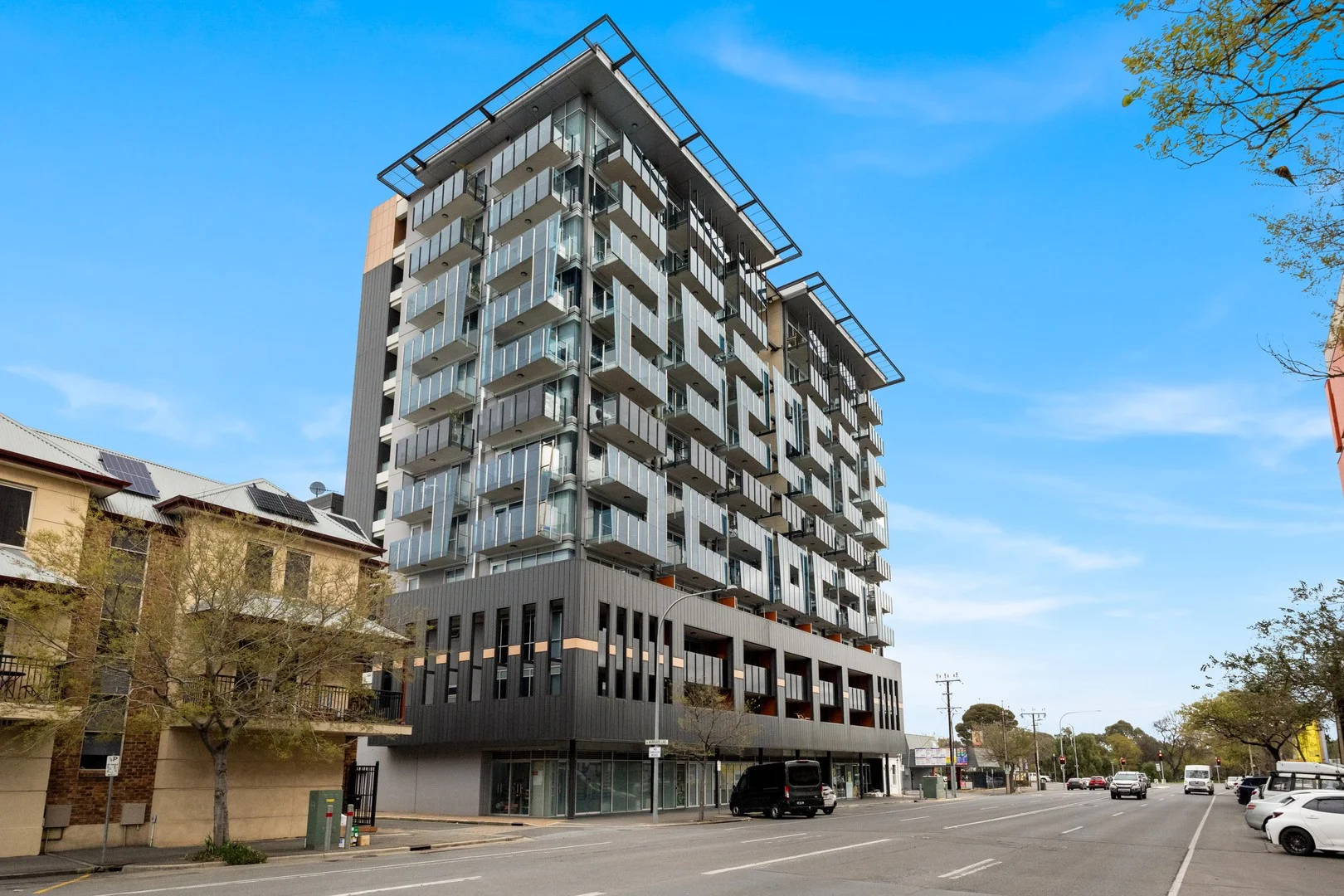 $1,100,000
Apartment / Unit / Flat
$1,100,000
Apartment / Unit / Flat
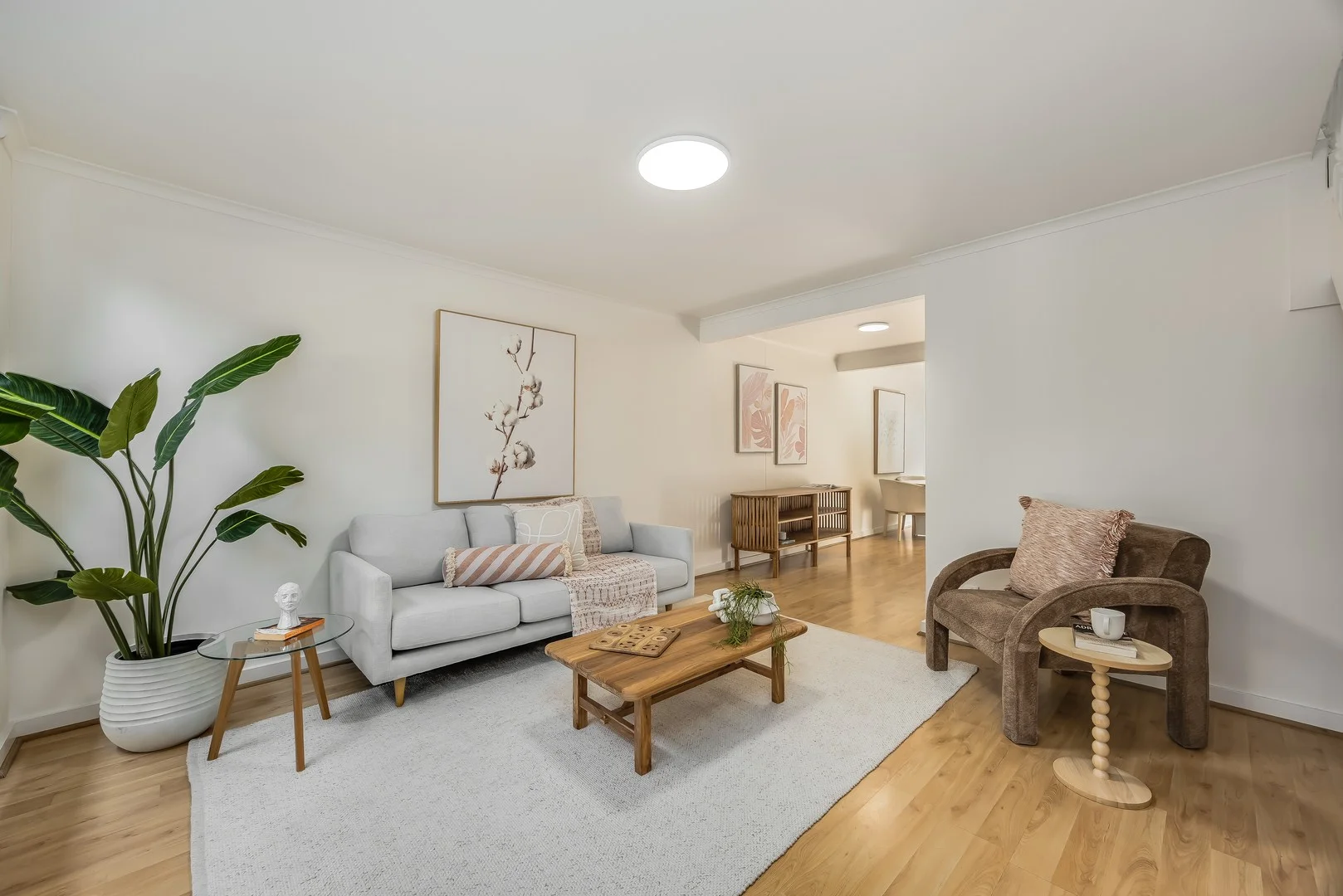 $775,000
House
$775,000
House