Overview
1. Overview
St Paul Lutheran School Blair Athol is a private, independent Lutheran primary school serving families in north Adelaide. As a faith-based, community-focused school, it offers a small to medium learning environment with close, supportive teacher-student connections and a emphasis on values-based education within a Lutheran framework. Class sizes are generally small to medium, fostering individual attention and strong student–teacher relationships in a nurturing atmosphere.
The school prioritises personal growth, curiosity and a love of learning through a balanced approach to academics, pastoral care and faith formation. It places a strong emphasis on community involvement, service, and building a sense of belonging for students and their families.
⸻
2. Academics & Learning
- Academic strengths: strong foundations in literacy and numeracy, with robust STEM and digital learning programs; leadership development and opportunities for student responsibility are embedded across the curriculum.
- Special programs: opportunities for gifted and talented pathways, plus potential accelerated learning options where available; faith-informed learning integrated with broader academic growth.
- NAPLAN trends: typically demonstrates steady improvement and competitive performance in key domains, with emphasis on continuous growth year over year rather than focusing on scores alone.
- Student-teacher ratios: small to medium class sizes, commonly in the single digits to low double digits per class teacher, enabling more individual attention.
- Support for diverse learners: targeted support for diverse learning needs, including EAL (English as an Additional Language) and SEN (Special Educational Needs) through an inclusive education framework and access to specialist staff as appropriate.
⸻
3. Sports & Extracurricular Strengths
- Sports offered: soccer, netball, basketball, cricket, AFL-influenced football options, athletics and other local physical education activities.
- Strong teams or achievements: competitive participation in regional inter-school events with a supportive culture for developing sport skills; emphasis on teamwork, fair play and personal bests.
- Music, arts, drama programs: school ensembles, choir or vocal groups, and regular music and drama performances to showcase student talent.
- Clubs: robotics, coding, chess, debating and other enrichment clubs that promote problem solving and critical thinking.
- Partnerships: connections with local clubs, community organizations and regional competitions to broaden student opportunities beyond the classroom.
⸻
4. Wellbeing & Pastoral Care
- Anti-bullying approach: comprehensive anti-bullying policies, proactive student wellbeing programs, buddy systems and restorative practices to promote safe, respectful environments.
- House system: house-based structure to foster belonging, healthy competition, teamwork and leadership opportunities across year levels.
- Counsellors / wellbeing officers: access to school-based welfare staff or wellbeing coordinators to support students’ emotional and social health.
- Transition support for new students: formal induction programs, orientation activities and a buddy system to help new students settle in smoothly.
⸻
5. Facilities
- Sports grounds: well-maintained playing fields or courts suitable for PE and inter-school activities.
- Libraries: a dedicated library space for reading, research and quiet study.
- Science labs: practical lab spaces to support science learning and experiments.
- Music/performing arts centers: facilities for music, drama and performance opportunities.
- Tech/innovation labs: computing and technology spaces that support coding, robotics and digital learning.
- Cafeteria: on-site canteen or dining area offering healthy options.
- Updated playgrounds: modern, safe outdoor play spaces for break times and exploration.
⸻
6. School Values & Community Culture
- School values / mission: faith-informed education grounded in Lutheran values such as respect, integrity, service and compassion; emphasis on character development alongside academic achievement.
- Leadership style: collaborative and student-centered, with opportunities for student leadership, peer mentoring and involvement in school life.
- Behaviour expectations: clear codes of conduct, consistent expectations, and supportive disciplinary approaches aimed at restoration and learning.
- Community reputation: engaged and supportive school community with strong parental involvement and a culture of care.
- Diversity & inclusion: welcoming environment that respects diverse backgrounds and promotes inclusion within the faith-based framework.
⸻
7. School Logistics & Daily Operations
- School hours: typical school day spans mornings to afternoons with start and finish times published by the school; check current timetable for exact hours.
- Before/after school care: options for before and after school care or OSHC (Out of School Hours Care) may be available through the school or local providers.
- Uniform requirements: school uniform required, with guidance on daily wear and sport/physical education uniform.
- Transport (train/bus routes): local public transport options may be available; information on bus routes and times is provided by the school or transport authorities.
- Canteen availability: canteen or lunch services available to support student meals during the school day.
- Fees (low/medium/high ranges): private school fees typically fall in the low to mid range relative to similar settings; exact fees and any concessions or sibling discounts are provided by the school on request.
⸻
8. Enrolment & Admissions
11. What is the enrolment process and timeline?
- Inquiries are welcomed, followed by information sessions or tours.
- Parents submit an enrolment application with required documentation.
- The school may conduct student assessments or interviews, along with family interviews.
- Offers are made based on space availability and alignment with the school’s values and readiness criteria.
- Upon acceptance, enrollment is confirmed and the start date is arranged.
12. Is there a waiting list, and how does it work?
- There may be a waiting list for year levels with high demand. Priority is often given to siblings and Lutheran family applicants, with timelines varying by intake year and cohort capacity.
13. Are there any entry requirements, tests, or interviews?
- Typically an application plus interviews for both student and family.
- Some year levels may require informal assessments to understand readiness and learning needs.
- Alignment with the school’s values and pastoral approach is considered during the admissions process.
14. Does the school accept mid-year transfers?
- Mid-year transfers are considered if there is space, with an onboarding process to support the transition.
- Transfer timelines depend on subject availability and alignment with current cohorts, and may involve brief assessments or consultations with teachers.
⸻
9. Frequently Asked Questions
- Why Parents Choose This School?
- Parents choose a faith-based, values-driven education with small class sizes, strong pastoral care and a supportive, inclusive community that emphasises character development alongside academics.
- What type of student thrives at this school?
- Students who are cooperative, curious and values-oriented tend to thrive, benefiting from close relationships with teachers and active participation in school life.
- What opportunities are available for students to extend their skills (academics, sports, arts)?
- Opportunities include leadership roles, accelerated learning options where available, STEM and digital learning, music and drama programs, and a range of sports and clubs (robotics, coding, chess, debating).
- How does the school communicate with parents?
- Regular updates through newsletters, emails, parent-teacher conferences, and digital platforms; proactive communication around student progress, events and wellbeing needs.
- What is the school’s approach to teaching and learning?
- A balanced, student-centered approach combining evidence-based pedagogy, faith-informed perspectives, and opportunities for inquiry, collaboration and hands-on learning.
- How does the school support students who need extra academic help?
- Targeted interventions, small-group support, and access to specialist staff; ongoing progress monitoring and collaboration with families.
- What support is available for academic challenges?
- Structured support plans, differentiated instruction and, where appropriate, referrals to external specialists or services in coordination with families.
- How does the school communicate with parents? (duplicate)
- See above: regular channels and proactive updates.
- What are the class sizes and how much individual attention do students receive?
- Class sizes are small to medium, designed to maximise teacher-student interaction and personalised feedback.
- What extracurricular and sports opportunities are available?
- A range of sports (court and field sports), arts, music and drama, plus clubs such as robotics, coding, chess and debating.
- What facilities does the school offer (sports, science, arts)?
- Dedicated spaces for sport, libraries, science labs, performing arts, technology and coding facilities, plus dining areas and safe outdoor spaces.
- What is the school’s approach to technology and digital learning?
- Integration of digital literacy across the curriculum, with age-appropriate use of technology to support learning and creativity.
- What transport and accessibility options are available?
- Transport options and accessibility details are provided by the school and local services; families should check current arrangements.
- What are the typical school fees or additional costs?
- Fees fall in the private school fee range (low to mid range for many families), with specifics provided by the school and potential concessions or sibling discounts.
⸻
10. Short Pros & Cons list
Pros
- Private, faith-based environment with values-driven education
- Small to medium class sizes enabling personalized attention
- Strong focus on wellbeing, pastoral care and student belonging
- Diverse range of academic, arts, sports and enrichment opportunities
- Active community involvement and supportive school culture
Cons
- Private school fees may be a consideration for some families
- As a smaller school, facilities and course breadth may be more limited than larger institutions
- Availability of mid-year transfers depends on space and cohort requirements
⸻









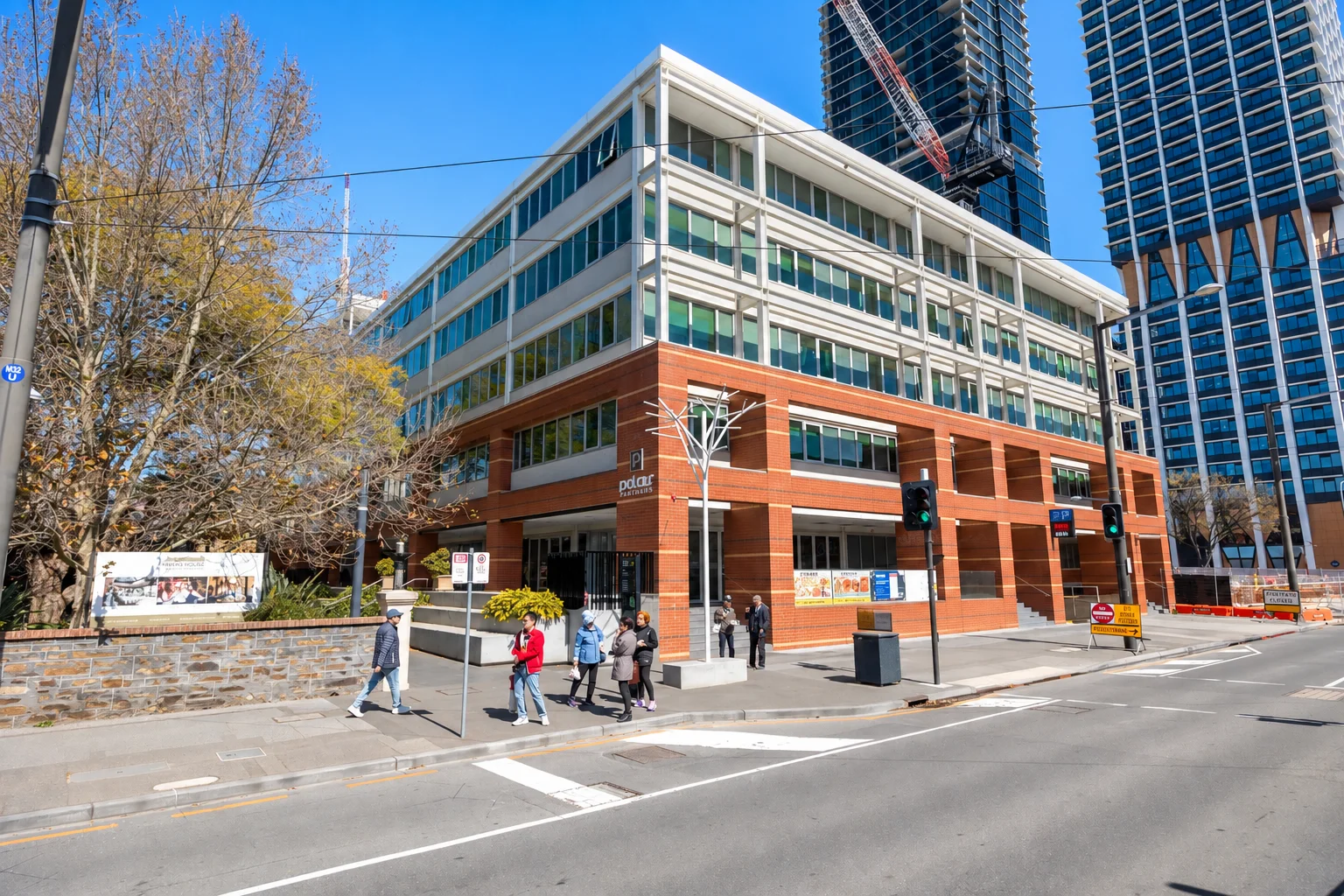 $545,000
Apartment / Unit / Flat
$545,000
Apartment / Unit / Flat
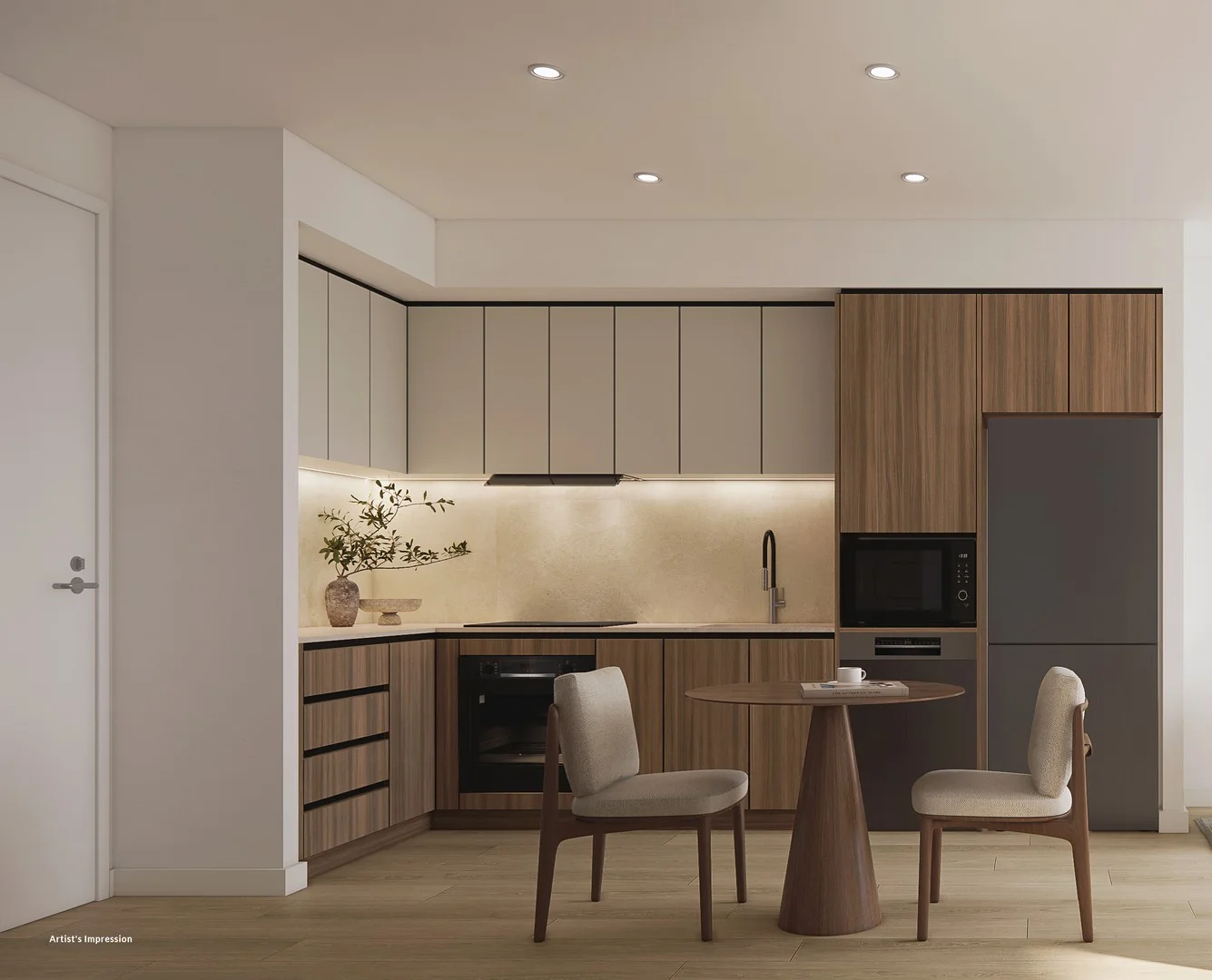 $557,000
Apartment / Unit / Flat
$557,000
Apartment / Unit / Flat
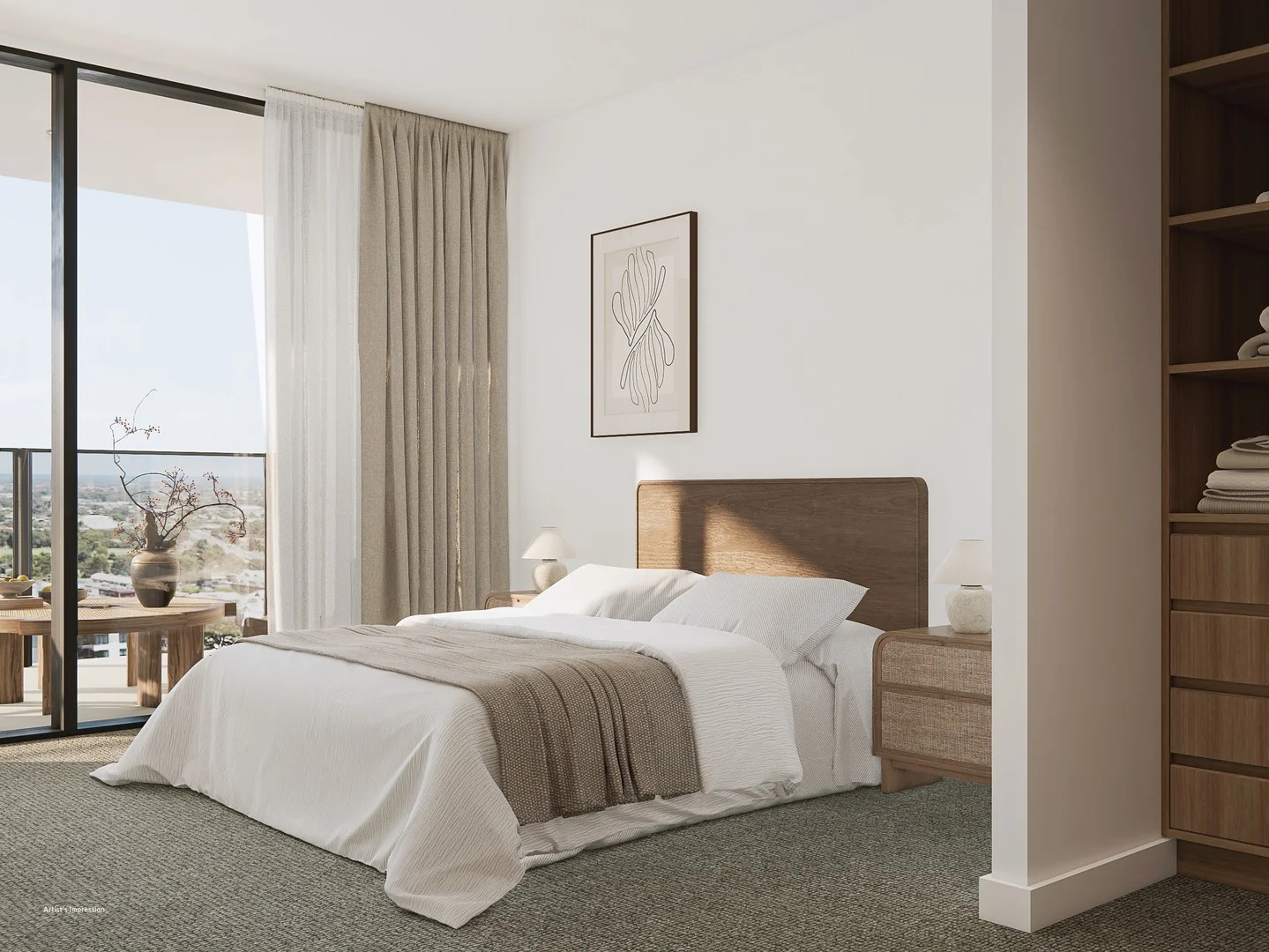 $935,000
Apartment / Unit / Flat
$935,000
Apartment / Unit / Flat
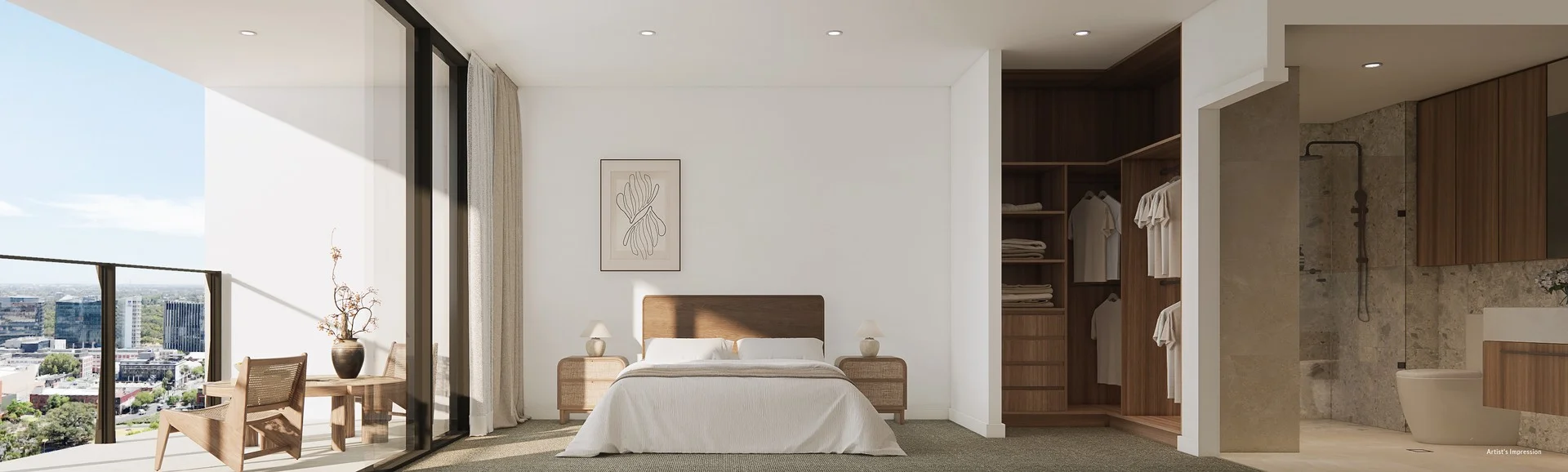 $1,056,000
Apartment / Unit / Flat
$1,056,000
Apartment / Unit / Flat
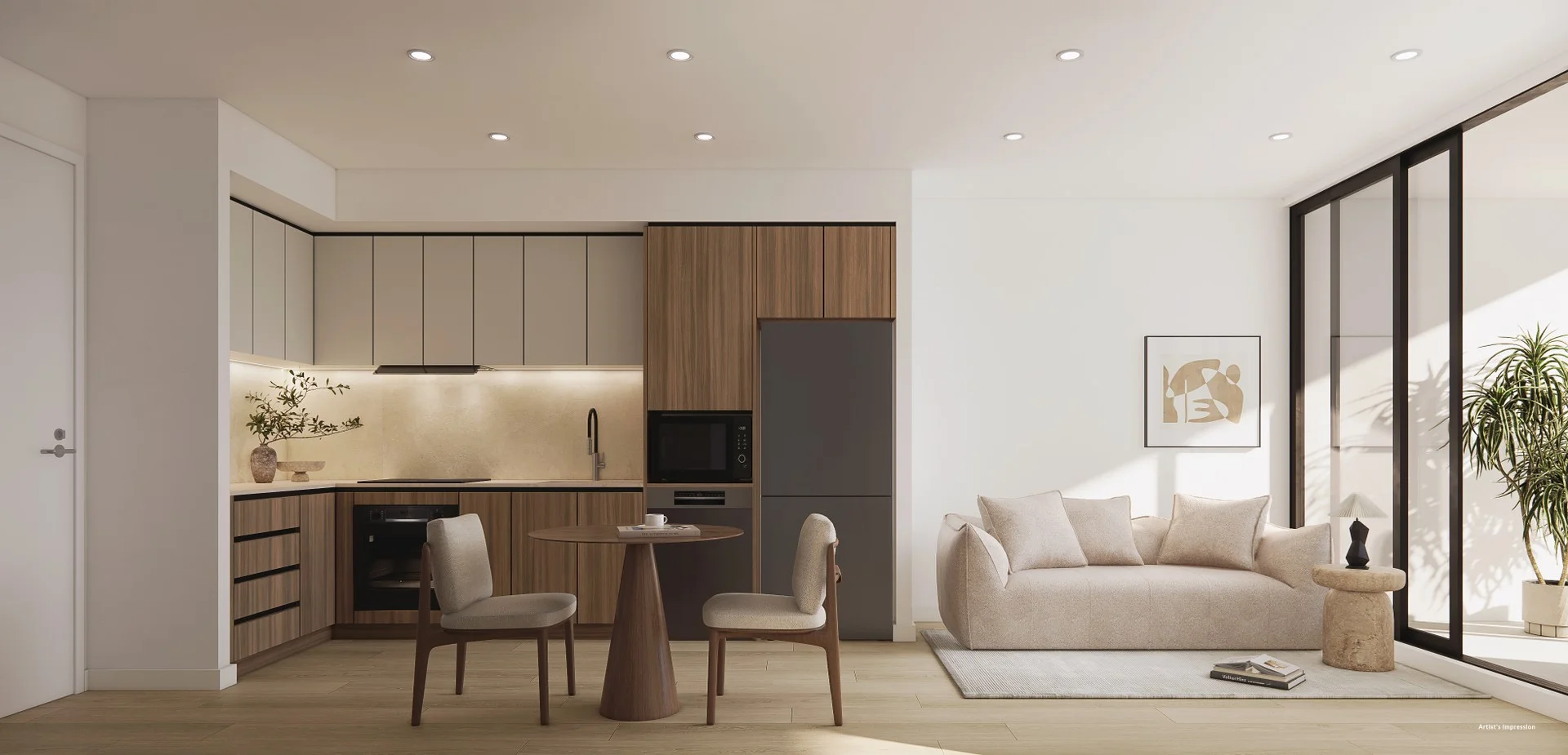 $588,000
Apartment / Unit / Flat
$588,000
Apartment / Unit / Flat
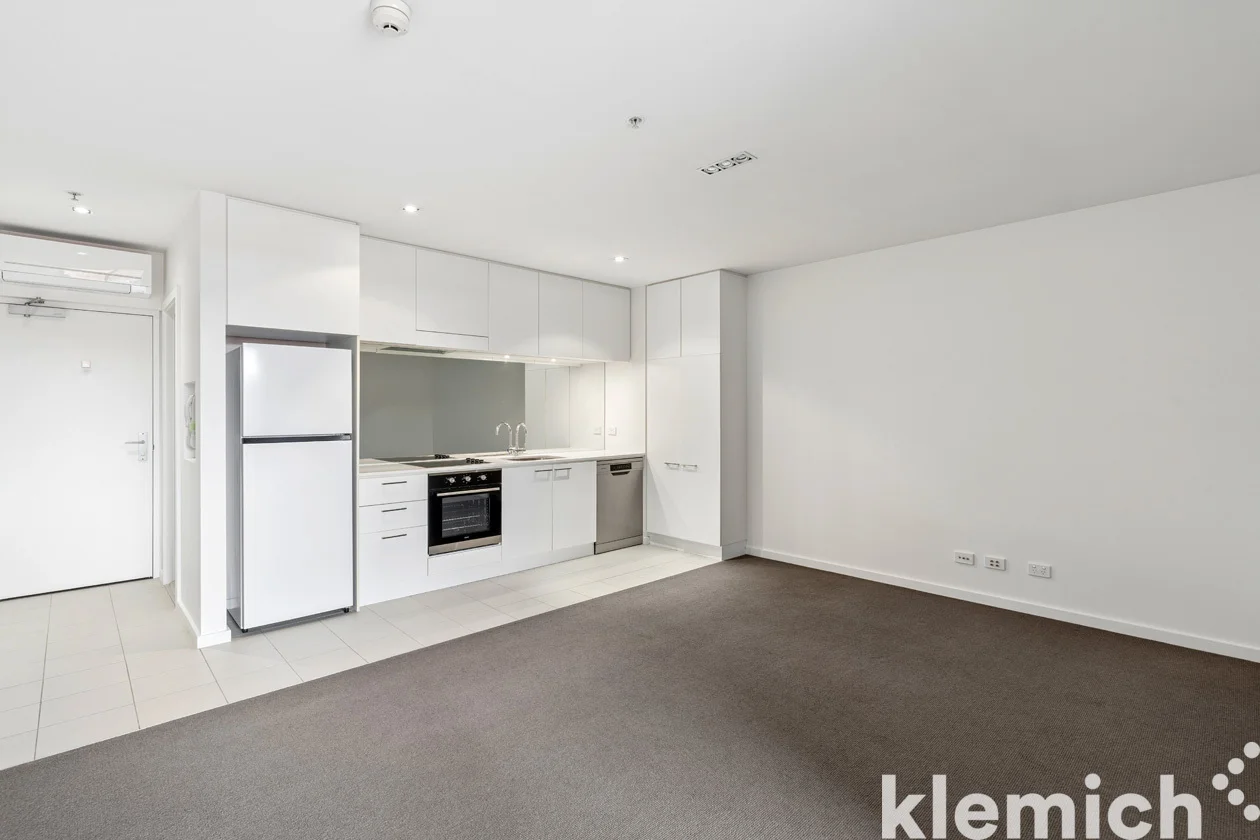 $440,000
Apartment / Unit / Flat
$440,000
Apartment / Unit / Flat
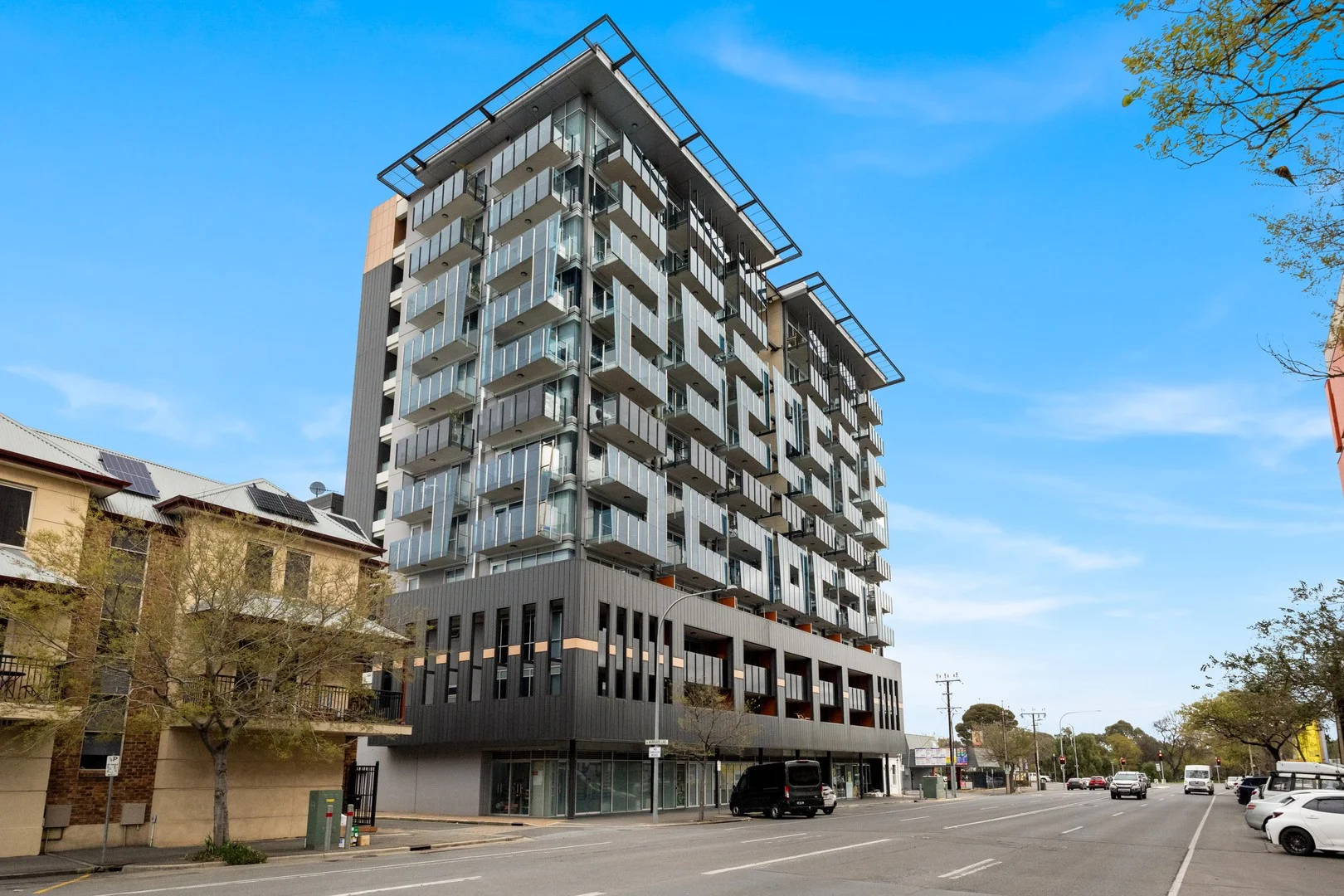 $1,100,000
Apartment / Unit / Flat
$1,100,000
Apartment / Unit / Flat
 $775,000
House
$775,000
House