Overview
# Overview
Botanic Ridge Primary School is a public (government) primary school serving families in the Botanic Ridge area. The school focuses on a welcoming, inclusive learning community that supports each child’s growth across academics, wellbeing and social development. The environment tends to be described as nurturing and student-centered, with emphasis on collaboration, respect and community involvement.
The school is medium-sized, balancing access to varied programs with a close-knit, supportive culture. Class sizes are designed to be manageable for effective teaching and learning, with teachers aiming to provide individual attention and targeted support where needed. The atmosphere is generally described as inclusive, with a strong sense of cooperation among students, families and staff.
---
# Academics & Learning
- Academic strengths: Emphasis on solid literacy and numeracy foundations, with opportunities to explore STEM, inquiry-based learning, and integration of digital technologies. English and mathematics are foundational priorities, with cross-curricular projects that develop critical thinking and communication skills.
- Special programs: Potential inclusion of inquiry-based learning, STEAM initiatives and opportunities for targeted extension or gifted/talented pathways where available. Programs to support diverse learners, including EAL and SEN, are typically part of a broad-learning approach.
- NAPLAN / trends: Schools in Victoria generally aim for steady improvement and consistent performance across reading, writing and numeracy, with a focus on growth for all students rather than solely on scores. Expect discussions of progress and year-to-year trends with ongoing literacy and numeracy supports.
- Student-teacher ratios: Class sizes are designed to be small-to-medium to support effective teaching and individual attention. The school aims to keep ratios conducive to close teacher-student interaction and timely feedback.
- Support for diverse learners: Strong emphasis on inclusion, with supports for EAL learners and students needing additional assistance through targeted interventions, in-class supports and specialist referral pathways.
---
# Sports & Extracurricular Strengths
- Sports offered: A broad range of school-based and interschool activities typical for Australian primary schools, including team and individual sports suited to primary-age students.
- Strong teams or achievements: The school often participates in district or interschool events and athletics programs, with emphasis on teamwork, participation and personal bests.
- Music, arts, drama programs: Access to music and performing arts experiences as part of the curriculum and after-school activities.
- Clubs: Robotics, coding, chess, debating and other interest-based clubs are commonly available or offered through partnerships with staff or community programs.
- Partnerships: Local clubs, community groups and regional competitions may provide additional opportunities in sport, coding, robotics and other disciplines.
Note: Specific offerings can vary year to year; check with the school for the current extracurricular lineup and any eligibility requirements.
---
# Wellbeing & Pastoral Care
- Anti-bullying approach: Schools typically implement a proactive, whole-school approach to wellbeing and positive behavior, emphasizing respect, empathy and safe environments.
- House system: A house structure is commonly used to promote belonging, competition, teamwork and leadership opportunities across year levels.
- Counsellors / wellbeing officers: Dedicated wellbeing staff or coordinators support social-emotional learning, student resilience and access to counselling services.
- Transition support for new students: Structured welcome programs, buddy systems and orientation activities help new students settle into the school community.
---
# Facilities
- Sports grounds: Outdoor playing fields and courts suitable for a range of sports and physical education.
- Libraries: School library with access to books, digital resources and quiet study spaces.
- Science labs: Practical spaces or well-equipped learning areas to support science investigations and hands-on activities.
- Music/performing arts centers: Venues or spaces for music, drama and performance-based learning.
- Tech/innovation labs: Dedicated spaces for digital technologies, coding, robotics and STEM projects.
- Cafeteria: On-site canteen or lunch facilities to support healthy eating and student meals.
- Updated playgrounds: Modern, safe play areas and outdoor learning spaces.
---
# School Values & Community Culture
- Values / mission: A clear focus on respect, responsibility, inclusion, resilience and collaboration, embedded in everyday learning and school life.
- Leadership style: Students are encouraged to have a voice through student council or leadership opportunities; staff foster collaborative decision-making and constructive feedback.
- Behaviour expectations: Positive-behaviour framework that reinforces consistent expectations across classrooms and common areas.
- Community reputation: A friendly, family-oriented culture with active involvement from families and local networks.
- Diversity & inclusion: Commitments to an inclusive environment that welcomes students from diverse backgrounds and provides equitable access to learning opportunities.
---
# School Logistics & Daily Operations
- School hours: Typical primary hours align with state norms (start mid-morning to early afternoon); exact times vary by year level and term.
- Before/after school care: OSHC or similar programs commonly available to support families' needs surrounding school hours.
- Uniform requirements: A school uniform policy with clear guidelines for daily wear and any approved changes for terms or events.
- Transport: Information on bus routes or proximity to train stations, plus parking and drop-off/pick-up arrangements.
- Canteen availability: Canteen or lunch services available to students.
- Fees: Public schools typically do not charge tuition; there may be costs for essential items, book packs, excursions or optional programs. Overall, the costs are generally low to moderate and communicated upfront.
---
# Enrolment & Admissions
11. What is the enrolment process and timeline?
- In Victoria, enrolment is typically handled through the school with consideration of the local catchment. Parents submit an application, provide required documents (proof of address, birth certificate, immunisation records, etc.), and await a placement offer. The school may run open days or information sessions, followed by notification of offers within a defined timeline.
12. Is there a waiting list, and how does it work?
- If year levels have limited places, a waiting list may operate. Priorities are usually based on catchment status and available vacancies; families will be contacted if a place becomes available.
13. Are there any entry requirements, tests, or interviews?
- Primary enrolments typically do not require entrance tests. Some schools may request brief meetings or readiness discussions for transition planning, and accommodation is made for EAL or SEN considerations as needed.
14. Does the school accept mid-year transfers?
- Mid-year transfers may be possible subject to vacancies and the student’s readiness to integrate into the cohort. Application should be initiated as soon as possible, and the school will advise on availability and timelines.
---
# Frequently Ask Questions
- Why Parents Choose This School?
- A welcoming, supportive community with a focus on student wellbeing, strong communication with families, and a balanced focus on academics, sports and arts.
- What type of student thrives at this school?
- Students who benefit from a inclusive, collaborative learning environment, values-based culture, and opportunities to participate in a range of activities beyond core academics.
- What opportunities are available for students to extend their skills (academics, sports, arts)?
- Access to extended literacy and numeracy supports, enrichment programs, STEM/STEAM projects, arts and music experiences, sports and interschool activities, and clubs such as robotics, coding, chess and debating.
- How does the school communicate with parents?
- Through newsletters, emails, a school app or portal, parent-teacher conferences and regular updates on student progress and school events.
- What is the school’s approach to teaching and learning?
- A Victorian Curriculum-aligned approach with student-centered, inquiry-based learning, differentiation to meet diverse needs and ongoing assessment for growth.
- How does the school support students who need extra academic help?
- In-class supports, targeted intervention programs, EAL and SEN assistance, and access to specialist staff or referrals as needed.
- What support is available for academic challenges?
- Diagnostic assessments, small-group or one-on-one interventions, and collaboration with families to build personalised learning plans.
- How does the school communicate with parents?
- See above; multiple channels used to keep families informed and involved.
- What are the class sizes and how much individual attention do students receive?
- Class sizes are designed to be small-to-medium to enable regular feedback, targeted instruction and opportunities for teachers to monitor progress closely.
- What extracurricular and sports opportunities are available?
- A broad range of sports and extracurricular activities, including clubs such as robotics, coding, chess and debating, plus music and arts programs and interschool opportunities.
- What facilities does the school offer (sports, science, arts)?
- Sports grounds, library, science spaces, music/performing arts facilities, tech/innovation labs, cafeteria and updated playgrounds.
- What is the school’s approach to technology and digital learning?
- Integration of digital technologies across the curriculum, with appropriate devices and platforms to support learning, coding, data literacy and digital citizenship.
- What transport and accessibility options are available?
- Local transport options (bus/train access where applicable), clear drop-off/pick-up arrangements and consideration of accessibility needs.
- What are the typical school fees or additional costs?
- As a public school, there is no tuition; families may encounter essential levies, book packs, camps or activity costs, which are generally communicated in advance.
---
# Short Pros & Cons list
Pros
- Inclusive, supportive learning environment with a focus on wellbeing
- Clear communication with families and strong community involvement
- Broad range of extracurricular activities and clubs
- Balance of academics, arts, sport and STEM opportunities
- Modern facilities and well-maintained learning spaces
Cons
- Class sizes and resources can vary by year level or cohort
- Popular year levels may have waitlists or limited vacancies
- Availability of some specialized programs depends on yearly staffing and funding
- Mid-year transfers may be contingent on vacancies and transition planning
If you’d like, I can tailor these sections to reflect current, school-specific details. Just share any exact figures or programs you want included, and I’ll adjust the content accordingly.




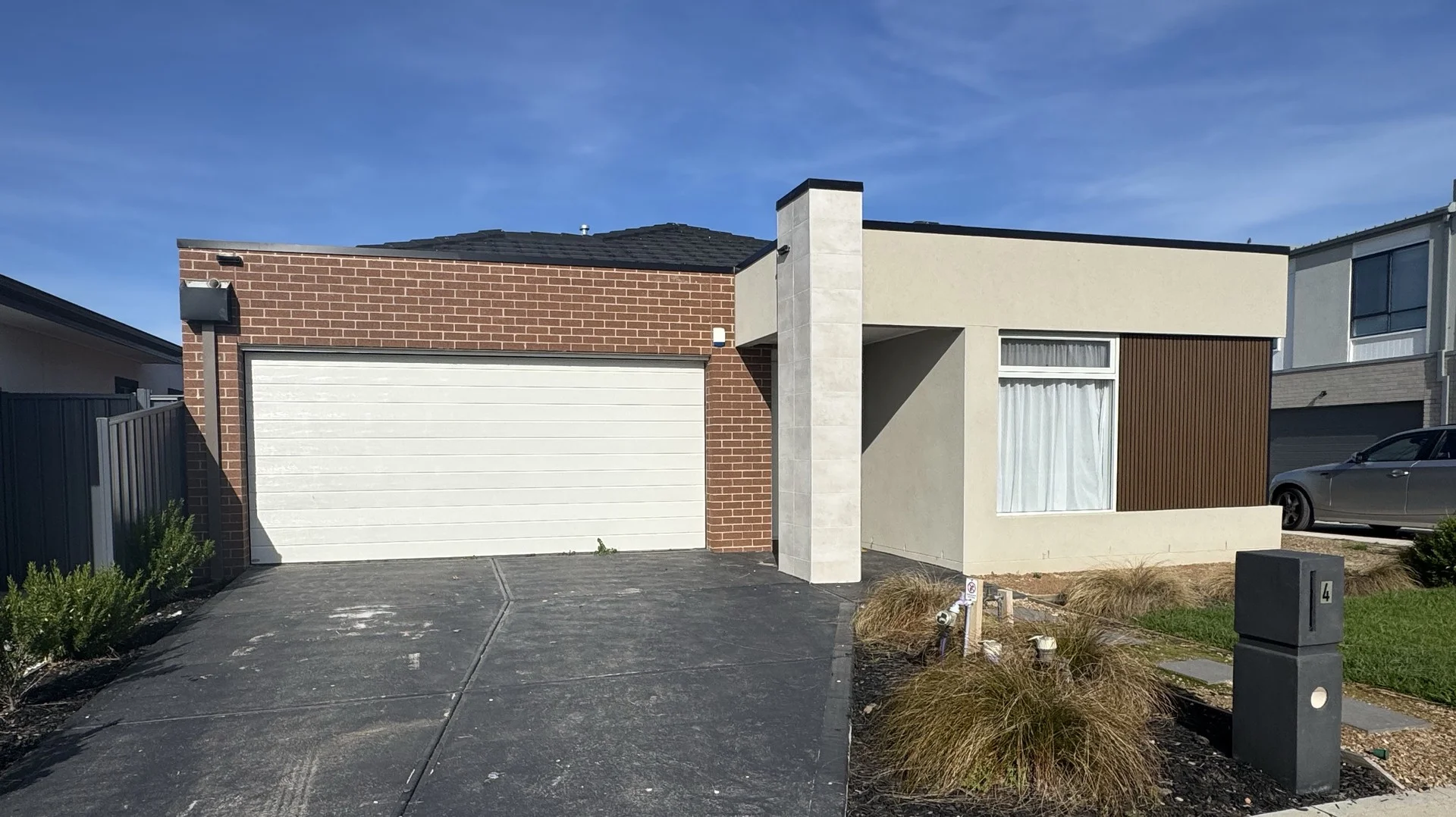 $600
House
$600
House
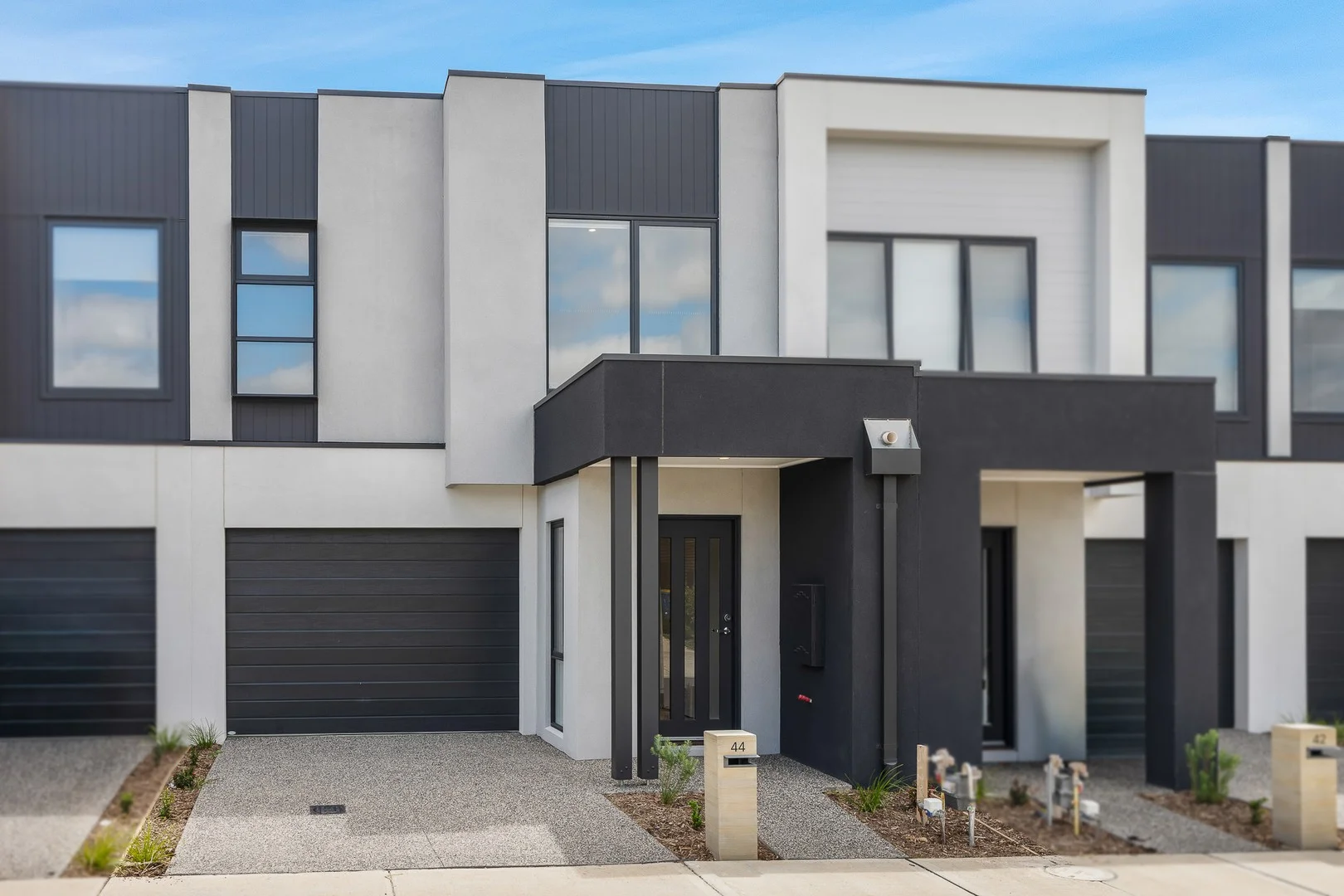 $595,000 - $645,000
House
$595,000 - $645,000
House
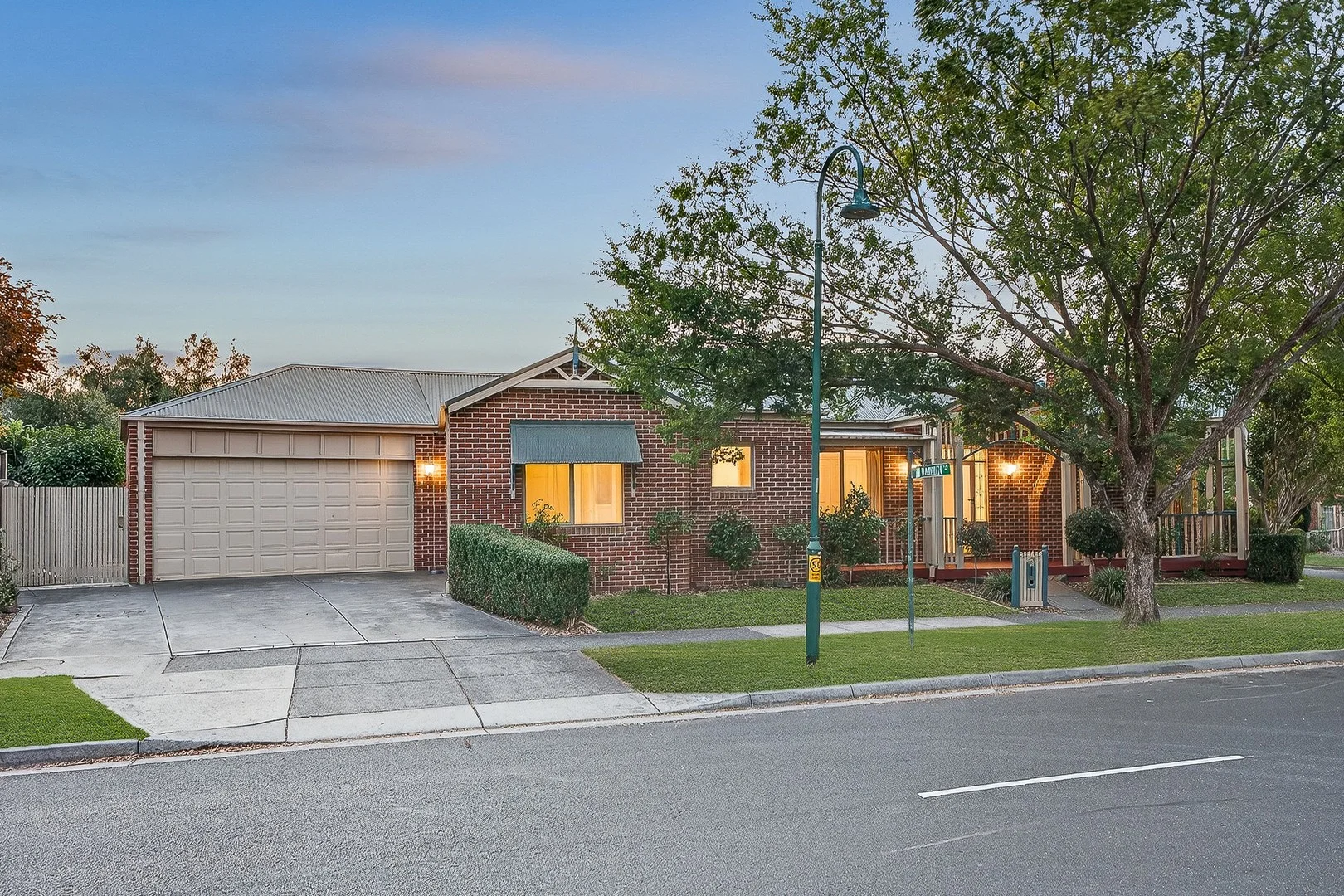 $700
House
$700
House
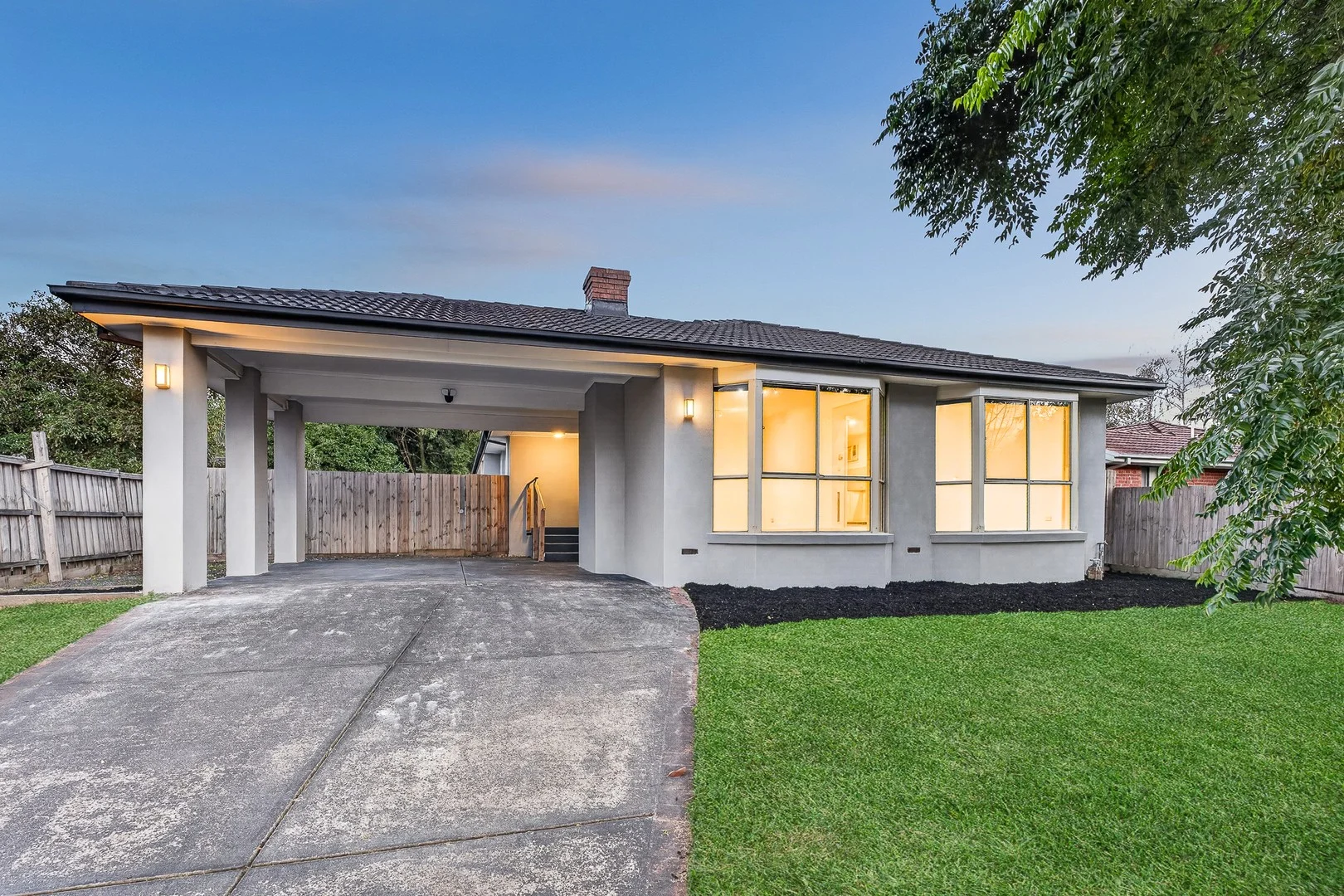 $800,000 - $880,000
House
$800,000 - $880,000
House
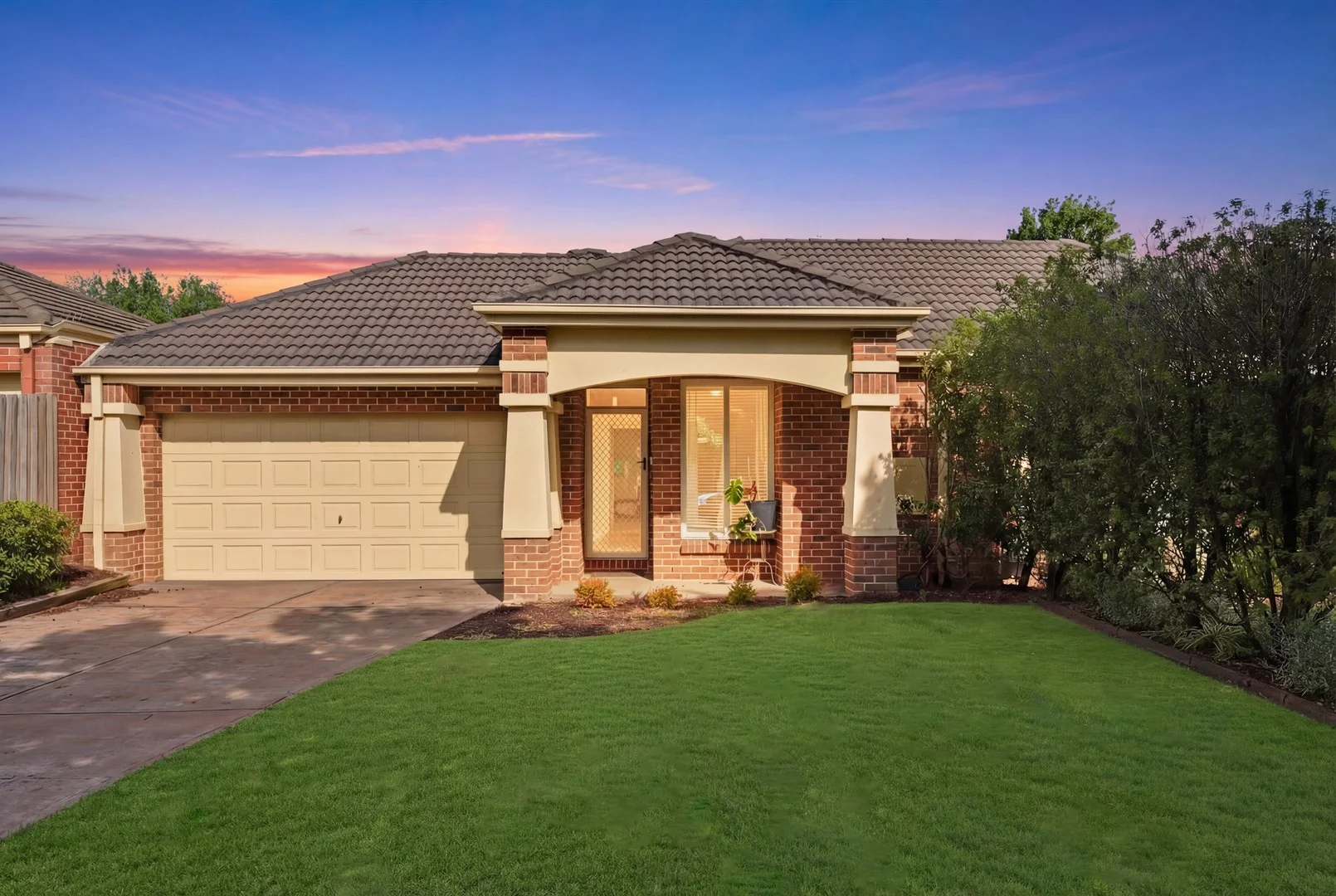 $795,000 - $835,000
House
$795,000 - $835,000
House