Overview
## Overview
Brabham Primary School is a public, co-educational primary school serving the Brabham community in Western Australia. It offers a medium-sized school experience with classes typically in the mid-20s, allowing for attentive teaching and strong student-teacher interaction. The atmosphere is nurturing and inclusive, with a focus on building a sense of belonging, resilience and active participation in school life.
The school emphasises a supportive learning culture where families are welcomed as partners. There is a clear commitment to positive relationships, student well-being and a balanced approach to academics, sport and the arts to help students grow as confident, responsible learners.
---
## Academics & Learning
- Academic strengths: Focus on solid literacy and numeracy foundations, with emphasis on inquiry-based learning and practical application of concepts. Strong engagement with STEM activities and digital literacy to prepare students for a tech-enabled world.
- Special programs: Opportunities for extension and enrichment, including coding/robotics clubs and targeted inquiry units. Support for varied learning needs is available through intervention programs and differentiated instruction.
- NAPLAN trends: Historical trends show steady progress over time, with results typically on par with or above state averages for WA public primary schools, reflecting ongoing improvement in key areas.
- Student-teacher ratios: Class sizes and teacher contact aim to support individual learning, with typical ratios in the low-to-mid 20s per class depending on year level.
- Support for diverse learners: EAL/D support, targeted assistance for students needing extra help, and inclusive education practices to meet a range of learning needs (SEN where required).
---
## Sports & Extracurricular Strengths
- Sports offered: A range of team and individual sports through PE and interschool events, including athletics, ball games and other fitness activities.
- Strong teams or achievements: Active participation in district-level events with some teams achieving finals positions in recent years.
- Music, arts, drama programs: Music and performing arts programs, school productions or showcases, and opportunities to participate in choirs or ensembles.
- Clubs: Robotics, coding, chess, debating, along with various school-supported clubs and activities to foster curiosity and teamwork.
- Partnerships: Connections with local clubs and community organizations, participation in district competitions and coding/tech challenges to extend learning beyond the classroom.
---
## Wellbeing & Pastoral Care
- Anti-bullying approach: Whole-school approach with clear policies, programs and reporting pathways to promote respectful relationships and a safe learning environment.
- House system: House-based activities and competitions to build camaraderie, leadership, and peer support across year levels.
- Counselors / wellbeing officers: Access to school wellbeing staff or a dedicated counselor to support student mental health, resilience and social-emotional learning.
- Transition support for new students: Orientation programs, buddy systems and targeted supports to help new students settle in quickly and feel connected.
---
## Facilities
- Sports grounds: On-site spaces for PE, games and outdoor activities.
- Libraries: Central library facilities supporting reading, study and research.
- Science labs: Dedicated science spaces for practical experiments and STEM investigations.
- Music/performing arts centers: Areas for music classes, rehearsals and performances.
- Tech/innovation labs: Spaces for coding, robotics and digital learning activities.
- Cafeteria: On-site canteen or lunch facilities to support daily meals and breaks.
- Updated playgrounds: Modern play areas and equipment to encourage active play and exploration.
---
## School Values & Community Culture
- School values / mission: Clear emphasis on respect, responsibility, inclusion and excellence; a mission focused on helping students become capable, caring and lifelong learners.
- Leadership style: Collaborative and student-inclusive, with opportunities for leadership, peer mentoring and student voice in school life.
- Behaviour expectations: Consistent positive-behaviour frameworks with clear routines, rewards and support for students to meet expectations.
- Community reputation: Strong sense of community involvement and family engagement, with a welcoming atmosphere for students from diverse backgrounds.
- Diversity & inclusion: Commitment to inclusive education practices and supporting students from varied cultural, linguistic and learning backgrounds.
---
## School Logistics & Daily Operations
- School hours: Typical start and finish times align with WA primary schedules; daily routines prioritise a smooth transition between lessons and breaks.
- Before/after school care: Availability of outside-the-classroom care arrangements through external providers to support families.
- Uniform requirements: Standard school uniform with seasonal options; clear guidelines for appearance and appropriate attire.
- Transport (train/bus routes): Access to public transport routes and bus services; information provided to families about convenient options.
- Canteen availability: Canteen or snack options available to support healthy meals and breaks.
- Fees (low/medium/high ranges): Public primary schools generally have low to moderate ancillary costs; outlines for voluntary contributions and additional activities are typically provided by the school.
---
## Enrolment & Admissions
11. What is the enrolment process and timeline?
- Applications are typically submitted through the Western Australian Department of Education framework. Parents/guardians provide required documentation (birth certificate, immunisation records, proof of address, etc.). The school coordinates timelines with district admissions processes and may offer information sessions or school tours during the enrolment period.
12. Is there a waiting list, and how does it work?
- Waiting lists can occur when a cohort is at capacity. Places are offered according to availability, priority enrolment guidelines, and proximity to the school. Families may be asked to provide updated contact information and expected start dates.
13. Are there any entry requirements, tests, or interviews?
- For public primary schools, formal entry testing is not typically required. Schools may conduct informal assessments or brief conversations to understand a child’s needs and to plan early supports if required. EAL/D considerations or SEN requirements may involve additional documentation.
14. Does the school accept mid-year transfers?
- Mid-year transfers are considered if places are available. Prospective families should contact the school early to discuss options, complete the enrolment paperwork, and arrange any required documentation or assessments.
---
## Frequently Ask Questions
- Why Parents Choose This School?
- What type of student thrives at this school?
- What opportunities are available for students to extend their skills (academics, sports, arts)?
- How does the school communicate with parents?
- What is the school’s approach to teaching and learning?
- How does the school support students who need extra academic help?
- What support is available for academic challenges?
- How does the school communicate with parents? (duplicate question)
- What are the class sizes and how much individual attention do students receive?
- What extracurricular and sports opportunities are available?
- What facilities does the school offer (sports, science, arts)?
- What is the school’s approach to technology and digital learning?
- What transport and accessibility options are available?
- What are the typical school fees or additional costs?
Answers follow the general themes above, focusing on a collaborative, student-centered approach, strong literacy and numeracy foundations, inclusive practices, a broad range of clubs and sports, clear parent communication channels, and transparent information about enrolment, transport and costs.
---
## Short Pros & Cons list
- Pros
- Nurturing, inclusive learning environment with strong wellbeing supports
- Solid literacy and numeracy foundation with STEM and digital learning
- Range of extracurriculars including clubs, sports and arts
- Community-focused culture with family involvement and student leadership opportunities
- Modern facilities supporting a broad curriculum
- Cons
- As a medium-sized public school, some families may experience busier school routines during peak times
- Class size ranges can vary by year level and cohort; some years may have higher numbers
- Enrolment processes and waiting lists can be lengthy when the school is at capacity
- Uniform requirements and associated costs are an ongoing consideration for families








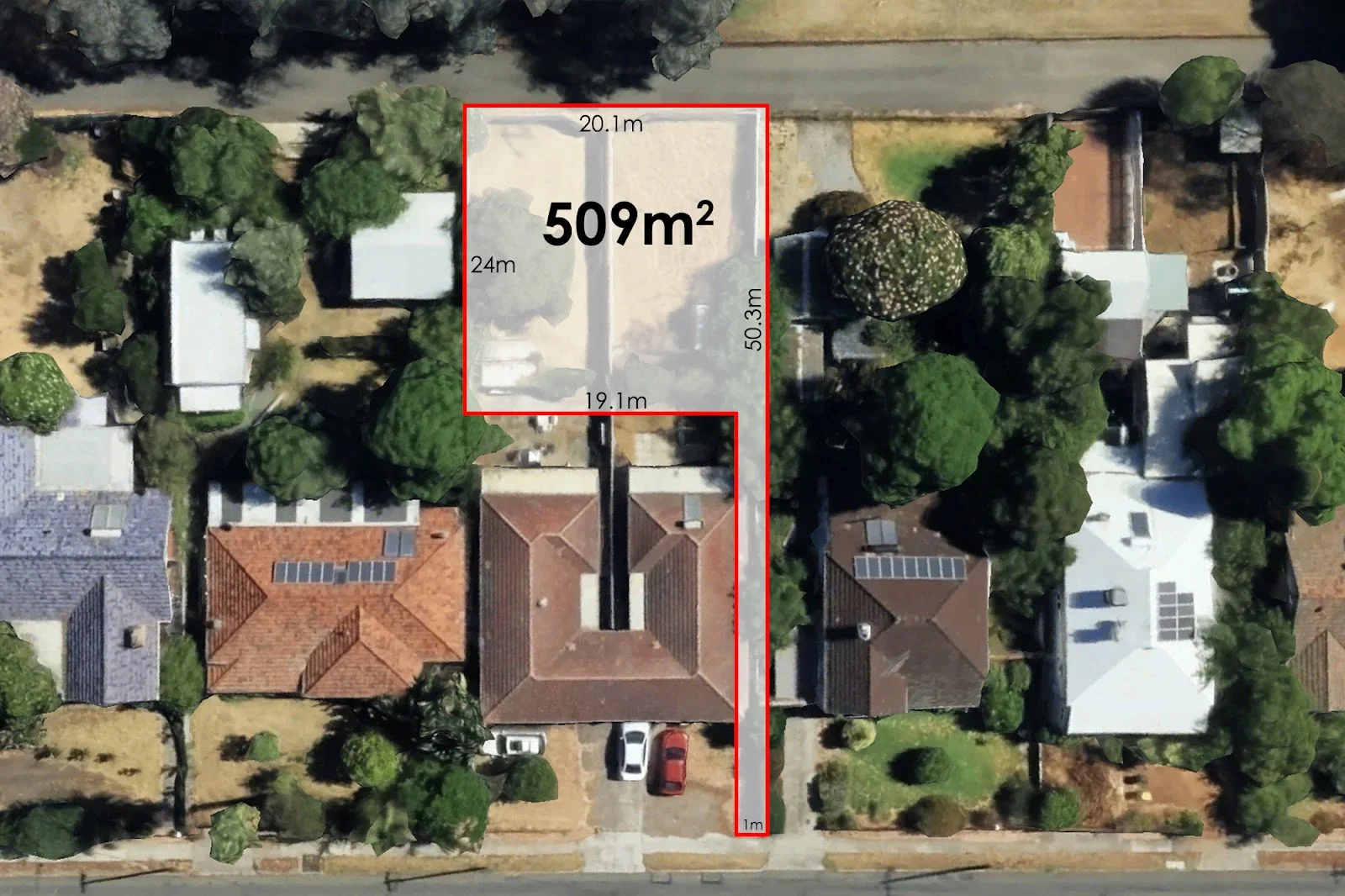 $480,000
Vacant Land
$480,000
Vacant Land
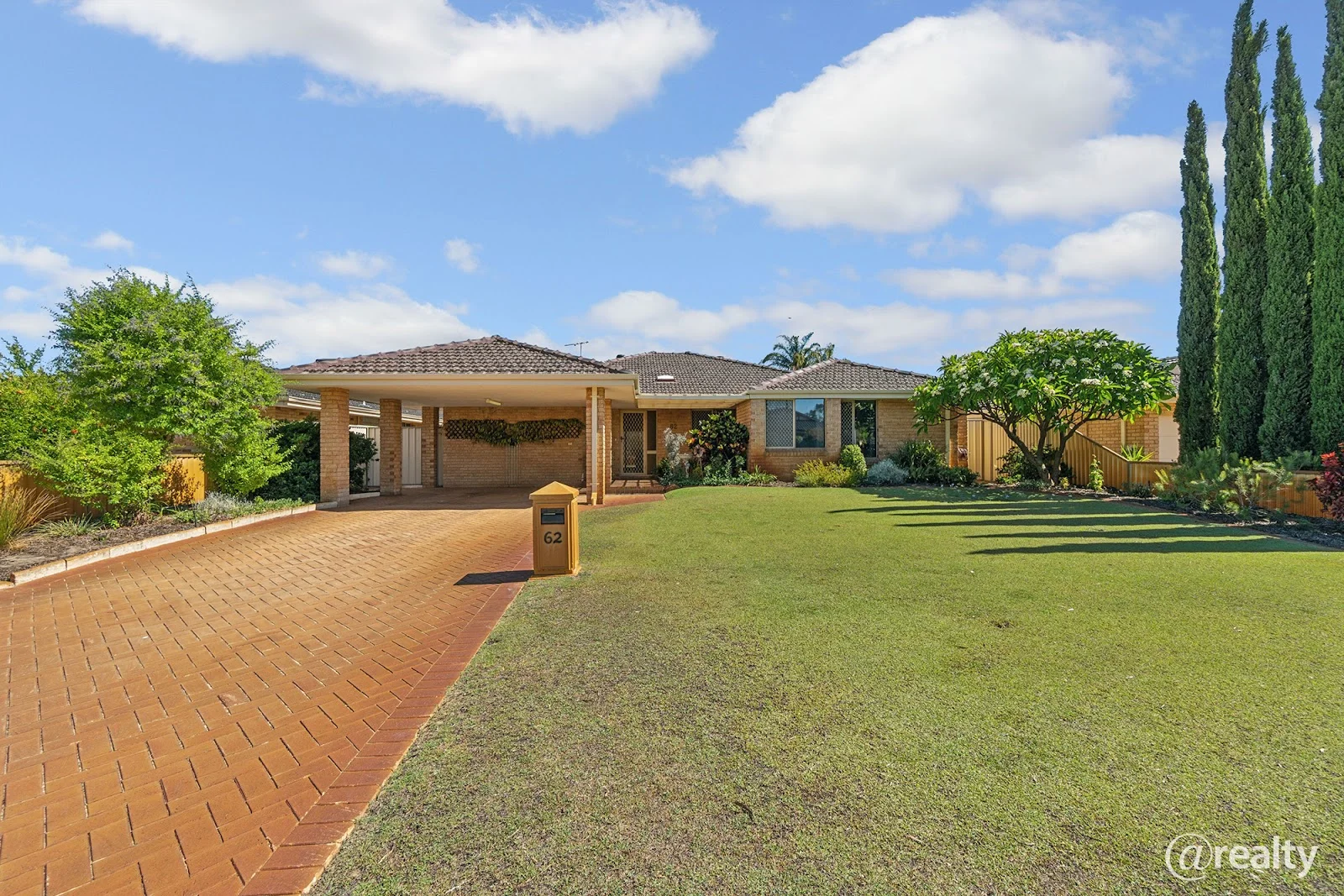 $1,099,000 - $1,153,950
House
$1,099,000 - $1,153,950
House
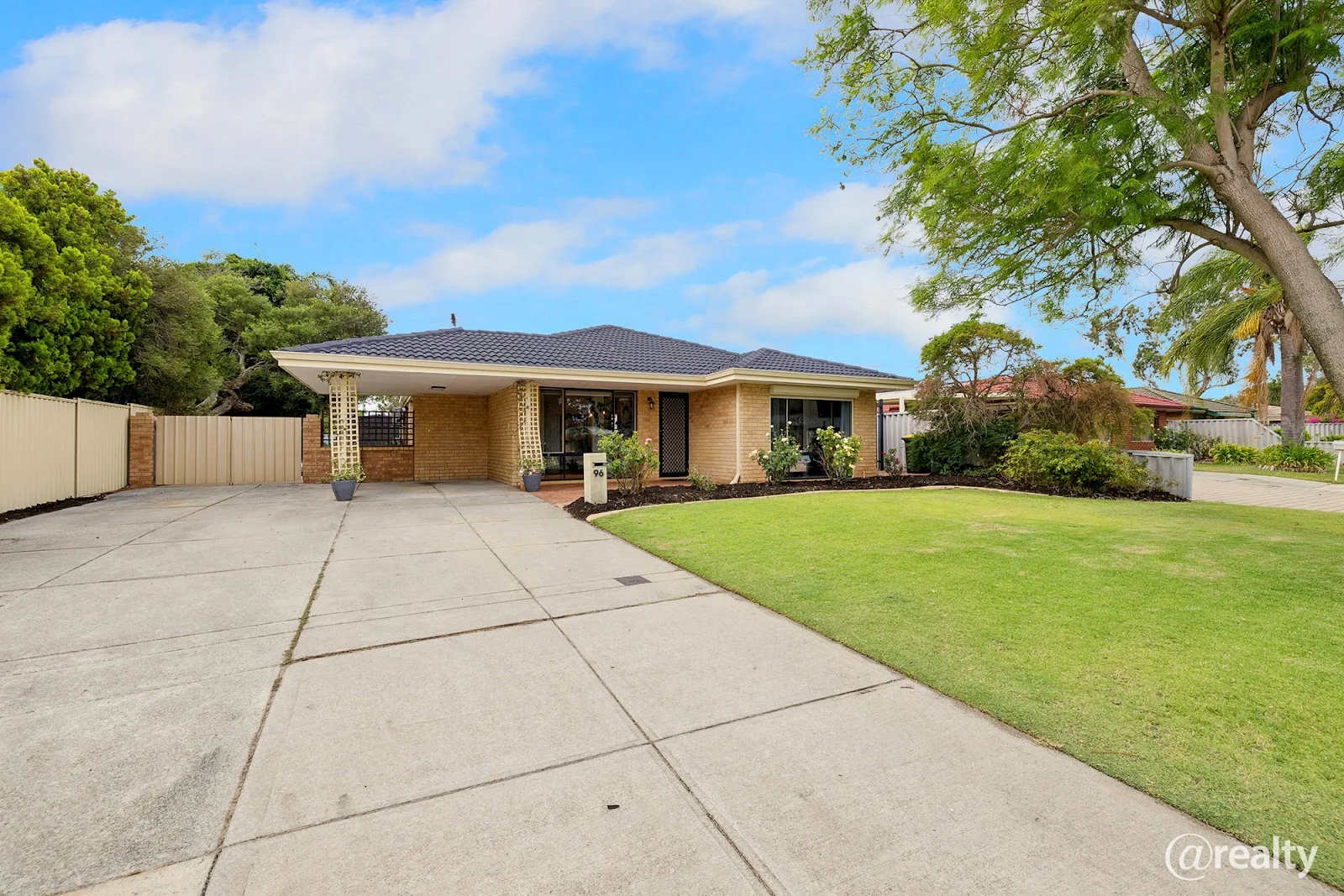 $899,000 - $943,950
House
$899,000 - $943,950
House