Bridgewood Primary School
Officer, VIC 3809
School Type
Government
Gender
Coeducational
Tuition Fees
N/A
Levels
Primary
Contact Information
Overview
1. Overview
Bridgewood Public Primary School is a public primary school serving families in Officer, VIC. It offers a welcoming, inclusive learning environment where students are supported to grow academically, socially and emotionally. The school emphasises a nurturing culture, strong student wellbeing, and active family engagement.
The school tends to be medium-sized, with class sizes around the low 20s. The atmosphere is collaborative and supportive, balancing academic expectations with a caring, inclusive culture that encourages participation, resilience and respectful teamwork.
⸻
2. Academics & Learning
- Academic strengths: Strong focus on English literacy and numeracy, with solid STEM and digital technologies programs. There are opportunities to develop leadership skills through student voice and project work, alongside a broad core curriculum.
- Special programs: Access toGifted & Talented opportunities where available, STEM and technology initiatives, and arts/music enrichment. Some students may participate in language or additional support programs as needed (EAL/SEN).
- NAPLAN / trend focus: The school tracks year-to-year trends to monitor improvement in literacy and numeracy, aiming for steady progress and consistency with state benchmarks.
- Student-teacher ratios: Typical class sizes around 20–24 students with additional learning support teachers or aides as appropriate.
- Support for diverse learners: EAL support for recent arrivals and ongoing language development, and targeted SEN support with Individual Learning Plans where required.
⸻
3. Sports & Extracurricular Strengths
- Sports offered: Netball, basketball, cricket, football (soccer), AFL/athletics, and cross-country fitness programs, with opportunities for interschool fixtures.
- Strong teams or achievements: Regular participation in district/interschool events with growing track records in team sports and athletic activities.
- Music, arts, drama programs: Choir, instrumental lessons, school concerts, and drama productions help students showcase creativity.
- Clubs: Robotics, coding, chess, debating and other specialist clubs to extend interests beyond the classroom.
- Partnerships: Local community clubs and regional competitions provide extra opportunities for competitions and collaborative projects.
⸻
4. Wellbeing & Pastoral Care
- Anti-bullying approach: Clear anti-bullying policies with restorative practices, student wellbeing lessons, and active student voice in wellbeing decisions.
- House system: A house structure fosters belonging and healthy competition through regular events and activities.
- Counsellors / wellbeing officers: Access to school-based wellbeing staff or trained counsellors to support students and families.
- Transition support for new students: Orientation sessions, buddy programs and targeted transition supports to help new students settle in smoothly.
⸻
5. Facilities
- Sports grounds: On-site outdoor spaces suitable for PE and sporting activities.
- Libraries: A dedicated library space with books and learning resources.
- Science labs: Basic science facilities to support hands-on investigations.
- Music/performing arts centers: Space for music practice, performances and drama.
- Tech/innovation labs: Digital technologies and potentially makerspace or computer lab settings.
- Cafeteria: On-site or nearby canteen facilities offering healthy options.
- Updated playgrounds: Safe, age-appropriate play areas and outdoor learning spaces.
⸻
6. School Values & Community Culture
- School values / mission: Emphasis on respect, responsibility, resilience, and collaboration within a supportive learning community.
- Leadership style: Student leadership opportunities (e.g., student council) alongside strong teacher guidance and responsive leadership by the principal and staff.
- Behaviour expectations: Clear codes of conduct, consistency in expectations and restorative approaches to behaviour.
- Community reputation: Positive engagement with families and local community, with a focus on inclusive practices and open communication.
- Diversity & inclusion: Commitment to embracing diverse backgrounds and providing inclusive learning experiences and support as needed.
⸻
7. School Logistics & Daily Operations
- School hours: Typically around 9:00 am–3:30 pm, with transition times and supervision before/after school.
- Before/after school care: Available through approved providers or school-based programs; details to be confirmed with the school.
- Uniform requirements: School uniform policies in place, with guidance on approved clothing and footwear.
- Transport (train/bus routes): Local bus services and regional transport options; information on drop-off and pick-up arrangements.
- Canteen availability: Canteen or lunch program offering healthy meal options and snacks.
- Fees (low/medium/high ranges): Public primary school with minimal compulsory fees; some voluntary contributions or costs for activities may apply.
⸻
8. Enrolment & Admissions
11. What is the enrolment process and timeline?
- Submit an enrolment application through the school's admissions process (and, where relevant, the local Department of Education enrolment portal).
- Provide required documents (e.g., birth certificate, proof of address, immunisation records, and any requested medical or support information).
- Timeline typically includes application review, eligibility checks for catchment vs. out-of-catchment, and notification of placement or waiting list status within the school’s timetable.
- Open days or information sessions are often offered to help families understand the enrolment process and the school environment.
12. Is there a waiting list, and how does it work?
- Some year levels may have a waiting list, particularly if demand exceeds availability.
- Waiting lists are managed by the school, with priority often given to in-catchment applicants.
- Applications can remain on a waiting list for multiple terms; the school will communicate updates as spaces become available.
13. Are there any entry requirements, tests, or interviews?
- Primary school enrolment generally does not require entrance tests.
- An interview or informal meeting with families may be offered or requested, primarily to understand family expectations and student needs.
- Immunisation requirements and health documentation may be requested to complete enrolment.
14. Does the school accept mid-year transfers?
- Mid-year transfers may be possible if space and staffing allow.
- Families should contact the school early to discuss capacity, enrolment timelines, and the transfer process, including providing student records and current school information.
⸻
9. Frequently Asked Questions
- Why Parents Choose This School?
- A welcoming, public primary option with a focus on inclusive education, strong literacy and numeracy foundations, and active family involvement.
- What type of student thrives at this school?
- Students who are curious, collaborative, respectful and ready to engage in a range of academic, sport and arts opportunities.
- What opportunities are available for students to extend their skills (academics, sports, arts)?
- Access to enrichment programs in STEM, arts and leadership; clubs in robotics, coding, chess and debating; competitive sport opportunities; and performing arts experiences.
- How does the school communicate with parents?
- Regular newsletters, emails, a school portal or learning management system, phone calls, and brief parent-teacher meetings; flexible communication options are prioritised.
- What is the school’s approach to teaching and learning?
- Student-centered, differentiated instruction with a focus on literacy, numeracy and inquiry-based learning; emphasis on wellbeing and inclusive practices.
- How does the school support students who need extra academic help?
- In-class supports from learning assistants, targeted intervention programs, EAL support, and SEN supports with Individual Learning Plans where appropriate.
- What support is available for academic challenges?
- Access to reading specialists, additional tutoring or small-group support, regular progress monitoring and collaboration with families.
- How does the school communicate with parents? (Repeated)
- See above: newsletters, portals, emails, and meetings; clear lines of communication are maintained.
- What are the class sizes and how much individual attention do students receive?
- Class sizes are typically in the low 20s, with teacher aides or specialist staff providing targeted support and small-group instruction where needed.
- What extracurricular and sports opportunities are available?
- A range of clubs (robotics, coding, chess, debating), sports (netball, basketball, cricket, football, athletics), and arts programs (music, drama) with opportunities for interschool competition.
- What facilities does the school offer (sports, science, arts)?
- Sports grounds, library, science labs, music/performing arts spaces, tech/innovation labs, canteen, and updated playgrounds.
- What is the school’s approach to technology and digital learning?
- Integration of digital technologies into the curriculum, access to devices and learning platforms, and emphasis on online safety and responsible use.
- What transport and accessibility options are available?
- Local bus routes and transport options; accessible facilities and drop-off/pick-up arrangements; parking and pedestrian safety measures.
- What are the typical school fees or additional costs?
- Public primary schools have low to moderate compulsory costs; some voluntary contributions or activity fees may apply for extras; information is provided by the school and can be supported by financial assistance options if needed.
⸻
10. Short Pros & Cons list
- Pros
- Public, inclusive environment with solid literacy and numeracy foundations.
- Broad range of enrichment options (STEM, arts, sports, clubs).
- Support for diverse learners (EAL, SEN) and overall wellbeing focus.
- Active family engagement and clear communication channels.
- Moderate class sizes that allow for some individual attention.
- Cons
- As a medium-sized public school, demand can exceed capacity at certain year levels.
- Some specialised programs may have limited slots or require selection.
- Transport and commute considerations vary by family location and may require planning.
- Fees for optional activities or programs can add up if families choose to participate extensively.
- Availability of mid-year transfers depends on space and staffing.
Social Media
What's Nearby

Write Start Education
EnglishMathsLearning Centre
2a Gloucester Ave, Berwick

Harmony Place Park
Park
Harmony Pl, Officer
Officer Recreation Reserve
Park
Starling Rd, Officer

Officer Tennis Club
Tennis
Starling Rd, Officer

Anshin Karate-do Cardinia
Karate
Tivendale Rd, Officer
Lakeside Recreation Reserve
Park
Everly Cirt, Pakenham

Gymnastics Central Victoria
Gymnastics
Henry Rd, Pakenham
Lakeside Park
Park
Arbour Rise, Pakenham
Toomuc Reserve
Park
Olympic Way, Pakenham
Upcoming Events Nearby
📅
September School Holidays Soccer Camp – Rowville
📅
September School Holidays Soccer Camp – Knoxfield
📅
Family Season - The Round | Year 2026
📅
Junior Warriors - 8 Course Programe - Kung Fu Force AU | 20th May to 30th Dec-2026
📅
Kids & Teens Art Birthday Parties - Glorious Studio | 2-Aug to 31-Dec, 2026
📅
Kids & Teens Creative Art Workshop – 2 October
Nearby Schools

Officer Secondary College
Government
Coeducational
Secondary
🏫
St Clare's Primary School - Officer
95 Majestic Dr, Officer VIC 3809, Australia
Catholic
Coeducational
Primary
🏫
Pakenham Lakeside Primary School
23 Shearwater Drive, Pakenham VIC 3810 Australia
Government
Coeducational
Primary
🏫
John Henry Primary School
141 Henry Rd, Pakenham VIC 3810, Australia
Government
Coeducational
Primary

Minaret College
67 Tivendale Rd, Officer VIC 3809 Australia
Independent
Coeducational
Kinder+
🏫
St Brigid’s Catholic Primary School - Officer
25 Bayview Road, Officer VIC 3809 Australia
Catholic
Coeducational
Primary
Nearby Properties
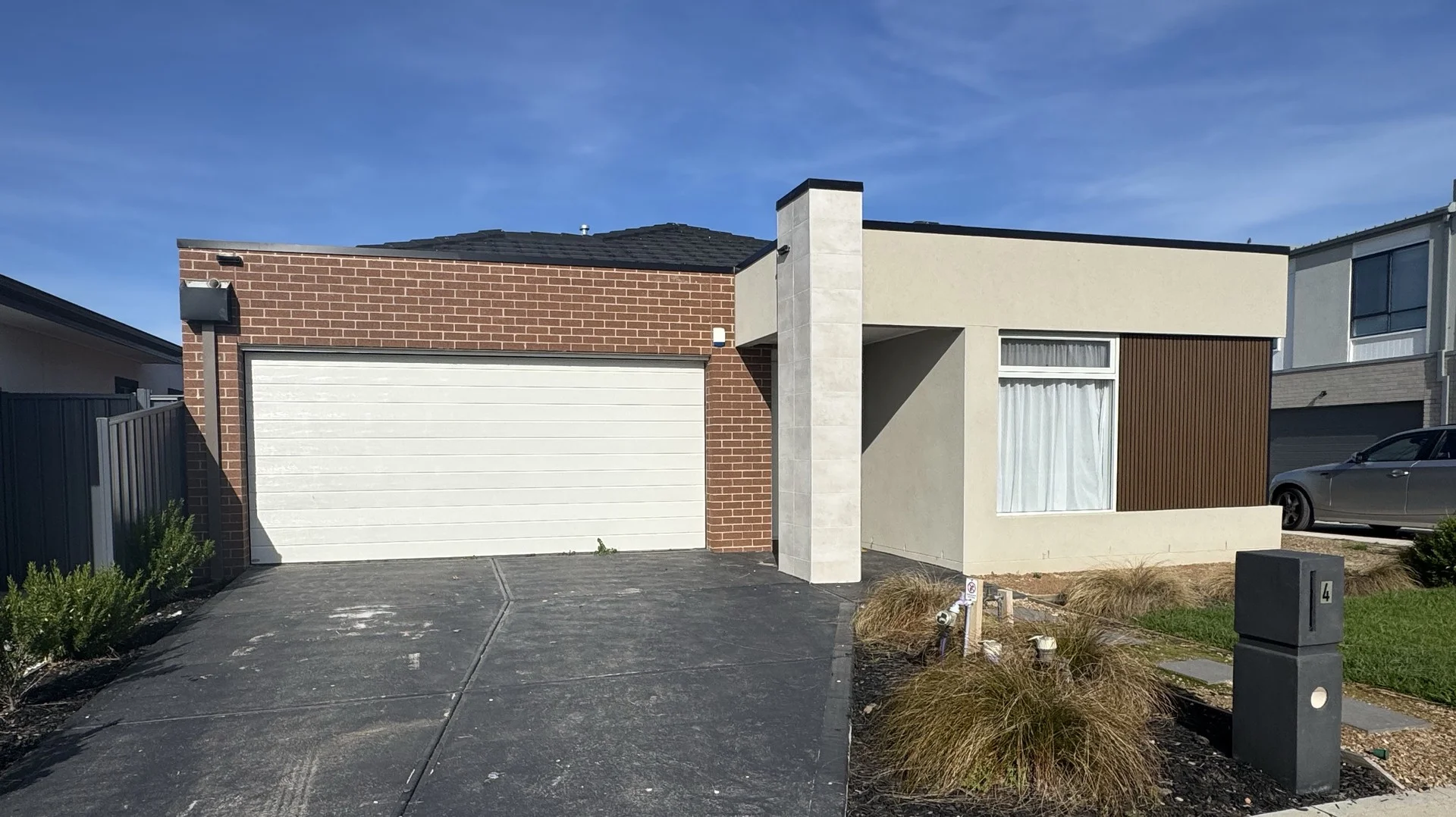 $600
House
$600
House
$600 per week
4 Comradeship Court
Clyde North, VIC, 3978
4 beds · 2 baths · 2 cars
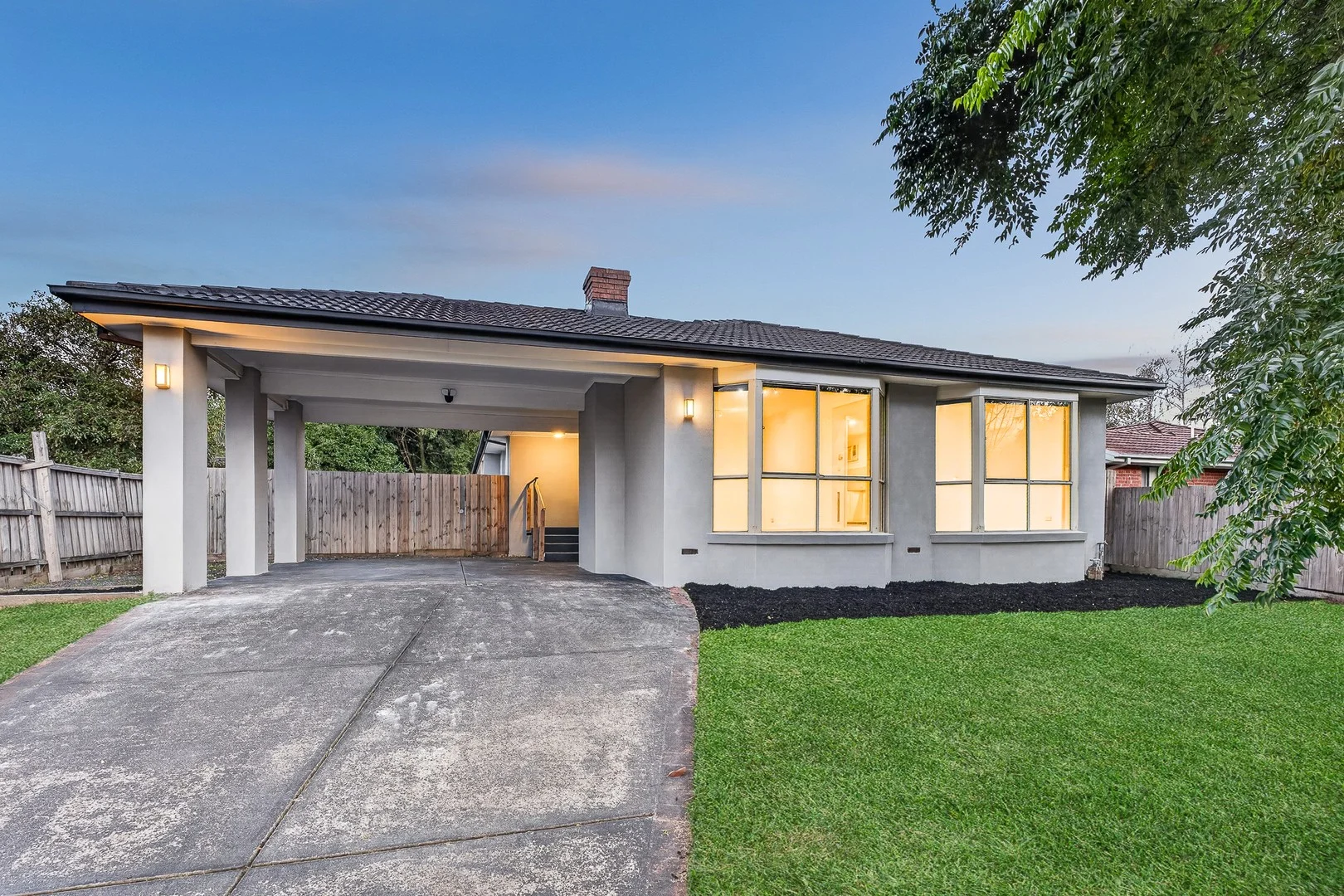 $800,000 - $880,000
House
$800,000 - $880,000
House
$800,000-$880,000
1 Bruce Court
Berwick, VIC, 3806
4 beds · 2 baths · 2 cars
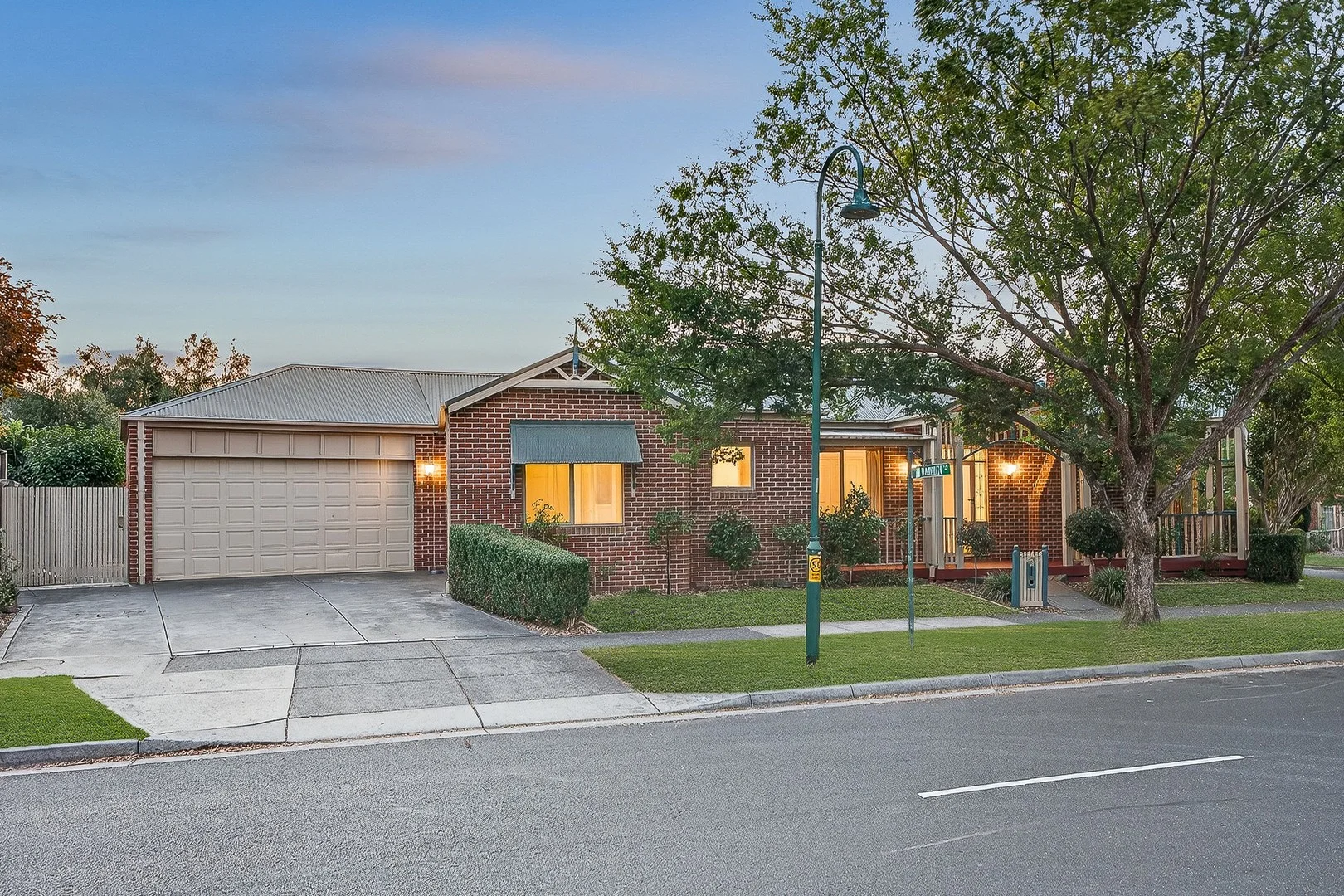 $700
House
$700
House
$700 per week
23 Marlesford Crescent
Berwick, VIC, 3806
4 beds · 2 baths · 2 cars
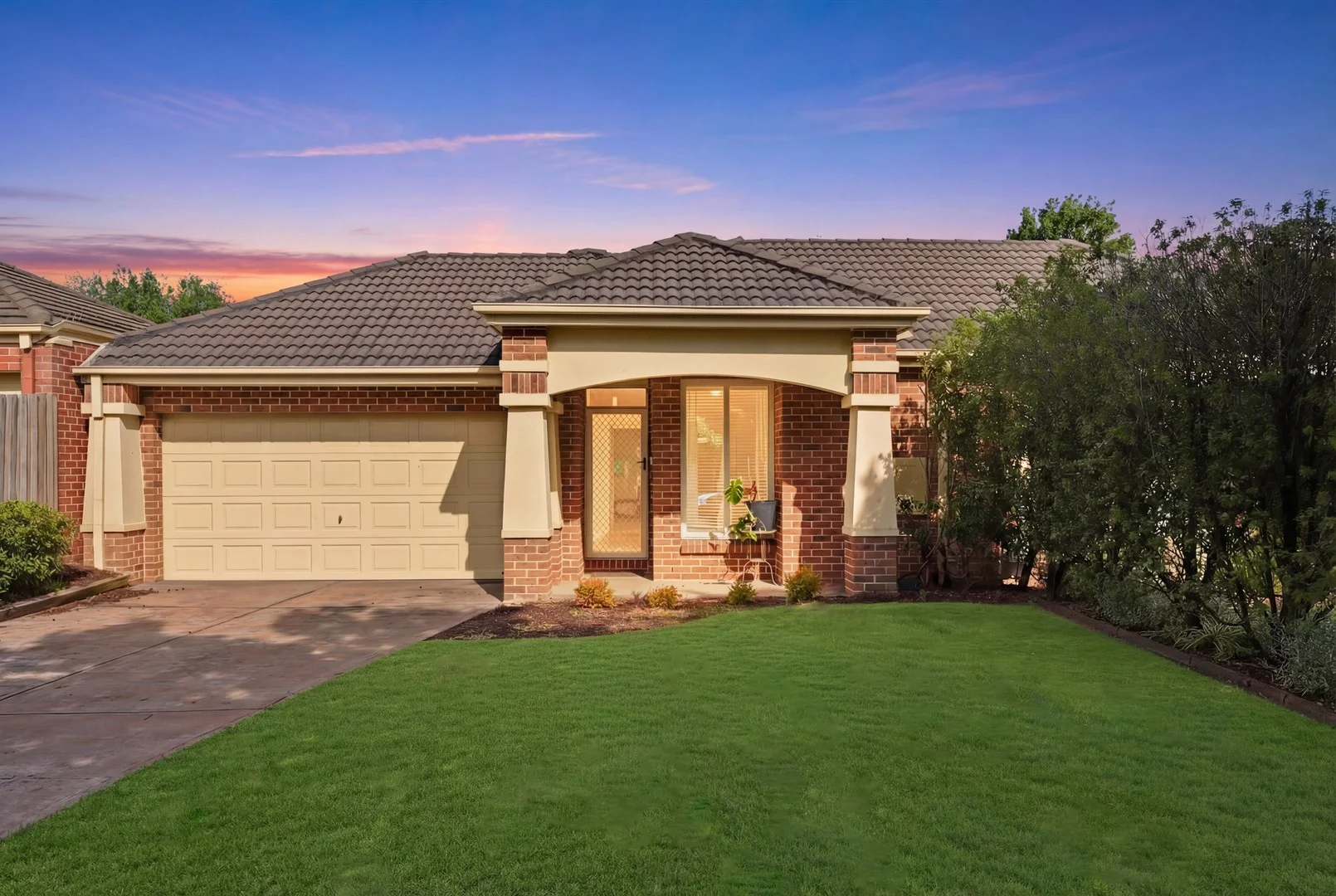 $795,000 - $835,000
House
$795,000 - $835,000
House
$795,000-$835,000
21 John Fisher Drive
Berwick, VIC, 3806
3 beds · 2 baths · 2 cars
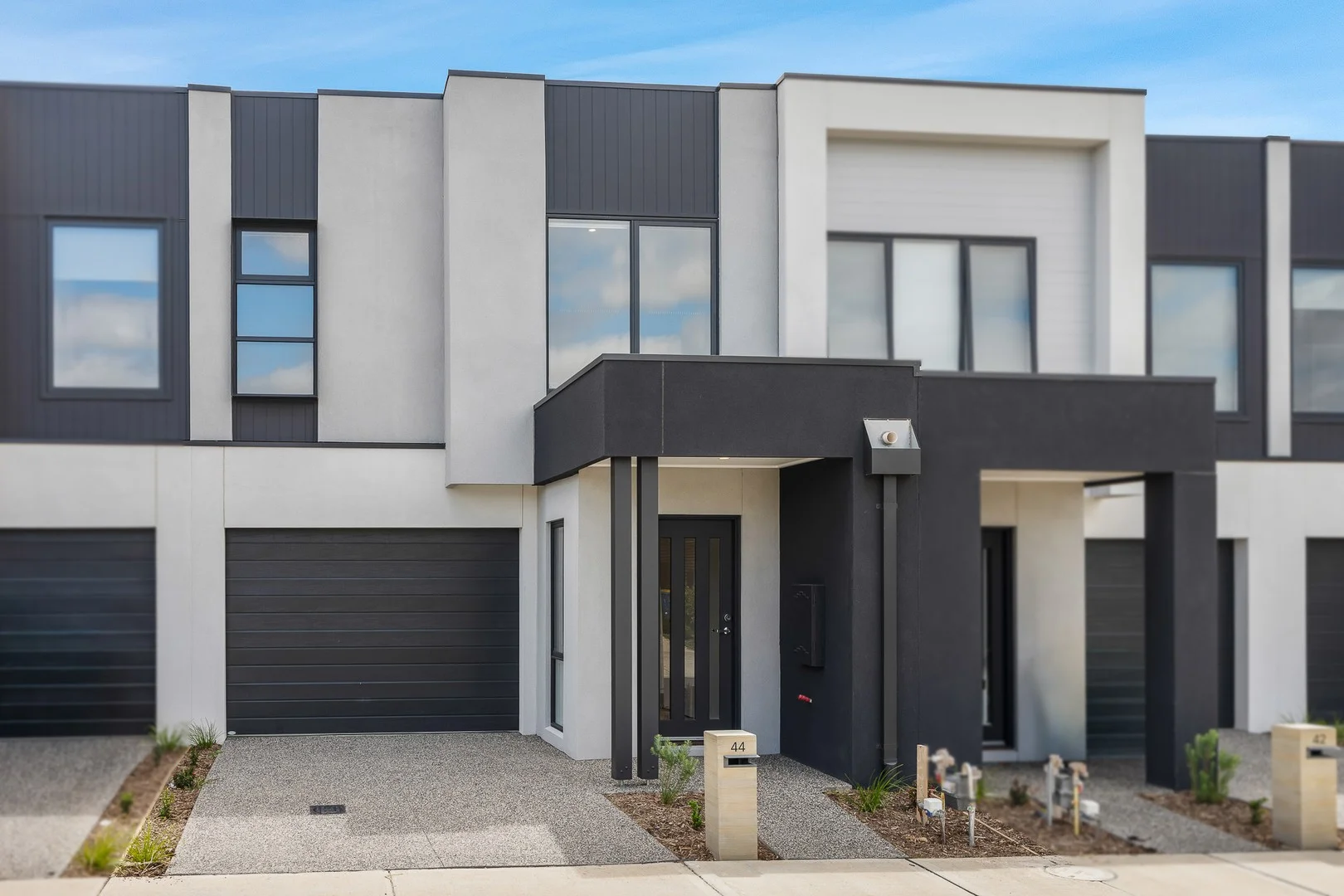 $595,000 - $645,000
House
$595,000 - $645,000
House
$595,000-$645,000
44 Crabtree Crescent
Berwick, VIC, 3806
3 beds · 2 baths · 1 cars