Overview
# 1. Overview
John Henry Primary School is a public primary school serving the Pakenham community in Victoria. It focuses on creating an inclusive, supportive learning environment that supports students across a range of abilities and backgrounds.
The school is a medium-sized, community-oriented campus with class sizes in the low-to-mid 20s. The atmosphere emphasises a nurturing, respectful culture alongside an academic focus, aiming to balance well-being with achievement and active participation in school life.
# 2. Academics & Learning
- Academic strengths: Emphasis on literacy and numeracy foundations, with a growing focus on STEM, creative thinking, and language learning to build well-rounded capabilities.
- Special programs: Potential for gifted and talented pathways, accelerated learning opportunities, and ICT-focused initiatives to develop digital literacy.
- NAPLAN trends: Data-driven efforts have aimed at steady improvement in reading and numeracy over recent years, with ongoing use of targeted interventions to support learners at different levels.
- Student-teacher ratios: Typical primary-school ratios consistent with public schools in Victoria, supporting access to teacher instruction and classroom support.
- Support for diverse learners: EAL (English as an Additional Language) support, SEN (Special Educational Needs) planning, and inclusive practices to ensure all students can participate and progress.
# 3. Sports & Extracurricular Strengths
- Sports offered: A broad program including common school team sports and physical education activities; opportunities to participate in inter-school events.
- Strong teams or achievements: Engagement in local inter-school competitions and school-based teams; emphasis on teamwork, sportspirit, and skill development.
- Music, arts, drama programs: Regular music and performing arts activities, with opportunities to participate in choirs, ensembles, and school productions.
- Clubs: Robotics, coding, chess, debating, and other interest-based clubs are typically available or offered through enrichment programs.
- Partnerships: Connections with local clubs, community groups, and regional competitions to broaden opportunities for students.
# 4. Wellbeing & Pastoral Care
- Anti-bullying approach: Clear policies and pro-active programs focused on respect, inclusion, and safe social environments.
- House system: A house or similar system to promote belonging, friendly competition, and community involvement.
- Counsellors / wellbeing officers: Access to school-based wellbeing staff to support social-emotional development, counselling, and student resilience.
- Transition support for new students: Orientation activities, buddy systems, and targeted support to help students settle into the school community.
# 5. Facilities
- Sports grounds: On-site outdoor spaces suitable for PE and games.
- Libraries: A dedicated library with space for reading, research, and quiet study.
- Science labs: Functional spaces for hands-on experiments and inquiry-based learning.
- Music/performing arts centers: Areas or rooms for music practice, drama, and performances.
- Tech/innovation labs: Dedicated spaces for coding, robotics, and digital projects.
- Cafeteria: On-site dining facilities or canteen service for students.
- Updated playgrounds: Safe, modern playground equipment and outdoor learning areas.
# 6. School Values & Community Culture
- School values / mission: A clear emphasis on respect, responsibility, inclusion, and a love of learning; aims to develop capable, compassionate young people.
- Leadership style: A collaborative, student-centered approach that involves staff, families, and the wider community in decision-making and school improvement.
- Behaviour expectations: Positive-behaviour framework with explicit expectations, consistent consequences, and rewards for prosocial choices.
- Community reputation: Built on a history of welcoming families, strong attendance at events, and active parent involvement.
- Diversity & inclusion: Commitment to embracing cultural and individual diversity through inclusive practices and programs.
# 7. School Logistics & Daily Operations
- School hours: Standard primary-school day timetable (start and finish times vary by year level; typically includes a lunch break and an afternoon recess).
- Before/after school care: Availability of before/after school care programs or supervision options.
- Uniform requirements: Clear uniform policy with specified dress standards for everyday and special occasions.
- Transport (train/bus routes): Local transport options including bus services and proximity to public transit; drop-off and pickup arrangements.
- Canteen availability: On-site canteen or lunch program supporting healthy eating choices.
- Fees (low/medium/high ranges): Public primary schools generally have modest voluntary contributions and activity costs for excursions and materials; exact amounts vary by year and program.
# 8. Enrolment & Admissions
11. What is the enrolment process and timeline?
- Applications are typically managed through the school or the local enrolment channels. Start times and deadlines vary by year level and term; families should check the school’s official guidance for current timelines and required documentation.
12. Is there a waiting list, and how does it work?
- Waiting lists may apply when year levels are at capacity. Places are allocated based on local zoning policies, with waiting lists managed in order of application receipt and priority guidelines. Expect notification timelines once a decision is reached.
13. Are there any entry requirements, tests, or interviews?
- For most primary-year entries, there are no standard entrance tests. Some schools may conduct brief meetings or gather information to support smooth transitions, especially for families transferring mid-year or for EAL/SEN considerations.
14. Does the school accept mid-year transfers?
- Mid-year transfers can be possible if there is space and capacity in the relevant year level. Parents typically initiate this through the school or the regional enrolment authority, with documentation and transition planning.
# 9. Frequently Asked Questions
- Why Parents Choose This School?
- A welcoming, inclusive environment with a focus on balanced academics, sport, arts, and wellbeing; strong community involvement and support for diverse learners.
- What type of student thrives at this school?
- Students who engage with a nurturing, collaborative culture, enjoy a mix of academic challenges, sports, arts, and social development, and respond well to a supportive, value-driven setting.
- What opportunities are available for students to extend their skills (academics, sports, arts)?
- Access to literacy and numeracy programs, STEM and digital learning activities, music and drama, sports teams, and various clubs (robotics, coding, chess, debating).
- How does the school communicate with parents?
- Regular newsletters, emails, school app or portal updates, parent-teacher conferences, and ongoing daytime or twilight information sessions.
- What is the school’s approach to teaching and learning?
- Student-centred, differentiated instruction that uses evidence-based practices, integrated technology, and project-based or inquiry-based learning where appropriate.
- How does the school support students who need extra academic help?
- Targeted interventions, small-group or one-on-one support, EAL and SEN assistance, and close collaboration with families to track progress.
- What support is available for academic challenges?
- Additional tutoring options, progress monitoring, and access to specialist staff to identify and address learning barriers.
- How does the school communicate with parents? (Repeated)
- See above: newsletters, apps, conferences, and direct contacts from teachers.
- What are the class sizes and how much individual attention do students receive?
- Class sizes are typically in the low-to-mid 20s, with teacher availability for instruction, differentiation, and targeted support programs.
- What extracurricular and sports opportunities are available?
- A range of sports, music and arts activities, and clubs such as robotics, coding, chess, and debating; opportunities to participate in inter-school events.
- What facilities does the school offer (sports, science, arts)?
- Sports grounds, libraries, science labs, performing arts spaces, technology and innovation labs, a canteen, and upgraded playgrounds.
- What is the school’s approach to technology and digital learning?
- Integration of ICT into the curriculum, access to devices and digital resources, and emphasis on digital literacy and safe online practices.
- What transport and accessibility options are available?
- Local transport options (bus/train access where applicable), clear drop-off/pick-up procedures, and accessibility considerations within the campus.
- What are typical school fees or additional costs?
- Public primary schools generally have modest voluntary contributions and costs for excursions and materials; exact amounts vary by year and program.
# 10. Short Pros & Cons list
Pros
- Inclusive, student-centered learning environment
- Broad curriculum with focus on literacy, numeracy, and STEM
- Active wellbeing and pastoral care with house system and counsellors
- Diverse extracurriculars (sports, arts, clubs)
- Strong community involvement and accessible communication
Cons
- Class sizes in the low-to-mid 20s; some families may prefer smaller groups
- As a public school, funding for additional facilities and programs can vary year to year
- Specific programs or clubs may rotate or change based on enrollment and staffing
- Transport options depend on local networks and may require planning for mid-year transfers







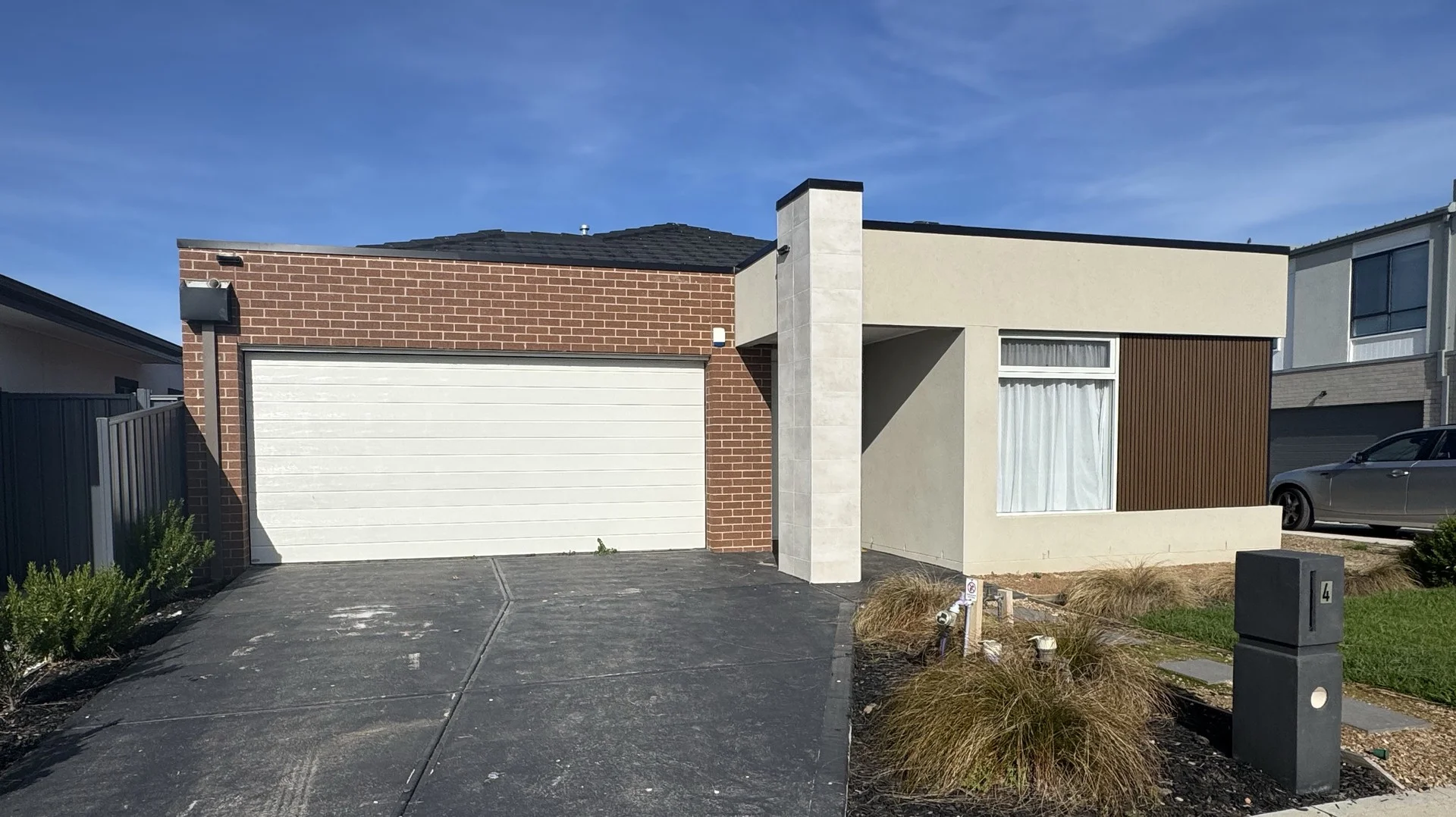 $600
House
$600
House
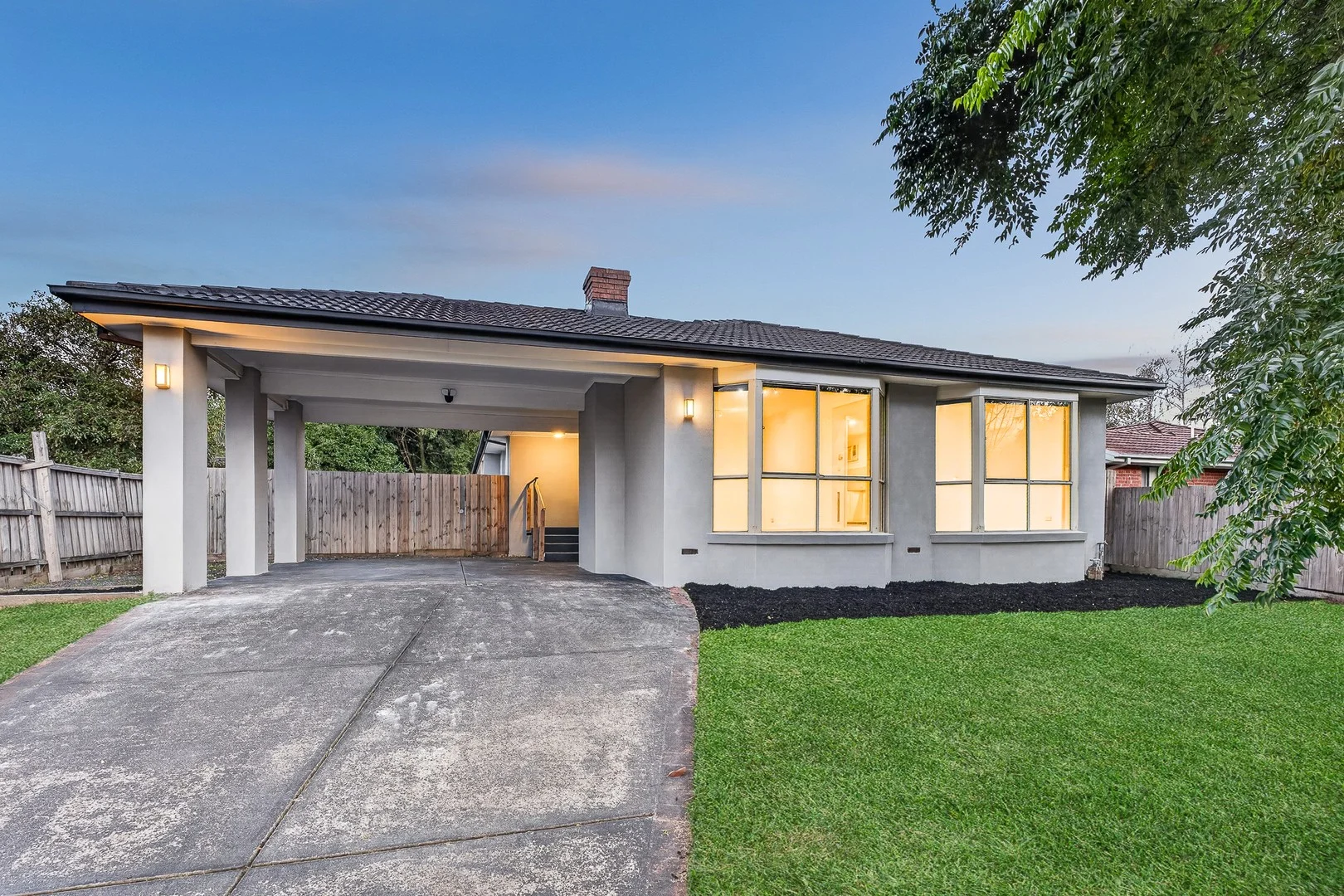 $800,000 - $880,000
House
$800,000 - $880,000
House
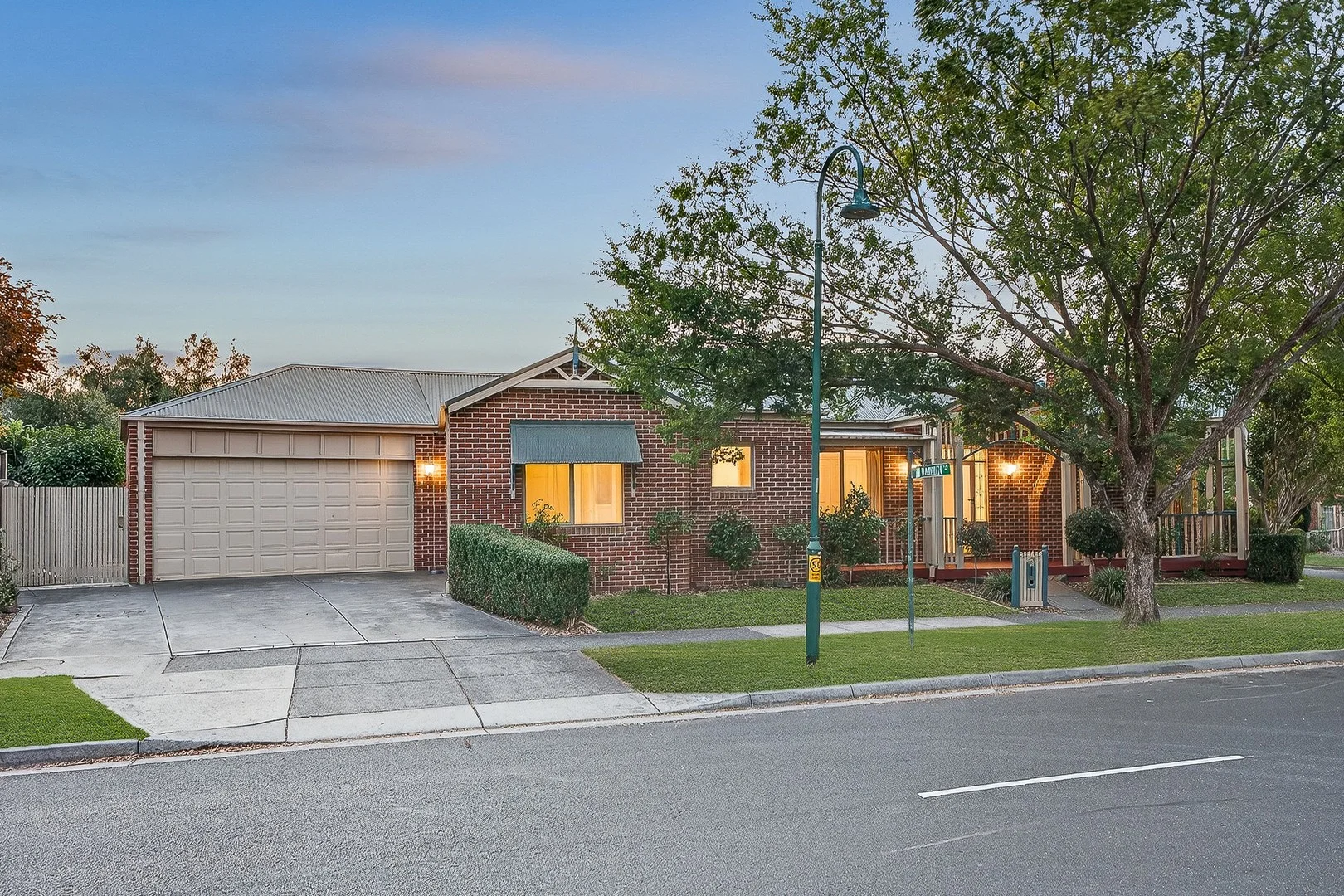 $700
House
$700
House
 $795,000 - $835,000
House
$795,000 - $835,000
House
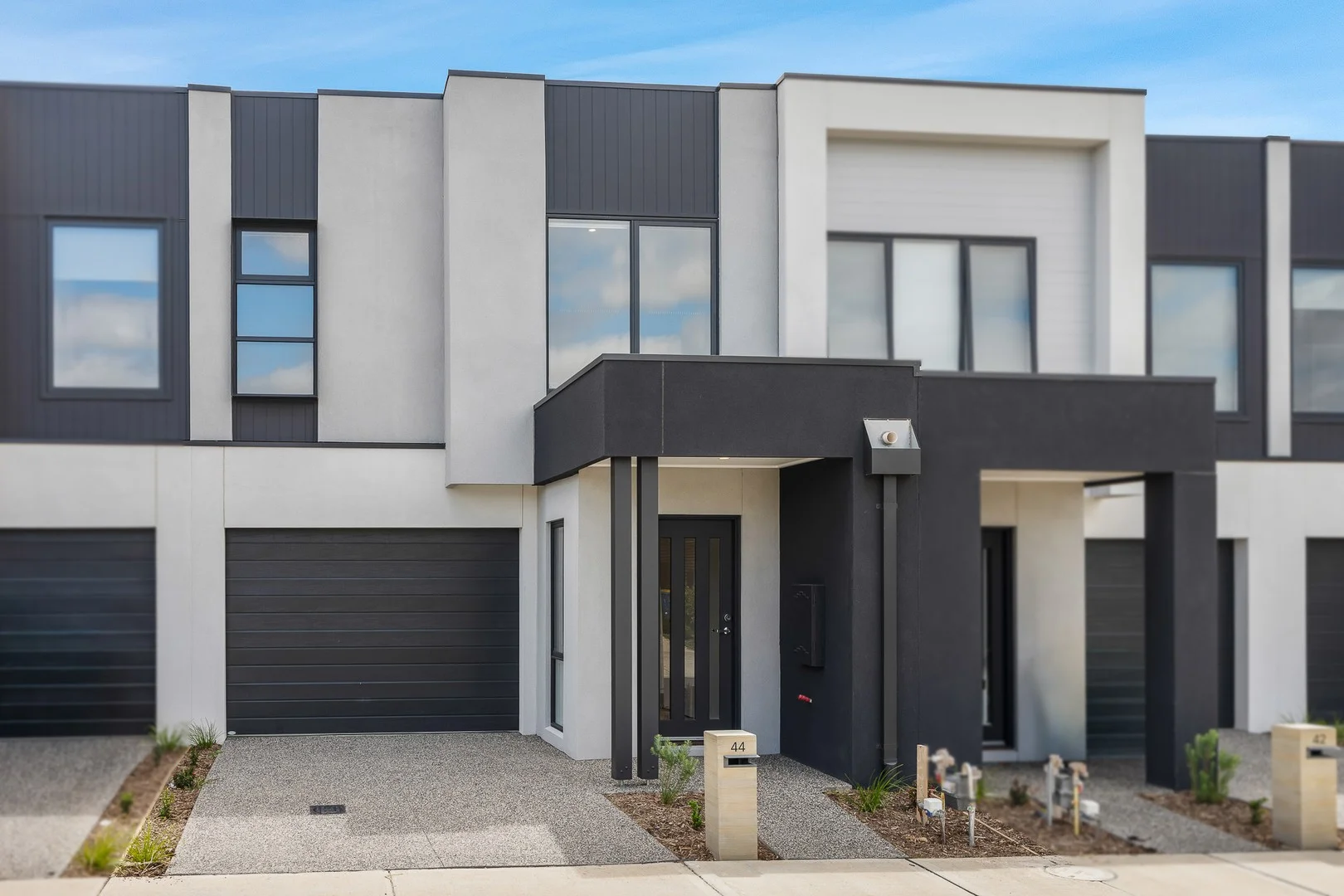 $595,000 - $645,000
House
$595,000 - $645,000
House