Overview
## 1. Overview
Canning College Bentley is a public senior college in Western Australia that provides Year 11 and Year 12 programs. The college focuses on flexible pathways to university entry through ATAR courses, as well as industry-relevant VET options, helping students tailor their final years to their post-school goals. The environment is inclusive and supportive, with a medium-to-large student community and a culture that balances academic preparation with practical, real-world learning.
The atmosphere is collaborative and student-centred, with opportunities for leadership, career planning, and community involvement. Class sizes vary by program but are designed to allow individual attention and ongoing guidance as students navigate important transition years.
⸻
## 2. Academics & Learning
Canning College offers a broad senior curriculum that combines core ATAR subjects with a range of VET pathways, enabling students to pursue university entry or enter the workforce with industry credentials. The college emphasises practical application, critical thinking, and preparation for further study, while supporting a diverse student body with multiple learning routes.
Special programs focus on customized learning pathways, with pathways to higher education and vocational training. Student-teacher relationships are emphasised, and support for diverse learners is available, including assistance for English as an Additional Language (EAL) learners and students with additional learning needs. The college tracks academic progress over time to identify growth opportunities and respond to students’ needs.
⸻
## 3. Sports & Extracurricular Strengths
- Sports offered: a range of team and individual sports as part of PE and elective options (e.g., basketball, soccer, netball, athletics) with opportunities to compete in district events.
- Strong teams or achievements: participation in local school competitions and inter-school events; emphasis on teamwork, sportsmanship, and personal improvement.
- Music, arts, drama programs: opportunities to engage in performing arts, school productions, and related activities as part of the co-curricular program.
- Clubs: robotics, chess, coding, debating, and other interest groups that support STEM, literacy, and public speaking.
- Partnerships: connections with local clubs, community organisations, and competitions to extend learning beyond the classroom.
⸻
## 4. Wellbeing & Pastoral Care
- Anti-bullying approach: whole-school policies and proactive programs to promote respect, inclusion, and safe environments.
- House system: house structures or similar pastoral groups to foster belonging, mentoring, and friendly competition.
- Counsellors / wellbeing officers: dedicated staff supporting mental health, transition planning, and ongoing wellbeing.
- Transition support for new students: orientation, buddy programs, and targeted induction to help students settle in and connect with peers and staff.
⸻
## 5. Facilities
- Sports grounds: on-site spaces for physical activity and team sports.
- Libraries: well-equipped spaces supporting study, research, and quiet reading.
- Science labs: dedicated laboratories for practical experiments and project work.
- Music/performing arts centers: facilities to rehearse and perform, supporting arts education.
- Tech/innovation labs: spaces for digital learning, coding, and project-based work.
- Cafeteria: on-site dining options and a place to socialise between classes.
- Updated playgrounds: functional outdoor areas to support recreation and informal learning.
⸻
## 6. School Values & Community Culture
- School values / mission: a focus on respect, integrity, achievement, and preparation for life beyond school.
- Leadership style: student-centred, collaborative governance with teacher mentorship and opportunities for student voice.
- Behaviour expectations: clear codes of conduct aligned with respectful, inclusive learning environments.
- Community reputation: a public senior college known for offering flexible pathways and practical transition support.
- Diversity & inclusion: emphasis on welcoming students from diverse backgrounds and providing equitable access to opportunities.
⸻
## 7. School Logistics & Daily Operations
- School hours: typical school day structure with morning to afternoon sessions; exact times may vary by program.
- Before/after school care: available or arranged through on-site or partner services where offered.
- Uniform requirements: standard uniform policy in place for consistency and school identity.
- Transport (train/bus routes): public transport options available to access the campus; school location is served by local bus routes.
- Canteen availability: canteen or food outlets on site or nearby; meal options during the day.
- Fees (low/medium/high ranges): public senior colleges generally have low to modest discretionary costs; essential resources are provided through the Department of Education with potential optional or personal expenditure items.
⸻
## 8. Enrolment & Admissions
11. What is the enrolment process and timeline?
- Enrolment is typically initiated through the WA Department of Education’s online system. Gather required documents (proof of residency, age eligibility, and prior school records). The timeline depends on the intake period and seat availability, with guidance provided by the college during the application window.
12. Is there a waiting list, and how does it work?
- Waiting lists may apply when programs reach capacity. Placement prioritises students based on eligibility, readiness for senior study, and available vacancies. Applicants on waiting lists are kept informed of any changes or openings.
13. Are there any entry requirements, tests, or interviews?
- Entry requirements focus on eligibility for senior college study and course selection. Most programs do not require entrance tests, but there may be guidance interviews or discussions to determine the best pathway for the student and to align course choices with goals.
14. Does the school accept mid-year transfers?
- Mid-year transfers are possible if there are vacancies and appropriate course placements. Applicants should coordinate with the college and the Department of Education to review transfer options and timelines.
⸻
## 9. Frequently Asked Questions
- Why Parents Choose This School?
Public senior college pathways, flexible ATAR and VET options, supportive staff, and a focus on preparing students for post-school success.
- What type of student thrives at this school?
Students who benefit from a practical, pathway-focused senior program, collaborative learning, and supports for diverse learners.
- What opportunities are available for students to extend their skills (academics, sports, arts)?
A broad curriculum with ATAR subjects, VET options, clubs (robotics, coding, debating), arts and performing opportunities, and sport through school teams and events.
- How does the school communicate with parents?
Through regular newsletters, email updates, phone calls, and school apps or portals to share progress, events, and important notices.
- What is the school’s approach to teaching and learning?
Student-centred, with a blend of theoretical and applied learning, use of technology in teaching, and emphasis on critical thinking and real-world relevance.
- How does the school support students who need extra academic help?
In-class supports, targeted tutoring, EAL and SEN assistance, and access to wellbeing and guidance services to create tailored learning plans.
- What support is available for academic challenges?
Additional tutoring, teacher liaison, study skills coaching, and referral to counsellors or learning support staff as needed.
- How does the school communicate with parents?
(Same as above) Regular and timely updates via multiple channels to keep families informed and involved.
- What are the class sizes and how much individual attention do students receive?
Class sizes are designed to balance peer collaboration with opportunities for individualised guidance from teachers, with teachers available for questions and extra help as needed.
- What extracurricular and sports opportunities are available?
A range of clubs (robotics, chess, coding, debating), music and drama activities, and team sports through school programs and inter-school events.
- What facilities does the school offer (sports, science, arts)?
Modern facilities including sports grounds, libraries, science labs, performing arts spaces, tech/innovation labs, and a canteen.
- What is the school’s approach to technology and digital learning?
Integration of digital tools and resources to support learning, with opportunities to engage in coding, research, and digital collaboration.
- What transport and accessibility options are available?
Access via public transport with local bus routes; campus accessibility features are in place to support all students.
- What are the typical school fees or additional costs?
Fees are generally modest for a public senior college; essential resources are provided, with optional costs for materials or activities as applicable.
⸻
## 10. Short Pros & Cons list
- Pros:
- Strong ATAR and VET pathways supporting diverse post-school plans
- Flexible learning routes with support for EAL and SEN
- Broad range of co-curriculars in academics, arts, and sports
- Inclusive, student-centred culture with dedicated wellbeing support
- Modern facilities and emphasis on practical, real-world learning
- Cons:
- As a public senior college, some programs may have limited capacity in popular subjects
- Transport and schedule options depend on public routes and may require planning
- Uniforms and certain costs may be a consideration for families on tighter budgets











 $580,000
Apartment / Unit / Flat
$580,000
Apartment / Unit / Flat
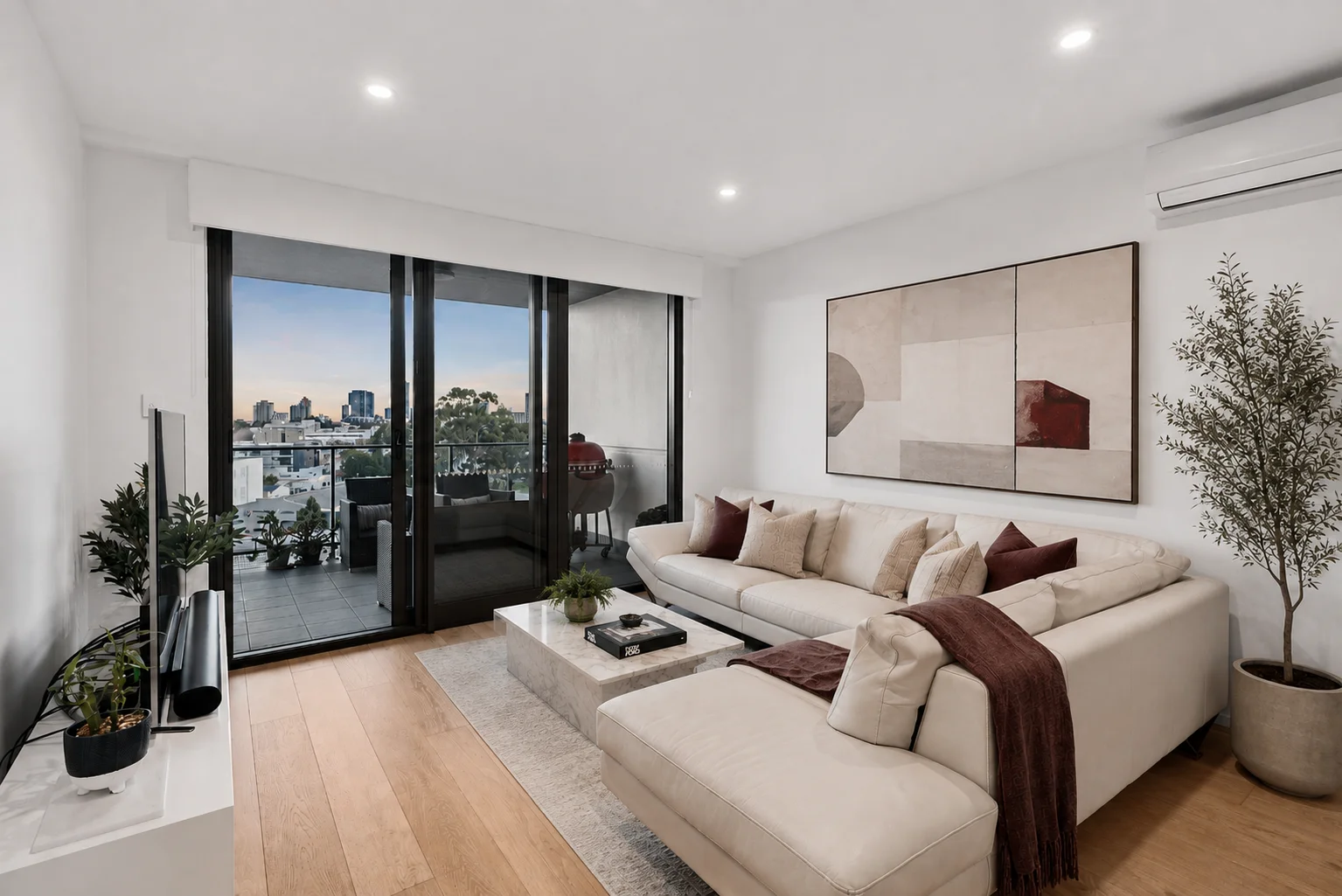 $700,000
Apartment / Unit / Flat
$700,000
Apartment / Unit / Flat
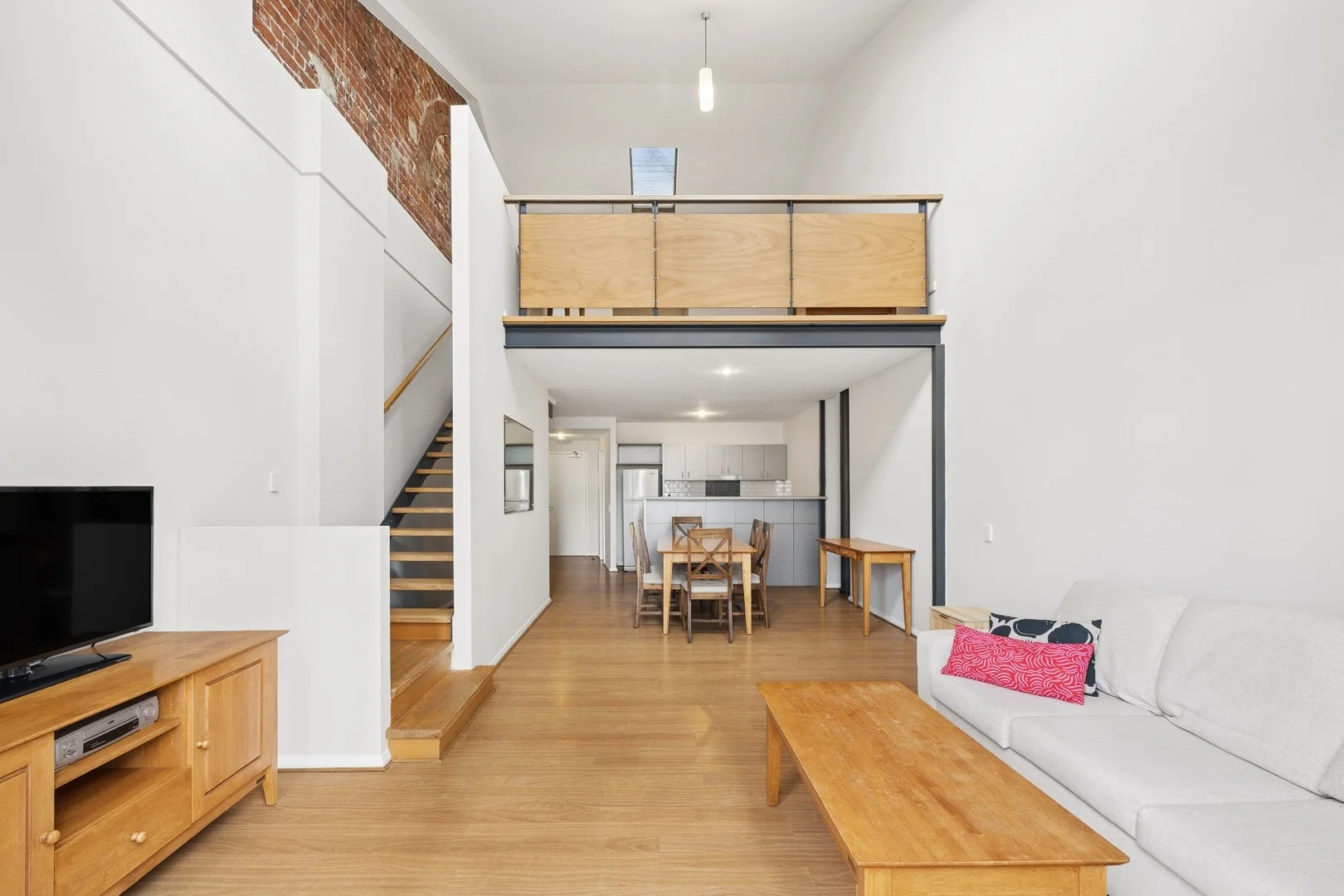 $549,000
Apartment / Unit / Flat
$549,000
Apartment / Unit / Flat
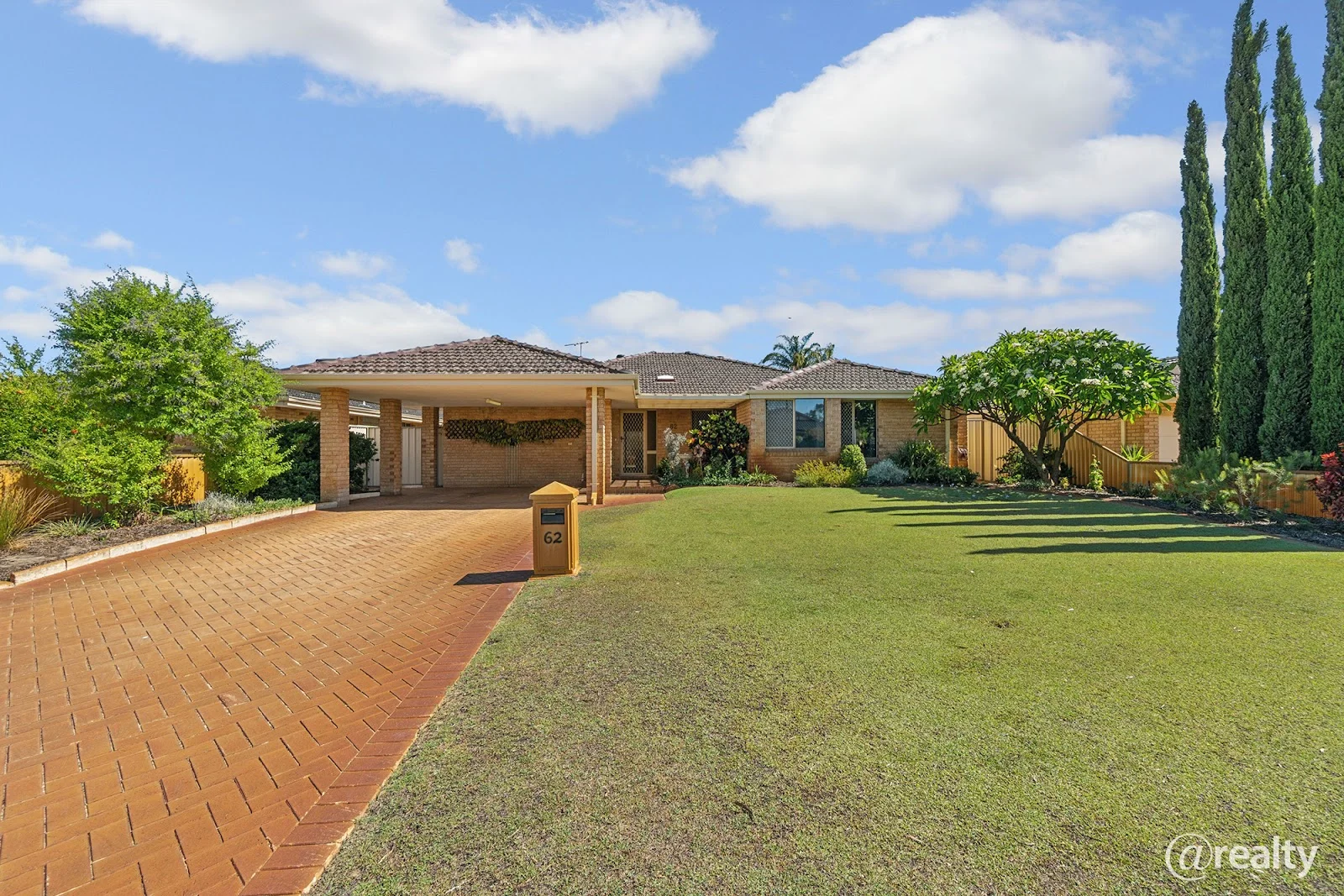 $1,099,000 - $1,153,950
House
$1,099,000 - $1,153,950
House
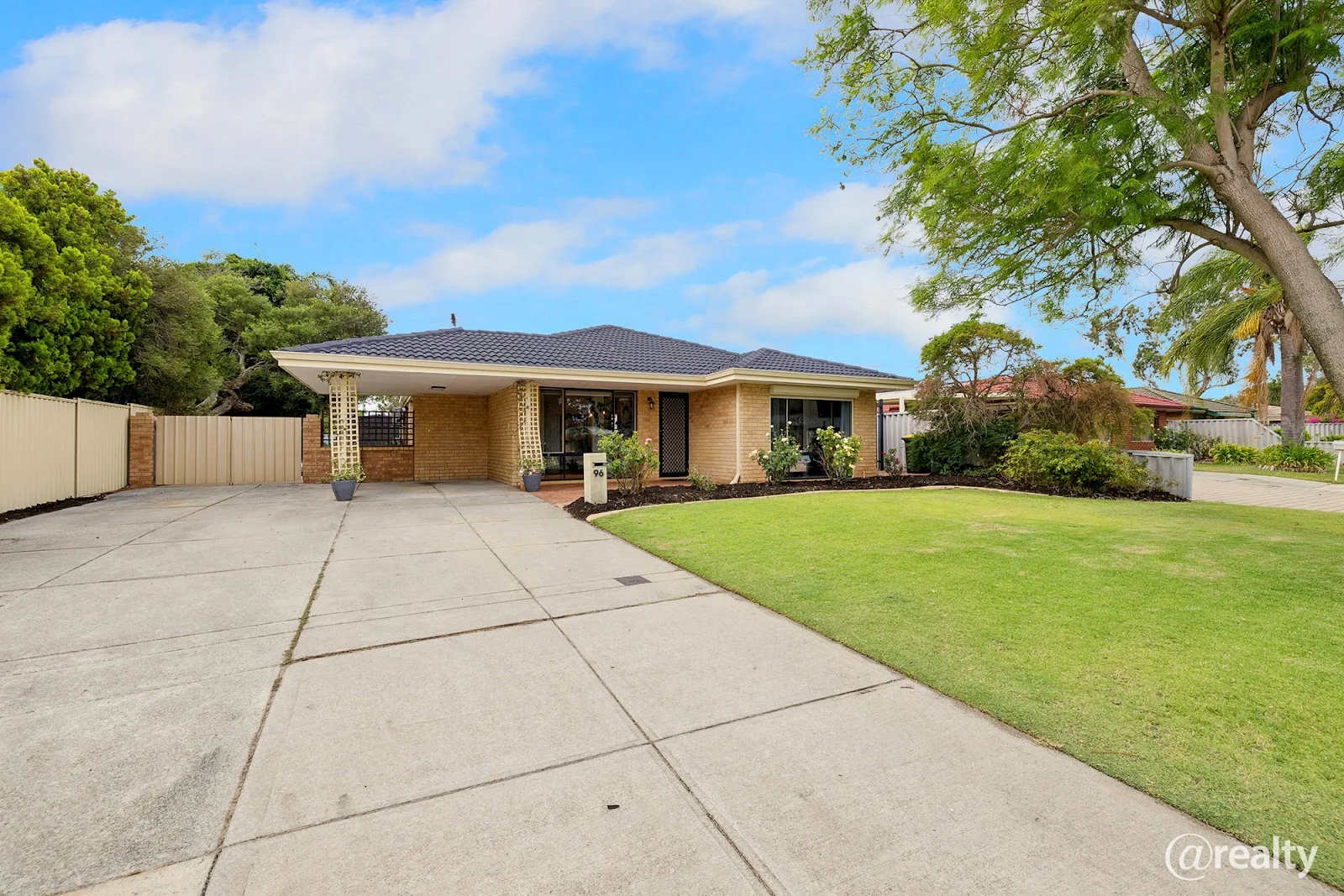 $899,000 - $943,950
House
$899,000 - $943,950
House