# Overview
Curtin Primary School is a public, co-educational primary school serving students across the P–6 years in Manning, Western Australia. The school offers a medium-sized community with a focus on providing a supportive and inclusive learning environment where students can grow academically, socially, and emotionally. Class sizes are typically in the range of mid-20s, supporting close teacher-student interaction and personalised learning. The atmosphere blends a friendly, nurturing culture with a strong emphasis on academic achievement and student wellbeing.
# Academics & Learning
- Academic strengths: Emphasis on strong literacy and numeracy foundations, with a growing focus on STEM and digital literacy to prepare students for future learning.
- Special programs: Opportunities for student leadership, library programs, and integration of digital technologies in learning; gifted and extension options may be offered through school initiatives as available.
- NAPLAN / trends: Steady, positive trends in reading and numeracy over recent years, reflecting continuous improvement and a solid state-wide performance baseline.
- Student-teacher ratios: Generally around 1:20 to 1:25 in classroom settings, enabling regular teacher engagement and support.
- Support for diverse learners: EAL (English as an Additional Language) support and targeted assistance for students with additional learning needs through school-based programs.
# Sports & Extracurricular Strengths
- Sports offered: Soccer, cricket, basketball, netball, athletics, swimming and other school-based physical education activities; participation in local inter-school and district events.
- Strong teams or achievements: Active involvement in local competitions with opportunities for students to contribute to school teams and participate in district-level events.
- Music, arts, drama programs: School music opportunities (choir or band), school productions, and arts-based activities to showcase creativity.
- Clubs: Robotics, chess, coding, debating and other interest-based clubs where available.
- Partnerships: Connections with local sporting clubs, community organisations and inter-school competitions to broaden opportunities beyond the classroom.
# Wellbeing & Pastoral Care
- Anti-bullying approach: Whole-school anti-bullying policies, student wellbeing programs and clear reporting pathways; emphasis on a safe, respectful school culture.
- House system: House-based activities and events to foster teamwork, leadership and belonging.
- Counsellors / wellbeing officers: Access to wellbeing staff and support services to assist students with social, emotional and behavioural needs.
- Transition support for new students: Orientation activities, buddy programs and targeted transition support to help new students settle in smoothly.
# Facilities
- Sports grounds: On-site playing fields and courts for a range of sports.
- Libraries: On-site library facilities supporting literacy and independent reading.
- Science labs: Dedicated spaces for science activities and experiments.
- Music/performing arts centers: Access to spaces for music, drama and performance.
- Tech/innovation labs: Computer labs and digital learning spaces for technology integration.
- Cafeteria: On-site canteen facilities supporting student meal options.
- Updated playgrounds: Age-appropriate play areas and outdoor learning spaces.
# School Values & Community Culture
- School values / mission: A values-driven culture emphasizing respect, resilience, responsibility and inclusion; focus on developing well-rounded individuals.
- Leadership style: Student voice platforms (e.g., student council) and teacher leadership that encourages collaboration and active participation.
- Behaviour expectations: Clear behavioural expectations and a positive behavior framework supported by staff, students and families.
- Community reputation: Strong sense of community with engaged families and positive relationships among staff, students and parents.
- Diversity & inclusion: Inclusive practices and celebrations of diversity within the school community.
# School Logistics & Daily Operations
- School hours: Typically morning to mid-afternoon schedule (e.g., around 8:30am–3:00pm), with variations by term.
- Before/after school care: Availability of Outside School Hours Care (OSHC) or partnerships with local providers for before/after school care.
- Uniform requirements: School uniform required or strongly encouraged, with guidelines for daily wear and appropriate seasonal adjustments.
- Transport (train/bus routes): Public transport options and local bus routes supporting easy access for students; school pickup/drop-off arrangements align with WA transport networks.
- Canteen availability: Canteen services on most school days, offering a range of healthy meal options.
- Fees (low/medium/high ranges): Public primary schools typically operate with voluntary contributions and modest fees for materials or activities; overall costs usually considered moderate.
# Enrolment & Admissions
11. What is the enrolment process and timeline?
- Apply through the local education authority or school intake process, generally starting months before the new school year. Parents typically submit enrolment forms, provide proof of residency and identity for the student, and may receive a confirmation of enrolment once space is available. Orientation or transition activities are often scheduled before the start of the school year.
12. Is there a waiting list, and how does it work?
- Some years may have limited spaces, leading to waitlists. When spaces become available, offers are typically made in order of application and residency considerations, with families notified of their status and next steps.
13. Are there any entry requirements, tests, or interviews?
- For most applicants, there are no entrance exams or interviews. In some cases, where a student requires specific support services or when applying for particular programs, there may be discussions or assessments to determine appropriate supports.
14. Does the school accept mid-year transfers?
- Yes, mid-year transfers are possible if space is available. Prospective families should contact the school to discuss vacancies, enrollment requirements, and the transition process for a smooth start.
# Frequently Ask Questions
- Why Parents Choose This School?
- A supportive, inclusive environment with strong literacy and numeracy foundations, opportunities for student leadership, and a focus on wellbeing and community involvement.
- What type of student thrives at this school?
- Students who respond well to a balanced approach with solid core academics, opportunities to participate in sports and arts, and a supportive community culture.
- What opportunities are available for students to extend their skills (academics, sports, arts)?
- Leadership roles, clubs (robotics, coding, chess, debating), involvement in district sports, music and drama programs, and access to digital technologies and extension activities through school initiatives.
- How does the school communicate with parents?
- Regular updates via newsletters, emails, parent meetings, and information portals; timely communications about student progress and events.
- What is the school’s approach to teaching and learning?
- A mix of explicit instruction, inquiry-based learning, and differentiation to meet diverse learning needs; emphasis on literacy, numeracy, and 21st-century skills.
- How does the school support students who need extra academic help?
- Targeted interventions in literacy and numeracy, EAL support, and access to learning support staff within the school.
- What support is available for academic challenges?
- Access to teachers, learning support staff, and, where appropriate, referrals to specialist services to address learning needs.
- How does the school communicate with parents? (Repeated)
- See above: regular updates, meetings, and digital communications.
- What are the class sizes and how much individual attention do students receive?
- Typical class sizes in the mid-20s, with individual attention from teachers during lessons and targeted small-group support as needed.
- What extracurricular and sports opportunities are available?
- A range of sports (team and PE activities), as well as clubs and arts opportunities such as music, drama, and coding/robotics.
- What facilities does the school offer (sports, science, arts)?
- Sports grounds, library, science labs, music/arts spaces, technology labs, canteen, and outdoor play areas.
- What is the school’s approach to technology and digital learning?
- Integration of digital technologies in the curriculum, with access to computer labs and opportunities to develop digital literacy.
- What transport and accessibility options are available?
- Access to local bus routes and public transport; school community supports convenient drop-off/pick-up arrangements.
- What are the typical school fees or additional costs?
- Public primary schools typically have low to moderate voluntary contributions and costs for books, activities, and materials; specifics vary by year and program.
# Short Pros & Cons list
- Pros
- Public, community-focused environment with a nurturing culture.
- Balanced emphasis on academics, wellbeing, and student leadership.
- Moderate class sizes enabling individual attention.
- Range of extracurriculars including sports, arts, and clubs.
- Active parent involvement and supportive school community.
- Cons
- As a public school, some years may experience varying space availability.
- Specific programs and resources can vary year to year based on funding and staffing.
- Transport and after-school care options may depend on local availability and demand.












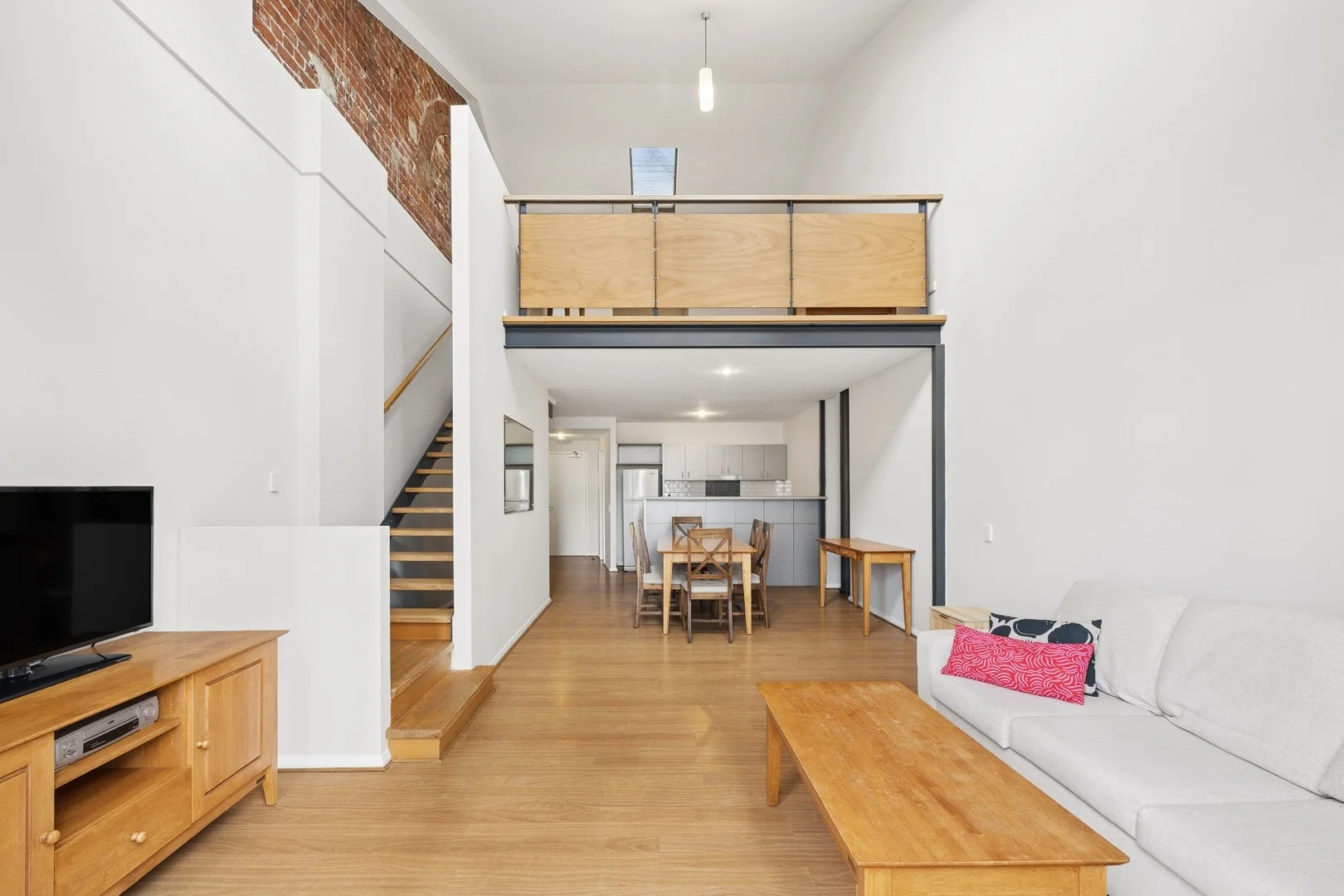 $549,000
Apartment / Unit / Flat
$549,000
Apartment / Unit / Flat
 $580,000
Apartment / Unit / Flat
$580,000
Apartment / Unit / Flat
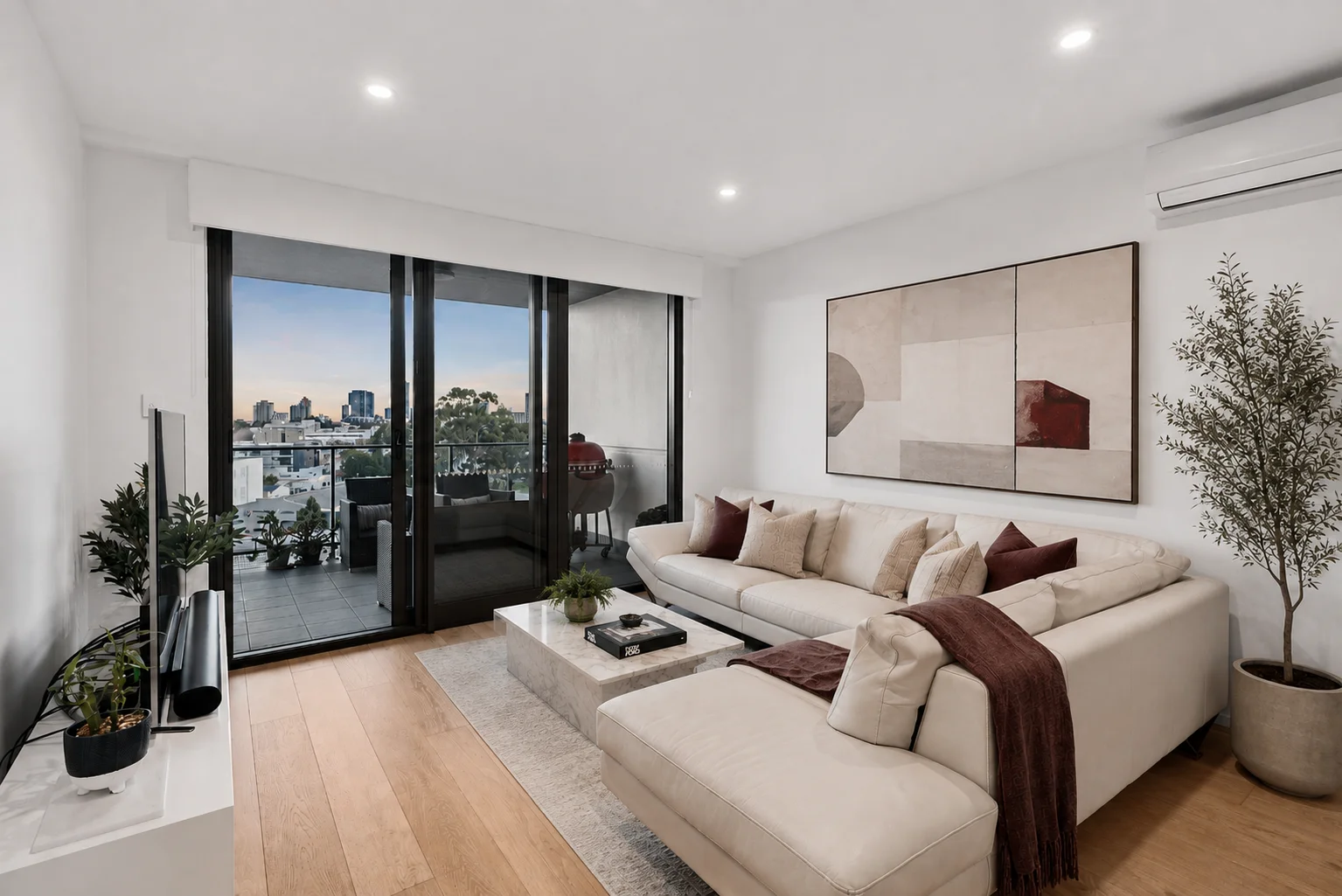 $700,000
Apartment / Unit / Flat
$700,000
Apartment / Unit / Flat