Overview
1. Overview
Capricornia School of Distance Education is a public Queensland Department of Education school delivering flexible, remote learning for students in Rockhampton and surrounding areas. The school focuses on providing accessible, student-centered education through online platforms and targeted support, allowing students to learn at their own pace while staying connected to the Queensland curriculum.
- School type: Public
- School size: Medium (distance model with a focused cohort and online participation)
- Class size: Small to moderate in online learning and support groups; strong one-on-one teacher contact
- Atmosphere/culture: Flexible, nurturing, inclusive, academically oriented with a focus on individual growth and family involvement
2. Academics & Learning
Capricornia SDE emphasises delivering the Queensland curriculum through online and supported learning, with structures in place to tailor learning to individual student needs.
- Academic strengths: English literacy and numeracy foundations, strong digital literacy, STEM engagement through online resources, and leadership/development opportunities embedded in the program
- Special programs: Access to extended/advanced learning options, online extension activities, and gifted/talented pathways within the public system
- NAPLAN / trends: Trends show a focus on individual progress and literacy/numeracy growth; sustained emphasis on closing learning gaps and supporting all students to meet year-level standards
- Student-teacher ratios: Low to moderate ratios due to one-on-one and small-group online support; teachers provide regular individualized guidance
- Support for diverse learners: Dedicated support for EAL and SEN, individual learning plans, accessible resources, regular family communication, and targeted accommodations
3. Sports & Extracurricular Strengths
Even as a distance education model, there are meaningful opportunities for sport, arts, and clubs through local partnerships and online formats.
- Sports offered: Participation via regional/district teams and community clubs; athletics, swimming, and other school-supported activities through local arrangements
- Strong teams or achievements: Students may compete in regional events or online-based competitions; participation tends to be flexible and skill-based
- Music, arts, drama: Music and drama opportunities through virtual showcases, school-affiliated arts projects, and partnerships with local arts programs
- Clubs: Robotics, coding, chess, debating, and other interest clubs supported through online platforms and local partnerships
- Partnerships: Local sporting and arts clubs, community academies, and online competition networks to broaden opportunities
4. Wellbeing & Pastoral Care
Wellbeing is a core priority, with structures to support social-emotional health and smooth transitions.
- Anti-bullying approach: Proactive, school-wide anti-bullying framework with clear reporting channels and restorative practices
- House system: A house or pastoral-care grouping approach to foster belonging and peer support
- Counsellors / wellbeing officers: Access to school counsellors or wellbeing staff through online or on-site sessions as available
- Transition support for new students: Induction programs, buddy systems, regular check-ins, and ongoing support for settling into the online learning environment
5. Facilities
Facilities reflect a modern learning environment tailored to distance education, with spaces and resources to support online and on-site activities.
- Sports grounds: Access via local facilities for physical education and activities
- Libraries: On-site and digital library resources for borrowing and research
- Science labs: On-site labs where available; supported by online simulations and virtual labs
- Music/performing arts centres: Dedicated spaces or partnered facilities for music and drama
- Tech/innovation labs: Computer labs and maker/creative tech spaces to support digital projects
- Cafeteria: On-site canteen or meal facilities when on campus
- Updated playgrounds: Outdoor spaces connected to the campus or partner facilities
6. School Values & Community Culture
The school aims to cultivate a respectful, inclusive community with clear expectations and opportunities to lead.
- School values / mission: Excellence, integrity, inclusion, and respect; student-centered learning
- Leadership style: Collaborative and supportive, with student voice encouraged in planning and activities
- Behaviour expectations: Clear code of conduct, positive-behaviour supports, and restorative approaches
- Community reputation: Welcoming and flexible environment that supports diverse learner needs
- Diversity & inclusion: Emphasis on inclusive practices, accessibility, and celebrating different backgrounds
7. School Logistics & Daily Operations
Important day-to-day information for families balancing work and learning.
- School hours: Flexible, with asynchronous learning supported by scheduled check-ins and live sessions as needed
- Before/after school care: Not routinely provided; availability may depend on on-site hubs or local partnerships
- Uniform requirements: Queensland public-school uniform expectations for on-site activities; otherwise comfortable attire for online learning
- Transport (train/bus routes): Not a central feature of distance learning; transport arrangements are local and depend on attendance at on-site hubs or events
- Canteen availability: On-site canteen or food facilities when students are on campus
- Fees (low/medium/high ranges): Public school fees are generally low or minimal; some materials or activity costs may apply
8. Enrolment & Admissions
Clear steps to join the school, with typical timelines and options for transfers.
- 11. What is the enrolment process and timeline?
- Submit an enrolment application through the Queensland Department of Education process
- Provide required documents (proof of residency, previous schooling records, and learning needs information)
- Complete any intake interviews or learning assessments as applicable
- Receive offer and schedule an orientation; begin learning with a learning plan
- 12. Is there a waiting list, and how does it work?
- Waiting lists may apply during peak intake periods; offers are made as places become available in the program
- Families are kept informed of expected timelines and next steps
- 13. Are there any entry requirements, tests, or interviews?
- Generally no entrance exams; some schools may conduct a short intake interview or needs assessment to tailor supports
- Must demonstrate ability to engage in online learning and access required technology
- 14. Does the school accept mid-year transfers?
- Yes, subject to space and alignment with the current program; families should contact the school early to arrange a smooth transfer
9. Frequently Asked Questions
- Why Parents Choose This School?
- Flexible learning pace, strong teacher support, and access to the Queensland curriculum without long commutes
- What type of student thrives at this school?
- Self-motivated learners who benefit from personalized guidance, and students seeking a flexible learning environment
- What opportunities are available for students to extend their skills (academics, sports, arts)?
- Online extension activities, leadership opportunities, regional/online competitions, and arts/music showcases
- How does the school communicate with parents?
- Regular updates via email, phone, online portals, and scheduled parent-teacher/guardian meetings
- What is the school’s approach to teaching and learning?
- Student-centered, differentiated instruction, and a blend of asynchronous and synchronous learning with teacher support
- How does the school support students who need extra academic help?
- Individual learning plans, targeted interventions, and regular progress reviews
- What support is available for academic challenges?
- Tutoring options, additional practice resources, and access to specialist staff
- How does the school communicate with parents? (Repeated)
- See above: email, portal, calls, and meetings
- What are the class sizes and how much individual attention do students receive?
- Small to moderate class sizes with substantial individual teacher contact and feedback
- What extracurricular and sports opportunities are available?
- Robotics, coding, chess, debating clubs; regional/online sports and arts programs; partnerships with local clubs
- What facilities does the school offer (sports, science, arts)?
- On-site and partner facilities for science labs, music/arts spaces, libraries, and digital labs
- What is the school’s approach to technology and digital learning?
- Strong emphasis on digital literacy, online platforms, and accessible resources to support learning anywhere
- What transport and accessibility options are available?
- Transport is typically managed locally; families coordinate attendance at on-site hubs or events as needed
- What are the typical school fees or additional costs?
- Public school funding covers core education; some materials or activities may carry small costs or levies
10. Short Pros & Cons list
- Pros
- Flexible learning pace and delivery
- Strong one-on-one teacher support
- Access to the Queensland curriculum through a public school
- Inclusive environment with support for diverse learners
- Opportunities to participate in clubs, competitions, and local partnerships
- Cons
- Requires self-motivation and good study discipline
- Less on-campus social interaction compared with traditional schools
- Dependence on reliable internet and technology
- Some on-site activities may require travel to hubs or partner facilities









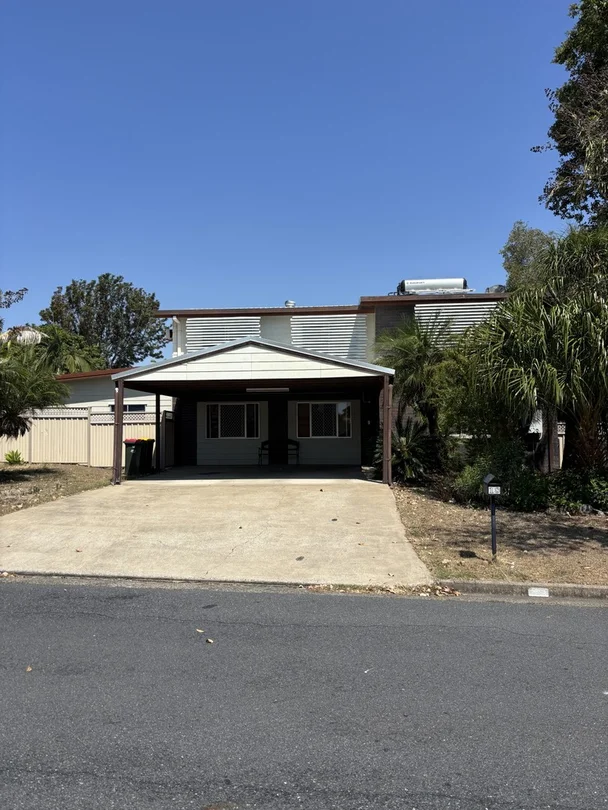 $660
House
$660
House
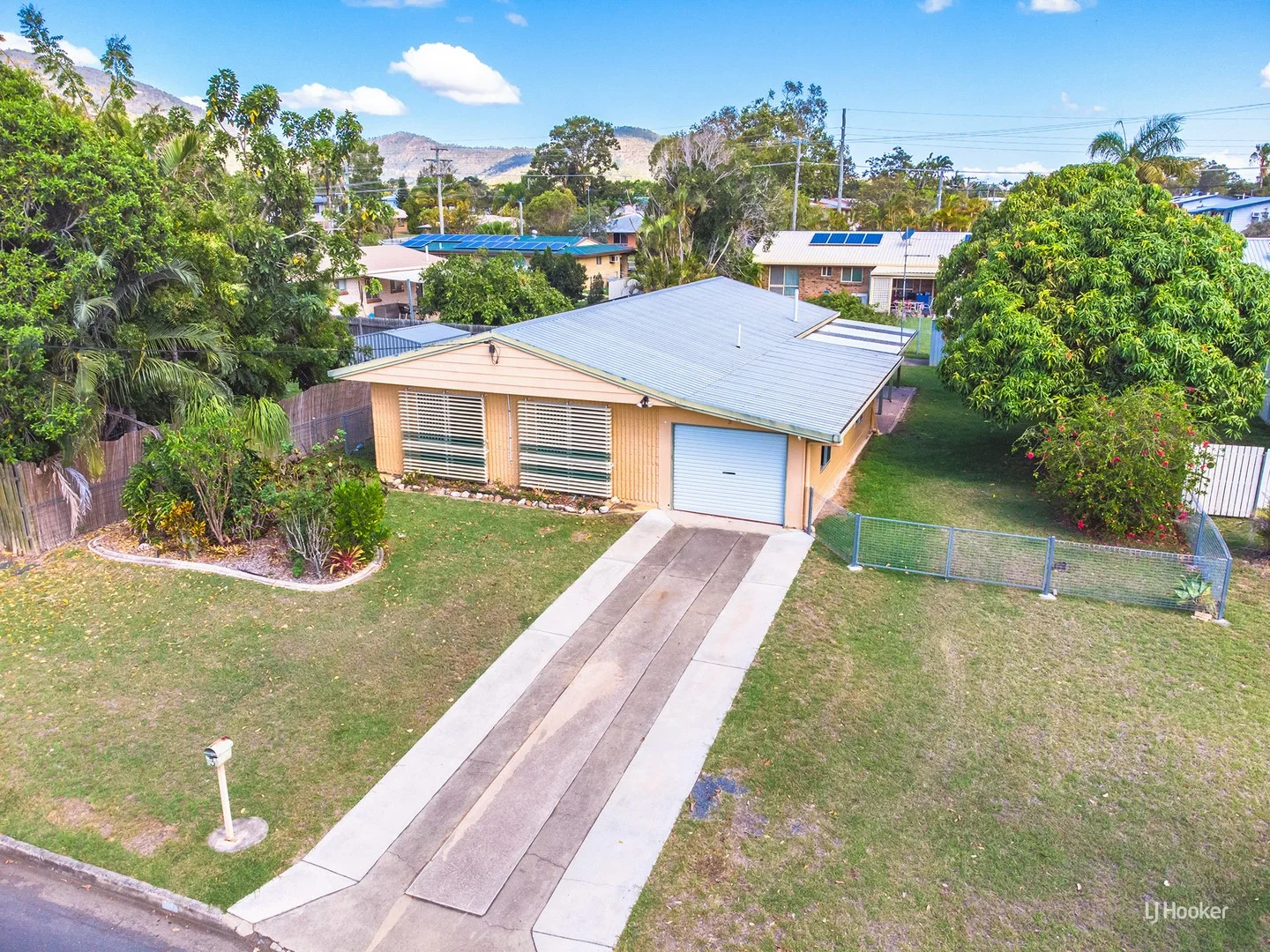 $560
House
$560
House
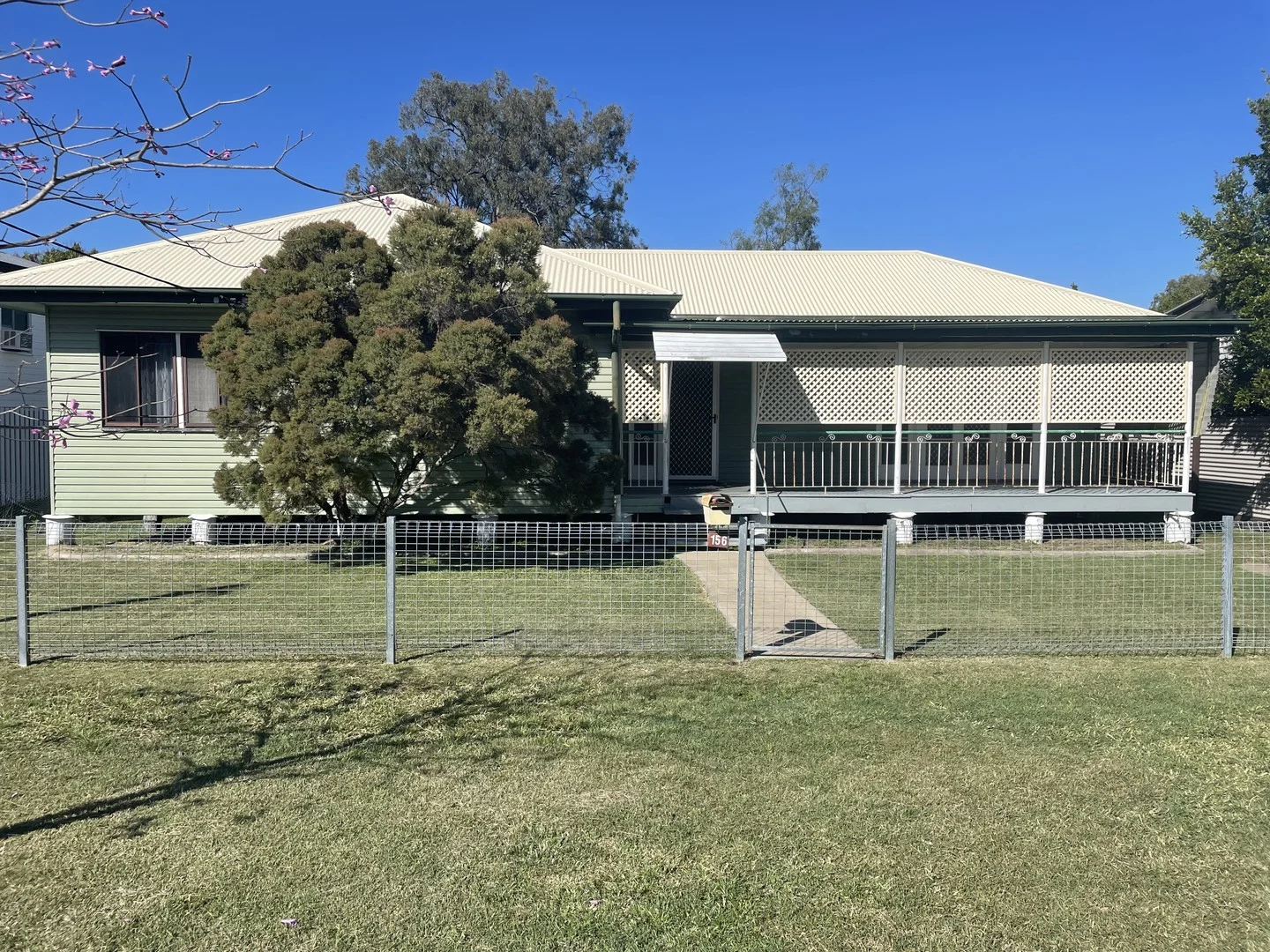 $480
House
$480
House
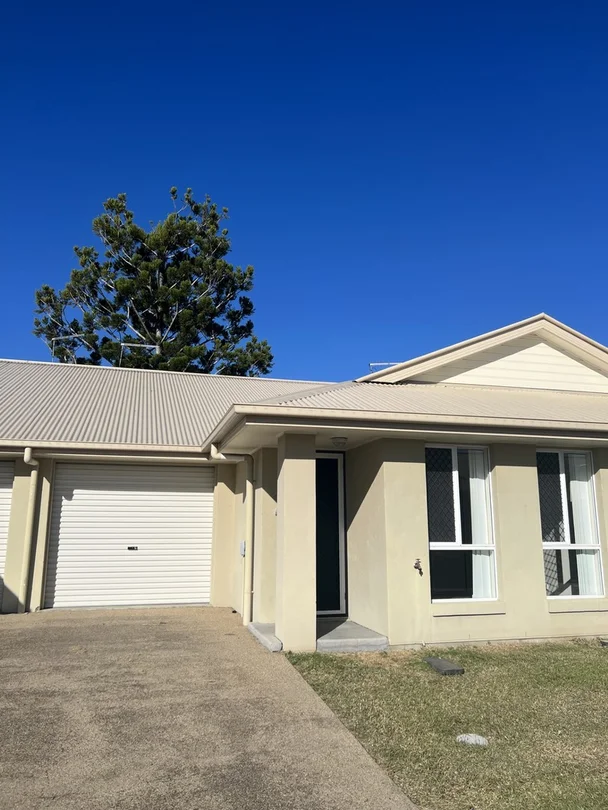 $480
House
$480
House
 $710
House
$710
House
 $413,250
House
$413,250
House
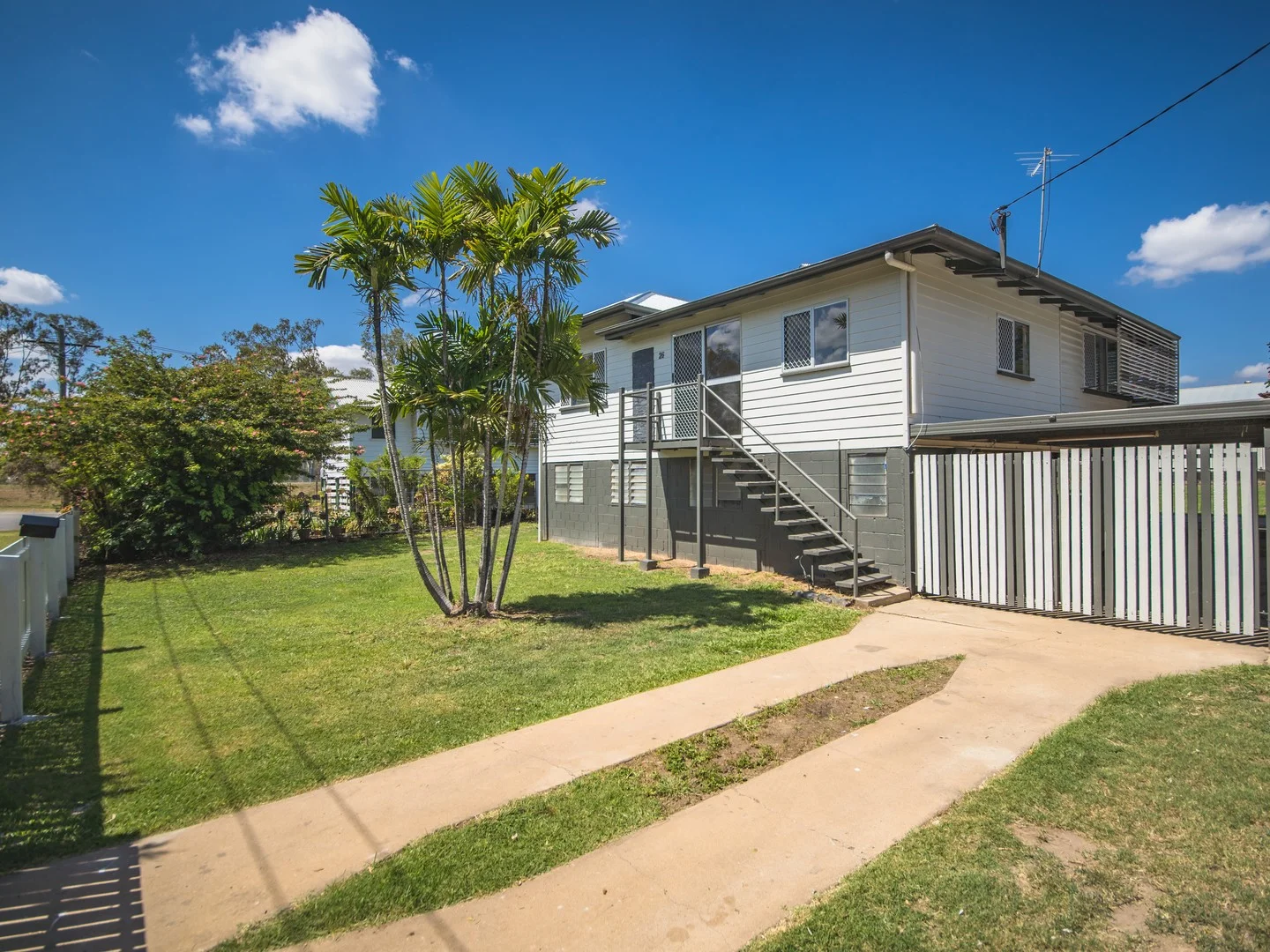 $510
House
$510
House
 $612,750
House
$612,750
House
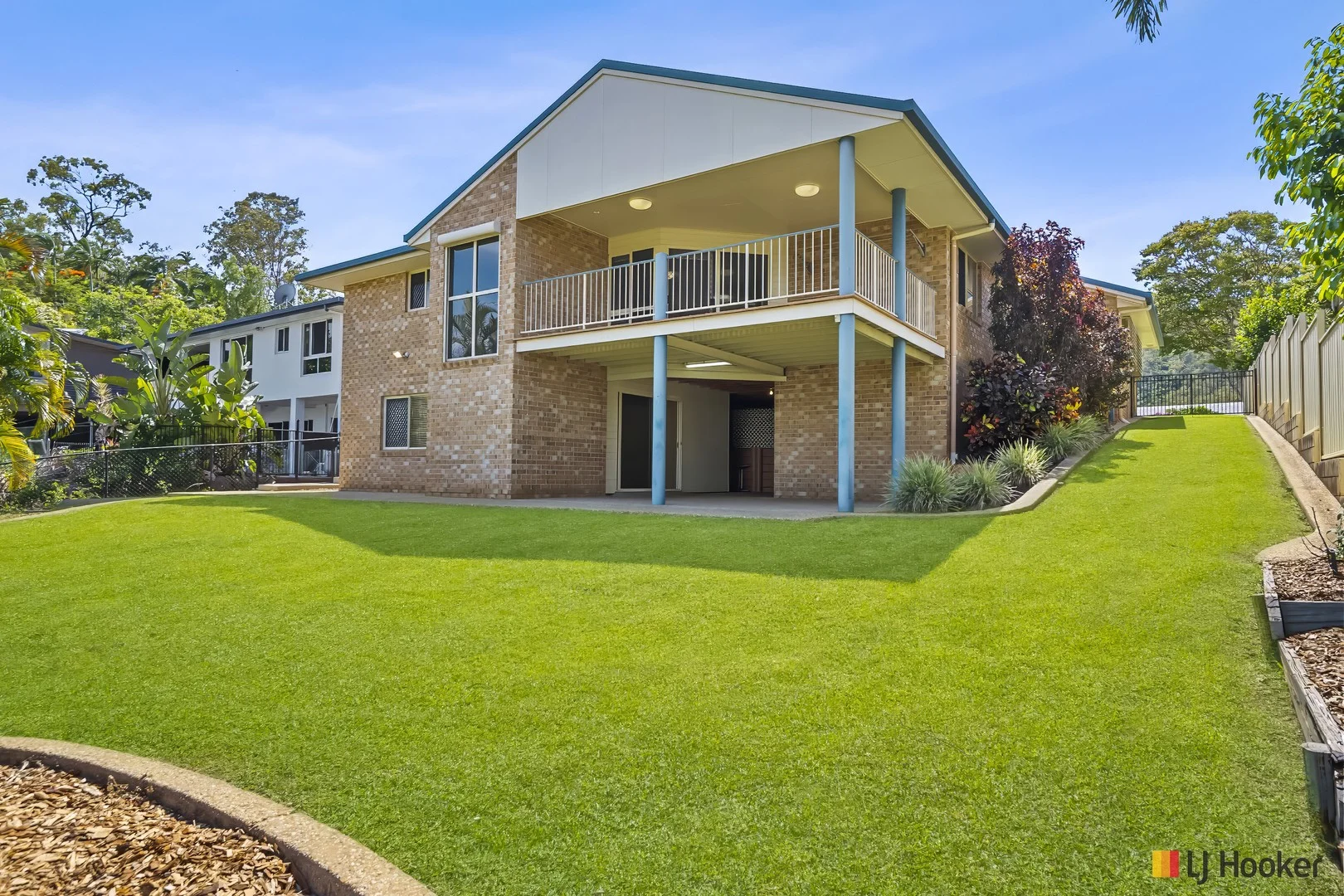 $755,250
House
$755,250
House


