Overview
# Overview
Glenmore State School is a public (government) primary school serving Prep to Year 6. The school is mid-sized, offering a close-knit yet spacious learning environment that supports a broad range of student needs. Class sizes are typically in the 20s, which helps teachers provide individual attention while maintaining a collaborative classroom vibe. The atmosphere is developmental and inclusive, with a nurturing culture that emphasises student wellbeing, curiosity, and achievement.
As a community-focused school, Glenmore State School encourages active participation from students, families, and staff. The school aims to balance strong academic foundations with real-world learning, sports, arts, and social development to help every child grow with confidence and resilience.
---
# Academics & Learning
- Academic strengths: Strong focus on literacy and numeracy, foundational STEM and digital technologies, plus leadership and student agency opportunities. The school emphasises clear progression in core skills alongside inquiry-based, hands-on learning.
- Special programs: Opportunities for gifted and talented pathways, accelerated learning options where appropriate, and integrated STEAM activities to connect science, technology, engineering, arts, and maths.
- NAPLAN / trends: Trends typically show steady year-on-year improvement in key literacy and numeracy areas, with a focus on targeted intervention where needed and ongoing data-informed teaching.
- Student-teacher ratios: Generally around 1:20 to 1:25, supporting accessible teacher support and small-group instruction.
- Support for diverse learners: Strong inclusion framework with support for diverse learners, including EAL (English as an Additional Language) approaches and SEN (special education needs) support, intervention programs, and access to appropriate learning supports.
---
# Sports & Extracurricular Strengths
- Sports offered: A broad range of sports typical for Queensland primary schools, including athletics, cricket, soccer, basketball, and rugby league, plus swimming and cross-country as part of the program.
- Strong teams or achievements: Regular participation in local and district interschool events; school teams and individuals often achieve commendable results and gain competitive experience.
- Music, arts, drama: Active music and performing arts programs, with opportunities to participate in school concerts and productions.
- Clubs: Robotics, coding, chess, debating, and other interest-based clubs run to engage students beyond the classroom.
- Partnerships: Links with local sports clubs and community groups to provide additional opportunities, competitions, and pathways for talented students.
---
# Wellbeing & Pastoral Care
- Anti-bullying approach: Whole-school anti-bullying framework with clear policies, student voice, and peer-support structures.
- House system: House-based activities and events to foster belonging, teamwork, and healthy competition.
- Counsellors / wellbeing officers: Access to school wellbeing staff and a school guidance pathway to support emotional and social development.
- Transition support for new students: Structured transition programs to welcome new students, including buddy systems and information sessions for families.
---
# Facilities
- Sports grounds: On-site fields and courts for a variety of physical activities.
- Libraries: Well-equipped library resources to support reading and research.
- Science labs: Dedicated spaces for practical science experiments and inquiry-based learning.
- Music/performing arts centers: Areas and spaces designed for music practice, rehearsals, and performances.
- Tech/innovation labs: Modern classrooms and computing spaces to support digital learning and hands-on projects.
- Cafeteria: On-site canteen or cafeteria offering a range of lunch and snack options.
- Updated playgrounds: Age-appropriate and safe outdoor play areas with updated facilities.
---
# School Values & Community Culture
- School values / mission: Emphasis on respect, resilience, responsibility, and collaboration to prepare students for lifelong learning.
- Leadership style: Distributed leadership model with opportunities for student voice, classroom leadership roles, and teacher-led initiatives.
- Behaviour expectations: Clear conduct guidelines that promote positive behaviour, responsibility, and mutual respect.
- Community reputation: A welcoming and engaged school community with active family involvement and partnerships.
- Diversity & inclusion: Commitment to inclusivity, celebrating diverse backgrounds and ensuring access to learning for all students.
---
# School Logistics & Daily Operations
- School hours: Typical daily schedule aligned with state timetables; mornings begin with learning blocks and periods for core subjects, with breaks and lunch in the day.
- Before/after school care: OSHC or similar arrangements available through external providers to support working families.
- Uniform requirements: Standard school uniform with logoed polo or shirt, shorts/skirt, and appropriate footwear; hats for sun safety; specifics provided by the school.
- Transport (train/bus routes): Local bus services and school transport options commonly used by families within the catchment area.
- Canteen availability: On-site or partnered canteen/service providing daily meal options and snacks.
- Fees (low/medium/high ranges): Public primary schools generally have low to medium discretionary costs; a family-friendly fee structure is typical, with information available through the school.
---
# Enrolment & Admissions
11. What is the enrolment process and timeline?
- Begin by checking eligibility within the local catchment area.
- Prepare required documents (proof of address, birth certificate or passport, immunisation records).
- Submit the enrolment application to the school and complete any school-specific steps.
- Once space is confirmed, you’ll receive enrolment confirmation and information about orientation or transition activities.
- Timelines vary by year level and intake period, with the strongest emphasis on starting at the beginning of the school year.
12. Is there a waiting list, and how does it work?
- Catchment enrolments are prioritised; out-of-area (non-catchment) enrolments may be placed on a wait list.
- Waiting times depend on year level and available space, and schools typically communicate expected timelines if you’re waitlisted.
13. Are there any entry requirements, tests, or interviews?
- Generally, primary school enrolments do not require entry tests or formal interviews.
- If a student has identified learning or support needs, the school may coordinate discussions with families to plan appropriate support and resources.
14. Does the school accept mid-year transfers?
- Yes, subject to space and availability.
- Families wishing to transfer mid-year should contact the enrolment team, provide relevant documentation (previous reports, immunisation details), and work with the school to arrange placement and transition support.
---
# Frequently Asked Questions
- Why Parents Choose This School?
- A welcoming, inclusive environment with a strong focus on literacy and numeracy, hands-on learning, and well-rounded development across academics, sport, arts, and wellbeing.
- What type of student thrives at this school?
- Students who are curious, collaborative, and eager to engage in a broad curriculum; those who value both academics and participation in sports, arts, and community activities.
- What opportunities are available for students to extend their skills (academics, sports, arts)?
- Gifted and talented pathways, leadership opportunities, coding/robotics and debating clubs, competitive sports, and performing arts programs.
- How does the school communicate with parents?
- Regular updates through newsletters, digital platforms, parent-teacher conferences, and timely feedback on student progress and wellbeing.
- What is the school’s approach to teaching and learning?
- A balanced approach combining strong literacy/numeracy instruction with inquiry-based learning, STEAM activities, and real-world connections.
- How does the school support students who need extra academic help?
- Targeted intervention and support within the classroom, small-group instruction, and access to learning support staff and specialists.
- What support is available for academic challenges?
- Additional tutoring or support programs as needed, plus ongoing monitoring of progress and collaboration with families.
- How does the school communicate with parents?
- See above; multiple channels to keep families informed and engaged.
- What are the class sizes and how much individual attention do students receive?
- Typically around 20–25 students per class, with opportunities for small-group instruction and targeted support.
- What extracurricular and sports opportunities are available?
- A broad range of sports (e.g., athletics, cricket, soccer, basketball), plus robotics, coding, chess, debating, music, and drama programs.
- What facilities does the school offer (sports, science, arts)?
- Comprehensive facilities including sports grounds, libraries, science labs, performing arts spaces, and technology/innovation labs.
- What is the school’s approach to technology and digital learning?
- Integrated digital technologies across the curriculum with hands-on projects and responsible use of technology to support learning.
- What transport and accessibility options are available?
- Local bus routes and school transport options are available; the school supports accessibility and convenient access for families.
- What are the typical school fees or additional costs?
- Public primary schools generally have low to medium discretionary costs; specific fees are published by the school and advised at enrolment.
---
# Short Pros & Cons list
- Pros
- Public school with a community-focused, inclusive culture.
- Strong emphasis on literacy, numeracy, and STEAM within a balanced curriculum.
- Wide range of extracurriculars, including sports, arts, and clubs.
- Supportive wellbeing and pastoral care framework.
- Modern facilities and well-integrated learning spaces.
- Cons
- Class sizes in the low-to-mid 20s range; some families may seek smaller-goup ratios for extra attention.
- As a public school, out-of-area enrolments may face wait lists or limited placement depending on space.
- Availability of certain programs may vary by year and cohort; some specialised offerings may be limited to specific periods or referral-based processes.









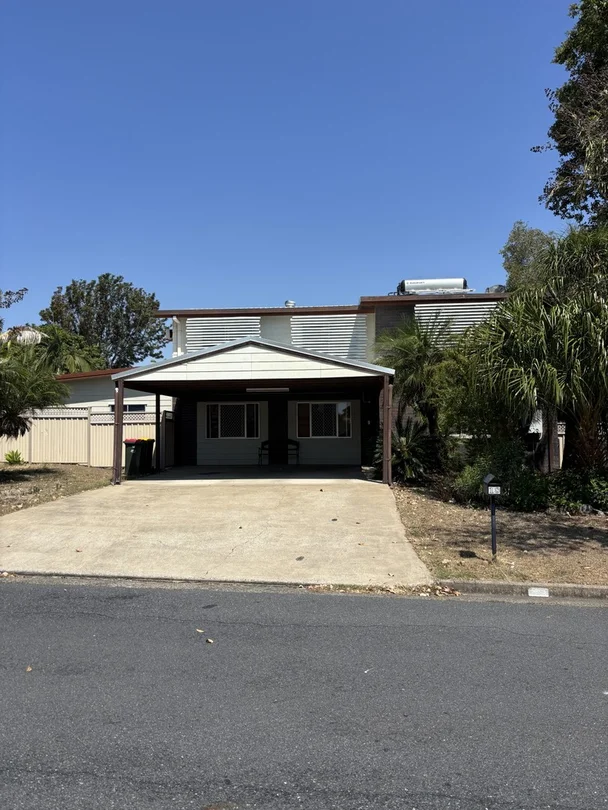 $660
House
$660
House
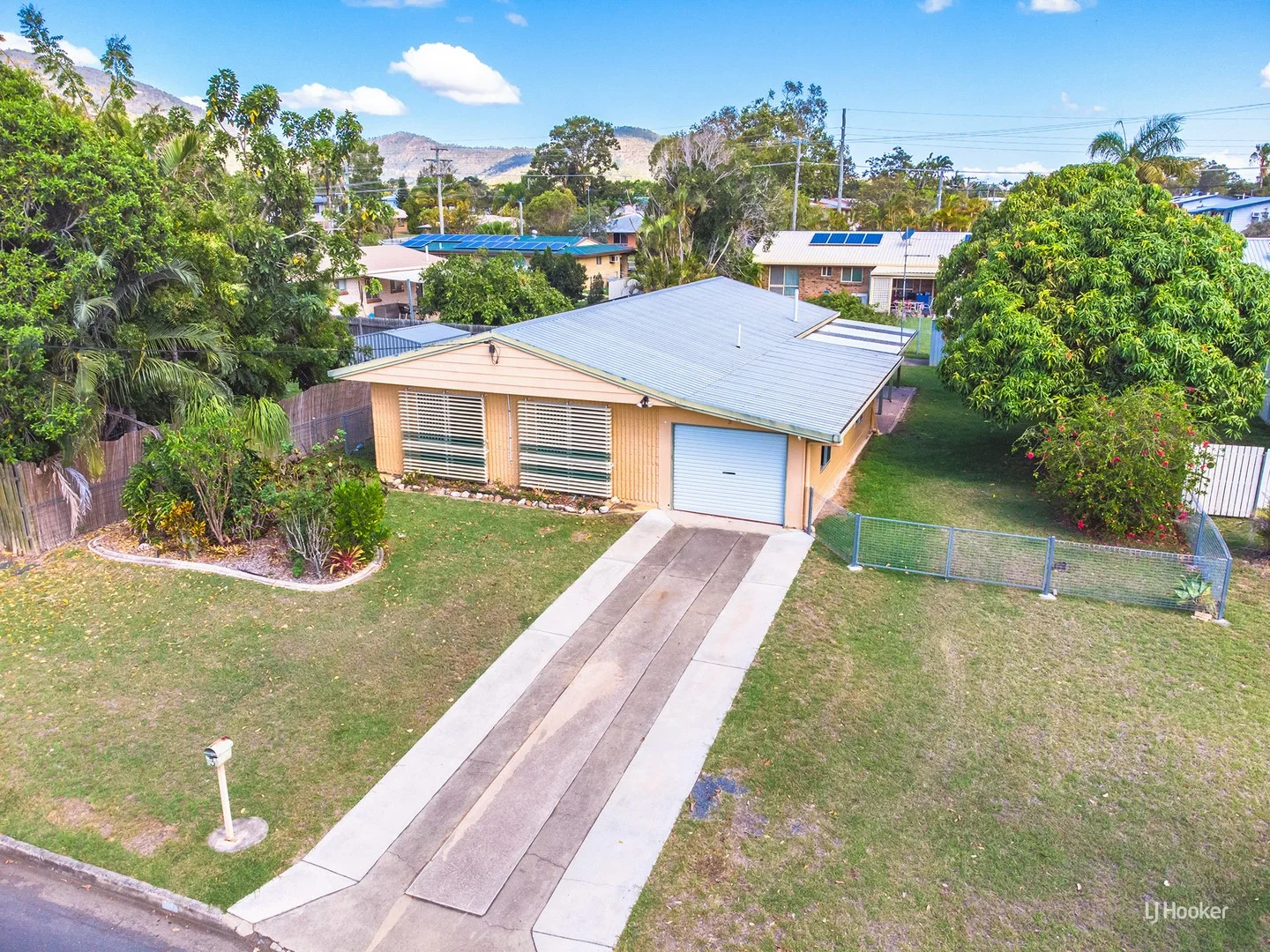 $560
House
$560
House
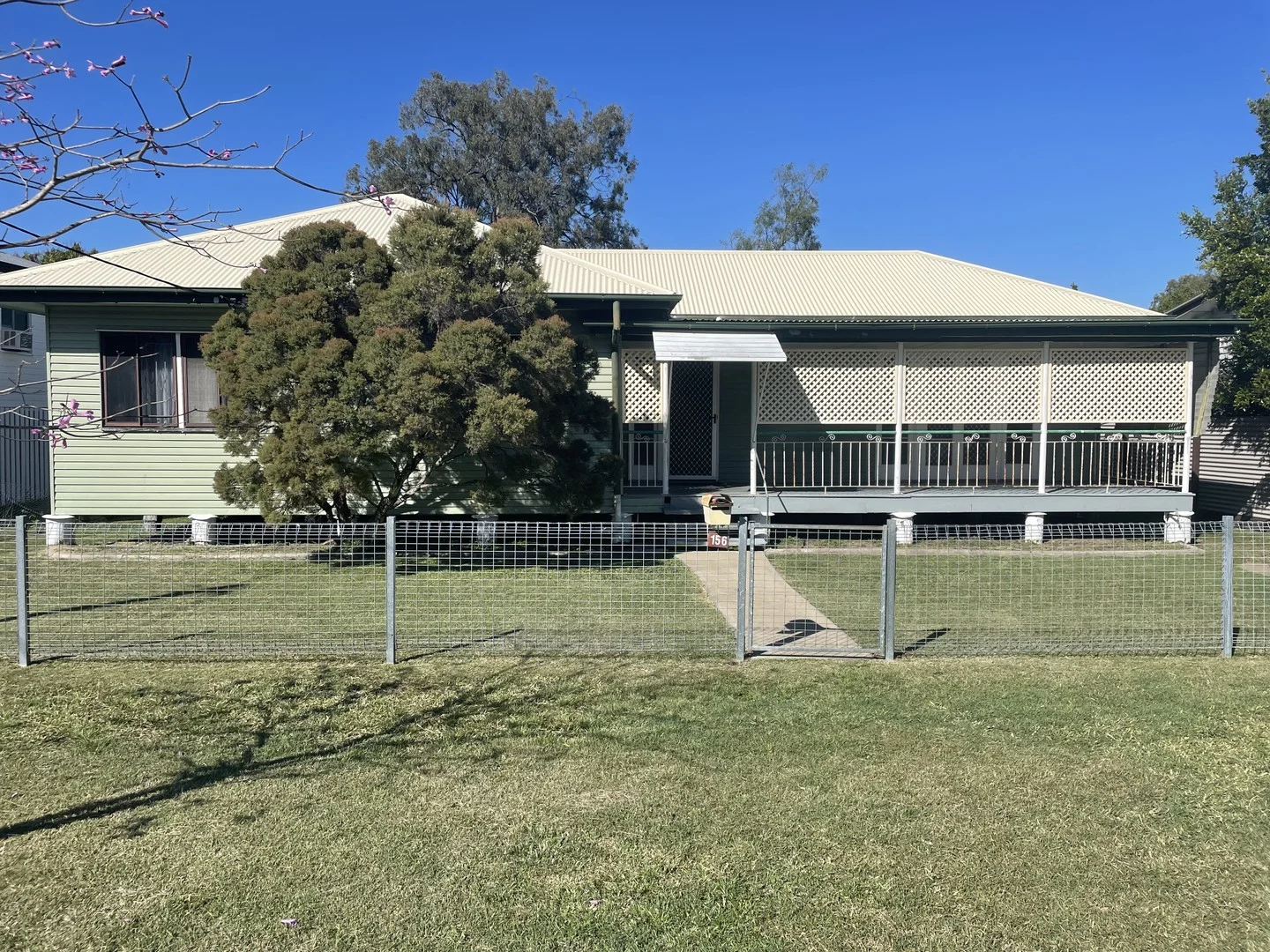 $480
House
$480
House
 $480
House
$480
House
 $710
House
$710
House
 $413,250
House
$413,250
House
 $510
House
$510
House
 $612,750
House
$612,750
House
 $755,250
House
$755,250
House