## 1. Overview
Carmel School is a Catholic independent school in Dianella, WA, offering education that integrates faith, values, and academics in a supportive community. The school aims to develop curious, responsible, and engaged learners who contribute positively to their families and broader community.
The school size is medium, with class sizes typically around 20–25 students. The atmosphere emphasises a nurturing, inclusive culture that values faith, academic effort, sport, and creative expression, helping students feel connected, supported and motivated to try their best.
---
## 2. Academics & Learning
- Academic strengths: strong literacy and numeracy foundations, robust English and Mathematics programs, with emphasis on STEM applications, and Religious Education embedded across the curriculum. Leadership development and language learning are also highlighted.
- Special programs: opportunities for gifted and talented students, pathways for accelerated learning where appropriate, and programs that foster Catholic values, character education, and community service.
- NAPLAN trends: historically consistent performance with steady year-to-year improvements in some domains; the focus is on ongoing growth and close monitoring of student progress rather than yearly score targets.
- Student-teacher ratios: designed to enable relatively small class groups and accessible teacher support (typical ratios aligned with a mid-range Australian primary/early secondary setting).
- Support for diverse learners: targeted supports for EAL learners and students with additional needs (SEN), including in-class support and targeted interventions where required.
---
## 3. Sports & Extracurricular Strengths
- Sports offered: a range of team and individual sports typical for WA schools, including football codes, netball, basketball, soccer, athletics, and swimming programs.
- Strong teams or achievements: active participation in inter-school events with competitive teams across various age groups; emphasis on fair play, teamwork, and personal bests.
- Music, arts, drama programs: a structured music program and opportunities in drama and performing arts, supporting creative development and performance.
- Clubs: robotics, chess, coding, debating, and other clubs designed to nurture problem-solving, strategic thinking, and public speaking.
- Partnerships: connections with local clubs, community groups, and regional competitions to broaden experiences in sport, STEM, arts, and leadership.
---
## 4. Wellbeing & Pastoral Care
- Anti-bullying approach: explicit policies and proactive programs to promote respectful relationships, safe reporting, and restorative practices.
- House system: a house framework to foster belonging, friendly competition, and social connection across year levels.
- Counsellors / wellbeing officers: access to school-based wellbeing support, with counsellors or wellbeing staff available to assist students and families.
- Transition support for new students: orientation programs, buddy systems, and targeted onboarding to help students settle into the school community smoothly.
---
## 5. Facilities
- Sports grounds: well-maintained grounds and outdoor spaces for physical education and recreation.
- Libraries: school library equipped for reading, research, and collaborative learning.
- Science labs: functional labs supporting practical experiments and inquiry-based learning.
- Music/performing arts centers: dedicated spaces for music education and drama performances.
- Tech/innovation labs: spaces for coding, robotics, and digital projects.
- Cafeteria: on-site canteen or dining facilities supporting daily meal and snack needs.
- Updated playgrounds: safe, age-appropriate play areas that support active breaks and outdoor learning.
---
## 6. School Values & Community Culture
- School values / mission: a strong emphasis on Catholic faith, integrity, service, respect, and excellence.
- Leadership style: student voice and leadership opportunities alongside staff-guided, collaborative decision-making; emphasis on service and responsibility.
- Behaviour expectations: clear codes of conduct, consistent routines, and restorative approaches to behaviour management.
- Community reputation: recognised as a welcoming, faith-based community that supports student growth across academics, faith, and wellbeing.
- Diversity & inclusion: inclusive culture that respects and welcomes diverse backgrounds and abilities, with programs to support students from various backgrounds.
---
## 7. School Logistics & Daily Operations
- School hours: typical day begins in the morning and ends in the afternoon, with variations by year level; precise times are available at enrolment.
- Before/after school care: available options for before and after school care or supervision.
- Uniform requirements: formal school uniform with season-appropriate options; clear guidelines for everyday wear and formal occasions.
- Transport: access to local bus routes and proximity to public transport; information on school-specific travel arrangements is provided to families.
- Canteen availability: canteen or food service available during the day.
- Fees: fee levels generally described as mid-to-upper range within the WA non-government sector; details provided at enrolment.
---
## 8. Enrolment & Admissions
11. What is the enrolment process and timeline?
- Online application or formal enrolment submission, followed by documentation verification, parent information sessions, and eligibility checks. The timeline varies by intake and year level; families are advised to apply early to ensure consideration for preferred start dates.
12. Is there a waiting list, and how does it work?
- There is typically a waiting list for popular year levels or entry points. Applicants may be offered positions based on availability, interview outcomes, and space in the cohort; long wait times can occur for certain grades.
13. Are there any entry requirements, tests, or interviews?
- Entry often involves an admissions interview or meeting, and may include consideration of prior schooling, readiness for the year level, and alignment with the school’s values. Some programs or year levels may have assessments.
14. Does the school accept mid-year transfers?
- Mid-year transfers are possible when space is available and assessment/transition arrangements can be made to support continuity of learning.
---
## 9. Frequently Asked Questions
- Why Parents Choose This School?
- A values-driven Catholic education that balances faith, academics, and wellbeing within a supportive community.
- What type of student thrives at this school?
- Students who are engaged, respectful, curious, and motivated to contribute to a faith-filled and collaborative learning environment.
- What opportunities are available for students to extend their skills (academics, sports, arts)?
- Strong programs across literacy, numeracy, STEM, arts, music, drama, sports, and leadership; clubs and competitions in robotics, coding, debating, and more.
- How does the school communicate with parents?
- Regular newsletters, school app or portal updates, emails, parent-teacher conferences, and community events.
- What is the school’s approach to teaching and learning?
- A balanced, student-centered approach that blends core academic skills with faith formation, critical thinking, and real-world application.
- How does the school support students who need extra academic help?
- Targeted interventions, in-class support, and access to specialists or tutoring; EAL and SEN support available as needed.
- What support is available for academic challenges?
- Early identification, personalized learning plans, and collaboration with families to implement appropriate strategies.
- How does the school communicate with parents? (repeated)
- See above: newsletters, portals, and direct communications from teachers and leaders.
- What are the class sizes and how much individual attention do students receive?
- Typical class sizes are in the low-to-mid 20s, with opportunities for individual or small-group support through teacher planning and targeted interventions.
- What extracurricular and sports opportunities are available?
- A broad mix of sports, music, arts, and clubs such as robotics, chess, coding, and debating, with opportunities to participate in regional competitions.
- What facilities does the school offer (sports, science, arts)?
- Comprehensive facilities including sports grounds, science labs, libraries, music/performing arts spaces, and technology/innovation labs.
- What is the school’s approach to technology and digital learning?
- Integration of digital literacy and age-appropriate technology into learning, with access to devices and platforms to support research, collaboration, and creative projects.
- What transport and accessibility options are available?
- Access to local bus routes and public transport options, with information on school drop-off/pick-up arrangements; accessible facilities where applicable.
- What are the typical school fees or additional costs?
- Fees fall within the mid-to-upper range for non-government schools in WA; additional costs may apply for activities, camps, and some elective programs.
---
## 10. Short Pros & Cons
- Pros
- Catholic values and a strong sense of community.
- Nurturing, inclusive environment with a focus on wellbeing and character.
- Balanced emphasis on academics, sport, arts, and faith formation.
- Accessible support for diverse learners and targeted academic help.
- Broad range of extracurricular activities and clubs.
- Cons
- Fees may be higher than public schooling.
- As a medium-sized school, opportunities in some years may feel more limited than larger campuses (depends on cohort and program availability).
- Popular programs can create waiting lists for certain year levels or entry points.

![Youth Zone: Street Dance Workshop [Ages 12 -17]](https://image.aroundschools.com.au/[object Object]) Free
Free











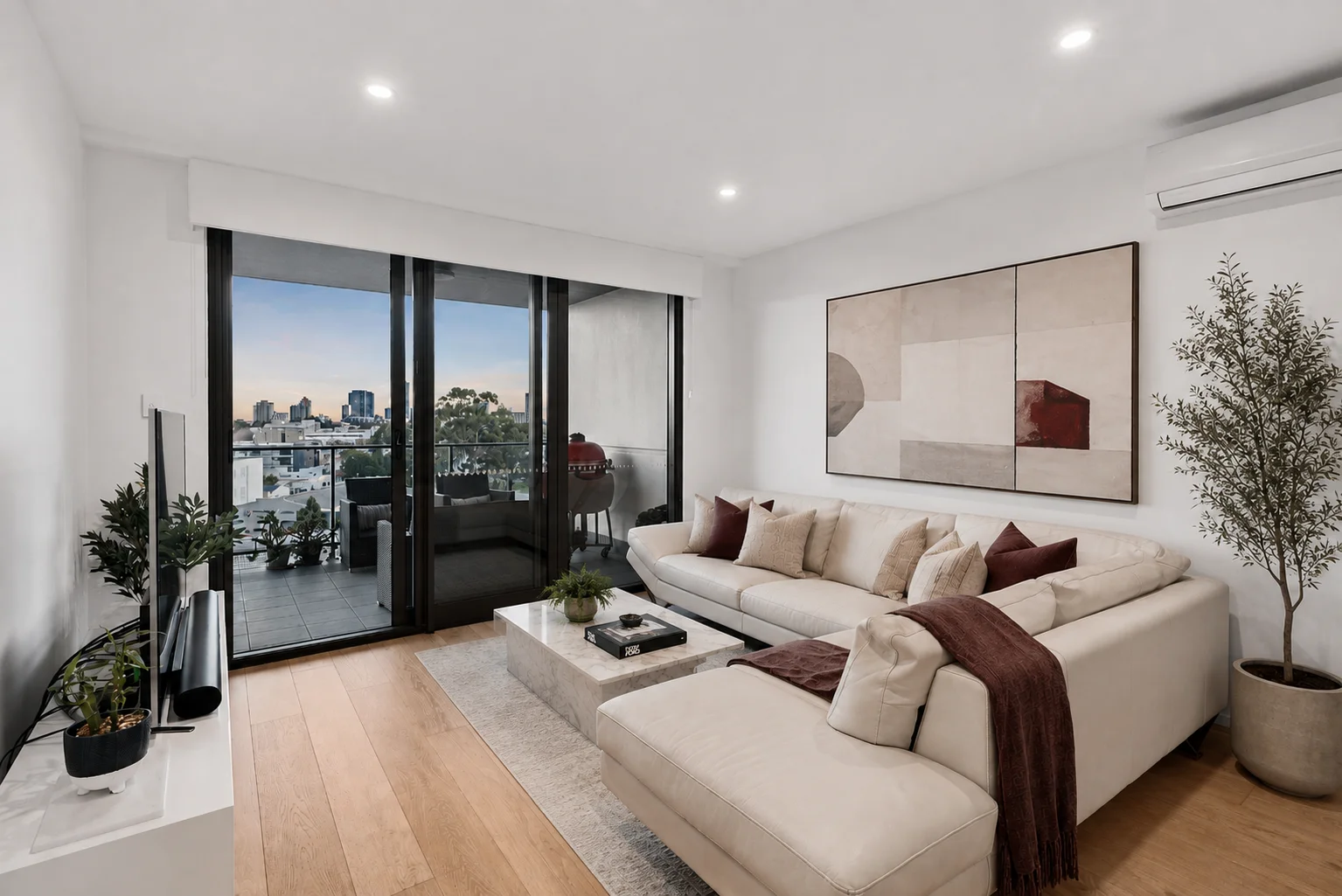 $700,000
Apartment / Unit / Flat
$700,000
Apartment / Unit / Flat
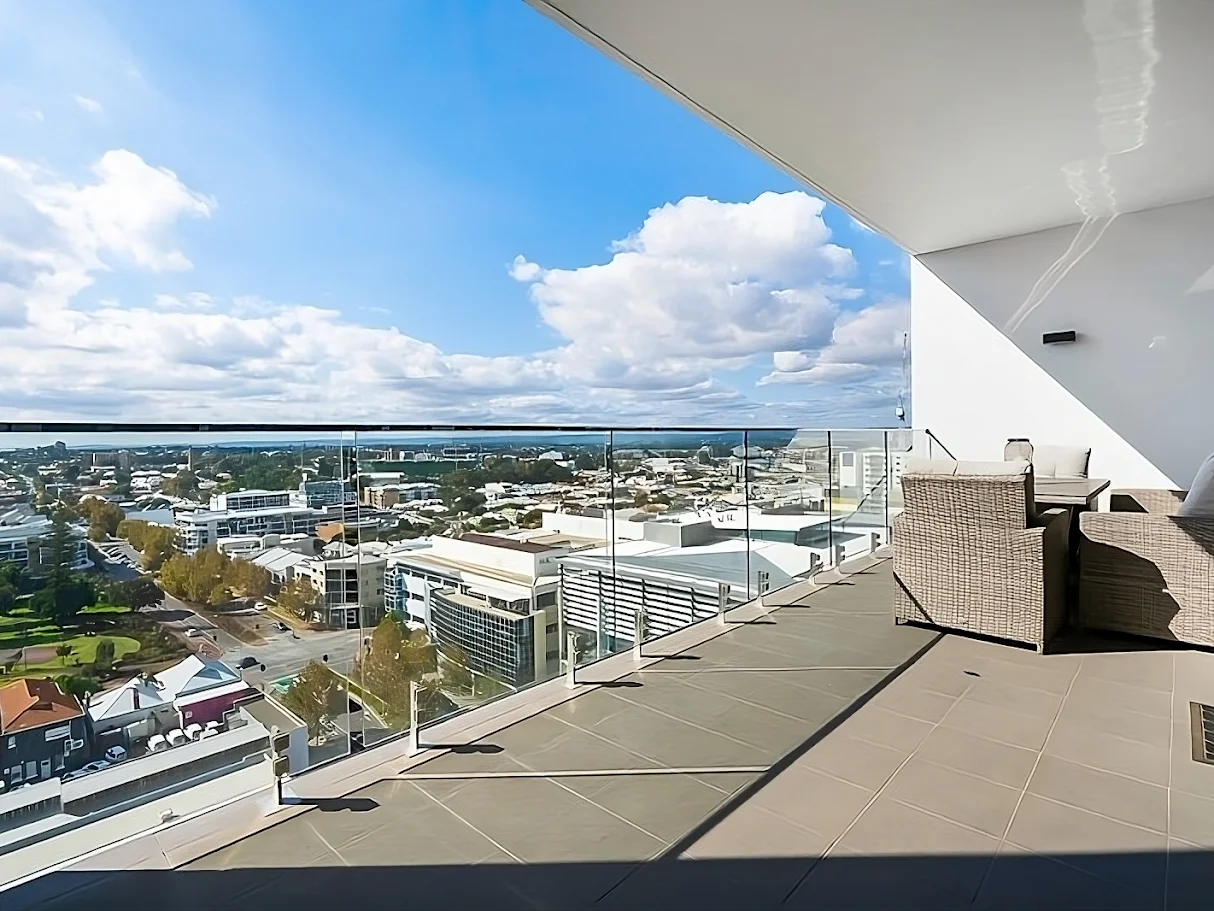 $580,000
Apartment / Unit / Flat
$580,000
Apartment / Unit / Flat
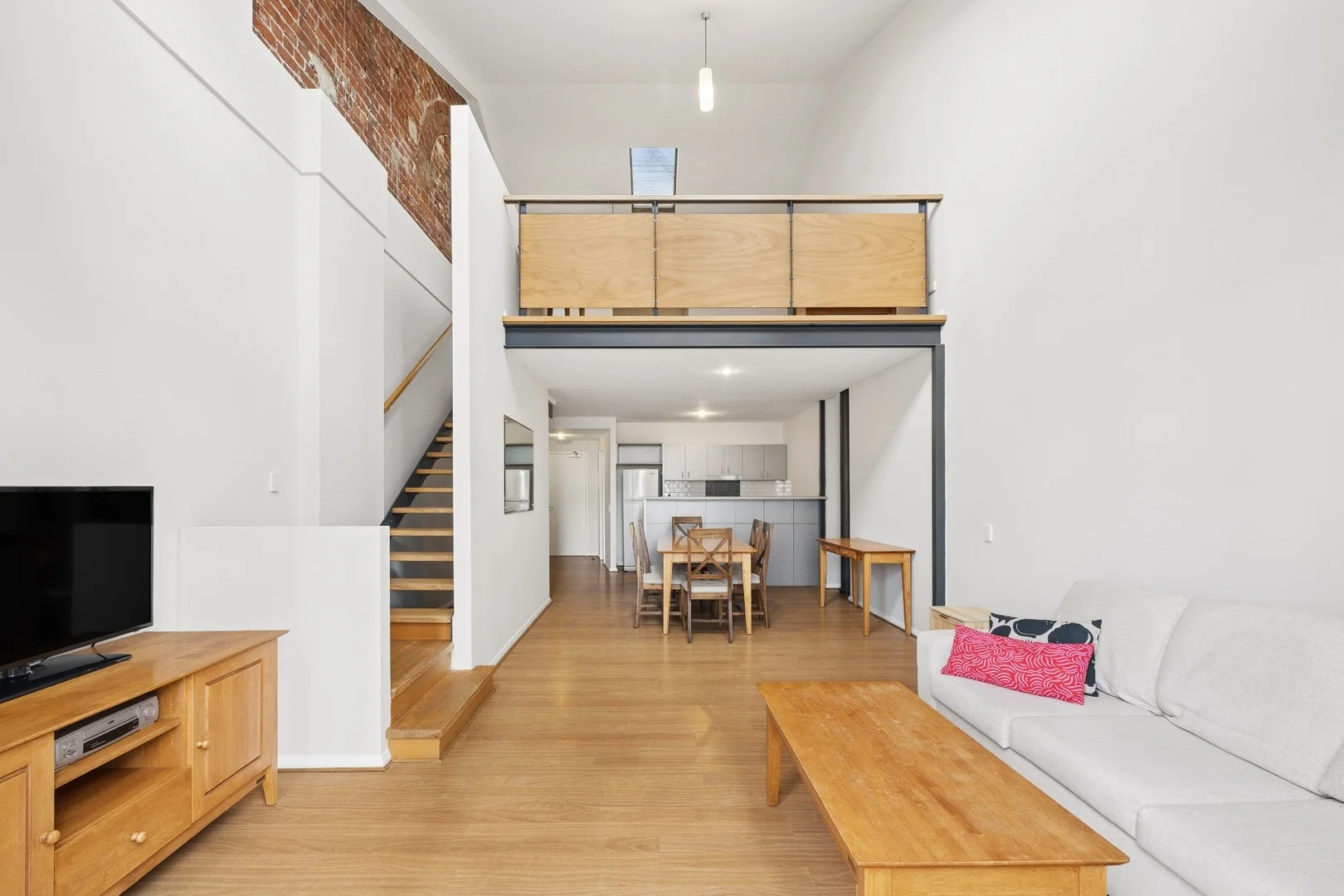 $549,000
Apartment / Unit / Flat
$549,000
Apartment / Unit / Flat
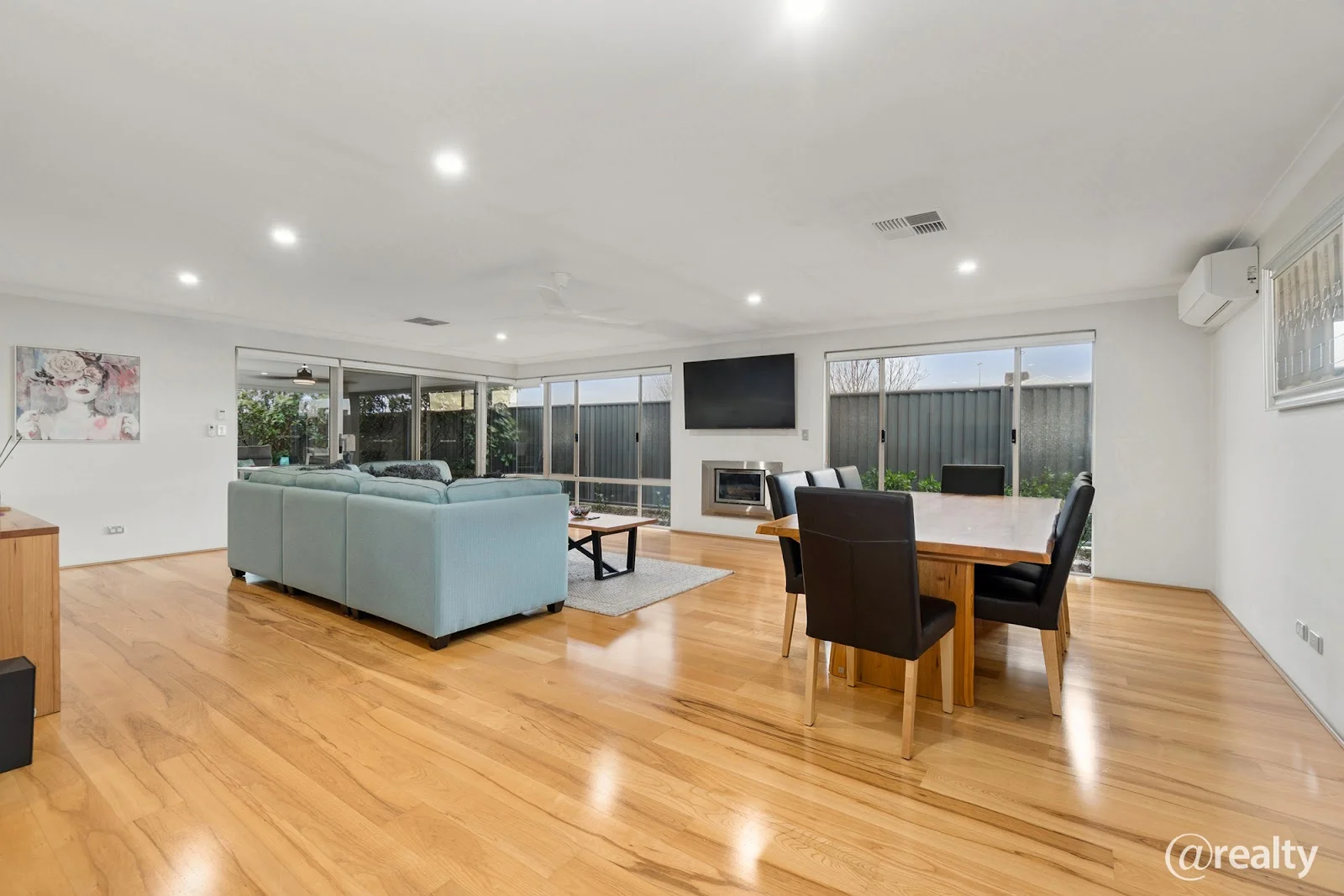 $1,030,000
House
$1,030,000
House
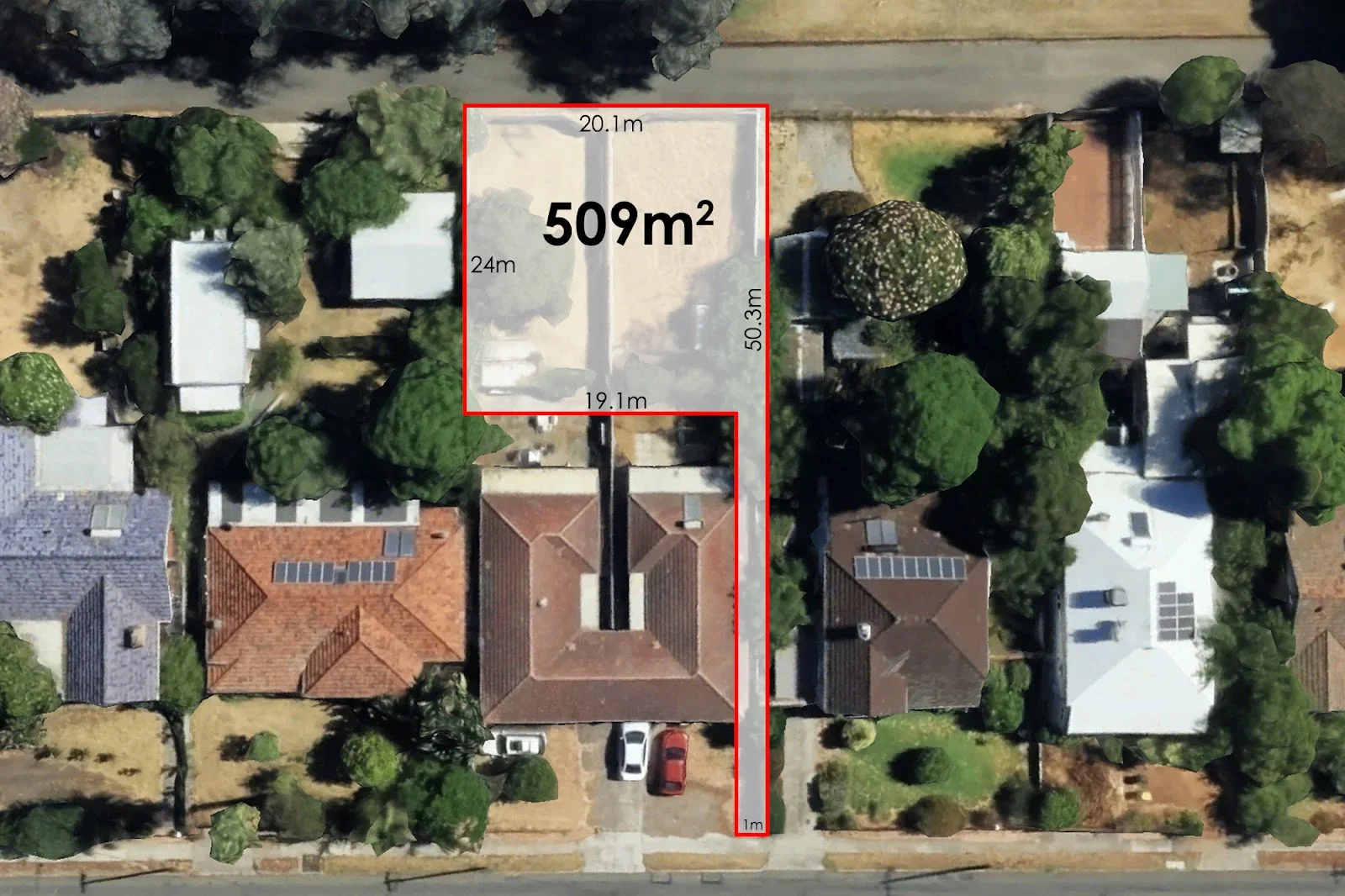 $480,000
Vacant Land
$480,000
Vacant Land


