Overview
## 1. Overview
Banksia Montessori School is an independent private school offering a Montessori-based education in Western Australia. As a private/independent setting, it emphasizes child-centered learning within a nurturing community, with a focus on developing independence, curiosity, and practical life skills. The school typically operates as small to medium in size, with class structures that reflect Montessori principles such as mixed-age groups and individualized learning pathways. The atmosphere is described as nurturing, inclusive, and academically oriented, aiming to support diverse learners and build strong foundational skills.
The school’s culture tends to prioritize holistic development, respect, responsibility, and collaboration. Families can expect an environment that values student-led exploration alongside teacher guidance, with a focus on creating confident, capable learners who can adapt to a range of future opportunities.
## 2. Academics & Learning
- Academic strengths: Montessori-based education typically emphasizes literacy and numeracy through concrete materials, along with holistic development across language, math, practical life, and sensorimotor skills. The approach supports self-directed learning, concentration, and independence, with emphasis on deep understanding over rote memorization.
- Special programs: Schools of this type often offer Montessori-trained staff and classroom environments designed for individualized learning. Some campuses may provide extension or enrichment opportunities, including language development, arts, and early leadership experiences. Gifted and talented pathways or accelerated options may be available in some cohorts.
- NAPLAN / Ofsted trends (not scores — trends): Where available, trends tend to show steady progress in key areas such as literacy and numeracy over time, with outcomes that align with or exceed regional expectations in many years. It’s best to consult the most recent state reports for precise trend directions.
- Student-teacher ratios: Classrooms are typically designed to provide favorable student-teacher ratios, with support through aides or additional staff to maintain smaller group interactions and individualized attention.
- Support for diverse learners (EAL, SEN): Inclusive education is a focus, with supports for diverse learners including language support (EAL) and access to SEN-related planning and resources. Individual learning plans and targeted assistance are commonly available.
## 3. Sports & Extracurricular Strengths
- Sports offered: A range of school-based and community sports are commonly available, with PE programs integrated into the timetable and opportunities for team and individual participation.
- Strong teams or achievements: Schools often participate in local inter-school events and competitions; achievements vary by year and cohort.
- Music, arts, drama programs: Music and performing arts are typically part of the curriculum, with opportunities for vocal and instrumental study, ensembles, and school productions.
- Clubs: Robotics, coding, chess, debating, environmental clubs, and other student-led or teacher-facilitated clubs are commonly offered to broaden interests and skills.
- Partnerships: Schools may establish partnerships with local clubs, academies, or community organizations to support competitions, performances, or enrichment opportunities.
## 4. Wellbeing & Pastoral Care
- Anti-bullying approach: Schools commonly implement anti-bullying policies and restorative practices to foster a respectful, safe environment.
- House system: Some schools use a house system or pastoral groups to build community, encourage healthy competition, and support social-emotional development.
- Counsellors / wellbeing officers: Access to school-based counsellors or wellbeing staff is typical, with additional support available for mental health and transition needs.
- Transition support for new students: Induction programs, buddy systems, and targeted orientation help new students settle into the school community smoothly.
## 5. Facilities
- Sports grounds: On-site or nearby facilities for physical education and sports activities.
- Libraries: A central library or learning commons supports reading and research.
- Science labs: Dedicated spaces for hands-on experiments and inquiry-based learning.
- Music/performing arts centers: Spaces for music, drama, and performance activities.
- Tech/innovation labs: Resources for digital literacy, coding, and technology-enabled learning.
- Cafeteria: On-site meal facilities or canteens to provide students with healthy meal options.
- Updated playgrounds: Age-appropriate outdoor play and learning spaces.
Note: Actual facilities vary by campus; refer to the school’s latest materials for precise details.
## 6. School Values & Community Culture
- School values / mission: The school typically centers on respect, independence, collaboration, and lifelong learning within a Montessori framework.
- Leadership style: A student-centered, facilitative leadership approach commonly characterizes the school, with emphasis on autonomy, responsibility, and reflective practice.
- Behaviour expectations: Clear expectations around respect, honesty, responsibility, and safe conduct; emphasis on restorative dialogue and positive behavior support.
- Community reputation: The school aims to foster an inclusive, supportive community that values family partnership and student well-being.
- Diversity & inclusion: Commitment to diversity and inclusion is usually part of the culture, with approaches designed to welcome students of varied backgrounds.
## 7. School Logistics & Daily Operations
- School hours: Regular school day aligned with local norms; specific start/end times can vary by campus and year level.
- Before/after school care: Many campuses offer supervision or care options before and after the standard school day.
- Uniform requirements: Most private/independent schools in WA have uniform policies; specifics depend on the campus.
- Transport (train/bus routes): Transport options typically include bus services or public transit access; families should check local routes and arrangements.
- Canteen availability: A canteen or lunch provision is commonly available, with options for students’ meals and snacks.
- Fees (low/medium/high ranges): Fees vary by year level and campus; private/independent schools generally fall into a mid-to-high range compared with public options. Check the current fee schedule for precise costs, including any additional fees (uniforms, excursions, enrichment).
## 8. Enrolment & Admissions
11. What is the enrolment process and timeline?
- Submit an application form and required documents (birth certificate, immunisation status, proof of address, etc.).
- Complete any school-specific assessments or interviews (may include a Montessori observation or family interview).
- Receive a provisional or confirmed offer; complete enrolment paperwork and payment of deposits.
- Await confirmation of placement and receive welcome information. timelines vary by year and demand.
12. Is there a waiting list, and how does it work?
- Many independent schools maintain a waiting list when intake is full. Families may be asked to place a request and provide details; placement often prioritizes siblings, readiness, and available vacancies. The length of wait times can vary by year and cohort.
13. Are there any entry requirements, tests, or interviews?
- Entry may involve an application, family interview, and in some cases observation of the child in a learning setting. Depending on the school, there may be a Montessori-specific intake interview or assessment to understand readiness and learning style.
14. Does the school accept mid-year transfers?
- Yes, some associations accept mid-year transfers where places are available. Availability depends on class sizes, current cohorts, and the school’s decision processes. Prospective families should contact admissions officers to confirm timing and requirements.
## 9. Frequently Ask Questions
- Why Parents Choose This School?
- Families often value the Montessori approach, individualized learning, nurturing environment, and emphasis on independence and resilience.
- What type of student thrives at this school?
- Students who enjoy hands-on, self-directed learning, collaborative work, and a supportive, respectful community tend to thrive.
- What opportunities are available for students to extend their skills (academics, sports, arts)?
- Enrichment opportunities typically include language development, advanced literacy/numeracy work, arts, music, drama, robotics, coding, and participation in local competitions or performances.
- How does the school communicate with parents?
- Regular updates may include newsletters, parent portals, parent-teacher meetings, and open days. Communication channels are designed to keep families informed about progress and events.
- What is the school’s approach to teaching and learning?
- The approach centers on Montessori principles—hands-on materials, student-led inquiry, mixed-age groups, and teacher-guided facilitation to foster independence and deep understanding.
- How does the school support students who need extra academic help?
- Support may include targeted interventions, individualized learning plans, EAL/SEN assistance, and access to specialists or mentors.
- What support is available for academic challenges?
- Diagnostic discussions, tailored learning strategies, remedial sessions, and ongoing progress monitoring are typical components.
- How does the school communicate with parents? (Repeated)
- See above: regular updates through multiple channels to ensure parent engagement and transparency.
- What are the class sizes and how much individual attention do students receive?
- Class sizes are designed to be small to medium with a focus on individualized attention, facilitated by Montessori-trained staff and classroom support.
- What extracurricular and sports opportunities are available?
- A range of clubs and sports options are offered, including academic, arts, and athletic activities, often with opportunities to participate in local competitions.
- What facilities does the school offer (sports, science, arts)?
- Facilities typically include libraries, science labs, music/arts spaces, outdoor play areas, and technology-enabled learning environments.
- What is the school’s approach to technology and digital learning?
- Technology is integrated to support learning, with an emphasis on digital literacy, responsible use, and age-appropriate tools within the Montessori framework.
- What transport and accessibility options are available?
- Transport options commonly include local bus services or access to public transit; accessibility features are typically considered to support all students.
- What are the typical school fees or additional costs?
- Fees vary by year level and campus; additional costs may include uniforms, excursions, and enrichment activities. Please consult the current fee schedule for exact amounts.
## 10. Short Pros & Cons list
- Pros
- Montessori-centered approach that emphasizes independence and hands-on learning.
- Nurturing, inclusive environment with a focus on holistic development.
- Smaller to medium class sizes promoting individualized attention.
- Diverse extracurriculars and arts opportunities.
- Support for diverse learners and a range of wellbeing services.
- Cons
- Private/independent school fees may be higher than public options.
- Availability can be limited; waiting lists may apply during high-demand years.
- Specific facilities and programs can vary by campus and year—check current offerings.
- Some families may prefer a more traditional classroom structure or different approach to progression.
If you’d like, I can tailor this draft with more precise details once you provide the latest information from the school’s admissions materials or official communications.











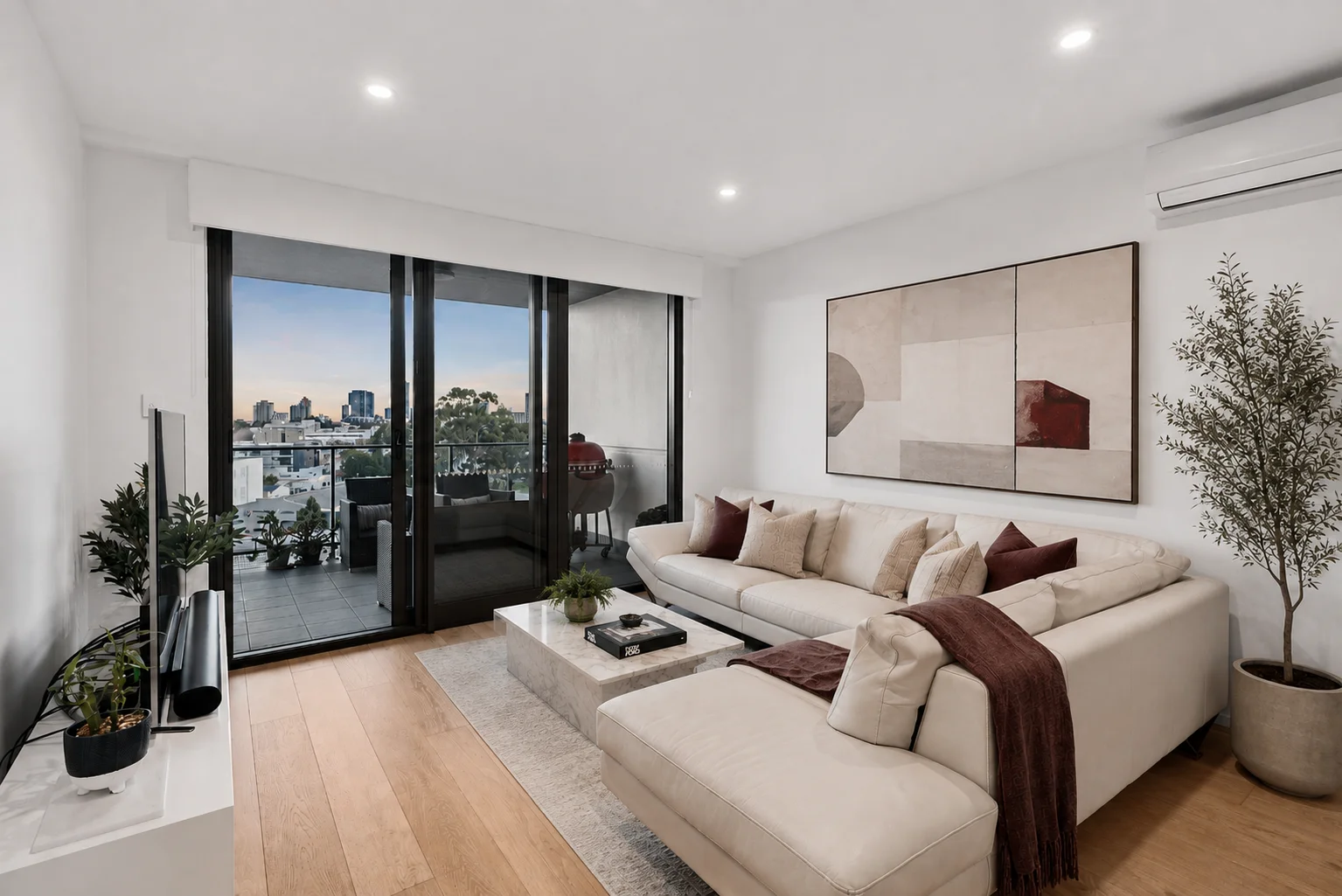 $700,000
Apartment / Unit / Flat
$700,000
Apartment / Unit / Flat
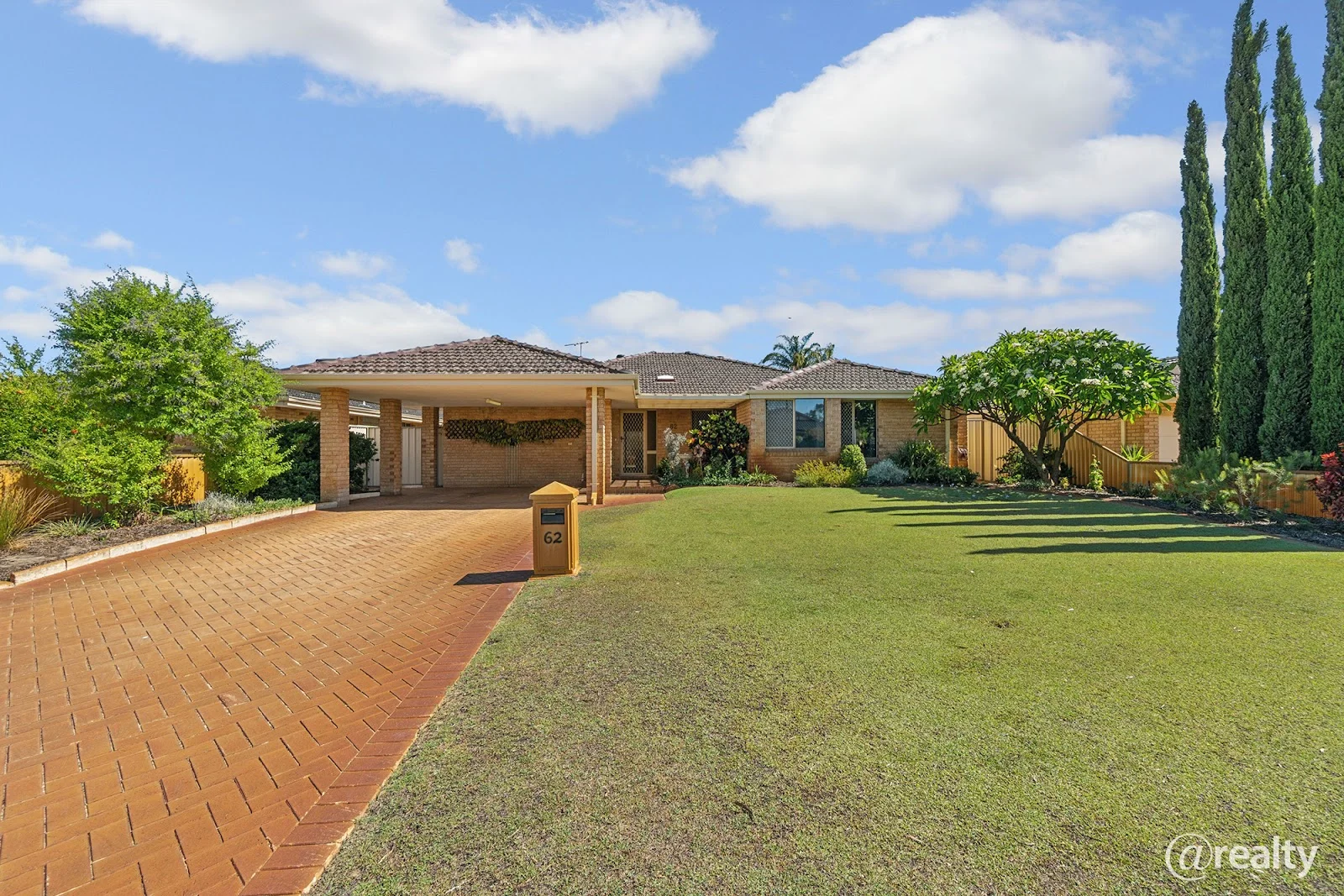 $1,099,000 - $1,153,950
House
$1,099,000 - $1,153,950
House
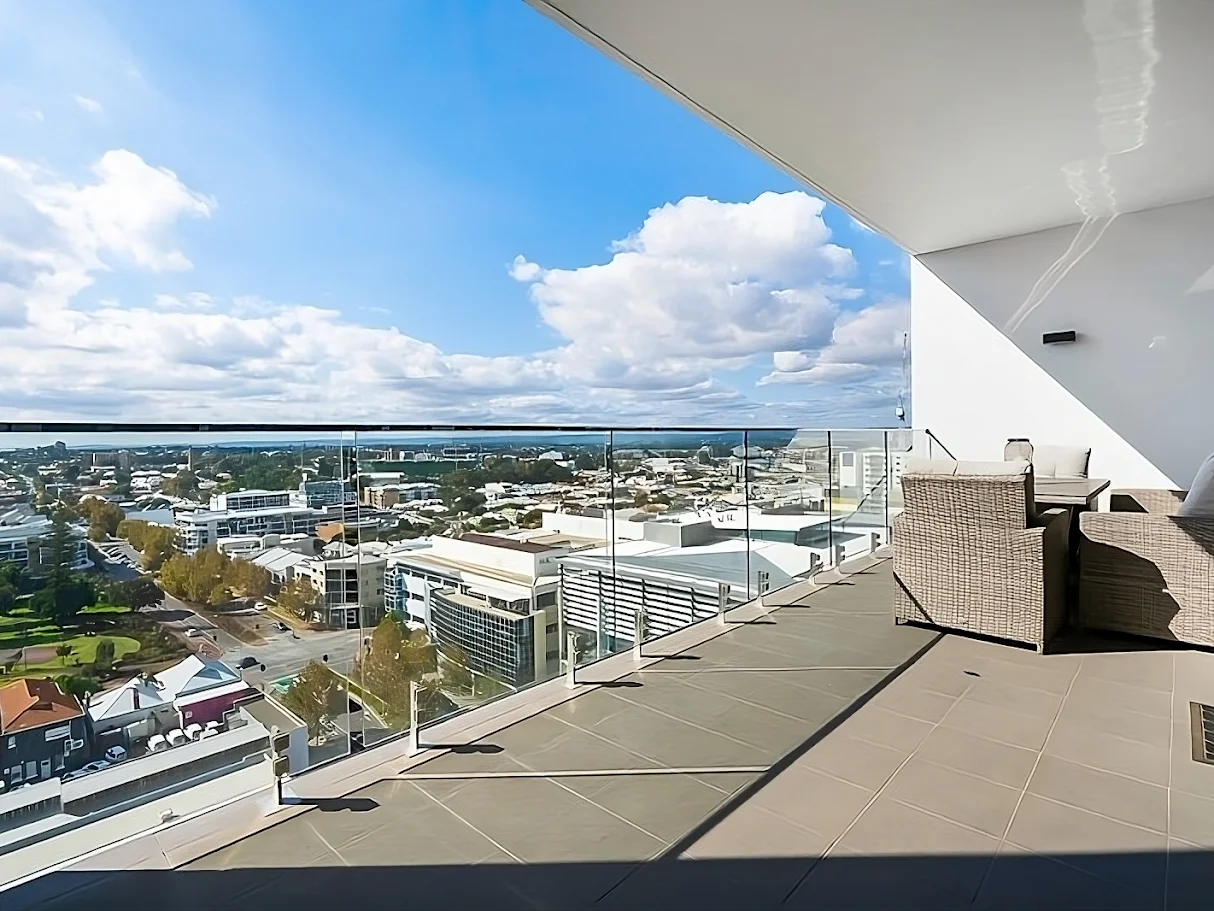 $580,000
Apartment / Unit / Flat
$580,000
Apartment / Unit / Flat
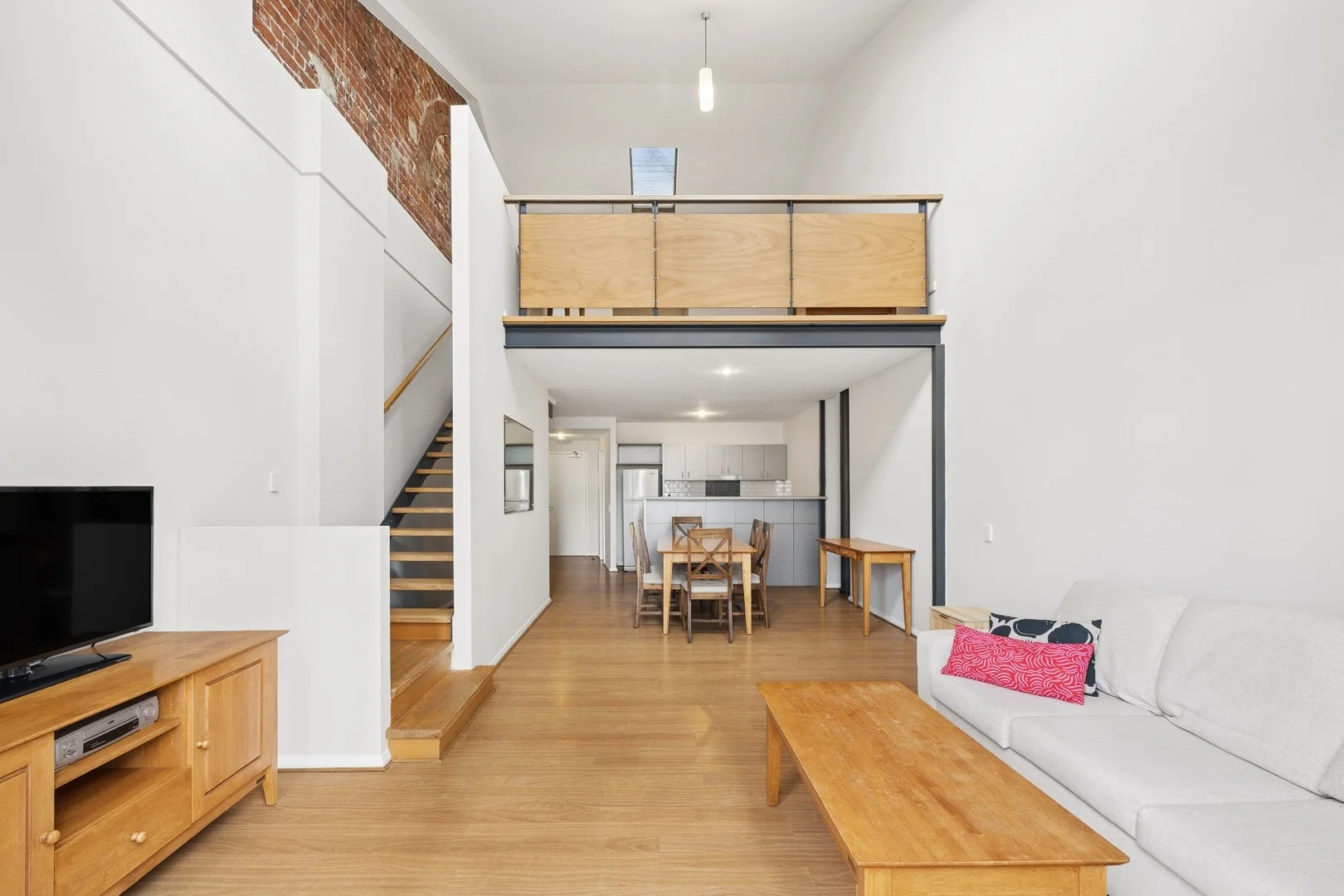 $549,000
Apartment / Unit / Flat
$549,000
Apartment / Unit / Flat
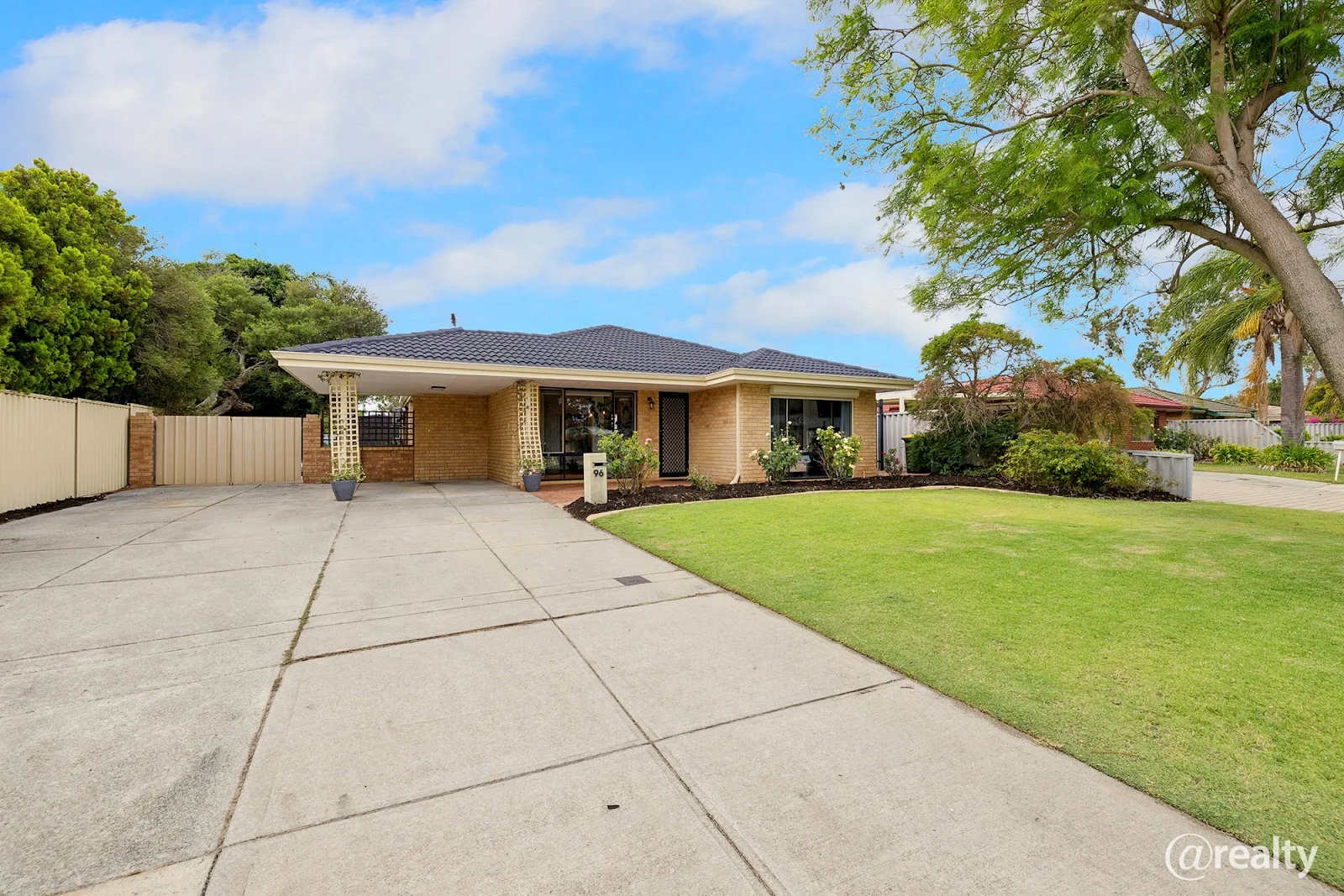 $899,000 - $943,950
House
$899,000 - $943,950
House
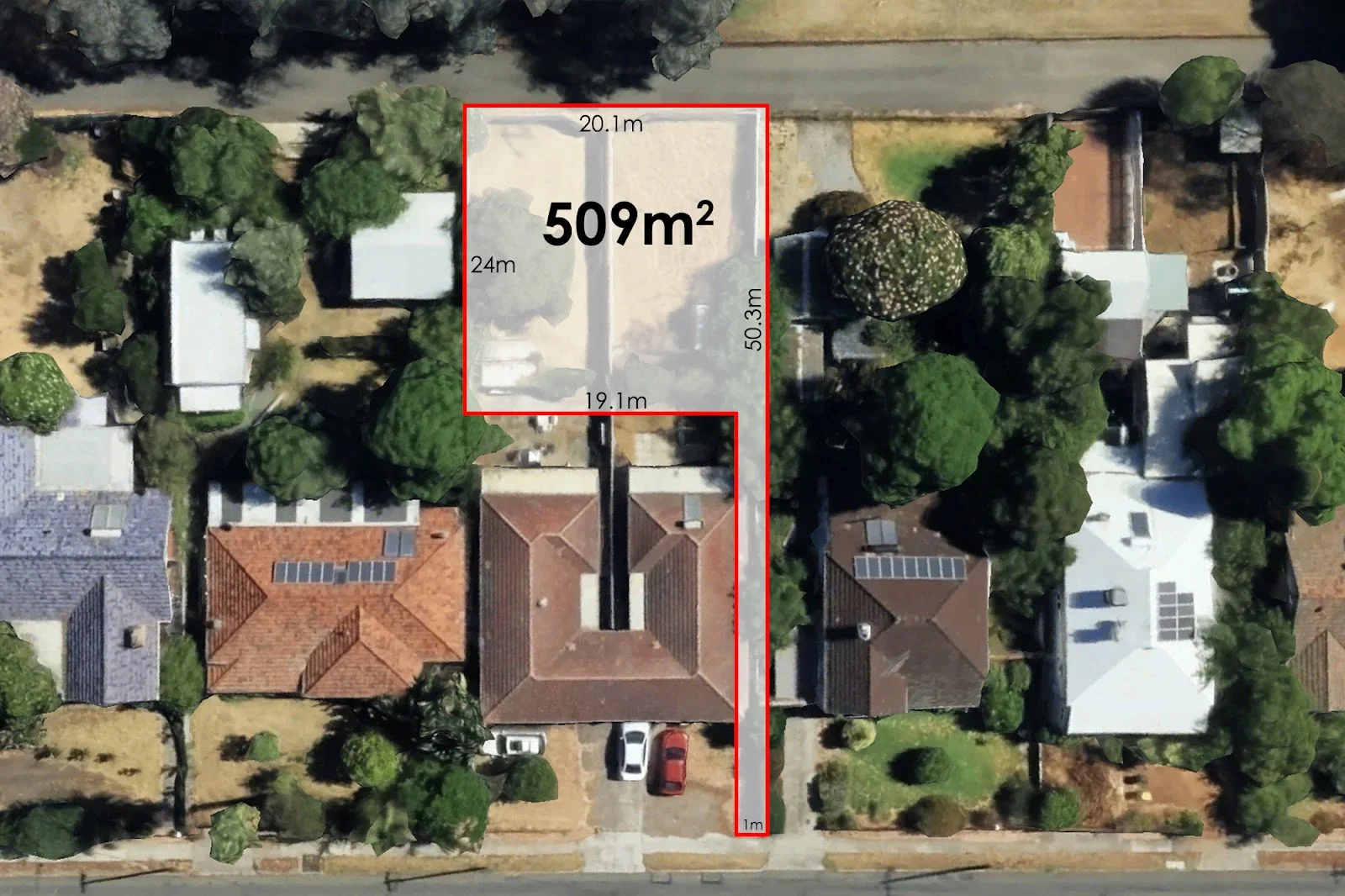 $480,000
Vacant Land
$480,000
Vacant Land