# Overview
Catherine McAuley Westmead is a Catholic primary school serving the Westmead community. As a systemic Catholic school within the Parramatta Diocese, it focuses on faith-based education, strong pastoral care, and a welcoming, inclusive culture. The school aims to nurture well-rounded students who are engaged in learning and service.
Size-wise, it represents a small-to-medium primary school with classes typically around 20–26 students. The atmosphere is generally described as nurturing and community-focused, with an emphasis on respect, belonging, and student wellbeing.
# Academics & Learning
- Academic strengths: Strong literacy and numeracy foundations, with emphasis on English and mathematics, supported by a faith-informed approach to learning. Digital literacy and critical thinking are integrated across key subjects.
- Special programs: Enrichment and gifted/talented opportunities are available, along with targeted learning support for students who need it. There are programs to support diverse learners and accelerate learning where appropriate.
- NAPLAN trends: Historically, trends show stable performance with gradual improvements over time in many year levels, often tracking around or above state averages in core areas.
- Student-teacher ratios: Class sizes and teacher-to-student ratios are designed to support close instruction and individual attention, typically reflecting small-to-medium classes.
- Support for diverse learners: Strong EAL/D support and inclusive education practices, with targeted supports and planning to meet the needs of students with diverse learning profiles.
# Sports & Extracurricular Strengths
- Sports offered: A range of team and individual sports, including soccer, netball, basketball, cricket, athletics, and swimming programs, with opportunities for inter-school and district competitions.
- Strong teams or achievements: Participation in district/zone-level competitions and school-level teams; emphasis on participation, development, and fair play.
- Music, arts, drama programs: Active programs in music and performing arts, including choir and school productions; opportunities to engage in drama and stage performances.
- Clubs: Robotics, coding, chess, debating, and other clubs support students outside the classroom and help develop problem-solving and collaboration skills.
- Partnerships: Connections with local community clubs and participation in inter-school events and diocesan activities to broaden opportunities for students.
# Wellbeing & Pastoral Care
- Anti-bullying approach: Clear policies and programs to prevent bullying, with proactive education, student involvement, and supportive responses when issues arise.
- House system: A house-based structure helps foster school spirit, leadership development, teamwork, and healthy competition.
- Counsellors / wellbeing officers: Access to school wellbeing staff or counselors to support positive mental health and personal development.
- Transition support for new students: Orientation programs, buddy systems, and family information sessions to assist new arrivals in settling in smoothly.
# Facilities
- Sports grounds: Outdoor playing fields and courts to support physical education and team sports.
- Libraries: A central library with resources and space for reading and collaborative learning.
- Science labs: Dedicated science facilities to support hands-on experiments and inquiry-based learning.
- Music/performing arts centers: Space for music lessons, rehearsals, and performances.
- Tech/innovation labs: Computers and related tech spaces to support digital learning and STEM activities.
- Cafeteria: On-site or nearby canteen facilities for daily meals and snacks.
- Updated playgrounds: Well-maintained outdoor play areas to support active break times and exploration.
# School Values & Community Culture
- School values / mission: A values-driven Catholic education emphasizing faith, compassion, service, respect, and responsibility.
- Leadership style: Participative and student-centered, with opportunities for student voice through councils, leadership roles, and peer mentoring.
- Behaviour expectations: Clear expectations around respect, responsibility, safety, and Integrity; consistent routines and positive reinforcement.
- Community reputation: A close-knit school community with strong parish involvement and active parental engagement.
- Diversity & inclusion: Welcoming to families from diverse backgrounds with inclusive practices and support for all students to participate fully.
# School Logistics & Daily Operations
- School hours: Typical school day runs in the morning to mid-afternoon, with structure that supports learning blocks, break times, and transition periods.
- Before/after school care: After-school care options are available through local providers (e.g., OSCAR-type programs) to support families.
- Uniform requirements: School uniform is compulsory; details provided by the enrolment office and in the school handbook.
- Transport (train/bus routes): Accessible via local public transport options with nearby bus routes and train connections; provisions for safe drop-off and pick-up.
- Canteen availability: Canteen or lunch program available on certain days to provide meal and snack options.
- Fees (low/medium/high ranges): Fees are in the low-to-medium range for a Catholic primary school, with additional costs for excursions, uniforms, and approved levies.
# Enrolment & Admissions
## 11. What is the enrolment process and timeline?
Enrolment typically begins with submitting an application and attending open days or information sessions. The school reviews applications as places become available and notifies families of offers in a timeline aligned to the start year. Families may be asked to provide essential documents (birth certificate, immunisation records, proof of address) and participate in an information session or interview as part of the process. Open days and information evenings are often scheduled several months before the start year.
## 12. Is there a waiting list, and how does it work?
Yes, a waiting list may apply when year-level intake is full. Families join the waiting list by submitting the required enrolment form and supporting documentation. Availability is managed by the school based on year level, priority policies (e.g., siblings, parish placements), and spacing. Families are contacted when a place becomes available.
## 13. Are there any entry requirements, tests, or interviews?
For a primary Catholic school, entry generally does not involve selective testing. Families can expect an enrolment interview or information session to discuss the student’s needs, the school’s programs, and alignment with the school’s Catholic ethos. Required documentation (birth certificate, immunisation records, and consent forms) will be requested. Baptism is not an absolute requirement for enrolment, but Catholic identity and parish involvement may be considered as part of the admissions process.
## 14. Does the school accept mid-year transfers?
Mid-year transfers are possible if spaces are available. Prospective transferring families should contact the enrolment office to discuss space and timing. Documentation from the student’s current school (reports, attendance, and relevant records) will typically be requested as part of the transfer process.
# Frequently Asked Questions
- Why Parents Choose This School?
- Parents often value the school’s faith-based values, supportive staff, safe and inclusive environment, strong sense of community, and emphasis on wellbeing alongside academics.
- What type of student thrives at this school?
- Students who appreciate a values-rich, inclusive community, opportunities to participate in sports, arts, and clubs, and a supportive teacher-student relationship typically thrive here.
- What opportunities are available for students to extend their skills (academics, sports, arts)?
- Extensions exist across academics (enrichment and targeted supports), sports (team and district play), and arts (music, drama, and performance opportunities), plus clubs in robotics, coding, chess, and debating.
- How does the school communicate with parents?
- Through newsletters, email updates, a school app or portal, and regular parent-teacher interviews; information sessions and open days are also held.
- What is the school’s approach to teaching and learning?
- A student-centered approach with differentiated instruction, emphasis on core literacy and numeracy, integration of digital learning, and a faith-informed framework.
- How does the school support students who need extra academic help?
- Targeted in-class supports, learning support staff, intervention programs, and individualized learning plans as needed.
- What support is available for academic challenges?
- Additional tutoring or focused interventions, adjustments within lessons, and collaboration with families to plan appropriate goals.
- How does the school communicate with parents?
- See above: newsletters, app/portal, emails, and parent-teacher meetings; ongoing opportunities to engage with teachers and leadership.
- What are the class sizes and how much individual attention do students receive?
- Class sizes are designed to be small-to-medium, typically around 20–26 students, enabling frequent teacher-student interaction and targeted support.
- What extracurricular and sports opportunities are available?
- A range of sports (soccer, netball, basketball, cricket, Athletics, swimming), music and drama programs, plus clubs like robotics, coding, chess, and debating.
- What facilities does the school offer (sports, science, arts)?
- Sports grounds, library, science labs, music/performing arts spaces, tech/innovation labs, cafeteria, and updated playgrounds.
- What is the school’s approach to technology and digital learning?
- Integrated digital literacy, use of computer devices and software in lessons, and safe, structured use of technology aligned with learning goals.
- What transport and accessibility options are available?
- Access to local bus routes and proximity to rail; well-planned drop-off/pick-up arrangements and accessible facilities for students and families.
- What are typical school fees or additional costs?
- Fees fall in the low-to-medium range for Catholic primary schools, with additional costs for uniforms, excursions, and approved levies.
# Short Pros & Cons list
- Pros
- Values-based Catholic education with a supportive, inclusive community
- Small-to-medium class sizes enabling individual attention
- Strong wellbeing, pastoral care, and student support
- Broad extracurriculars (sports, arts, clubs) and opportunities for leadership
- Accessible facilities (library, science labs, tech spaces, performing arts)
- Cons
- As a Catholic primary, the focus may be more faith-centered than some families prefer
- Availability of places can vary by year level; waiting lists may apply
- Some specialist programs may have wait times or limited capacity for enrichment activities
- Transport options depend on local routes and may require planning for families outside walking distance

 Free
Free









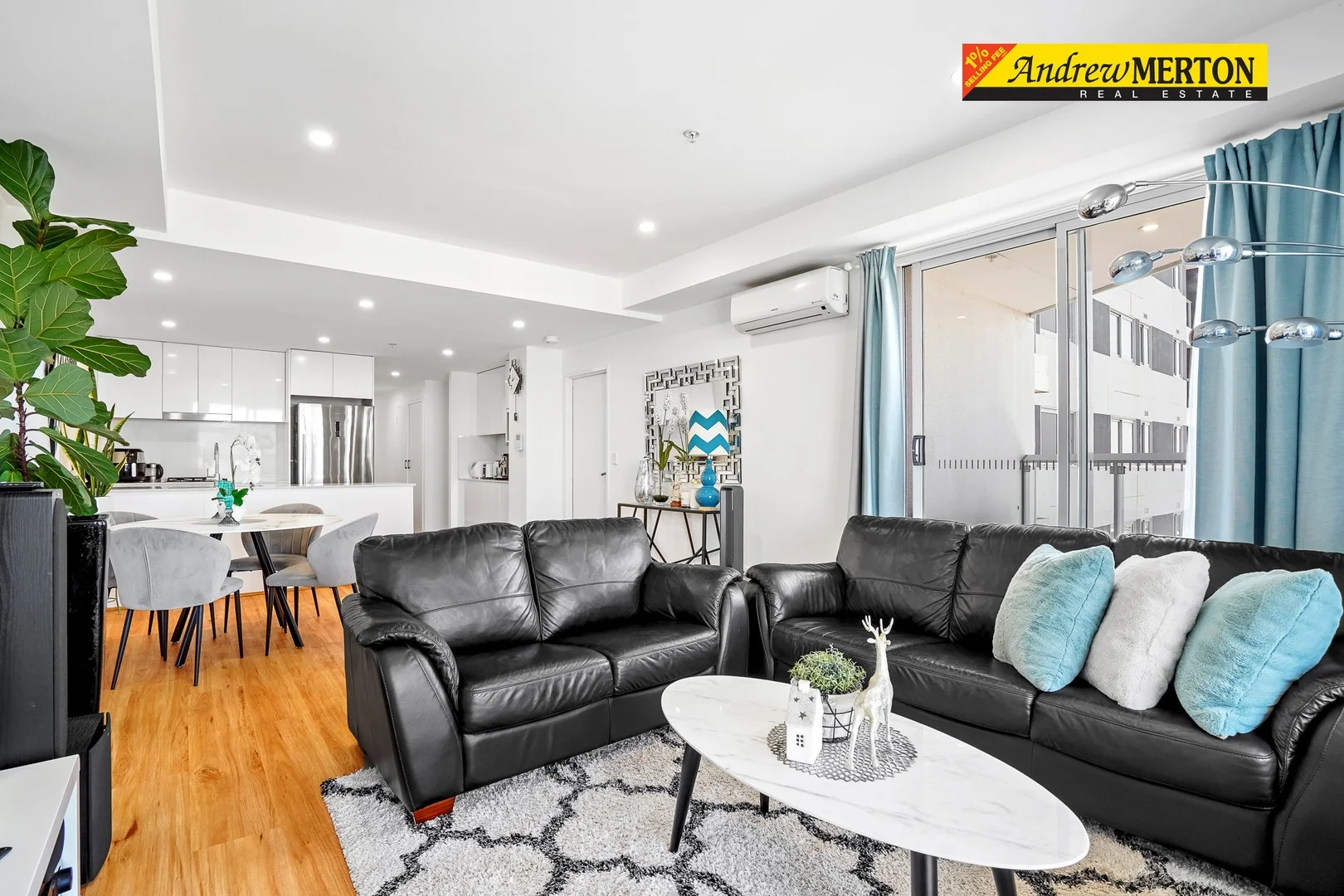 $450,000 - $470,000
Apartment / Unit / Flat
$450,000 - $470,000
Apartment / Unit / Flat
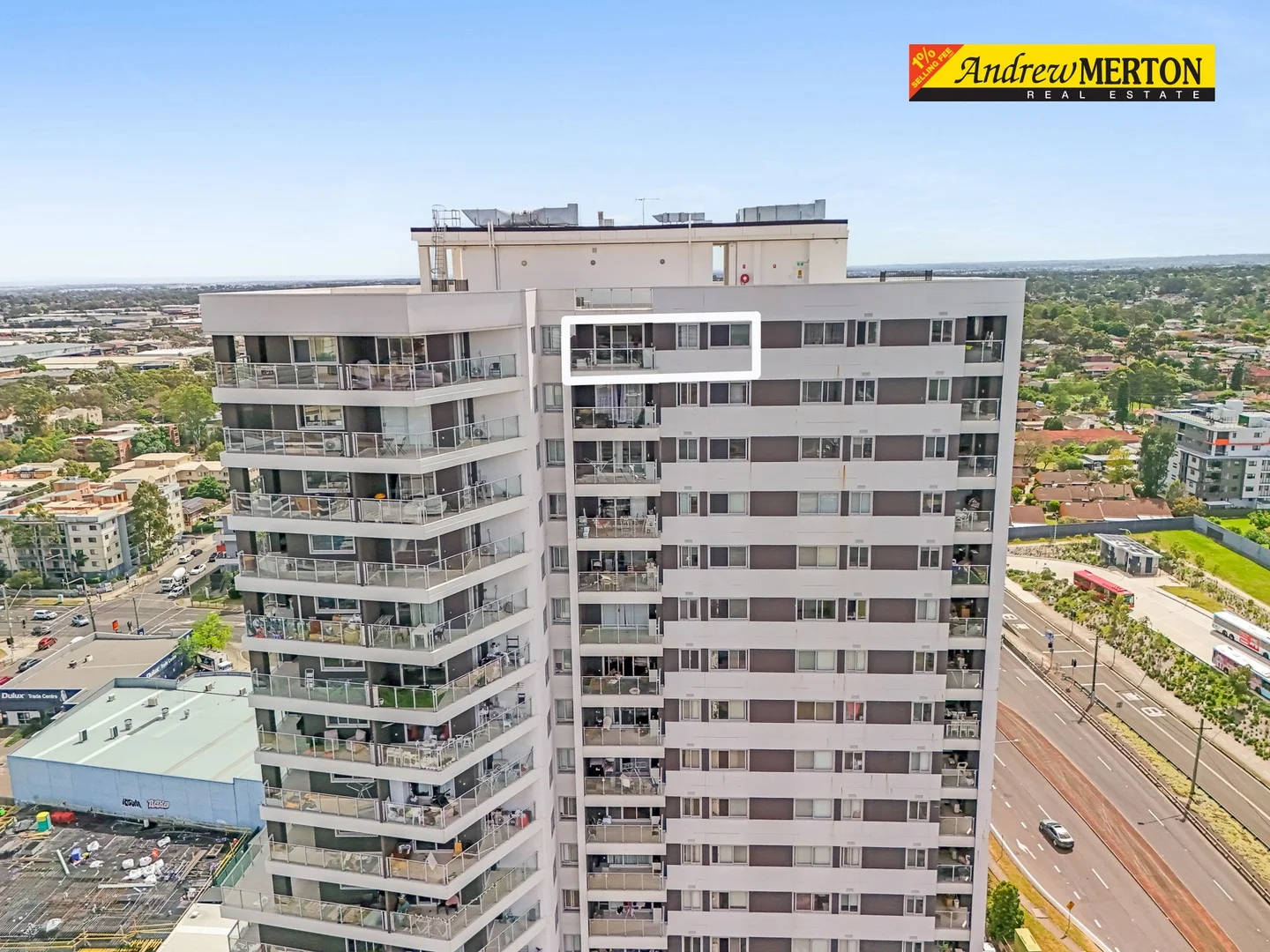 $399,900
Apartment / Unit / Flat
$399,900
Apartment / Unit / Flat
 $36,000,000 - $39,500,000
Vacant Land
$36,000,000 - $39,500,000
Vacant Land
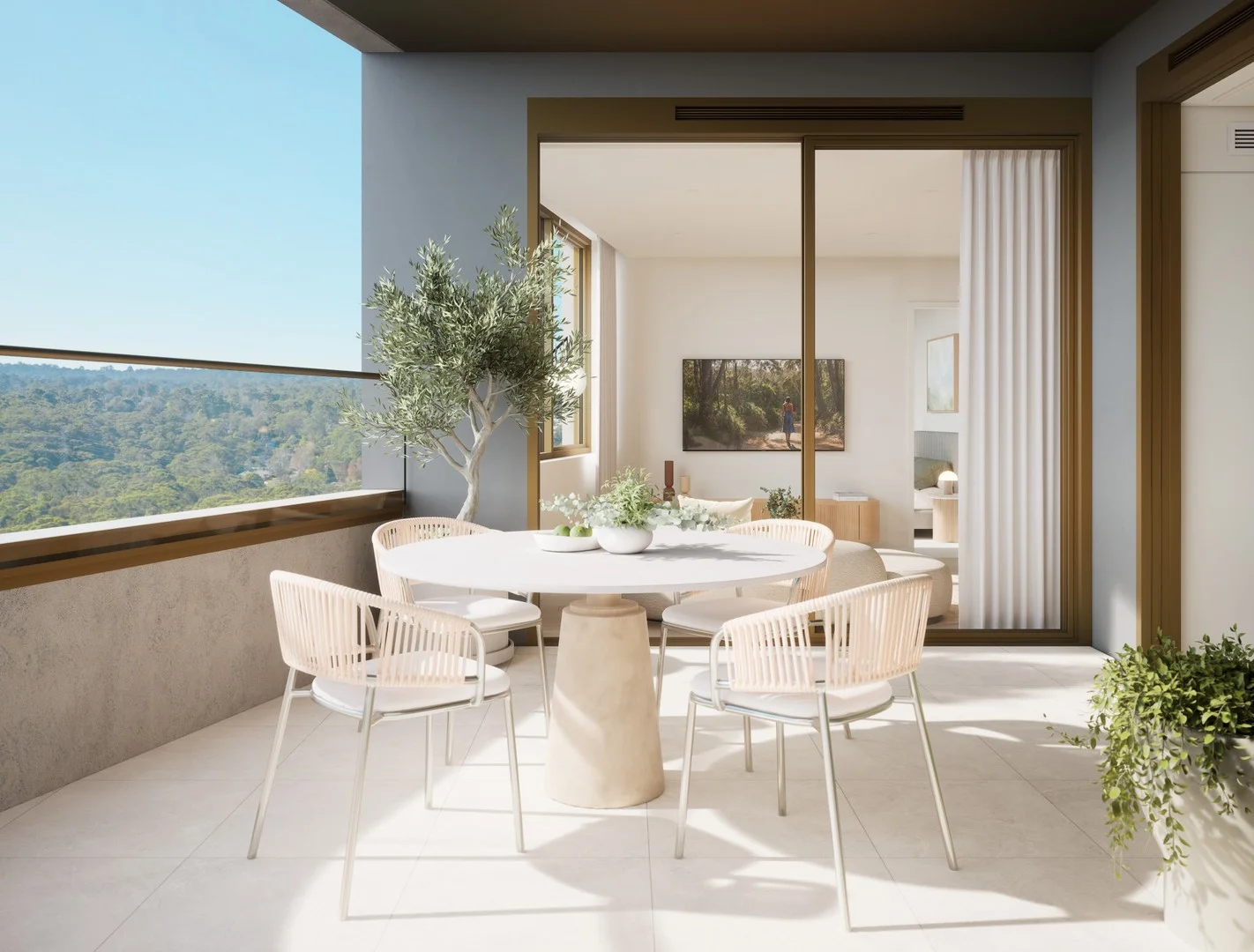 $1,525,000
Apartment / Unit / Flat
$1,525,000
Apartment / Unit / Flat
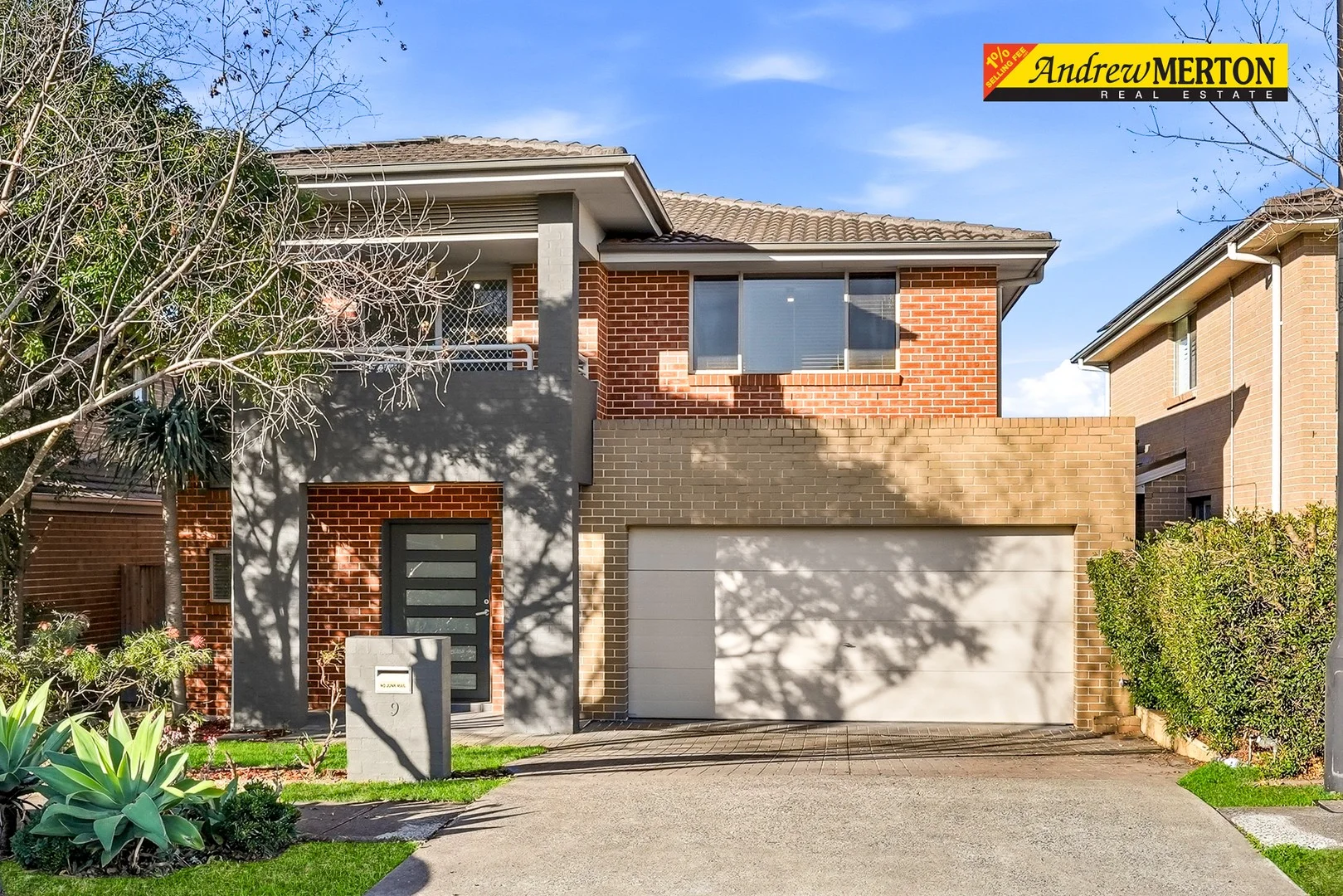 $1,550,000
House
$1,550,000
House
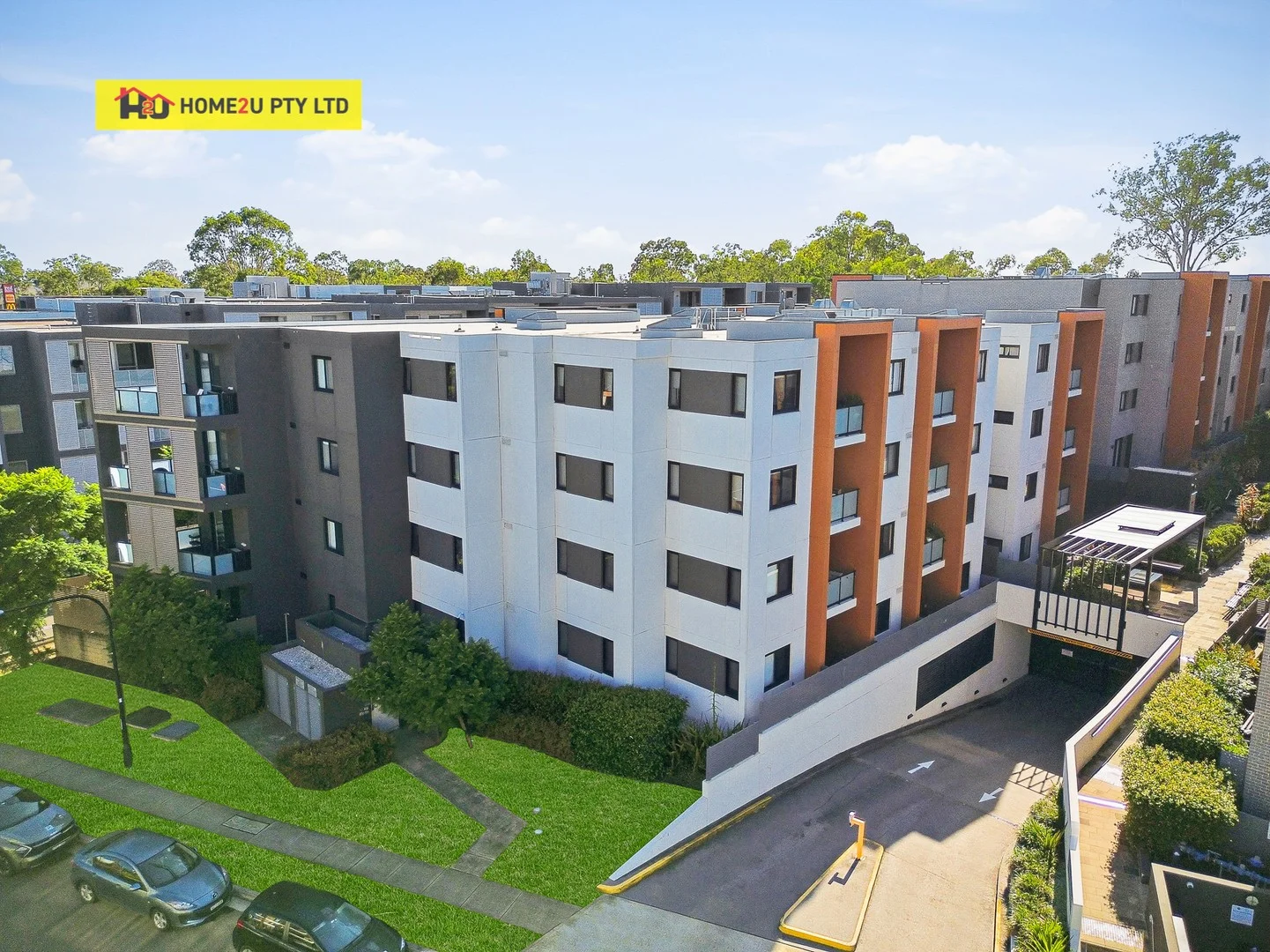 $750,000 - $780,000
Apartment / Unit / Flat
$750,000 - $780,000
Apartment / Unit / Flat


