## 1. Overview
Parramatta Marist High School is a Catholic boys’ secondary school in the Marist tradition serving families in the Parramatta/Westmead area. The school emphasises faith formation, character development and academic achievement within a welcoming, supportive community. It aims to balance strong pastoral care with rigorous learning in a co-educational context for a full school year experience.
- School type: Catholic (Marist) secondary school
- School size: Medium to large
- Class size: Typically around 20–28 students per class
- Atmosphere/culture: Nurturing, inclusive, academically focused with an emphasis on service, sport and community
⸻
## 2. Academics & Learning
Parramatta Marist High School focuses on strong academic foundations across key subject areas, with an emphasis on developing transferable skills such as critical thinking, communication and collaboration.
- Academic strengths: English and Mathematics/Science, with emphasis on leadership development and literacy across the curriculum; emphasis on core capabilities and holistic education
- Special programs: Gifted and talented opportunities (where available), extension/enrichment activities, leadership programs; religious education and faith formation embedded within the curriculum
- NAPLAN / Ofsted trends: NSW public reporting tracks trends rather than scores; schools commonly show stable or improving reading and numeracy performance over time
- Student-teacher ratios: Typical NSW secondary ranges; class sizes around 20–28 students with teacher support available in key subjects
- Support for diverse learners: EAL support and SEN inclusion strategies; targeted assistance and learning support arrangements as part of the school’s wellbeing and academic programs
⸻
## 3. Sports & Extracurricular Strengths
Extracurriculars are a key part of life for many students, with a focus on teamwork, discipline and personal growth.
- Sports offered: Rugby, soccer, cricket, basketball, athletics, and other school-wide sports programs
- Strong teams or achievements: Regular interschool participation with competitive teams in major Catholic and regional competitions
- Music, arts, drama programs: Active music ensembles, drama productions and performing arts opportunities
- Clubs: Robotics, chess, coding, debating and other academic or interest-based clubs
- Partnerships: Local community clubs and inter-school competitions that provide additional pathways for sport, music and academic enrichment
⸻
## 4. Wellbeing & Pastoral Care
Wellbeing and pastoral care are central to the student experience, supporting personal growth and resilience.
- Anti-bullying approach: Clear policies with student welfare emphasis and proactive wellbeing programs
- House system: House groups used to foster belonging, leadership opportunities and intra-school events
- Counsellors / wellbeing officers: Access to guidance and wellbeing staff to support mental health, study skills and transition needs
- Transition support for new students: Orientation programs, buddy systems and tailored transition activities to help new students settle in
⸻
## 5. Facilities
Facilities are designed to support a broad curriculum, with spaces for learning, performance and recreation.
- Sports grounds: On-site playing fields and court facilities
- Libraries: School library with study spaces and resources
- Science labs: Modern science laboratories for hands-on learning
- Music/performing arts centers: Performance spaces and music facilities
- Tech/innovation labs: Design/Tech spaces, computer labs and maker-type facilities
- Cafeteria: On-site canteen or lunch facilities
- Updated playgrounds: Outdoor spaces for recreation and social time
⸻
## 6. School Values & Community Culture
The school aims to cultivate character, leadership and community-minded students who uphold shared values.
- School values / mission: Catholic Marist values with a focus on service, humility, integrity and respect
- Leadership style: Inclusive, student voice and leadership opportunities; collaborative approaches between staff, students and families
- Behaviour expectations: Clear behavioural guidelines aligned with school values; positive behaviour support systems
- Community reputation: Perceived as a welcoming, faith-based school with strong family engagement
- Diversity & inclusion: Commitment to equity, inclusion and respect for students from diverse backgrounds
⸻
## 7. School Logistics & Daily Operations
Practical information helps families plan around the school routine.
- School hours: Typical school day aligned with NSW secondary schedules; exact times may vary by year level
- Before/after school care: Availability may vary; some schools offer supervision or enrichment programs outside standard hours
- Uniform requirements: Formal school uniform in terms of daily wear and sports uniform for physical education and activities
- Transport (train/bus routes): Access to local public transport; families may rely on bus routes or rail options near Westmead/Parramatta
- Canteen availability: On-site canteen or lunch facilities with standard school-day offerings
- Fees (low/medium/high ranges): Catholic systemic schools have published fee structures; families should check the current year’s fee schedule to understand total costs
⸻
## 8. Enrolment & Admissions
Enrolment steps and timelines will guide families through joining the school community.
11. What is the enrolment process and timeline?
- Submit an application with required documents, followed by assessment or interview where applicable
- Applications open according to the school’s intake calendar; timelines vary by year level and intake year
- Notification of outcome and any required deposits or acceptance steps follow the admission decision
12. Is there a waiting list, and how does it work?
- Waiting lists are common when vacancies are limited; placement often prioritises year levels with available spaces, sibling priority where policies allow, and Catholic affiliation if applicable
13. Are there any entry requirements, tests, or interviews?
- Many Catholic secondary schools conduct interviews or information sessions; formal admission testing is not universal but may occur for some cohorts or programs
14. Does the school accept mid-year transfers?
- Mid-year transfers may be possible subject to vacancies and alignment with admissions policies; contact the admissions team early to discuss options
⸻
## 9. Frequently Asked Questions
- Why Parents Choose This School?
- A values-driven, faith-based community with strong pastoral care, academic opportunities and involvement in sport and the arts.
- What type of student thrives at this school?
- Students who value community, service, discipline, and opportunities to grow across academics, sport and leadership.
- What opportunities are available for students to extend their skills (academics, sports, arts)?
- A range of enrichment programs, leadership paths, competitive sports teams, music and performing arts, and clubs like robotics, coding and debating.
- How does the school communicate with parents?
- Regular updates via newsletters, parent portals, email and scheduled information evenings; guidance staff available for meetings.
- What is the school’s approach to teaching and learning?
- A values-based, student-centered approach with emphasis on literacy, numeracy, critical thinking and collaborative learning.
- How does the school support students who need extra academic help?
- Targeted learning support, tutoring options, and access to guidance counsellors and learning support staff.
- What support is available for academic challenges?
- Additional tutoring, study supports, and personalised plans coordinated through teachers and support staff.
- How does the school communicate with parents?
- See above; core channels include newsletters, portals and direct staff communication.
- What are the class sizes and how much individual attention do students receive?
- Class sizes typically range 20–28 students; teachers provide targeted guidance within and beyond class time.
- What extracurricular and sports opportunities are available?
- A broad mix of sports, music, drama, robotics, coding, debating and other clubs; interschool and community partnerships enhance access.
- What facilities does the school offer (sports, science, arts)?
- Sports grounds, science labs, music and performing arts spaces, libraries and technology labs.
- What is the school’s approach to technology and digital learning?
- Integration of digital tools across the curriculum; emphasis on critical evaluation of information and responsible use.
- What transport and accessibility options are available?
- Access to local transport options; proximity to bus routes and rail stations; can be supported by school communications about travel.
- What are the typical school fees or additional costs?
- Fees are published by the school for the current year; families should review the official fee schedule for detailed costs and any extra-curricular charges
⸻
## 10. Short Pros & Cons list
- Pros
- Values-based education with strong pastoral care
- Broad range of academic, sport and arts opportunities
- Active involvement in community and service
- Inclusive environment with support for diverse learners
- Welcoming families and clear communication channels
- Cons
- Single-sex (boys) environment may not suit every family
- Catholic pathway may not align with all belief systems
- Specific programs and facilities may vary by year or cohort
- Fees and costs can be a consideration for some families
- Availability of mid-year transfers depends on vacancies
⸻

 Free
Free








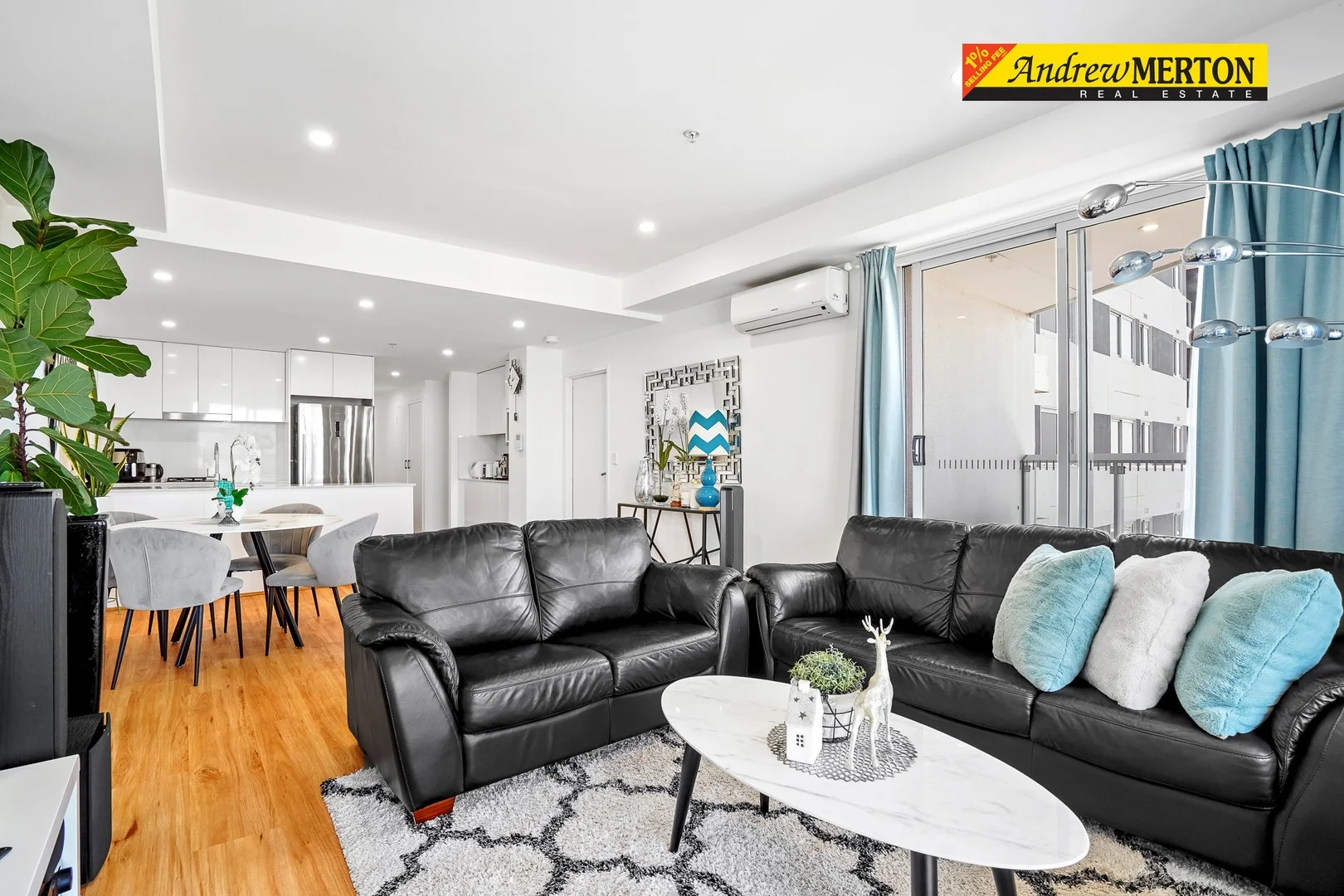 $450,000 - $470,000
Apartment / Unit / Flat
$450,000 - $470,000
Apartment / Unit / Flat
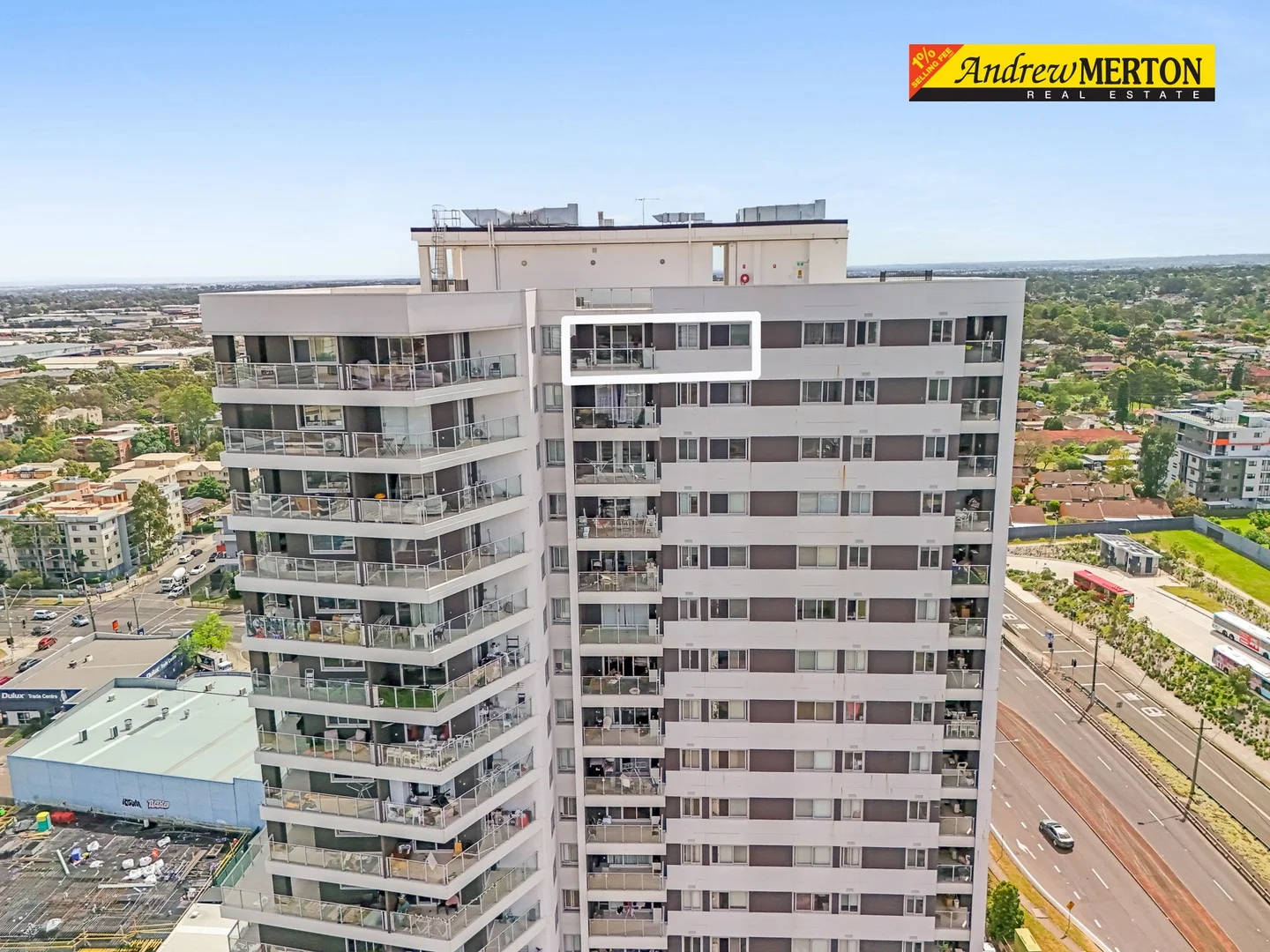 $399,900
Apartment / Unit / Flat
$399,900
Apartment / Unit / Flat
 $36,000,000 - $39,500,000
Vacant Land
$36,000,000 - $39,500,000
Vacant Land
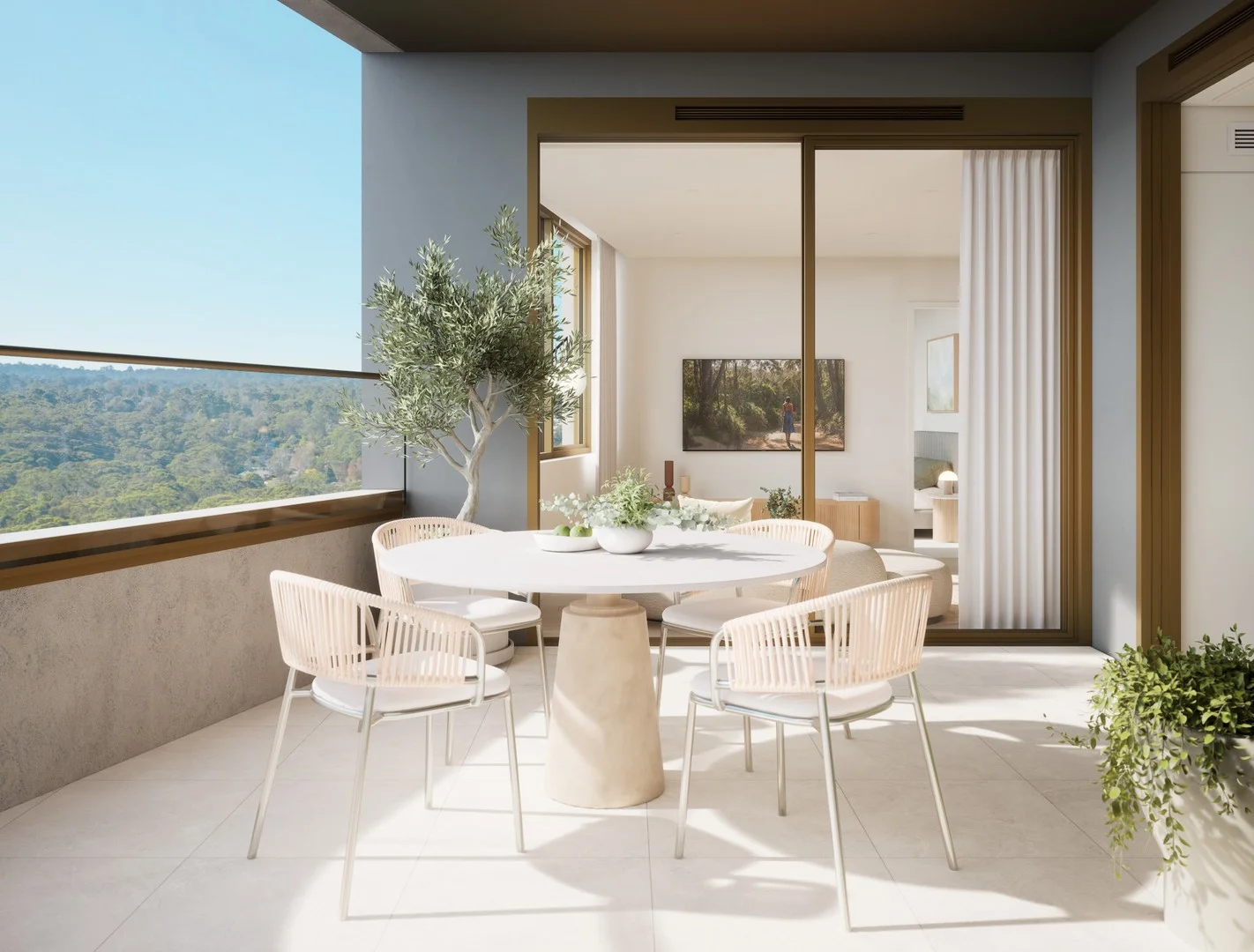 $1,525,000
Apartment / Unit / Flat
$1,525,000
Apartment / Unit / Flat
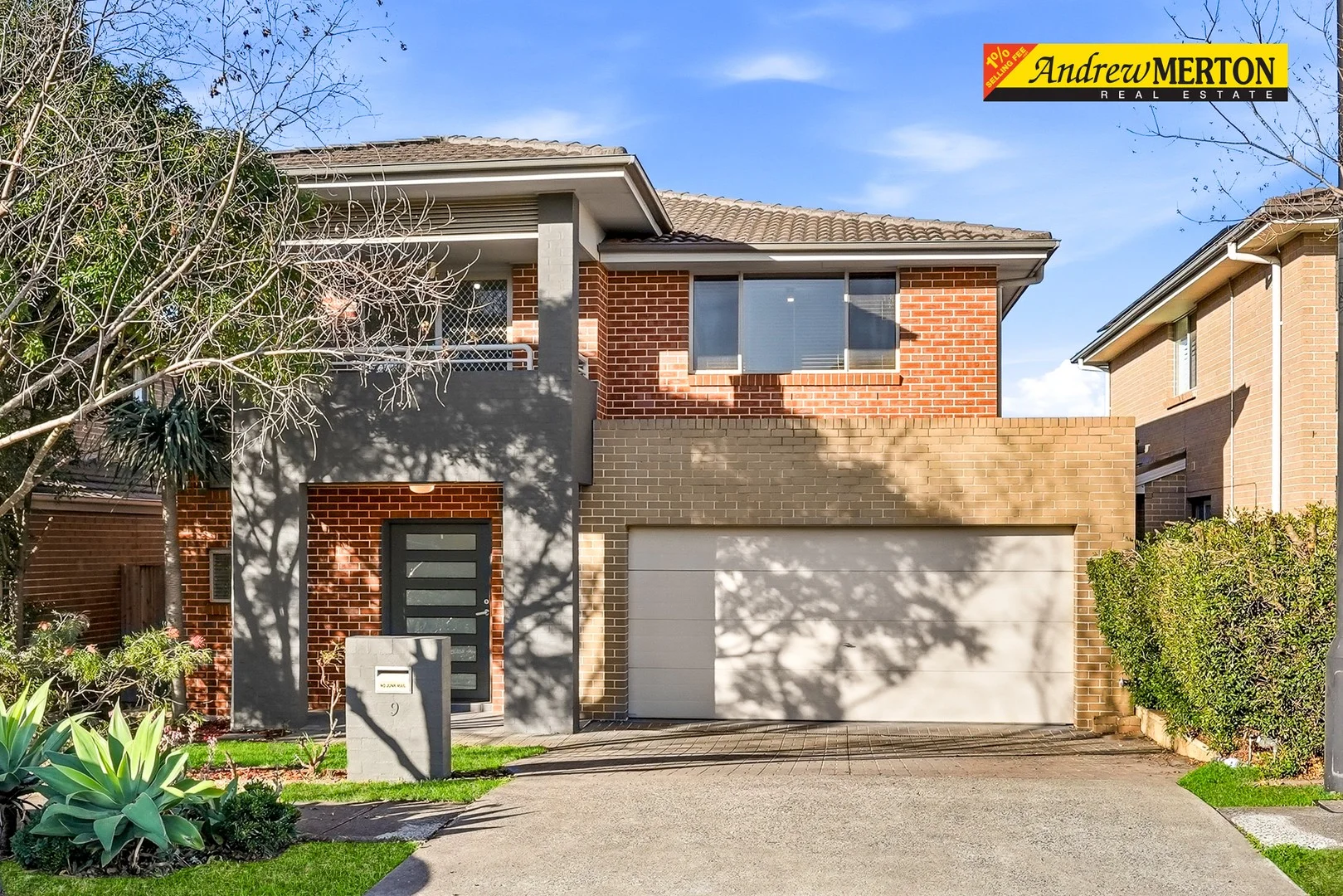 $1,550,000
House
$1,550,000
House
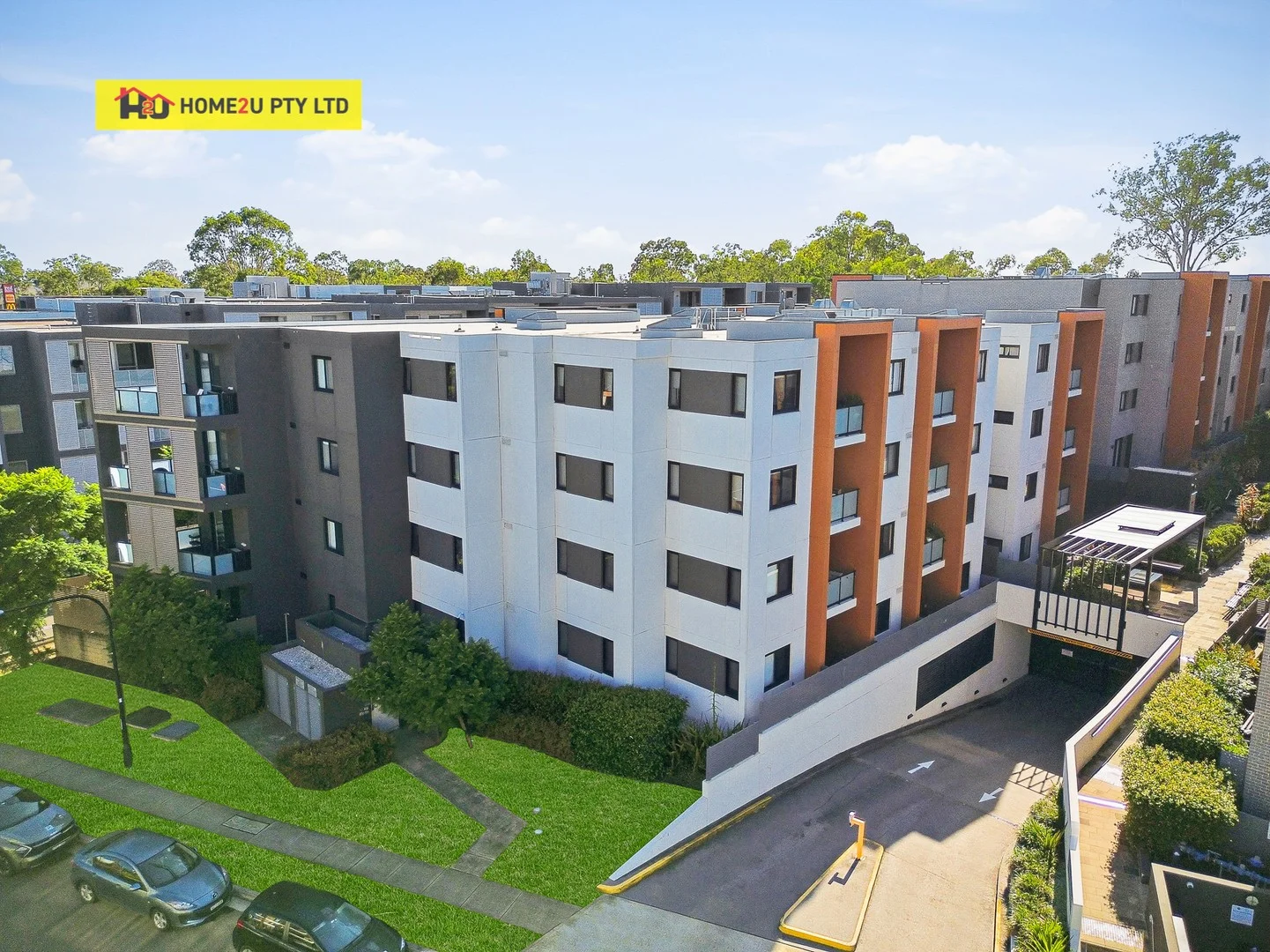 $750,000 - $780,000
Apartment / Unit / Flat
$750,000 - $780,000
Apartment / Unit / Flat


