## 1. Overview
Caulfield Grammar School – Wheelers Hill Campus is an independent, co-educational day school that blends strong academic standards with a broad spectrum of co-curricular and wellbeing programs. The campus is large and well-resourced, offering diverse opportunities across STEM, humanities, arts, and sport. The environment is designed to be inclusive and supportive, fostering a sense of belonging while encouraging high expectations and personal growth.
The school culture is collaborative and community-minded, with a focus on resilience, leadership, and real-world learning. Students are encouraged to take initiative, work in teams, and contribute to a positive school community, helping them develop as confident, capable learners.
---
## 2. Academics & Learning
- Academic strengths: Strong emphasis on STEM and English, solid languages program, and opportunities to develop leadership and communication skills.
- Special programs: IB Diploma option where offered, accelerated learning pathways, and gifted/talented programs available to selected students.
- NAPLAN trends: Consistently high performance with positive year-to-year trends in key areas such as reading and numeracy, reflecting sustained student achievement.
- Student-teacher ratios: Class sizes typically in the mid-20s or smaller in early years, with favourable teacher-to-student ratios that support individualized attention.
- Support for diverse learners: EAL support, learning support programs, and inclusive education services to assist students with a range of needs.
---
## 3. Sports & Extracurricular Strengths
- Sports offered: Broad program including ball sports (e.g., football, cricket, basketball), swimming, tennis, athletics, and others typical of Australian independent schools.
- Strong teams or achievements: Competitive interschool teams with a track record of participation and success across age groups.
- Music, arts, drama programs: Comprehensive performing arts, music ensembles, and drama productions that complement academic study.
- Clubs: Robotics, chess, coding, debating, and other clubs that promote hands-on learning and critical thinking.
- Partnerships: Connections with local clubs, academies, and regional/interschools competitions to extend opportunities beyond the classroom.
---
## 4. Wellbeing & Pastoral Care
- Anti-bullying approach: Clear policies and proactive programs to promote respectful behaviour and a positive school climate.
- House system: House-based structure to support pastoral care, leadership development, and community connection.
- Counsellors / wellbeing officers: Access to school psychologists or wellbeing staff to support student mental health and resilience.
- Transition support for new students: Orientation activities, buddy programs, and targeted transition support to help students settle in smoothly.
---
## 5. Facilities
- Sports grounds: Extensive outdoor playing fields and courts.
- Libraries: Well-equipped libraries with study spaces and digital resources.
- Science labs: Modern laboratories for biology, chemistry, and physics.
- Music/performing arts centers: Dedicated spaces for rehearsal, performance, and recording.
- Tech/innovation labs: Makerspaces and STEM labs to foster hands-on learning.
- Cafeteria: On-site canteen with healthy meal options.
- Updated playgrounds: Modern, safe outdoor play and activity areas.
---
## 6. School Values & Community Culture
- School values / mission: Commitment to excellence, integrity, inclusion, and community spirit.
- Leadership style: Student voice is encouraged; leadership opportunities exist across year levels and house systems.
- Behaviour expectations: Clear codes of conduct emphasising respect, responsibility, and collaboration.
- Community reputation: Known for a supportive, engaged parent community and a strong sense of belonging among students.
- Diversity & inclusion: Welcoming environment that values diversity and equal opportunity for all students.
---
## 7. School Logistics & Daily Operations
- School hours: Typical school day starts mid-morning to early afternoon, with variation by year level; full calendar year operates on standard term dates.
- Before/after school care: Availability of before and after school care or supervision during extended hours.
- Uniform requirements: School uniform expected on campus; details provided by the school with guidelines for different terms.
- Transport (train/bus routes): Accessibility via local transport routes, with bus services and nearby train options common for families.
- Canteen availability: On-site canteen or lunch facilities offering everyday options.
- Fees (low/medium/high ranges): Fees fall in the mid-to-high range for independent schools, with additional costs for activities and resources as applicable.
---
## 8. Enrolment & Admissions
11. What is the enrolment process and timeline?
- Typically starts with an online application and information session, followed by submission of required documents. Depending on programs and year level, there may be interviews, assessments, or scholarship testing. The school provides a timeline for applications and offers.
12. Is there a waiting list, and how does it work?
- Yes, there is often a waiting list. Places are offered as vacancies arise, prioritised by enrolment policies, timing of application, and availability for the cohort.
13. Are there any entry requirements, tests, or interviews?
- Entry may involve family interviews, academic or aptitude assessments for certain year levels or programs, and scholarship testing where applicable.
14. Does the school accept mid-year transfers?
- Mid-year transfers are possible subject to vacancies, with a process to assess fit and readiness for the curriculum and cohorts.
---
## 9. Frequently Asked Questions
- Why parents choose this school?
- A combination of strong academics, extensive co-curricular options, supportive pastoral care, and a welcoming community.
- What type of student thrives at this school?
- Students who are motivated, collaborative, and eager to engage across academics, arts, and sport.
- What opportunities are available to extend skills (academics, sports, arts)?
- Advanced coursework options (including IB where offered), gifted programs, leadership roles, competitive sports, performing arts programs, robotics and coding clubs.
- How does the school communicate with parents?
- Regular updates via newsletters, portal access, parent-teacher meetings, and timely alerts for events and student progress.
- What is the school’s approach to teaching and learning?
- A balanced approach combining rigorous academic programs with inquiry-based and collaborative learning, supported by dedicated teachers.
- How does the school support students who need extra academic help?
- Learning support and EAL services, targeted interventions, and access to wellbeing staff as needed.
- What support is available for academic challenges?
- Structured tutoring, small-group or one-on-one assistance, and progress monitoring to adjust supports.
- How does the school communicate with parents? (Repeated)
- See above; multiple channels are used to keep families informed.
- What are the class sizes and how much individual attention do students receive?
- Class sizes are typically mid-20s or smaller in early years, with strong teacher-student contact to support individual attention.
- What extracurricular and sports opportunities are available?
- A wide range of sports, music, drama, and clubs like robotics, chess, coding, and debating.
- What facilities does the school offer (sports, science, arts)?
- Modern science labs, libraries, performing arts spaces, tech/innovation labs, sports grounds, and a canteen.
- What is the school’s approach to technology and digital learning?
- Emphasis on digital literacy and integrated technology in learning, with access to devices and software to support classroom activities.
- What transport and accessibility options are available?
- Access via local transport networks, with bus routes and nearby rail options commonly used by families.
- What are the typical school fees or additional costs?
- Fees are in the independent-school range, with potential additional costs for activities, camps, and excursions.
---
## 10. Short Pros & Cons list
- Pros
- Strong academic program with additional options (e.g., IB where offered)
- Broad range of co-curriculars, including sports, arts, and clubs
- Supportive wellbeing and pastoral care
- Large, well-equipped facilities and resources
- Active parent and community involvement
- Cons
- Independent school fees can be high
- Competitive environment may not suit every student
- Travel considerations for families outside the local area
- Availability of some programs may vary by campus and year level













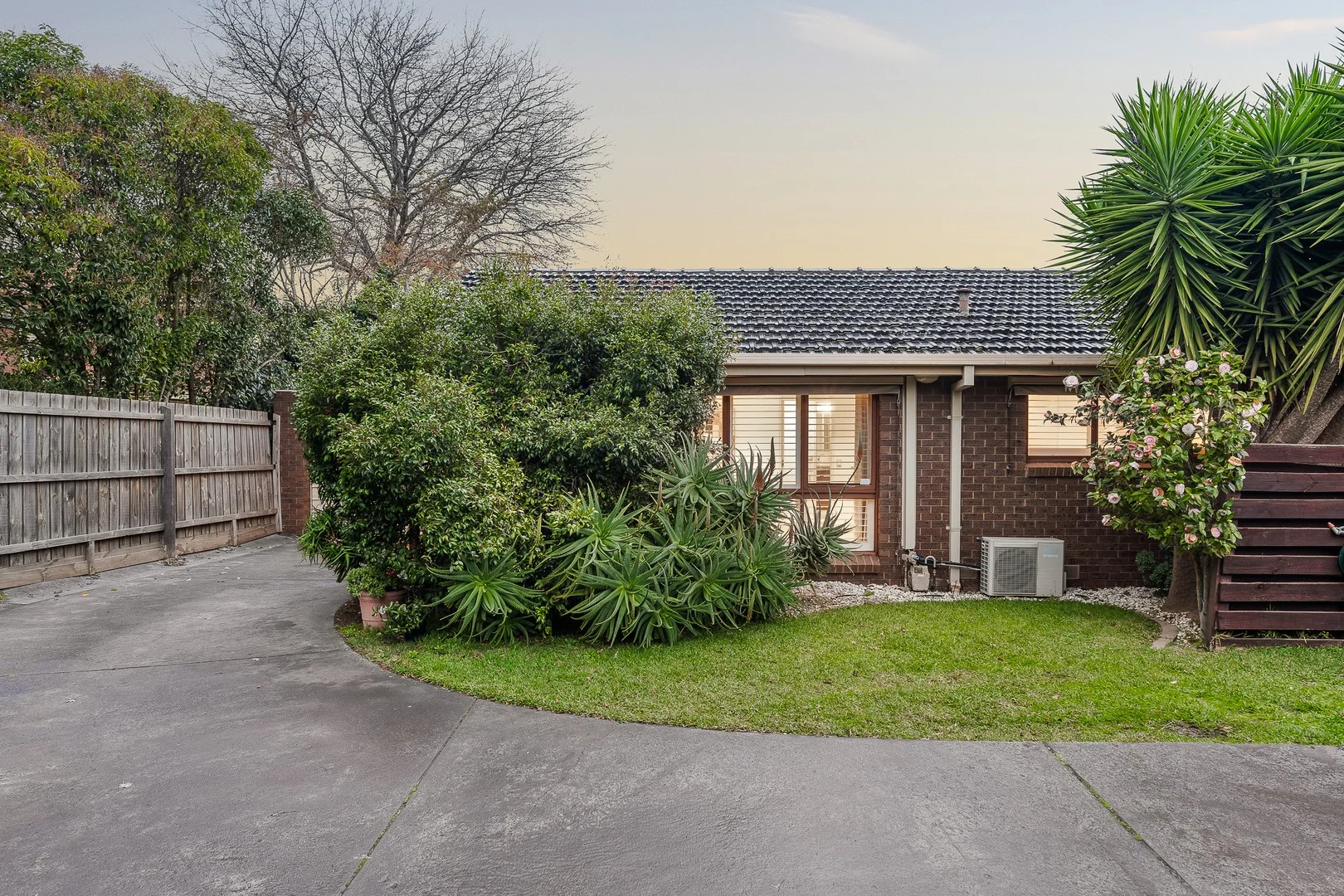 $770,000 - $820,000
Apartment / Unit / Flat
$770,000 - $820,000
Apartment / Unit / Flat
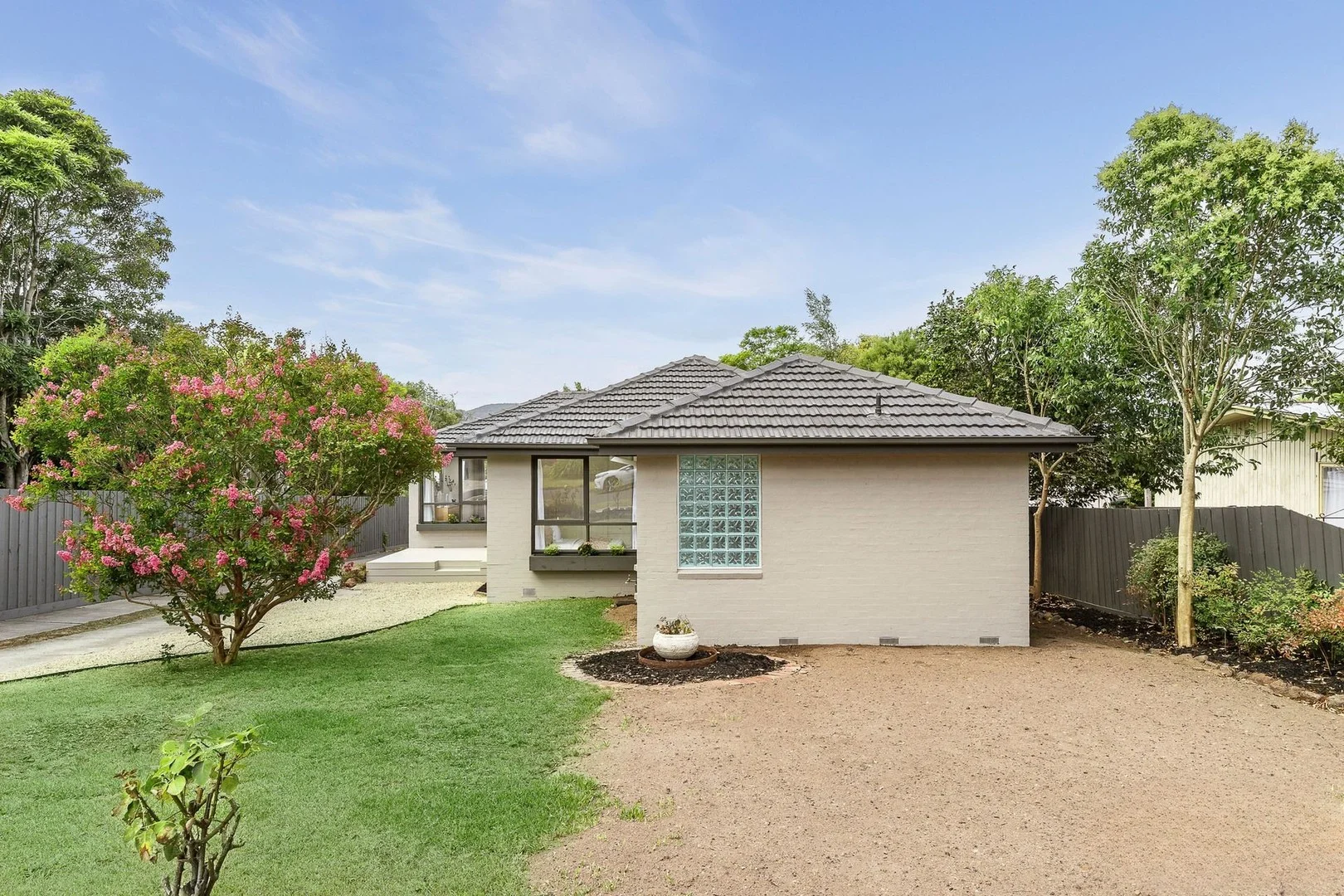 $700
Apartment / Unit / Flat
$700
Apartment / Unit / Flat
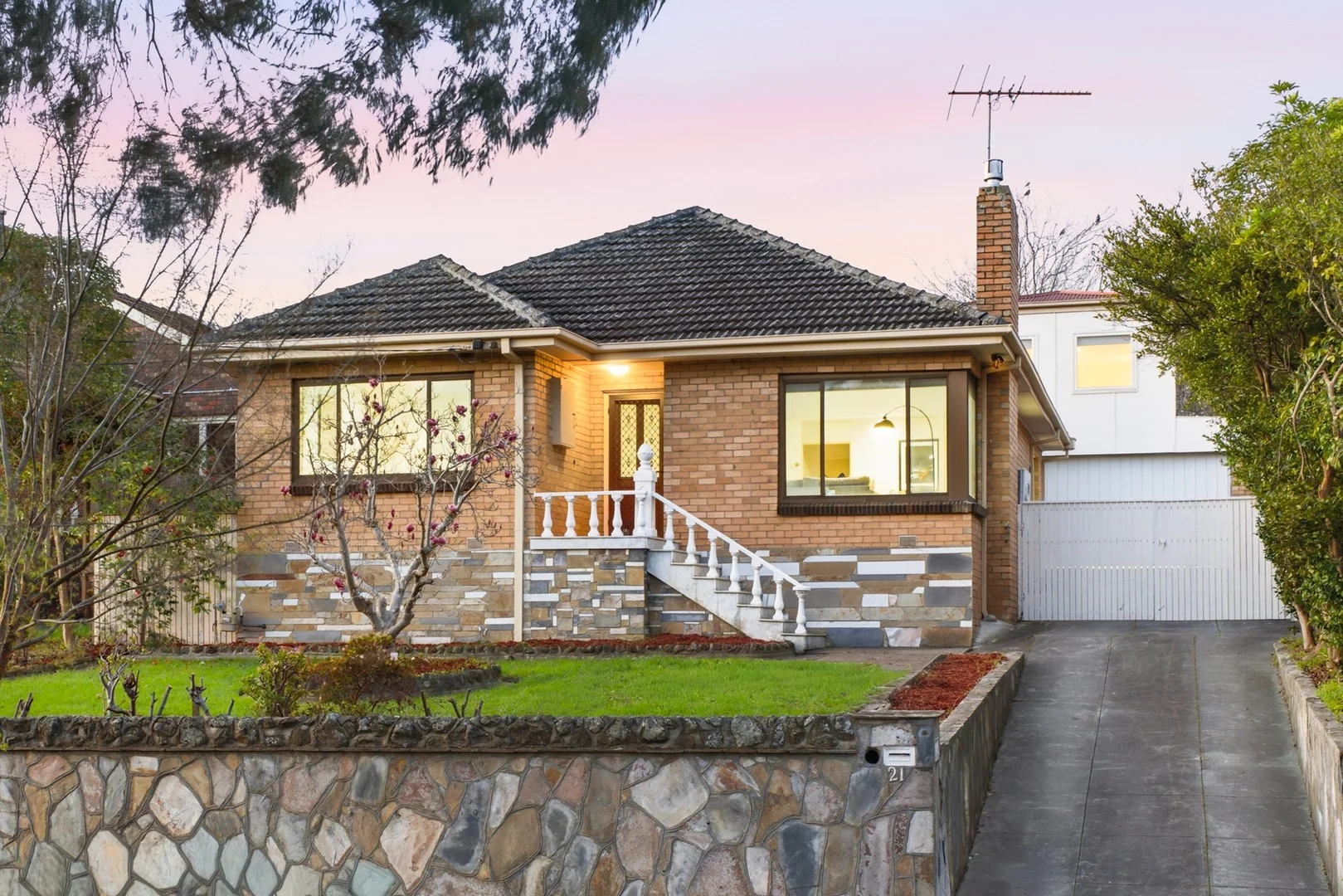 $1,200,000
House
$1,200,000
House
 $2,550,000
House
$2,550,000
House
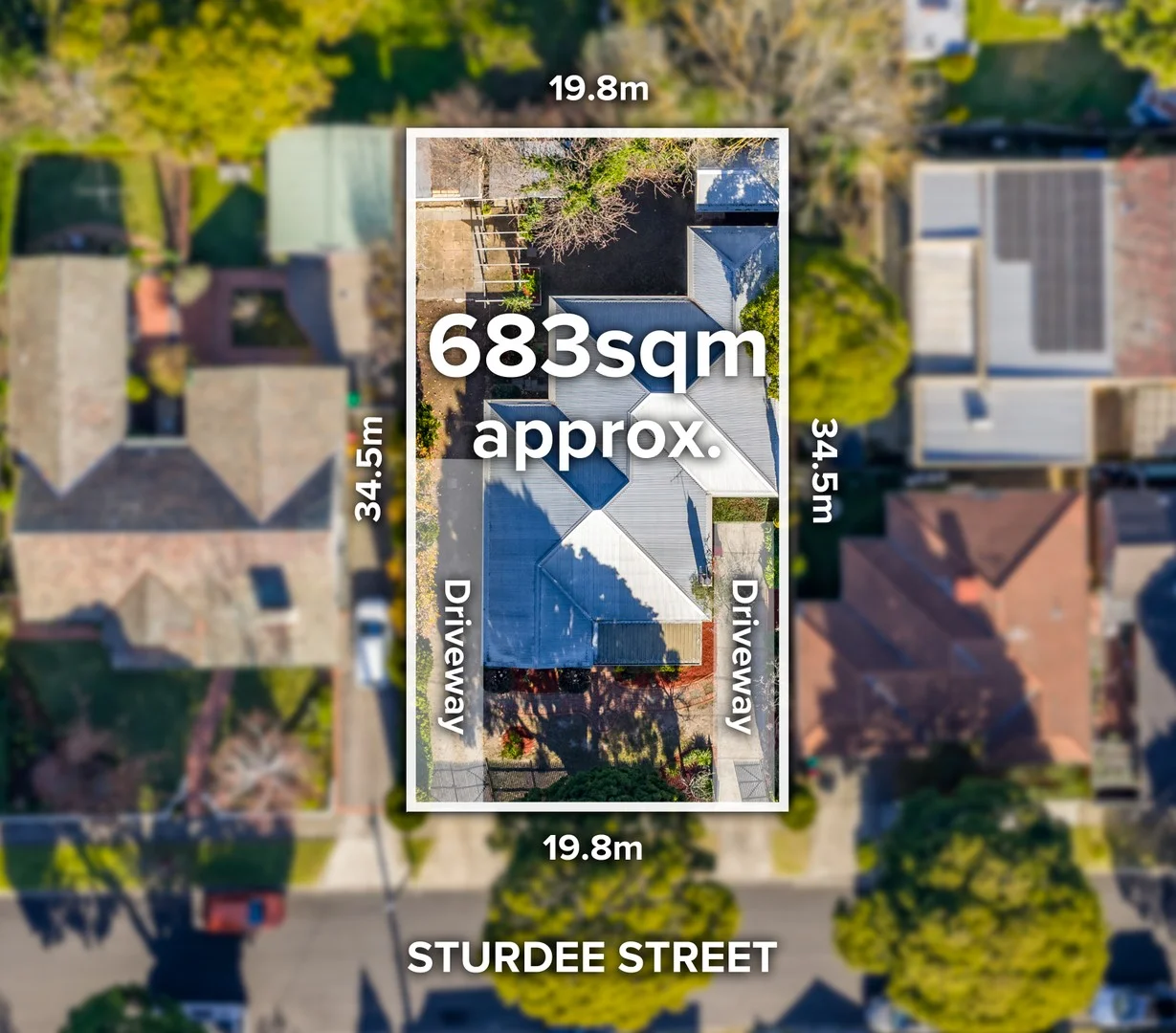 $2,000,000
House
$2,000,000
House
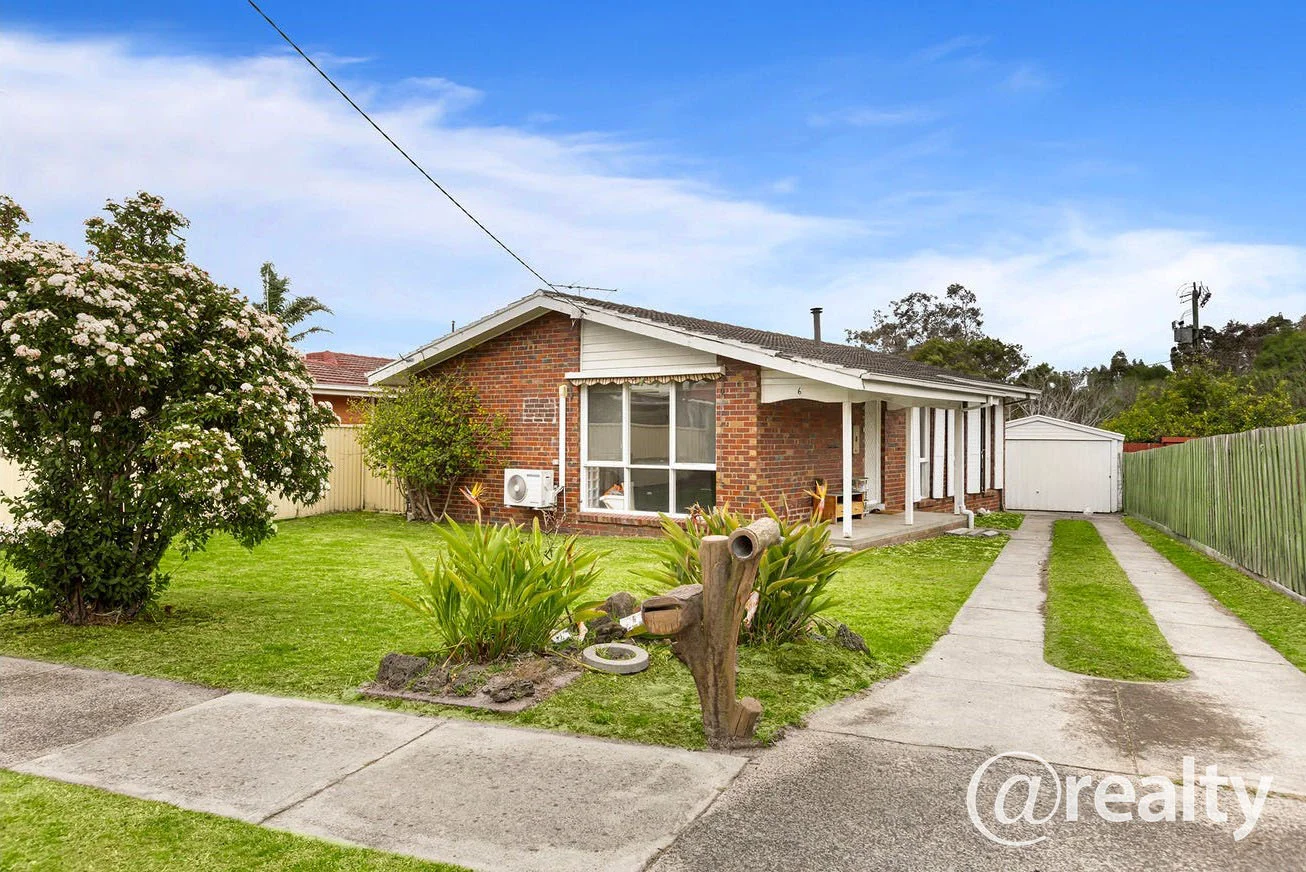 $610
House
$610
House
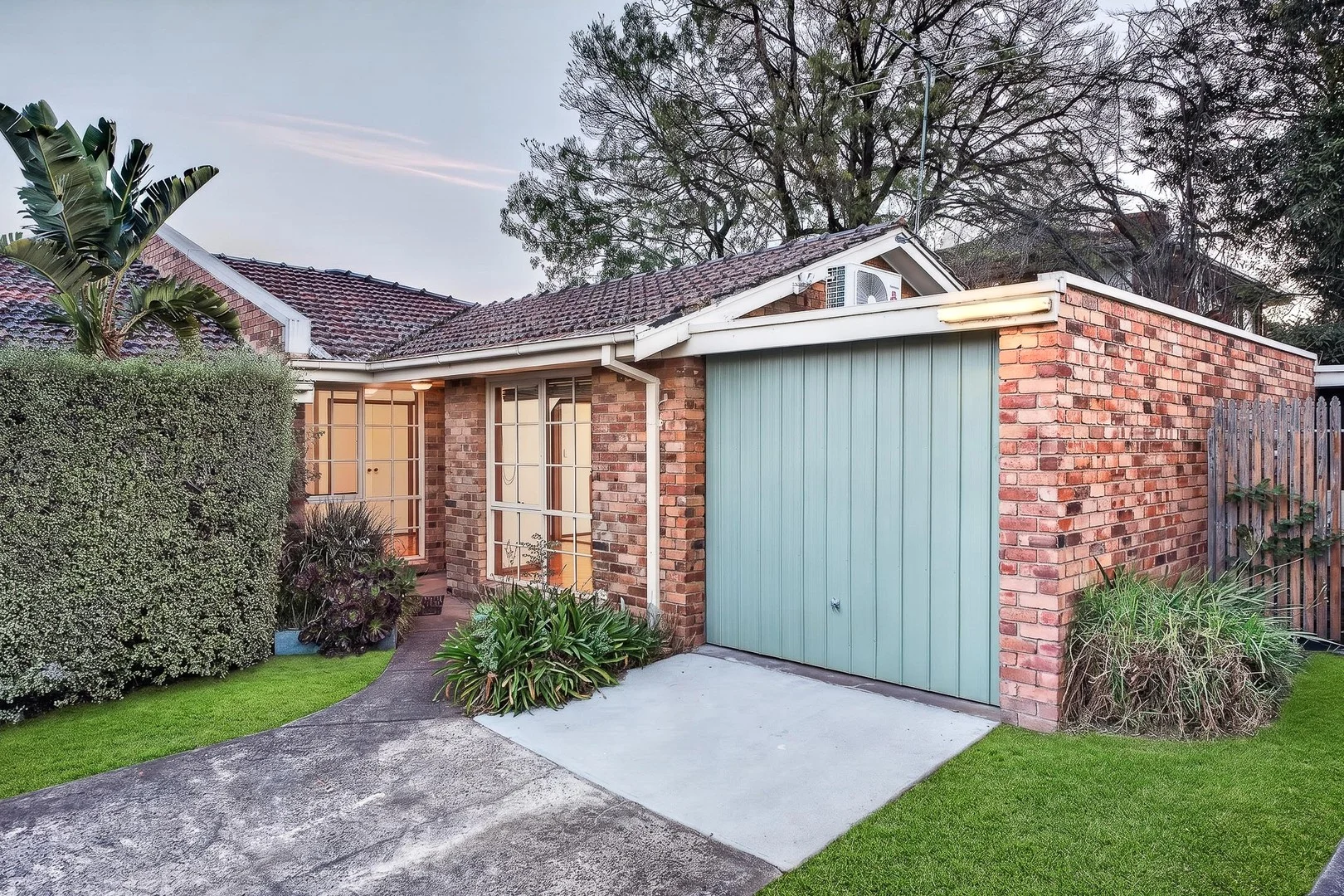 $765,000 - $825,000
Apartment / Unit / Flat
$765,000 - $825,000
Apartment / Unit / Flat
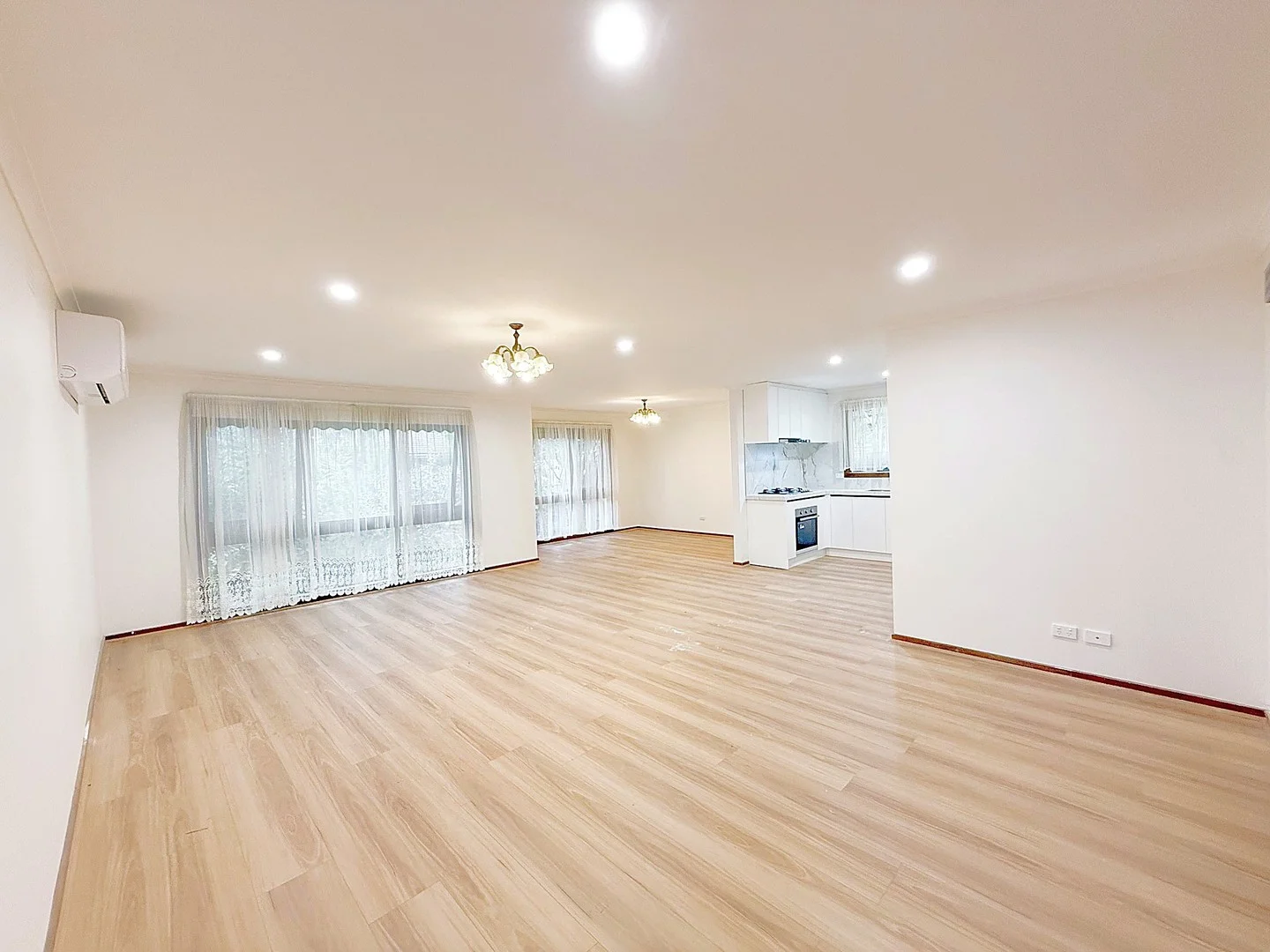 $1,100
House
$1,100
House
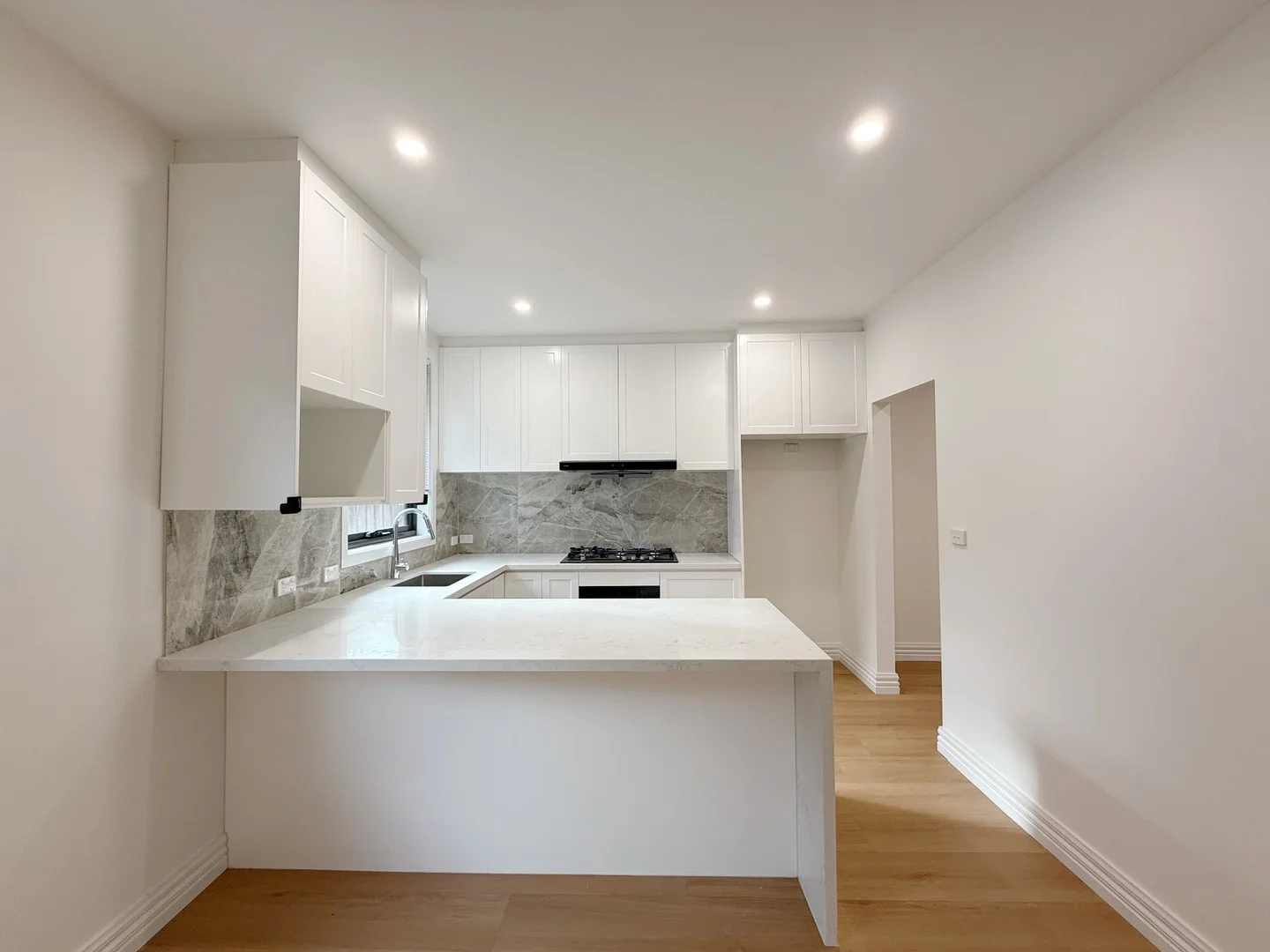 $1,280
House
$1,280
House


