Overview
## 1. Overview
Waverley Meadows Primary School is a public (state-funded) primary school located in Wheelers Hill, VIC. It provides a balanced, community-focused learning environment where students are encouraged to develop academically, socially and emotionally. The school operates with a medium size, fostering a close-knit feel while offering a broad range of opportunities.
- School type: Public
- School size: Medium
- Class size: Moderate
- Atmosphere/culture: Nurturing, inclusive, diverse
---
## 2. Academics & Learning
Waverley Meadows Primary School focuses on building strong foundations in literacy and numeracy while providing opportunities in STEM, digital literacy and the arts. The school supports differentiated learning to meet diverse student needs and encourages curiosity, problem solving and collaboration.
- Academic strengths: English, Mathematics, STEM, digital technologies; emphasis on literacy and numeracy foundations
- Special programs: Opportunities for enrichment and targeted learning; access to age-appropriate extension and intervention where available
- NAPLAN trends: Consistent progress and steady improvement in literacy and numeracy over recent years, with ongoing focus on year-to-year growth
- Student-teacher ratios: Moderate ratios designed to support individualized attention and small-group support
- Support for diverse learners: EAL/ESL programs, Learning Support Team, and targeted support for students with additional learning needs
---
## 3. Sports & Extracurricular Strengths
A broad range of sports and activities are available to students, with emphasis on participation, teamwork and skill development. The school supports regular practice and interschool opportunities, alongside creative and technical pursuits.
- Sports offered: Soccer, cricket, netball, Australian rules football, athletics, basketball, swimming programs
- Strong teams or achievements: Active involvement in district and inter-school events; opportunities to represent the school in various competitions
- Music, arts, drama programs: Music education and opportunities for performing arts participation
- Clubs: Robotics, coding, chess, debating and other lunchtime/after-school clubs
- Partnerships: Local community clubs and regional competitions to broaden opportunities
---
## 4. Wellbeing & Pastoral Care
Wellbeing is a cornerstone of the school culture, with a proactive approach to student welfare and positive relationships.
- Anti-bullying approach: Whole-school anti-bullying framework with clear expectations and restorative practices
- House system: House groups support belonging, teamwork and healthy competition
- Counsellors / wellbeing officers: Access to wellbeing staff for student support and guidance
- Transition support for new students: Orientation activities, buddy programs and gradual transition to new year levels
---
## 5. Facilities
The school provides well-maintained facilities to support a broad curriculum and student life.
- Sports grounds
- Libraries
- Science labs
- Music/performing arts centers
- Tech/innovation labs
- Cafeteria
- Updated playgrounds
---
## 6. School Values & Community Culture
Waverley Meadows Primary School strives to create a respectful, collaborative community where students develop as responsible, proactive learners.
- School values / mission: Respect, Responsibility, Resilience, and Collaboration
- Leadership style: Student leadership opportunities; teacher and staff guidance with opportunities for student voice
- Behaviour expectations: Clear codes of conduct and positive behavior supports
- Community reputation: Known for an inclusive, supportive culture and active parental involvement
- Diversity & inclusion: Emphasis on welcoming diverse backgrounds and ensuring accessible learning for all
---
## 7. School Logistics & Daily Operations
Key logistics help families plan around the school day and incidental costs.
- School hours: Core hours aligned with state guidelines; typical start and finish times follow the standard primary-school timetable
- Before/after school care: OSHC or similar programs available through on-site or partner arrangements
- Uniform requirements: School uniform with standard attire and guidelines
- Transport (train/bus routes): Accessible by local bus routes and surrounding transport options; check catchment and routes for specifics
- Canteen availability: On-site canteen or cafeteria offering healthy options
- Fees (low/medium/high ranges): Government-funded schooling with additional costs for activities and resources; overall low to moderate
---
## 8. Enrolment & Admissions
11. What is the enrolment process and timeline?
- Enrolments are typically managed through the Victorian Department of Education with priority given to residents within the school’s catchment. Families submit an application during the designated enrolment period, provide required documents (proof of residency, immunisation records, etc.), and complete any school-specific steps. The timeline usually spans an initial application window, followed by confirmation of placement or placement in a waiting pool, with notification timelines communicated by the school.
12. Is there a waiting list, and how does it work?
- If there are more applications than available places, a waiting list is used. Allocation from the waiting list follows state guidelines (often prioritising catchment residents). The school will inform families of their position and expected timelines for offers.
13. Are there any entry requirements, tests, or interviews?
- Public primary schools generally do not require entrance tests or interviews. Some schools may conduct informal assessments or welcome conversations to understand student needs, but formal testing is uncommon at the primary level. Documentation and immunisation requirements are standard.
14. Does the school accept mid-year transfers?
- Mid-year transfers are considered based on space and alignment with the school’s enrolment policy. Families should contact the school as early as possible to discuss availability, required documentation, and transition planning.
---
## 9. Frequently Asked Questions
- Why Parents Choose This School?
- A welcoming, inclusive culture with supportive learning and involvement opportunities for families.
- What type of student thrives at this school?
- Students who respond well to moderate class sizes, a balanced approach to academics and wellbeing, and participation in a range of sports and clubs.
- What opportunities are available for students to extend their skills (academics, sports, arts)?
- Enrichment in literacy and numeracy, STEM and digital technologies; sports teams and clubs; music and performing arts opportunities; coding and robotics clubs.
- How does the school communicate with parents?
- Regular updates through newsletters, email, personal portals or apps, and parent-teacher meetings. Open lines of communication with teachers and administration.
- What is the school’s approach to teaching and learning?
- A student-centered approach focused on core literacy and numeracy, with opportunities for collaboration, problem solving and practical learning experiences.
- How does the school support students who need extra academic help?
- Targeted interventions through a Learning Support Team, small-group or one-on-one support, and progress monitoring.
- What support is available for academic challenges?
- Additional tutoring, differentiated instruction, and resources to help students catch up or extend beyond the standard curriculum.
- How does the school communicate with parents? (Repeated)
- See above: multiple channels including newsletters, portals, emails and meetings.
- What are the class sizes and how much individual attention do students receive?
- Class sizes are moderate, designed to enable some individualized attention and targeted small-group support as needed.
- What extracurricular and sports opportunities are available?
- A broad range of sports (soccer, netball, football, cricket, athletics, basketball), plus clubs in robotics, coding, chess and debate, plus music and arts programs.
- What facilities does the school offer (sports, science, arts)?
- Sports grounds, library, science labs, music/performing arts facilities, technology/innovation spaces, and a canteen.
- What is the school’s approach to technology and digital learning?
- Emphasis on digital literacy and responsible use of technology within the curriculum, with access to devices and integrated ICT learning.
- What transport and accessibility options are available?
- Local bus routes and public transport options; consideration of accessibility features and parking for families.
- What are the typical school fees or additional costs?
- Government-funded schooling; some additional costs for activities, excursions and materials, with options to minimise or fundraise for broader programs.
---
## 10. Short Pros & Cons list
- Pros
- Public, community-focused environment with inclusive culture
- Moderate class sizes supporting individual attention
- Broad range of sports, arts and clubs
- Strong wellbeing and pastoral care framework
- Diverse facilities supporting a well-rounded curriculum
- Cons
- As a public school, enrolment can be influenced by catchment demand and placement availability
- Some programs and activities may incur additional costs
- Timetabling and transport options can vary; check current details for planning
- Specific specialised programs (e.g., IB or advanced tracks) may be limited or offered selectively












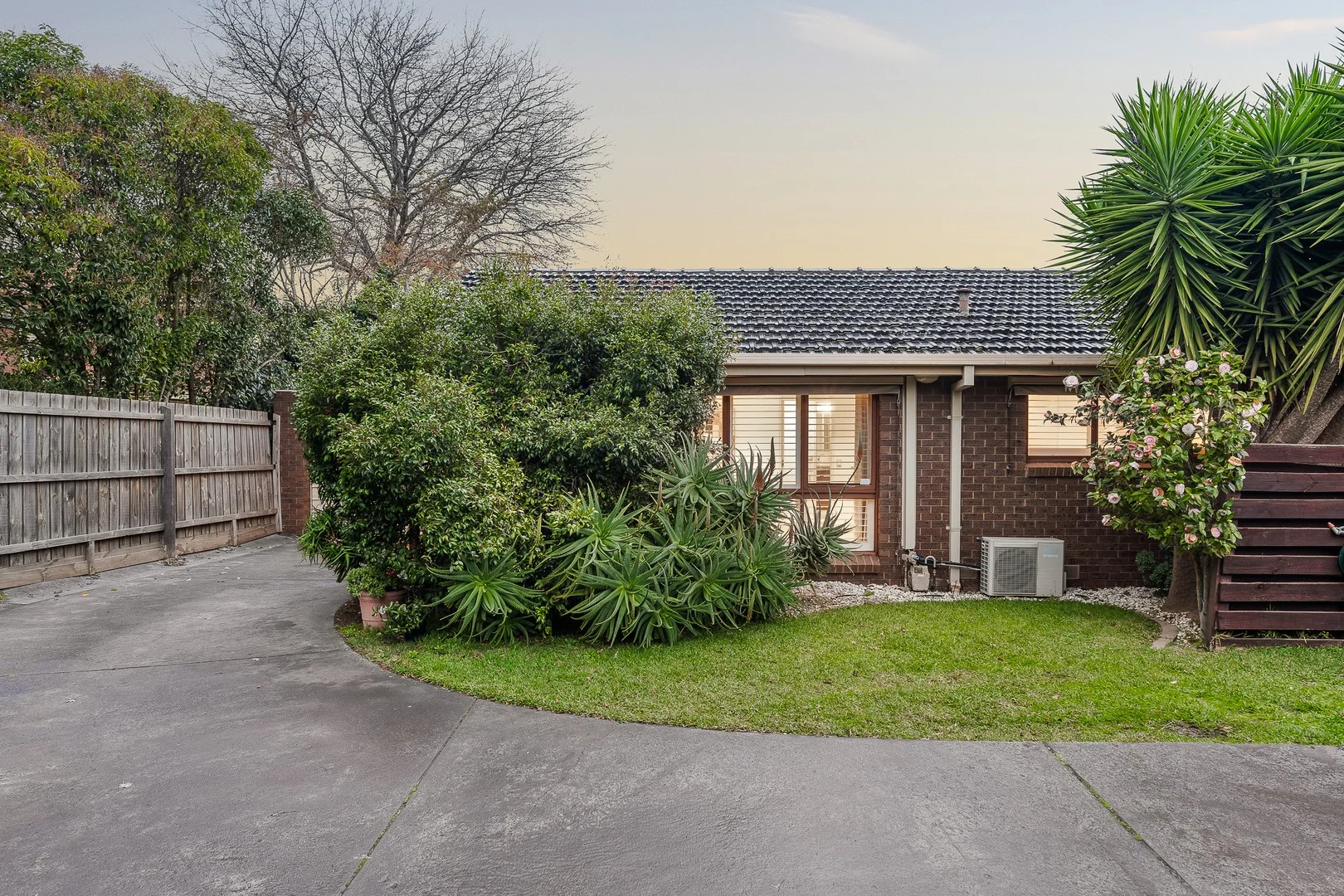 $770,000 - $820,000
Apartment / Unit / Flat
$770,000 - $820,000
Apartment / Unit / Flat
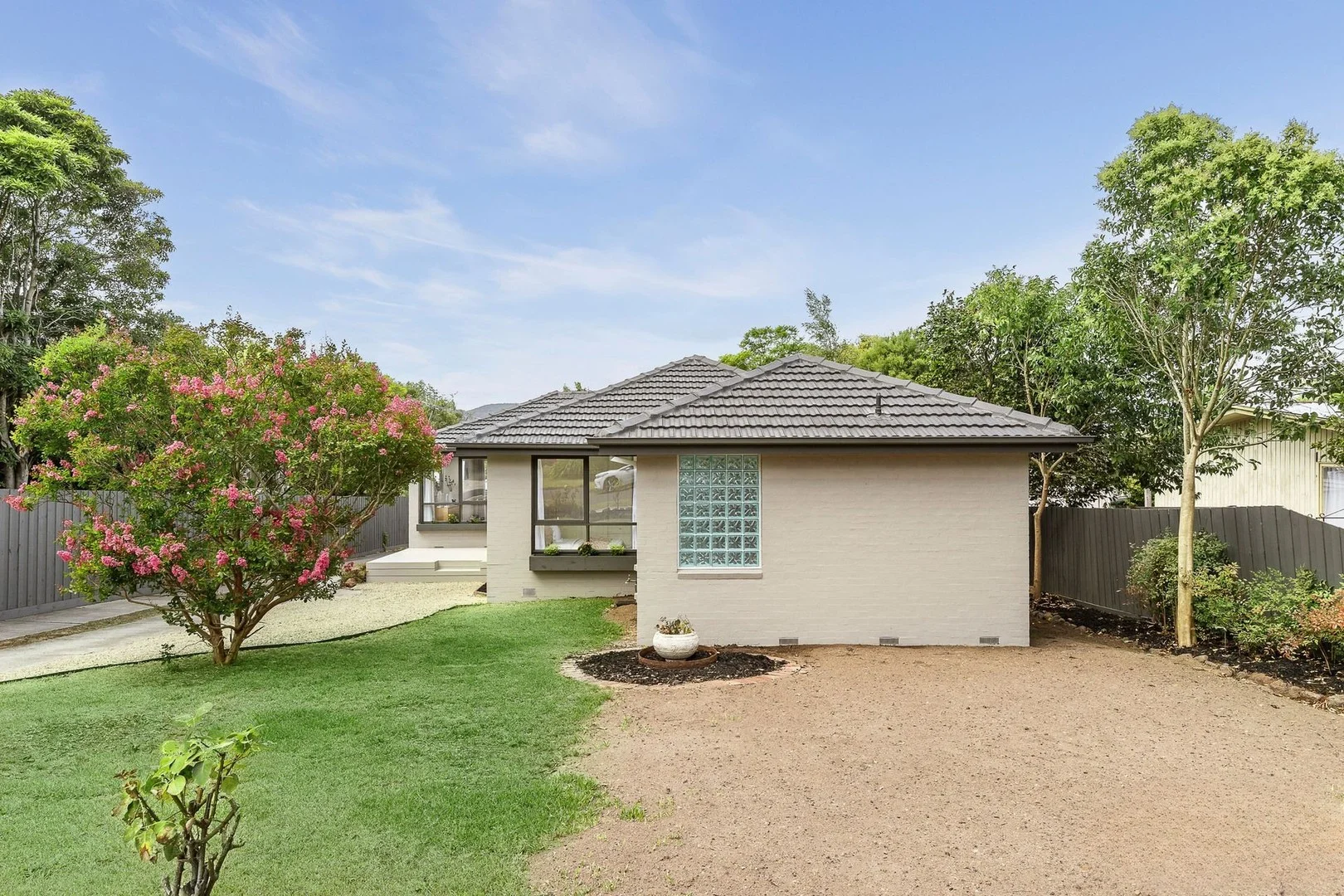 $700
Apartment / Unit / Flat
$700
Apartment / Unit / Flat
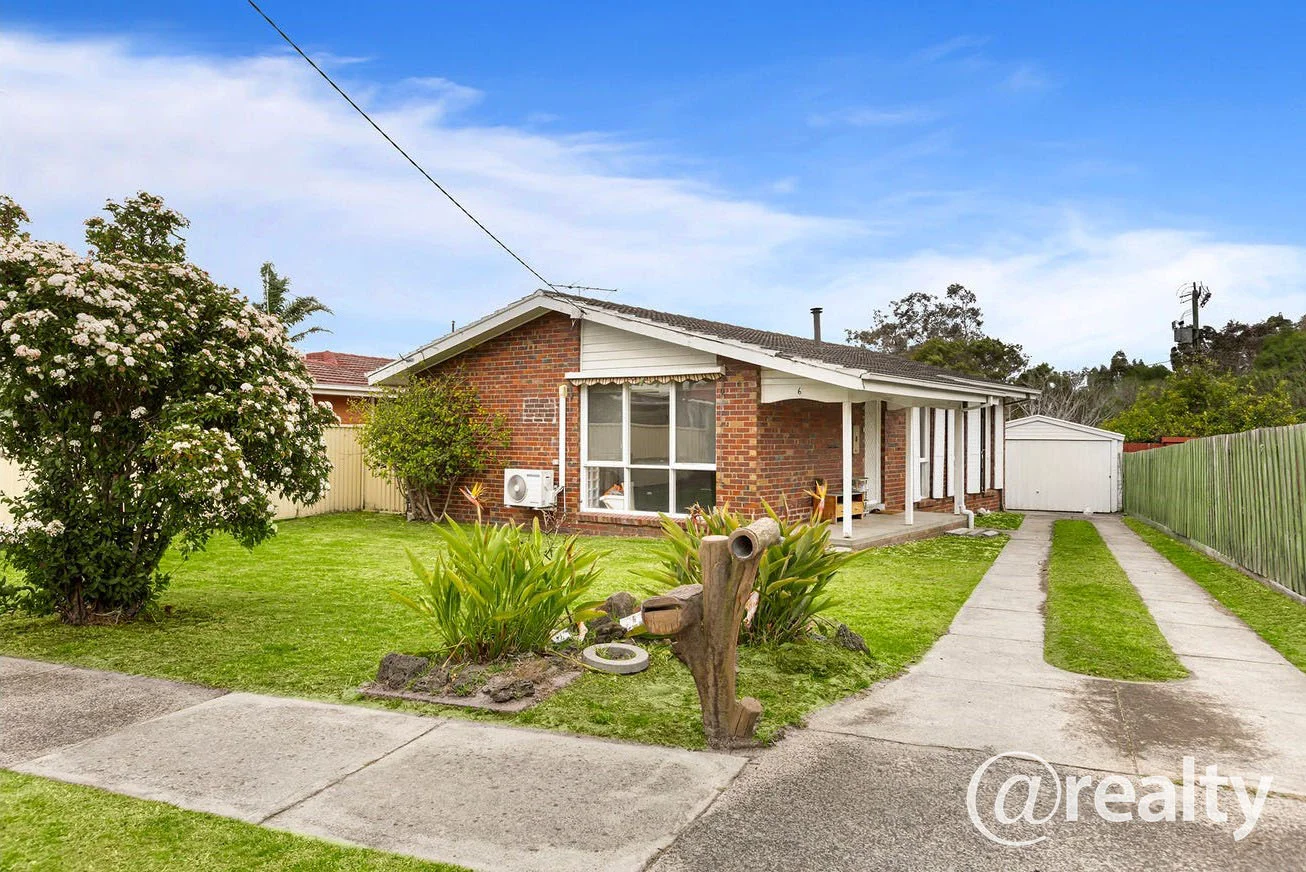 $610
House
$610
House
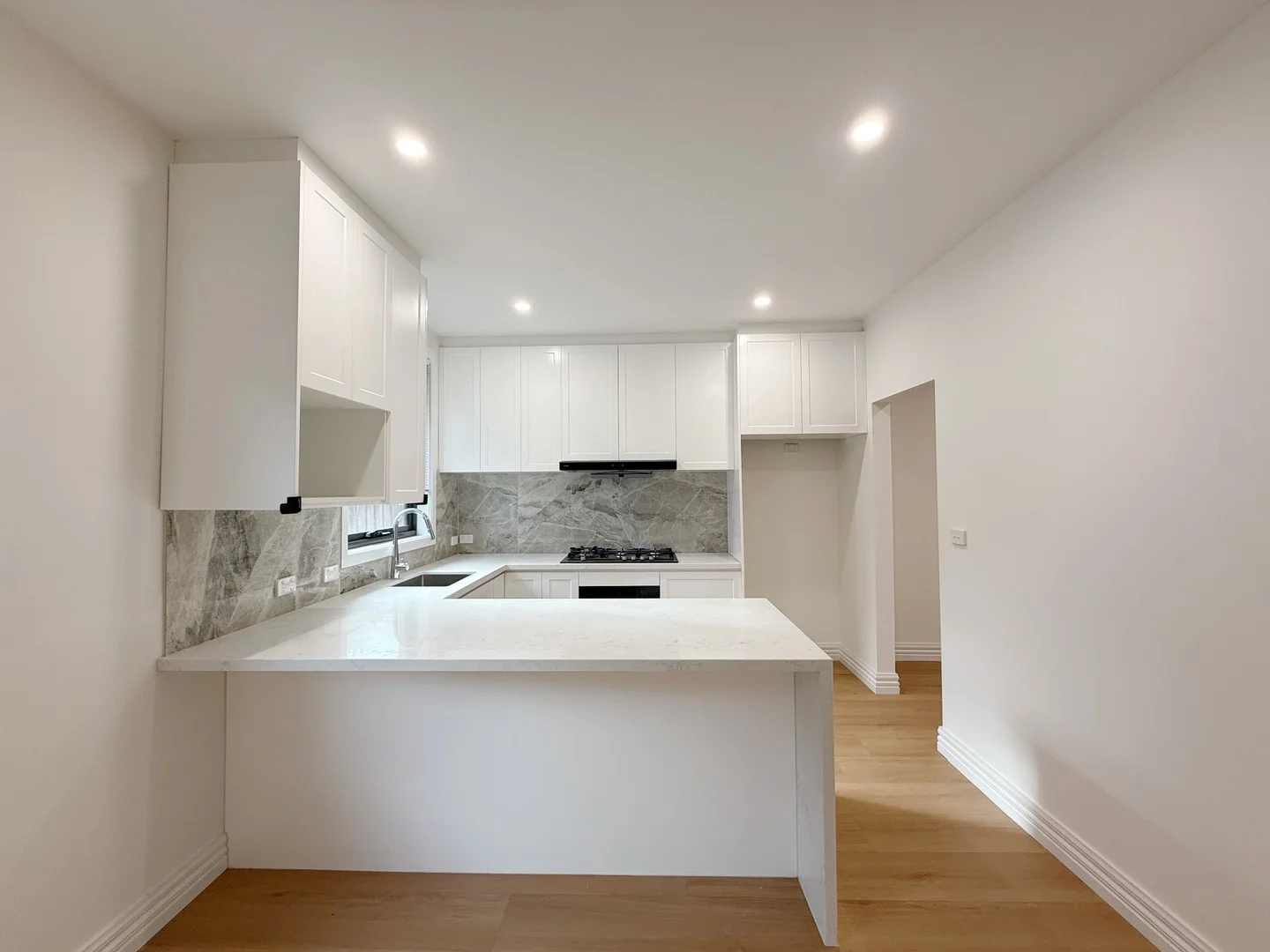 $1,280
House
$1,280
House
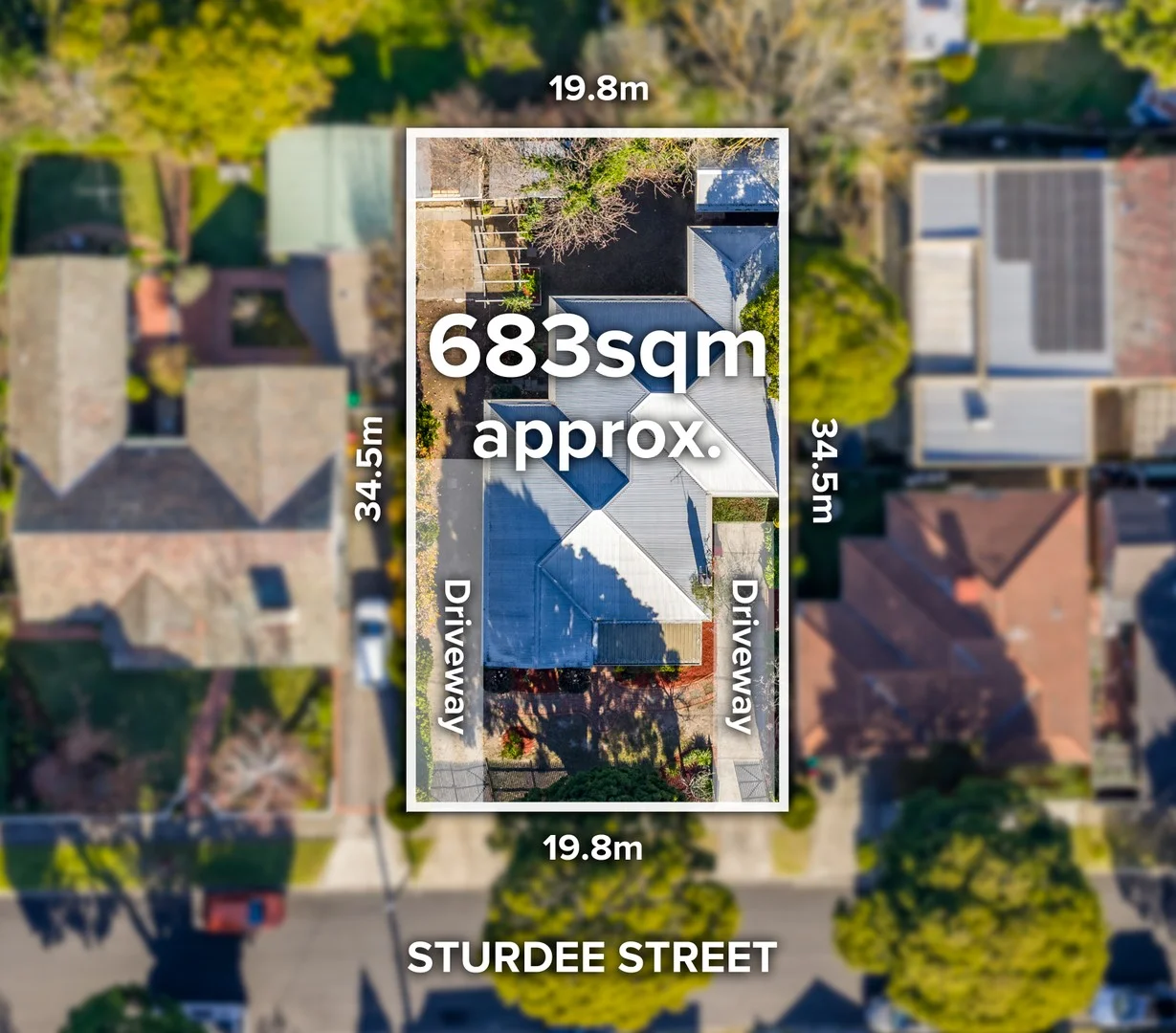 $2,000,000
House
$2,000,000
House
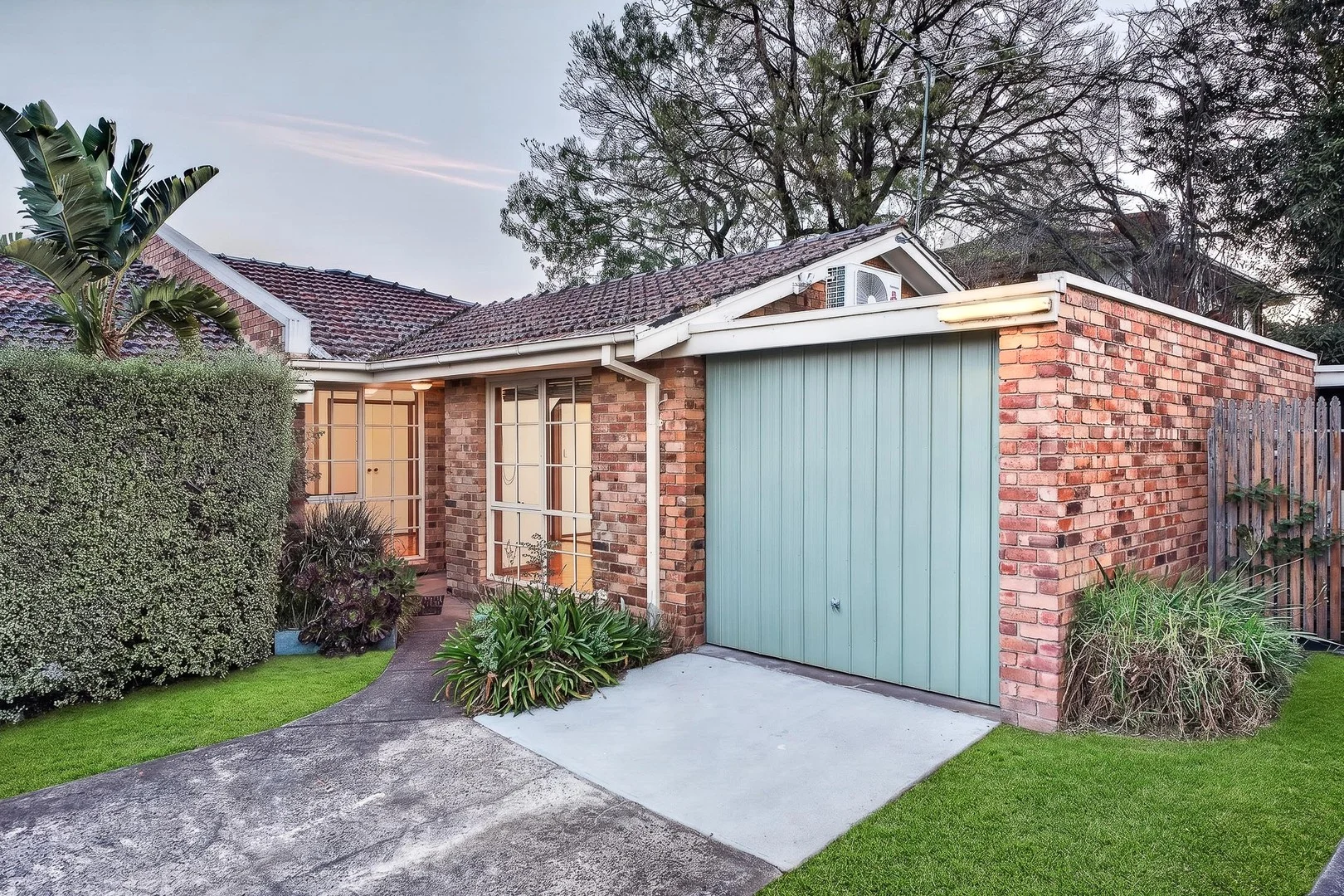 $765,000 - $825,000
Apartment / Unit / Flat
$765,000 - $825,000
Apartment / Unit / Flat
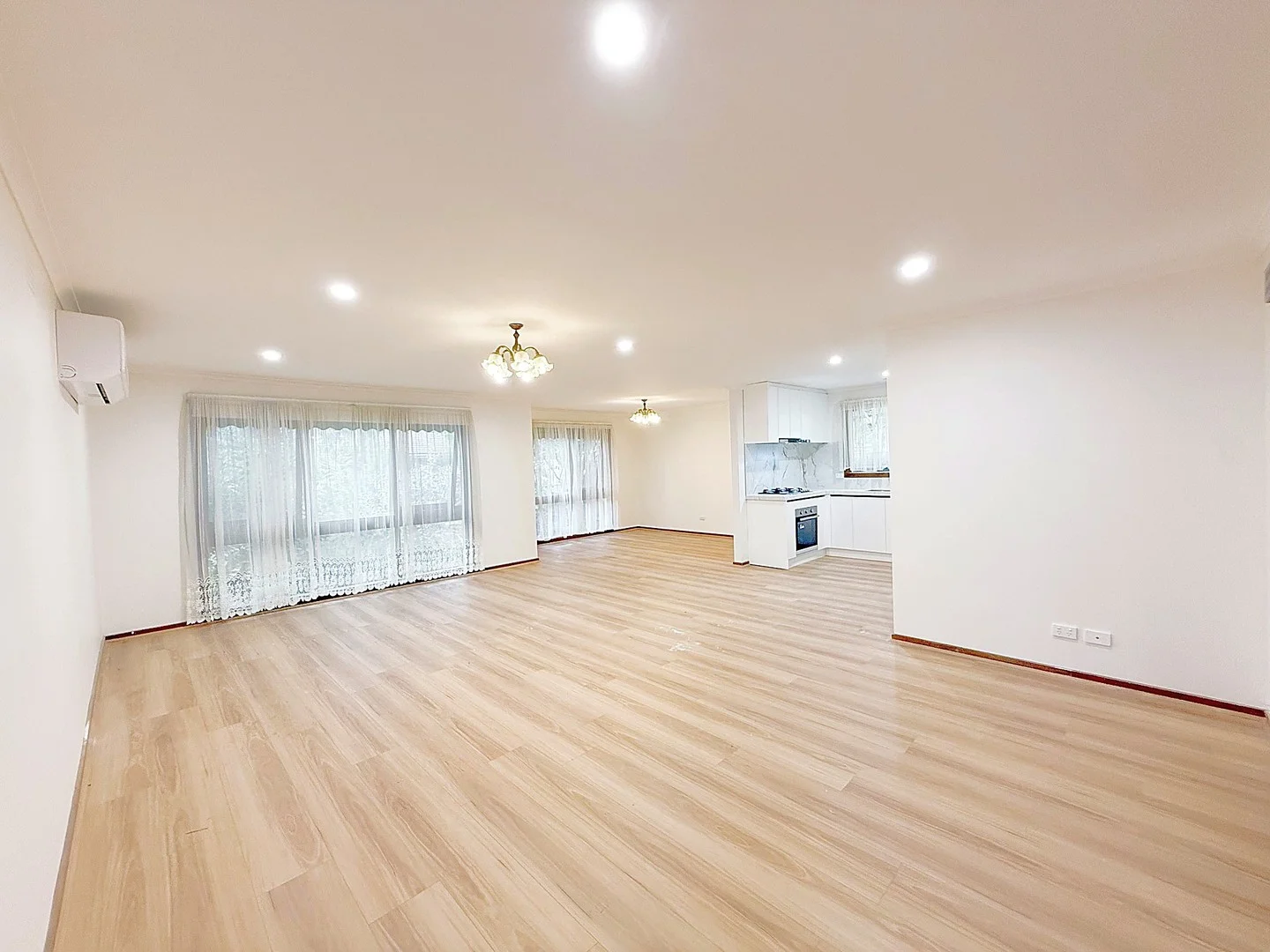 $1,100
House
$1,100
House
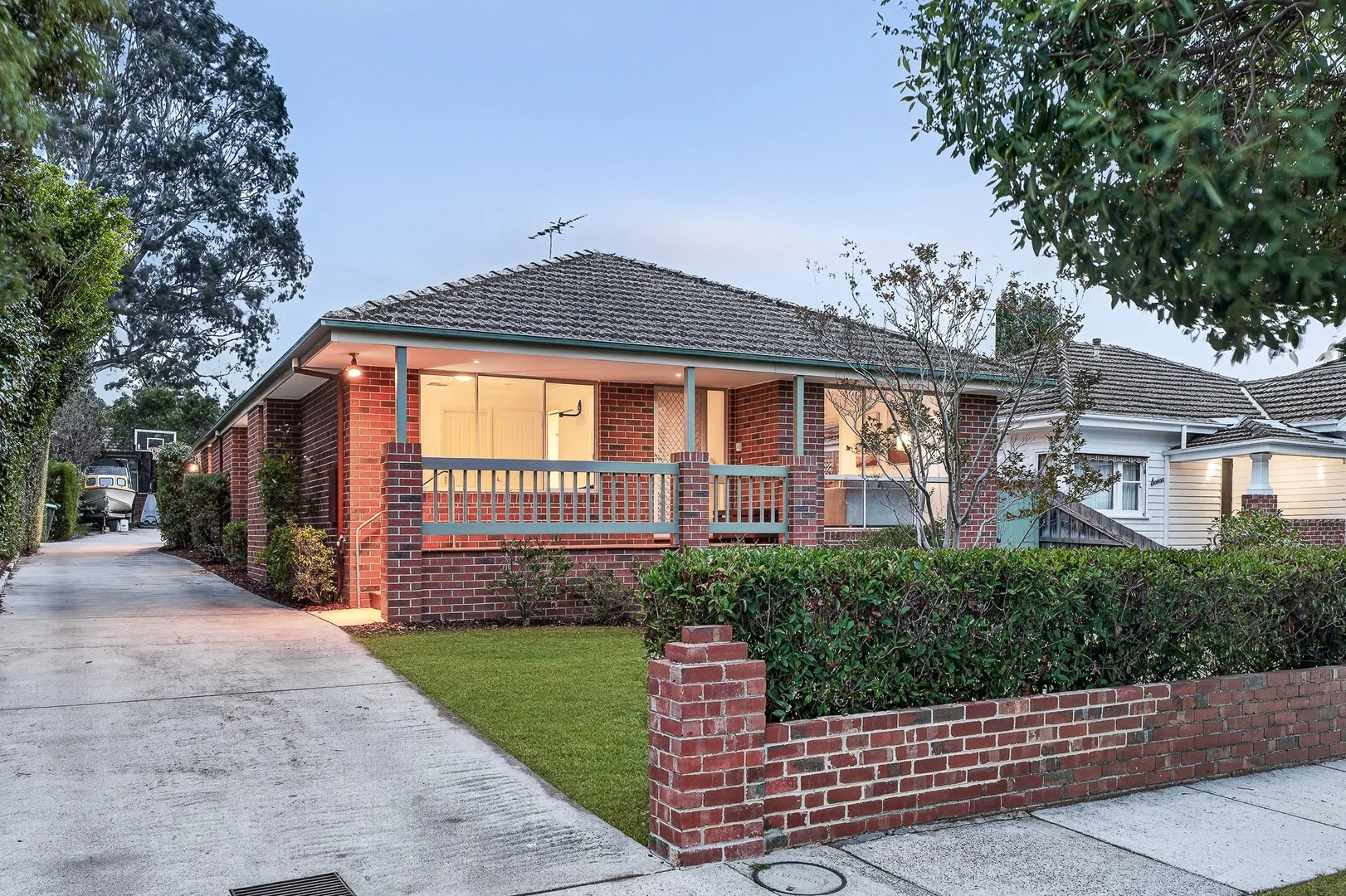 $1,200,000 - $1,300,000
House
$1,200,000 - $1,300,000
House
 $630,000 - $680,000
Apartment / Unit / Flat
$630,000 - $680,000
Apartment / Unit / Flat