- Overview
Cavendish Road State High School is a public, co-educational high school serving students in Holland Park and surrounding Brisbane suburbs. The school offers a broad Australian Curriculum program with pathways for junior and senior years, emphasizing a balanced blend of academics, sport, arts, and community involvement.
- School type: Public
- School size: Medium to large
- Atmosphere/culture: Inclusive, diverse, academically focused with active student life, sports and clubs
- Academics & Learning
Cavendish Road State High School supports a broad learning program designed to prepare students for tertiary study, vocational education, and lifelong learning.
- Academic strengths: Strong emphasis on English and Science, solid Mathematics and Humanities, with opportunities for senior pathways and leadership development
- Special programs: Vocational Education & Training (VET) options, arts/music opportunities, and pathways to the Queensland Certificate of Education (QCE); opportunities for leadership and student-driven projects
- Support for diverse learners: EAL support, inclusive education for students with diverse learning needs, access to guidance and learning support staff
- Sports & Extracurricular Strengths
A strong and visible area for many students, with a range of activities to suit different interests and talents.
- Sports offered: Rugby league, netball, soccer, basketball, cricket, athletics, swimming and other regional sport options
- Strong teams or achievements: Competitive participation in regional and inter-school competitions across various sports
- Music, arts, drama programs: Active music ensembles, drama productions and opportunities in performing arts
- Clubs: Robotics, chess, coding, debating, STEM groups, and other student-led clubs
- Partnerships: Connections with local clubs and regional competitions; involvement in district-level events and opportunities to engage with external programs
- Wellbeing & Pastoral Care
Wellbeing is a central part of the student experience, supporting safe and positive school life.
- Anti-bullying approach: Clear anti-bullying policies with restorative practices and wellbeing education
- House system: House-based pastoral care structure to foster belonging and positive competition
- Counsellors / wellbeing officers: On-site guidance and wellbeing staff to support students and families
- Transition support for new students: Orientation programs, buddy systems, and ongoing transition check-ins to help new students settle
- Facilities
Facilities are designed to support a wide range of learning experiences and activities.
- Sports grounds: Multiple playing fields and courts
- Libraries: Modern library/media space for study and collaboration
- Science labs: Well-equipped biology, chemistry and physics laboratories
- Music/performing arts centers: Dedicated spaces for music, drama and performance
- Tech/innovation labs: Computer labs, STEM/Technology spaces with maker resources
- Cafeteria: On-site canteen with daily options
- Updated playgrounds: Adequate outdoor spaces with shade and seating
- School Values & Community Culture
The school fosters a culture built on values, leadership, and inclusive community engagement.
- School values / mission: Emphasis on respect, responsibility, integrity, inclusion and striving for excellence
- Leadership style: Student voice through councils and leadership opportunities; collaborative decision-making with staff
- Behaviour expectations: Clear code of conduct and behavioural expectations supported by positive behaviour systems
- Community reputation: Known for a welcoming, family-oriented environment with strong parental and community involvement
- Diversity & inclusion: Supportive environment for a diverse student body and active inclusion initiatives
- School Logistics & Daily Operations
Practical information to help families plan around school life.
- School hours: Generally around 8:15am–3:15pm with year-level variations
- Before/after school care: Available through external providers or school-arranged supervision
- Uniform requirements: School uniform required; seasonal variants and sports uniform on PE days
- Transport (train/bus routes): Accessible via Brisbane public transport; proximity to local bus routes and major corridors; bike racks and walking paths available
- Canteen availability: Canteen on-site offering lunch and snack options
- Fees (low/medium/high ranges): Public schools have low to moderate voluntary contributions and subject/resource charges
- Enrolment & Admissions
- What is the enrolment process and timeline?
- Enrolments are processed through the Queensland Department of Education with school-specific intake timelines. For Year 7 entry, families typically start with information nights and online applications, followed by offers based on the school’s enrolment policies and catchment considerations. There may be transitional timelines for late-year enrolments or transfers.
- Is there a waiting list, and how does it work?
- There can be wait times, particularly for in-demand year levels or programs. Catchment priority applies; out-of-catchment applicants may be considered when vacancies arise, subject to policy and availability.
- Are there any entry requirements, tests, or interviews?
- General enrolment typically requires standard documents (proof of identity, residency, previous school records). There are usually no entrance tests for standard enrolment, but some specialist programs or auditions (e.g., music/drama) may involve portfolio or audition requirements.
- Does the school accept mid-year transfers?
- Yes, mid-year transfers are possible if there is space and the applicant meets enrolment criteria, with processing aligned to the department’s transfer and placement procedures.
- Frequently Asked Questions
- Why Parents Choose This School?
- A public, well-rounded program with supportive staff, diverse opportunities in academics, sports, arts and wellbeing; strong community connection.
- What type of student thrives at this school?
- Students who are motivated to engage across academics, sports, arts and clubs, and who value a supportive, inclusive school culture.
- What opportunities are available for students to extend their skills (academics, sports, arts)?
- A range of pathways including VET options, senior study opportunities, music and drama programs, sports teams, robotics, debating and other clubs.
- How does the school communicate with parents?
- Regular communications through newsletters, the school website, emails, parent-teacher meetings, and coordinated student progress reports.
- What is the school’s approach to teaching and learning?
- A balanced approach focusing on core literacy and numeracy, inquiry-based learning, and pathways that prepare students for further study or work.
- How does the school support students who need extra academic help?
- Targeted support through learning support staff, EAL assistance, and personalised classroom strategies; access to guidance and wellbeing services.
- What support is available for academic challenges?
- Additional tutoring, in-class differentiation, and referrals to support services as needed.
- How does the school communicate with parents?
- See above; ongoing channels include meetings, notices, and digital platforms.
- What extracurricular and sports opportunities are available?
- A broad mix of sports (team and individual), performing arts, robotics, coding, debating, chess, and other clubs aligned with student interests.
- What facilities does the school offer (sports, science, arts)?
- Sports grounds, libraries, science labs, music/performing arts spaces, tech/innovation labs, canteen and outdoor facilities.
- What is the school’s approach to technology and digital learning?
- Integration of digital tools across subjects, access to computer labs and relevant devices to support learning and project work.
- What transport and accessibility options are available?
- Access to public transport (bus routes, proximity to train lines), safe pedestrian access, and bicycle facilities.
- What are the typical school fees or additional costs?
- As a public school, standard tuition is not charged; families may incur voluntary contributions and subject/resource fees for certain courses or activities.
- Short Pros & Cons list
Pros
- Public, inclusive school with broad academic and extracurricular opportunities
- Supportive wellbeing and pastoral care
- Range of facilities to support science, arts, technology and sports
- Strong sense of community and parental involvement
Cons
- as with many schools, demand for certain programs may lead to competition for placements
- some specialised programs or electives may have limited availability based on year level or capacity
- transport times and catchment rules can influence enrollment and placement
- costs beyond compulsory fees may occur for some activities and resources






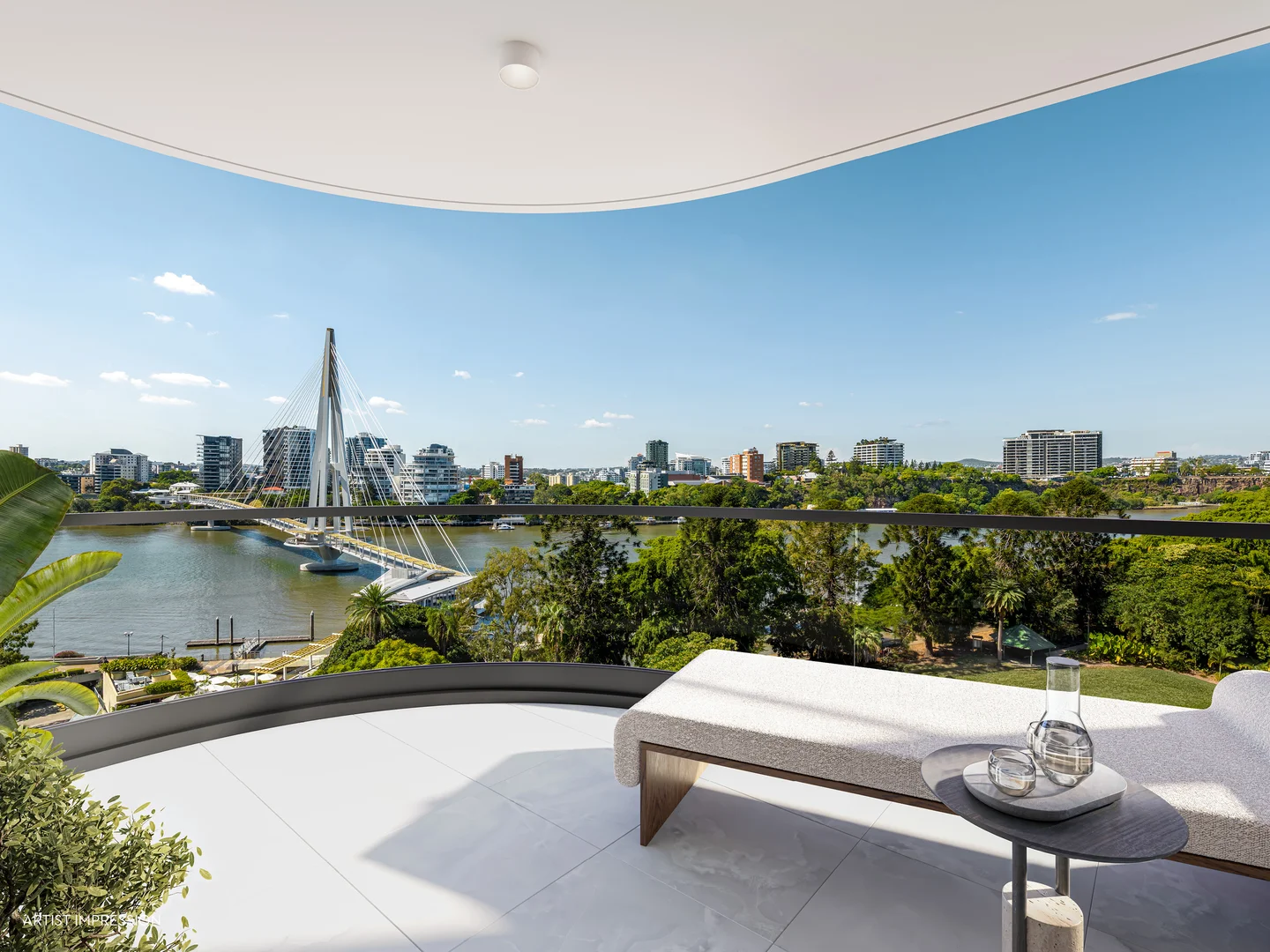 $1,475,000 - $2,090,000
propertyType.NEW APARTMENTS / OFF THE PLAN
$1,475,000 - $2,090,000
propertyType.NEW APARTMENTS / OFF THE PLAN
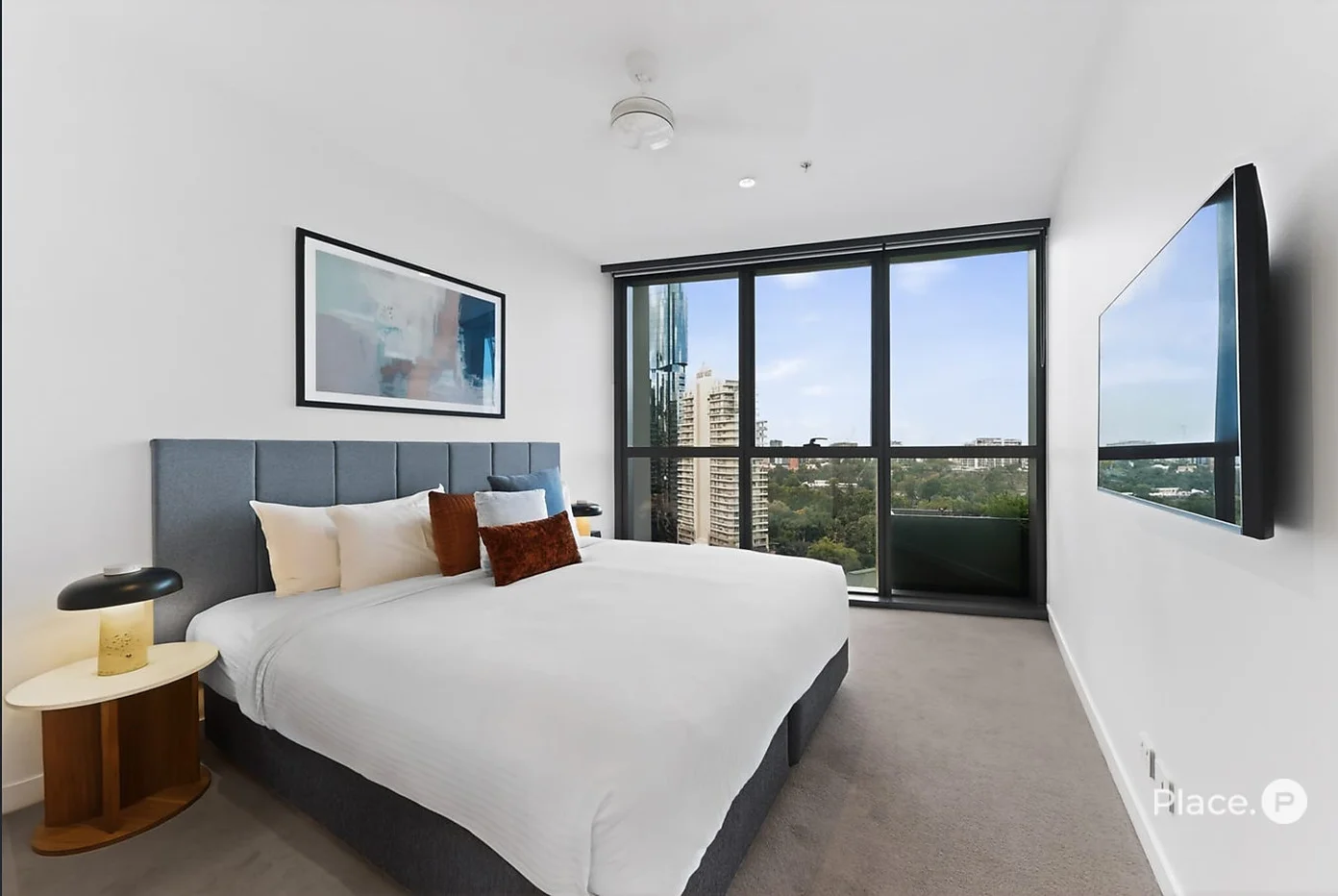 $770,000
Apartment / Unit / Flat
$770,000
Apartment / Unit / Flat
 $550,000
Apartment / Unit / Flat
$550,000
Apartment / Unit / Flat
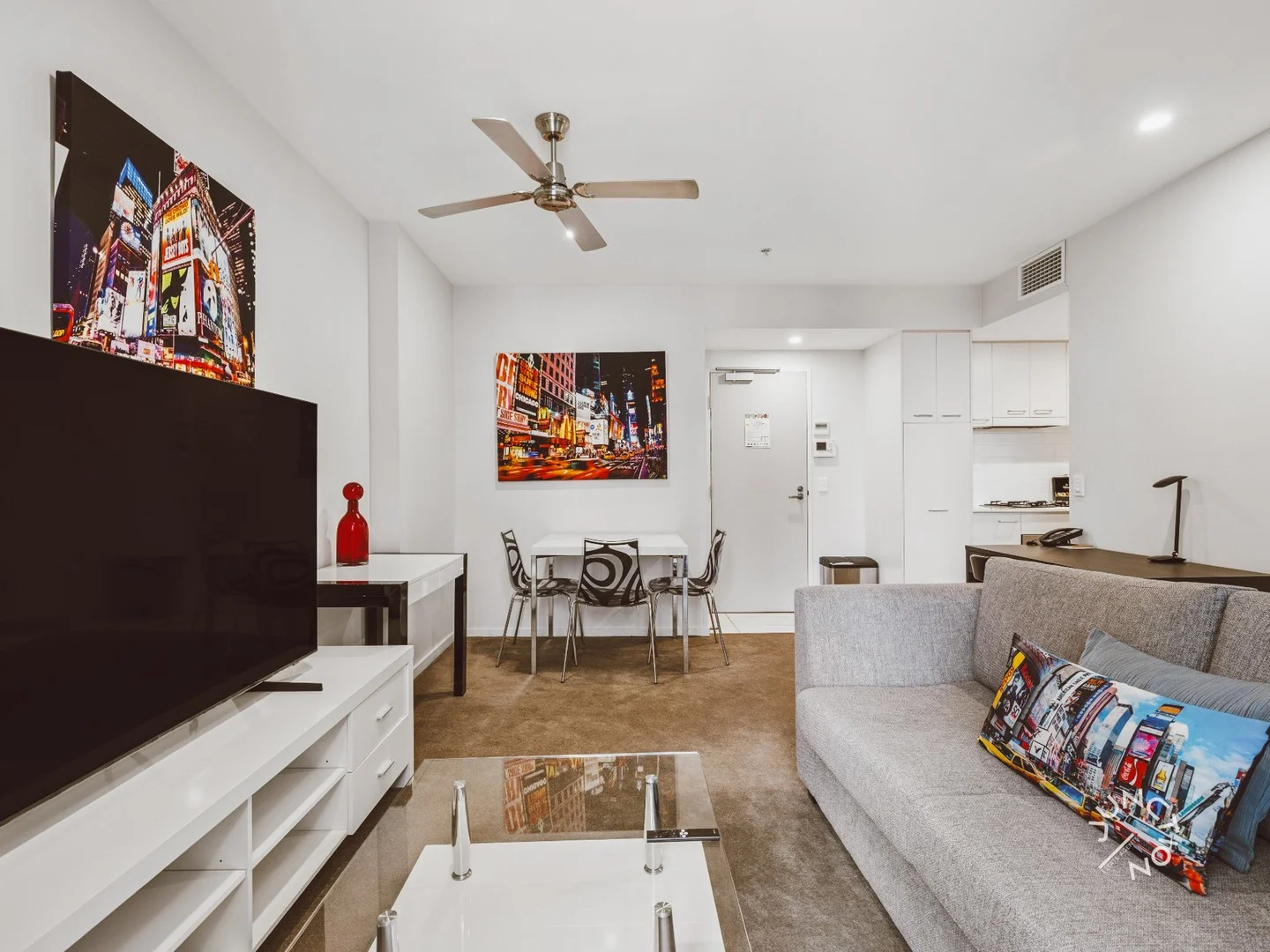 $523,200 - $566,800
Apartment / Unit / Flat
$523,200 - $566,800
Apartment / Unit / Flat
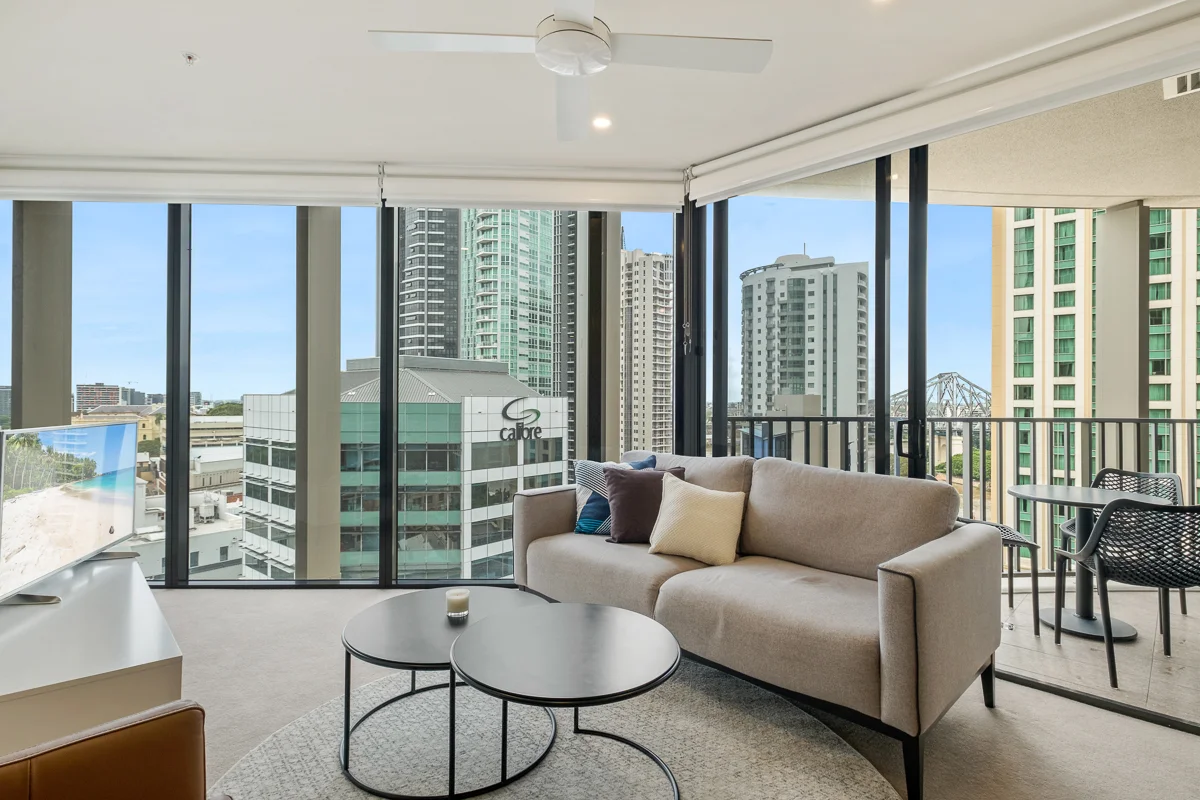 $950,000
Apartment / Unit / Flat
$950,000
Apartment / Unit / Flat