Overview
Loreto College Coorparoo is a Catholic, private secondary school for girls, offering education from early teens through the senior years. As part of the Loreto network, the college emphasises faith, service and academic excellence within a supportive, nurturing environment. The school operates as a medium-to-large campus with a broad range of subjects and activities, designed to cater to diverse interests and strengths.
Class sizes typically run around 20–25 students, enabling personalised attention while benefiting from the resources of a sizable school community. The atmosphere is often described as inclusive, faith-based and academically focused, with an emphasis on developing leadership, resilience and a strong sense of community among students.
Academics & Learning
- Academic strengths: English/Literature, STEM disciplines, languages and leadership development are core strengths, supported by a broad curriculum and opportunities for advanced study.
- Special programs: The college offers pathways and opportunities for leadership development and accelerated or gifted/talented options, along with varied senior pathways that support tertiary entrance and real-world skills.
- Support for diverse learners: Strong focus on inclusive education, including EAL (English as an Additional Language) support and targeted assistance for students with diverse learning needs.
- Sports offered: Netball, basketball, soccer, volleyball, athletics, swimming and tennis are commonly available, with opportunities to represent the school in regional competitions.
- Strong teams or achievements: The college supports competitive school teams and participates in local and regional events, with a track record of teamwork and sportsmanship.
- Music, arts, drama programs: A vibrant performing arts culture, including ensembles, choir and drama productions, complements academic study.
- Clubs: Robotics, chess, coding, debating and other STEM or intellectual clubs provide avenues to extend learning outside the classroom.
- Partnerships: The school collaborates with local clubs, associations and competitions to broaden opportunities for students in sport, music and academic contests.
Wellbeing & Pastoral Care
- Anti-bullying approach: A clear anti-bullying policy is in place, with reporting mechanisms and support systems to ensure student safety and wellbeing.
- House system: A house-based pastoral framework helps foster belonging, friendly competition and cross-year mentoring.
- Counsellors / wellbeing officers: Dedicated wellbeing staff and access to counselling support help address emotional and social needs.
- Transition support for new students: Orientation programs, buddy systems and targeted transition support ease the move for new entrants and their families.
Facilities
- Sports grounds: On-site sporting facilities support physical education and team training.
- Libraries: Well-equipped libraries provide study spaces, resources and academic support.
- Science labs: Modern science laboratories enable hands-on learning across the sciences.
- Music/performing arts centers: Dedicated spaces for music and drama support performance opportunities.
- Tech/innovation labs: Technology and innovation spaces foster digital literacy and project work.
- Cafeteria: On-site dining options cater to students with a variety of healthy choices.
- Updated playgrounds: Well-maintained outdoor spaces for recreation and socialising.
- School values / mission: The college emphasises Catholic faith, service, integrity, respect and responsibility as core values guiding student life and learning.
- Leadership style: A collaborative, student-centred leadership approach encourages participation, voice and responsibility in school matters.
- Behaviour expectations: Clear behavioural standards promote safety, respect and accountability within a supportive community.
- Community reputation: The college is regarded for its committed staff, faith-based environment and positive contribution to the local community.
- Diversity & inclusion: A focus on inclusion and respect for students from diverse backgrounds supports a welcoming school culture.
School Logistics & Daily Operations
- School hours: The school day typically runs from morning to mid-afternoon, with a structured timetable that includes class time, breaks and homeroom or pastoral care periods.
- Before/after school care: Availability of before/after school care is provided, often through school-supported programs or approved partners.
- Uniform requirements: A formal uniform is required, with details on skirts/pinafores, blazers, shirts and accessories determined by the school’s dress code.
- Transport (train/bus routes): Access to public transport via nearby bus routes and local rail services supports convenient commuting.
- Canteen availability: An on-site canteen or school-backed meal options provide lunch and snacks.
- Fees (low/medium/high ranges): Fees are positioned in the mid-to-high range for private Catholic secondary education, reflecting facilities, programs and student support.
Enrolment & Admissions
- What is the enrolment process and timeline?
- Applications are typically submitted for the upcoming intake year, followed by document checks, a possible interview or information session, and a formal offer if a place is available.
- Is there a waiting list, and how does it work?
- Waiting lists are common in popular entry years. The school will place applicants on a waitlist and offer spots as they become available, prioritising enrolment criteria and year level availability.
- Are there any entry requirements, tests, or interviews?
- Entry may involve an interview and alignment with the school’s values. Some years or programs may require literacy/numeracy checks or other assessments as part of the decision process.
- Does the school accept mid-year transfers?
- Mid-year transfers are considered where space exists and assessments indicate a good fit with the year level and curriculum.
Frequently Asked Questions
- Why Parents Choose This School?
- Parents often value the Catholic, girls-focused environment, strong pastoral care, a comprehensive academic program and a broad co-curricular suite that supports well-rounded development.
- What type of student thrives at this school?
- Students who benefit from a faith-informed, supportive community, a structured environment and opportunities to lead, collaborate and excel across academics, arts and sport.
- What opportunities are available for students to extend their skills (academics, sports, arts)?
- Advanced study paths, leadership roles, various clubs (robotics, coding, debating), performing arts productions, competitive sports teams and community service opportunities.
- How does the school communicate with parents?
- Regular updates through newsletters, year-level communications, parent portals and scheduled parent-teacher meetings.
- What is the school's approach to teaching and learning?
- A balanced approach that blends faith-based values with high academic expectations, student-centred learning, differentiation and opportunities for inquiry, collaboration and critical thinking.
- How does the school support students who need extra academic help?
- Targeted learning support, tutoring opportunities, additional teacher assistance and accommodations as appropriate, plus access to wellbeing and counselling services.
- What support is available for academic challenges?
- Early identification, personalised learning plans, classroom adjustments and coordination with specialist staff to help students stay on track.
- What extracurricular and sports opportunities are available?
- A range of sports (netball, basketball, soccer, volleyball, athletics, swimming, tennis), music ensembles, drama, and clubs such as robotics, coding, chess and debating.
- What facilities does the school offer (sports, science, arts)?
- Sports grounds, libraries, science labs, music/performing arts spaces, tech/innovation labs and a canteen, plus well-maintained outdoor spaces.
- What is the school’s approach to technology and digital learning?
- Integration of digital tools to support learning, with access to devices and resources that foster 21st-century skills, online collaboration and safe digital citizenship.
- What transport and accessibility options are available?
- Access to public transport (bus routes and nearby rail services) and potential school-supported transport options where available.
- What are the typical school fees or additional costs?
- Fees fall in the mid-to-high range for private Catholic education, with additional costs for camps, materials and extracurricular activities as applicable.
Short Pros & Cons list
- Catholic, values-based education with a focus on service and leadership
- Supportive wellbeing and pastoral care within a nurturing community
- Strong academics with opportunities for extended learning and leadership
- Wide range of co-curricular activities (sport, arts, clubs)
- Comprehensive facilities and resources to support learning
- Private school fees can be a consideration for families
- Large school environment may feel less intimate for some students
- Competitive entry in popular year levels can mean waiting lists
- Uniforms and specific dress code require ongoing compliance
- Transport options depend on location and availability of routes
⸺






 $1,475,000 - $2,090,000
propertyType.NEW APARTMENTS / OFF THE PLAN
$1,475,000 - $2,090,000
propertyType.NEW APARTMENTS / OFF THE PLAN
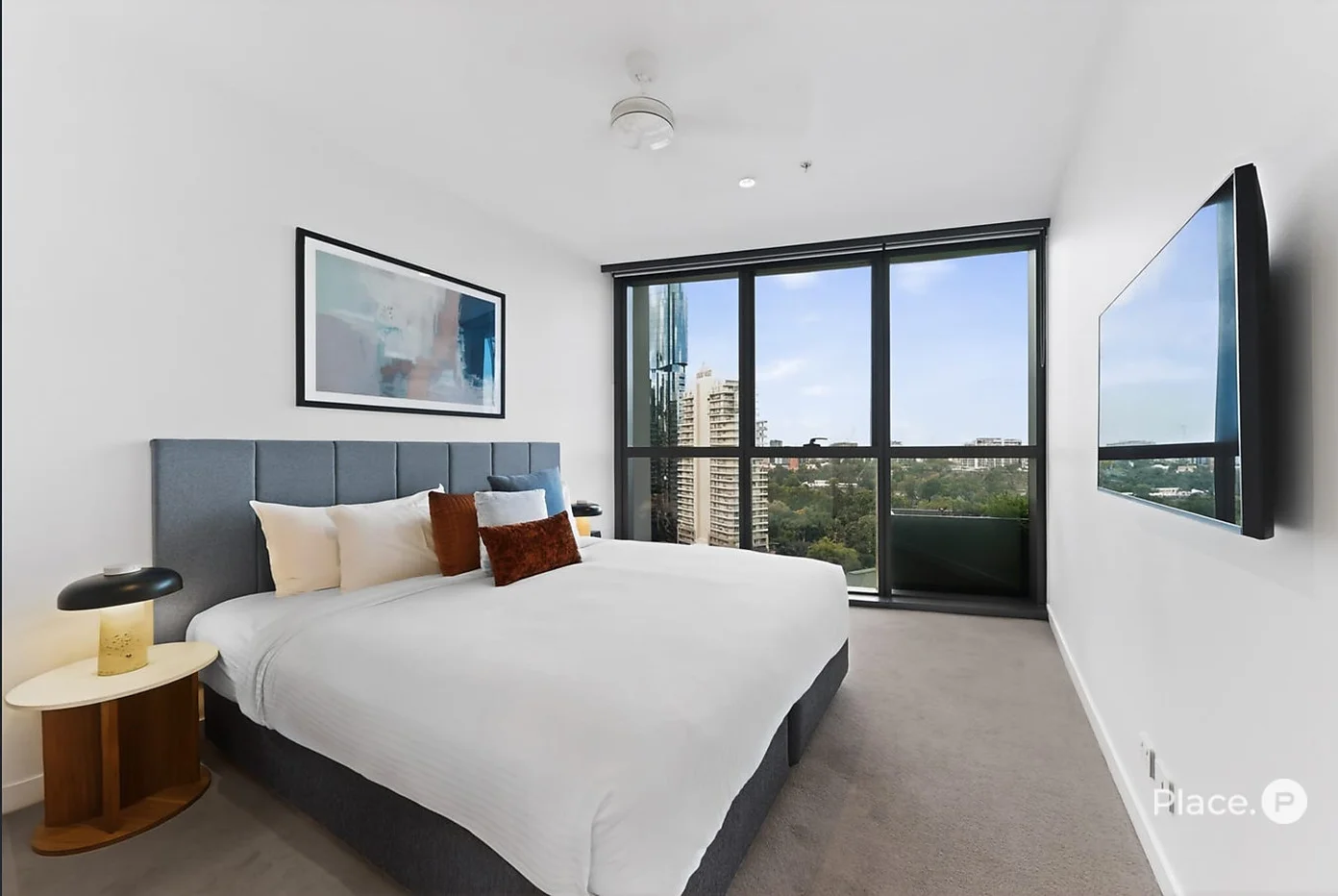 $770,000
Apartment / Unit / Flat
$770,000
Apartment / Unit / Flat
 $550,000
Apartment / Unit / Flat
$550,000
Apartment / Unit / Flat
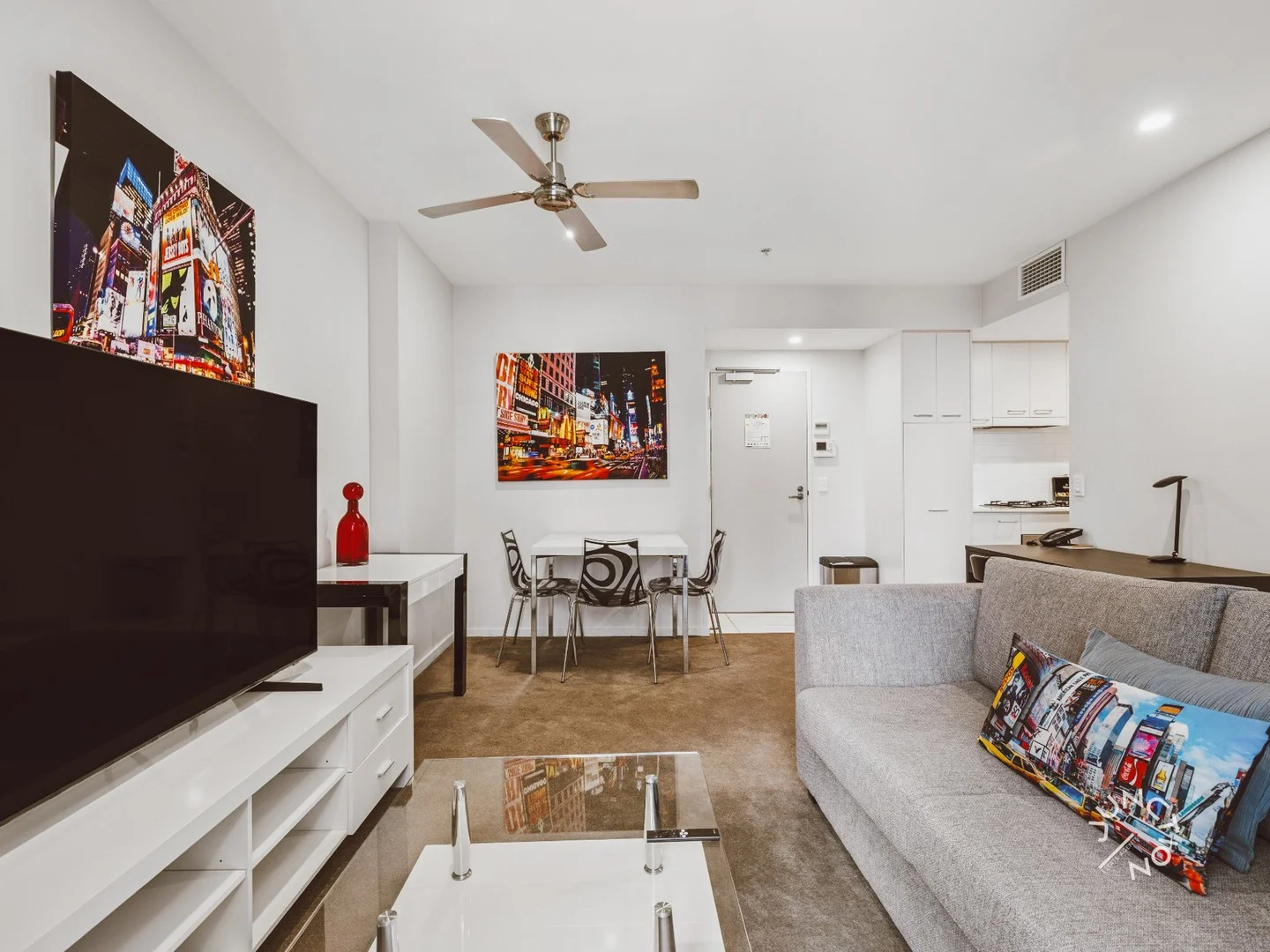 $523,200 - $566,800
Apartment / Unit / Flat
$523,200 - $566,800
Apartment / Unit / Flat
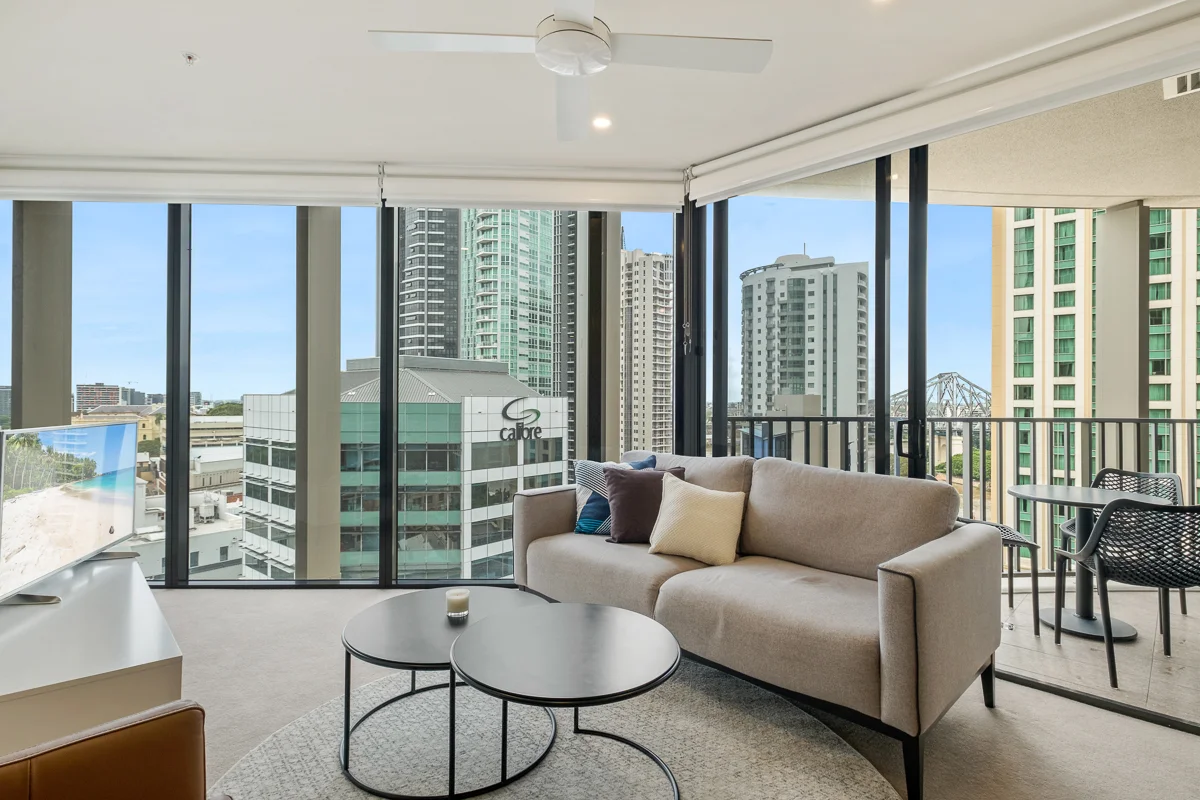 $950,000
Apartment / Unit / Flat
$950,000
Apartment / Unit / Flat