Overview
1. Overview
Caversham Valley Primary School is a public (government) primary school serving the local Caversham community in WA. The school focuses on creating a supportive, inclusive environment where students can develop both academically and personally, with opportunities to participate in a range of sports, arts and clubs.
- School type: Public
- School size: Medium
- Class size: Approximately 20–25 students per class
- Atmosphere/culture: Nurturing, inclusive, diverse, community-focused
⸻
2. Academics & Learning
Caversham Valley Primary School aims to deliver strong literacy and numeracy foundations while offering opportunities in STEM, digital literacy and leadership.
- Academic strengths: Literacy and numeracy foundations; STEM activities; digital technologies; student leadership opportunities (e.g., student council, school captain roles)
- Special programs: Enrichment and extension options where available; support pathways for students needing additional help; engagement with targeted learning initiatives as offered through WA Department of Education programs
- NAPLAN / trends: WA public primary schools typically show stable to improving trends in reading and numeracy over time; school-level trends should be checked with current school reporting for the latest directions
- Student-teacher ratios: Generally in the typical WA range for primary schools (roughly mid-teens to low-20s per teacher), with variations by year and program
- Support for diverse learners: EAL/D support, inclusive education for students with diverse learning needs, and targeted support for struggling learners or those requiring additional assistance
⸻
3. Sports & Extracurricular Strengths
A strong focus on well-rounded development, with options across sports, arts and clubs.
- Sports offered: Soccer, netball, basketball, AFL-inspired activities, cricket, athletics, swimming and in-school fitness programs
- Strong teams or achievements: Active participation in inter-school and district events; opportunities to contribute to school level teams and squads
- Music, arts, drama programs: School music program, choir or vocal activities, drama and performing arts opportunities
- Clubs: Robotics, coding, chess, debating and other STEM/academic clubs; broadening experiences beyond core academics
- Partnerships: Involvement in local school competitions and partnerships with community clubs or programs for additional opportunities
⸻
4. Wellbeing & Pastoral Care
Wellbeing is a key focus, with structures to support students’ social and emotional health.
- Anti-bullying approach: Whole-school anti-bullying policy and proactive wellbeing programs; emphasis on respectful relationships and positive behaviour
- House system: House-based activities to foster belonging, teamwork and healthy competition
- Counsellors / wellbeing officers: Access to school counsellors or wellbeing staff as part of pastoral care
- Transition support for new students: Buddy programs, orientation learning sessions and targeted support to help new students settle in
⸻
5. Facilities
Facilities are designed to support a diverse program of learning and activities.
- Sports grounds
- Libraries
- Science labs
- Music/performing arts centers
- Tech/innovation labs
- Cafeteria
- Updated playgrounds
⸻
6. School Values & Community Culture
A values-driven environment that supports student growth and positive community engagement.
- School values / mission: Respect, Responsibility, Kindness and resilience; a focus on integrity and care for others
- Leadership style: Student voice through councils and leadership opportunities; collaborative decision-making where appropriate
- Behaviour expectations: Positive behaviour framework with consistent expectations across year levels
- Community reputation: Generally viewed as a welcoming and supportive school by local families
- Diversity & inclusion: Commitment to inclusive education and celebrating diverse backgrounds
⸻
7. School Logistics & Daily Operations
Practical information to help families plan around school life.
- School hours: Typical day runs 8:45 am to around 3:15 pm (hours can vary by year level)
- Before/after school care: OSHC or similar programs commonly available
- Uniform requirements: School uniform required; sports uniform on PE/sport days
- Transport (train/bus routes): Local bus routes and school-operated drop-off/pick-up arrangements; walking or cycling options encouraged where feasible
- Canteen availability: Canteen or lunch facilities available on specific days
- Fees (low/medium/high ranges): Public primary schools do not charge tuition; minimal costs may apply for camps, excursions, and some activities
⸻
8. Enrolment & Admissions
11. What is the enrolment process and timeline?
12. Is there a waiting list, and how does it work?
13. Are there any entry requirements, tests, or interviews?
14. Does the school accept mid-year transfers?
Enrolment is managed in line with Western Australia Department of Education guidelines. Families typically submit an enrolment application through the department’s process, provide required documentation, and wait for a placement decision based on zone rules and availability. If the school is oversubscribed, a waiting list may operate with allocations following the department’s policy (often prioritising resident students and space availability). Entry requirements are typically straightforward, with demonstrations of readiness and documentation rather than entrance tests; interviews or information sessions may occur for specific programs or for students with particular needs. Mid-year transfers are possible if spaces exist, subject to the department and school processes.
⸻
9. Frequently Asked Questions
- Why Parents Choose This School?
- A strong sense of community, supportive staff, balanced academics with opportunities in sport, arts and clubs, and a focus on wellbeing.
- What type of student thrives at this school?
- Students who are engaged, collaborative, curious and who enjoy a well-rounded program that includes academics, sport and arts.
- What opportunities are available for students to extend their skills (academics, sports, arts)?
- Enrichment and extension options where available, student leadership roles, competitive sports, music and drama programs, robotics/coding clubs and debating.
- How does the school communicate with parents?
- Regular newsletters, phone calls or emails, parent portals or apps, and scheduled parent-teacher interviews.
- What is the school’s approach to teaching and learning?
- Student-centered, inquiry-based learning with a focus on literacy and numeracy; integration of digital technologies and hands-on activities where possible.
- How does the school support students who need extra academic help?
- Targeted literacy and numeracy support, EAL/D and SEN programs, small-group instruction and referrals to specialist services as needed.
- What support is available for academic challenges?
- Structured in-class supports, targeted intervention, and access to wellbeing and learning support staff to identify and address barriers to learning.
- What transport and accessibility options are available?
- Local bus services, walking/biking options, and safe drop-off/pick-up arrangements; accessibility considerations addressed as needed.
- What are the typical school fees or additional costs?
- No tuition for public schooling; occasional costs for camps, excursions, uniforms, and extracurricular activities, which are generally moderate.
- How does the school leverage technology and digital learning?
- Integration of digital tools into learning, iPad/computer use where appropriate, and online communication and planning platforms.
- What facilities does the school offer (sports, science, arts)?
- Modern libraries, science labs, music facilities, performing arts spaces, and dedicated spaces for technology and innovation.
- Are there any partnerships or collaborations with local clubs or organisations?
- Possible alliances with community clubs or regional programs to broaden sports, coding, robotics, and arts opportunities.
- What is the approach to safety and student wellbeing?
- Clear anti-bullying policies, student support services, safeguarding practices, and a proactive approach to building a supportive school climate.
- How are transitions to higher year levels or to new schools managed?
- Structured transition activities, information sharing, and ongoing support to ensure continuity in learning and wellbeing.
⸻
10. Short Pros & Cons list
Pros
- Public school with a community-focused, inclusive culture
- Balanced program across academics, sports and arts
- Strong wellbeing supports and student voice opportunities
- Reasonable class sizes and accessible support for diverse learners
- Good facilities for science, music, ICT and physical activities
Cons
- As a medium-sized public school, some specialized programs may have limited capacity or wait times
- Transport options depend on local routes; some families may rely on car drop-offs
- Uniform and activity costs can add up, though tuition is not charged
- Specific enrichment or advanced programs may vary year to year based on staffing and funding
⸻











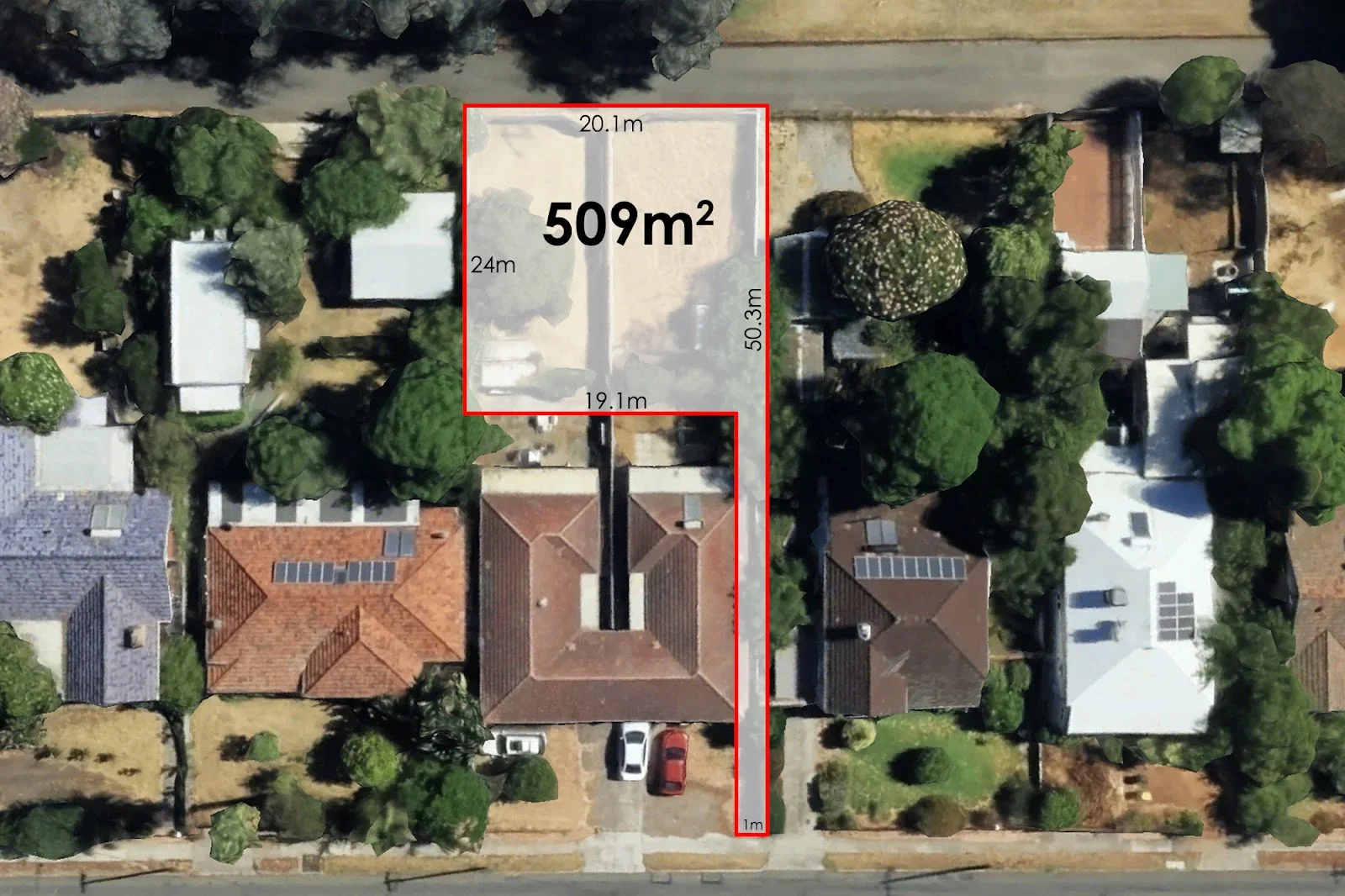 $480,000
Vacant Land
$480,000
Vacant Land
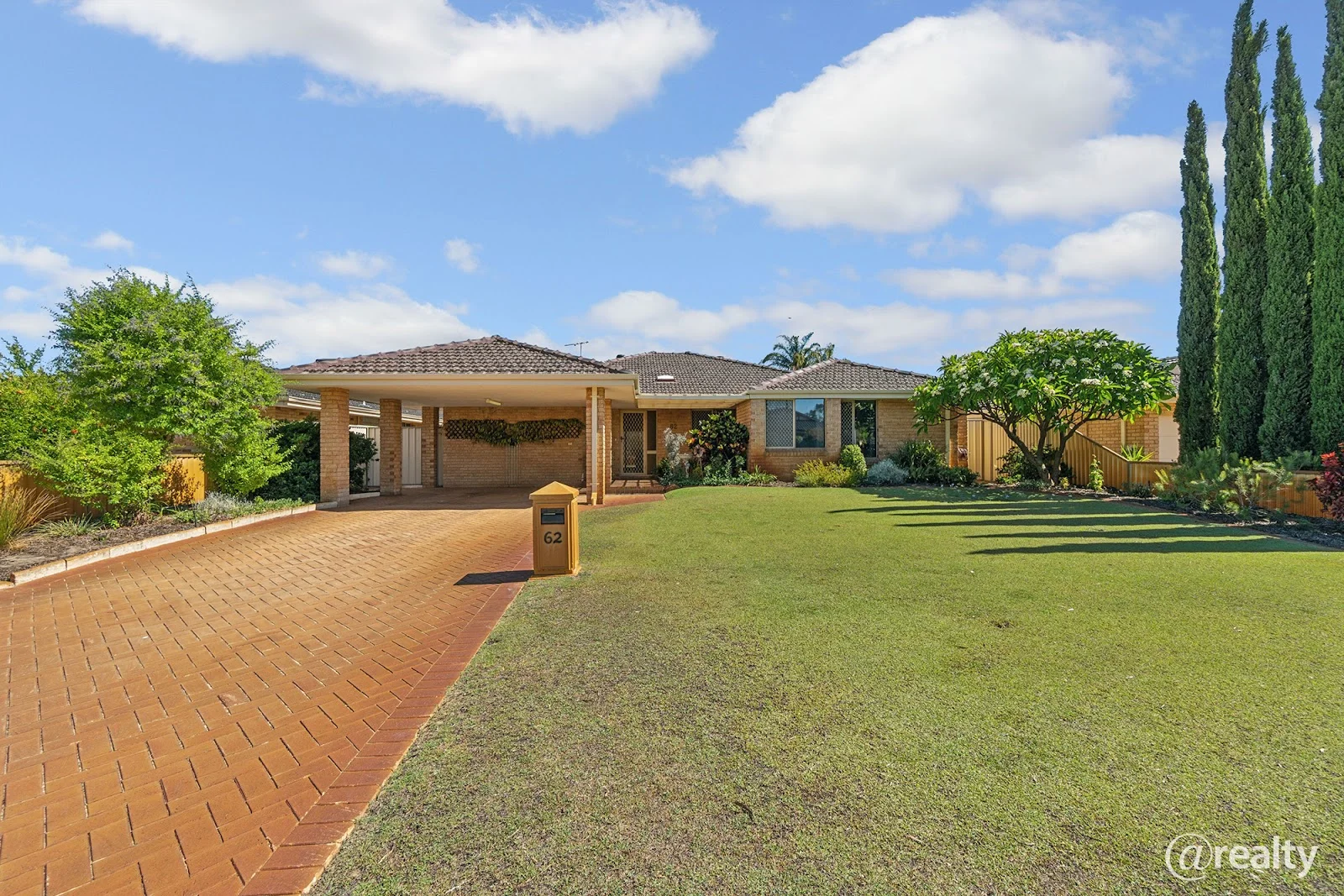 $1,099,000 - $1,153,950
House
$1,099,000 - $1,153,950
House
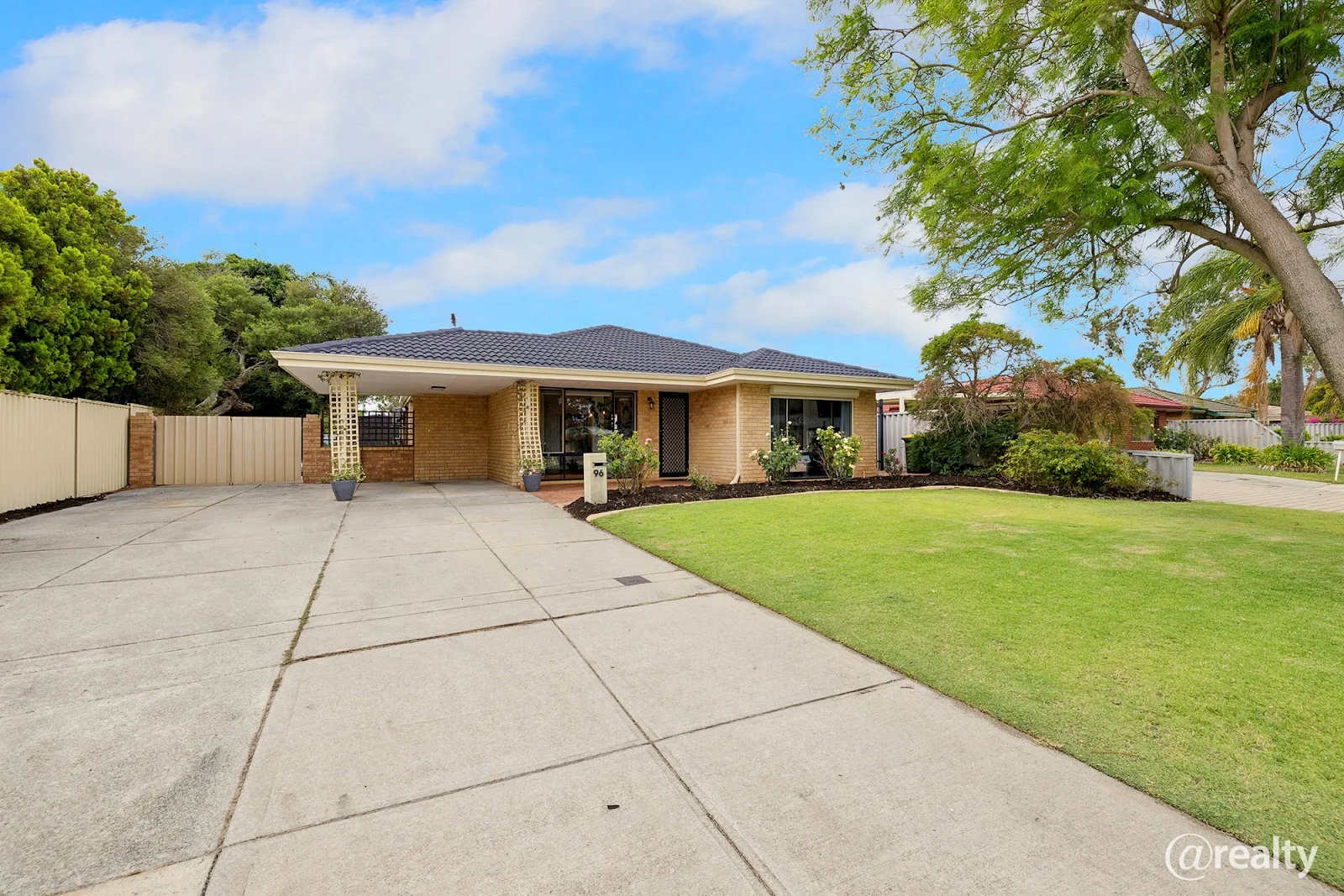 $899,000 - $943,950
House
$899,000 - $943,950
House
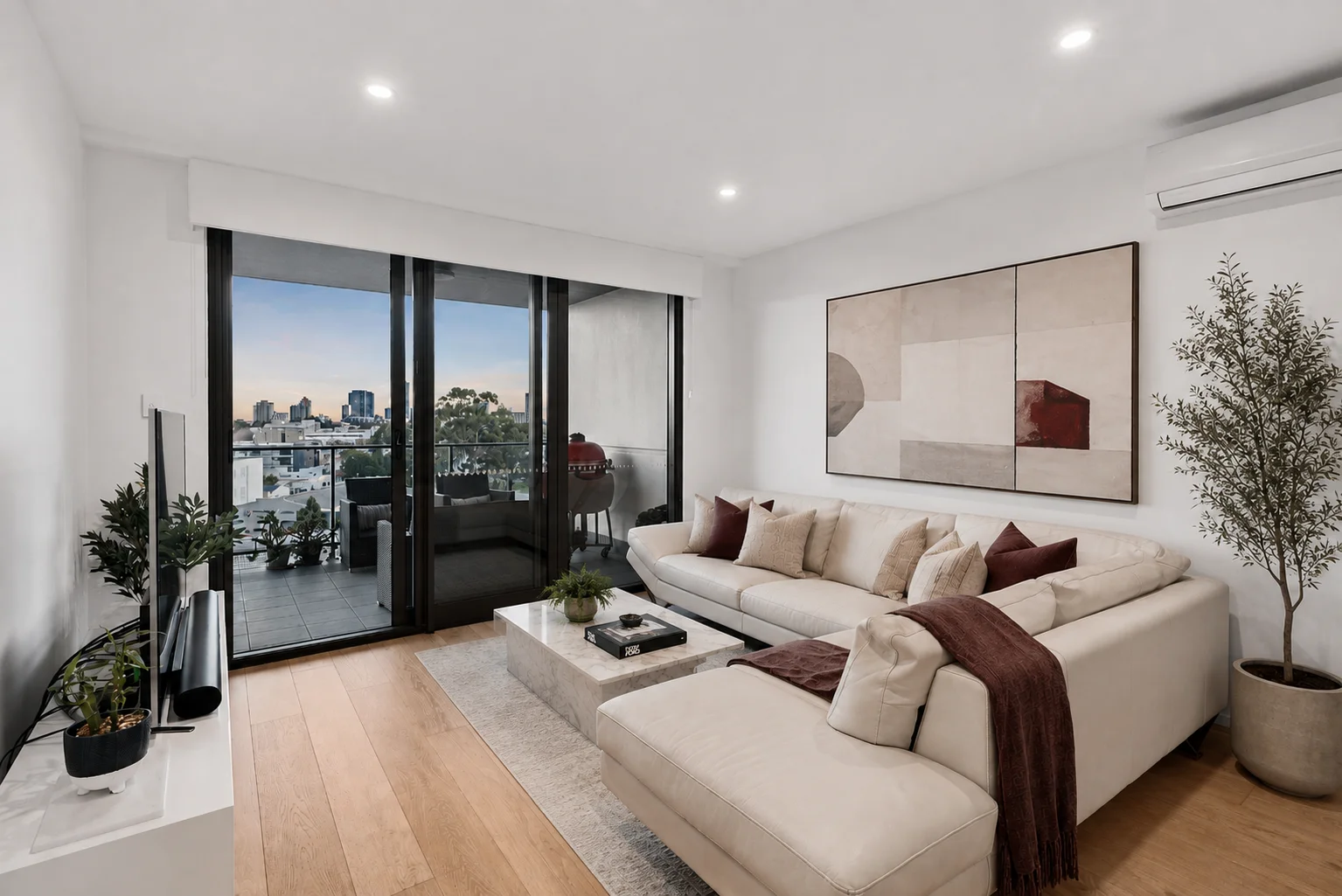 $700,000
Apartment / Unit / Flat
$700,000
Apartment / Unit / Flat
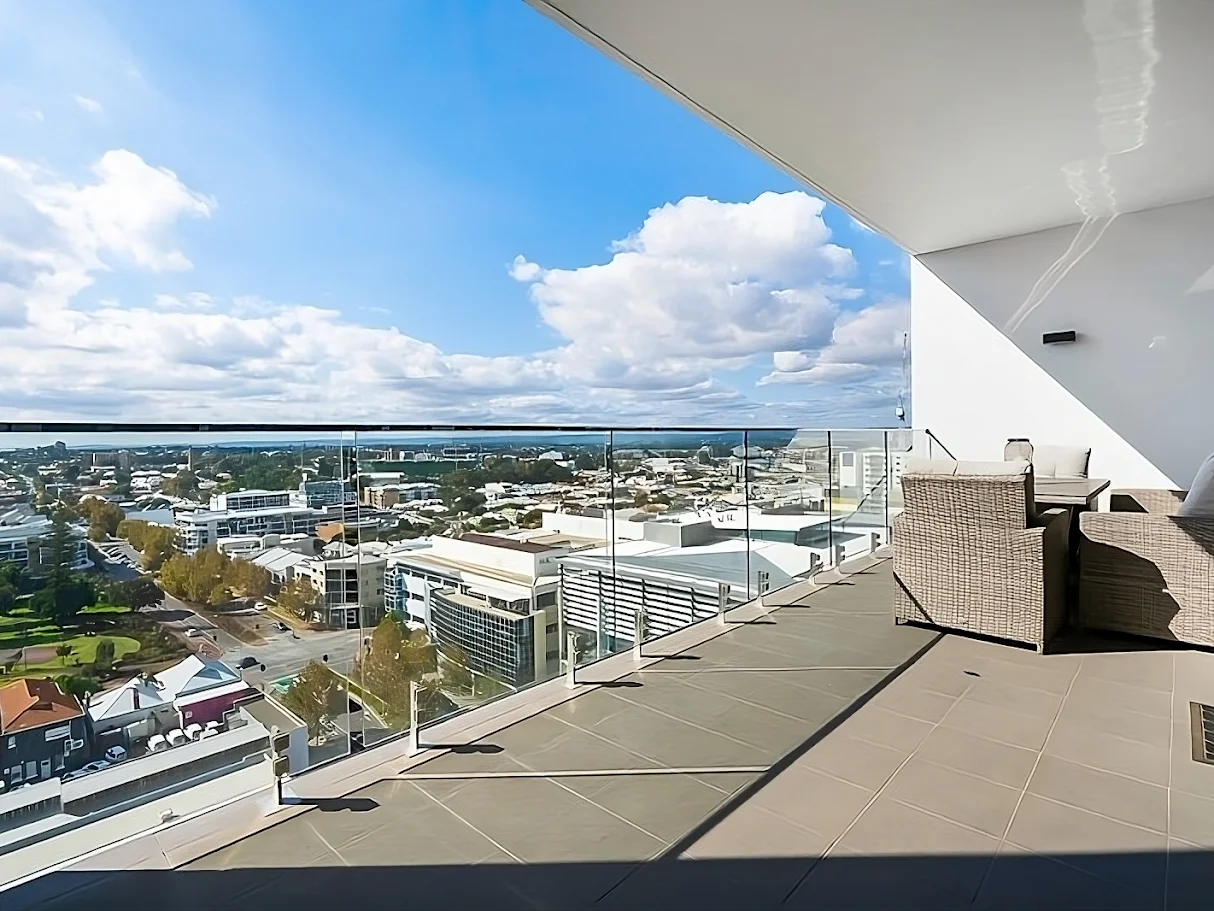 $580,000
Apartment / Unit / Flat
$580,000
Apartment / Unit / Flat
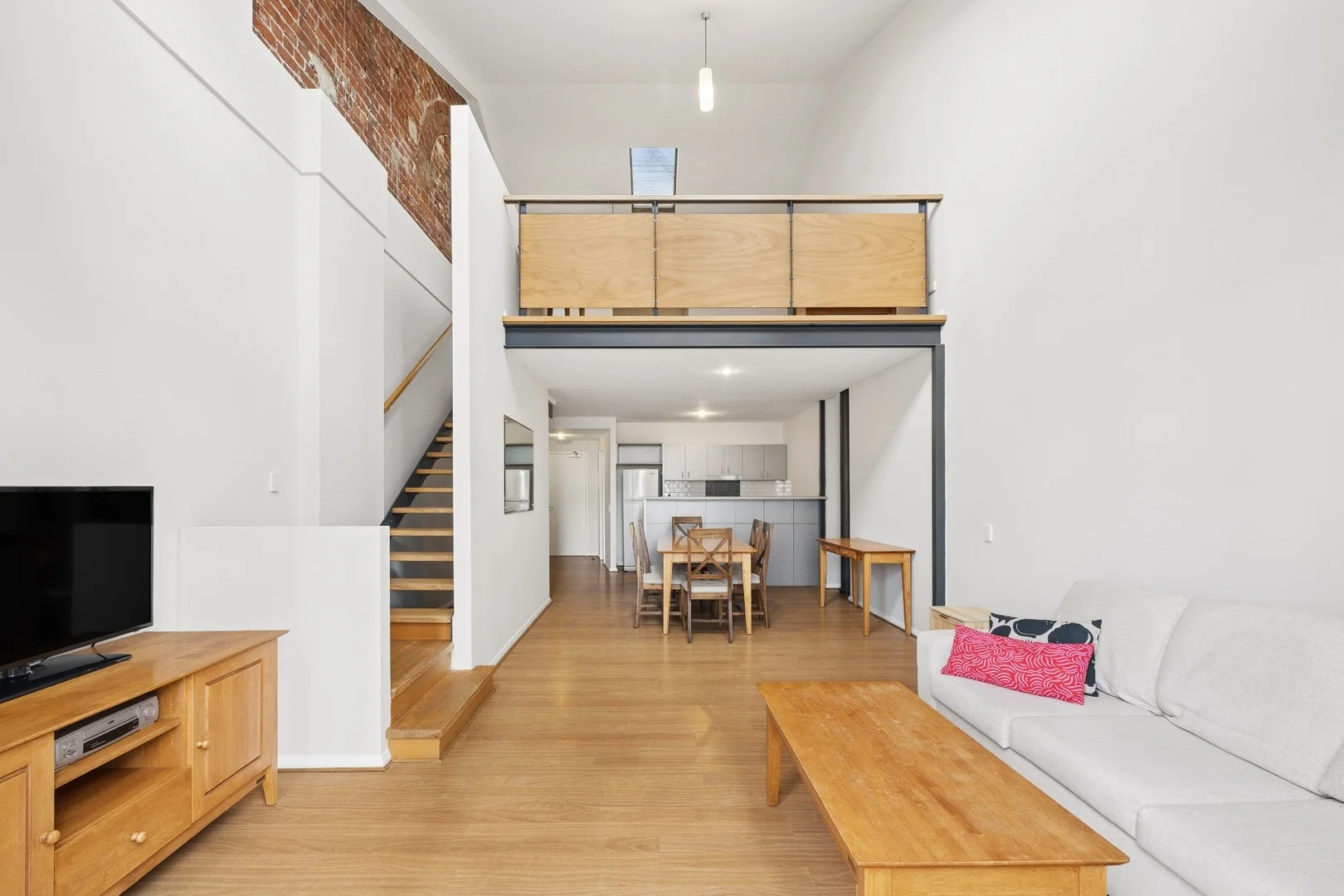 $549,000
Apartment / Unit / Flat
$549,000
Apartment / Unit / Flat