# Overview
Stirling Senior High School is a public Australian high school located in Woodbridge, WA. The school emphasizes an inclusive, supportive culture that balances strong academic programs with opportunities for student growth outside the classroom. It aims to cater to a diverse student population and to prepare young people for success in further study, apprenticeships, or the workforce.
- School type: Public
- School size: Medium to large (serving a broad student cohort)
- Class size: Typically mid-20s (in line with WA public-school averages)
- Atmosphere/culture: Inclusive, academically focused, and community-minded
# Academics & Learning
Stirling Senior High School focuses on robust academic pathways while supporting students to develop broader skills.
- Academic strengths: English, Mathematics, Science (STEM), Humanities, and language offerings; opportunities for leadership and project-based learning.
- Special programs: ATAR/General pathways, Gifted and Talented programs where available, and VET-related courses to support career readiness.
- NAPLAN trends: Over recent years, schools in the region have shown steady improvement in NAPLAN performance bands, with targeted literacy and numeracy support helping to lift outcomes.
- Student-teacher ratios: Generally around 1:20 to 1:25, with smaller groups in targeted courses or supports.
- Support for diverse learners: English as an Additional Language (EAL) support, inclusive education pathways, and tailored support for students with additional learning needs (SEN).
# Sports & Extracurricular Strengths
A strong focus on sports, arts, and wide-ranging clubs helps students explore talents beyond the classroom.
- Sports offered: Football (soccer), basketball, netball, cricket, athletics, tennis, and swimming are commonly available; programs are designed to suit varying levels of ability.
- Strong teams or achievements: Regular participation in interschool competitions with opportunities to advance to regional events; emphasis on teamwork and fair play.
- Music, arts, drama: Comprehensive music programs (ensembles, bands), drama productions, and involvement in school performances.
- Clubs: Robotics, chess, coding, debating, and other interest-based clubs to develop practical and strategic thinking.
- Partnerships: Opportunities to engage with local community and external competitions or academies for enrichment and real-world practice.
# Wellbeing & Pastoral Care
Wellbeing is a core focus, with supports designed to help students feel safe, supported, and connected.
- Anti-bullying approach: Clear policies, proactive student wellbeing programs, and inclusive practices to foster a respectful school climate.
- House system: A house-based pastoral framework to build belonging and healthy competition, with ongoing mentorship and support.
- Counsellors / wellbeing officers: Access to school counsellors and wellbeing staff to support academic and personal development.
- Transition support for new students: Orientation activities, buddy programs, and tailored induction to help new students settle in.
# Facilities
Visual, functional spaces that support learning, creativity, and wellbeing.
- Sports grounds: On-site facilities for multiple sports and outdoor activities.
- Libraries: Well-stocked libraries with study spaces and digital resources.
- Science labs: Modern laboratories for chemistry, biology, physics, and related courses.
- Music/performing arts centers: Dedicated spaces for rehearsals, performances, and productions.
- Tech/innovation labs: Computer labs and maker spaces to support coding, robotics, and technology projects.
- Cafeteria: On-site canteen offering healthy meal and snack options.
- Updated playgrounds: Safe outdoor spaces for recreation and socializing.
# School Values & Community Culture
Aims to cultivate responsible, respectful, and engaged young people with a strong sense of community.
- School values / mission: Respect, Responsibility, Integrity, Excellence (typical values for WA public schools).
- Leadership style: Collaborative and student-inclusive, with formal and informal leadership opportunities.
- Behaviour expectations: Clear codes of conduct emphasizing safety, respect, and personal accountability.
- Community reputation: generally viewed as a welcoming, family-friendly school with active parent and community involvement.
- Diversity & inclusion: Commitment to inclusive practices and celebrating a diverse student body.
# School Logistics & Daily Operations
Key routines and practical details for families.
- School hours: Typically around a standard school day (start mid-morning to mid-afternoon), with variations by year level and activity schedules.
- Before/after school care: Often available through on-site or partner providers; check current arrangements.
- Uniform requirements: School uniform policy with specified attire and guidance on purchases.
- Transport: Accessible via local bus routes and public transport options; proximity to train or bus services may vary—plan based on your suburb.
- Canteen availability: On-site canteen or snack facilities offering healthy options.
- Fees: Public schools generally have low to moderate compulsory fees with additional costs for certain activities, camps, or materials.
# Enrolment & Admissions
11. What is the enrolment process and timeline?
- Families submit an application through the WA public-school enrolment process, typically including proof of identity, proof of residence, and immunisation details. Timelines vary depending on year level and catchment; it’s best to start the process well before the intended start date.
12. Is there a waiting list, and how does it work?
- Waitlists may apply if in-catchment demand exceeds places. Priority often goes to in-catchment families, siblings, and specific program spots; timing and length of wait can vary by year and program availability.
13. Are there any entry requirements, tests, or interviews?
- Most public high schools in WA do not require entrance tests for general enrolment. Some programs (e.g., selective or gifted pathways) may have additional eligibility considerations or assessments; check the school’s current offerings for specifics.
14. Does the school accept mid-year transfers?
- Mid-year transfers are possible subject to space and completion of necessary documentation; contact the school early to discuss availability and required steps.
# Frequently Ask Questions
- Why Parents Choose This School?
The school provides a balanced approach to academics, wellbeing, and opportunities outside the classroom, with a supportive community and clear pathways for students.
- What type of student thrives at this school?
Students who are motivated to engage across academics, sport, arts, and clubs, and who value a collaborative, inclusive learning environment.
- What opportunities are available for students to extend their skills (academics, sports, arts)?
Pathways for ATAR/general study, VET options, leadership roles, competitions, music and drama productions, sports teams, and various clubs.
- How does the school communicate with parents?
Regular newsletters, parent portals, progress reports, and face-to-face or virtual meetings as needed.
- What is the school’s approach to teaching and learning?
A mix of teacher-led instruction, project-based and inquiry-based learning, with targeted literacy and numeracy support where needed.
- How does the school support students who need extra academic help?
In-class differentiation, tutoring or pull-out support, EAL assistance, and access to wellbeing and SEN resources.
- What support is available for academic challenges?
Access to tutors, study skills workshops, and structured support plans within a supportive pastoral framework.
- How does the school communicate with parents?
See above (portals, notices, newsletters, calls and meetings as needed).
- What are the class sizes and how much individual attention do students receive?
Class sizes average in the mid-20s, with smaller groups in some courses and targeted support available for students who need it.
- What extracurricular and sports opportunities are available?
A broad range of sports, music, drama, robotics, chess, coding, debating, and other clubs relevant to student interests and talents.
- What facilities does the school offer (sports, science, arts)?
Modern science labs, libraries, performing arts spaces, tech/innovation labs, sports grounds, and a canteen.
- What is the school’s approach to technology and digital learning?
Emphasis on digital literacy, computer labs, and integrating technology into learning across subjects.
- What transport and accessibility options are available?
Public transport access and walking/cycling options; specifics depend on location and routes served by local services.
- What are the typical school fees or additional costs?
Public schools have baseline costs; additional charges may apply for materials, excursions, or activities. Details are provided by the school at enrolment.
# Short Pros & Cons list
- Pros
- Public, supportive learning environment with inclusive culture
- Broad academic and vocational pathways
- Range of sports, arts, and clubs
- Focus on wellbeing and positive behavior
- Modern facilities and resources
- Cons
- Class sizes can be larger in busy year groups
- Some programs or options may have limited availability depending on demand
- Transport and commute considerations vary by suburb
- Annual costs for activities or materials beyond core fees may apply
![Youth Zone: Street Dance Workshop [Ages 12 -17]](https://image.aroundschools.com.au/[object Object]) Free
Free










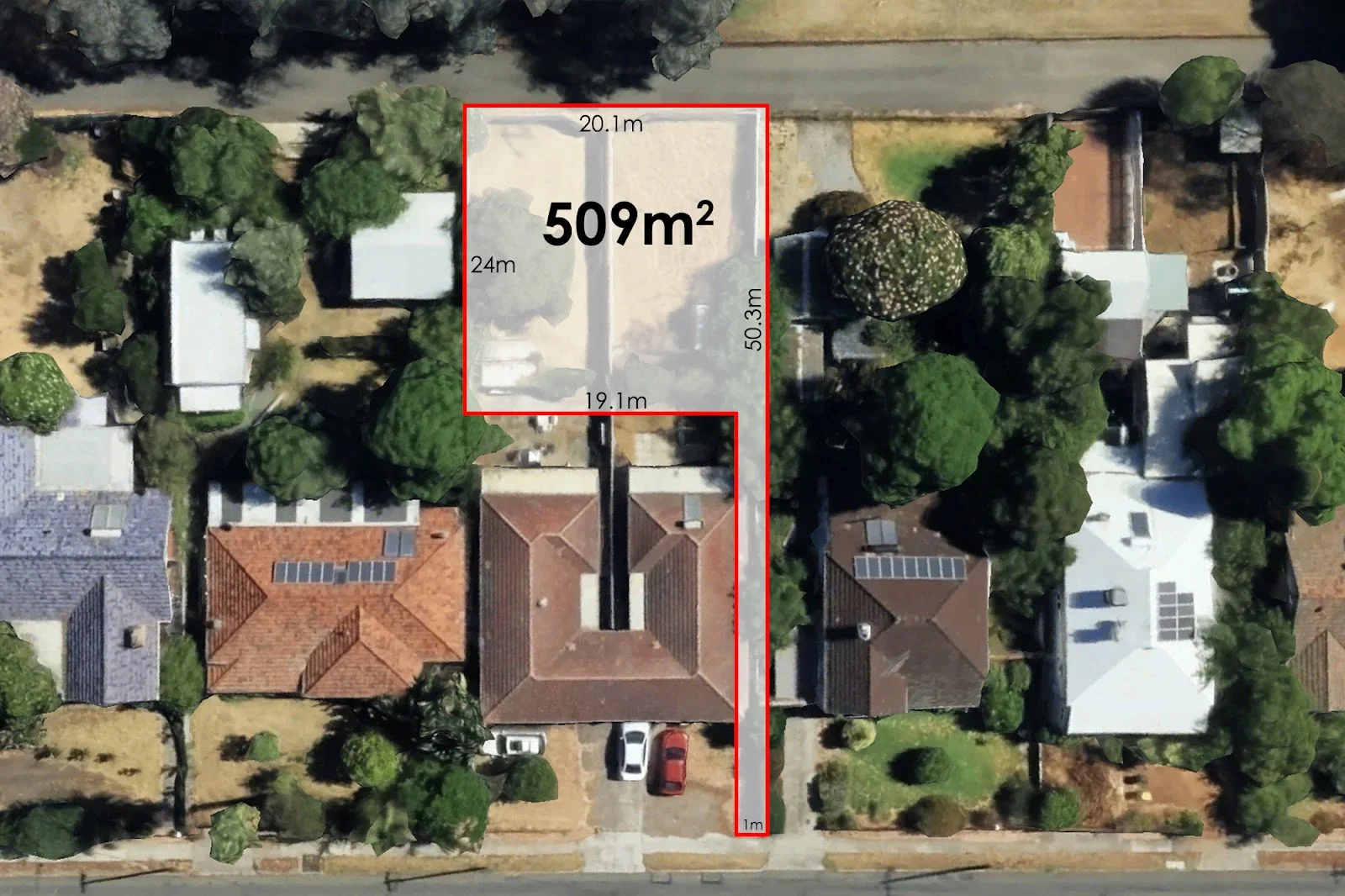 $480,000
Vacant Land
$480,000
Vacant Land
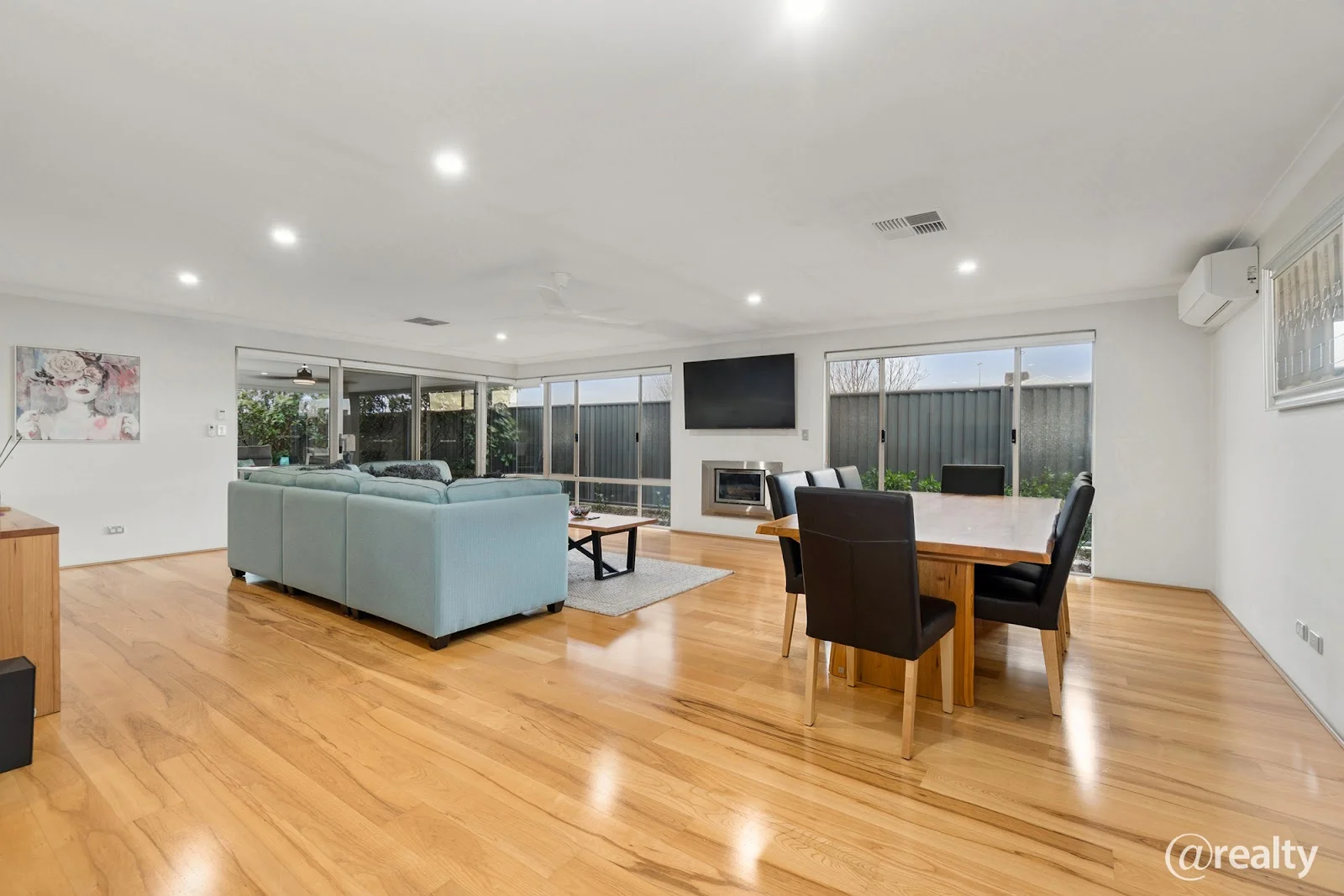 $1,030,000
House
$1,030,000
House
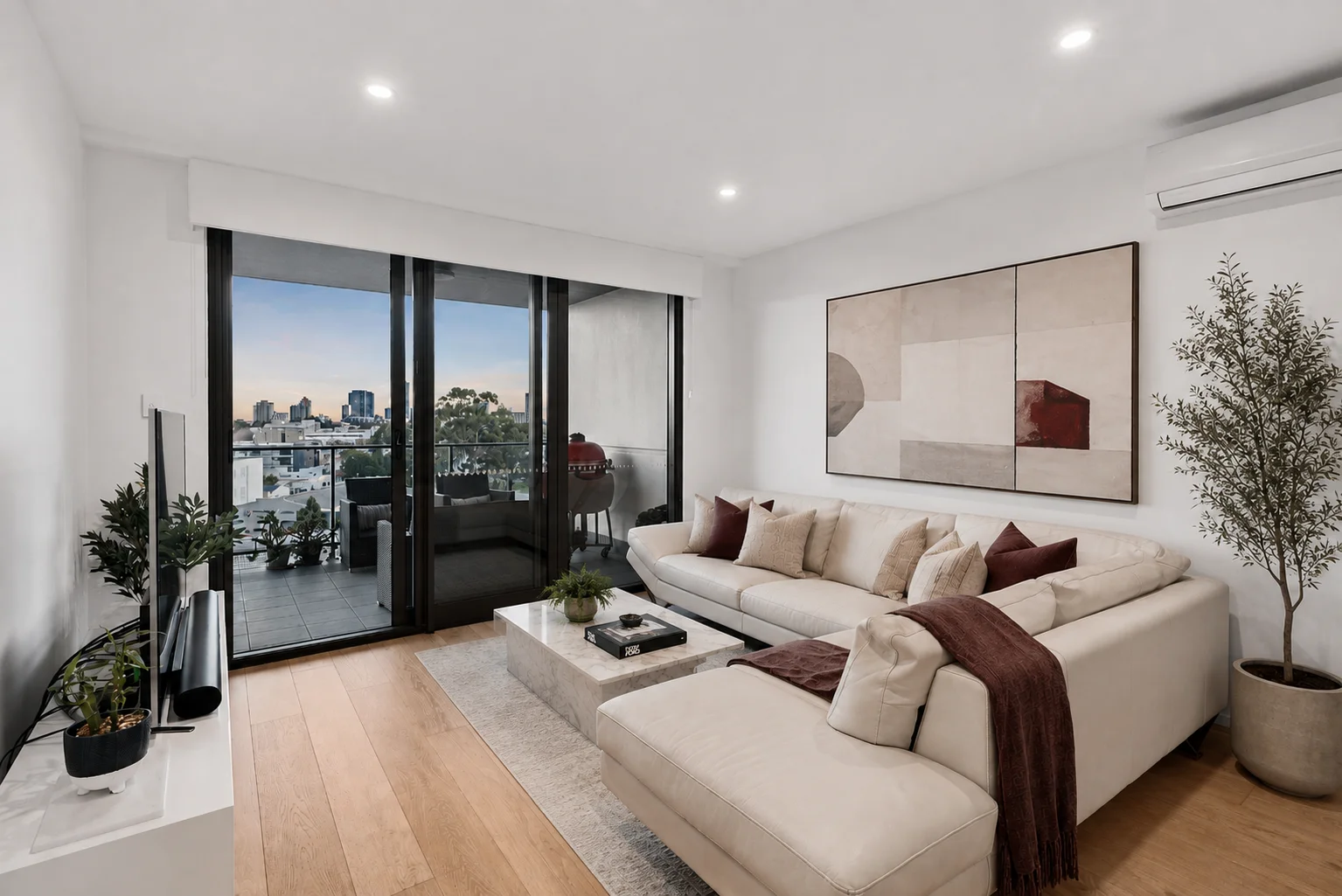 $700,000
Apartment / Unit / Flat
$700,000
Apartment / Unit / Flat
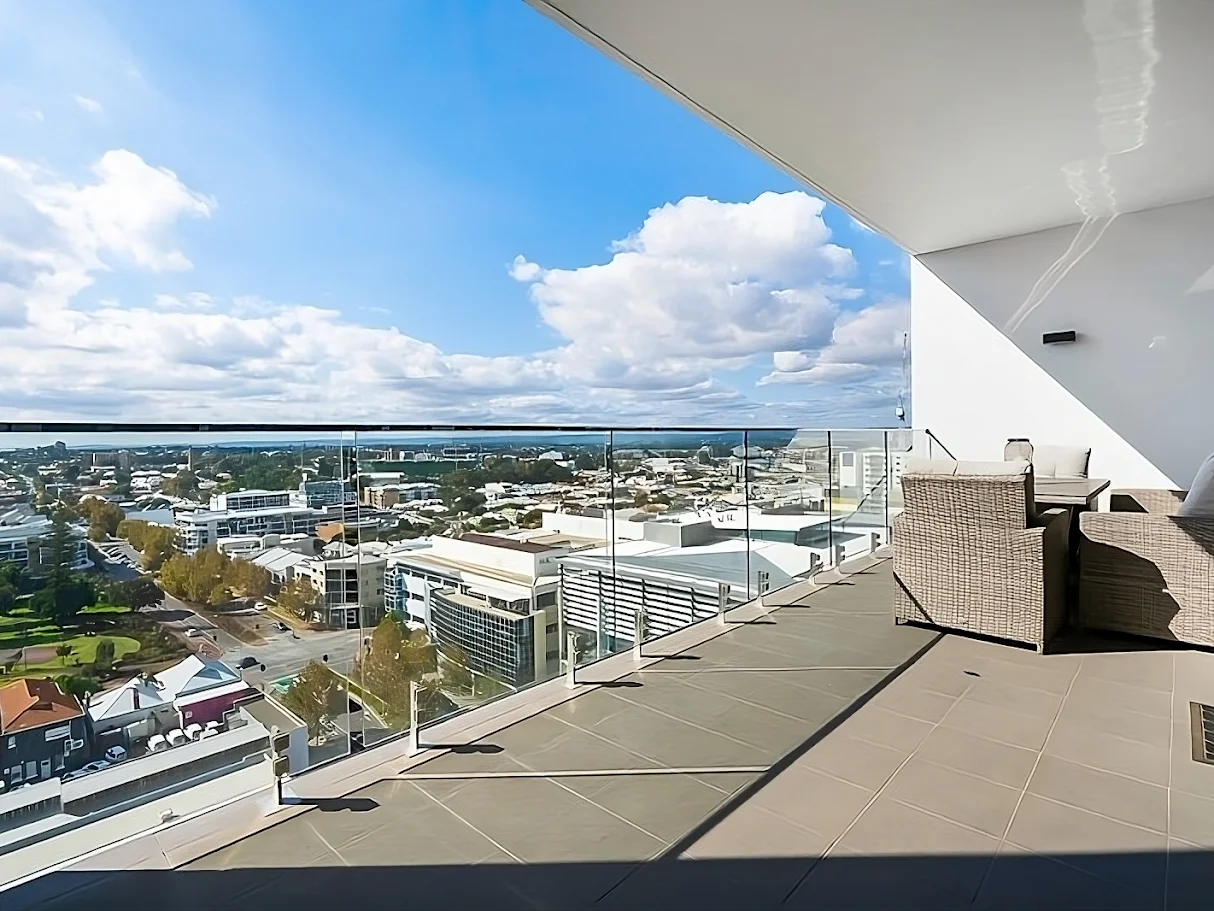 $580,000
Apartment / Unit / Flat
$580,000
Apartment / Unit / Flat
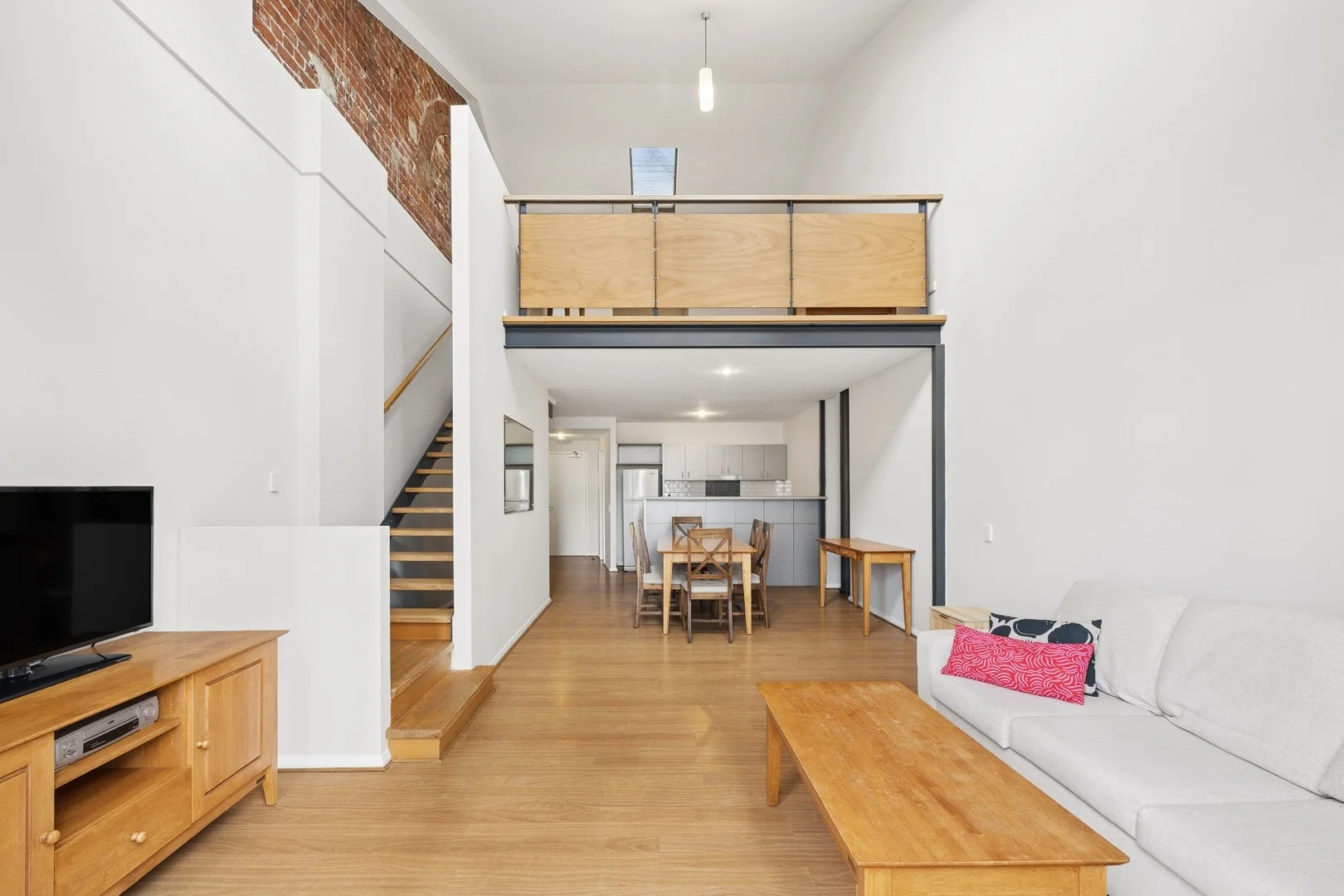 $549,000
Apartment / Unit / Flat
$549,000
Apartment / Unit / Flat