Central Yorke School
Maitland, SA 5573
School Type
Government
Gender
Coeducational
Tuition Fees
N/A
Levels
PrimarySecondary
Overview
## 1. Overview
Central Yorke School Maitland is a public, co-educational school serving the Maitland community in South Australia. The school is typically characterised as a small to medium campus with a supportive, community-minded atmosphere that emphasises inclusive education and student wellbeing. Class sizes generally sit in the low-to-mid 20s, providing a more personal learning environment where teachers can foster individual growth while maintaining strong classroom engagement.
The school prioritises a nurturing culture that values participation, resilience and practical learning. It aims to equip students with core academic foundations alongside opportunities to contribute to school life and the broader community.
---
## 2. Academics & Learning
- Academic strengths: Emphasis on strong literacy and numeracy foundations with opportunities to engage in STEM-related activities and practical problem-solving. The school supports students to develop digital literacy and numerical reasoning alongside core subject knowledge.
- Special programs: Availability of programs that support accelerated learning, leadership development and gifted/talented pathways where appropriate. Local offerings may vary by year and cohort.
- NAPLAN trends: Public data sources typically show stable or improving trends over time in reading and numeracy for SA rural schools; exact year-by-year trends should be checked via the Department’s published data for the latest snapshot.
- Student-teacher ratios: Generally in the range of 1:12 to 1:20, depending on year level and staffing. The aim is to maintain accessible teaching and meaningful student-teacher interaction.
- Support for diverse learners: Includes EAL support, SEN provisions and learning support services tailored to individual needs. An inclusive approach seeks to provide interventions and accommodations to help all students participate fully.
---
## 3. Sports & Extracurricular Strengths
- Sports offered: A broad mix of team and individual sports typical of regional schools (examples include football, netball, basketball, soccer, cricket and athletics). Participating in inter-school events is common.
- Strong teams or achievements: School participation in district and inter-school competitions with achievements varying by year and cohort.
- Music, arts, drama programs: Opportunities for involvement in music, drama and performing arts, including ensembles or school productions.
- Clubs: Robotics, coding, chess, debating and other clubs commonly available to extend learning beyond the classroom.
- Partnerships: Involvement with local clubs, community organisations and regional competitions to broaden participation and competition opportunities.
---
## 4. Wellbeing & Pastoral Care
- Anti-bullying approach: Clear anti-bullying policies, reporting channels and preventative programs to promote a safe and respectful school culture.
- House system: A house or pastoral grouping helps build belonging, teamwork and leadership opportunities.
- Counsellors / wellbeing officers: Access to school-based wellbeing staff and counselling to support mental health, safety and resilience.
- Transition support for new students: Orientation activities, buddy programs and targeted supports help new students adjust to the school environment.
---
## 5. Facilities
- Sports grounds: Outdoor play and sports fields suitable for a range of activities.
- Libraries: On-site libraries supporting reading, research and quiet study.
- Science labs: Dedicated spaces for practical experiments and STEM learning.
- Music/performing arts centers: Facilities that support music, drama and performance.
- Tech/innovation labs: Rooms or zones dedicated to technology, coding and hands-on projects.
- Cafeteria: On-site dining options or lunch facilities.
- Updated playgrounds: Modern, safe play spaces for breaks and recreation.
---
## 6. School Values & Community Culture
- School values / mission: Focus on respect, responsibility, resilience, inclusion and community-minded learning.
- Leadership style: Generally collaborative and student-centred, with opportunities for student voice and leadership roles through councils or committees.
- Behaviour expectations: Clear codes of conduct built on respect for self, others and the school community.
- Community reputation: Strong local partnerships and active community involvement; supportive parent networks often contribute to school life.
- Diversity & inclusion: Commitment to an inclusive environment that recognises and supports students from diverse backgrounds.
---
## 7. School Logistics & Daily Operations
- School hours: Typically a morning start and afternoon finish aligned with SA public school timetables; exact times may vary by year level and term.
- Before/after school care: Availability varies; some arrangements may exist through the school or community providers.
- Uniform requirements: School uniform expected; details provided by the school and/or the Department of Education.
- Transport (bus routes): Local bus services and transport options available; families should confirm current routes and timetables through the school or transport authorities.
- Canteen availability: Canteen services are common on school days; check with the school for current offerings.
- Fees: Public schools in SA do not charge tuition fees, but there are typical costs for book packs, stationery, uniforms, incursions/excursions and optional activities. Details are provided by the school.
---
## 8. Enrolment & Admissions
11. What is the enrolment process and timeline?
- Enrolment is typically completed through the school or Department for Education processes. Parents/guardians submit the required documentation, with timelines guided by the school and local intake policies. If a decision timeline is needed, the school can provide anticipated notification dates after submission.
12. Is there a waiting list, and how does it work?
- If the school is oversubscribed, a waiting list may operate. Priorities generally consider in-zone eligibility, sibling attendance, and space availability. The school can provide the current process and expected wait times.
13. Are there any entry requirements, tests, or interviews?
- Most SA public schools do not require entrance tests; interviews are uncommon for standard enrolments. Documentation such as proof of residency, immunisation records (as required by the Department) and care arrangements may be requested.
14. Does the school accept mid-year transfers?
- Mid-year transfers are usually possible subject to space and appropriate documentation. Early communication with the school is advised to secure a place.
---
## 9. Frequently Asked Questions
- Why Parents Choose This School?
- A welcoming, close-knit community with a focus on inclusive education, strong literacy and numeracy foundations, and opportunities to participate in sports, arts and leadership.
- What type of student thrives at this school?
- Students who value a supportive learning environment, hands-on learning, and active participation in school life, including clubs, sports and creative activities.
- What opportunities are available for students to extend their skills (academics, sports, arts)?
- A range of academic supports, STEM activities, leadership opportunities, sports teams, music and drama programs, and clubs such as robotics, coding, chess and debating.
- How does the school communicate with parents?
- Through newsletters, phone calls, parent-teacher interviews, a student information portal and occasional social media or notices. Specific channels are shared by the school at enrolment.
- What is the school’s approach to teaching and learning?
- Student-centred, with emphasis on core literacy and numeracy, practical problem solving, and inclusive teaching that supports diverse learner needs.
- How does the school support students who need extra academic help?
- In-class differentiation, targeted interventions, learning support staff, and access to specialist services as required.
- What support is available for academic challenges?
- Individual or small-group support programs, homework help, and opportunities for additional practice and tutoring where available.
- How does the school communicate with parents?
- See above; multiple channels used to ensure timely and clear information.
- What are the class sizes and how much individual attention do students receive?
- Class sizes typically sit in the low-to-mid 20s, with teachers providing differentiated instruction and opportunities for individual feedback within the class.
- What extracurricular and sports opportunities are available?
- A range of sports (team and individual), as well as clubs and arts programs; opportunities to participate in regional events and inter-school competitions.
- What facilities does the school offer (sports, science, arts)?
- Sports grounds, libraries, science labs, music/performing arts facilities, tech/innovation spaces, canteen and updated play areas.
- What is the school’s approach to technology and digital learning?
- Emphasis on digital literacy and integrated technology for learning; use of devices and online resources as part of classroom activities where appropriate.
- What transport and accessibility options are available?
- Local bus routes and public transport options; accessibility features and supports are available as per school arrangements and local services.
- What are the typical school fees or additional costs?
- No tuition; costs may include uniforms, book packs, excursions, materials and optional activities. The school provides details on expected costs at enrolment.
---
## 10. Short Pros & Cons list
- Pros
- Strong sense of community and supportive environment
- Small-to-medium class sizes fostering individual attention
- Broad range of sports, arts and clubs
- Focus on wellbeing, inclusion and student voice
- Clear communication with families and active parent involvement
- Cons
- Rural location may mean fewer on-site specialist programs than metropolitan schools
- Availability of certain programs can vary by year and cohort
- Transport times for some families may be longer depending on where they live
- Some costs (uniforms, excursions, materials) are required in addition to any optional activities
If you’d like, I can tailor this content further with any specific details you have from the school (current enrolment numbers, exact programs offered, or recent achievements) to make it even more accurate.
Social Media
What's Nearby

Maitland Playground & Reserve
Park
Robert St, Maitland

Cy Cougars FC Auskick Centre
AFLAuskick
27 Highview Road, Ardrossan
Francis Memorial Oval
Park
Rogers Ter, Maitland
Maitland Golf Club Incorporated
Park
Port Victoria Rd, Maitland
Nearby Schools
🏫
Maitland Area School
Junction Road, Maitland SA 5573 Australia
Government
Coeducational
Primary+
🏫
Maitland Lutheran School
23 Clinton Road, Maitland SA 5573 Australia
Independent
Coeducational
Primary+
🏫
Point Pearce Aboriginal School
Parrys Terrace, Point Pearce SA 5573 Australia
Government
Coeducational
Primary
🏫
Ardrossan Area School
14 Second Street, Ardrossan SA 5571 Australia
Government
Coeducational
Primary+
🏫
Moonta Area School
Blanche Terrace, Moonta SA 5558 Australia
Government
Coeducational
Primary+
🏫
Curramulka Primary School
Sixth Street, Curramulka SA 5580 Australia
Government
Coeducational
Primary+
Nearby Properties
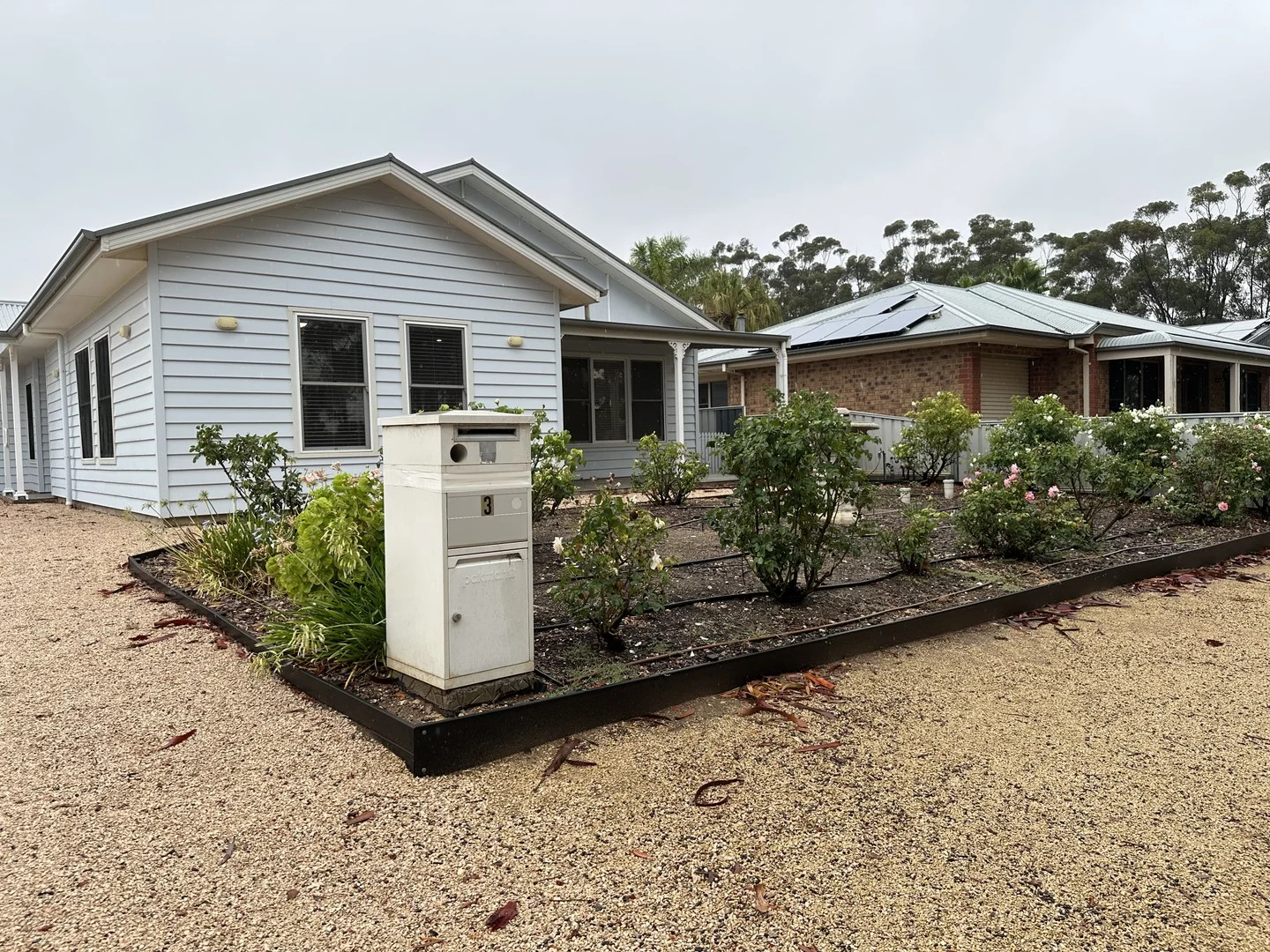 $600
House
$600
House
$600 per week
3 Maitland Terrace
Maitland, SA, 5573
5 beds · 2 baths · 2 cars
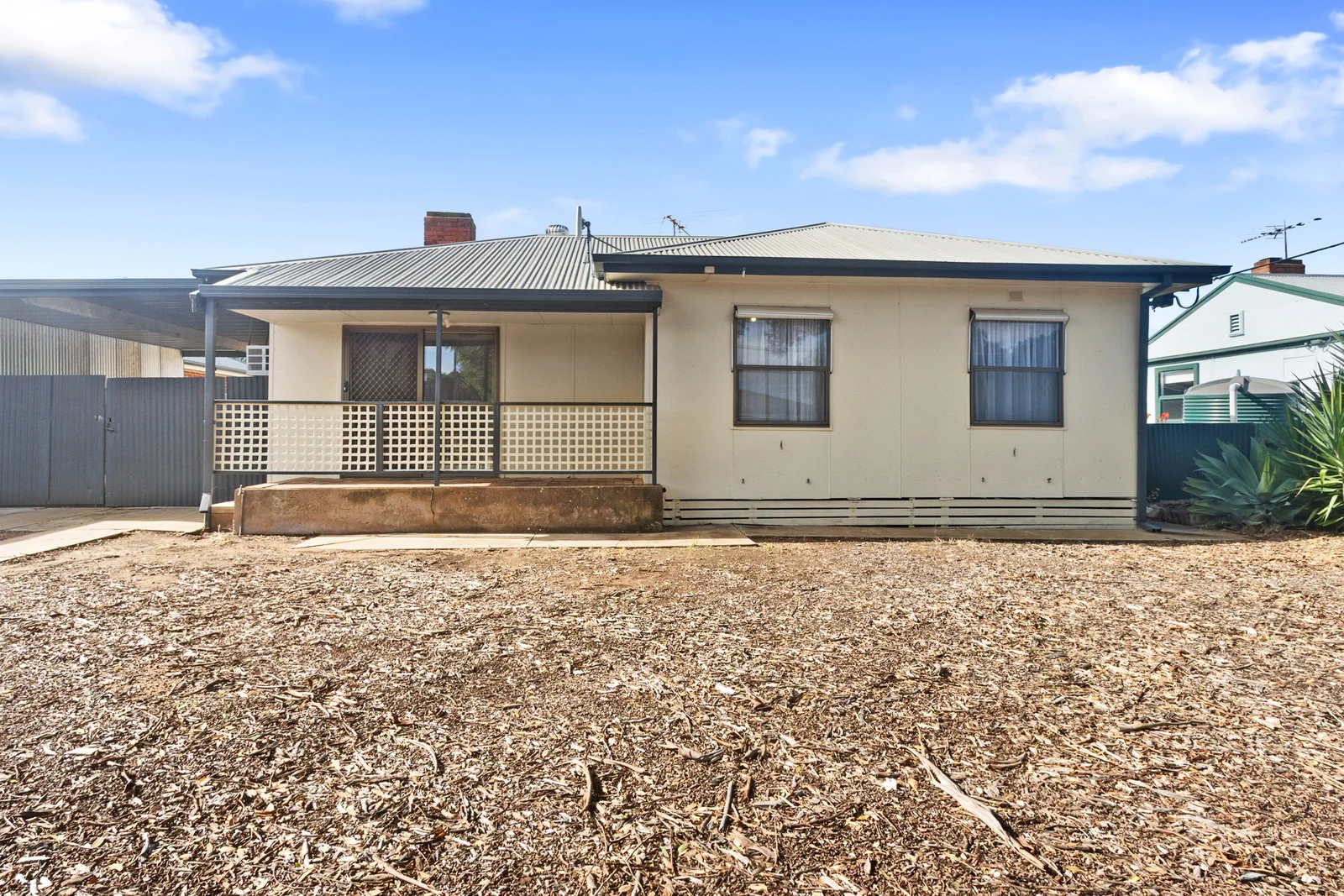 $430,000 - $450,000
House
$430,000 - $450,000
House
Price Range $430,000 to $450,000
3 Lamshed Street
Maitland, SA, 5573
3 beds · 1 baths · 5 cars
 $820,000
House
$820,000
House
$820,000 to $840,000
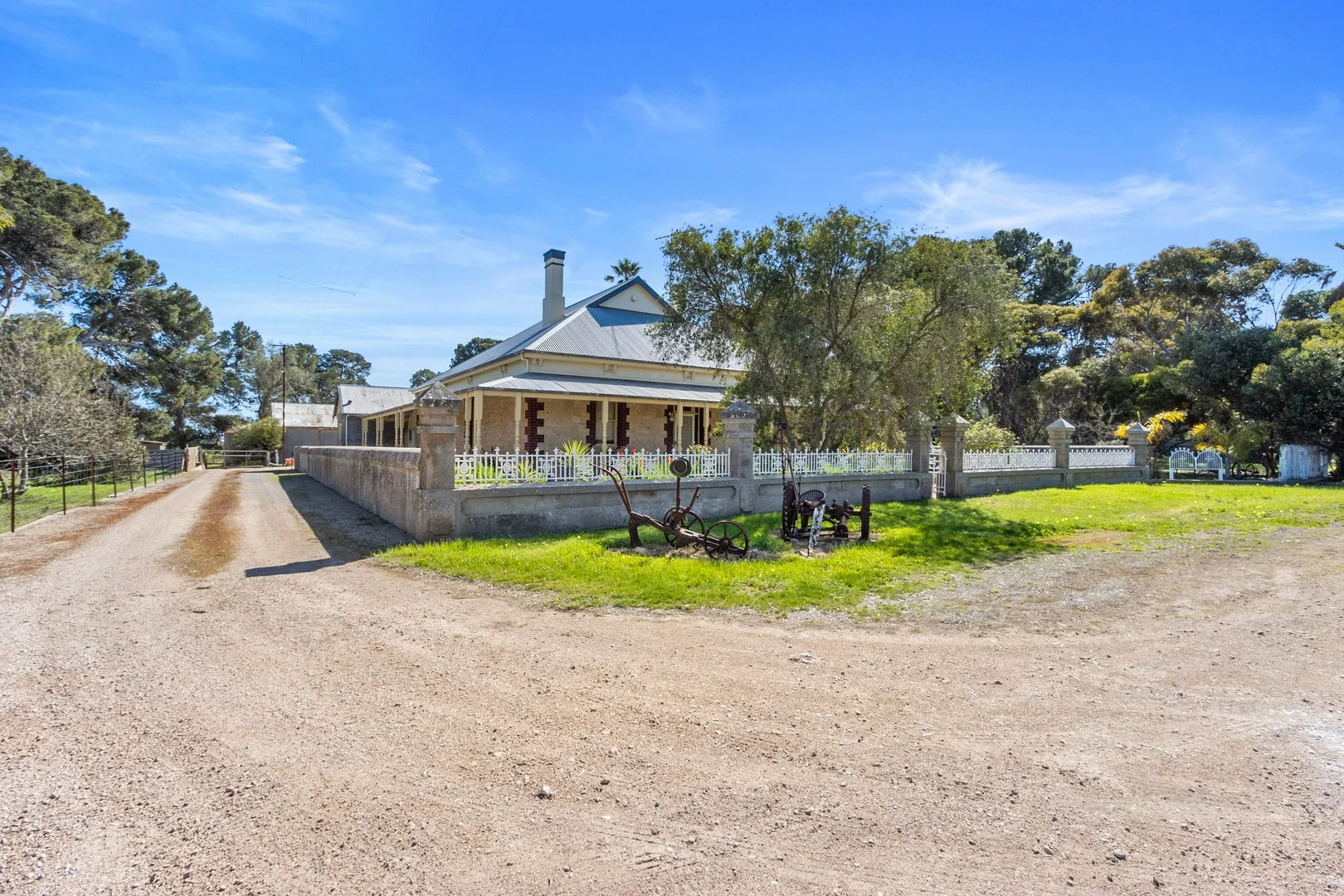
838 Port Victoria Road
South Kilkerran, SA, 5573
3 beds · 1 baths · 14 cars