Overview
# 1. Overview
School Point Pearce Aboriginal School is a public school serving Indigenous students in a small to medium campus setting. The school focuses on culturally responsive teaching and inclusive learning, creating a nurturing, community-centered atmosphere that values student wellbeing and engagement.
Class sizes are kept deliberately smaller to support individual attention and strong teacher-student relationships, with an emphasis on student voice and culturally informed curricula. The atmosphere is welcoming and collaborative, prioritising respect, belonging, and high expectations for every learner.
# 2. Academics & Learning
- Academic strengths: Literacy and numeracy development underpin learning, with emphasis on culturally relevant pedagogy. Opportunities to engage in STEM activities, language and culture programs, and leadership experiences.
- Special programs: Culturally responsive pedagogy, targeted literacy/numeracy support, potential leadership development and partnerships with local community programs.
- NAPLAN / Ofsted trends: NAPLAN trends typically focus on literacy and numeracy progress over cohorts; historically, many SA Aboriginal schools have shown improvements in targeted areas through explicit teaching and family engagement. Ofsted trends are not applicable for Australian schools; in SA, school performance is reported through the appropriate Australian education department channels.
- Student-teacher ratios: Smaller class sizes support higher levels of teacher interaction and individualized feedback.
- Support for diverse learners: Access to EAL support where needed, targeted SEN support, and inclusive teaching practices to accommodate diverse learning needs and backgrounds.
# 3. Sports & Extracurricular Strengths
- Sports offered: A range of team and individual sports appropriate for the age groups, with opportunities to participate in school and local competitions.
- Strong teams or achievements: School teams frequently participate in local inter-school events and community leagues.
- Music, arts, drama programs: Inclusive music and performing arts opportunities, with possible school productions and showcases.
- Clubs: Robotics, chess, coding, debating, and other clubs designed to develop problem-solving and critical thinking.
- Partnerships: Local community partnerships and participation in regional/club competitions to extend learning beyond the classroom.
# 4. Wellbeing & Pastoral Care
- Anti-bullying approach: Clear policies and proactive programs to promote respectful behaviour and safe school culture.
- House system: A house-based structure to foster belonging, leadership, and healthy competition.
- Counsellors / wellbeing officers: Access to wellbeing staff to support social-emotional learning, mental health, and transition needs.
- Transition support for new students: Orientation activities, peer mentorship, and family engagement to ease transitions for new students.
# 5. Facilities
- Sports grounds: On-site fields or courts to support physical education and sports.
- Libraries: Central library with reading materials and learning resources.
- Science labs: Practical science facilities to support hands-on experimentation.
- Music/performing arts centers: Space and resources for music and drama activities.
- Tech/innovation labs: Access to basic computer and digital learning resources.
- Cafeteria: On-site canteen or meal program to support daily nutrition.
- Updated playgrounds: Safe, age-appropriate play spaces and outdoor learning areas.
# 6. School Values & Community Culture
- School values / mission: A mission centered on respect, inclusion, cultural pride, and high expectations for all students.
- Leadership style: Participative and values-driven leadership, with opportunities for student voice and involvement in school decisions.
- Behaviour expectations: Clear codes of conduct emphasizing respect, responsibility, integrity, and kindness.
- Community reputation: Built on close family involvement, cultural responsiveness, and positive relationships with local communities.
- Diversity & inclusion: Strong commitment to celebrating Indigenous culture and promoting inclusive practices for all students.
# 7. School Logistics & Daily Operations
- School hours: Regular school day structure with start and end times aligned to the local school calendar.
- Before/after school care: Availability of before/after school care or supervision programs where offered.
- Uniform requirements: School uniform policy consistent with public school expectations.
- Transport (train/bus routes): Access to school transport options or regional bus routes; check local schedules for exact stops.
- Canteen availability: On-site or school-approved food program; canteen services may be available.
- Fees (low/medium/high ranges): Public school fees are generally modest; there may be costs for materials, excursions, and optional programs.
# 8. Enrolment & Admissions
11. What is the enrolment process and timeline?
- Applications are typically submitted through the school or education department portal/process. Timeline varies by year and intake; contact the school early to obtain the current timeline, required documents, and any family-specific considerations. Expect steps such as submitting an application, providing proof of identity/residency, immunisation records, and any local or cultural considerations the school uses to place students.
12. Is there a waiting list, and how does it work?
- Waiting lists can occur, particularly in popular intake years or for specific grades. Placement may depend on enrollment boundaries, available vacancies, and readiness for transition. Ask the school about expected wait times and how the list is updated.
13. Are there any entry requirements, tests, or interviews?
- Some schools require documentation and may have informal discussions or assessments to determine fit, language needs, or support requirements. Most enrolments for public schools focus on ensuring appropriate placement and readiness, rather than high-stakes testing for admission.
14. Does the school accept mid-year transfers?
- Mid-year transfers can be possible depending on capacity and alignment with curriculum progression. Contact the school as early as possible to discuss space, timetable alignment, and required paperwork.
# 9. Frequently Asked Questions
- Why Parents Choose This School?
- Culturally respectful, inclusive environment with a focus on wellbeing, small class sizes, and strong community connections.
- What type of student thrives at this school?
- Students who value supportive relationships, hands-on learning, cultural pride, and collaboration with peers and teachers.
- What opportunities are available for students to extend their skills (academics, sports, arts)?
- Strong literacy and numeracy focus, leadership opportunities, sports participation, music and drama, and clubs like robotics, coding, and debate.
- How does the school communicate with parents?
- Newsletters, school portals, phone calls, emails, and scheduled information evenings; primary contact channels include class teachers and administration.
- What is the school’s approach to teaching and learning?
- Student-centred, culturally responsive, evidence-informed pedagogy with differentiation to meet diverse needs.
- How does the school support students who need extra academic help?
- Targeted literacy/numeracy supports, SEN support, EAL assistance, and small-group tutoring or interventions.
- What support is available for academic challenges?
- Additional tutoring, tailored learning plans, and collaboration with families to identify and address barriers.
- How does the school communicate with parents? (duplication noted)
- See above: newsletters, portals, calls, and meetings; proactive updates on student progress and school events.
- What are the class sizes and how much individual attention do students receive?
- Class sizes are kept small to medium to enable more individualized feedback and teacher support.
- What extracurricular and sports opportunities are available?
- A range of sports, arts, and clubs (robotics, chess, coding, debating) plus performance opportunities.
- What facilities does the school offer (sports, science, arts)?
- Sports grounds, library, science labs, music/performing arts spaces, and tech/innovation facilities.
- What is the school’s approach to technology and digital learning?
- Emphasis on digital literacy, appropriate technology use in learning, and safe online practices with access to relevant tools.
- What transport and accessibility options are available?
- School transport options and regional bus routes; consider local timetables and pick-up points.
- What are the typical school fees or additional costs?
- Public schools generally have low to moderate additional costs for materials, excursions, and optional programs; uniform costs apply.
# 10. Short Pros & Cons list
- Pros
- Small to medium sized, supportive and inclusive learning environment
- Culturally responsive approach with focus on wellbeing
- Small class sizes enabling individual attention
- Strong community connections and student voice
- Broad range of clubs and extracurricular opportunities
- Cons
- Remote or regional location may limit access to some services or events
- Availability of some programs may vary year to year
- Bus/transport schedules may affect commute times for some families
- Specialist facilities and resources can be more limited compared to larger city schools
If you’d like, I can tailor this content with more precise, up-to-date details once you provide current school data or official sources.
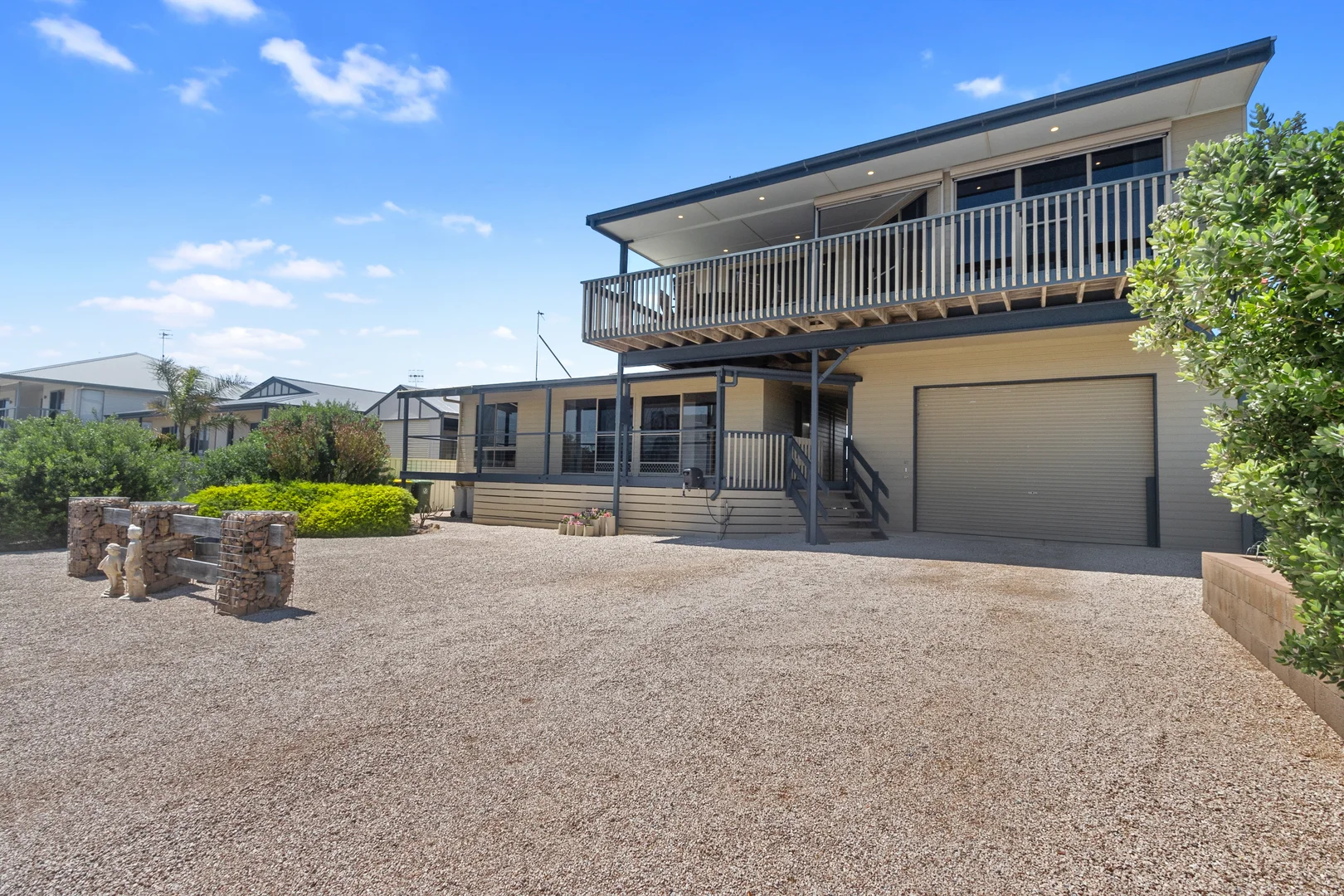 $795,000
House
$795,000
House
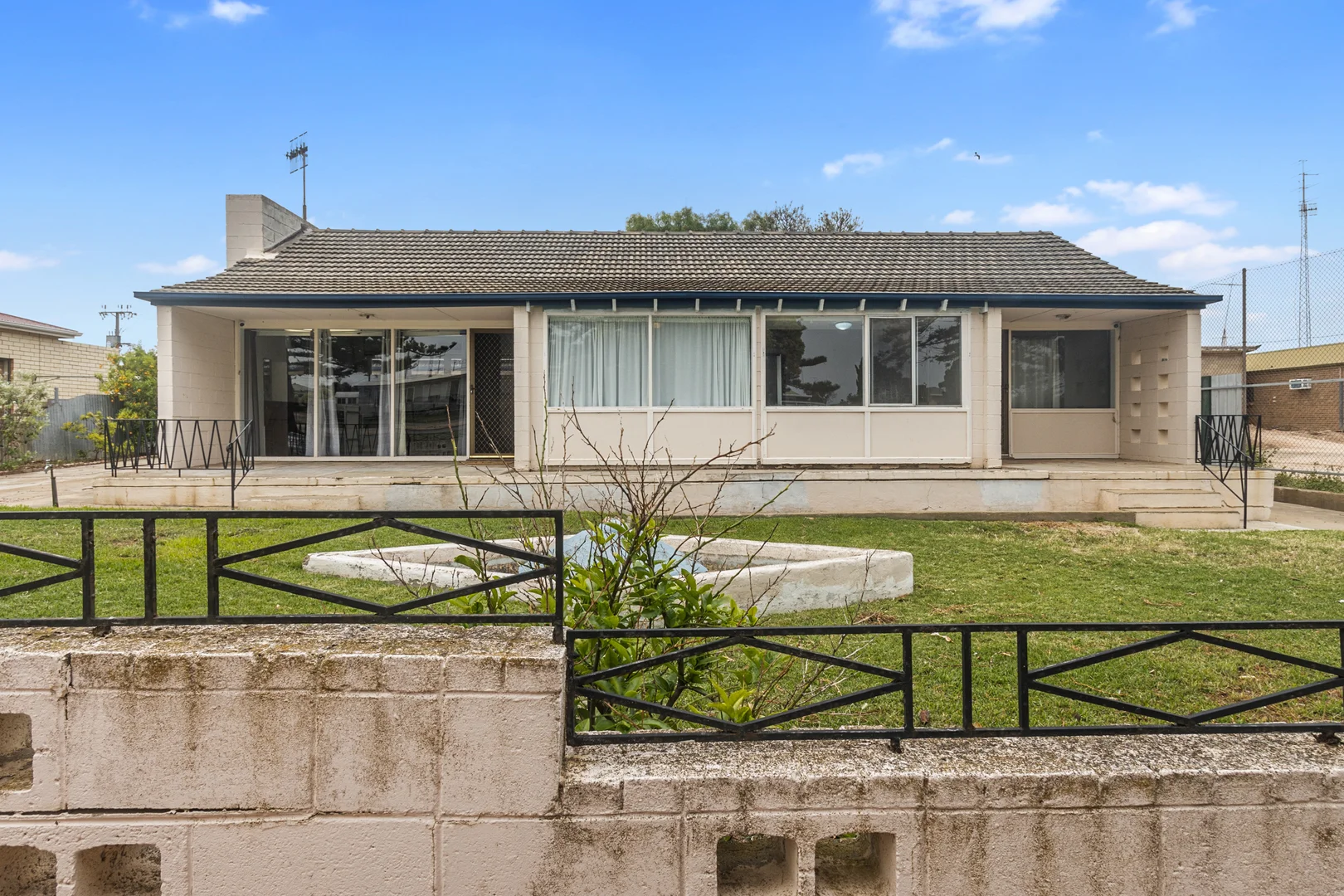 $480,000
House
$480,000
House
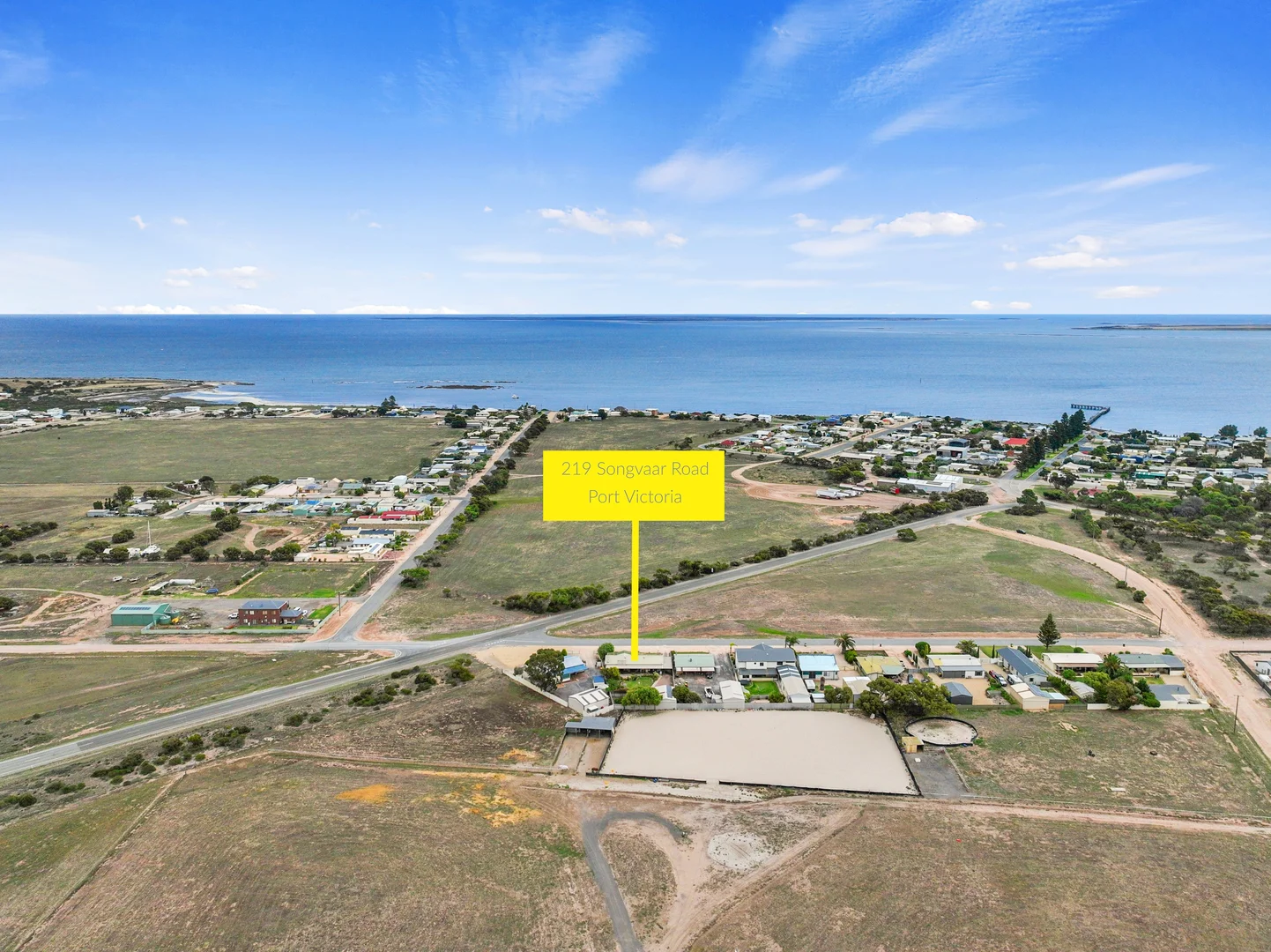 $495,000
House
$495,000
House
 $525,000 - $550,000
House
$525,000 - $550,000
House
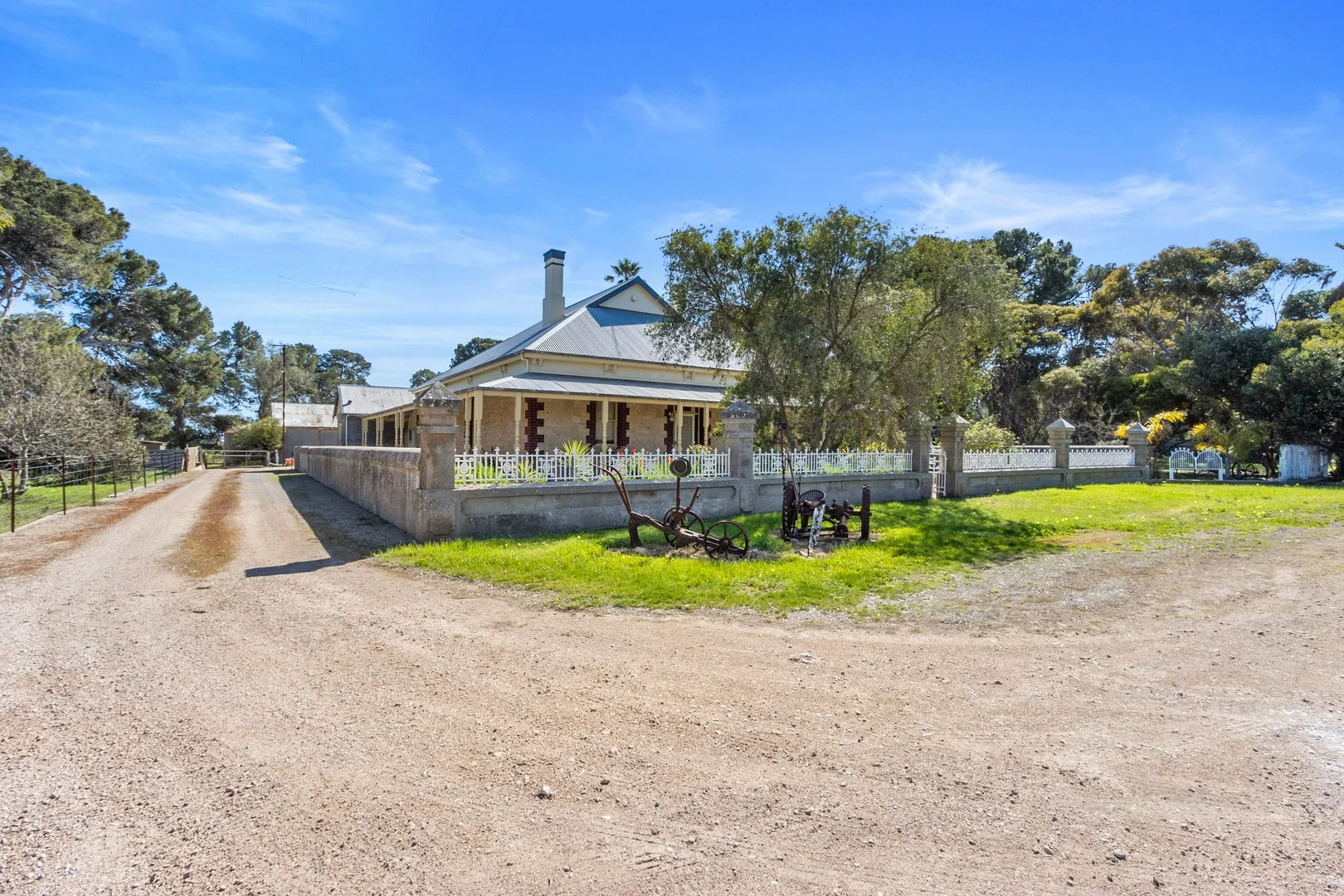 $820,000
House
$820,000
House
 $675,000
House
$675,000
House
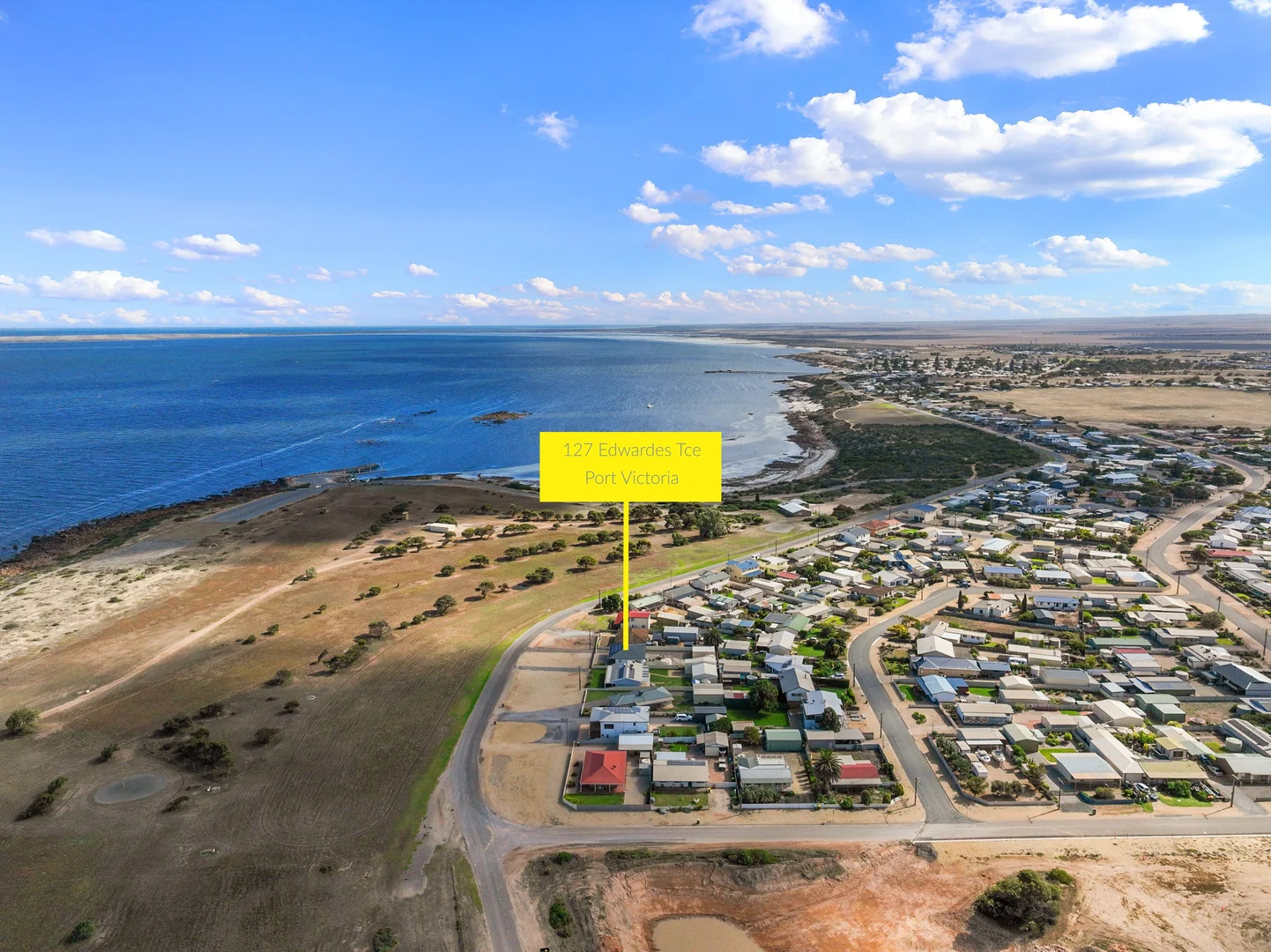 $715,000
House
$715,000
House