## 1. Overview
Challa Gardens Primary School is a public primary school serving Kilkenny, South Australia. It emphasises inclusive learning, community involvement, and developing confident, curious learners who are prepared for the next steps in their education.
As a medium-sized school, it typically offers small-to-medium class sizes (around 22–24 students per class) in a nurturing, supportive atmosphere. The program blends strong academic focus with opportunities in sport, arts, and social development to help students thrive both inside and outside the classroom.
## 2. Academics & Learning
- Academic strengths: Literacy and numeracy foundations with integrated STEM activities, leadership opportunities, and language development programs to support a well-rounded learning experience.
- Special programs: Gifted and talented pathways, accelerated learning options where appropriate, and targeted coding/robotics activities to foster problem-solving and creativity.
- NAPLAN / trends: Trends over recent years show stable to improving performance in core areas, with a focus on continuous improvement and equity.
- Student-teacher ratios: Approximately 1:18 to 1:22, supporting more opportunities for individual feedback and support.
- Support for diverse learners: EAL (English as an Additional Language) support, SEN (Special Educational Needs) planning, and an inclusive education team to tailor learning to diverse needs.
## 3. Sports & Extracurricular Strengths
- Sports offered: Soccer, netball, cricket, basketball, athletics, and swimming programs.
- Strong teams or achievements: Active participation in inter-school and district events with competitive teams and school-wide participation in sports carnivals.
- Music, arts, drama programs: School choir, instrumental opportunities, calendar-based performances, and drama/arts activities to build creativity and confidence.
- Clubs: Robotics, coding, chess, debating, and other interest-based clubs to extend learning beyond the classroom.
- Partnerships: Connections with local clubs, coding academies, and inter-school competitions to broaden opportunities and experiences.
## 4. Wellbeing & Pastoral Care
- Anti-bullying approach: Whole-school positive behaviour framework and clear anti-bullying policies with proactive prevention and support strategies.
- House system: House-based activities to foster belonging, teamwork, and healthy competition.
- Counsellors / wellbeing officers: Access to school wellbeing staff and a counsellor to support social-emotional development.
- Transition support for new students: Orientation programs, buddy systems, and tailored onboarding to help new students settle in smoothly.
## 5. Facilities
- Sports grounds
- Libraries
- Science labs
- Music/performing arts centers
- Tech/innovation labs
- Cafeteria
- Updated playgrounds
## 6. School Values & Community Culture
- School values / mission: A commitment to respect, responsibility, resilience, and inclusion, with a focus on developing lifelong learners.
- Leadership style: Collaborative, with opportunities for student voice through committees and teacher collaboration across teams.
- Behaviour expectations: Positive behaviour framework with clear expectations and consistent approach across year levels.
- Community reputation: Known for a welcoming, involved school community that values parent engagement and local partnerships.
- Diversity & inclusion: Emphasis on supporting students from diverse backgrounds and creating an inclusive learning environment.
## 7. School Logistics & Daily Operations
- School hours: Typical day runs during standard primary-school hours; exact start/end times may vary by term and year level.
- Before/after school care: Availability of school-based or partner-based programs for before/after school supervision.
- Uniform requirements: School uniform required, with details provided at enrolment.
- Transport (train/bus routes): Access to local bus routes and public transport options; drop-off and pick-up zones coordinated with the school.
- Canteen availability: Canteen or light-meal options available on site.
- Fees (low/medium/high ranges): Fees are generally in the low-to-medium range for government public schools, with some costs for excursions and materials.
## 8. Enrolment & Admissions
11. What is the enrolment process and timeline?
- Submit an expression of interest or enrolment application.
- Provide required documents (birth certificate, proof of address, immunisation records, and any relevant visa or residency documents if applicable).
- School confirms eligibility (including catchment rules where relevant) and may invite the family for a short information discussion.
- Complete enrolment paperwork and arrange school induction or orientation.
- Start date and orientation activities are scheduled prior to the first day of attendance.
12. Is there a waiting list, and how does it work?
- There may be a waiting list when applications exceed available places.
- Waiting lists are typically managed by catchment priority and date of application, with offers made as spaces become available.
- Families are kept informed about their status and estimated timelines.
13. Are there any entry requirements, tests, or interviews?
- Generally, there are no entrance exams for standard enrolment.
- Some programs (e.g., gifted and talented or language special programs) may involve discussions or assessments to determine eligibility or suitable placement.
14. Does the school accept mid-year transfers?
- Yes, mid-year transfers are considered where space allows.
- Transfer requires up-to-date school records, proof of address, and coordination with the receiving year level to ensure a smooth transition.
## 9. Frequently Asked Questions
- Why Parents Choose This School?
- A strong sense of community, inclusive culture, solid academic program, and supportive wellbeing and pastoral care.
- What type of student thrives at this school?
- Curious, collaborative, motivated learners who value a well-rounded program that blends academics, sport, arts, and community involvement.
- What opportunities are available for students to extend their skills (academics, sports, arts)?
- Access to extension programs in literacy and numeracy, STEM activities, coding/robotics clubs, arts and drama opportunities, and competitive sports teams.
- How does the school communicate with parents?
- Through newsletters, email, school app or portal, and regular parent-teacher conferences; information is shared to keep families informed about learning and events.
- What is the school’s approach to teaching and learning?
- Student-centred, differentiated instruction with a focus on inquiry-based learning, collaboration, and real-world application.
- How does the school support students who need extra academic help?
- Targeted small-group or one-on-one support, SEN plans, EAL programs, and access to specialist staff.
- What support is available for academic challenges?
- Additional tutoring, structured intervention programs, progress monitoring, and adjustments to learning plans as needed.
- How does the school communicate with parents? (duplicate)
- See above: newsletters, digital portals, emails, and conferences.
- What are the class sizes and how much individual attention do students receive?
- Class sizes typically around 20–25 students, with teachers providing regular feedback and opportunities for individual support.
- What extracurricular and sports opportunities are available?
- A range of sports, music and arts programs, and clubs such as robotics, coding, chess, and debating.
- What facilities does the school offer (sports, science, arts)?
- Modern facilities including sports grounds, libraries, science labs, performing arts spaces, and tech/innovation labs.
- What is the school’s approach to technology and digital learning?
- Integrated digital learning with devices where appropriate, interactive learning tools, and emphasis on safe, responsible use of technology.
- What transport and accessibility options are available?
- Local bus routes and convenient drop-off/pick-up arrangements; accessible facilities and paths where applicable.
- What are the typical school fees or additional costs?
- Generally in the low-to-medium range for government public schools, with costs related to excursions, materials, and optional activities.
## 10. Short Pros & Cons list
- Pros
- Inclusive, supportive community with a focus on student wellbeing.
- Balanced program across academics, sports, arts, and technology.
- Strong range of clubs and extracurricular opportunities.
- Access to specialist staff for EAL and SEN support.
- Active parent involvement and community partnerships.
- Cons
- As a medium-sized school, spaces can be competitive during peak intake periods.
- Some costs associated with excursions and elective programs.
- Transport options depend on location and may require planning for families outside the primary catchment hub.
If you’d like, I can tailor this content further with more specific details you provide about the school, or adjust the tone to be more formal or more casual for your Aroundschools page.






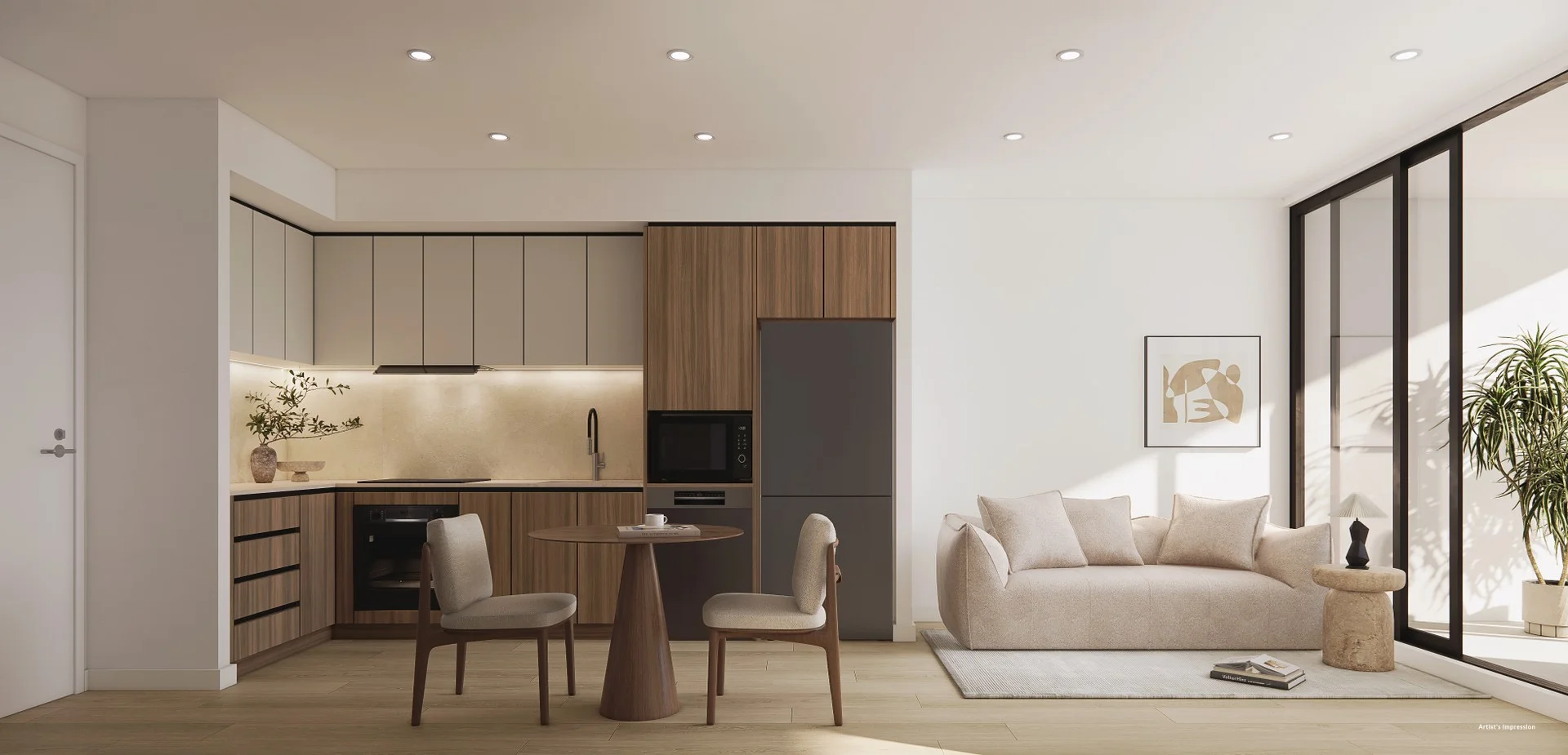 $588,000
Apartment / Unit / Flat
$588,000
Apartment / Unit / Flat
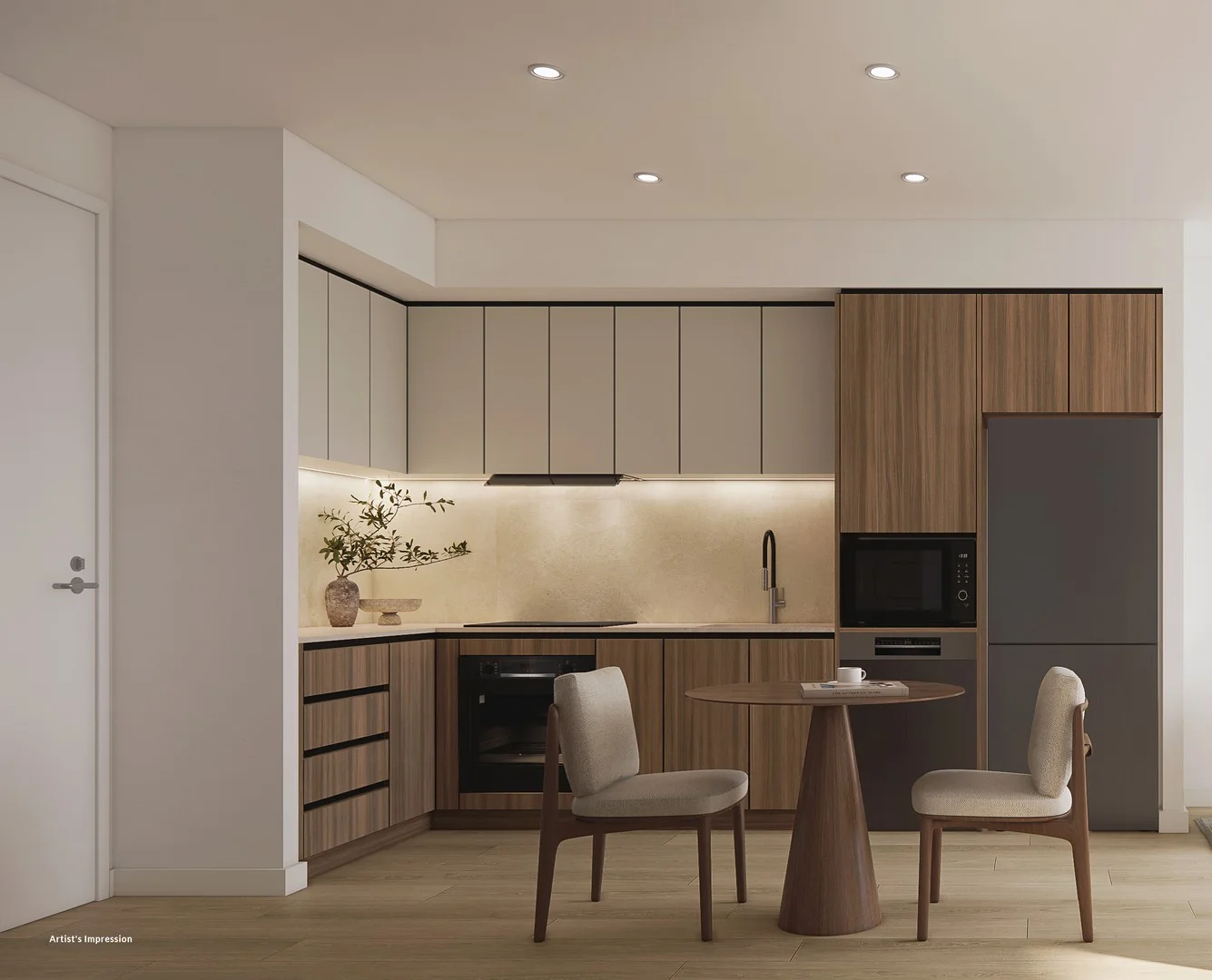 $557,000
Apartment / Unit / Flat
$557,000
Apartment / Unit / Flat
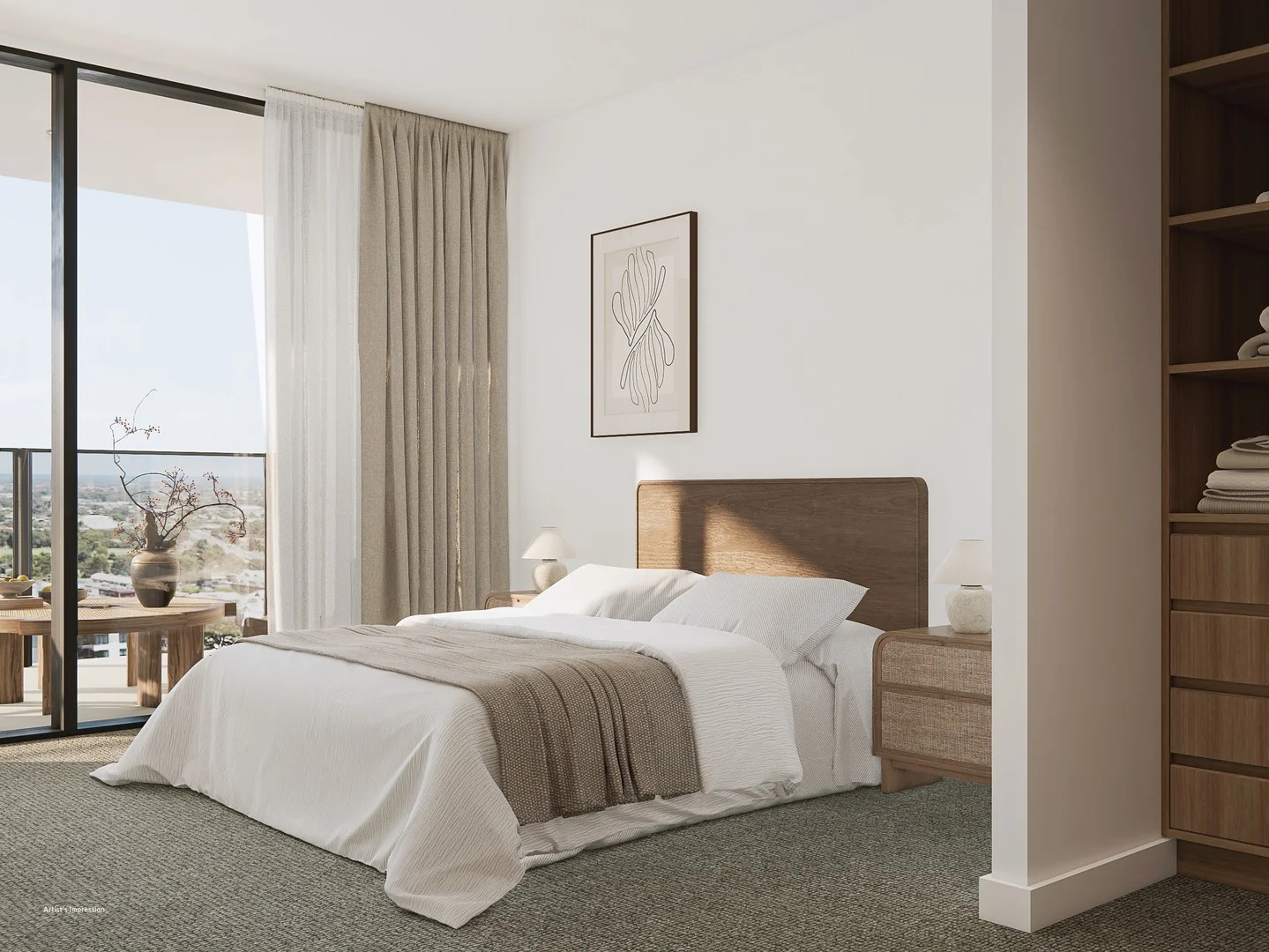 $935,000
Apartment / Unit / Flat
$935,000
Apartment / Unit / Flat
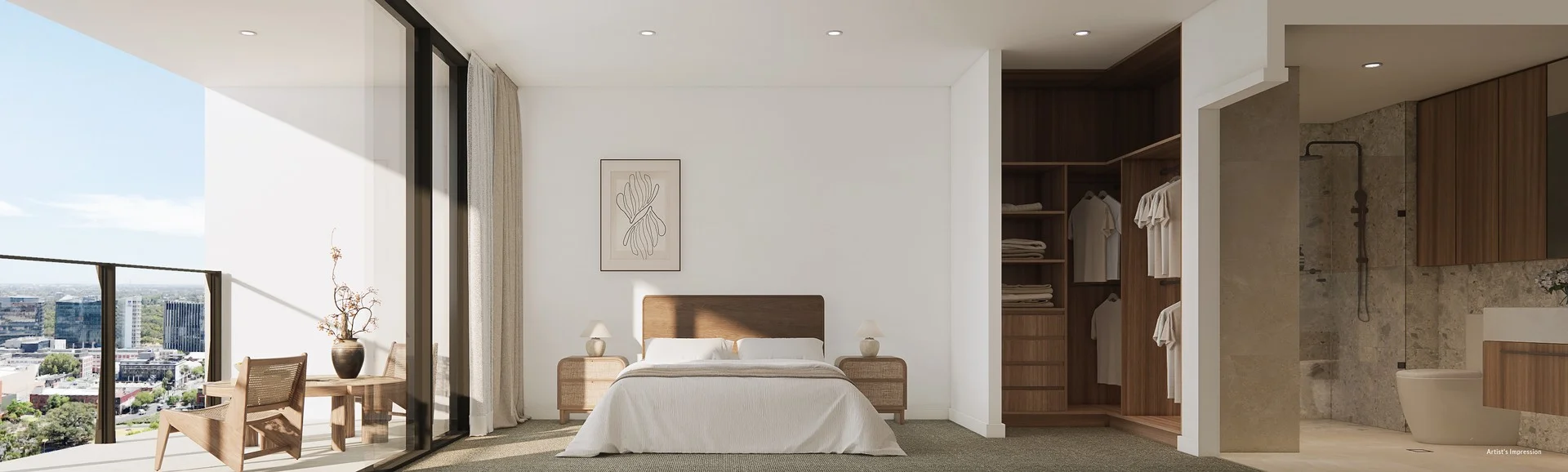 $1,056,000
Apartment / Unit / Flat
$1,056,000
Apartment / Unit / Flat
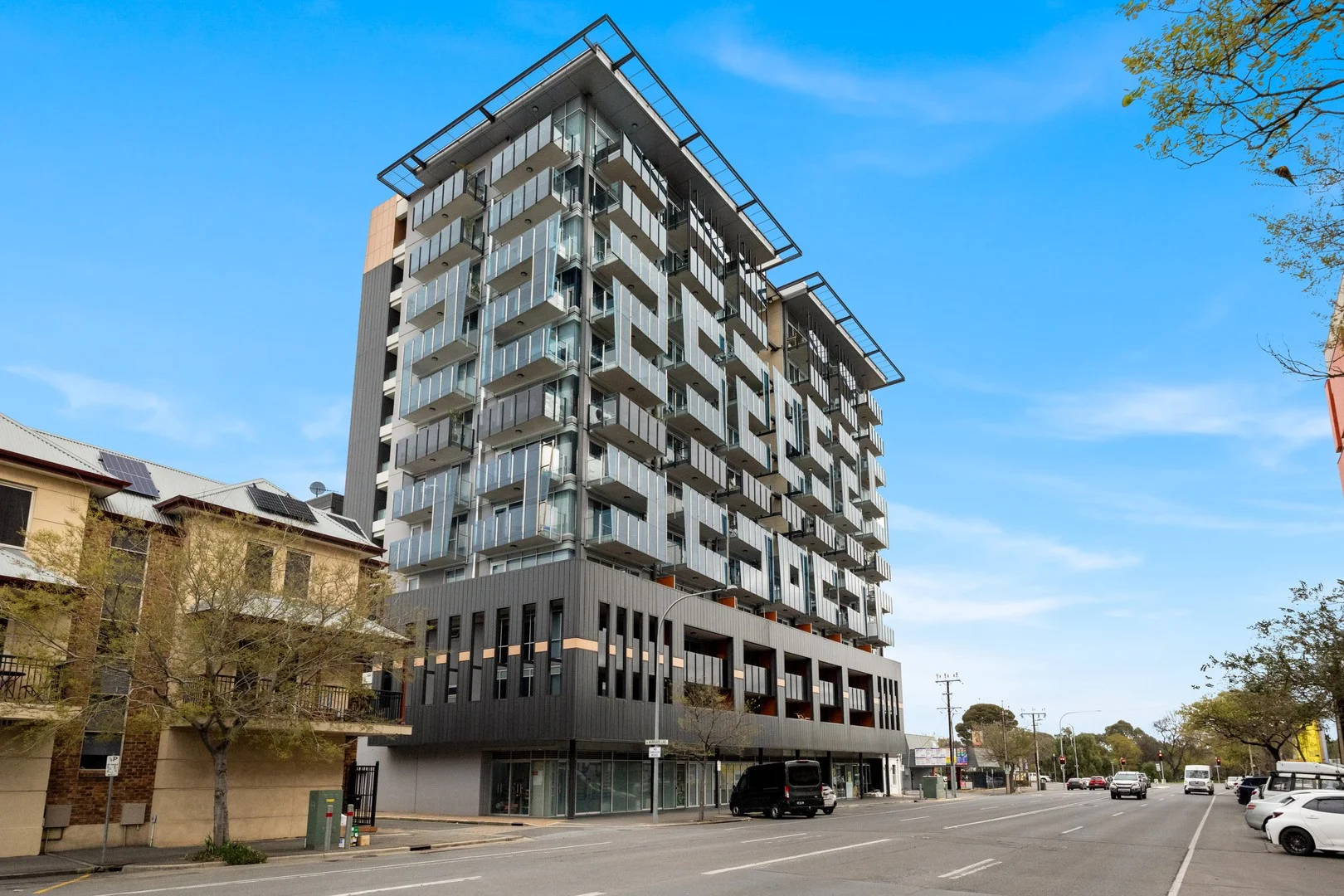 $1,100,000
Apartment / Unit / Flat
$1,100,000
Apartment / Unit / Flat
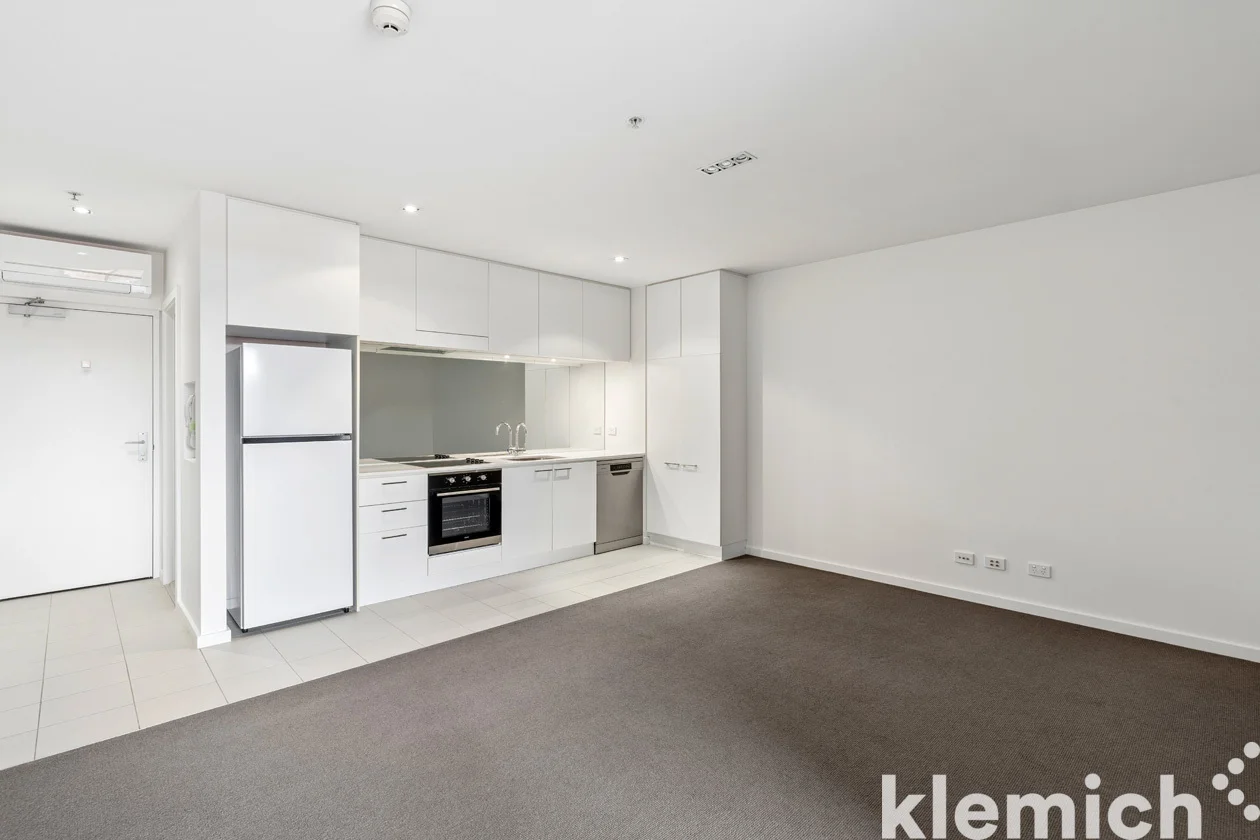 $440,000
Apartment / Unit / Flat
$440,000
Apartment / Unit / Flat
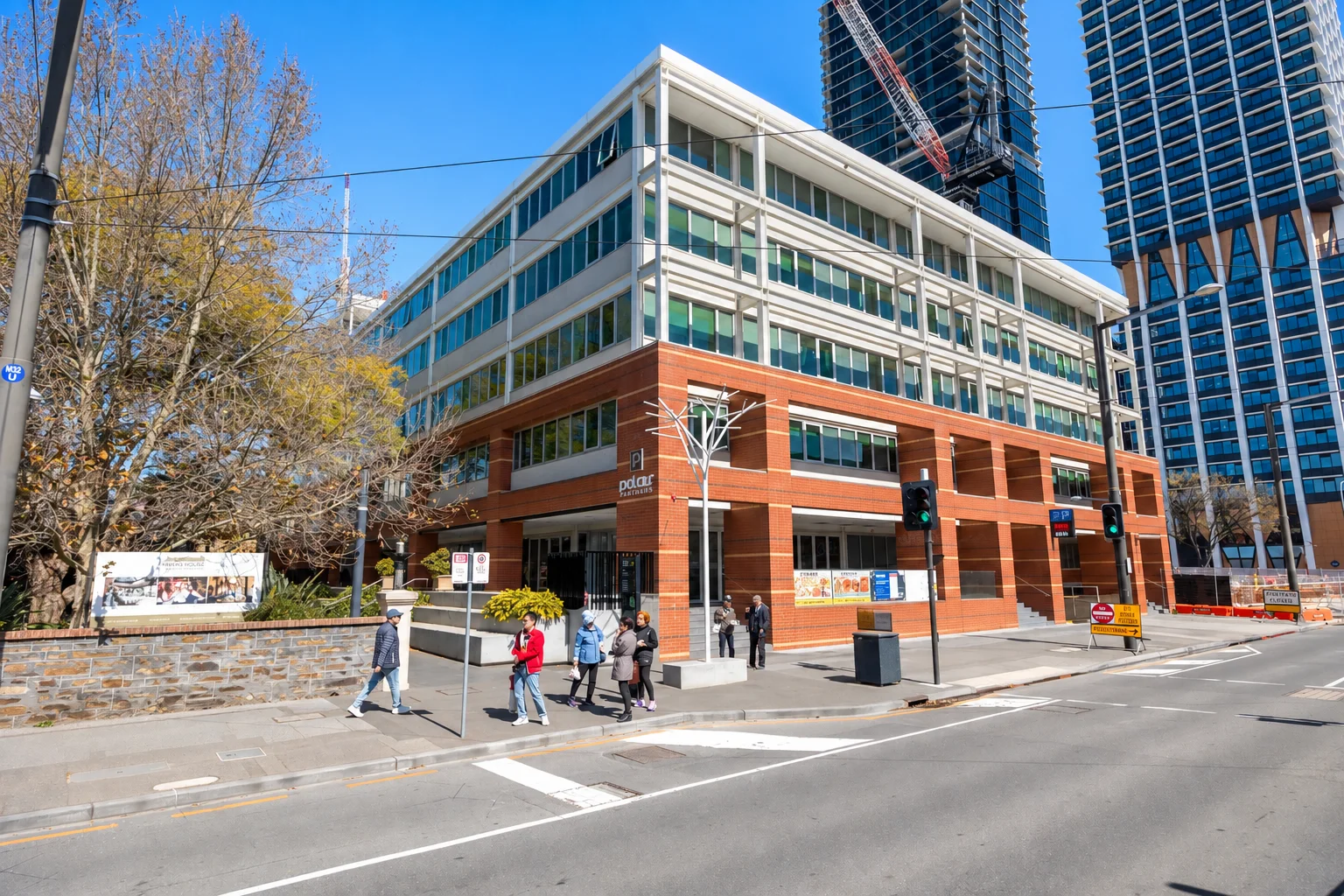 $545,000
Apartment / Unit / Flat
$545,000
Apartment / Unit / Flat
 $775,000
House
$775,000
House