## Overview
Whitefriars Catholic School is a private Catholic, co-educational school serving the Woodville Park community. As a mid-sized institution, it focuses on faith-informed learning, strong community connections, and a supportive, inclusive atmosphere. Class sizes typically sit around 20–23 students, which helps teachers give individual attention and fosters a nurturing environment.
The school emphasises values-based education, pastoral care, and academic growth within a welcoming culture where students are encouraged to participate, collaborate and develop resilience.
---
## Academics & Learning
- Academic strengths: English and mathematics form the core, with emphasis on literacy and numeracy across the curriculum. STEM, humanities, and languages are supported through integrated programs and advanced learning opportunities.
- Special programs: Gifted and Talented initiatives, leadership programs, and faith-based learning experiences that complement core subjects.
- NAPLAN trends: Steady progress over recent years in reading and numeracy with consistent year-to-year improvement rather than volatility.
- Student-teacher ratios: Typically around the low teens to mid-teens per teacher in primary settings, with class groups around 20–23 students to enable targeted instruction.
- Support for diverse learners: Strong inclusion focus with dedicated support for EAL (English as an Additional Language) learners and SEN (Special Educational Needs), plus access to learning support staff and targeted interventions.
---
## Sports & Extracurricular Strengths
- Sports offered: A range of team and individual sports including football (soccer), basketball, netball, AFL-style activities, athletics, and swimming programs.
- Strong teams or achievements: Active participation in inter-school competitions and district events, with opportunities for both recreational participation and competitive teams.
- Music, arts, drama programs: Active music ensembles, choir, and opportunities to participate in school drama and productions; visual arts programs and showcases.
- Clubs: Robotics, coding, chess, debating, and other after-school clubs to extend interests beyond the classroom.
- Partnerships: Connections with local clubs and community organisations for coaching, fixtures, and inter-school events; participation in Catholic education network activities and competitions.
---
## Wellbeing & Pastoral Care
- Anti-bullying approach: Whole-school anti-bullying framework with clear policies, student education, and proactive reporting pathways.
- House system: House-based activities and competitions to foster belonging, teamwork, and healthy competition.
- Counselors / wellbeing officers: Access to school counsellors or wellbeing staff to support social, emotional, and mental health needs.
- Transition support for new students: Structured induction, buddy systems, and parent information sessions to ease entry for new students and families.
---
## Facilities
- Sports grounds: On-site sports fields and multi-purpose courts for PE and inter-school events.
- Libraries: Well-stocked library with digital resources and spaces for group study.
- Science labs: Dedicated science facilities to support hands-on experiments and STEM learning.
- Music/performing arts centers: Space for rehearsals, ensembles, and performances.
- Tech/innovation labs: Modern classrooms and labs focused on digital learning and project-based activities.
- Cafeteria: On-site dining options promoting healthy meals.
- Updated playgrounds: Safe, age-appropriate outdoor play spaces and equipment.
---
## School Values & Community Culture
- School values / mission: Values-driven education grounded in Catholic tradition, focusing on respect, responsibility, service, and compassion.
- Leadership style: Collaborative leadership with input from staff, families, and student voice to guide school improvement and culture.
- Behaviour expectations: Clear expectations around respect, integrity, and responsibility; consistent routines and positive behaviour supports.
- Community reputation: Known for a warm, welcoming community with strong parent involvement and supportive relationships among staff, students, and families.
- Diversity & inclusion: Inclusive environment that welcomes students from diverse backgrounds and abilities, with targeted supports to ensure meaningful participation for all.
---
## School Logistics & Daily Operations
- School hours: Typical start in the morning with a mid-afternoon finish; precise times align with the school calendar and year level.
- Before/after school care: Availability of before and after school care programs or supervision to support working families.
- Uniform requirements: formal school uniform with seasonal variants; clear guidelines for dress and presentation.
- Transport: Access to bus routes and public transport options; information available through school or local transport providers.
- Canteen availability: On-site canteen or lunch program offering a range of healthy options.
- Fees (low/medium/high ranges): Fee structure generally reflects a private Catholic school; considered to be in the mid-to-mid/high range for the region, with information available from the school in a transparent format.
---
## Enrolment & Admissions
11. What is the enrolment process and timeline?
- Submit an application via the school’s admissions channel, including required documents (birth/citizenship, immunisation records, and any Catholic education references). Open days or information sessions are typically offered prior to the main intake window. There is a defined application window, after which offers are made based on availability and any applicable prioritisation policies (e.g., sibling priority).
12. Is there a waiting list, and how does it work?
- Yes, there is often a waiting list when places are limited. Waiting lists are managed by year level and priority rules; families may be asked to confirm ongoing interest periodically and may be contacted as spaces become available.
13. Are there any entry requirements, tests, or interviews?
- Entry requirements commonly include completion of necessary documentation and compliance with Catholic education guidelines. Some year levels may involve a short information interview or meeting with families; formal testing is not always required for primary intake but can occur for certain programs or years.
14. Does the school accept mid-year transfers?
- Mid-year transfers are typically considered if spaces are available. Availability varies by year level and cohort size; prospective families should contact the admissions team as early as possible to discuss options and requirements.
---
## Frequently Asked Questions
- Why Parents Choose This School?
- A faith-based, value-driven environment with caring staff, smaller class sizes for individualized attention, and strong community connections.
- What type of student thrives at this school?
- Students who respond well to a supportive, inclusive, faith-informed setting, with a willingness to participate across academics, sport, arts, and service.
- What opportunities are available for students to extend their skills (academics, sports, arts)?
- Enrichment in literacy and numeracy, STEM and leadership programs, sports teams, music and drama programs, and clubs such as robotics, coding, chess, and debating.
- How does the school communicate with parents?
- Regular updates through newsletters, emails, parent portals, and scheduled meetings; open days and information sessions are also common.
- What is the school’s approach to teaching and learning?
- A balanced, evidence-informed approach with a focus on literacy and numeracy foundations, critical thinking, and faith-based values integrated across the curriculum.
- How does the school support students who need extra academic help?
- Targeted intervention with learning support staff, EAL and SEN supports, and differentiation within classrooms.
- What support is available for academic challenges?
- Access to tutoring, additional practice resources, and collaboration between teachers, families, and support staff to set goals and monitor progress.
- How does the school communicate with parents? (duplicate)
- See above: regular communications via multiple channels, including direct meetings and digital updates.
- What are the class sizes and how much individual attention do students receive?
- Class sizes around 20–23 students with teacher-led instruction and targeted small-group or one-on-one support as needed.
- What extracurricular and sports opportunities are available?
- A broad range of sports (netball, basketball, soccer, AFL-style activities), music and drama, and clubs such as robotics, coding, chess, and debating.
- What facilities does the school offer (sports, science, arts)?
- Sports grounds, libraries, science labs, music/performing arts spaces, tech/innovation labs, and a canteen.
- What is the school’s approach to technology and digital learning?
- Integration of digital tools to support learning, with age-appropriate devices and platforms to build digital literacy and responsible use.
- What transport and accessibility options are available?
- Bus routes and public transport access; information provided by the school and local transport authorities.
- What are the typical school fees or additional costs?
- Fees reflect private Catholic schooling; families are encouraged to consult the school’s admissions or finance office for a transparent breakdown.
---
## Short Pros & Cons list
- Pros
- Values-based, faith-informed education in a supportive community
- Smaller class sizes enabling individual attention
- Strong pastoral care and wellbeing supports
- Broad range of academics, sports, arts, and clubs
- Inclusive environment with focus on diversity and belonging
- Cons
- Private school fees may be higher than government options
- Limited year-level intake can affect waiting times for certain cohorts
- Transport options depend on local routes and availability
- Specific enrichment programs may vary by year and staffing









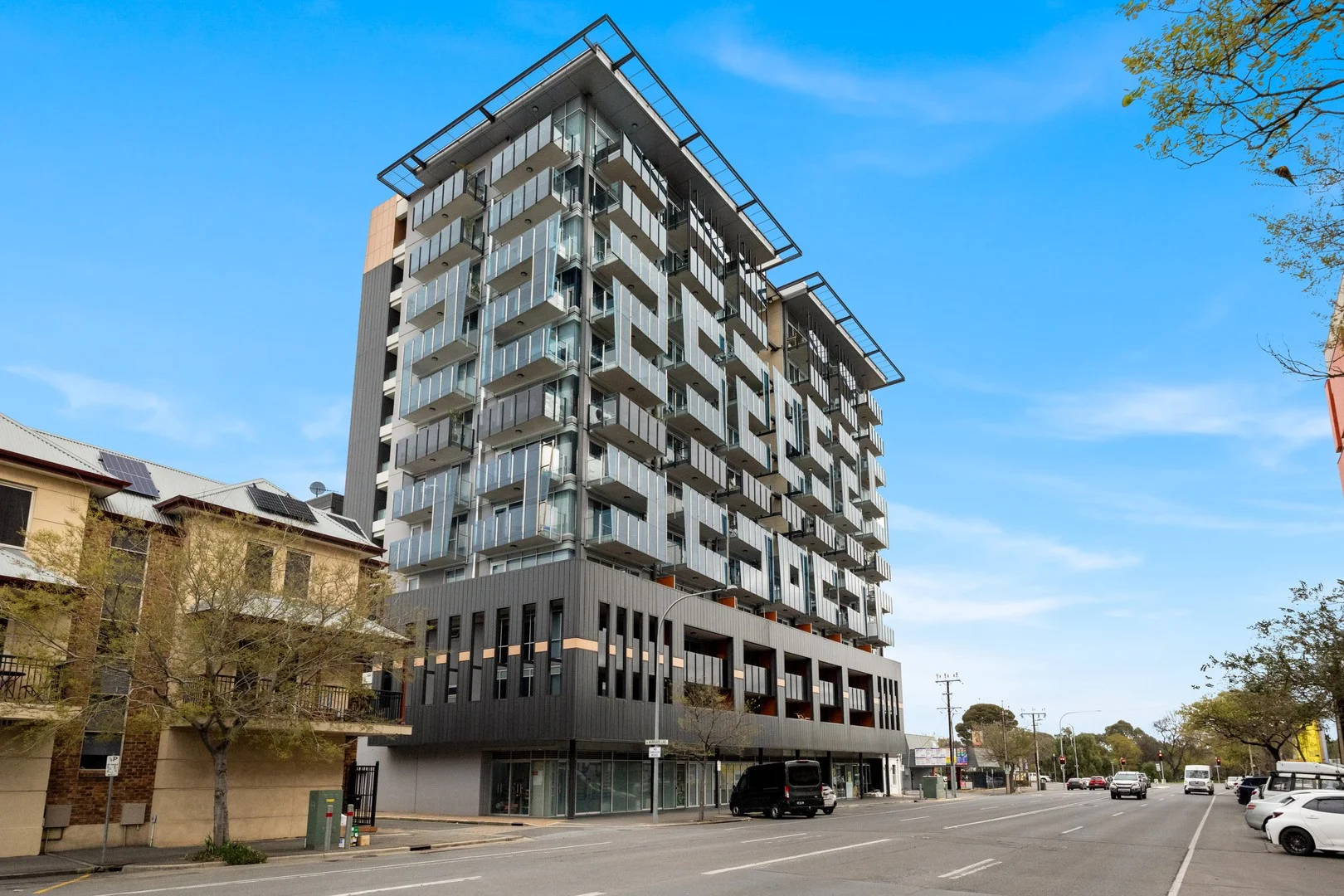 $1,100,000
Apartment / Unit / Flat
$1,100,000
Apartment / Unit / Flat
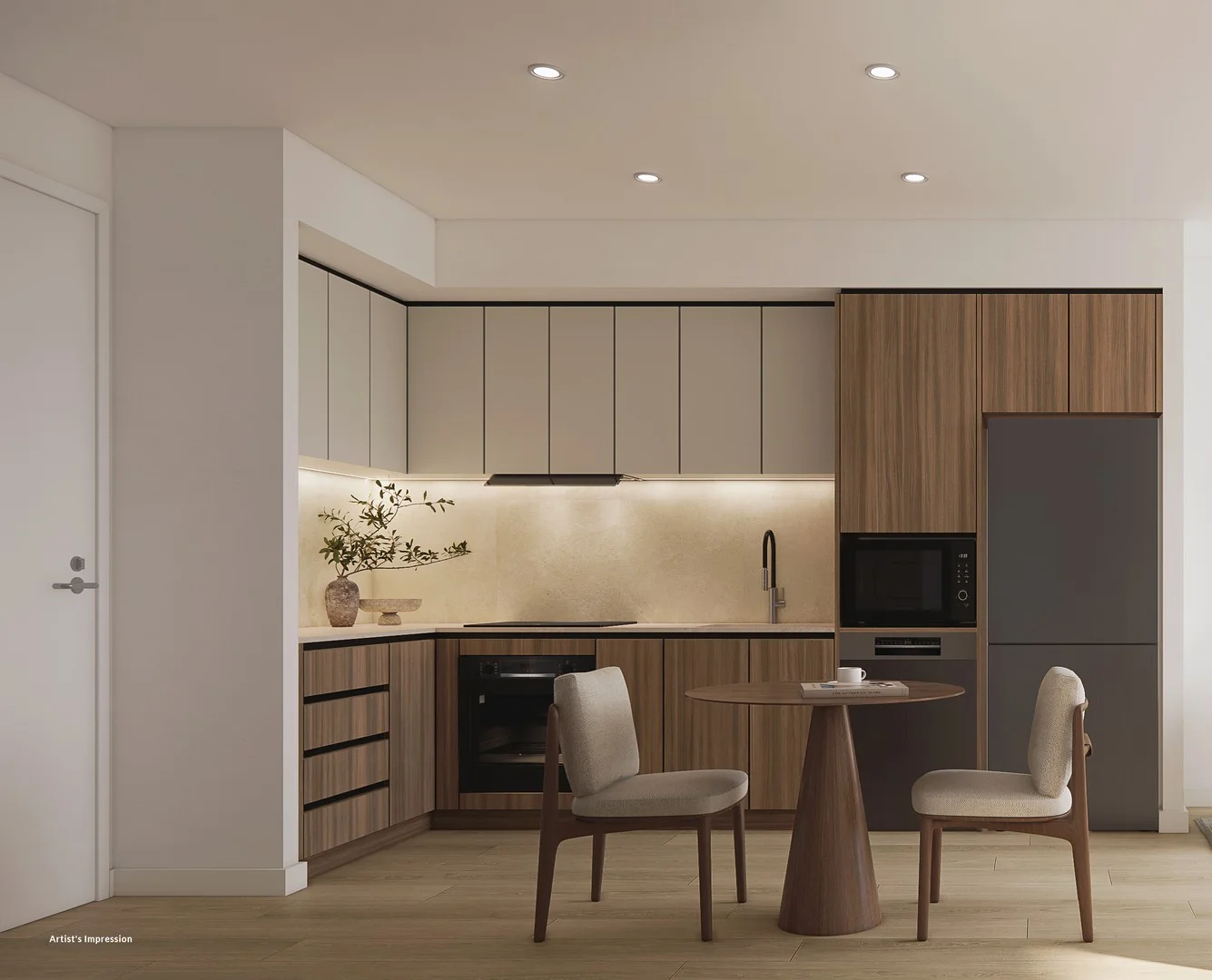 $557,000
Apartment / Unit / Flat
$557,000
Apartment / Unit / Flat
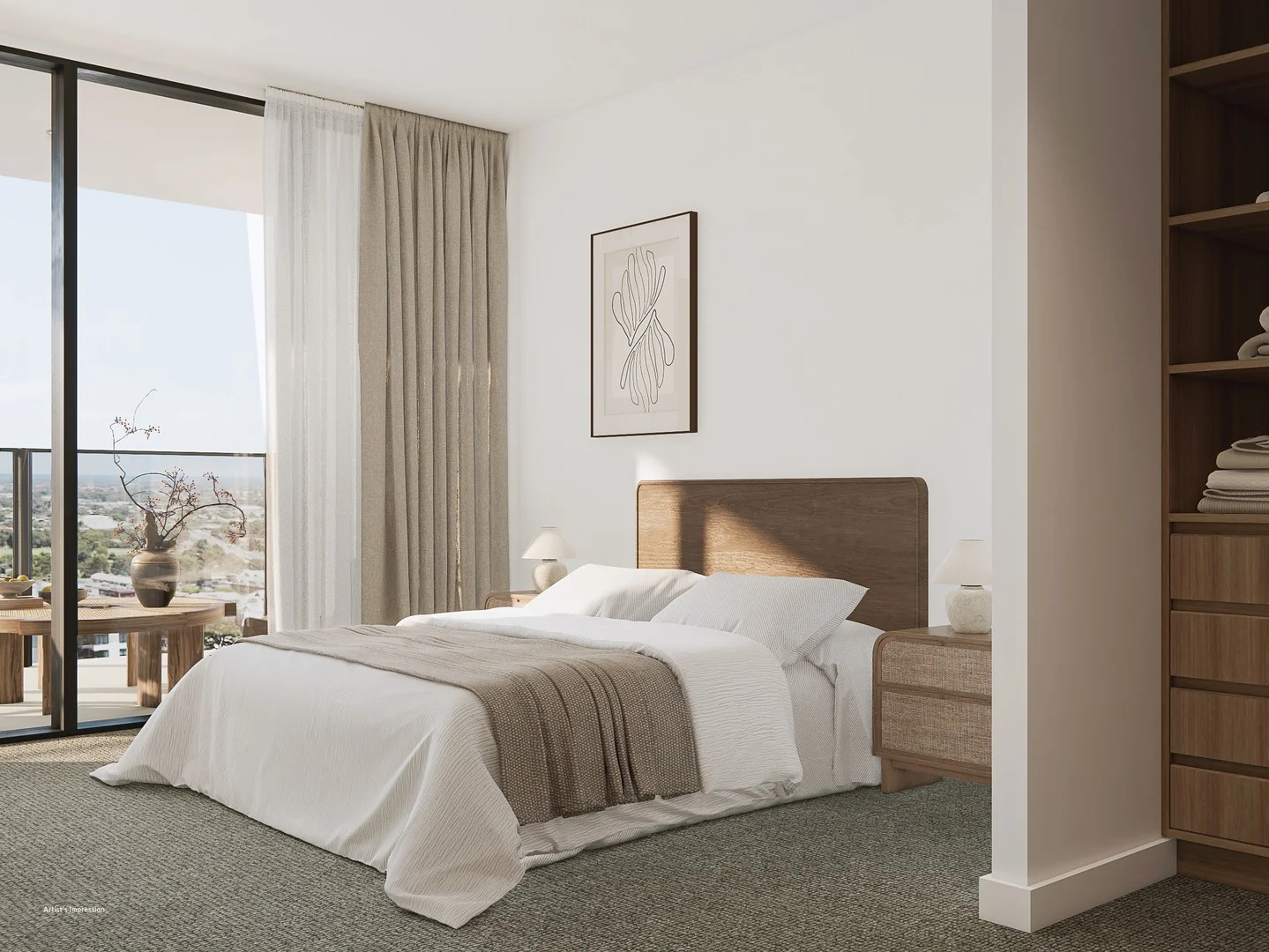 $935,000
Apartment / Unit / Flat
$935,000
Apartment / Unit / Flat
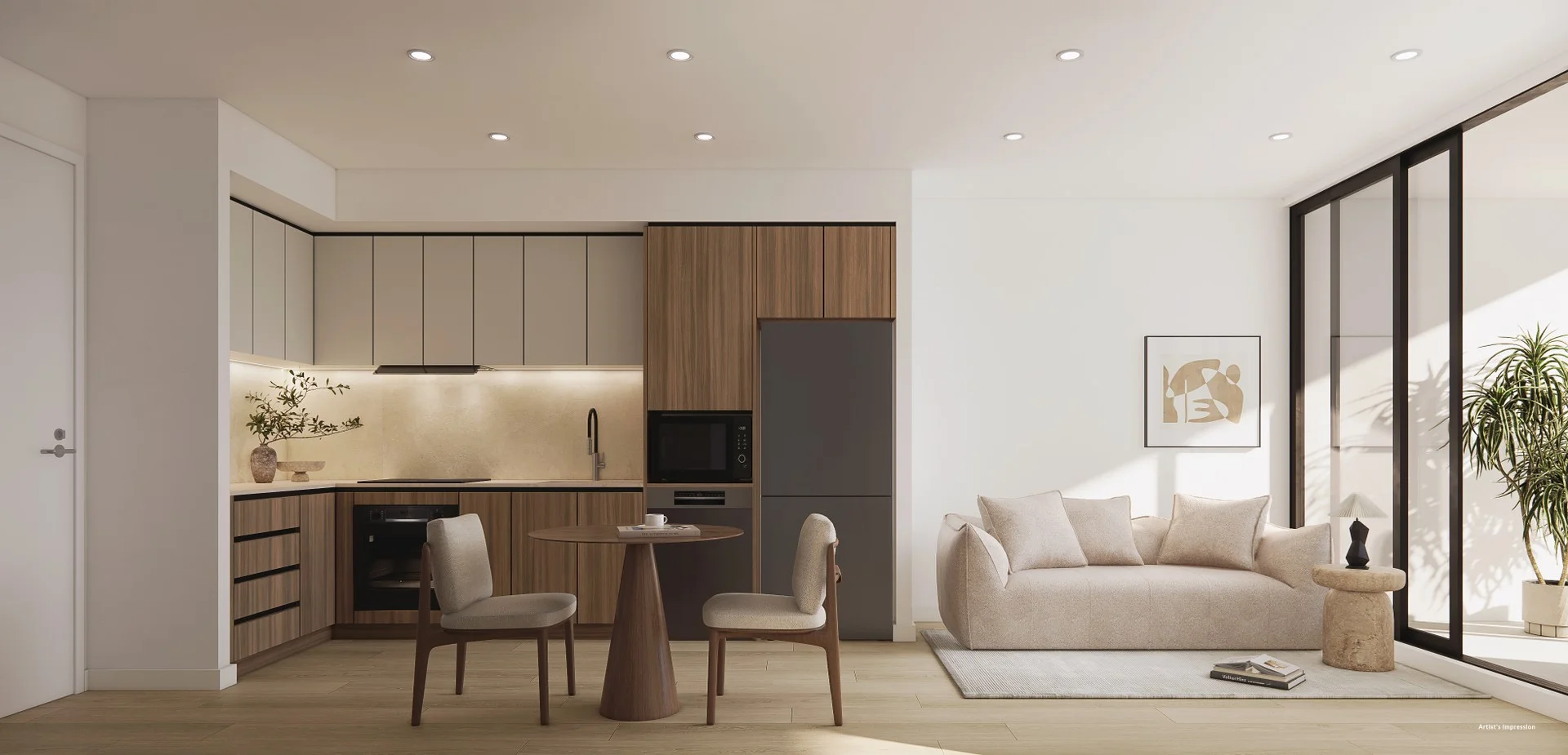 $588,000
Apartment / Unit / Flat
$588,000
Apartment / Unit / Flat
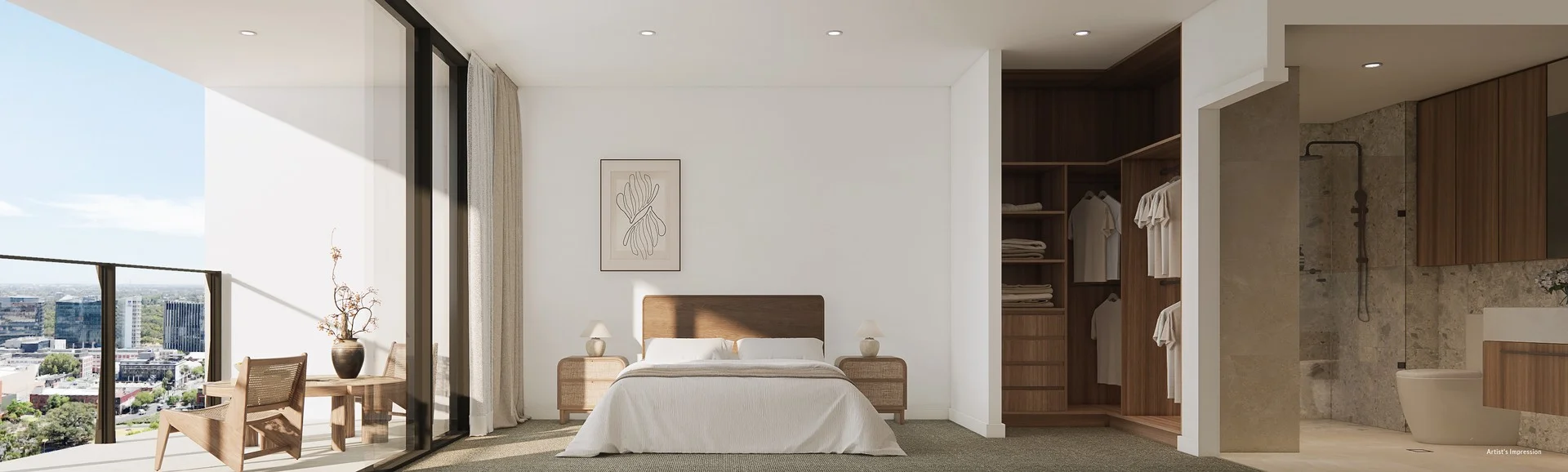 $1,056,000
Apartment / Unit / Flat
$1,056,000
Apartment / Unit / Flat
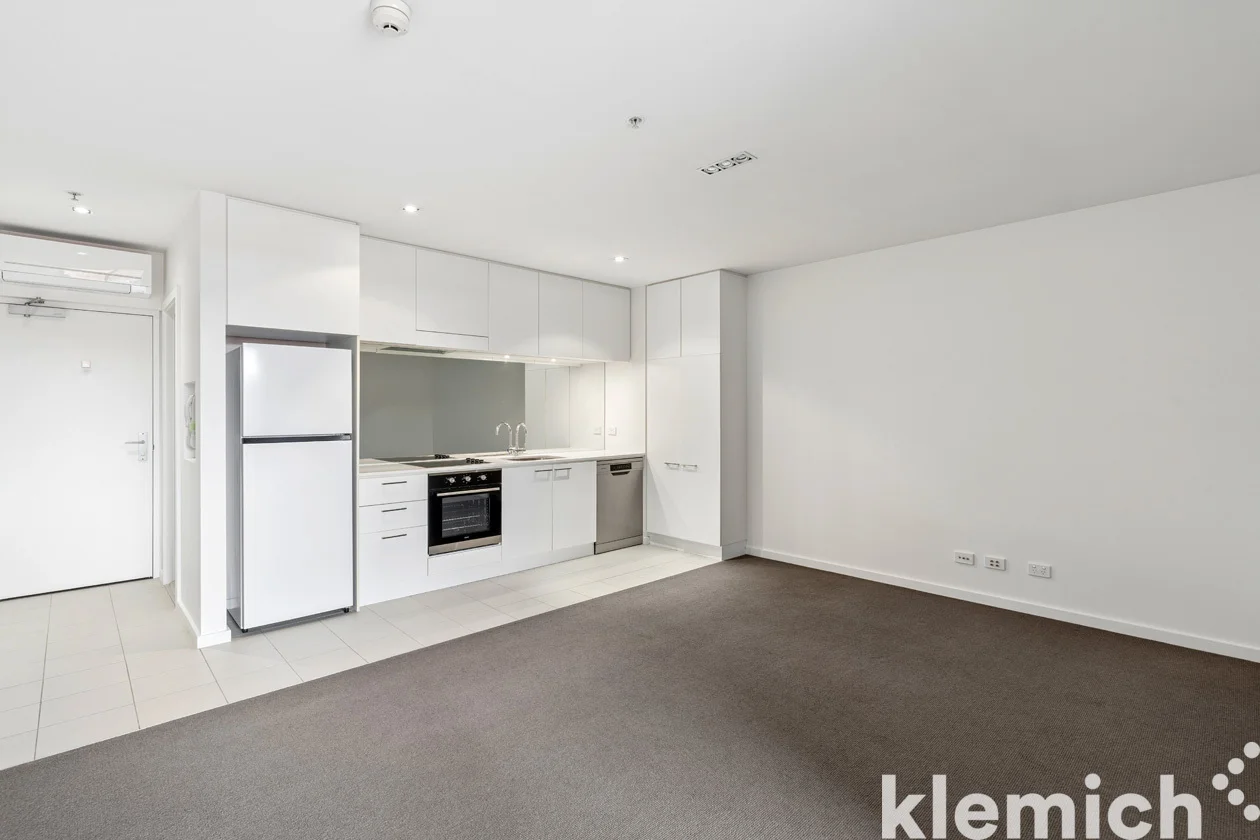 $440,000
Apartment / Unit / Flat
$440,000
Apartment / Unit / Flat
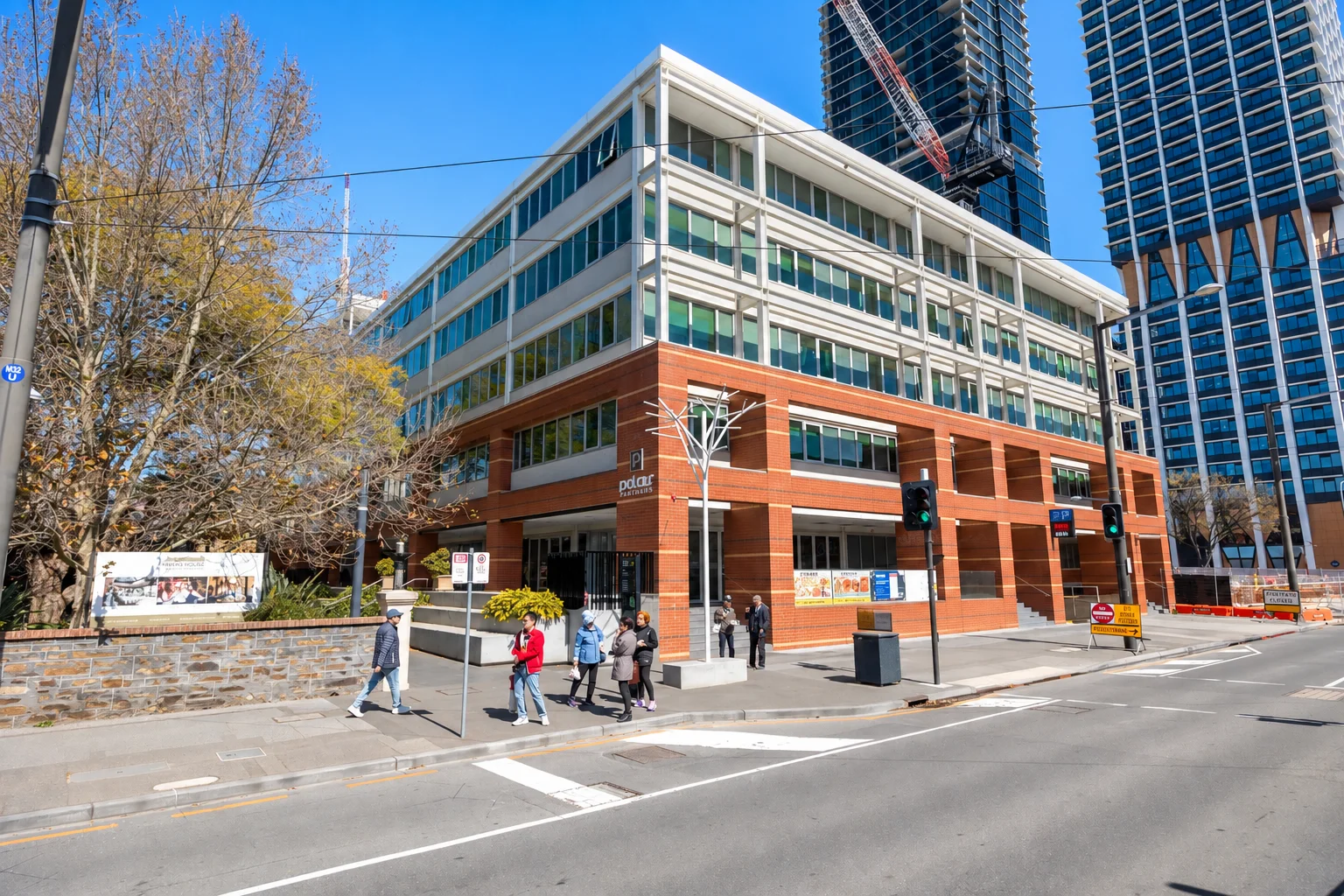 $545,000
Apartment / Unit / Flat
$545,000
Apartment / Unit / Flat
 $775,000
House
$775,000
House