# 1. Overview
Ngutu College is a public secondary school serving families in Woodville North, SA. The college aims to provide a balanced, inclusive learning environment that supports students across academics, sport, and community life. It offers a medium-size school experience with a focus on collaboration, respect, and personal growth.
- School type: Public
- School size: Medium
- Class size: Typically around 22–28 students per class
- Atmosphere/culture: Inclusive, nurturing, diverse, academically focused while maintaining strong sport and co-curricular engagement
# 2. Academics & Learning
Ngutu College emphasises a well-rounded curriculum with opportunities to develop strengths across core subjects, leadership, and language learning.
- Academic strengths: Strong emphasis on STEM and English, with programs to develop leadership and language skills
- Special programs: Accelerated learning pathways and gifted/talented opportunities where available
- NAPLAN trends: Steady improvement in core domains over recent years, with most cohorts achieving average to above-average results in key areas
- Student-teacher ratios: Generally around 1:14 to 1:22 depending on year level and class
- Support for diverse learners: Dedicated EAL support and SEN/programs, with an inclusive education team to assist students needing extra help
# 3. Sports & Extracurricular Strengths
Sport and activity options are a central part of school life, helping students stay active and engaged.
- Sports offered: Football (soccer), netball, basketball, cricket, athletics, hockey, and swimming as seasons allow
- Strong teams or achievements: Regular representation in regional inter-school competitions and strong school pride in team sport
- Music, arts, drama programs: Active music program (choir and band), school drama productions, and performance opportunities
- Clubs: Robotics, chess, coding, debating, and other interest clubs
- Partnerships: Local community clubs and regional competitions that provide additional pathways for talent development
# 4. Wellbeing & Pastoral Care
Ngutu College prioritises student wellbeing and a positive school climate.
- Anti-bullying approach: Structured anti-bullying policies, wellbeing programs, and ongoing awareness initiatives
- House system: Yes, with house-based activities to foster belonging and healthy competition
- Counsellors / wellbeing officers: Access to dedicated school counsellors and wellbeing staff
- Transition support for new students: Orientation programs, buddy systems, and ongoing transition support to help students settle in
# 5. Facilities
Facilities are designed to support a range of learning experiences and student wellbeing.
- Sports grounds: On-site playing fields and courts
- Libraries: Well-stocked library with study spaces
- Science labs: Modern science labs for practical experiments
- Music/performing arts centers: Dedicated spaces for music and drama
- Tech/innovation labs: Computer labs and maker spaces for digital learning and project work
- Cafeteria: On-site canteen with healthy options
- Updated playgrounds: Modern, safe spaces for breaks and recreation
# 6. School Values & Community Culture
Ngutu College fosters a community that emphasises respectful citizenship and personal growth.
- School values / mission: Core values around respect, responsibility, resilience, and integrity
- Leadership style: Collaborative, with student leadership opportunities and teacher-student partnerships
- Behaviour expectations: Clear code of conduct focused on respect, safety, and accountability
- Community reputation: Known for inclusivity, supportive staff, and active parent involvement
- Diversity & inclusion: Proactive inclusion policies and programs to celebrate diverse backgrounds
# 7. School Logistics & Daily Operations
Everyday logistics are designed to be straightforward for families.
- School hours: Approximately 8:30 am–3:15 pm (hours may vary by year level)
- Before/after school care: After-school care and activities available in some terms/terms
- Uniform requirements: Standard school uniform policy
- Transport (bus routes): Public transport options and school bus routes accessible within the area
- Canteen availability: Canteen or snack facilities available on site
- Fees: Public schools generally have low to moderate costs for materials and activities; details provided by site administration
# 8. Enrolment & Admissions
11. What is the enrolment process and timeline?
- Submit an enrolment form with required documents (proof of identity and residency)
- Provide immunisation records and any school-specific documentation
- School confirms eligibility and may request additional information; families are advised of timelines for processing and notification
12. Is there a waiting list, and how does it work?
- There may be a waiting list when year levels are full
- Applications are typically time-stamped; priority is often given by residency/zone and order of submission
- The school communicates likely wait times and options if space becomes available
13. Are there any entry requirements, tests, or interviews?
- In general, entry does not require formal entrance tests or interviews
- Some programs or specialty pathways may involve brief consultations or documentation reviews
- Zone-based placement often applies, with considerations for siblings and catchment rules
14. Does the school accept mid-year transfers?
- Mid-year transfers are possible if there is space
- Requires submission of enrolment materials and coordination with the receiving year level
- Parent/guardian should contact the enrolments team to discuss availability and timing
# 9. Frequently Asked Questions
- Why Parents Choose This School?
- Balanced focus on academics, sports, and wellbeing; supportive staff; inclusive culture; opportunities across co-curriculars
- What type of student thrives at this school?
- Students who are engaged across academics and activities, and who value a supportive, community-oriented environment
- What opportunities are available for students to extend their skills (academics, sports, arts)?
- Accelerated learning options, leadership opportunities, regional-level sports, music and drama programs, robotics and coding clubs
- How does the school communicate with parents?
- Regular newsletters, parent portals, open days, and targeted updates from teachers and the administration
- What is the school’s approach to teaching and learning?
- Inclusive, student-centered learning with a mix of direct instruction, collaborative tasks, and practical applications
- How does the school support students who need extra academic help?
- EAL and SEN support services, targeted tutoring, and intervention programs as needed
- What support is available for academic challenges?
- Access to counsellors, learning support staff, and personalised learning plans where appropriate
- How does the school communicate with parents? (Repeated)
- See above: newsletters, portals, and direct teacher communication
- What are the class sizes and how much individual attention do students receive?
- Class sizes typically around 22–28 students with teacher oversight, plus targeted support as needed
- What extracurricular and sports opportunities are available?
- Wide range of sports, music and drama, robotics, chess, coding, debating, and other clubs
- What facilities does the school offer (sports, science, arts)?
- Sports grounds, libraries, science labs, performing arts spaces, tech/innovation labs, canteen, and well-maintained outdoor spaces
- What is the school’s approach to technology and digital learning?
- Integration of digital tools and resources across the curriculum, with computer labs and project-based activities
- What transport and accessibility options are available?
- Public transport options and school bus routes; accessible facilities for different needs
- What are the typical school fees or additional costs?
- As a public school, fees are generally modest for materials and activities; specific costs provided by the school
# 10. Short Pros & Cons list
- Pros
- Public school with a balanced academic and co-curricular program
- Inclusive environment with strong wellbeing supports
- Active sports culture and diverse clubs
- Modern facilities and dedicated learning spaces
- Clear values and community-focused leadership
- Cons
- Class sizes at the upper end of the typical range in some year levels
- Availability of certain programs may vary by year and funding
- Transport options depend on location and route suitability









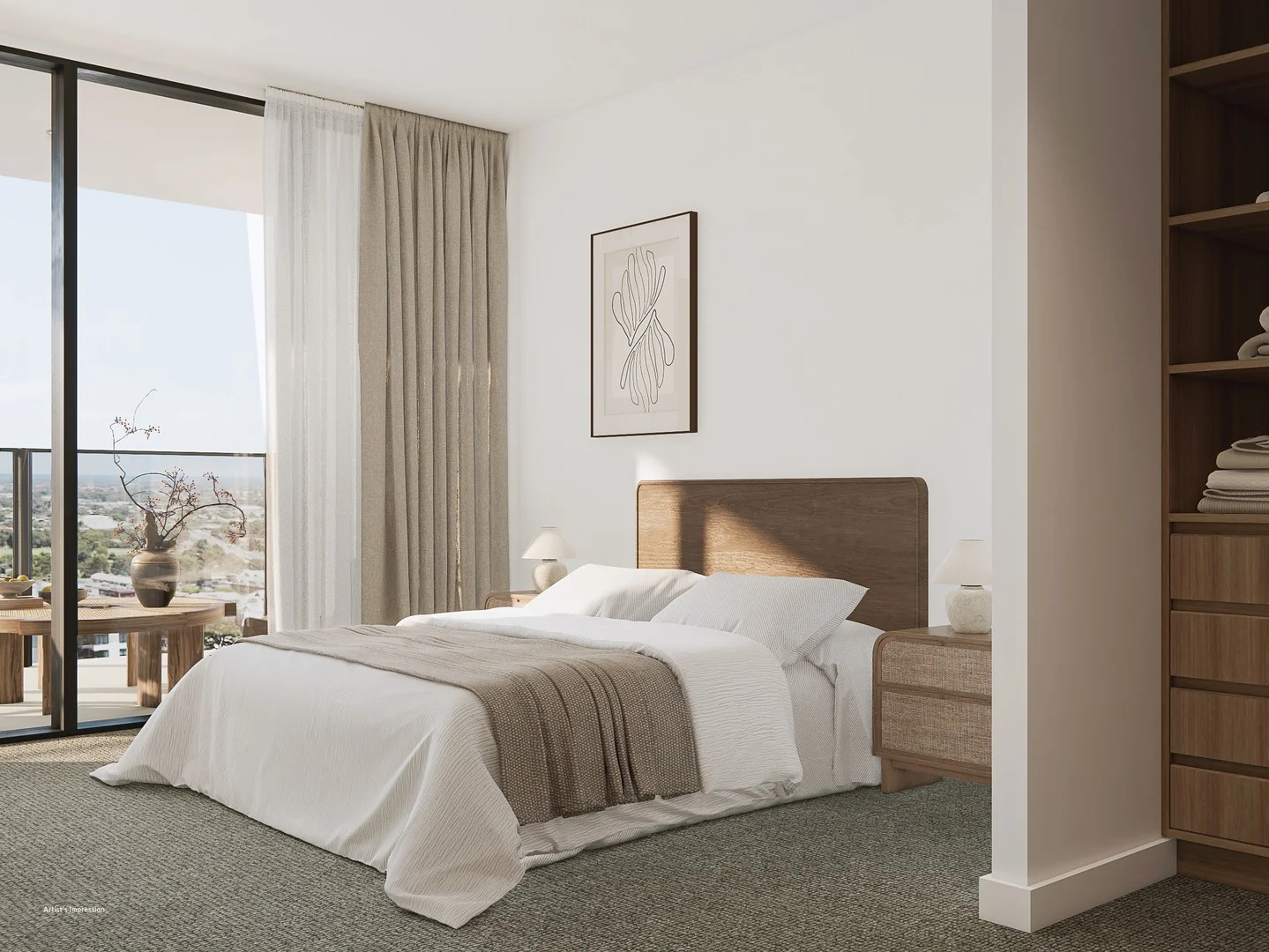 $935,000
Apartment / Unit / Flat
$935,000
Apartment / Unit / Flat
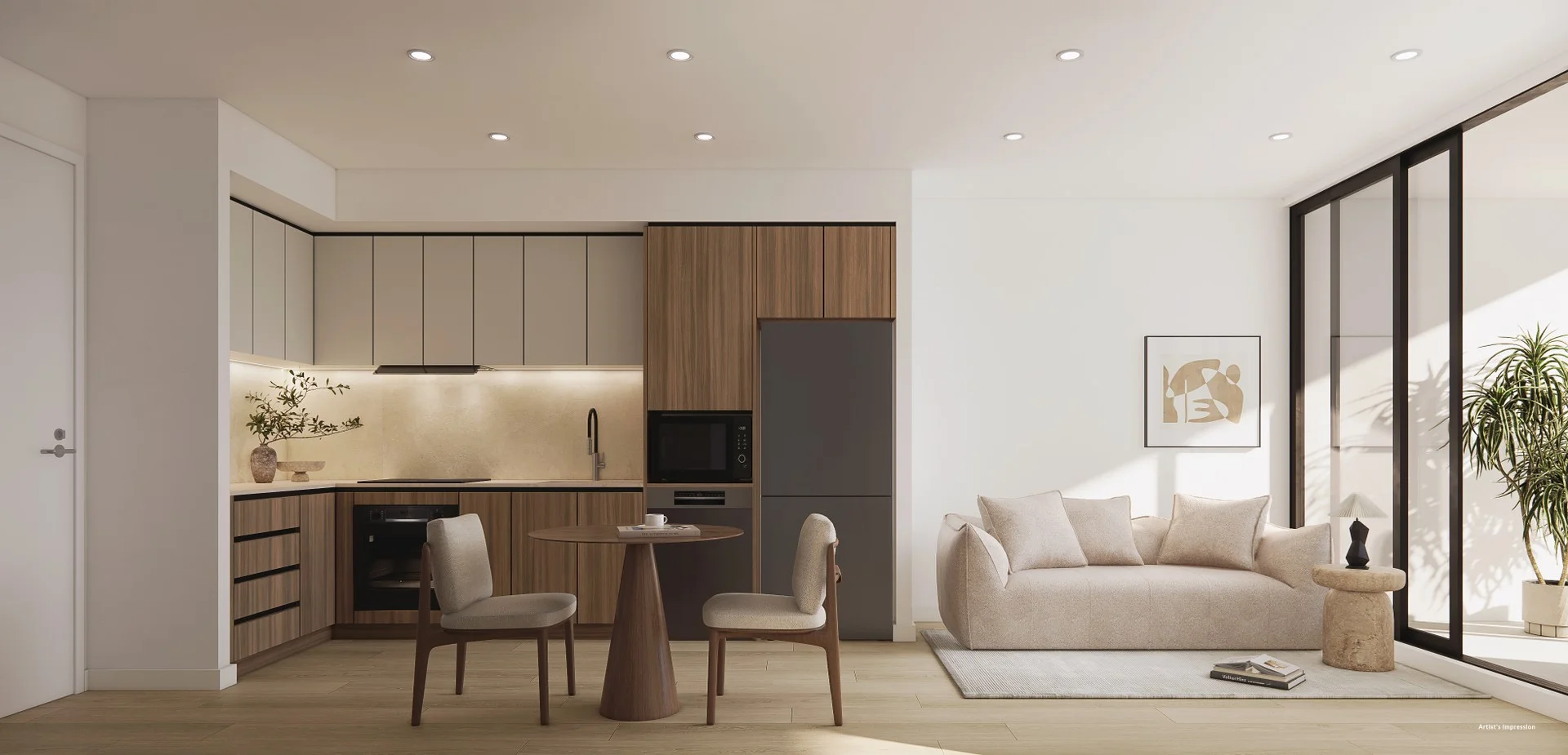 $588,000
Apartment / Unit / Flat
$588,000
Apartment / Unit / Flat
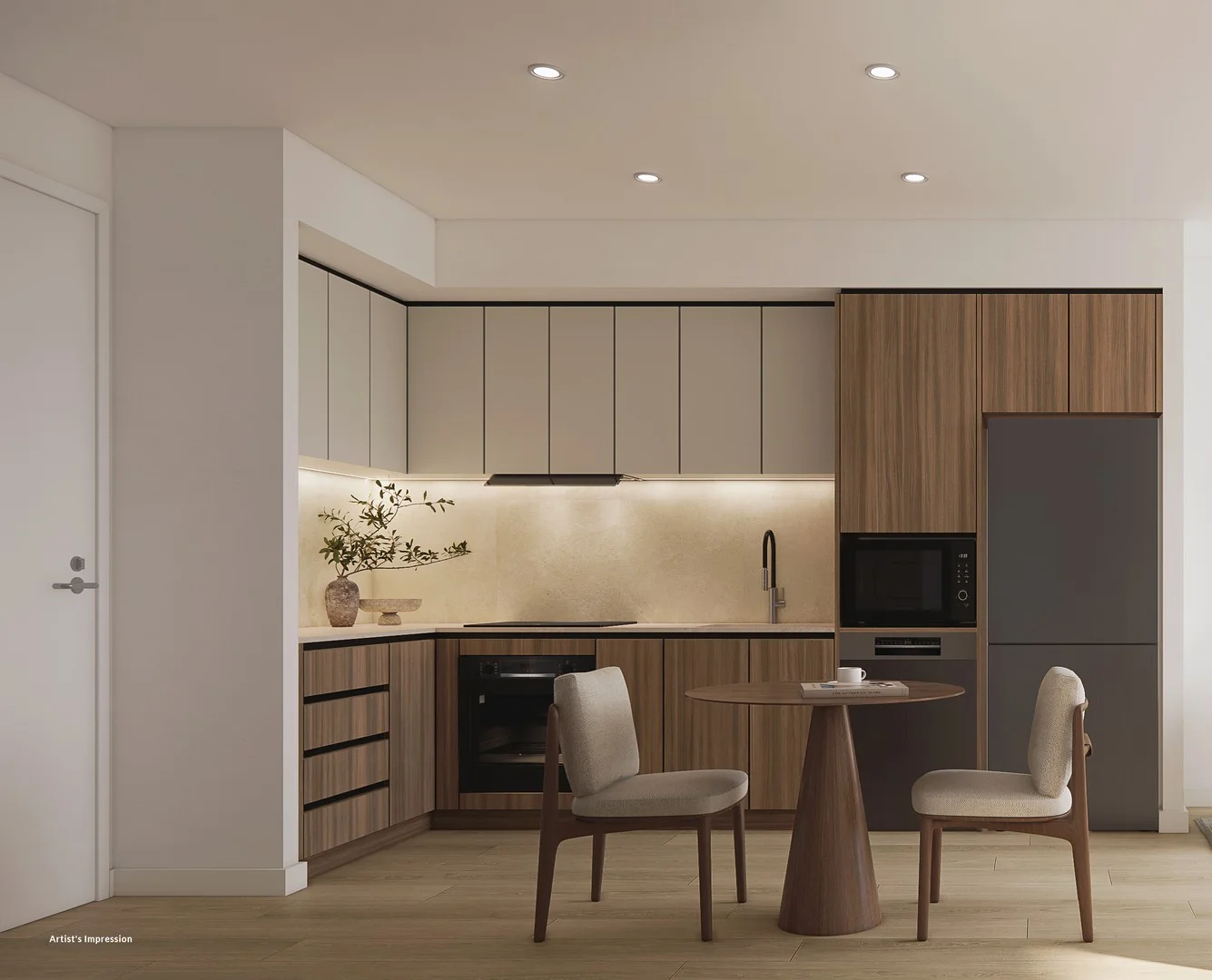 $557,000
Apartment / Unit / Flat
$557,000
Apartment / Unit / Flat
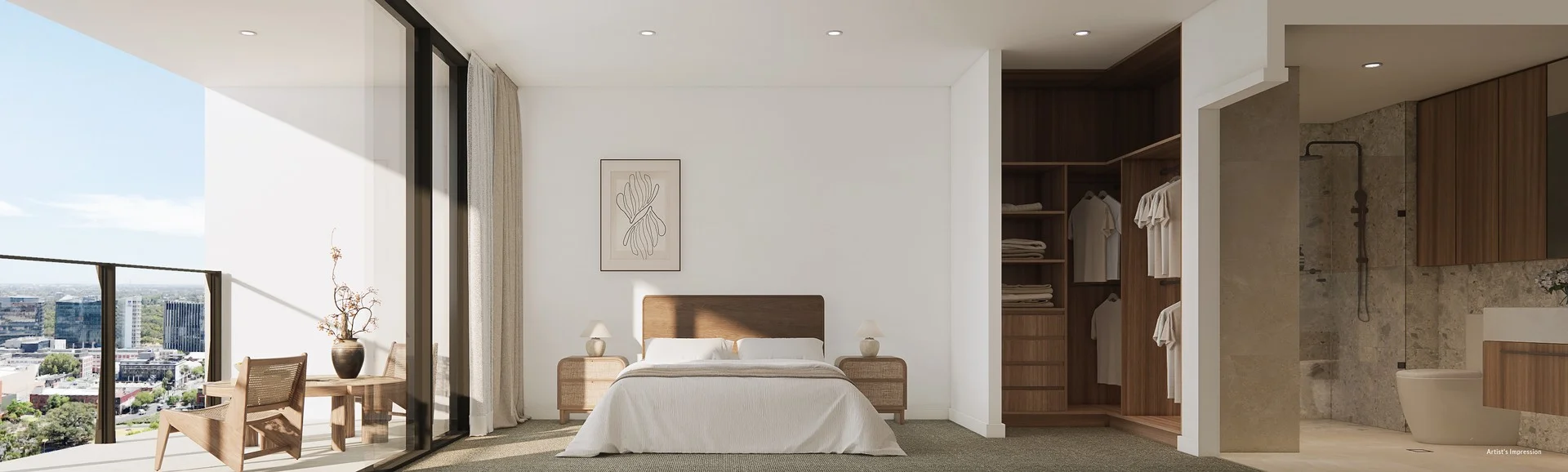 $1,056,000
Apartment / Unit / Flat
$1,056,000
Apartment / Unit / Flat
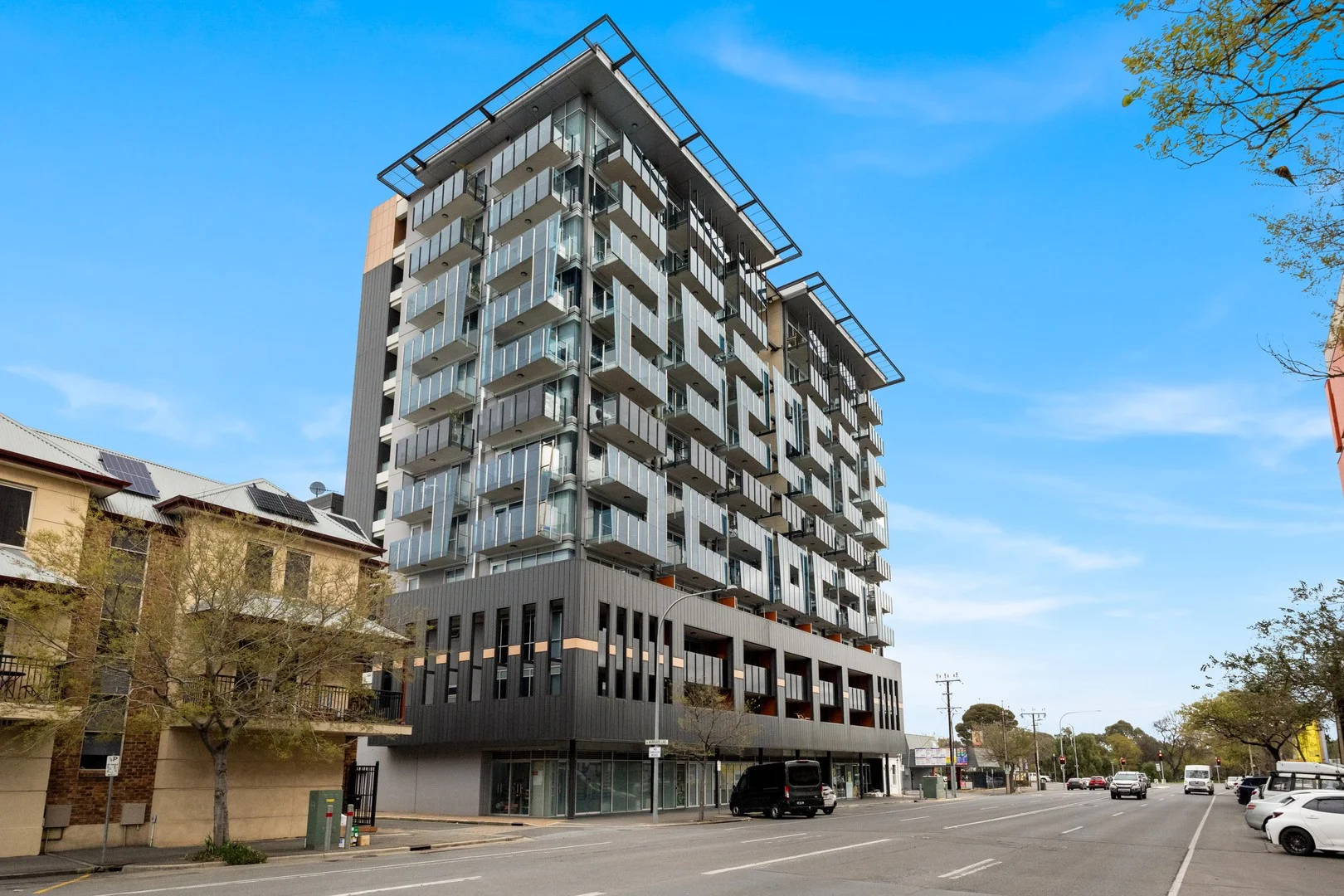 $1,100,000
Apartment / Unit / Flat
$1,100,000
Apartment / Unit / Flat
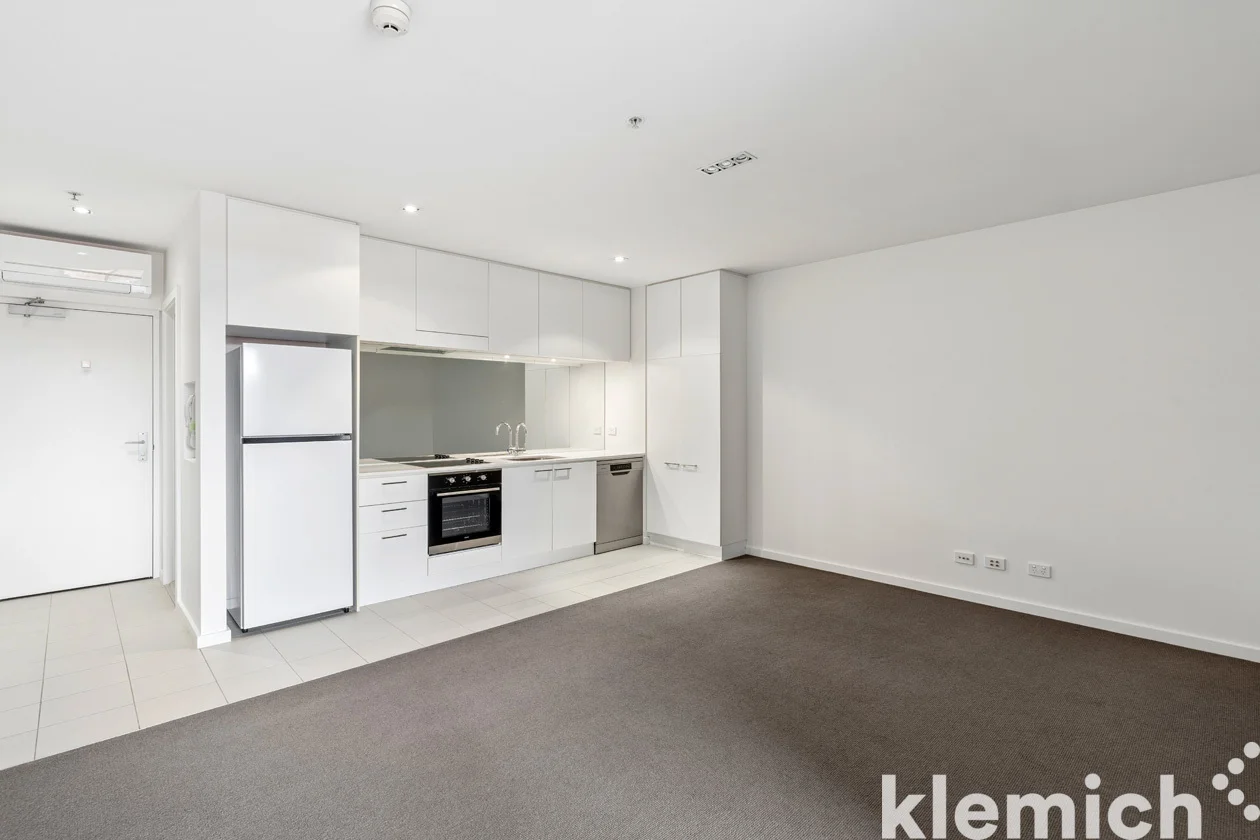 $440,000
Apartment / Unit / Flat
$440,000
Apartment / Unit / Flat
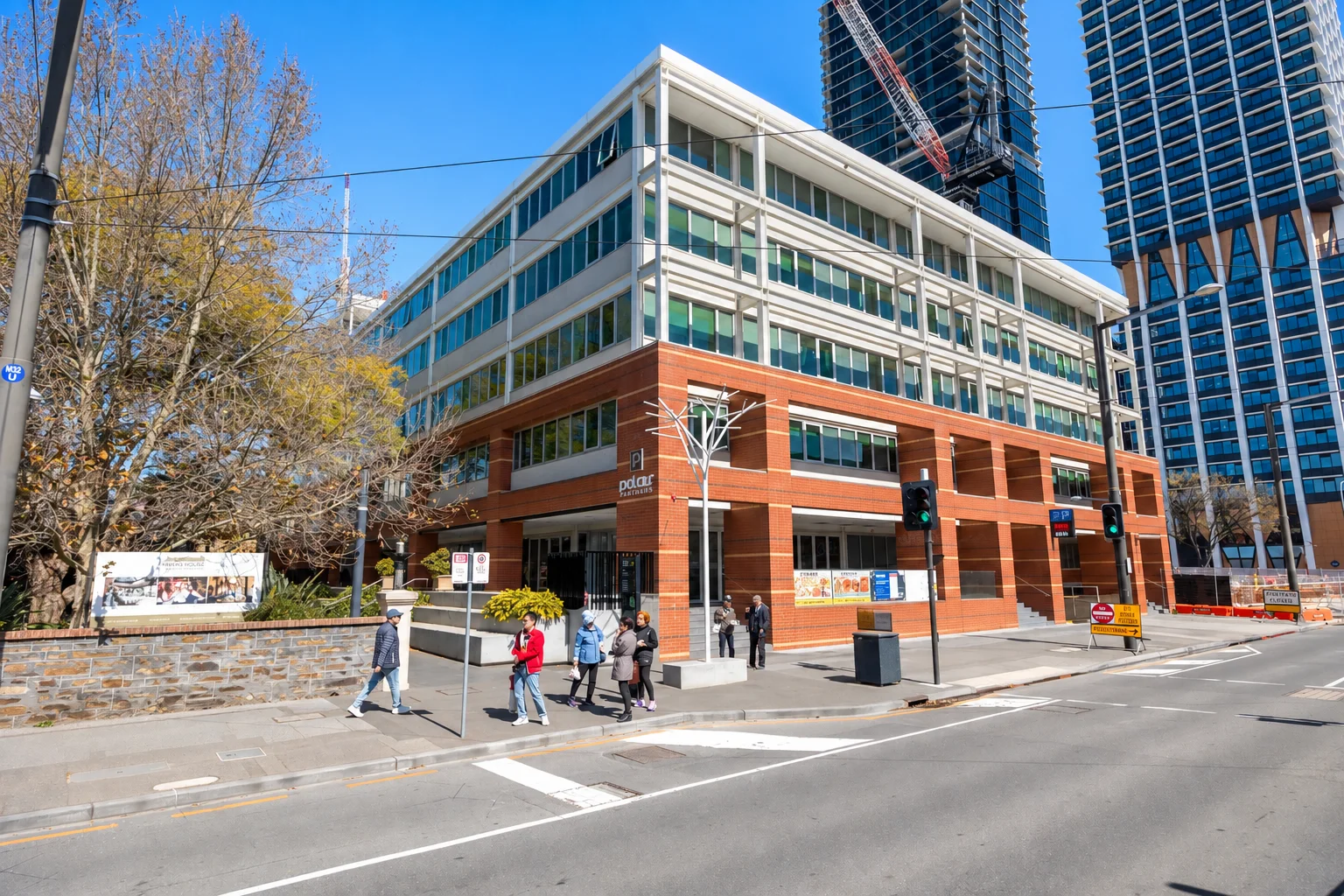 $545,000
Apartment / Unit / Flat
$545,000
Apartment / Unit / Flat
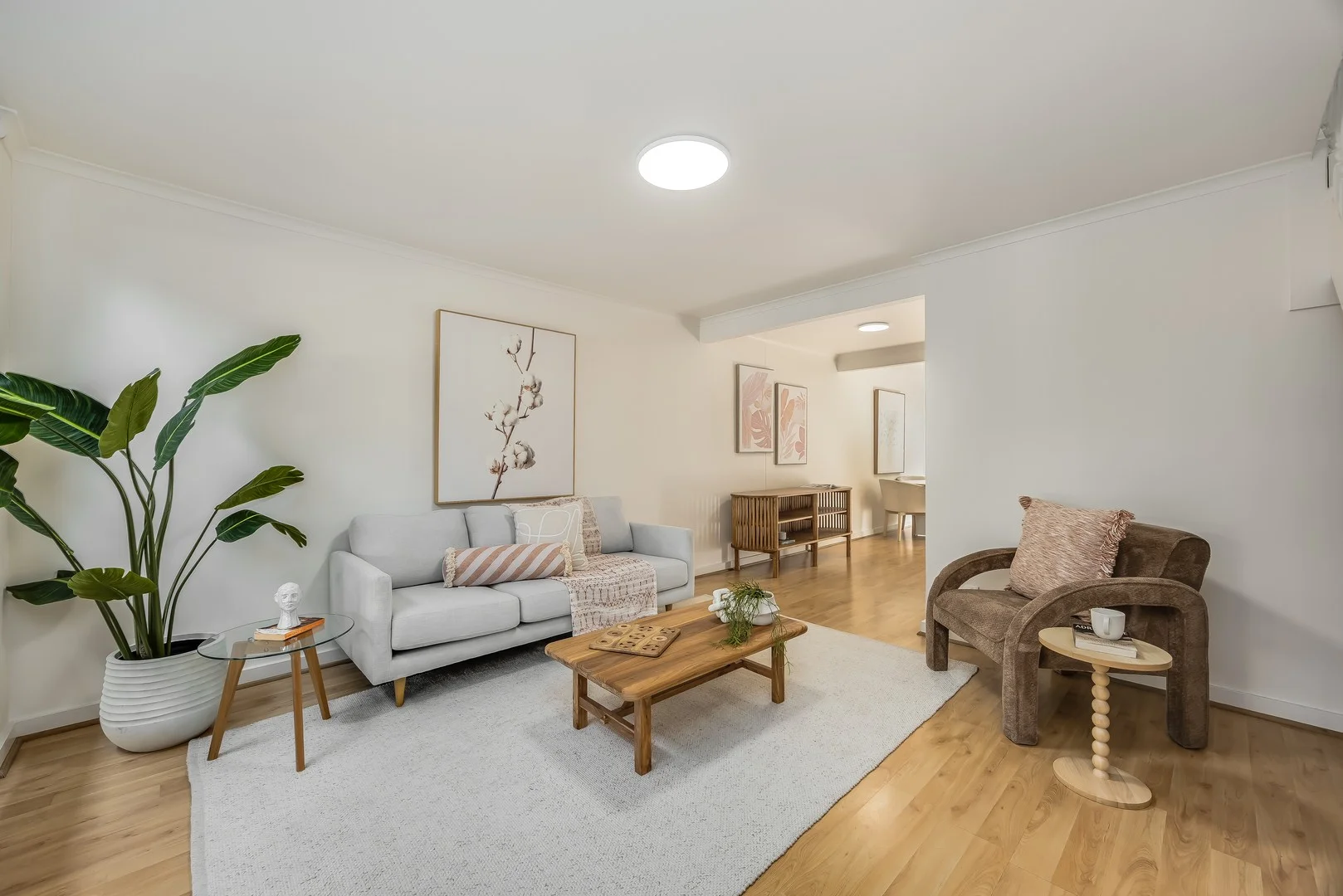 $775,000
House
$775,000
House