Overview
## 1. Overview
Charles La Trobe College is a public (government) secondary college serving students in the local area. The school operates as a mid-sized campus with a welcoming, inclusive culture that supports a broad mix of students and interests. Class sizes are typically in the 20s, allowing for approachable teaching and good teacher-student interaction. The atmosphere tends to be nurturing and student-centered, with a focus on both academic achievement and well-being.
⸻
## 2. Academics & Learning
- Academic strengths: Strong emphasis on English and STEM subjects, with pathways to VCE/VCAL and a variety of elective subjects. Languages and the arts/programs that support creativity are also part of the learning mix.
- Special programs: Access to standard Victorian senior secondary programs (VCE/VCAL) and opportunities for pathways into vocational training; some schools offer accelerated or gifted/talented options where available.
- NAPLAN trends: Public data typically show stable to improving trends over recent years in key areas (reading, writing, numeracy). For the latest trend details, refer to the state reporting and the school’s annual report.
- Student-teacher ratios: Roughly around 1 teacher for every 20–22 students, supporting meaningful classroom interaction and targeted support.
- Support for diverse learners: EAL (English as an Additional Language) supports, SEN provisions, and inclusive education practices to assist students with varied learning needs; targeted literacy and numeracy support programs are commonly available.
⸻
## 3. Sports & Extracurricular Strengths
- Sports offered: Regular secondary-school programs include basketball, football (AFL-style), soccer, netball, athletics, swimming, and general fitness activities, with opportunities to compete in school teams and events.
- Strong teams or achievements: Schools typically participate in district-level competitions and showcase development pathways for student-athletes; exact achievements should be confirmed with the school’s current sports coordinators.
- Music, arts, drama programs: Active involvement in music and performing arts, with opportunities for ensembles, solo performances, drama productions, and arts-related showcases.
- Clubs: Robotics, chess, coding, debating, and other interest clubs are commonly available, along with academic and culturally focused groups.
- Partnerships: Local partnerships with community clubs, regional sporting bodies, and inter-school competitions help extend opportunities beyond the classroom.
⸻
## 4. Wellbeing & Pastoral Care
- Anti-bullying approach: Positive school climate initiatives, clear anti-bullying policies, and student support channels to address concerns promptly.
- House system: A house-based structure to support pastoral care, leadership opportunities, and school spirit.
- Counsellors / wellbeing officers: Access to school-based wellbeing staff, with pathways to external support if needed.
- Transition support for new students: Orientation programs, buddy systems, and dedicated staff to help new students settle in and build connections.
⸻
## 5. Facilities
- Sports grounds: On-site facilities for general physical education and team sports.
- Libraries: Dedicated library spaces with resources for study, research, and recreational reading.
- Science labs: Well-equipped science laboratories for practical experiments and demonstrations.
- Music/performing arts centers: Rooms and spaces for music practice, rehearsals, and performances.
- Tech/innovation labs: Computing and technology spaces to support digital learning, coding, and project work.
- Cafeteria: On-site canteen or dining area for meals and snacks.
- Updated playgrounds: Play/learning spaces designed for break times and informal learning.
⸻
## 6. School Values & Community Culture
- Values / mission: A focus on respect, inclusion, academic Excellence, and student well-being; a values-driven culture.
- Leadership style: Supportive and student-centered leadership that encourages participation, responsibility, and collaboration.
- Behaviour expectations: Clear codes of conduct and consistent expectations across year levels.
- Community reputation: Perceived as a welcoming, inclusive school with strong community ties and opportunities for student involvement.
- Diversity & inclusion: Practices and programs to promote equity, celebrate difference, and support students from diverse backgrounds.
⸻
## 7. School Logistics & Daily Operations
- School hours: Typical daily start and end times aligned with state calendars (e.g., roughly mid-morning to mid-afternoon); check current term timetable for exact hours.
- Before/after school care: Availability varies by campus; inquire with the school about any supervised programs or local partnerships.
- Uniform requirements: School uniform policy with specified attire for everyday wear and occasionally for formal events.
- Transport (train/bus routes): Accessible by local public transport; school transport options depend on catchment and service routes.
- Canteen availability: On-site canteen or dining facilities offering lunch and snack options.
- Fees (low/medium/high ranges): Public schools in Victoria typically have low to modest voluntary contributions; additional costs may apply for excursions, materials, or specific programs.
⸻
## 8. Enrolment & Admissions
11. What is the enrolment process and timeline?
- Enrolment generally follows the Victorian public school process via the state enrollment system. Submit applications within the designated intake windows, with final placement subject to available places and catchment rules.
12. Is there a waiting list, and how does it work?
- Some year levels may have waitlists when vacancies are limited. Placement often prioritizes catchment eligibility and sibling placements; processing times vary.
13. Are there any entry requirements, tests, or interviews?
- For general enrolment, there are typically no entry tests or interviews. Some programs or selective pathways may involve brief eligibility checks or program-specific discussions; confirm with the school's enrolments team.
14. Does the school accept mid-year transfers?
- Mid-year transfers can be considered if vacancies exist. Approval usually depends on placement availability, the student’s prior records, and meeting any interim requirements set by the school.
⸻
## 9. Frequently Asked Questions
- Why Parents Choose This School?
- A balanced environment that combines accessible academics with strong pastoral care, inclusive practices, and a range of extra-curricular opportunities.
- What type of student thrives at this school?
- Students who value a well-rounded education, engagement in both academics and clubs, and a supportive community.
- What opportunities are available for students to extend their skills (academics, sports, arts)?
- Access to VCE/VCAL pathways, elective subjects, clubs (robotics, coding, debating), sports teams, and performing arts programs.
- How does the school communicate with parents?
- Through emails, newsletters, the school app/portal, and regular parent-teacher communications; notices and events are shared via the school community channels.
- What is the school’s approach to teaching and learning?
- Student-centered instruction with emphasis on inclusivity, collaboration, and practical learning experiences across core subjects.
- How does the school support students who need extra academic help?
- Targeted literacy and numeracy support, EAL and SEN services, tutoring/mentoring, and in-class adjustments where required.
- What support is available for academic challenges?
- Dedicated wellbeing and learning support staff, access to additional tutoring sessions, and referrals to external services when needed.
- How does the school communicate with parents? (Repeated)
- See above: email, newsletters, parent portal/app, and scheduled meetings.
- What are the class sizes and how much individual attention do students receive?
- Class sizes are typically around 20–25 students, with teachers available for targeted help during lessons and through additional support times.
- What extracurricular and sports opportunities are available?
- Wide range of sports, music and arts programs, and clubs such as robotics, chess, coding, and debating.
- What facilities does the school offer (sports, science, arts)?
- Sports grounds, libraries, science labs, music/performing arts spaces, tech/innovation labs, canteen, and updated playgrounds.
- What is the school’s approach to technology and digital learning?
- Integrated digital learning with computer/tech labs, potential BYOD or device use policies, and use of learning platforms to support teaching.
- What transport and accessibility options are available?
- Access via local bus/train routes with catchment-based admissions; parking and access details available from the school.
- What are the typical school fees or additional costs?
- Public-school fees are generally modest; additional costs may include camps, excursions, materials, and optional activities.
⸻
## 10. Short Pros & Cons list
- Pros
- Public, inclusive environment with solid academic program and supportive wellbeing framework.
- Balanced emphasis on academics, sports, arts, and clubs.
- Strong pastoral care, transition support, and student engagement opportunities.
- Moderate class sizes that support individual attention and teacher accessibility.
- Cons
- As a mid-sized public school, competition for limited places can occur in popular years/streams.
- Some programs and facilities may vary by year or require parent/guardian involvement to access certain opportunities.
- Transport options depend on location and student catchment; some families may need to plan for travel times.
⸻











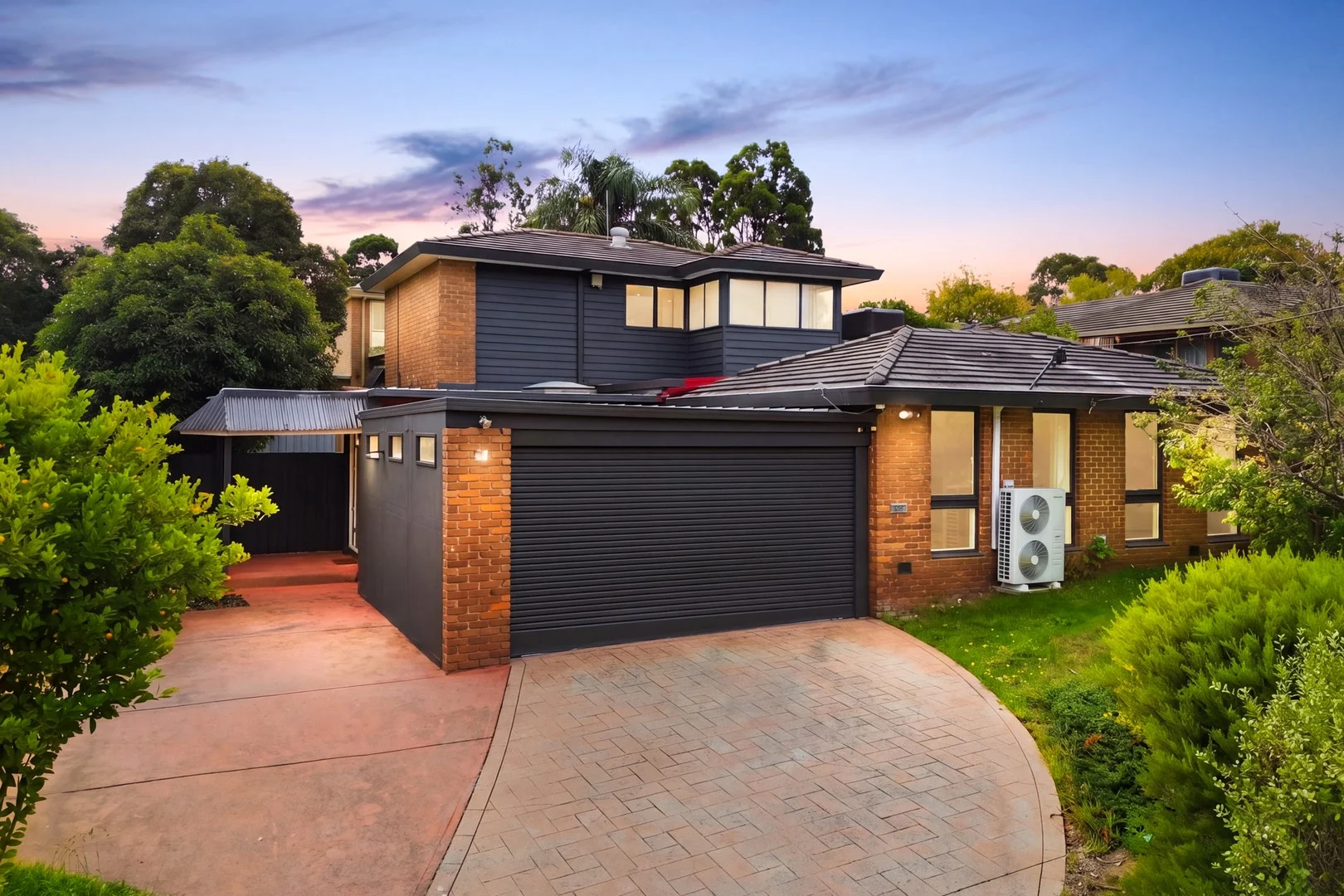 $1,220,000 - $1,320,000
House
$1,220,000 - $1,320,000
House
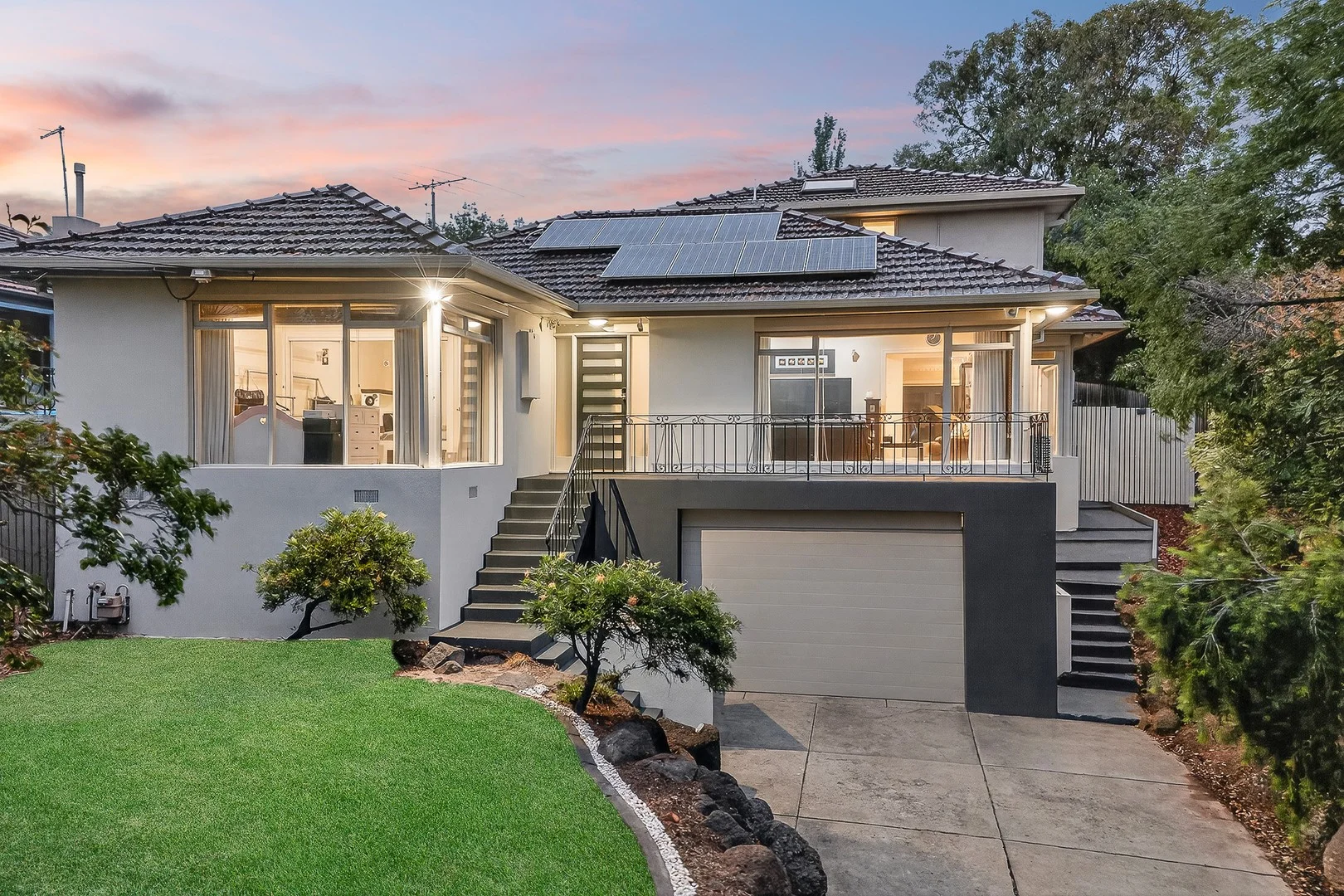 $1,350,000 - $1,450,000
House
$1,350,000 - $1,450,000
House
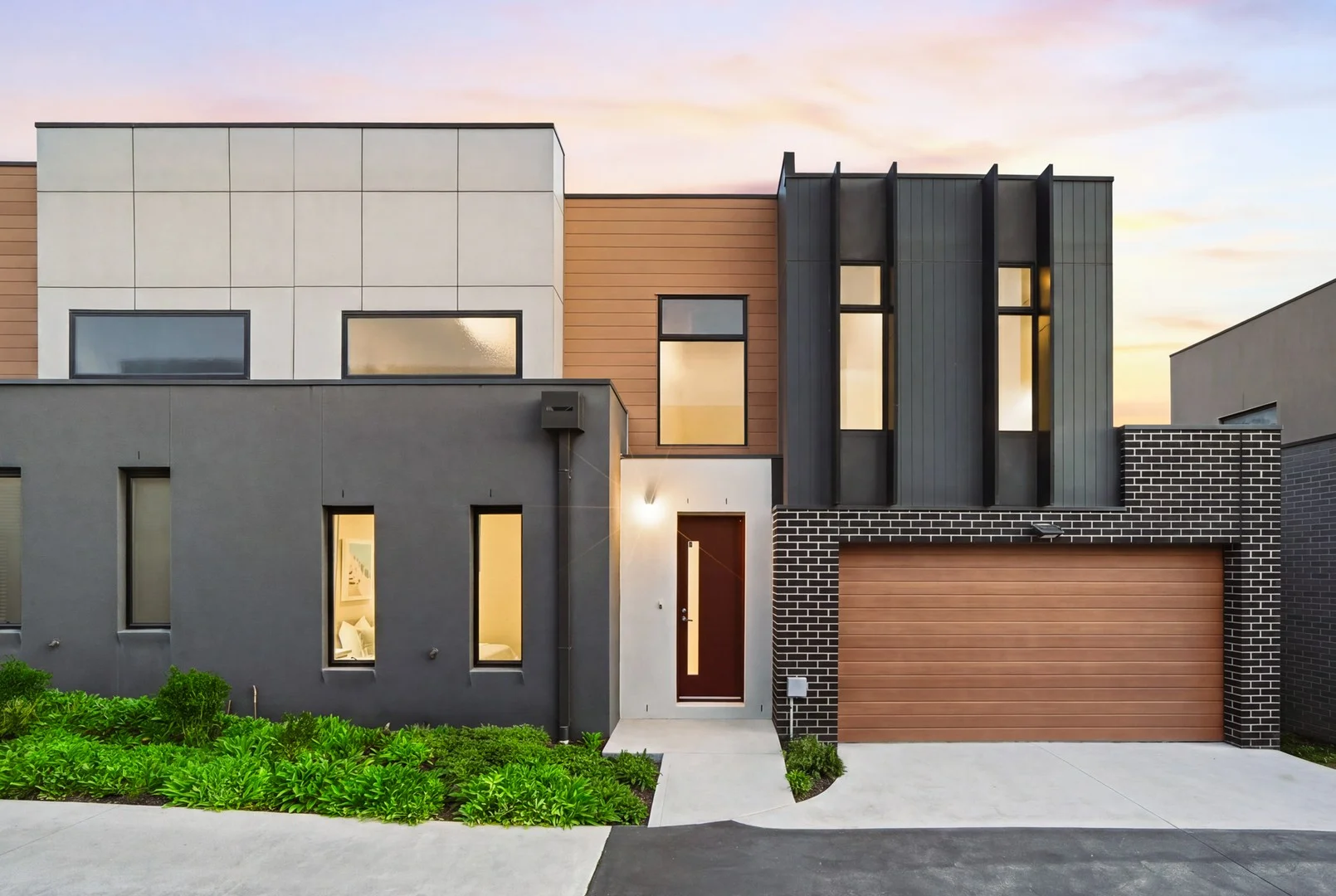 $900,000 - $990,000
Townhouse
$900,000 - $990,000
Townhouse
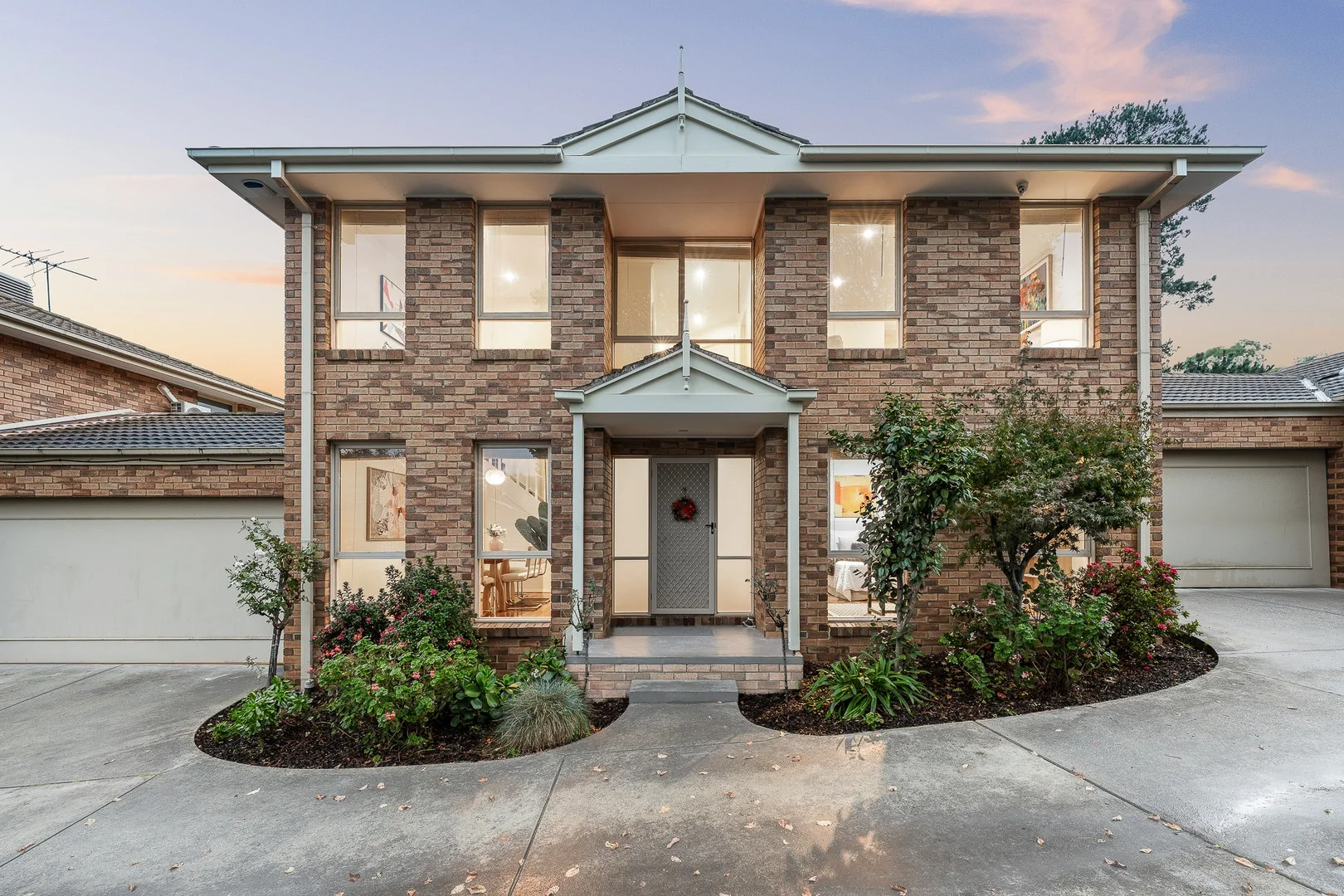 $950,000 - $1,045,000
Apartment / Unit / Flat
$950,000 - $1,045,000
Apartment / Unit / Flat
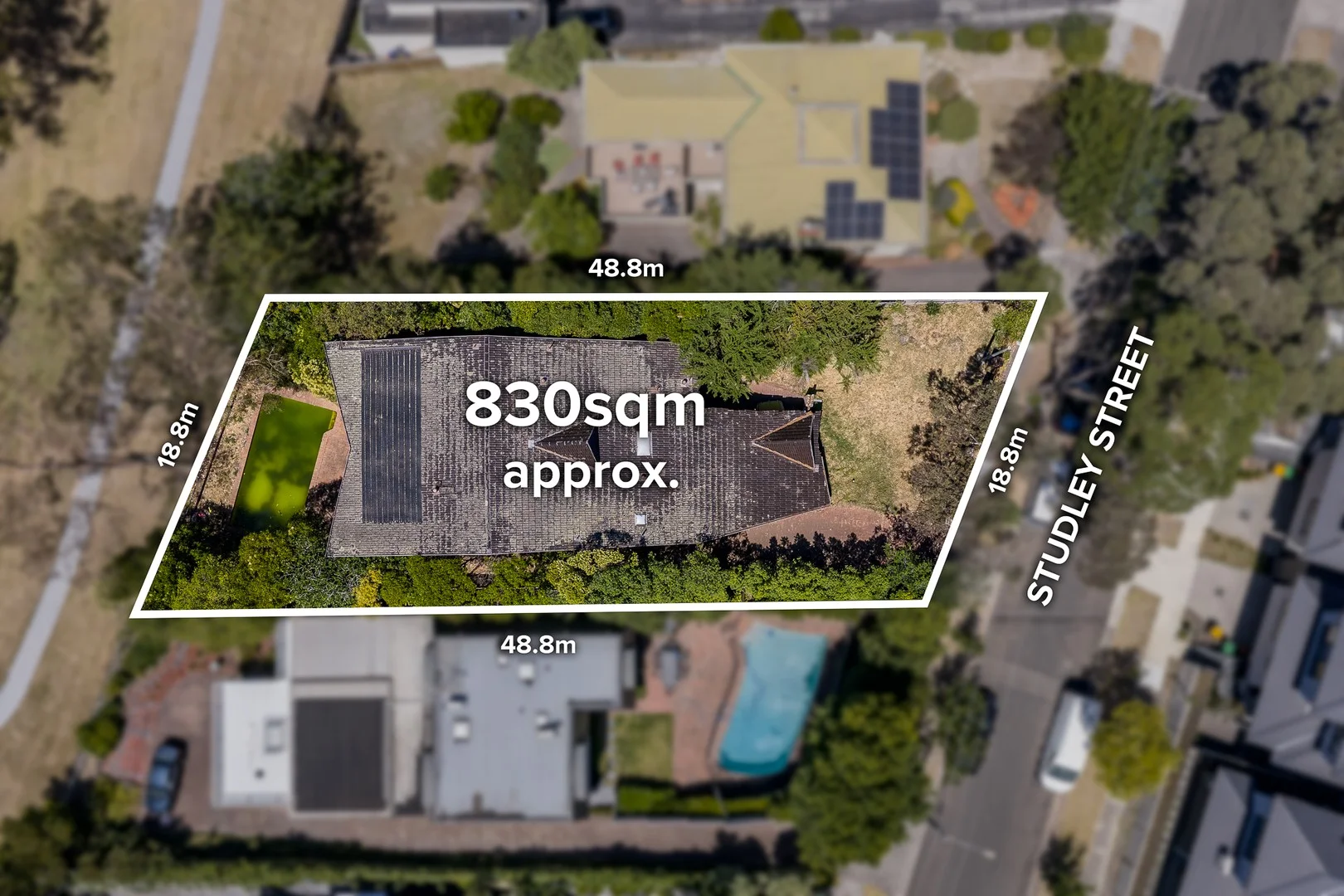 $1,400,000 - $1,500,000
House
$1,400,000 - $1,500,000
House
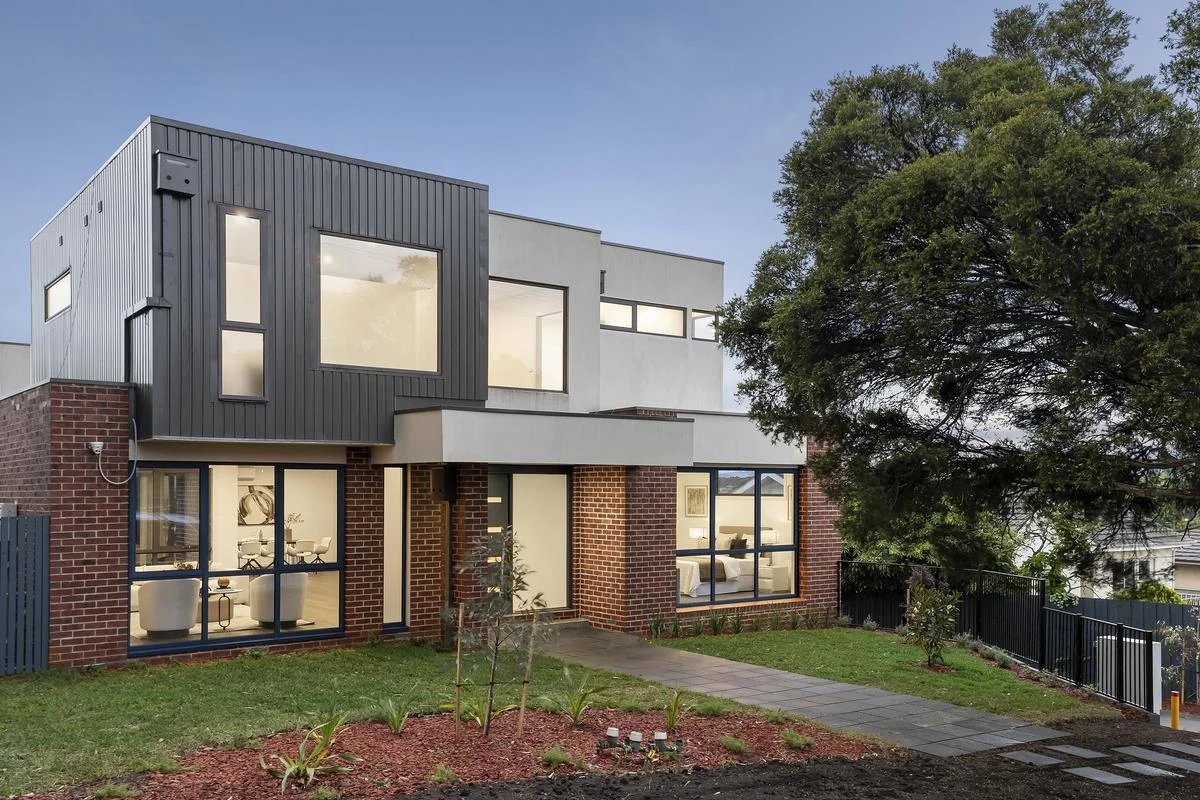 $1,550,000 - $1,650,000
Townhouse
$1,550,000 - $1,650,000
Townhouse
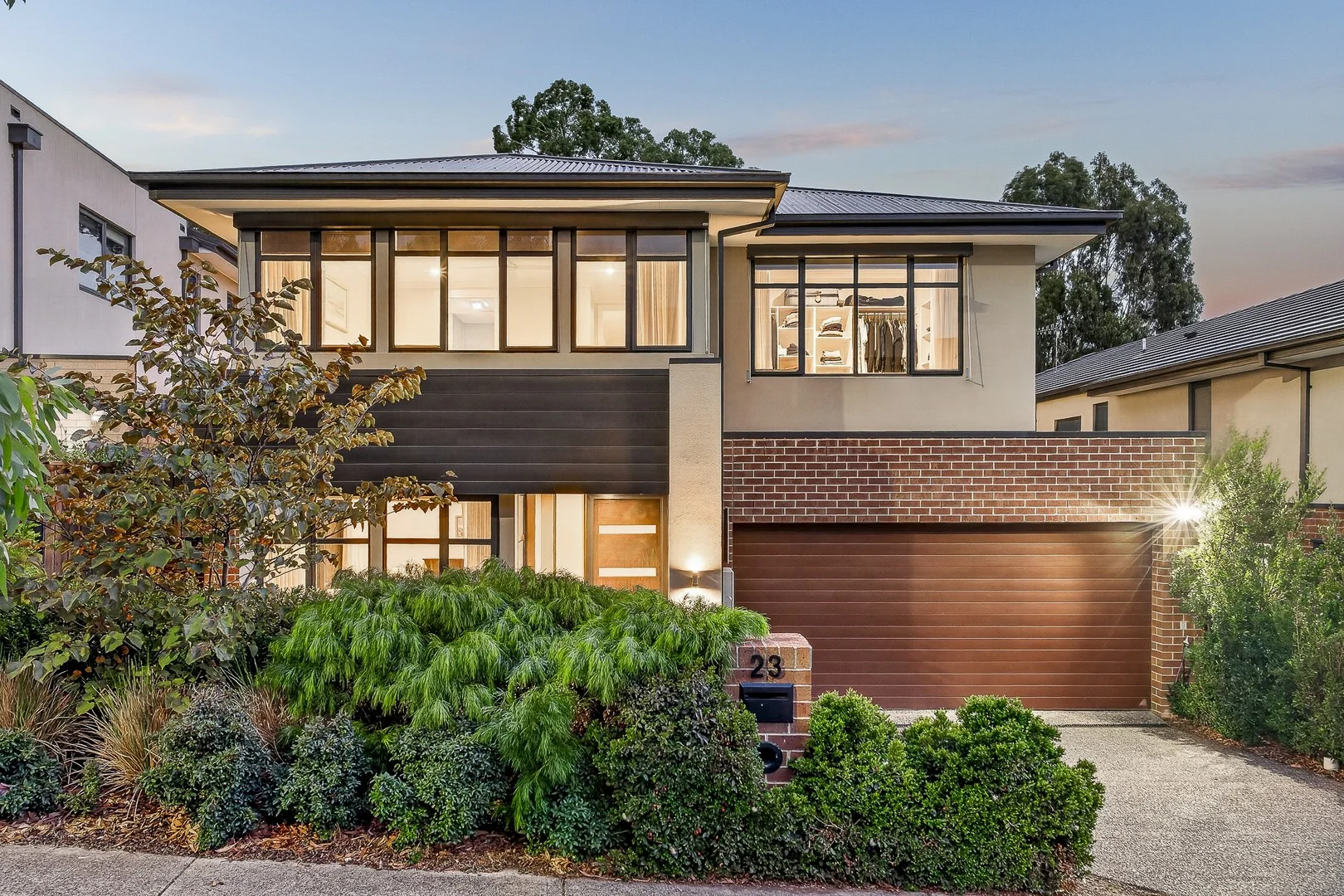 $1,780,000 - $1,880,000
House
$1,780,000 - $1,880,000
House
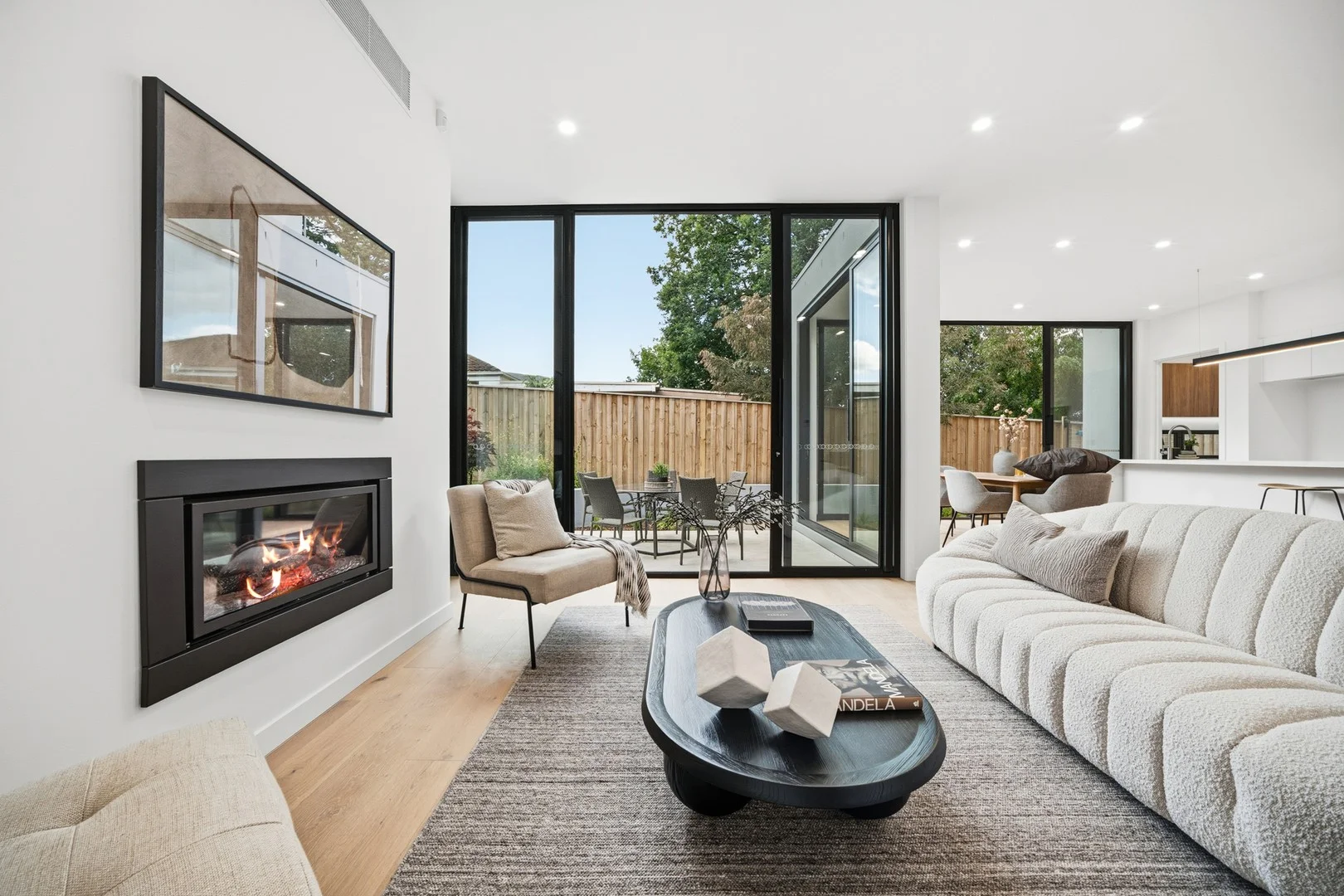 $1,750,000
Townhouse
$1,750,000
Townhouse
 $1,600,000 - $1,750,000
House
$1,600,000 - $1,750,000
House