## 1. Overview
Chatswood High School is a public co-educational high school serving students in the Chatswood area of New South Wales. It offers a broad, comprehensive secondary education designed to prepare students for further study, work, and community life. The school emphasises a balanced mix of academics, wellbeing, and extended opportunities in sports, arts, and clubs.
- School type: Public
- School size: Medium
- Class size: Typically in the mid-teens to high-teens per class
- Atmosphere/culture: Diverse, inclusive, academically focused with a supportive, community-oriented feel
⸻
## 2. Academics & Learning
Chatswood High School aims to develop solid academic foundations alongside opportunities for personal growth.
- Academic strengths: Strong emphasis on English/literacy and mathematics, robust science education, and a broad range of subject choices to support STEM, humanities, and languages.
- Special programs: Broad curriculum with enrichment options in STEM, languages, and leadership opportunities; involvement in NSW Department of Education programs and school-based extensions where available.
- NAPLAN / trends: The school typically demonstrates steady literacy and numeracy performance with gradual year-to-year improvements in many cohorts, reflecting ongoing focus on essential skills.
- Student-teacher ratios: Class sizes and ratios are in the mid-range for NSW public high schools, with teachers accessible for support across subjects.
- Support for diverse learners: Access to English as an Additional Language (EAL) support, learning support staff, and targeted assistance for students with additional needs; inclusive practices to help all students succeed.
⸻
## 3. Sports & Extracurricular Strengths
A strong feature for families, with a broad range of activities beyond the classroom.
- Sports offered: Soccer, basketball, cricket, rugby, netball, athletics, swimming, and other school-wide activities.
- Strong teams or achievements: Active participation in district and inter-school competitions with a track record of competitive teams and steady involvement across sports.
- Music, arts, drama programs: Regular music ensembles, drama productions, and arts activities that involve students across year levels.
- Clubs: Robotics, chess, coding, debating, science/tech clubs, and other student-led groups.
- Partnerships: Participation in local inter-school events and partnerships with community groups and regional competitions to broaden opportunities.
⸻
## 4. Wellbeing & Pastoral Care
Wellbeing and supportive relationships are a priority to help students thrive.
- Anti-bullying approach: Clear policies and proactive programs to promote respectful behaviour and safe environments; restorative approaches are commonly used.
- House system: A house-based structure to foster mentorship, peer support, leadership, and school spirit.
- Counselors / wellbeing officers: Access to school counsellors and wellbeing staff to support academic, emotional, and social needs.
- Transition support for new students: Orientation activities, buddy programs, and targeted transition support to help new students settle in.
⸻
## 5. Facilities
Facilities are designed to support a broad curriculum and student life.
- Sports grounds: On-site or nearby facilities for team sports and physical education.
- Libraries: Well-equipped library spaces for study, research, and reading.
- Science labs: Modern science laboratories supporting practical investigations.
- Music/performing arts centers: Spaces for music groups, drama, and performances.
- Tech/innovation labs: Computer labs and makerspaces to support ICT and STEM activities.
- Cafeteria: On-site canteen offering a range of healthy options.
- Updated playgrounds: Play and recreation spaces suitable for break times and outdoor activities.
⸻
## 6. School Values & Community Culture
What kind of students and community are shaped here?
- School values / mission: Emphasis on respect, responsibility, effort, and inclusion within a supportive learning community.
- Leadership style: Collaborative and student-centred, with opportunities for student voice and leadership in clubs, student councils, and activities.
- Behaviour expectations: Clear student code of conduct with positive behaviour support and consistency across year levels.
- Community reputation: Known for its welcoming, family-friendly environment and active parental engagement.
- Diversity & inclusion: A diverse student body with inclusive practices and programs to support all backgrounds.
⸻
## 7. School Logistics & Daily Operations
Practical information to help families plan around the school day.
- School hours: Typical day runs from morning to mid-afternoon (exact times published by the school each year).
- Before/after school care: After-school options are available in many NSW public schools, often through OSHC partners or school-run arrangements.
- Uniform requirements: Standard NSW public high school uniform; details provided by the school.
- Transport (train/bus routes): Located in a transit-rich area with access to nearby public transport; frequent bus services and proximity to railway stations.
- Canteen availability: On-site canteen or planned meal services for breaks and lunch.
- Fees (low/medium/high ranges): Public high schools generally have low tuition; occasional fees for excursions, materials, or elective activities.
⸻
## 8. Enrolment & Admissions
11. What is the enrolment process and timeline?
- Enrolment is typically handled through NSW Department of Education processes with required documentation (proof of identity, proof of residence, etc.). Applications are usually completed for the upcoming school year with established timelines set by the department and the school. Local catchment considerations apply, and priority may be given to students within the local area.
12. Is there a waiting list, and how does it work?
- There can be waitlists when year groups reach capacity. Placement on a waitlist is usually determined by local catchment rules, availability, and the order of application. Some priority may be given to local residents and siblings.
13. Are there any entry requirements, tests, or interviews?
- For general enrolment, no entrance exam or interview is required. Some programs (such as music, elite programs, or sport-specific pathways) may involve auditions or interviews as part of applying to those particular pathways.
14. Does the school accept mid-year transfers?
- Yes, mid-year transfers can be considered if there is space in the relevant year level. Transfer requests typically involve a formal enrolment application, consent from current schools (where applicable), and transitioning documentation.
⸻
## 9. Frequently Asked Questions
- Why Parents Choose This School?
- A public, inclusive environment with a balanced focus on academics, wellbeing, and opportunities beyond the classroom; strong local community ties and accessible support services.
- What type of student thrives at this school?
- Students who value a diverse, welcoming community, solid academic foundations, and opportunities to participate in sports, arts, and clubs.
- What opportunities are available for students to extend their skills (academics, sports, arts)?
- A broad curriculum with STEM, languages, and humanities; leadership and student clubs; sports teams; music and drama ensembles; robotics, coding, and debating clubs.
- How does the school communicate with parents?
- Regular updates via newsletters, email, and school apps/portals; open evenings and parent information sessions; progress reports and parent-teacher communications.
- What is the school’s approach to teaching and learning?
- A balanced approach that blends core literacy and numeracy with inquiry, collaborative learning, and practical applications in science, technology, and the arts.
- How does the school support students who need extra academic help?
- Targeted support through learning assistance, EAL programs, and access to teachers and counsellors; extended time or adjusted tasks when appropriate.
- What support is available for academic challenges?
- Dedicated staff in learning support, access to additional tutoring or escorted study sessions, and individualized plans for students with specific needs.
- How does the school communicate with parents?
- See above under FAQs: regular channels include newsletters, portal/app messages, emails, and scheduled meetings.
- What are the class sizes and how much individual attention do students receive?
- Class sizes are in the mid-teens to high-teens range; teachers provide regular feedback and opportunities for assistance during and after class, with targeted support where needed.
- What extracurricular and sports opportunities are available?
- A broad suite of sports (e.g., soccer, basketball, cricket, rugby, netball, athletics), music ensembles, drama, and clubs like robotics, chess, coding, and debating.
- What facilities does the school offer (sports, science, arts)?
- Sports grounds, libraries, science labs, music/performing arts spaces, tech/innovation labs, and a canteen; updated recreation spaces.
- What is the school’s approach to technology and digital learning?
- Integration of ICT across classrooms, access to computer labs and digital resources, and opportunities to develop digital literacy and coding skills.
- What transport and accessibility options are available?
- Proximity to public transport with bus routes and nearby train access; facilities designed to be accessible for students with varying needs.
- What are the typical school fees or additional costs?
- As a public school, tuition is generally low; there may be optional or compulsory charges for certain activities, excursions, and materials.
⸻
## 10. Short Pros & Cons list
- Pros
- Public, inclusive environment with a balanced academic and wellbeing focus
- Medium-sized school with approachable class sizes and strong student support
- Wide range of co-curriculars: sports, arts, clubs, and STEM opportunities
- Active house system and emphasis on community and leadership
- Located in a well-connected area with access to transport
- Cons
- As a busy urban school, peak transport times can be crowded
- Large enough to have variability in programs by year; some specialised programs may be more limited than dedicated specialist schools
- Like many public schools, costs for trips and some activities can add up if families participate in a wide range of options












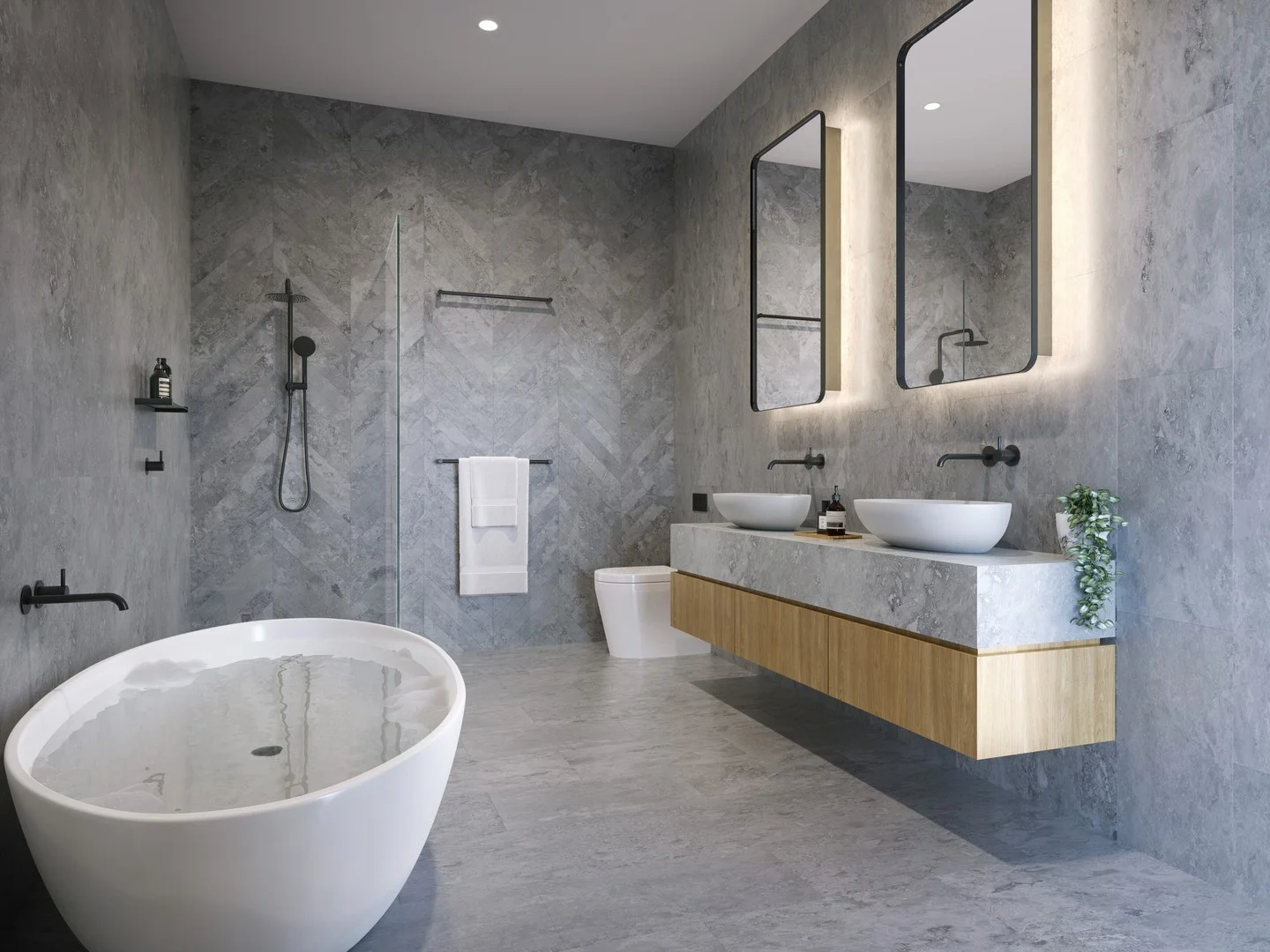 $2,824,000
Apartment / Unit / Flat
$2,824,000
Apartment / Unit / Flat
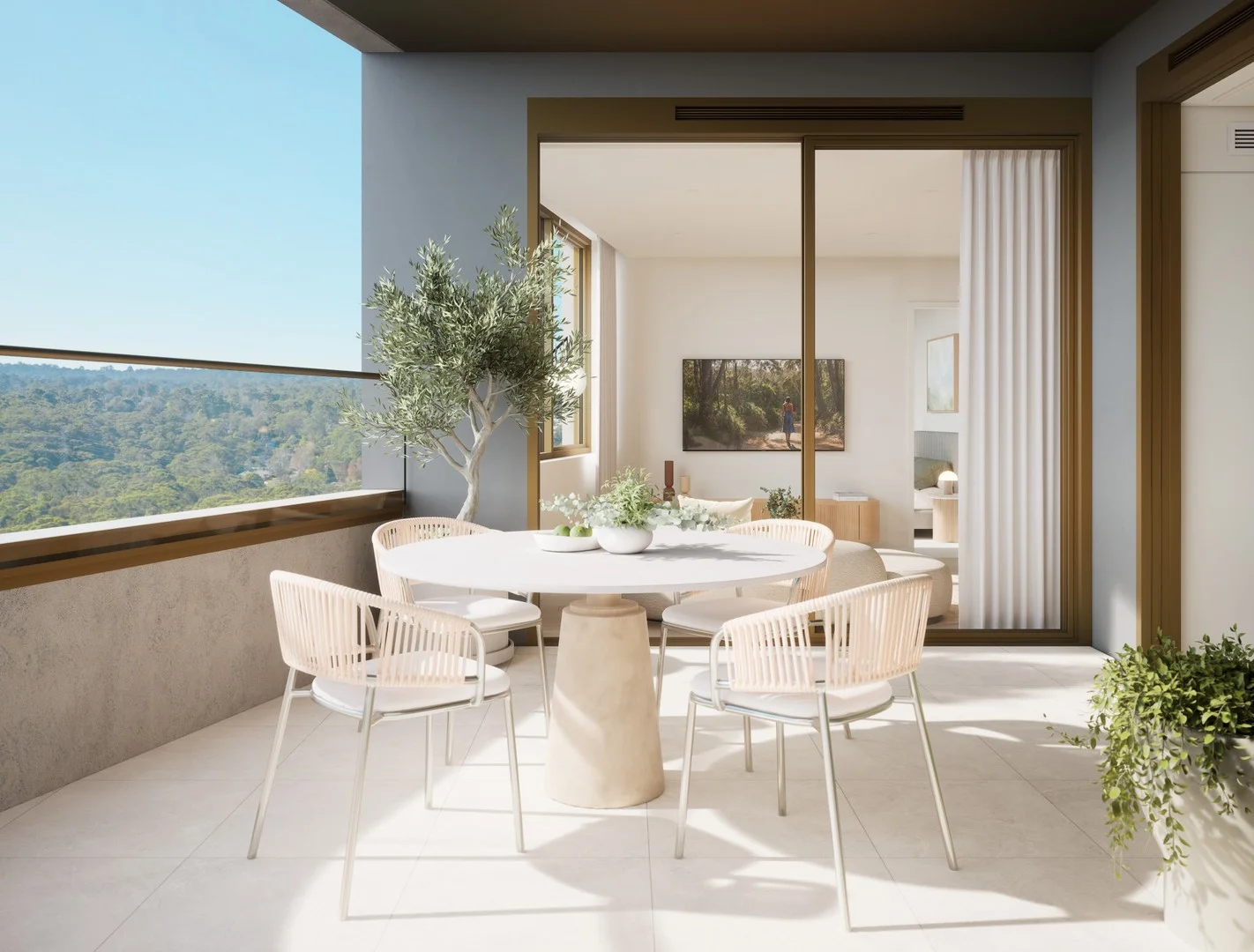 $1,525,000
Apartment / Unit / Flat
$1,525,000
Apartment / Unit / Flat
 $36,000,000 - $39,500,000
Vacant Land
$36,000,000 - $39,500,000
Vacant Land
 $26,550,000
propertyType.NEW APARTMENTS / OFF THE PLAN
$26,550,000
propertyType.NEW APARTMENTS / OFF THE PLAN
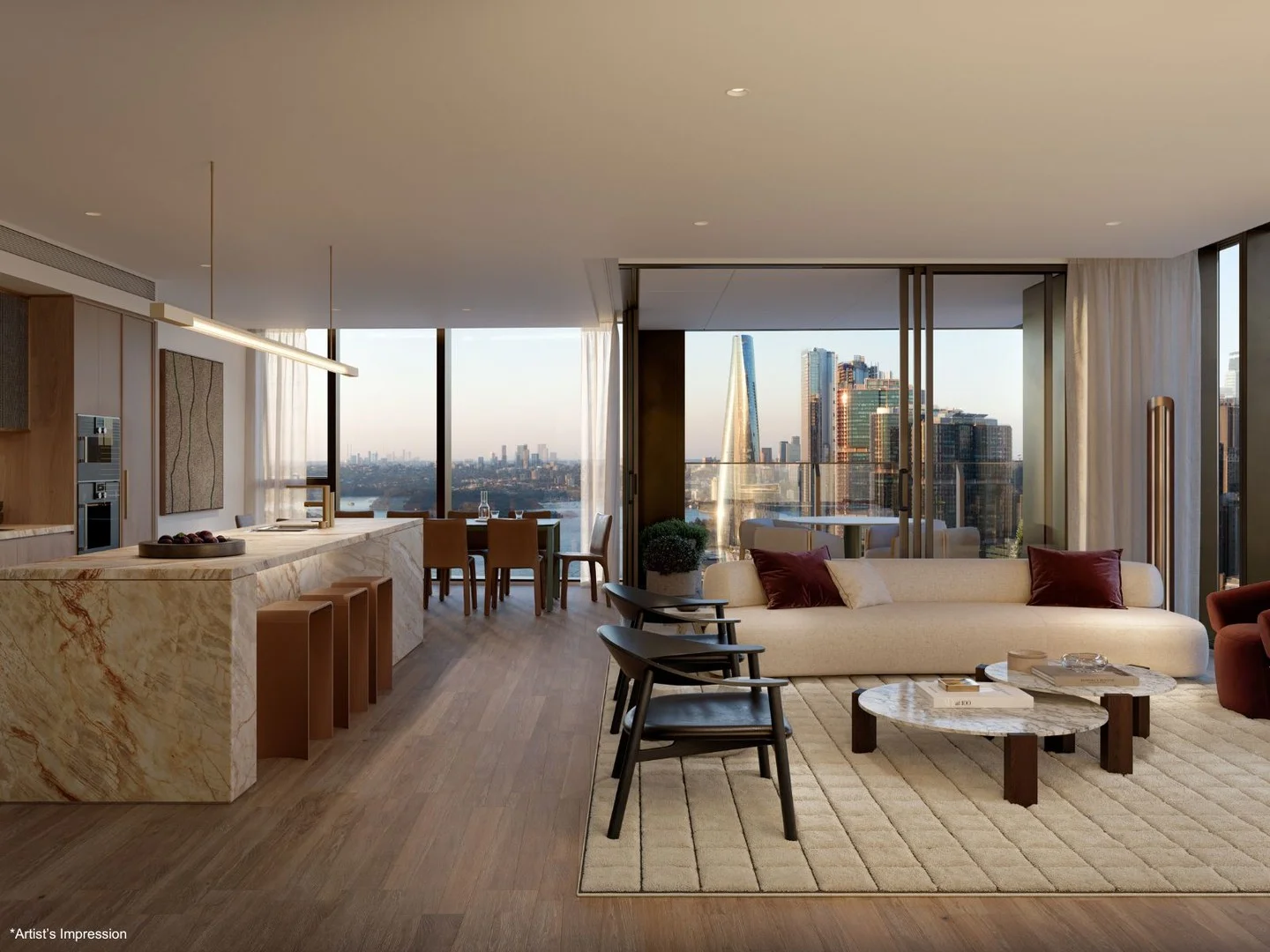 $12,980,000
propertyType.NEW APARTMENTS / OFF THE PLAN
$12,980,000
propertyType.NEW APARTMENTS / OFF THE PLAN
 $8,630,000
propertyType.NEW APARTMENTS / OFF THE PLAN
$8,630,000
propertyType.NEW APARTMENTS / OFF THE PLAN
 $6,225,000
propertyType.NEW APARTMENTS / OFF THE PLAN
$6,225,000
propertyType.NEW APARTMENTS / OFF THE PLAN
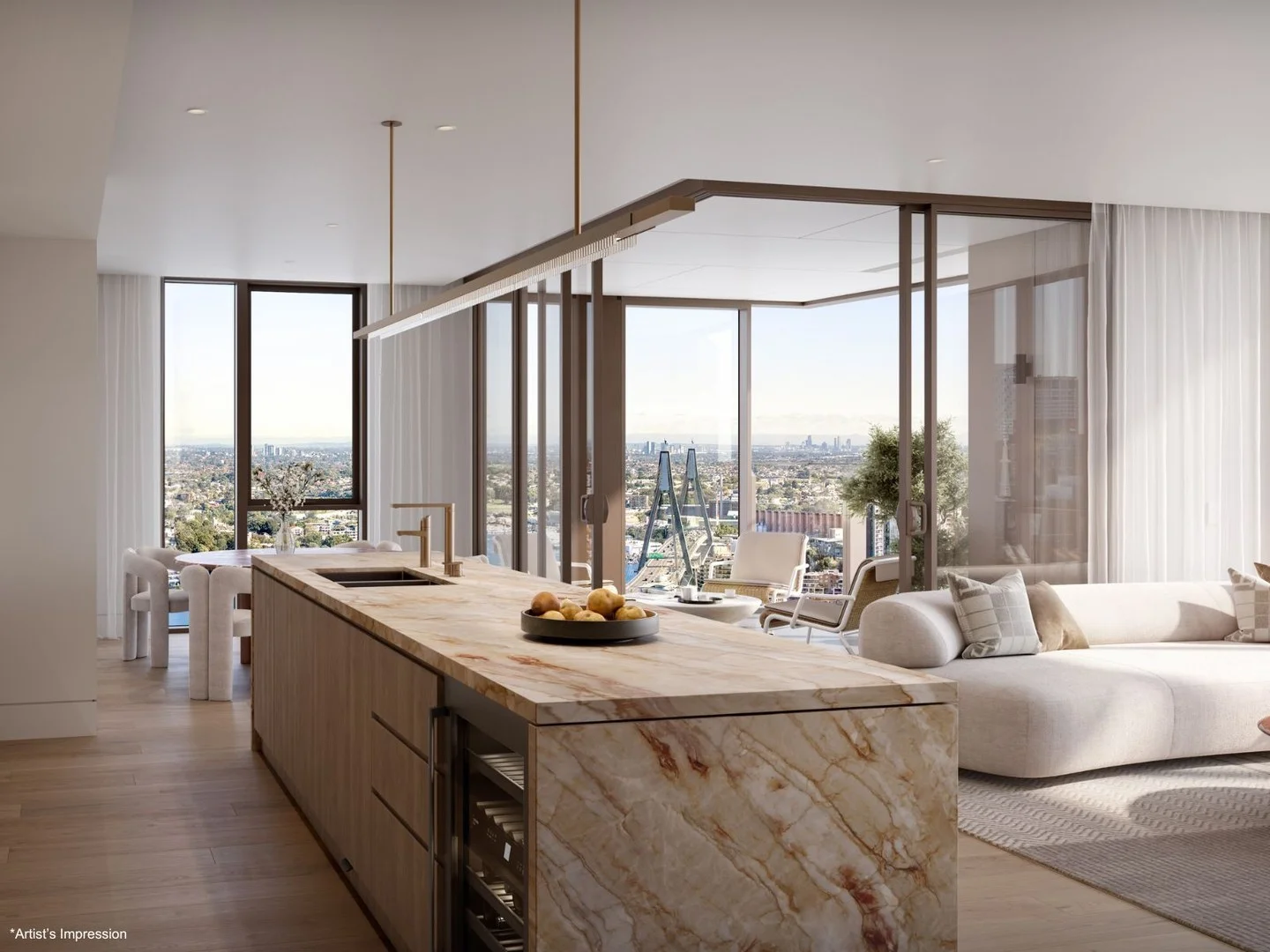 $9,020,000
propertyType.NEW APARTMENTS / OFF THE PLAN
$9,020,000
propertyType.NEW APARTMENTS / OFF THE PLAN
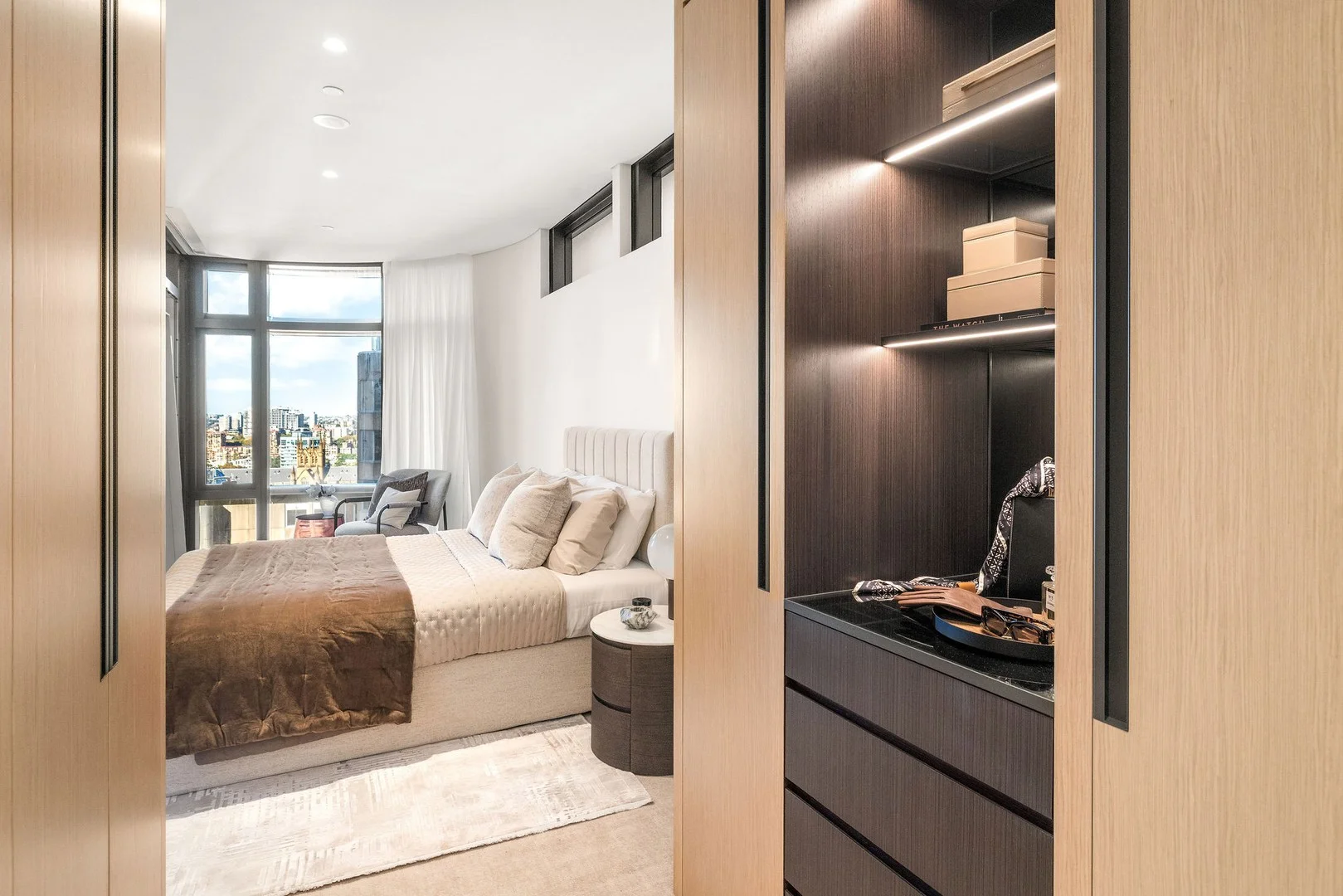 $2,745,000
propertyType.NEW APARTMENTS / OFF THE PLAN
$2,745,000
propertyType.NEW APARTMENTS / OFF THE PLAN